Subforce JiuJitsu & Muay Thai: He Bought the School He Trained At
Starring
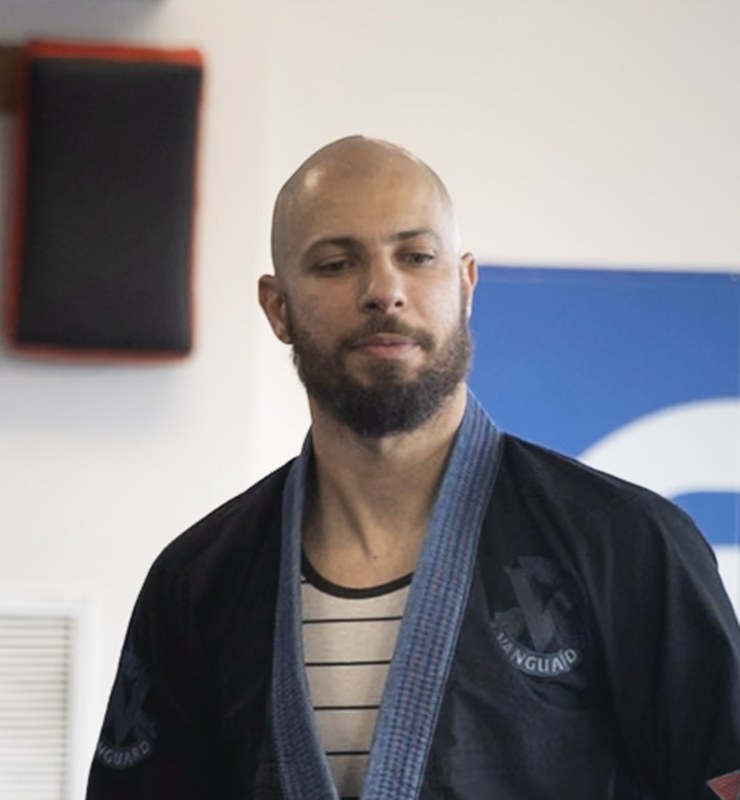
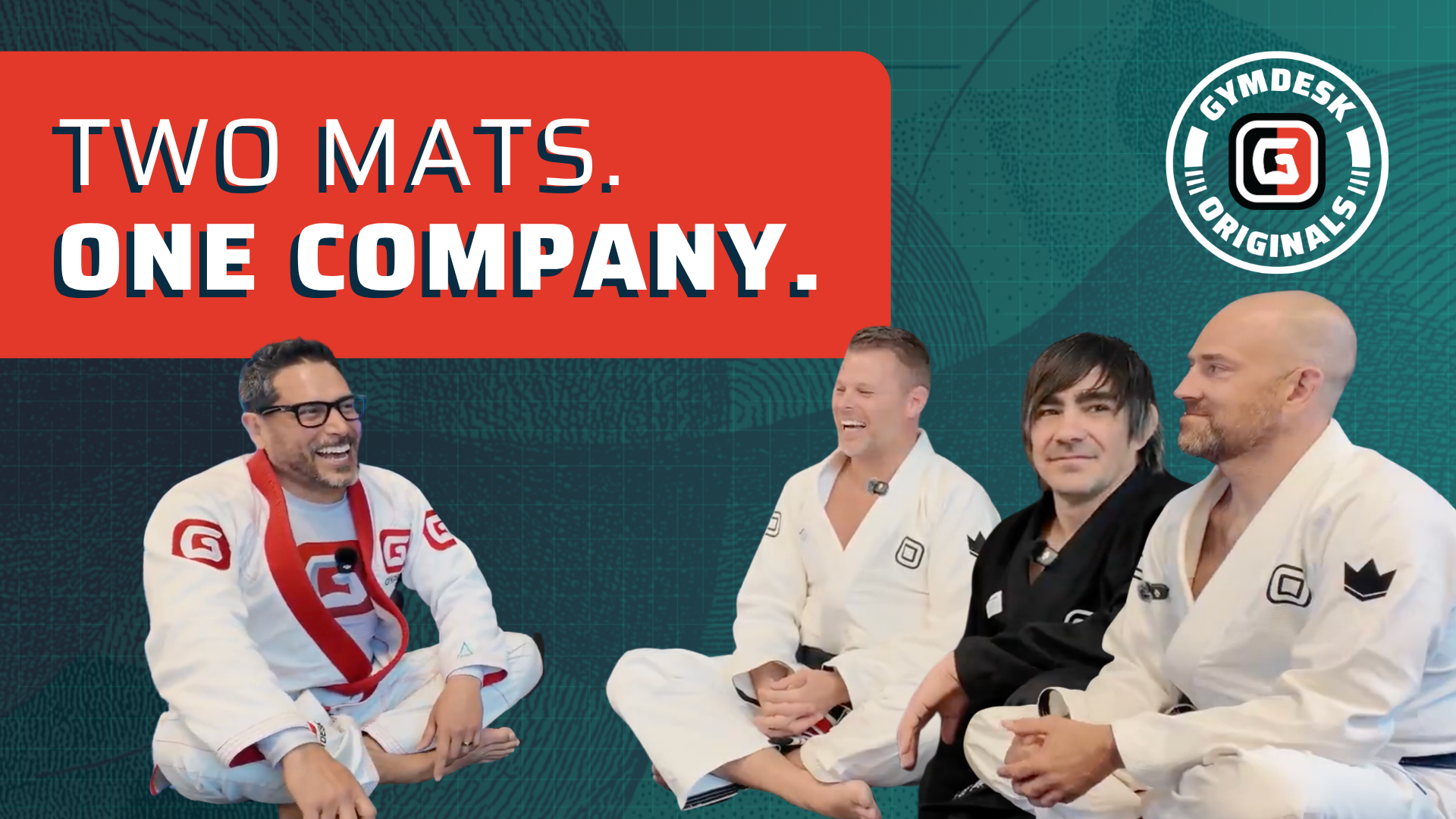
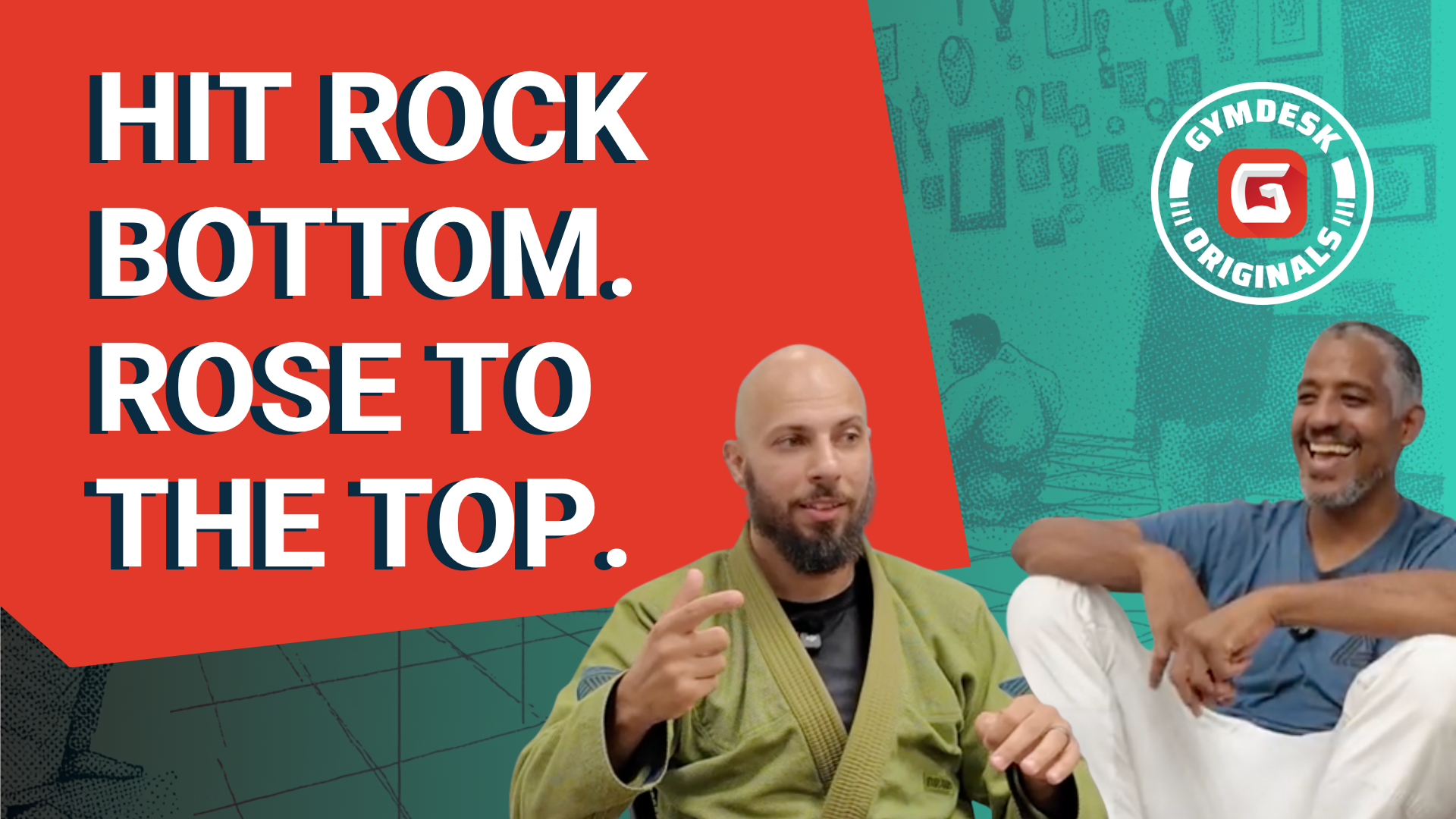
Abe Awad owns Subforce Jiujitsu & Muay Thai, which he bought from its retiring founder after years of training there and teaching its kids' and adult classes. He is a second-degree Brazilian jiu-jitsu black belt under Marcos Duarte, who has been his instructor since Abe was a teenager. The two co-created the Show the Art instructional brand.
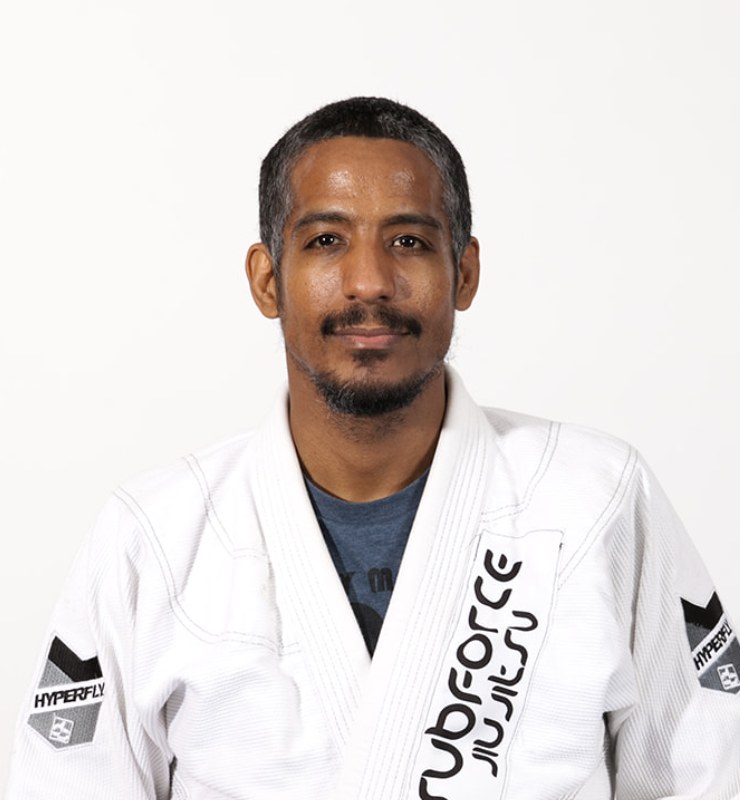
Marcos Duarte is Subforce's head coach and a third-degree Brazilian jiu-jitsu black belt. He is a multiple-time No-Gi Pan-American champion who came to jiu-jitsu through Jeet Kune Do and lost his first five tournaments before it clicked. He has taught Abe since Abe was a teenager.
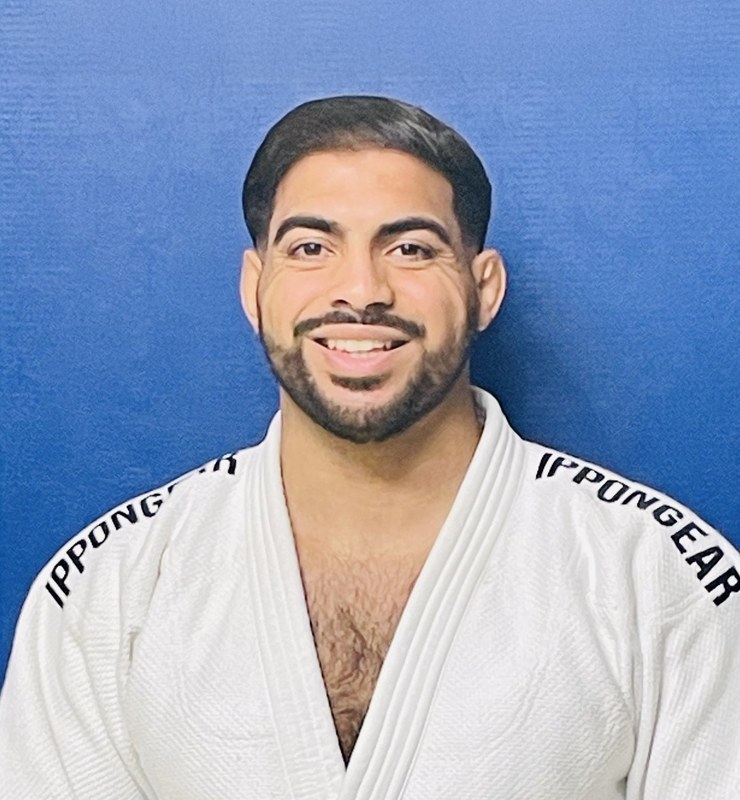
Steven Santos runs Subforce's judo program. He started judo at 11 and is a judo black belt, and at 30 he also holds a purple belt in Brazilian jiu-jitsu after about five years of training. He posts judo-for-jiu-jitsu highlights as @martialhistorian.
About the Gym
Subforce Jiujitsu & Muay Thai is a martial arts academy at 718 Ridge Road in Lyndhurst, New Jersey. It teaches Brazilian jiu-jitsu in the gi and no-gi, Muay Thai, MMA, and judo, with wrestling some days and a kids program. In Marcos's words, "we teach ages three years old to 82 and everything in between."
Abe Awad owns the school. He bought it from its founder after years as a student and then an instructor there. Marcos Duarte, Abe's instructor since his teens, is the head coach, and Steven Santos leads the judo program, which the school added once it could hire someone dedicated to teaching it.
New students get a free week to try every program. Beginners then start in an intro class for their first three months, and competing is optional. Abe moved the school onto Gymdesk after he took over.
📍 Address: 718 Ridge Road, Lyndhurst, NJ 07071
📞 Phone: (201) 470-0509
🌐 Website: subforcebjj.com
📸 Instagram: @subforcebjj
✉️ Email: subforcejiujitsu@gmail.com
Summary
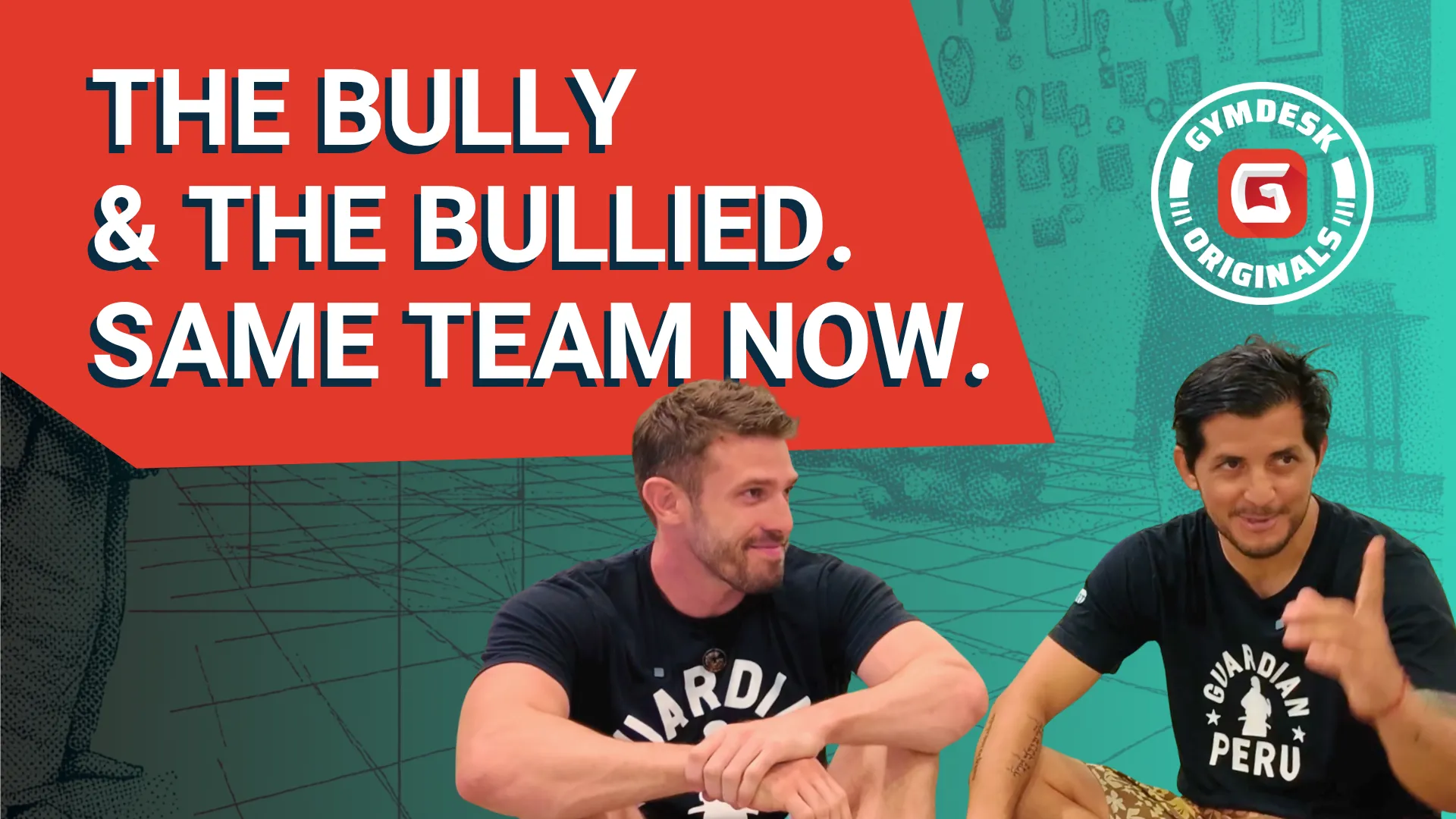
Alex Cuevas visits Subforce Jiujitsu & Muay Thai in Lyndhurst, New Jersey. The owner, Abe Awad, didn't open the school. He followed his instructor, Marcos Duarte, there as a teenager, took his classes, taught the kids' classes, and learned customer service and how to talk to parents from the founder. When the founder retired, he offered Abe the school. Marcos, offered the same chance, told him to "give it to this man."
Abe ran the sale as business as usual and didn't announce it. What members did notice was a fresh coat of paint and a new check-in system, which was Abe replacing the school's outdated software with Gymdesk. He also walks through the zero-to-three-month intro class, the road map he uses to teach beginners, and why judo and Muay Thai bring in people who were searching for something else. Head judo instructor Steven Santos talks about what judo adds to a jiu-jitsu game.
What Abe and Marcos Told Us
Abe Awad owns Subforce Jiujitsu & Muay Thai in Lyndhurst, New Jersey. He didn't open it. He bought it from its retiring founder after years of training and teaching there under Marcos Duarte, who has been his instructor since Abe was a teenager and is still the school's head coach. Here is what came up about the sale, the software, and new students.
The offer, and the coach who passed on it
When the founder decided to retire, he offered to sell the school to Abe. As Abe tells it, the founder wanted it to go to someone the members already knew, not a stranger. Abe said yes.
"I didn't want to talk about it. I didn't want to be the dreamer. I wanted to be the guy who freaking gets it done. And I did it."
—Abe Awad, owner
Marcos had been offered the same chance and turned it down.
"The opportunity was offered to me. I passed up on it. I'm like, give it to this man. … I didn't want to carry a building over my head of however many students at night at this age."
—Marcos Duarte, head coach
A sale the members barely noticed
Abe didn't announce the change.
"No one even notices. Like, I didn't make a big deal about it. People asked and I eventually told them. … Whoa! You got the check-in system now. Whoa! You know, there's a fresh coat of paint on the wall. That kind of stuff. … But I wanted it to feel like business as usual. Everything's the same."
—Abe Awad
And if an outside black belt had bought the place instead? "We'd probably be out of a job, to be honest."
The software came first
That check-in system was the visible end of a software switch. When Abe took over, the school was running on an old system.
"We were using an old software. That was outdated. The customer service was terrible. They weren't updating their system. So, it looked like it was 10 years old."
—Abe Awad
He shopped around and picked Gymdesk. He wanted belt ranks, check-ins, memberships, class passes, and waivers in one place, plus marketing email and texting without paying for a second tool. His test for all of it was short.
"If I can't figure it out in five minutes, it's too complicated, right? … If I can't do that on day one, if I can't figure it out on my own, it's probably too complicated. And with Gymdesk, I felt like I was able to figure a lot of that stuff out on my own."
—Abe Awad
An intro class for the first three months
New students start in an intro class for their first zero to three months. Abe explains why with what people told him about schools that skip it.
"other schools that didn't have intro classes, they felt scared, they felt nervous, they felt like getting thrown into the deep end when they can't swim … it's not about fighting today … It's about showing you what jujitsu is all about"
—Abe Awad
The side effect is that the students who finish it start doing some of the welcoming.
"the three-month white belt that's been in the intro class for a while is like a big brother when a new person comes in."
—Abe Awad
A map of a new town
Abe teaches beginners with a road-map comparison. Drop someone in a strange town with no phone and no map, and they get tense and hyper-aware.
"So like your mind is racing and everything's foreign. That's how people feel their first day in Jiu-Jitsu."
—Abe Awad
So the first lessons are landmarks: where the house is, where the job is. Other routes come later.
"But I can't show you multiple routes until you kind of have this broad, general understanding of the map. … And now the student can start to improvise on their own. And they're not going to feel lost anymore"
—Abe Awad
Several arts, several front doors
Judo is the newest program, added once the school could hire a dedicated instructor in Steven Santos. Abe says the choice to teach several arts was about martial arts, not business. The business case turned up anyway.
"I could have multiple businesses running out of one facility, right? … Same thing with the judo. Our, you know, our school will come up on their radar, on their Google searches."
—Abe Awad
A free week lets new people try every program, and some who come in for one art sign up for another.
Read the full transcript
Lightly edited for readability. Speaker labels are omitted because the source recording is not diarised; quotes attributed elsewhere on this page were verified against context. [inaudible] marks words that could not be made out.
Behind every gym, there's a story, a mission, a spark of passion that started it all. This is Gymdesk Originals. Real owners, real struggles, and the communities they've built from the ground up.
My last training session, no-gi. How did I do? Not so well. What do you do when you get knocked down? Get up again and you go, right? Just like that song says. Only problem is for me, I can't go to another no-gi jiu-jitsu right now, but what I can do is dust myself off and go to a gi class. So I'm heading to another school right here in the New Jersey area called Subforce Jiu-Jitsu, a business that's been in place for 20-plus years in the New Jersey area. And let's see if I can get some of that mojo back and whip out my old gi. All right, I made it over to Subforce Jiu-Jitsu. I'm going to check out the kids' program right here in New Jersey. Let's go.
Let's go check it out. How are you, sir? Nice to meet you. Nice to meet you. Yeah. You ever use a service, Gymdesk? I have. I have used it. Yeah, it's pretty cool. How do you like it? [inaudible] love it. Whoa. Nice. Makes it easy to check the [inaudible], keep track of [inaudible]. Yeah. Wonderful. Yeah. Cool. I quickly stepped out of class and just found out they have a really strong judo black belt in here. It was a purple belt. And they were practicing lots of throws in the beginning here. So we'll see how it goes. That's the one thing I've been wanting to work on. And it's cool to see Jiu-Jitsu Gym embrace some of the judo takedowns. So excited to see how that turns out.
All right. We just finished class. A couple rolls. I'm here with Steve, Martial Historian. Is that right? You got your own channel? Yep. On Instagram, Martial Historian. Bunch of history content on the history of judo, Brazilian jiu-jitsu, and Japanese jiu-jitsu. Nice. And besides being a purple belt in jiu-jitsu, you're also a judo guy, right? Yeah. I'm actually a judo black belt. I started back when I was 11. I'm 30 now. So I've been doing judo a lot longer. Obviously, from the belt, you can tell I've only been doing this for five years now. Yeah. Wow. That's a combination. I'll tell you. One of the things that I learned. So I had my first competition like three or four weeks ago.
I forget. Something like that. My first one, I was happy that I actually got kataguruma. The second match that I had, the guy was like hunched over and I couldn't get my grips. And that's like one of the things I walked away from. But having judo is such a major advantage when you're doing jiu-jitsu, especially at a tournament. I can't imagine you haven't fully exploited that. Yeah, on Instagram, I have a couple highlights, judo for jiu-jitsu. So I do history and judo for jiu-jitsu. I'm also more impressed by the fact that you know the name of the fireman's carry, kataguruma, shoulder throw. Well, shoulder wheel is the literal translation in English.
But yeah, having judo and jiu-jitsu is a huge edge. It's a huge advantage just to dictate where the fight takes place. Being on top and having all that pressure because judo gives you that base to add that top pressure. Every judo guy is known for that when they step into the realms of groundwork, also known as ne-waza. When I was doing judo, which is the first thing that I learned, I wasn't necessarily trying to go for a submission. I know there are submissions in judo, but it's like there's a 30-second pin and then you win, right? So like I have like worked on undoing the, okay, I pin somebody and then moving to submission. So that's like a slow thing for me, but you are much more advanced.
Did you have that mental shift at all or you always going for a submission? I had the same transition. I was so used to passing the guard and just holding someone down and, you know, getting the ippon, the win, for pinning them. So I wasn't really used to fighting for submissions. And there are times where I still kind of get a little complacent and I just hold side control or mount. And I won't hunt for the submission in competition. In practice, I always hunt for the submission, but it's a transition, you know, it takes years. When you're so used to pinning someone down and winning by that way, it's a huge journey to shift your mindset. It's a mental shift.
You shift from pinning to submission. Let me tell you, like hunting for a submission, it comes with a lot of risk. You know, you can lose your top position and judokas don't want to give that up. I guess one more rule change that happened, I don't know, in the last five years, I don't know exactly when, is you can't grab legs, I guess, now in judo, right? Yeah, 2010. Yeah. Oh, 2010. Yeah. Dang, that was a long time ago then. Yeah, it's been 16 years since they banned leg grabs. Now, one more question for you is because you're doing both and obviously you can grab legs when you're doing jiu-jitsu, do you have to, like, turn parts of your brain off?
Like, you shut off your game when you're doing judo? Like, are you having the same kind of, like, flip-flopping? So, for me, I do have to shut my brain off. When I'm doing judo, I want to grab the legs so bad. You know, when I go to judo clubs, sometimes I tell, you know, the judokas, hey, I'm going to grab legs and I'm not going to get off on the ground. We're going to keep fighting on the ground. But there are other times I respect, you know, the judo rule set and I do need to turn off the jiu-jitsu switch. And when I'm doing jiu-jitsu, you know, like, it's happened to me before in competition. I've gone for the big throw. I throw the guy flat on his back and I pause instead of continuing on the ground when I should, you know.
But I fixed that up. But, yeah, it's a transition as well, you know. The rule shift because it is a mental thing. Well, that's awesome. People want to learn more about the history of all of these martial artists. They can look up your channel. What's it called again? Martial Historian. Instagram, YouTube, TikTok, and then Facebook. Awesome. Check it out. Thanks very much, man. Appreciate your time today. Yeah. It's a pleasure. I'm here at Subforce Jiu-Jitsu and Muay Thai. I had the honor of being able to be hosted here today. So I'm grateful. Thank you, too, for allowing me to come in today, experience the class, check out your place. You guys had multiple programs going on when I first got here.
It was a kid's class. I think your son and daughter were in the class, both, right? Yeah. She's a little too young, but... Yeah. She was having fun. Yeah. Yeah. And then we had the adults class. And you have no gi and gi, but today was a gi day. And then at the same time, you're running a Muay Thai program in the basement, which is cool. Well, today was actually a no gi day. Yeah. That we converted to a gi day. Yeah. For you. Oh, well, I appreciate that because I'm working on my fear of no gi because I feel like a fish out of water. Like, you know, a lot of the things that I'm used to doing, they just don't work. Like, you know, I do a roll and there's like, oh, there's no gi and they just slide right out.
And I'm like, you know, so I end up burning a lot of energy. But no, I appreciate that. Thank you for, again, for hosting me. I like to always start out these interviews just asking a little about martial art background and, you know, how long you've been training. Would you start in? Maybe we'll start with you. Yeah, I would say since I was like five years old, it's probably the earliest I could remember wanting to do martial arts. Yeah. And being obsessed with like all the cartoons that did martial arts, like Ninja Turtles and stuff like that. Yeah. Anyway, I remember wanting to do it since a young age. Then when I was like seven or eight, we did Taekwondo for like five months.
Taekwondo, right? Yeah. And I remember the feeling of like, wow, I finally am doing like fighting. Yeah. This is exactly what I wanted. And then, you know, my parents took us out of it for whatever reason. And then fast forward to many years later, I was probably like 16. And then I started training, you know, as a grown person, paying for my own training and traveling on my own. So about 16, no, 15 actually. And then, you know, probably since then, I've been doing all sorts of martial arts. But it wasn't until I started doing jujitsu where I really started focusing on one, which is the primary, primary focus, probably the last 18 years. So, yeah.
Yeah. And you all met around 18 years ago, right? Something like that? When you were 17, 18? Ooh. Yeah. Damn. This guy's good, man. Fuck. Yeah. Yeah. So, you're at a different school, obviously, because you're training somewhere else. And he's walking in as a white belt at that point? He had no belt. Oh, he had zero belt. He had zero belt. Okay. He was a teen. Yeah. I met him as a teen and I saw his transition from teen to adult. Yeah. To man. To man. So, you're, as you see this trend, when you first see the guy, I mean, here we are. Would you, could you have imagined or did you sense something in him at that time? They're like, I'm going to, I'm going to be close to this guy for years.
He came with another. So, there were two. Okay. And I gladly took them under my wing and started molding them and fashioning them to be assassins. Yeah. Low key. Yeah. And it was a passion project of mine at the time. Yeah. And I just kept like, you know, just dropping information and gem, jujitsu technique gems and just seeing what they did with that information. Yeah. Yeah. At the time, me and my buddy that he's talking about, we were training somewhere and Marcos would come visit every like Friday or something. And we were just starving for like, you know, really good technique and skill. And we weren't getting fed that. So, whenever he would come in for the, whatever, the few minutes or the day that he would come in, he would bring that in the form of jujitsu.
So, we started to gravitate towards that. We're like, well, this person's really feeding us technique and skill and, you know, challenge. Right? Not to be like, we weren't really good. We were only training for a year, but we just weren't, that, that, that place that we were at wasn't the atmosphere for it. Yeah. And even though it was still good, there was a lot of great things about it. And he would just, you know, so we kind of started latching onto him as a teacher. And then we both just started kind of following him. Yeah, it became this, like, low-key, unspoken, covert operation in the training environment we were in. And it was just really, really fun.
I was passionate delivering the information, and they were gladly receiving the information and applying the information. Yes, yeah. And I was, I saw their expressions unravel and unfold, and I'm like, wow, I like the way you guys are doing that. That's their jujitsu now. Yeah. So, yeah, it was awesome. That's cool. Yeah, and at the time, he kind of dropped a little Easter in there. But to clarify it, he was saying it was like a covert operation. Literally, he was presenting it like a covert operation. Like, secretly, I want you to try to do this on this person. Secretly, I want you to try to do this on this person. Yeah. And, you know, that kind of thing.
And that's, I think that also fed us, because, you know. You're like, you're in, like in some, like. Yeah, exactly. Yeah, yeah, yeah. And, you know, I guess as a kid, when somebody's giving you attention, you know, somebody, a figurehead, a teacher, is giving you attention, and they're teaching you, and they're making it fun, that's like the whole package. So, like, of course, I'm going to do that over, you know, not saying this is the person, but, like, if you have a math teacher that's really fun and still teaching you versus the boring 70-year-old math teacher, you know, who are you going to gravitate towards? Also, I was kind of, you know, sort of looking for that, too.
I wanted to get better, and I wanted to be challenged, and I wanted to, like, learn new cool moves, and that's what he was teaching when he would come, so. And those are the best students, right? Those are the people who are ready to receive. It's easier to feed. Yeah. Passion and excitement. It's reciprocated. That fuels motion. He was showing up. I was showing up. I was delivering. He was receiving. He was applying. He was converting that information into wisdom, into knowledge, into experience, and it's just a fun time. Well, as your background, Professor Marcos, how was, tell me your world. How'd you get into the game? What'd you start with?
Okay. Well, I was smoking mad weed. Okay. Like, a lot. Playing games all day. Making beats and music. And my body was just yearning for physical nutrition. I'm like, I need to do something with this vessel. Yeah. Other than slumping a chair, smoking a blunt, and playing video games. Yeah. And I was on a van coming home from a job interview, because I was broke. And I saw a martial arts school to the right of me, a picture of Bruce Lee. I recorded the phone number in my brain. Thankfully, I remembered it. Yeah. Actually, I did have a cell phone. I called it right then and there. And two days later, I went in with a big-ass fro, red-ass eyes. Oh, man.
And as I stepped into the building, I see a pair of people in the corner kicking a shield, doing kicks on a kicking shield. I saw another pair in the corner doing stick fighting. I saw another pair in the other corner grappling. I'm like, what the hell is going on in here? Yeah. And it was just a full martial art experience, and I signed up to that school. So, my background in the beginning was Jeet Kune Do, followed by Savate Kickboxing, and then Jiu-Jitsu. Jiu-Jitsu is what magnetized me the most. I mean, first it was Jeet Kune Do, but once I got a taste of Jiu-Jitsu, like maybe in my fifth class, I was enchanted. Yeah. Yeah. Yeah, and in case someone is 20 and watching this, they're like, Jeet Kune Do, Bruce Lee, right?
Back then, it was probably pretty popular. Was your interest in Jeet Kune Do because it was just interesting to you, or there's an element of the Bruce Lee effect? All of it. All of it. You know, Bruce Lee's magnetism. Yeah. You know, I was sparked by Bruce Lee. I think everyone was activated by Bruce Lee's presence, by his aura. And yeah, that energy just, you know, kept me going. Yeah. And around my time was Bloodsport. Our time. Yeah. Yes. Correct. Because this year, turning 50, so TikTok, American Ninja, you know, all these ninja related things and like anything striking, kicking was like cool, you know. So that's where the Taekwondo passion was for me.
I grew up on those movies. Yeah. And I think that's partly why I'm really interested in martial arts because my dad was into those movies. Yeah. And he would allow me to watch them when I'm eight, nine years old. Yeah. So Bloodsport, you know, all these movies, all the Arnold movies, all the Van Damme movies. You'd be like, yeah, watch it. Look, it's cool. Look, these guys are real fighters. Yeah. And I'd be like, wow. Like, he was really cool for me. There's something formative there, isn't there? Like, if your dad is saying, oh, look at this. That's amazing. And you're like, oh, I want to be that because I want, you know, there's probably something in you and all of us that wants to be like impressed pops, right?
Yeah. Definitely. Yeah. Actually, when I first started training, we would go to the gym and his buddy there, who is a corrections officer, would teach us stuff. Okay. He would teach us like Filipino martial arts and boxing and stuff like that. So that's when I, when I was 15, stick fighting, knife fighting, open hand fighting and, and boxing because he was a boxer. And that was when I was 15. That's when I really started training when I first started coming back. So we were both doing it together. Yeah. Which was like, you know, of course, really important, you know, and special doing something with your dad. He's doing it too. You know, that was really cool.
Oh, your dad was doing it with you? Yeah. Oh, man, I can't beat that. But it was like in the back of a weightlifting gym. Yeah. It was like super underground kind of thing. Even though you're sort of enthralled by the idea of Jeet Kune Do striking, Jiu Jitsu seems to catch your attention. So you start putting more and more attention. You just felt more passionate about it. You know, not in the beginning, but I just kept doing it. I didn't like it like it, but I just kept doing it. And then all of a sudden it just, yeah, I started loving it. And so also in your journey, you were competing. Correct. Yeah. Tell us a little bit about that because you have quite a beautiful record.
It's cool. You know, the first five tournaments I ever did, you know, I jumped into these tournaments with a whimsical, quirky, whatever happens, happens. I don't give a shit. Still smoking weed. Still had a big fro. And I got annihilated my first five tournaments. Yeah? Yeah, I got murdered. And I didn't give a shit. I'm like, oh, this is pretty cool. Like I stepped into the fire, got murdered, came out of it unscathed. But like, wow, I went through that and I came out of it and I'm still fine. And this is a fun art. But all of a sudden I do a tournament and I just pulled off like a string of beautiful technique transitions. Like pull, close, guard, flower sweep, two points for the sweep, landed in mount, control mount, four more points.
I'm up 6-0, S mount armbar, finish. So it was just like a nice technical, basic technical sequence of successful techniques that worked. And I would win. I won that one match, repeated that same performance in the second match. And then the third match, I go up a judo guy who's a black belt, but I'm feeling myself and I'm actually trying to stand with him. But then I end up pulling guard in the same sequence. And I won the most technical award as a white belt with three stripes out of like other blues, purples, and browns. Not all competing against each other, but in their own divisions. But a white belt with three stripes got awarded the most technical award.
That's nice. Out of all these higher belts. Yeah. And I'm like, wow. So I won that tournament as a white belt. What year was that? I don't know, 2004? Okay. 2003. So you had at least four or five where you just got smashed, but you didn't let it get to you. You're like, hey, this is fun. I didn't give a shit. Yeah. And then all of a sudden you start winning. Correct. Is that when it, you know, like I just talked about, it kind of was all coming together. Was that the feeling you were getting? Like, oh, this is just working now? Yeah. I just never had a results orientated focus. I had a having fun, pulling off cool ass techniques and pressing my part, my training partners and coaches approach.
I just wanted to show the art. Yeah. And that was the basis of my, of my training. It was just all to apply these cool ass moves and show off kind of whether I won or not. I just wanted to get the highlights. Me and him, that's what we trained to do. We trained to collect highlights. Yeah. Win or lose. Yeah. And that was always my approach. So I didn't care if I won or lost back then. So the beauty of the art showcasing those pieces. Yeah. That makes sense. In 2012. This guy. You did the Nogi Pan Ams. Yeah. Absolute. So if you don't know what that is, because maybe you're new or whatever, that just means, what does it mean? That means all weight classes.
So you can go against 250, 240 or 150. Yeah. At the time I was a purple. So purple between the ages of, I think it was either 30 to 35 or 35 to 40. I don't really remember. Yeah. What it was. It's pretty long ago. Long ago. Was it the same attitude at this point? You're like, hey man, I'm just going to get in there. It is what it is. Yeah. I mean, I know jiu-jitsu. My opponents know jiu-jitsu. And let's test out this jiu-jitsu. Yeah. And so you, in that competition, you both, you won not only your own weight class. That's one tournament in brackets and all that. And then you also won the absolute. So it was two. So how many, four or five fights?
How many fights? Four fights total, actually. It wasn't that many back then. Two in the absolute, two in my division. In my division, I won both matches. Second match was by submission. And then in the absolute, I submitted both.
Nice, nice job. You know. Yeah. How tired were you, though? I wasn't tired at all. Good for you. For some weird reason. Yeah. I did a lot of mental training. Yeah. I read the Book of Five Rings, the Book of Fire, specifically. And that really charged me up from the inside out. Earlier, we were talking about you guys have done like video stuff before. You guys had a program called Show the Art, like an instructional video brand. And that was long before here, right? We were around the same time. We did it all here. Okay, you did it here. So, yeah, 2014. Okay, 2014. Yeah. Tell me about that. I mean, there probably wasn't a whole lot of things out there instructional at that time.
What was that about? It started as like a social media, Instagram brand. So what we would do is find highlights of matches that we liked. So, you know, at the time, who was the stars? Like the Mendes Brothers, Lucas Lepri, Braulio's theme. Marcelo Garcia, all these guys were the ones, Kyle Terra, competing and getting all the highlights. So that's one of the ways that we would always like get inspired and practice moves that we wanted to do. So, yeah, like when we would see a successful move being pulled off in a match, we'd pause, clip it. Okay. I'm like, what the fuck was that? That's a dope sweep. The very first clip we cut was Otavio Souza.
He did this one sweep that I really liked. I watched the second match. He did that same exact sweep in the next match. And then he did that same sweep in his other match. I'm like, oh, this is a constant for this guy. Yeah. This is in his main arsenal. And he's pulling this off against another black belt, another world-class black belt. So I'm like, we're stealing this shit. Yeah. And we're going to drill the fuck out of this because I'm allowed to curse. I'm allowed to do whatever I want. Do you hurt? And that's kind of how it's, you know, we just started like zoning in on successful techniques being pulled off, clipping them, giving them the name that we thought it was called and posting it on Instagram.
And it just blew up. And then we were just sharing it. And at the time on Instagram, there wasn't much jujitsu technique sharing yet, if that makes sense, especially the way we were doing it, short clips, you know, 10 seconds, just one move quick. So it started to get popular because there wasn't any, you know, competing brands, you know, competing pages out there. I don't want to say brand because it wasn't a brand yet. Competing pages out there that were doing that. So we started gaining a lot of traction, you know, 40, 50, 60,000, you know, what is it called on Instagram followers? But, you know, during that time, we're like, oh, it's catching on.
Let's just keep doing it. You know, we're doing anyway. And then it started branching off to like YouTube instructionals. We just tried to make it more. Monetize it. Yeah. And more like what we like. Yeah. Too often were we watching like instructionals online where like you're five minutes in and the guy still didn't show the move. So we're like, come on, get to the point. We showed the move first so you could see it and decide if you want to continue like learning it. I would imagine when you're doing that and you're like sleuthing, watching, you know, competition, you're like, that was awesome move. And you don't have it in your arsenal. But if you're going to do an instructional, you kind of have to.
So you would drill that and it becomes part of your arsenal in order to show it. The good thing is we don't have to because we're taking clips from black belt world champions that are proving it works. You don't have to prove it works. This guy proved it worked. That's why I'm showing it. Okay. But you can also, but we were, it started because we were watching them anyway so we can add them to our own game. Yeah. So like we got all these clips on our phone for, because these are all drilling, you know, lesson plans that we're going to practice. Yeah. Like you said, from Natsweep to Braulio, Nibar to the, you know, Mendez, berimbolo. Then we're like, let's take all these clips that we already have that we're already practicing and then put them into video format.
Yeah. That's kind of the way. And you think though, by doing that, it makes it easier for you to like absorb it into your game or it didn't really make a difference? No, because we were already doing it. Okay. And honestly, seeing it pulled off, that informs us that this works. Yeah. And obviously you guys are quite passionate about jujitsu, but you also have Muay Thai here. And maybe you've had other programs, MMA or Judo or something like that in the past. No, we have Judo. You have Judo now. Yeah. Okay. Monday, Wednesday, Friday, Judo, we have MMA, MMA class going on right now. Okay. Yeah. So as a, as a business owner, like why incorporate all those?
For those who maybe have opportunities to partner with other people who are out there who may be watching the show, why is that? Yeah. I mean, for one, you have to look at the market and the filter.
We've had many years of martial arts going through the filter of the, of the experience of what works and what doesn't because mainly not because of movies growing up. My dad was like, that guy's a real martial arts. Jean-Claude Van Damme. He could really beat people up. That guy, Steven Seagal, he could, he could hurt people. Watch him. He's really good. That's how my dad was, was kind of pushing these guys. He thought that they could do those actual moves. And many people do think, I thought that they could do those actual moves on, in real life situations, even though they're just movie magic. But, after the UFC started getting popular, especially after the early years where it was one-dimensional, once people started to incorporate like, oh, okay, let's train a little bit of that.
Let's train a little bit of that. Then we start to see all the filtering of what's really working and what's really done. So now, because like an MMA organization like the UFC that's really popular, it gets the highest level guys. What we've been watching over the past, what is it, 30 years now, 92, right? And to, yeah, we've been watching this natural filter of what are the best martial arts, which become inevitably, because the UFC is so popular, and in America, everything is monetized, it becomes what's the most popular as well. So because Brazilian Jiu-Jitsu had a lot of success, it went through the human filter, the sports filter of Jiu-Jitsu works against a lot of martial arts, boom, it got popular.
And the genius of the Gracie family in marketing. And then boxing was always around. So people always believed boxing worked. That didn't need to go. That's been going through the filter for 100 years now. And then Muay Thai, people started training, showing that Muay Thai works in MMA. So that's gone through the filter. It's gotten really popular. It's effective. Why is it that you don't see too many like Dutch kickboxing or French kickboxing or Taekwondo or any of these, you know, other kickboxing martial arts prevalent in MMA? Because they don't work as well and they're not as applicable when you take the totality of it and you make it more like a real fight.
MMA is rules, sport, but it's the most like a real fight. And then, you know, so boxing, Muay Thai, Jiu-Jitsu, Judo too, somewhat. It's definitely wrestling, of course. Wrestling has gone through that filter of MMA, of a real fight, if that makes sense. So I think that's what made them popular right now. And I think that's why people do them. That's certainly why we use them because they're the more effective martial arts. If we could have it, we'd probably also teach wrestling, which we do sometimes because we have many students that are like, you know, have been wrestling since they were kids or wrestled in college. Judo is a new program here, but it was more just a lack of being able to hire somebody.
And now we have a guy that's like dedicated, willing, and very skilled to do it. Yeah. Is that Steven? Steven. We got it. Yeah. I got a chance to talk to him. Business-wise, though, do you feel that attracts, like you might get someone who just wants to know striking and they just stick to that program, but it allows you to throw a wider net, bring in more people? Yeah. I mean, I feel like the decision to have those martial arts wasn't business-based. It was, you know, martial arts-based. Yeah. But if you think about it from a business standpoint, I could have multiple businesses running out of one facility, right? Like, I have the business of Muay Thai, of a Muay Thai program.
So people that are, the Muay Thai's on their radar, they're searching for Muay Thai, they'll come here. Or they'll, our school will come up on their radar. Right. Same thing with the Judo. Our, you know, our school will come up on their radar, on their Google searches. So we're getting these funnels from a few different accounts, rather than just being a Jiu-Jitsu school, which is great as well. Many people just do Jiu-Jitsu and they're very successful. There's people that, they don't know anything about martial arts, but they heard Judo is a good martial art. But they literally don't know what Judo is. So they search for Judo, they, it could be anything, it's not, I'm using Judo as an example.
This has happened in people that come in for Judo, for Jiu-Jitsu, and for Muay Thai. The same scenario has happened and played out in all three different ways. But they literally have no idea what Judo is, which is fine, that's why they're coming. But then they realize like, oh, I think I like Muay Thai better. This is kind of what I want to do. So they end up signing up to Muay Thai. Or they come in for Muay Thai and then they're like, I want to try them all because we give them a week free. Then they try Jiu-Jitsu and they're like, whoa, this is way more fun than I thought. And then, or this is way more useful than I thought. This is actually really important for me.
You know, like I want, I could see myself being really helpless in a Jiu-Jitsu class. I need to really study this, you know. So that happens quite often where they come in for one thing because they don't really know what it is. And then because we have the options, we might sign them up for all of them or it exposes them to the others. You mentioned one other guy upstairs was a judge at, what do you call it? Jiu-Jitsu tournaments, yeah. Jiu-Jitsu tournaments. Yeah, a referee. Thank you. And do you also have lots of your students going to competitions? Is that part of the culture that, you know, kind of comes up on its own? We have a good amount of competitors, but not a lot of competitors.
You know, I think organically, me and him, who are the head instructors, we don't compete anymore or we haven't in a while. So usually that helps steer the boat when it comes to everybody being inspired and willing and wanting to compete.
But then also, we're not like, we just want everybody to feel comfortable to come and train and train hard. And if you want to compete, go right ahead. If you want to challenge yourself, that's great. You should do it. If you don't want to, it's all good. Just come, train, and just get here. That's what's most important. And yeah, I mean, do you have anything to add? Yeah, we love training the everyday person. And we teach ages three years old to 82 and everything in between. And we just, you know, they came into this building to fulfill a desired end result for themselves, be it weight loss, be it fitness, be it learning a martial art, be it competition.
Whatever their desired outcome is, it's what they came here for, and it's what we want to provide them. At least provide the environment, the knowledge base, our experience to help them achieve that. So if competition is not on that agenda, then we don't do that. So I personally love teaching the everyday person. Yeah. And those are the ones that pay the bills, right? The hobbyists. Correct. Correct. And kids, kids programs. You know, those are big. We just did a webinar earlier today. We were talking about that. Kids programs can be as big or bigger than adults programs if you can, you know, if you get it right. Post-COVID, the kids program was booming.
Yeah. I mean, I'm sorry, pre-COVID, booming kids. Post-COVID, adults. Yeah. Trump's kids now. Yeah. At least here. At least here. But no, but I mean, before it was like probably 65, 35 kids to adults. Now it's a lot closer to 50, 50 or 45, 55 in favor of adults. But before it was like lopsided. Yeah. Yeah. And so this building has been martial arts for like 30 years, something like that, right? No. Okay. This building has been here. Oh, nine. It's no, no, I'm sorry. 2012. Okay. 2012. Not quite then. But the owner was in this town. It was in different buildings. I see. And so he moved here in nine or 12. 2012. Okay. Somewhere around there. And brought his students and all that.
And then at some point, you started training here. I'd love to know more about that. Because this is a very, it's a little different. You know, the usual story is, you know, I got my black belt. I went and splintered off. I, you know, opened my spot and, you know, this is a little different. Can you tell us about that story? Again, in my journey of following my master, my sensei, to different schools that he was getting jobs and teaching at, he found himself at the place in Lyndhurst. And, you know. I instantly got offered an opportunity to teach on a Saturday. And after, like, amazing reception, I got a second day, Saturday and Sunday. And then basically got the guy fired.
Yeah, I got the, the before instructor fired and, well, I didn't do it. He fired, he got fired himself. Because your quality was better of teaching? Is that kind of? You said it. Maybe. The market wanted him more than the other guy. Fair enough. So, yeah, I got the position as the head instructor for the jiu-jitsu program, as well as teaching kids and assisting kids' classes and brought them along. And then he got an opportunity, he was training and he got an opportunity to start teaching kids' classes as well. And now he owns this joint. How about that? From rags to riches. There you go. Yeah. But, yeah, so we, we all moved to this building together.
You know, like we were, he, when he started working there, he was at the other building. And then I, you know, was, I was taking his class from day one. And, and then we moved here because it was a bigger space. And then, like I said, the old owner who was like a mentor, he wasn't a martial arts teacher of mine because he wasn't really teaching adults anymore. He was teaching kids. But he was a mentor in teaching all the kids' classes, how to talk to people, how to talk to customers, members, how to talk to parents when their kids are in the class. Impeccable customer service. Customer service. Yeah. How to present yourself, right? How to save money.
How to, how to get out of debt, right? Like I'm in all these things at 18, 19. You get, I did one, I did two years of college and I owe like $25,000. He was imparting this knowledge on me because I was seeking it. And I listened to him and he helped me, you know, pay my bills.
You know, all the things that I wasn't really taught as a kid in school and what my parents didn't really educate me on, on how to handle your finances. So he mentored me in a lot of those things. Whereas he mentored me more like on the mats in life, talking to girls, that kind of thing. He mentored me more in the business side of things, more in the martial arts realm and finances. Like I said, he gave me an opportunity. He was always like, you know, the number two guy here as far as, you know, he's the manager. He would kind of, he has the say to, to, to make decisions. Yeah. And then I eventually started teaching more classes and adult classes and, you know, two or three classes a day, you know, learning how to sign people up, all that kind of stuff.
And then one day the owner, you know, um, he wanted to retire and he just said, Hey, if you want to, I want to make you the offer. Or if you want to buy it, you're fit for the position. I'd rather sell it to somebody that's been here, that's ingrained in here and, and it's not a stranger to the people. And, you know, I didn't want to talk about it. I didn't want to be the dreamer. I wanted to be the guy who freaking gets it done. And I did it. So obviously you're very determined. You want to make it happen. You execute, you move forward. And then, you know, how are you, what kind of what's going through your mind? This is like your pupil. And then he's rising to boss, right?
I mean, that's what happened really. But there's no boss. Yeah. Yeah. Yeah. You know, I mean, our relationship and connection, you know, the energy between us, you know, started off as like teacher student. We migrated into a really wonderful relationship. So he's my best friend also. And I don't look at the age. I don't look at the status. I don't look at the bell rank. That's just my brother. So I trust him. He trusts me. We work super well together. The opportunity was offered to me. I passed up on it. I'm like, give it to this man. And the boss wanted to give it to him because he was hungry for it. Me and the other guy, we were both kind of checked out at the time.
I didn't want to carry a building over my head of however many students at night at this age. I have so many other things I want to do. So he's the right man. Yeah, that's awesome. And you're lucky because I've had unfortunate stories of things not working out sometimes where they choose the wrong partner and they get let down. So it's a beautiful, beautiful thing you guys have that, you know, supporting each other. And it's beyond business, right? It's deeper, deeper connection. It's always been a dream of mine to do martial arts. And then it became a dream of mine to have my own school. So this was the perfect scenario, honestly, to buy the school that you trained at, that they're all your students, you know.
No one even notices. Like, I didn't make a big deal about it. People asked and I eventually told them. But if I didn't say anything, no one would even notice a difference. I mean, they would start noticing, like, whoa, you got the check-in system now. Whoa, you know, there's a fresh coat of paint on the wall. That kind of stuff, like local improvements. But I wanted it to feel like business as usual, everything's the same. Whereas, yeah, if there was a brand new owner that came in, some other guy, some other black belt that used to own a school, he came in. It'd be different. We'd probably be out of a job, to be honest. Yeah. Yeah. So it would be way different, you know, so.
Yeah, well, speaking of the check-in system, how'd you find us? And how's that been experienced, you know? Yeah, the Gymdesk. To be honest, I don't remember who told me. When I took over the business, I was, we were using an old software that was outdated. The customer service was terrible. They weren't updating their system, so it looked like it was 10 years old, you know? We knew this business needed a more modern software, member software. So I started looking around, shopping around. One thing led to another, and I found Gymdesk, however I found it. And then when I compared it to others, I felt like they were, Gymdesk was more, A, it had everything that we wanted, which is like ease of use.
It needs to have all the martial artsy stuff, like the membership waivers and stuff like that. I need to be able to put somebody's belt rank on there, you know, that helps. I need to check people in, memberships, class passes, like it has all that baked in. But what I also liked was that it built in. I didn't have to get another software on the side to do marketing, email, texting. It was all built in. I don't need two, three different softwares or subscriptions. I could do it all there. I also felt like the user interface was like a lot more like cleaner and user-friendly. Like I was describing to you earlier, it felt more like when you use an iPhone, they just have a way of making it feel clean and easy.
Like when you're just going through the phone, not when you're trying to find something really specific, like going through all the settings. But like when you're just using the phone, like you could give it to a kid, they could figure out how to use the iPhone. They made it super simple and easy and clean looking. It's not cluttered. It feels really clean and easy to use.
And I felt like Gymdesk captured that the most out of the other ones that I saw. The other ones look good, but I don't know. When you got too many menus and it's hard to streamline, to go through the menus and stuff like that. It's like, I don't even want to bother. If I can't figure it out at this point, I've been through a bunch of, or I've seen a bunch of different softwares. If I can't figure it out in five minutes, it's too complicated, right? Like if I don't know where, because I know what I need and I need to create a membership to be able to sign up a student. If I can't do that on day one, if I can't figure it out on my own, it's probably too complicated.
And with Gymdesk, I felt like I was able to figure a lot of that stuff out on my own. It was very helpful to have somebody to guide me through it as well. But, you know. Yeah, it makes sense. Before we went with Gymdesk, we were on a call with another, a Zoom call with another company. And there was like eight or nine people on that call. Yeah, I forgot about that. And I'm like, what the? And, you know, we had questions and they didn't answer our questions specifically. So it was just too many cooks in the kitchen, if you will. Yeah, they wanted like 18 different Zoom meetings with us.
Sell me the thing in one video. Yeah. And then when we said, hey, let's do it. They wanted the introduction meeting. And then they wanted the, we want to introduce you to the people that are going to handle your account. And then they wanted the off-boarding meeting, right? To get all your data into their system. And then they wanted the, in four weeks, we'll catch up. And then we'll do the four to six week, you know, away from launch meeting. And then the three week away from launch meeting. Because we wanted to be, I'm like, dude, I want to open up next week. Teach me this stuff now. And there was something about like a payment portal being separate from the thing.
I forgot what it was. It just got really complicated. It was so complicated. I'm like, do you think I'm buying like a Fortune 500 company or something? I just want a membership software, dude. Just sell me the thing. I need to be, my business is running. I need it now, not four to six weeks from now. And I'm like, are they building me one? Yeah. From scratch. Sounded like that. That's what it felt like. Yeah, yeah. Like, it was so strange. Even though their service is good, because the company, I actually don't even remember what it's called. But I used them at other gyms. And I was like, wow, this is great. So that's how I figured them out. The software has been helpful for you to maybe focus on teaching or, you know, building communities and things like that.
One question I have is, and I talk about this. I always do this. I travel. Anytime I get, I want to visit a customer. Even if it's not a customer, I'm trying to go to open mat. But there's always a feeling of like, oh, man, I'm nervous. And I've already been around, right? So you think someone has zero experience, white belt walking in. Let's say they're 25. No martial art background. Well, are you trying to evoke a certain feeling? Because you guys have been doing pretty well. I mean, you guys have grown. And, you know, what, especially with all your background and training and experience, what are you trying to get them to feel so that they stick around?
Comfort. Safety. Fun. Excitement, passion, authenticity. Like, all of that. From the initial exchange, you know, the initial entry into this building. Like, every moment of, you know, them coming here and being here. Yeah. Get them over the fear and have them feel like, oh, this is a second home. Yeah. And instantly it's like, hey, how are you? We go up to them. Hey, how are you? Nice to meet you. Like you said, it's so nerve-wracking to go into a school. Even me, if I go visit a school and I feel like I have enough skill to hold my own in schools, I'm like nervous. Not even like, am I going to do well on the mat? I've never been there. Yeah.
Right? Like the uncomfortability of like never being somewhere before. Yeah. Right? So where am I going to, are they going to come up to me when I first see them?
Is it going to be obvious where I go? Are they going to be nice? Are they not going to be nice? Like all these things are going through a new person's head. So it's our job to like comfort them, make them feel welcome. Assess. He taught me about this a little bit more. Assess what their needs are instantly. Like, and what, how I have to like talk to them. Are they like really macho? So I'm not going to talk to them like a child. Right? Or I'm not going to be too comforting. I'm going to be maybe a little bit more direct. Like, hey, what's up? Nice to meet you. Come on in. Let's do the waiver. Hey, let me show you around. But if they're like, you know, a mom with the kid, the kid's five years old.
He looks super nervous. Then you have to play that. Yeah. You have to morph into that character of, hey, buddy, what's up? Show him attention. Be a little fun. Be a little friendly to him. So, you know, we have to morph a little bit. But everything that he said, those core principles, that's exactly what we have to do. And then on the mat, it's the same. That's a little bit why we kind of don't push competition too much. Because we don't want people to feel like stressed right off the bat that they have to do that or they have to live up to that. It works. Many people do it. But that's one of the feelings that we've had over that. So, you know, their first introduction on the mat.
Actually, well, we have an intro class for zero to three months, beginners. And what we've heard from people that have done that, that have tried other schools, is that other schools that didn't have intro classes, they felt scared. They felt nervous. They felt like getting thrown into the deep end when they can't swim because they can't swim, you know, in jujitsu metaphor terms. And they just didn't like the atmosphere. They felt like, you know, I don't understand the move. The people are trying to beat me up. What is this place? What am I doing here? Whereas like an intro class, as the instructor, it's much easier to say, it's not about fighting today.
It's the intro class. It's about showing you what jujitsu is all about, what are the, you know, core foundational things. And everybody in here is a beginner, too. So don't stress. Even though everybody in our school, we try to create the environment where no one's a jerk and everybody's helpful, which they all are, still, it's intimidating. So it's less intimidating when we have an intro class and everybody's on the same page, on the same sort of level. And then what you end up seeing, too, is the three-month white belt that's been in the intro class for a while is like a big brother when a new person comes in. They almost feel like a black belt.
Yeah. Because now they feel like, whoa, they know nothing. I was like that infant before. And, you know, that gives them a little bit of that sort of big brother syndrome where a little bit more confidence in their own skill that they have developed, you know. It's like a hindsight thing when you see somebody brand new, you used to be there. So all that stuff makes it more comfortable, and that's sort of the main thing that we're trying to accomplish with new students. The metaphor that I like to use and especially give new people is when it comes to, like, you starting in jiu-jitsu specifically, because that's what we're talking about. But, like, you want to think of a map, a road map.
And let's say I take you and I drop you off in a brand new place you've never been to, in the middle of town. You don't know where you are. You're lost. You don't have a cell phone. You can't find it. There's no map. So what are your initial feelings? They're going to be nervous. It's kind of tense. You're going to be hyper aware now all of a sudden. You're going to really start searching for something that's familiar, which is not going to be. So, like, your mind is racing, and everything's foreign. That's how people feel their first day in jiu-jitsu. So our job is to kind of teach them the road map, because they are that person in that new town that's never been there, that's nervous and all that stuff.
So our job is to treat them like, all right, you're in a new town. This is where your house is. This is where your job is, because that's the first place you look for. This is one way to get to your job from your house. And then we now show them how to get to the supermarket, because that's the next important thing I need to eat. The first place I look for is a coffee shop. And a crystal shop. Coffee shop, yeah. Those places. Then once they know where all the places are, and they kind of have this general feeling. And the places, if we use that metaphor, it's like side mount. Those are the places, the positions. You know, a takedown, what an escape looks like.
Overall, then we start saying, well, when you go to work from home in this new town, you're eventually going to run into a roadblock. Right? Like a road's going to be closed down. There's going to be some kids playing in the street. There's going to be a manhole that people are working in. You're going to have to find a reroute.
So that's when we focus on another route to, let's say, mount. Right? I teach you mount day one. We figure it out. Then I show you how to get from mount, from one position, like a sweep to mount, pass to mount. Then we show you another thing. So we eventually come around again to that position and show you other routes. But I can't show you multiple routes until you kind of have this broad, general understanding of the map. And now, once you know where work is and the supermarket is and the coffee shop is and this, then you can actually say, like, I think I know where I'm at. Yeah. And now the student can start to improvise on their own. And they're not going to feel lost anymore.
And they're not going to feel helpless anymore. I think people start to really comprehend what jiu-jitsu is all about if you approach it that way. Yeah. Beautiful analogy. And I think that for those kids who might have shyness, problems with bullies, whatever, you drop a framework like that for them and they start to understand this map. It goes beyond jiu-jitsu, doesn't it? They can use it for life. Do you guys, I mean, since you guys have been doing this, do any stories stick out of, like, kids or, you know, any life-changing things that you've seen with people that you want to share? I could say for my son, to be honest. Yeah? Because it's pretty recent and, you know, he's my son.
I see him every day, right? Yeah. And I'm glad this happened to him because it's, like, the perfect story because I'm not lying. I'm not making this up. You can go ask him.
He was, he's about to be seven. I brought him here when he was, like, three and a half. He's familiar with the place. He knows all the people at three. He knows Marcos' name. He knows everybody's name. He finally wanted to take a class. And he was super intimidated after, you know, it just wasn't his thing. There was too many people. He wasn't into the loud noises. He's also kind of, like, he grew up during COVID. So he, you know, when you start getting used to all these kids, it could be hard for some kids. And it definitely wasn't easy for him with loud noises. And then I try not to push him. And then fast forward a few years. He decides he wants to do jiu-jitsu.
We come in. He takes it. He likes it. Now, during his jiu-jitsu journey, he's a skinny kid like me. And he's not really, like, he's really nice. So he's not a physical kid. So when you talk about all those things, what happens? A kid that has less experience could still beat him. Could still throw him down. Could still pass his guard. Could make it hard for him to escape things. Because he's gentle and he's nice and he's cautious. And he's not trying to hurt anybody. And he's not used to being, you know, rambunctious and physical. And I remember seeing that happen to him, like, that he felt, like, a little defeated. It didn't deter him. But I could see he's a little defeated because people that are smaller or less experienced were beating him sometimes.
I remember one day, and it was actually in his class, over one day it started, but it was over a course of, like, a week or two. He started, like, improvising this one move. It was like a sweep. But he figured it out and it started working for him. And he started doing it. He started going for it. And it started giving him confidence. Like, a lot of confidence. This was maybe, like, four months in. It started giving him a lot of confidence because now the kids that were beating him, it was mainly the kids that were smaller, that were shorter, that were beating him, that was kind of, like, making him, what's the word, disappointed or sad. Not the kids that were, like, bigger.
It was more the kids that were smaller. But now that move was working on anybody, including the smaller kids that were beating him. And then I saw this light switch on. And he started gaining a lot of confidence from that one move. And he was witnessing that because he was his teacher at the time. And he was, like, you know, pushing him. Keep doing that. That's great. Look, it's working for you. I'm reminding him of every class. Remember that thing? And then I would reinforce it at home. I'm like, man, what are you doing? That was really good. Keep doing that. So that positive reinforcement, witnessing that they're doing something good, and then positive reinforcement, boom.
Then another leap I found was, like, not too long ago, a couple months ago. I was just telling him, buddy, you have skill, but you need to be more physical. You're not going to hurt anybody. You have to, like, push people a little harder. Grab them a little harder. Try to do moves on them. Don't be afraid of getting tired. Don't be afraid of getting thrown around. Literally be a little bit more physical. It's okay. It's not you not being nice. It's just, this is sports. And he started trying it, and then he started getting it. And then, again, same thing, another leap. And then when I saw it, I gave him positive reinforcement. Hey, buddy, A, your effort was really good, but B, look, you're seeing results.
By trying this new thing, it's working for you. High five. So it's the positive reinforcement. It's, you know, all the books say, you know, praise the effort as well, especially the effort, not just the result. So I've noticed two of those things just from my own kid. There's probably many things that we never hear from the parent. But many parents do say similar things. Sometimes there's a roadblock, and we can overthink, we can over-technique it and say, oh, there's a roadblock, I could go left, I could go right, I can double back and go around that way. And I think if I go double back and there's another street, because I know the... Or you could say, I could just go right through this MF-er.
You know, like, sometimes you could just go right through it if you really want to. So I think that's a learning lesson for some people, too. Don't over-technique it. Sometimes you just have to just power through it. Somebody has a frame on your chest, you might be able to just power through it. Yeah. You know, and then there's many times for technique, but... Cool. Awesome. Well, guys, it's been a pleasure. Thank you so much for having me and for spending the time and hosting me today. Thank you, my man. Really appreciate you. What did you like about the class? So I like the technical aspects of it, but I like the culture of it. And I would say that, I don't know how...
I mean, at least one person recognized me or whatever, but even before that, everyone was just nice. You know, White Bill came up and said, oh, hey, nice to me. You know, like these people are just... You have a very good culture, and that makes me feel safe. And I don't like... I generally don't like to roll, like, hard at, like, 100. I like to roll at, like, 60, 70. Sometimes certain places aren't like that. They're, like, 100. And I was like, I don't want to get hurt, you know? But, like, I feel like I learn more if I'm rolling in a good culture or everyone's just trying to help each other and all that. So I appreciate that as well. So it was great.
Thanks. Thanks for the nice words. And it was our pleasure to host you. Thank you. Thank you. Thank you. And it was our pleasure. Thank you. Thank you. Thank you. Thank you. Thank you. Thank you. Thank you. Thank you. Thank you. Thank you. Thank you. Thank you. Thank you. Thank you. Thank you. Thank you. Thank you. Thank you. Thank you. Thank you. Thank you. Thank you. Thank you. Thank you. Thank you. Thank you. Thank you. Thank you. Thank you. Thank you. Thank you. Thank you. Thank you.