
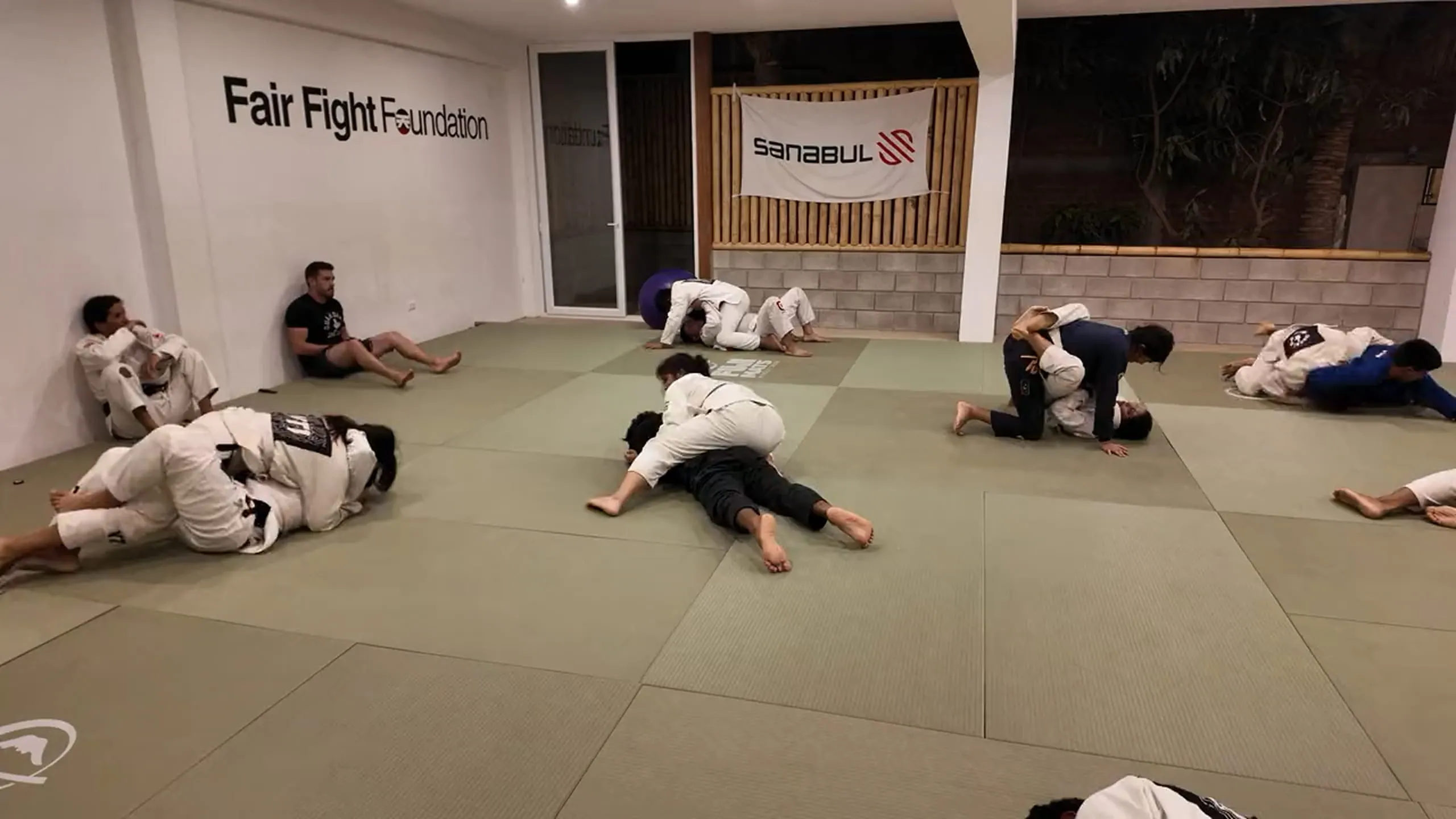
A Kid Who Can't Pay to Train, Trains Anyway
Guardian Project is a jiu-jitsu non-profit that picks up the tab. Thirty-six academies, twelve countries. This is what that looks like in Peru.

Built From Inside the Sport
Every gym in Guardian is independently owned. Each one agreed to hold a few seats open for kids who can't pay to train—that's the whole model. Guardian Project, the 501(c)(3), ties them together.
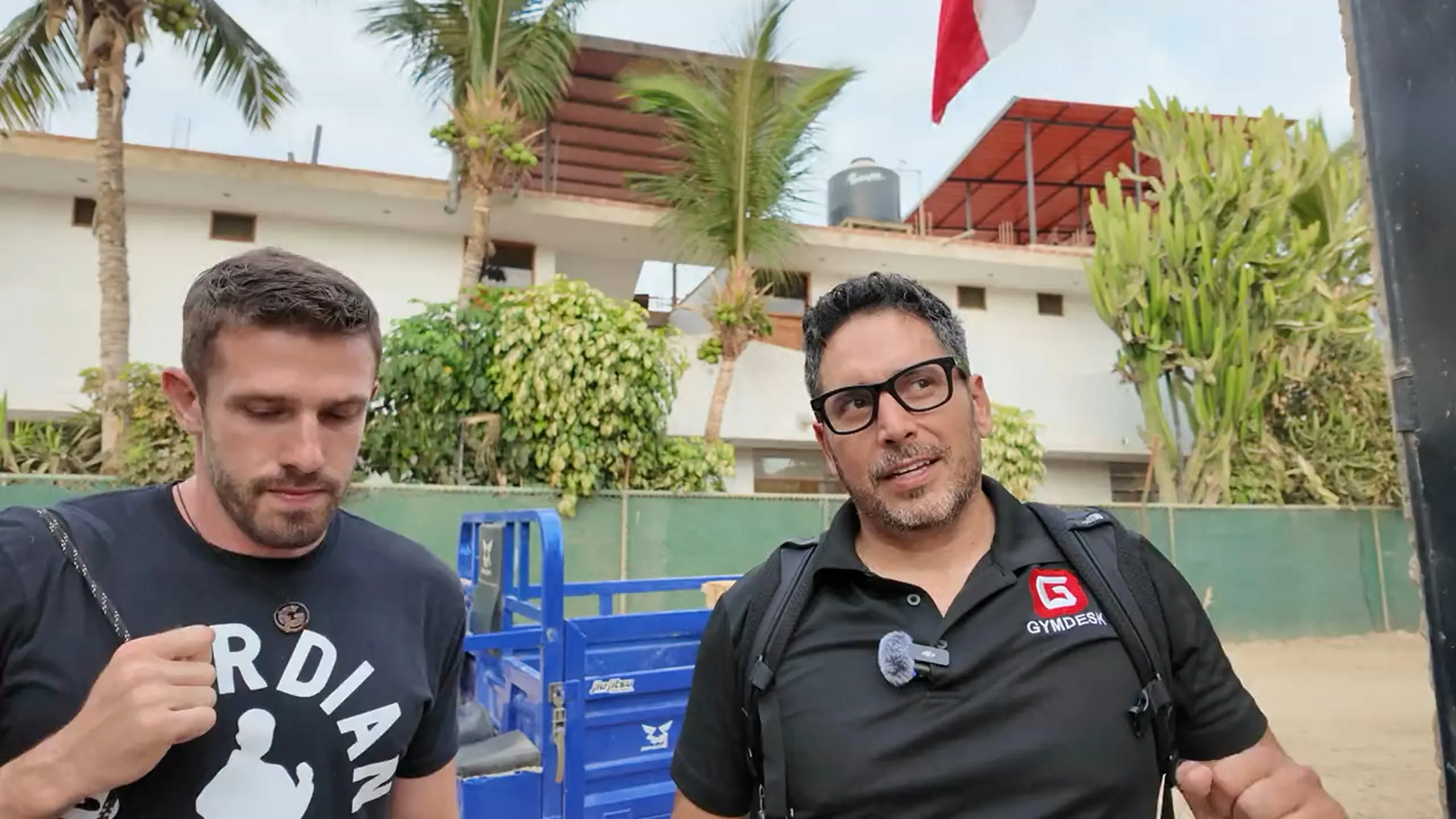
We Went to See for Ourselves
Alex Cuevas, our CEO, spent six days in Peru with Guardian—training, meeting families, sitting on the living room floors these kids come from. Here's how he described it.
He Built It on His Living Room Floor
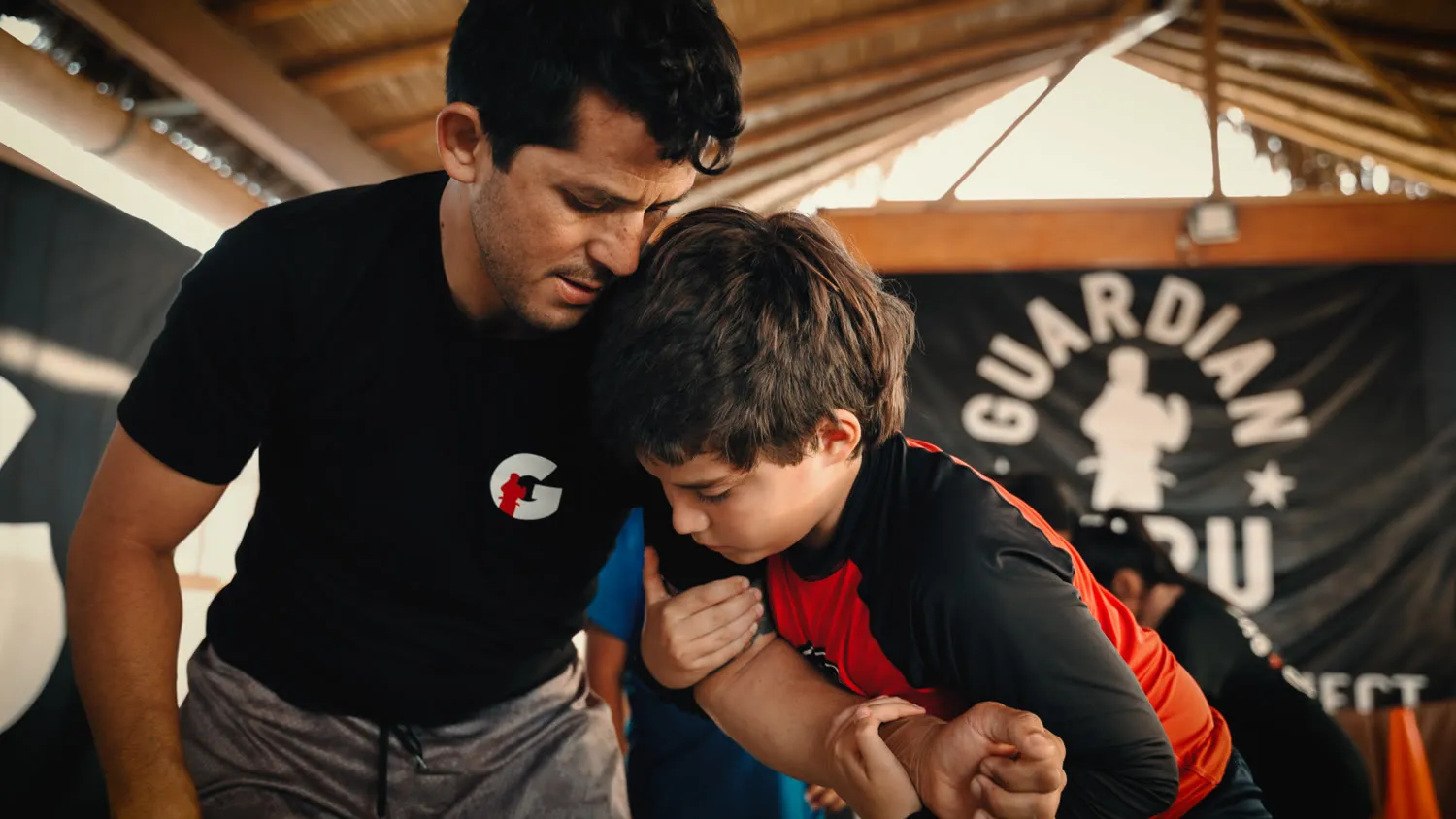
Sal was born in Lima and started martial arts at seven. At eighteen, he moved to the United States, where his cousins—one of them UFC veteran Kenny Florian—pulled him into jiu-jitsu at Yamasaki. He earned his black belt in 2009 and stayed sixteen years.
Then he came home. He started stopping at traffic lights to talk to the kids cleaning windshields for coins and to ask them to come train. El Niño wiped out the program in 2017, and he moved north to Máncora. His newborn son caught pneumonia twice and nearly died, and he stopped everything for two years.
When he restarted, he had no room. He put the mats down in his living room and taught there for the better part of a year, until he was told to stop. So he moved them to a roof.
"Jiu-jitsu doesn't exist. It's just a term. This is a community experience that we have to build."
He Started by Cleaning, Now He Runs It
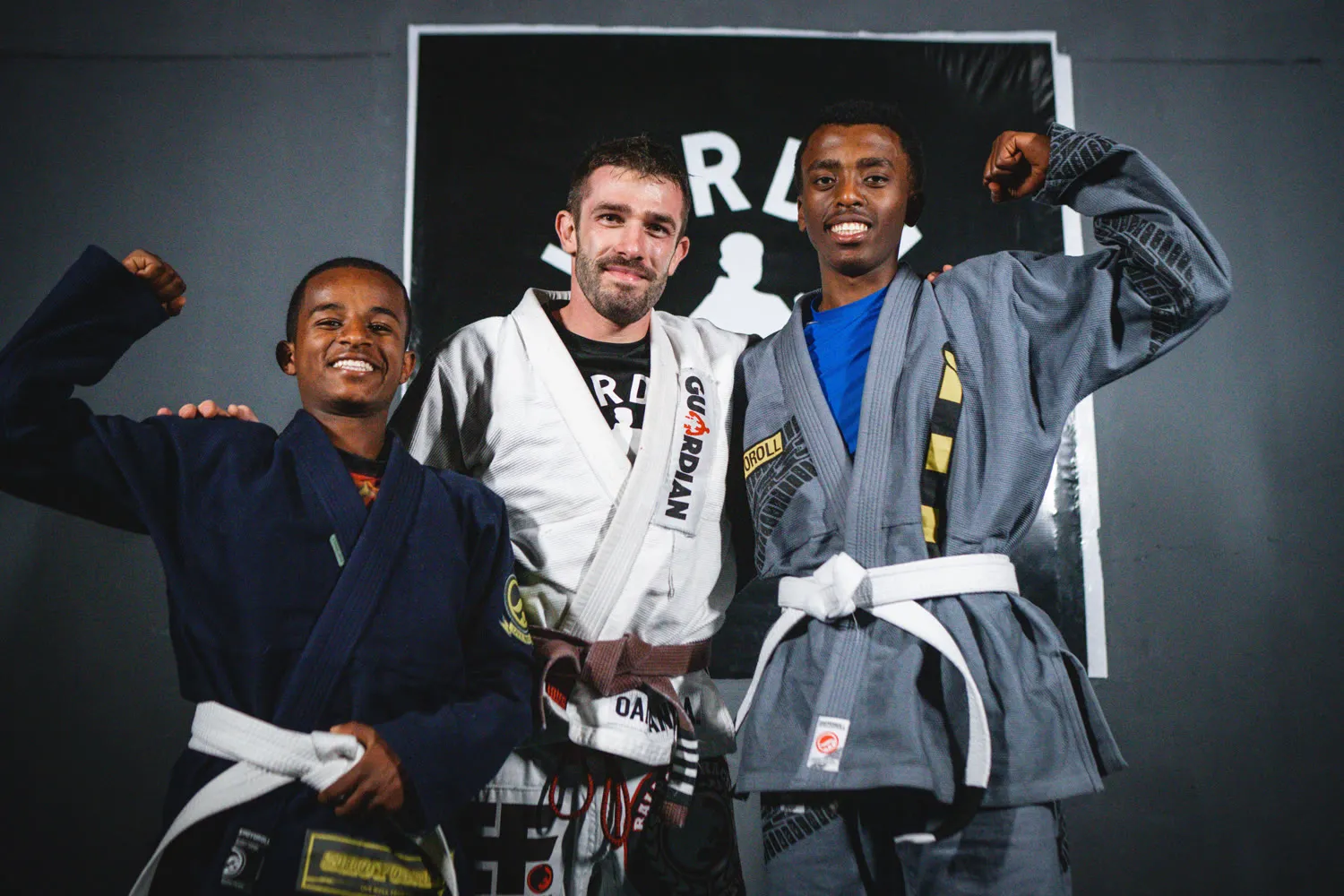
Calder grew up in Oakland as the kid who got nervous at any disagreement and hated the feeling. He did two years of Krav Maga, which he now describes as mostly pantomime. He was drinking, smoking, failing school.
He found jiu-jitsu at eighteen and calls it a light switch. He had been told he would not graduate. He got straight A's at community college and transferred to UC Berkeley. When he heard his friend Ben had started something in downtown Oakland, he sent a message asking how he could help, and started by cleaning.
He now lives in Peru, closer to the six academies there than to anything Guardian runs in the States.
"Jiu-jitsu is the mechanism. It's the place they have to come all the time—where they can break their limiting belief systems and feel seen."
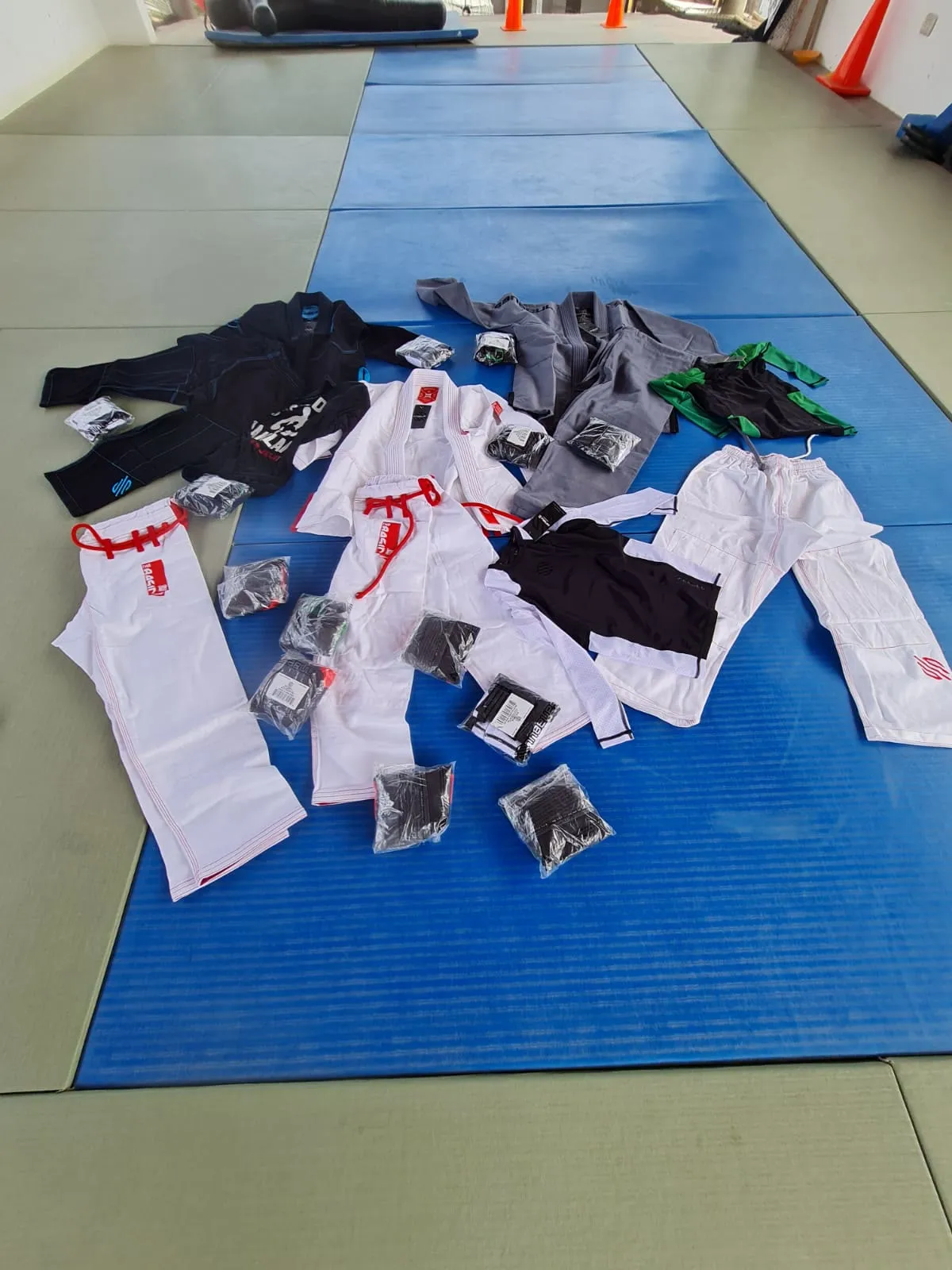
It started as a box of rash guards nobody needed
Guardian had surplus gear from a Sanabul sponsorship and nowhere to put it. Calder found Sal and offered to ship it down. Sal told him not to bother. Getting anything into Peru was more trouble than it was worth.
Six months later, Calder called again. Peru became the first Guardian program outside the United States.
It Always Starts With Bullying
Not poverty, though that was there too. It was the bullying and all that comes after it. For most of them, it came down to the same thing: training or drinking (or worse).
Máncora—Guardian Peru HQ
Lening
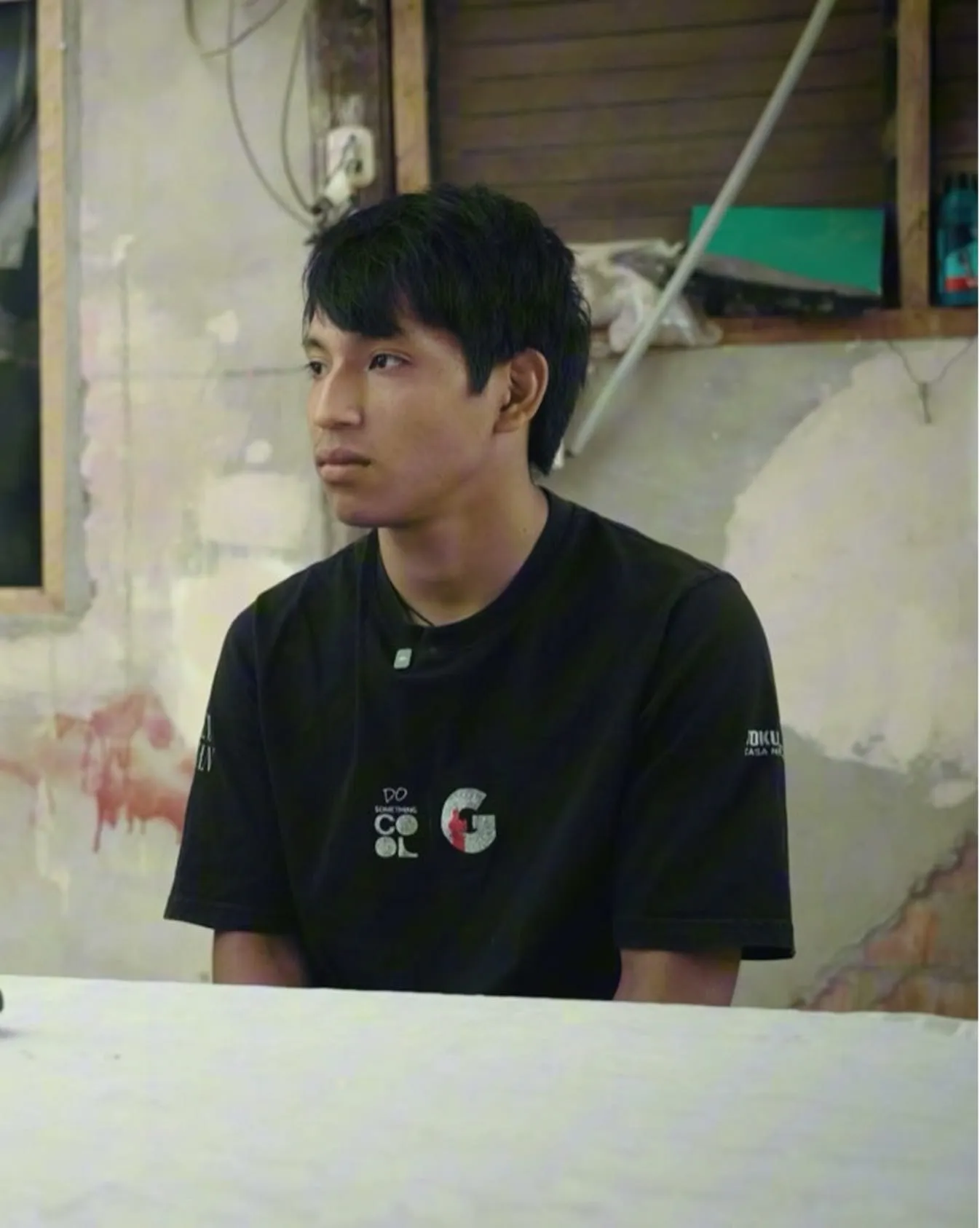
Bullied from primary school onward. Name-calling, his school things hidden, and three of them at once holding him down and hitting him. It ran the whole way through secondary school. In his final year, he started training. He was sixteen. He is seventeen now and assists Sal in the kids' class.
"Before, almost nobody knew me. Now they know me—because they say I do jiu-jitsu."
Oscar
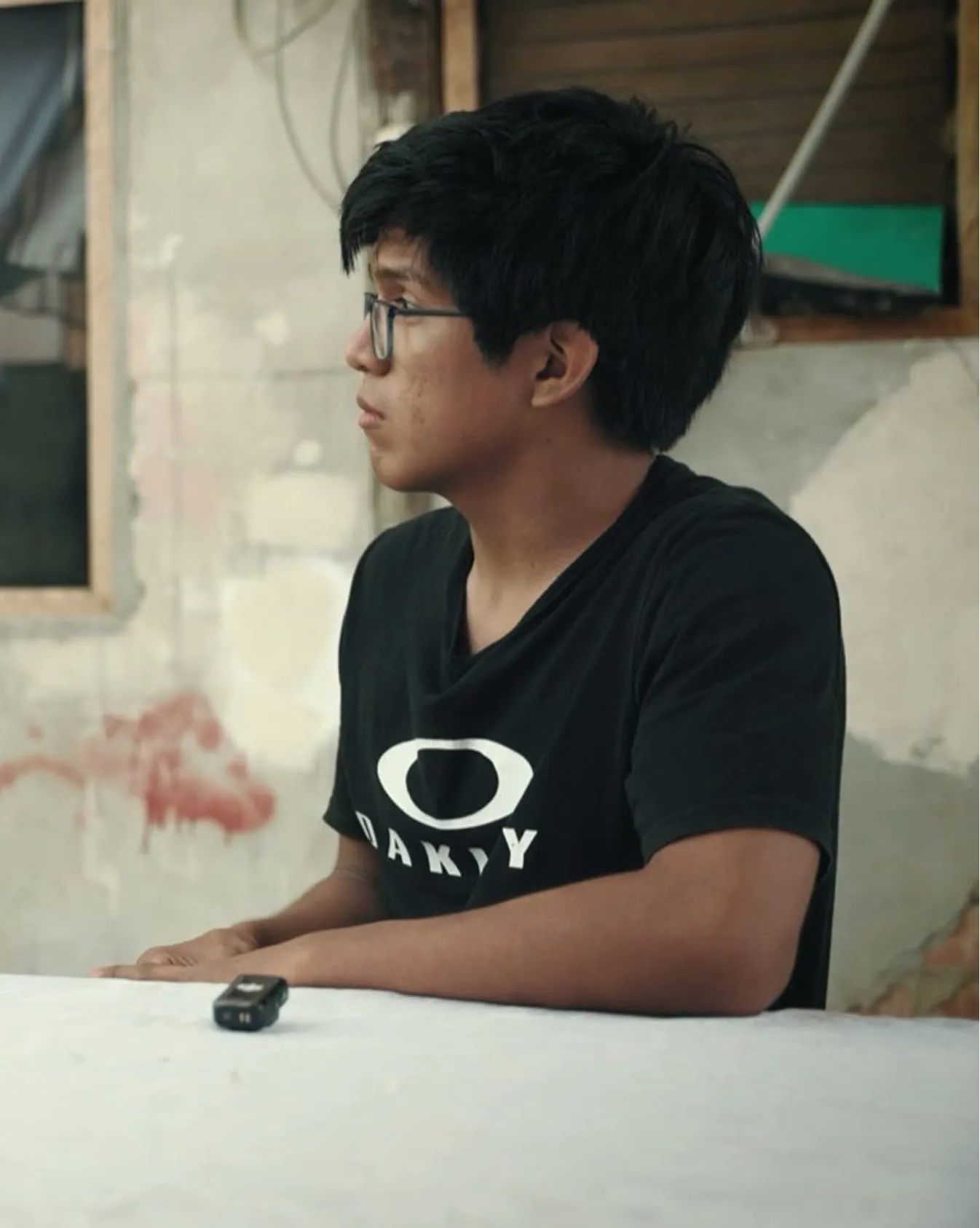
Bullied in primary school for being overweight—ten or fifteen kilos by his own account, bordering on obese. His brother, his cousin, and his father took him to train, to defend himself, and to lose the weight. He started in 2019, stopped through the pandemic, and came back in 2021. He teaches now, and he's a first-year university student studying physical therapy—a therapist treated his brother after an injury, and he wanted to do that for someone.
"We make them aware so they don't become bullies. So that if they see it at school, they step in. So that they become guardians, exactly."
A friend of Oscar's watched all this and decided to become an attorney.
Jeison
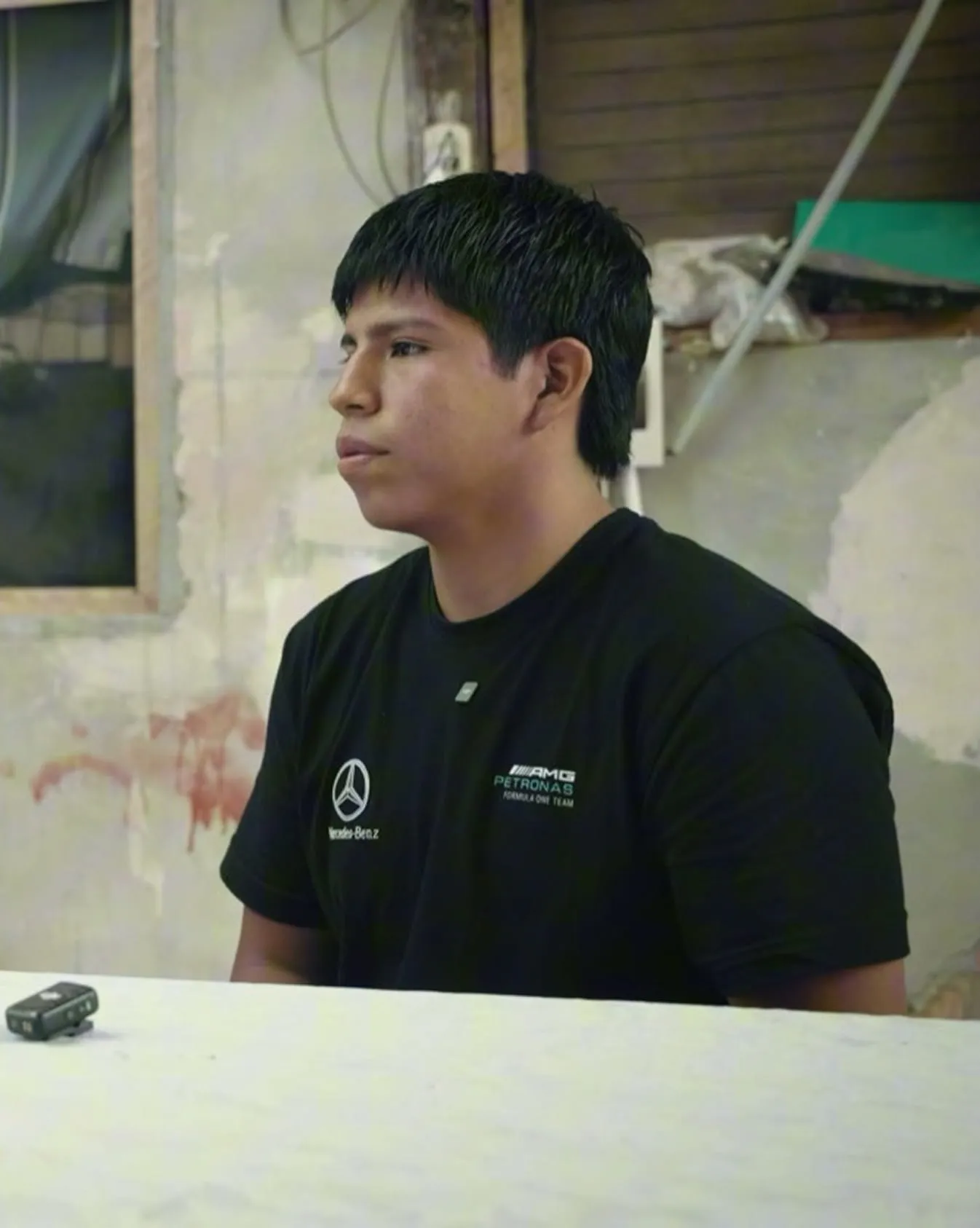
A group of friends bullied him. To stay in the group, he started bullying other kids.
"Because of that group, I was bullying other kids, and I felt bad about it. I kept telling myself: this isn't me, this isn't who I am. I was even afraid to face it."
A friend, Irwin, who had seen it happen, took him to training. He left the group. He says his mind changed from the first session, and that he stopped bothering other kids.
Favio
He went out of curiosity, because some cousins told him it was good and that they taught you to defend yourself. He met Professor Salvatore and stayed.
"I loved training, and I never thought I'd get to where I am now."
He made yellow belt and has won at ASC and AJP. He has brought friends to Guardian, too, ones who were having a hard time, and says it helped them carry what they were carrying.
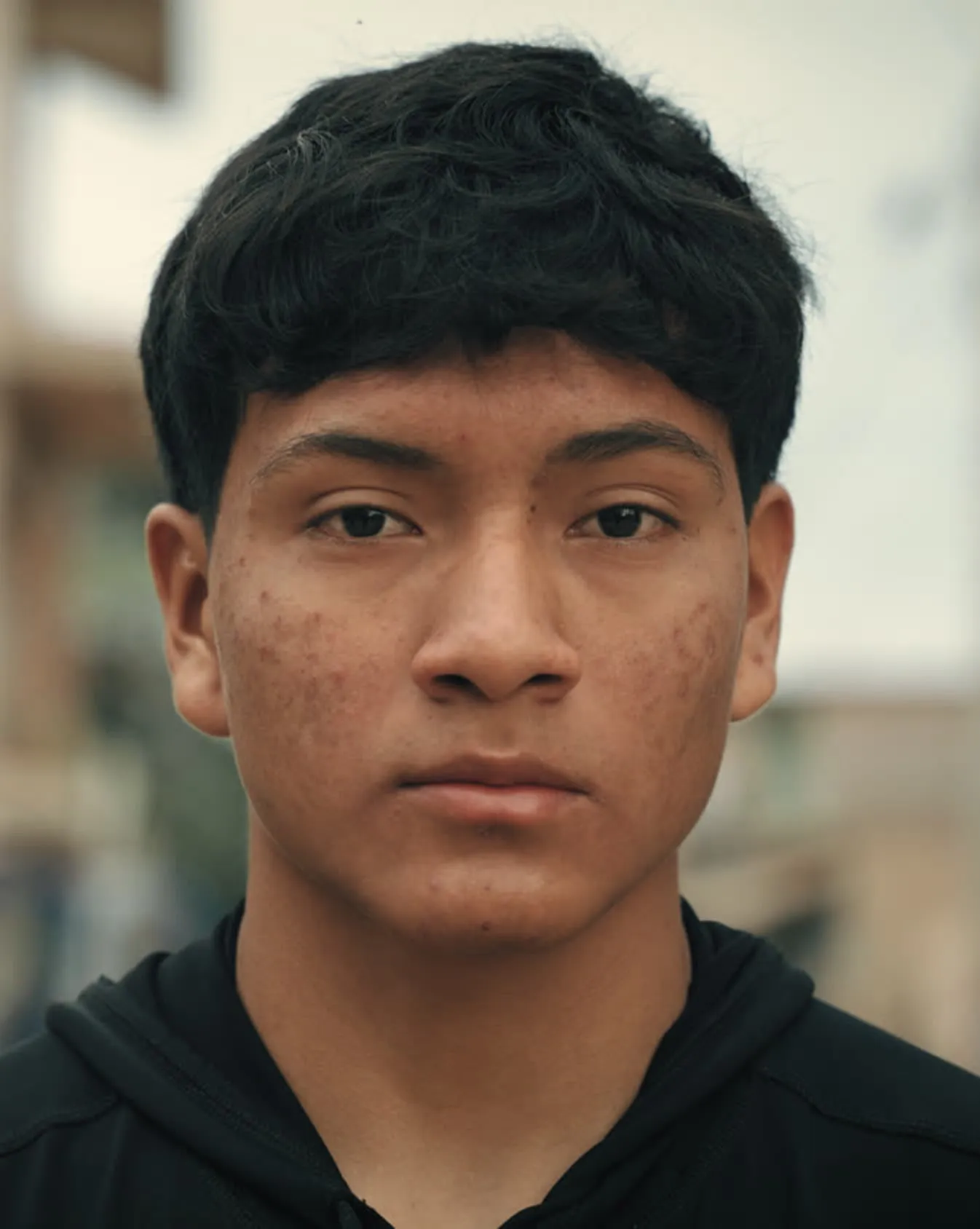
Punta Hermosa—Lima
Cristian Ávila
"When my parents separated, I came here to train. Every time I came, I felt really happy with my friends here."
How did training change it? He didn't talk about feelings—he talked about the physical.
"When I trained, I pushed myself so hard physically that everything in my head just went quiet."
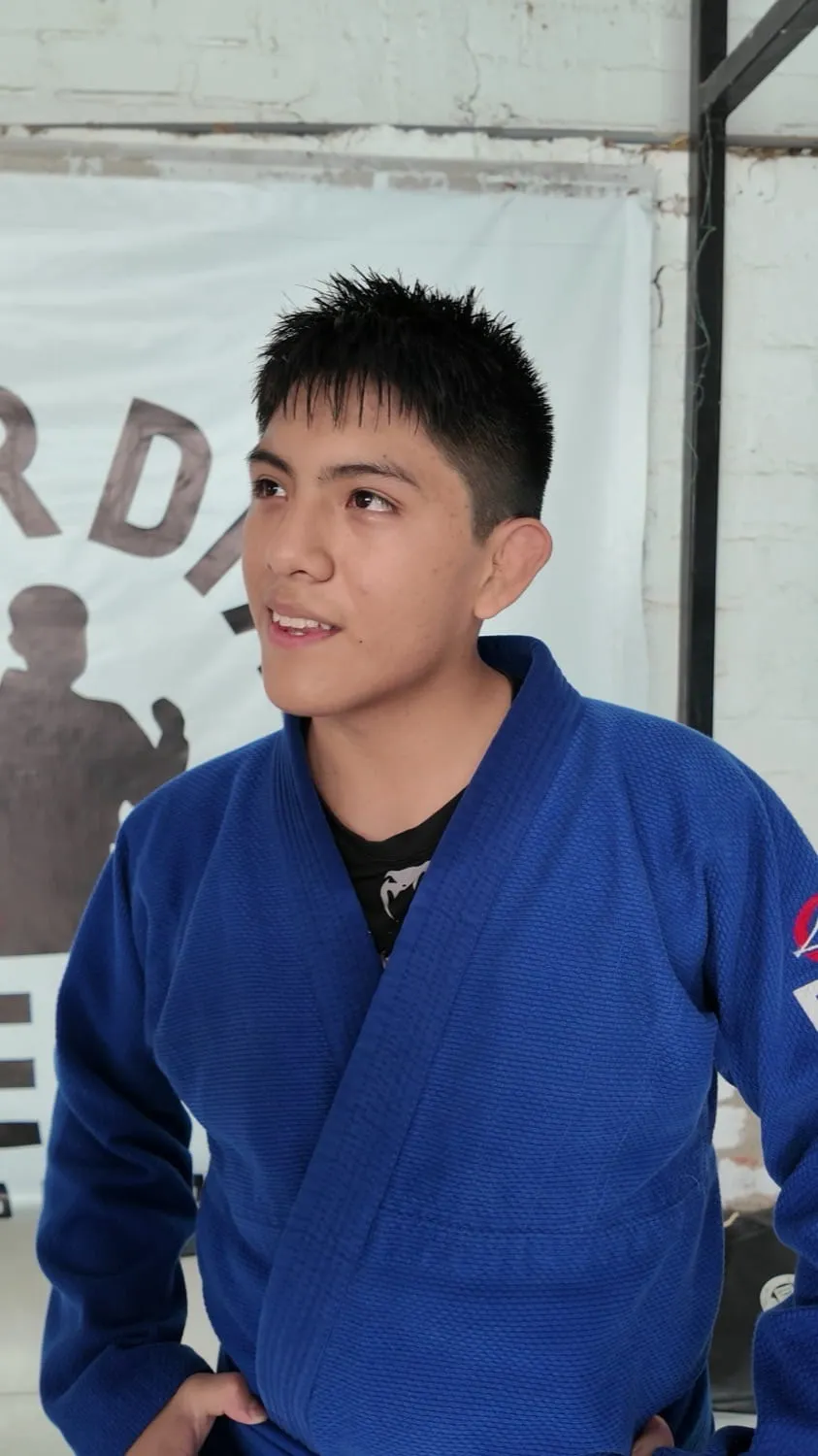
Ali Rodriguez
His parents had separated recently, the same as his training partner's. At home, there was nothing to take his mind off it, so he started coming to the project more.
"I used to be very explosive. Now I know I could actually hurt someone if I lose control, and that helps me, because now I'm calmer."
His message to anyone watching is to do a sport. He doesn't much mind which one.
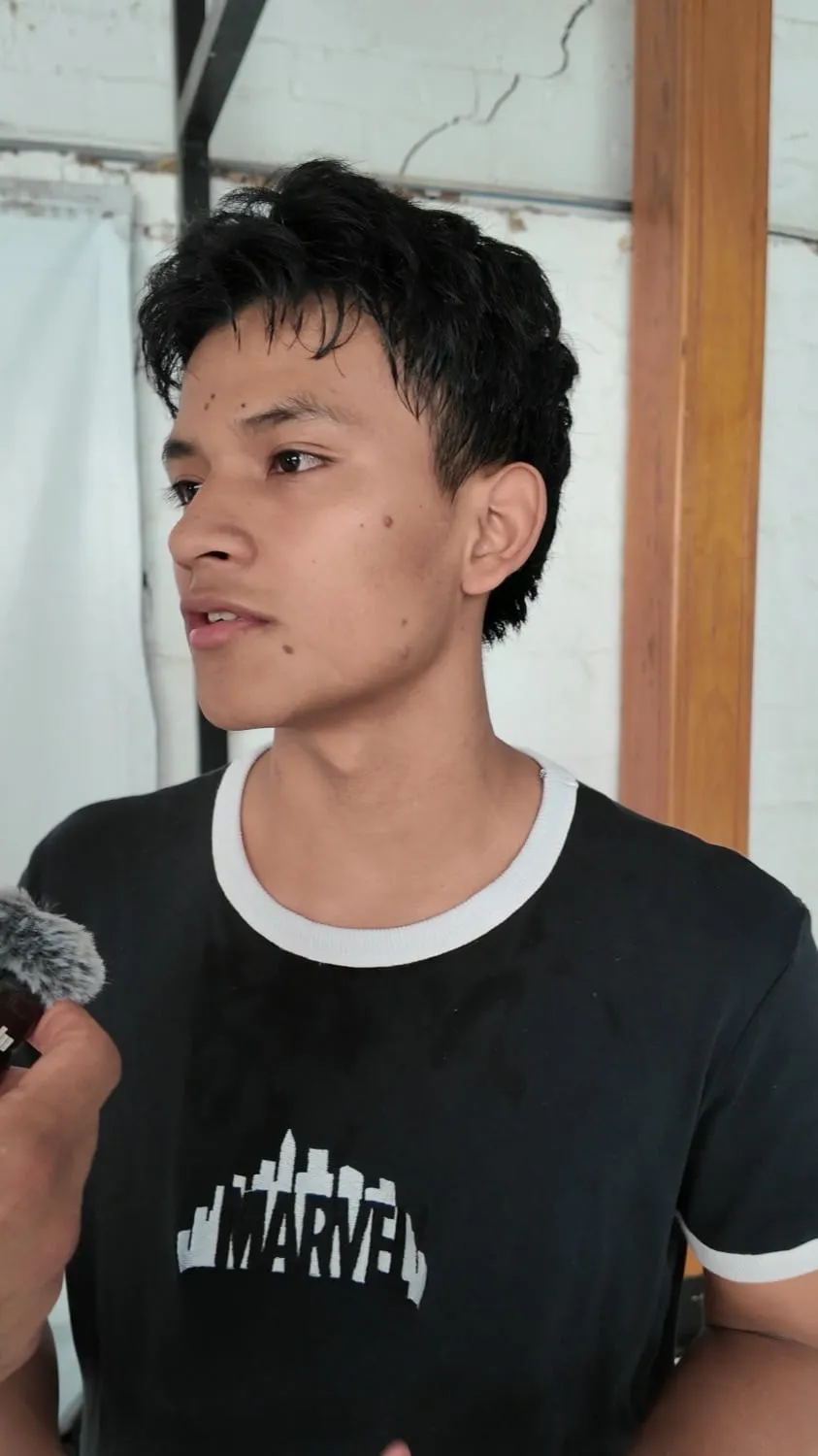
Romina Sampaio
"I used to be very insecure about how I looked or about what I did. I used to fail, and fail, and fail."
Constant practice is what got her to where she is now. She lists the submissions and the friendships in the same breath: she can finish, she can choke, and she can make new friends.
"It doesn't matter if you fail a thousand times, you can still do what you want."
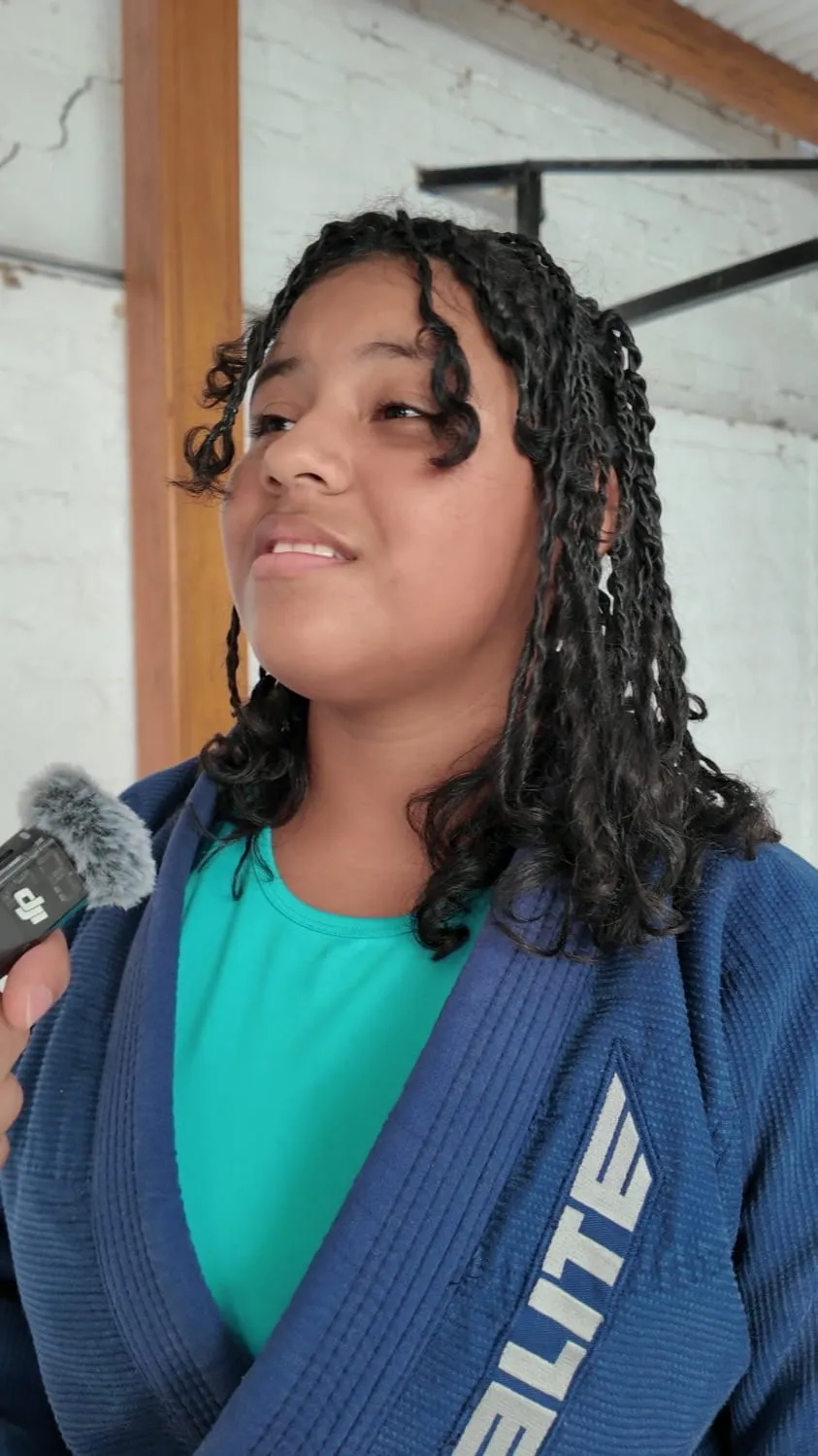
Sebastian Mendoza
He arrived from Venezuela, into a country where he knew nobody and the customs were different.
"When I got here, I knew nobody, and I was just on my own. When I got to Guardian, I made so many friends, and the coaches helped me a lot."
He had nobody. Then he had a room full of people.
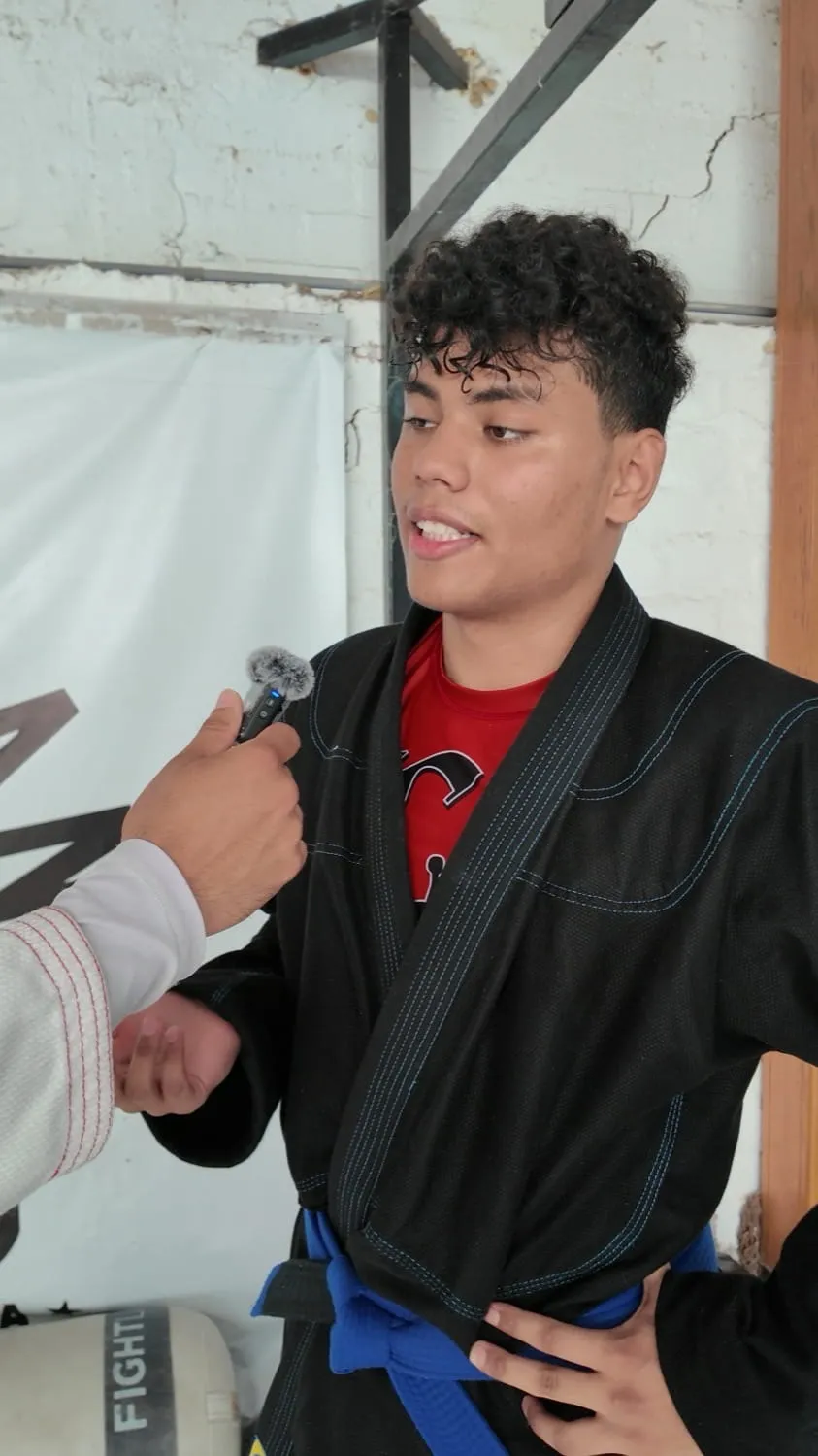
"Some of these kids were bullies before. Now they are helping the other kids."
It's So Much Bigger Than One Country
Peru is six of the thirty-six. The others run across the Americas and reach out into Africa and Asia.
United States
Peru
Mexico
Brazil
Costa Rica
Uganda
Ethiopia
Kenya
India
Mongolia
Vietnam
In Ethiopia, It Starts With a Meal
It is the first youth project of its kind in a country of 127 million people. Thirty-five kids in the program are homeless. Guardian feeds them twice a day, covers their medical care, buys clothing and shoes, and has started paying school tuition.
Six of them are addicted to huffing glue. Calder is careful about why: for some of them it is a way to stay warm.
"They're the happiest kids I've ever seen in my life—when they're on the mats."
We're Proud of Our Small Part in This
Sal built this program from his own money, his living room, then a rooftop—years before Gymdesk came along. It's Guardian's, start to finish. Here's the part we played:
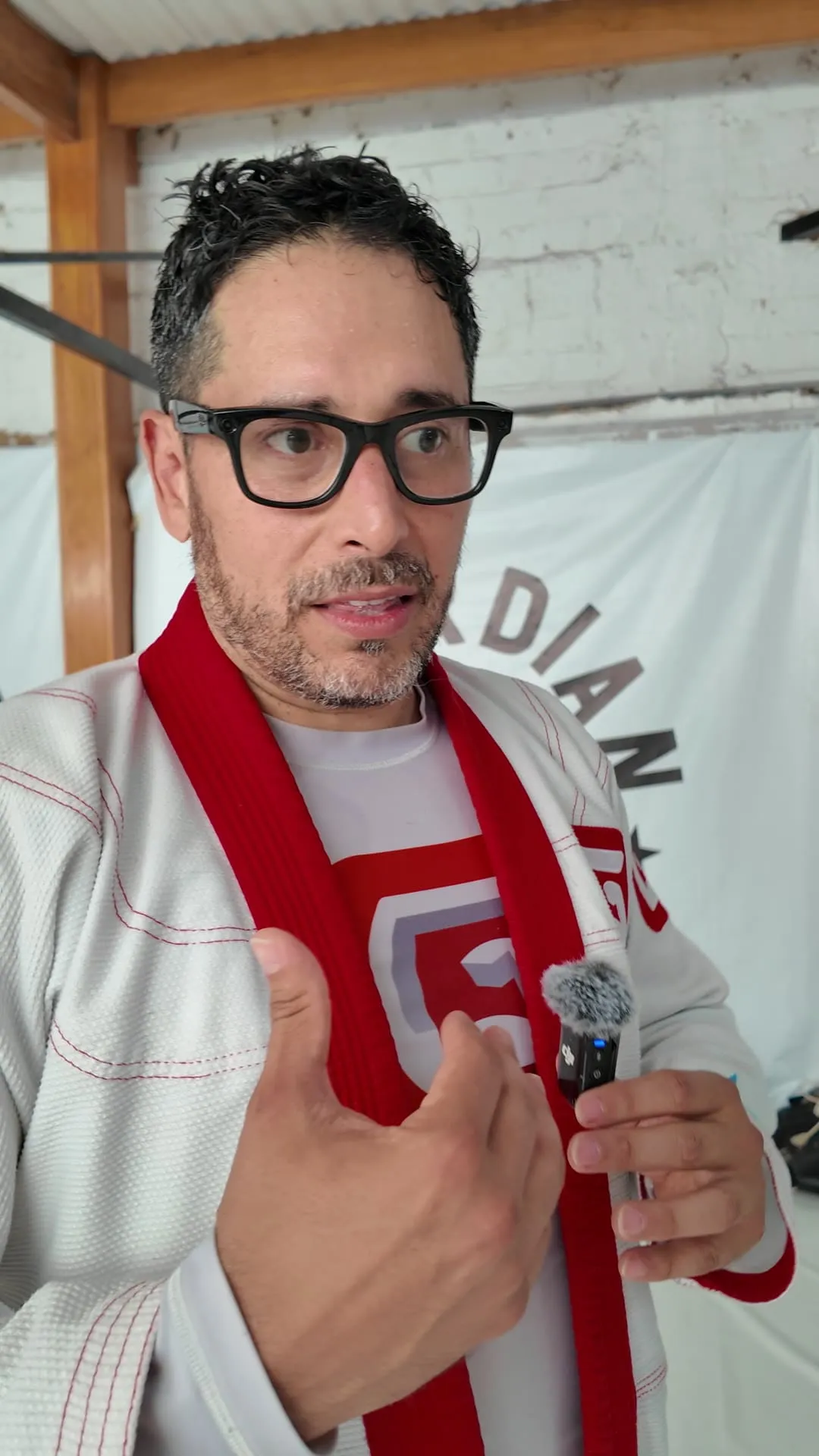
The Reason We're In This
When Alex first sat down on camera, he was still working out what he'd seen. A couple of days later, he said plainly why Gymdesk stands with Guardian.
There Are Plenty of Seats at This Table
Calder's answer, when we asked what someone could actually do.