Ten Years In, the Smoothcomp Founders Feel Like They're Starting Again

Before Smoothcomp existed, a crashed tournament system sent co-founder Ricard Carneborn out of the venue. Alex Cuevas sits down with Smoothcomp's three co-founders in Stenungsund, Sweden, to hear how two rival tournament organizers and a web developer built the software they needed.
Starring
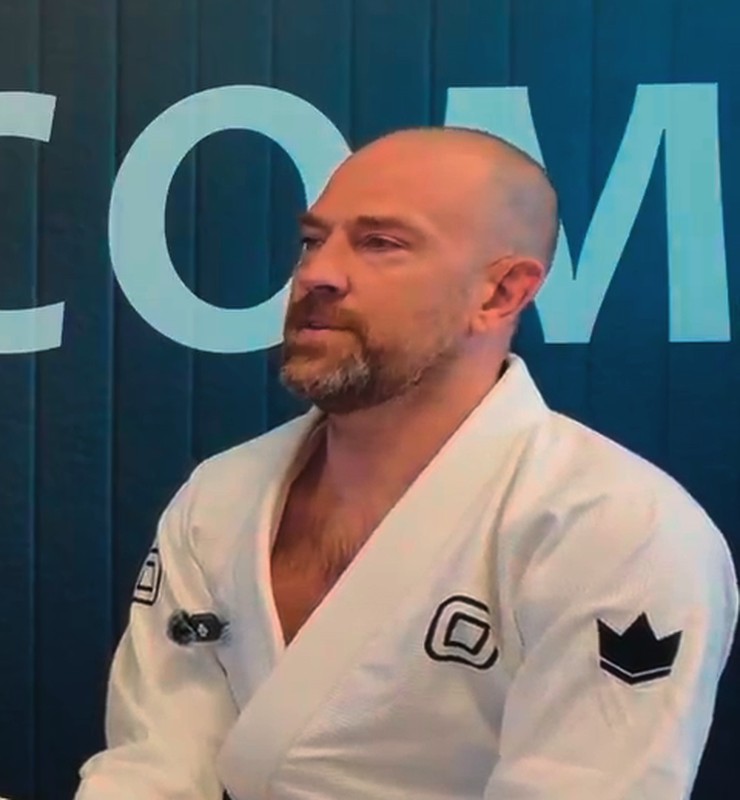
Martin Janson is Smoothcomp's CEO and co-founder and a BJJ black belt. He started in ninjutsu, competed in shoot fighting, then moved to pure grappling, and he trains gi and no-gi equally. He founded the Swedish Open in Stenungsund in 2006 and runs Stenungsunds Kampsportsakademi.

Ricard Carneborn is Smoothcomp's CSO and co-founder, with black belts in BJJ and Sport Ju-Jutsu. He spent about ten years competing in Sport Ju-Jutsu, including European and world championships, and later coached Sweden's national team. He runs Nacka Dojo in Stockholm and the Nordic Open, and he has run tournaments since 1999.
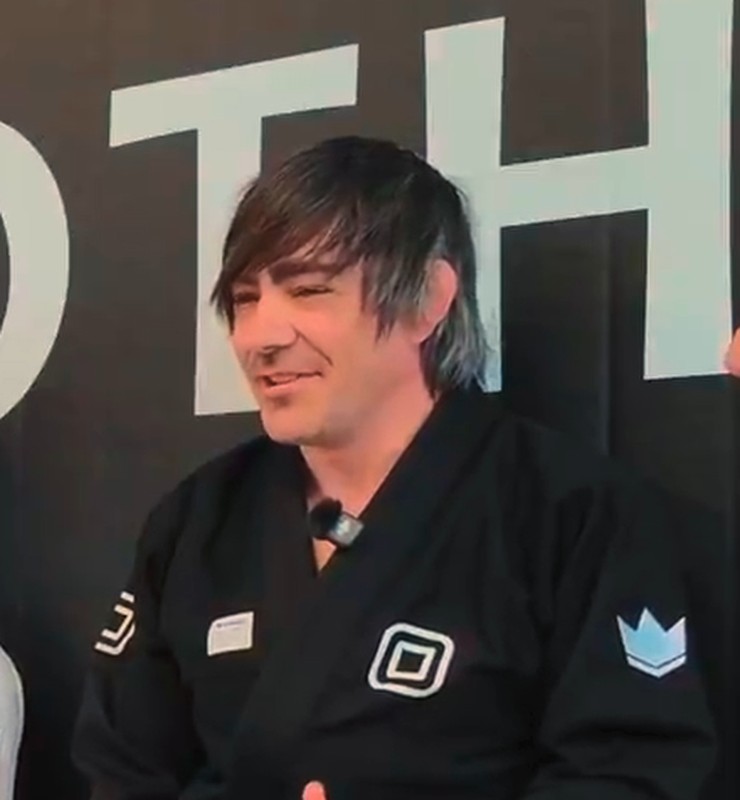
Martin Varghult is Smoothcomp's CPO and co-founder and a BJJ black belt who started training in 2010 under Martin Janson. He founded the web agency Pixelstore in 2005 and built the online registration and payment module the Swedish Open ran on, which became the start of Smoothcomp.
About the Gym
Smoothcomp is tournament software for combat sports, built in Stenungsund, Sweden. It handles registration, brackets, live scoreboards, and results, and athletes use its mobile app to check their match times. Organizers and federations including ADCC, NAGA, Grappling Industries, UFC BJJ, and AJP run their events on it. By Smoothcomp's own count, about 150 events run on it on an average weekend, more than 200 at the peak, with about 27,000 athletes competing on an average weekend.
The three co-founders are black belts who ran tournaments themselves. Martin Janson founded the Swedish Open and runs Stenungsunds Kampsportsakademi. Ricard Carneborn runs Nacka Dojo in Stockholm and the Nordic Open. Martin Varghult founded the web agency Pixelstore and built the registration tool the Swedish Open ran on. Their first event on Smoothcomp was in October 2015.
Organizers pay for Smoothcomp. "Even the athletes are not our paying customers," Janson says, and the product is still built for the athlete. Gym owners can run their own in-house tournament on it, too, with an organizer account and a template, free or paid. Smoothcomp Connect links it with Gymdesk.
📍 Address: Strandvägen 54, SE-444 31 Stenungsund, Sweden
🌐 Website: smoothcomp.com
📸 Instagram: @smoothcomp
Summary
Alex Cuevas sits down in Stenungsund, Sweden, with Smoothcomp's co-founders, Martin Janson, Ricard Carneborn, and Martin Varghult. Janson built the Swedish Open in 2006 around one rule: help the athletes. Ricard ran his events on paper and badminton software until 1,000 matches buried him. Varghult built the registration module that became Smoothcomp.
They built the first version in one summer and ran their first event on it that October. Gymdesk and Smoothcomp are now one company, and the founders talk about putting training and competition records in one place.
What the Smoothcomp Founders Told Us
Martin Janson, Ricard Carneborn, and Martin Varghult ran jiu-jitsu tournaments in Sweden for years before they wrote software for them. Alex Cuevas sat down with all three in Stenungsund. Here is what came up about the events that went wrong, the first version of Smoothcomp, and why they want every gym running a tournament of its own.
The tournament Ricard had to leave
Before Smoothcomp, Ricard ran an event on an early system built with an outside developer. He puts it at some point before 2010.
"We had a system in place that was, you know, an embryo of Smoothcomp, and it crashed pretty much immediately. And the whole tournament was a mess. … I had to walk out of the venue, I had to leave the venue because I was so stressed."
—Ricard Carneborn, CSO and co-founder, Smoothcomp
Built around the athlete
Martin Janson started the Swedish Open in Stenungsund in 2006. He and his wife both competed, and they didn't like how the events they went to were run.
"We thought they were not athlete centric. They were more centered about the business model of the tournament … And sometimes it felt like the referees was the main character at the event."
—Martin Janson, CEO and co-founder, Smoothcomp
So every decision got one test: will it help the athletes? That meant a warm-up area and knowing when they could eat. The first year drew 180 competitors. The last ones drew 1,100 people.
Paper, flip boards, and badminton software
Ricard has run tournaments since 1999, starting with paper, Excel, and registration by post. For two years he ran his jiu-jitsu events on software built for badminton.
"You could accept online registrations. You can create brackets. That's fine. That's the big step forward. But then as soon as the tournament started and you were back to pen and paper."
—Ricard Carneborn
At one event, results from around 1,000 matches came in on paper faster than he and a colleague could type them in. They gave up on the system halfway through the day. Alex asked how that felt. "I felt miserable."
"Can I buy into that?"
Martin Varghult founded a web agency, Pixelstore, in 2005 and helped run the Swedish Open from 2010. The event took registrations by email and checked bank transfers by hand until he built it an online registration and payment module. Ricard saw it.
"Then I saw what you guys have built and then I asked you, like, can I buy into that? Because I really like what this is. And they're like, yeah, why not? … that's the embryo. That's how it started."
—Ricard Carneborn
A one-day trip that ran long
The three met in Stenungsund to plan a full system.
"I was supposed to stay there one day and I canceled my ticket and I rescheduled it because there was like so much, we were like, my brain was on fire."
—Ricard Carneborn
Janson says the design came from the two organizers arguing out their own methods first.
"I made tournaments my way. He made tournaments his way and the first thing we did was to sit down and discuss best practice. So I would change my mind on a core issue that I valued because his argument was better and vice versa."
—Martin Janson
They built the first version that summer and ran their first event on it that October, with Varghult still programming in the car on the drive up.
"I got my life back"
Ricard tells the story of Dave from Newbreed, a jiu-jitsu tournament organizer. Each event used to take him from Wednesday prep to half of the next Tuesday, finishing results and refunds. A couple of months after he moved to Smoothcomp:
"And he told me like, man, you know, I got my life back. … the time that you finished the last match, the software already done all the calculations and all the refunds, everything."
—Ricard Carneborn
Training records and competition records
Alex on what Gymdesk already tracks:
"We have things built into software, like attendance, tracking skills, belt progression, but not competition. We're missing that part."
—Alex Cuevas, CEO, Gymdesk
"I think your training records and your competition records have for too long lived in separate places because they should be in one place."
—Ricard Carneborn
Run one at home first
Their advice to gym owners is to start in-house.
"But if we launch an in-house tournament, we will get a much higher percentage of participants. Everyone will feel like, oh, this is easy and accessible for me."
—Martin Janson
"I recommend all gyms to at least do like one or two every year, because it just creates this great atmosphere within the Academy."
—Ricard Carneborn
Read the full transcript
Lightly edited for readability. Speaker labels are omitted because the source recording is not diarised; quotes attributed elsewhere on this page were checked against the picture. [inaudible] marks words that could not be made out.
And actually, before that, we had an attempt to even build Smoothcomp with a guy that knew softwares. And that's my worst experience ever. And all credits to him, he really tried, but this was way too early. We had a system in place that was, you know, an embryo of Smoothcomp, and it crashed pretty much immediately. And the whole tournament was a mess. This is before, like, I think, like 2010, maybe, or something. I had to walk out of the venue, I had to leave the venue because I was so stressed. So then I was like, okay, this is too early.
Behind every gym, there's a story, a mission, a spark of passion that started it all. For a lot of these owners, it started on a mat, a weigh-in, a bracket with their name on it. This is Gymdesk Originals. Real owners, real struggles, and the communities they've built from the ground up. So what are we doing here, Ricard? So we're going to Martin and the Martin's Academy here in Stenungsund. So it's in an old gymnastic hall, and then there's a shelter in the basement, and they rebuilt that. So this is their academy here in Stenungsund. Awesome. And then it looks like as we're walking, what is this, a skate park or something? So this is a skate park, and there's like, you know, you can do different sports here, and probably some of them, like one of the Martins went to school here, I guess.
I don't live here, so I don't know, but it's a small city. It is, you know, close to the ocean like you saw yesterday. But yeah, it's a great school here, and they have a fantastic training environment. So you'll see. And is that the logo there for the school? They have the alligator as their, or the crocodile as their logo. All right, how do you say the crocodile in the native tongue? Crocodile. Crocodile. Crocodile. There you go. Crocodile. Yeah. They're like, "Hey, go crocodiles!" That's their sort of mantra. Okay.
Thank you for having me. Awesome to have you. It's a pleasure to be partnering with you guys. Some of the things that we're doing, it's so exciting. I can't wait to share it with the world. It's just one of these things that just provides a tremendous amount of energy. I want to shut it off sometimes so I can rest and I can't do it because I'm so excited about everything that's happening. Yeah. It's just a really cool time to be in software, specifically around martial arts, serving this vertical and yeah, working with you guys. It's been awesome. So I can't wait to let the world know here, especially on the Gymdesk side, the folks who are following our journey, more about Smoothcomp and kind of get into the people behind the software that everyone's using, right?
You know, if you don't know who Smoothcomp is and somehow you're living under a rock, it's the number one tournament software in the world. Sort of the default standard for jujitsu and several other combat sports. I think last I heard there was over 80,000 academies at some point that had used Smoothcomp. So it's really awesome. I just kind of want to get into the journey. Like when we get into the technology thing, I mean, obviously you guys are all accomplished black belts. I'd love to get into your history. Like how long have you guys been, you know, doing martial arts and what inspired you and that kind of thing? Maybe we could start with your martial art background.
Oh, my martial art background. I started with ninjutsu. Why is everyone laughing at you? I did spend some years doing that. I went to Japan, did all, yeah, until some rest of us nervous, inside of me, wanted to know how to fight. And just so quick, you said ninjutsu as in ninja star, shuriken, or yeah, okay. All right. And I found shoot fighting was the form of MMA at the time. I did that for a few years, competed, and later transitioned to pure grappling. So I drew gi and no gi, jiu-jitsu has competed equally, trained equally in both throughout the years. So you started at what age? Martial arts, like. Okay. And so ninjutsu at this point probably was really popular in ninja movies and that kind of thing, right?
I don't know. Yeah. And then, uh, so do you say shoot fighting you were doing? Yeah. So if people are familiar with that, can you explain what that is? And if you take the normal MMA rules that it is today, it's that, but without striking in the ground portion. So like the three point rule where you have your hand on the ground, there's no more striking. So there's just like, uh, submission and grappling. Okay. All right. So mix Muay Thai beats submission grappling. Interesting. So you start standing and then you're striking up until you get to the ground. Basically it turns into jiu-jitsu. Yeah. Pretty cool.
Yeah, I guess, um, I started when I was very young because I have a brother who's just one year younger than me. So that's like first time I started grappling, like every day. Yeah. Just existing. You're just doing martial arts with your brother. Oh yeah, I would say. Uh, but then I didn't do it for quite some time. I, I, I started doing jiu-jitsu in 2010. Uh, it started out, um, I was interested in UFC from the beginning and was, watching that for maybe two years or so. And then I actually started like, um, a lot of fight club, but we rented, uh, the wrestling mats here in the Stenungsund locally, me and my brothers and some friends and just wrestled around and he liked MMA just for fun.
Yeah. And then we learned that there is a real like jiu-jitsu gym here in Stenungsund. Uh, so, uh, I joined with Martin and, uh, started to do like real martial arts. Yeah. Yeah. So, so you, you had no training. You just were watching UFC. Yeah. Got a mat. You're like, let's just have some fun. Yeah, exactly. Yeah. Nice. And, uh, so then you were started training and I guess we'll get into the, how you guys started doing Smoothcomp in a minute. Um, but so, uh, officially trained in martial arts in only jiu-jitsu. Yeah, exactly. Yeah. Awesome. Yourself? Yeah. I started when I was 11, actually also with, uh, like, uh, not jiu-jitsu type of martial art, Aikido.
So I had an opportunity to just join with some friends and they were doing Aikido. I didn't know much about it. I was just fascinated by martial arts and I was like, yeah, I'll go. And then I ended up having a really great teacher. So I did that for one year, like when I was 10 or 11. And then, uh, the academy that I now run, uh, train jiu-jitsu in the same math space. So I was like starting to glance over and it's like, that seems more like me. Yeah. So then I switched over. So I started when I was 12, um, training Sport Ju-Jutsu or like Japanese jiu-jitsu, but with the aim to compete. So, um, yeah, punching and kicking judo and ne-waza or jiu-jitsu.
But at that time, Brazilian jiu-jitsu was not, uh, not a thing. So this is back in 86. So, uh, at least not in Sweden. Yeah. But then, uh, then I trained, uh, for competition and I did like 10 years of an athletic career, like competing on different stages, like in Sweden and on also European championships, world championships, world games, and so on. So I had like a 10 year run of being an athlete and then, you know, being involved with an academy and then starting doing tournaments and so on. And then I stopped competing and then I switched over to Brazilian jiu-jitsu in the beginning of 2000, I would say. Like my first contact was 98, I think, with Brazilian jiu-jitsu.
And then, yeah, then I've been only focusing on Brazilian jiu-jitsu since then. Yeah. Yeah. Interesting. So you're, it sounds like what you were doing was similar to the shoot fighting, right? A little bit, but not, uh, it's a semi-contact that I did, so I was in full contact. Um, I've trained a lot of full contact as well. Like if you do jiu-jitsu, you can pretty much go to any academies. I didn't, you know, went to a karate gym. I went to a Thai boxing gym. So you can play around with a lot of different styles. So I've been training various martial arts, but jiu-jitsu has always been my sort of main focus, but you can, you can play around with different martial arts and pick the best parts from all of them.
I see. Okay. Yeah. And, uh, and you're specifically, you're calling that, what kind of jiu-jitsu is that? The one that I was competing in? Yeah. Well, the organization is called JJIF. So it's a jiu-jitsu fighting. Oh, jiu-jitsu fighting. Yeah. And we started a style, uh, called Sport Ju-Jutsu, which got some track, uh, or traction here in this, in Scandinavia. So now that's the style that we have, like Sport Ju-Jutsu. So you punch and kick. And then when you grab onto each other, it becomes judo. And then when you land on the, on the tatami, then it's a Brazilian jiu-jitsu. You guys have your, your, uh, uh, your experience. You've obviously done tournaments that are in the, um, not necessarily the jiu-jitsu space at, you know, then you start training jiu-jitsu and then you start getting into tournaments there and you, you actually built your own tournament, uh, organization here in Sweden.
Right. Can you tell us a little bit about that? Yeah. Back in, what, the mid 2000s, 2006, we had our first tournament here in, uh, in Stenungsund. Uh, at the time it was branded Stenungsund BJJ Open and I drew into Swedish BJJ Open, which had, uh, very, how do you say a good draw. We had a lot of people coming here from throughout Scandinavia, even further, uh, more traveling people than that as well. High level, uh, good production level. And we kept just, uh, incrementally getting the tournament better and better year by year. Yeah, a real passion project from, from us here. And, uh, at that time you, you organize the whole thing where you already thinking, man, this is an inefficient way.
And you just have it in the back of your mind or after attending more like, where does the, uh, the spirit and the drive to, uh, create Smoothcomp come from? Um, uh, at the time both me and my wife were competitors. Oh, okay. And we had, um, a varied experience, diplomatic, and how tournaments were handled at the time. We thought they were not athlete centric. They were more centered about the business model of the tournament, or they were more, uh, centered about something else, you know? And sometimes it felt like the referees was the main character at the event. Sometimes it was the organizers, but something else was on here. So we started sketching at a format where the athlete would be in center.
So every decision that we ever took throughout the tournament's years was made. Uh, will this benefit the athletes? Will it give the athlete better time to prepare and know if they can eat, you know, do we have a warmup area? Do we, you know, everything, every decision ever made was centered around the athletes. And we decided that we could do this better than what was currently offered. So we started, started small, like first year, 180 competitors. And then it grew quite quickly. At the end, we were 1,100 people at events. [inaudible] here on the West Coast. Wow. Draw crowd from Denmark, Norway, and throughout Sweden, and further beyond, of course.
Wow. Okay. And so all the while you, you own your own academy, right? And you have several students here in this town, and you also have an academy, very large academy as well. And this is not here. It's in Stockholm, right? All right. Okay. Tell us about that, that academy. It was started by my instructor, my first instructor, Ingmar, back in 82, doing a Sport Ju-Jutsu or jujitsu. That was, was the way available.
And then we sort of like a hundred students and grew it up, grew it a little bit, a little bit bigger. And then it grew into now Sweden's largest academy. We have Sport Ju-Jutsu still. We have Brazilian jujitsu. We have Thai boxing. We have a big house, three floors. Wow. Kids training up until older people like me.
And then we have yoga classes and like, it's, it's a, it's a gym mainly focused on martial art, but you can also come there to do some strength training or box classes and yoga and so on. And a very competitive gym. We compete a lot. And then we're also organizers of events. So, um, started doing my first tournaments in 1999, way before software, um, and then paper, uh, Excel spreadsheets, uh, sending your rig, like competition registration by post. I think even, oh, wow. Yeah, this is way back, but yeah. So doing tournaments for 26 years now, um, and then transitioned into after seeing Martin and their success with Swedish open, because we were doing tournaments for Sport Ju-Jutsu.
Yeah. Which didn't attract as many athletes and being something that we did for the academy to get some money in, to be able to compete. So it was part of the business model. It was like always looking for what can, you know, bring more value. And then Brazilian jujitsu was on the uprising, like competition wise, it's a lot of people competing in Brazilian jujitsu. So we did our first, uh, Brazilian jujitsu tournament, 2012, but then I had went with my academy to Swedish open for many years and seeing what they were doing. And I was impressed like, this is how it should be run. And then we had gathered a lot of sort of know-how about running tournaments our way.
And then, yeah, we started just, we, we used to laugh about this. We started comparing our tournaments, you know, that being friends for many years. Like, okay, well we have this big TV. So yeah, we have this, and we have, like, we started, you know, making fun of each other and always trying to, you know, be better than for next one. Yeah. So you guys are having like a friendly rivalry. Yeah. Absolutely. Yeah. And then, so tell me the story when you first met each other then. Me and Martin? Yeah. Well, I was invited to have a seminar here in Gothenburg because we were spreading sports jujitsu as a style here in Scandinavia. And then, so I was teaching a seminar and then this guy shows up.
Uh, he's like, um, a white belt, I think like there was no grades, but he came with a very like attitude. I, I liked him immediately. And then when we started rolling, I was like, and I knew he didn't have so much grappling experience. And I, I thought I was the deal because I, you know, been competing on the world stage and I, I, I had like a grade in, I can't remember what it was, but anyway, I was like, whoa, this, this guy's good. Yeah. Uh, so, so we, we, the first interaction was like, you know, as with many martial artists, you train and you try to kill each other, but you become friends. And that's, that's pretty much how it happened. And then Martin joined with Stenungsunds Kampsportsakademi to the Sport Ju-Jutsu organization.
And then we run camps, uh, every summer. And then we started going to the camps together and then we just became friends. And then I met Martin, through Martin, when going to Swedish Open, because he was the guy that put everything together for the tournaments, like technology wise and everything. So then we, we started, you know, interacting on the tournaments and then, yeah, we can talk about the, what sort of how, how Smoothcomp then was born out of this, but it started with a very strong friendship for many years. Our family spending time together and training together, just going to tournaments. I was the coach for the national team in Sweden.
Martin was an athlete in the national team. And we just spent a lot of time in jujitsu together. Yeah. So you guys are already like this because of jujitsu, being in jujitsu, going to tournaments, living the life, right? And then you now are training under Martin. Yeah. But you also have a affinity for technology. Yes. So tell me about your professional academic background, whatever. While you're doing jujitsu, you're also into technology. Yeah. So I've always been, I, that's been one of my biggest interests to, with technology. And I started my first company back in 2005 called Pixelstore, which was a web agency, so to speak. So we made websites.
And then I started to train with Martin and I was with you organizing the first Swedish Opens, not the first, but from 2010, obviously. At one point, we took all the registrations through email and my wife checked the bank accounts for bank transfers. And I was like taking days off work just to make this happen. Oh, that's a nightmare. Then Martin said, I think, I think can make this easier.
And you launched the first registration, online registration and payment module, which just changed the way we were working entirely. Yeah. And this is only for the purpose of the Swedish Open at this point. And it was just a registrations module. It's not what we're using today, but it was really changing the way admin was done for our part at that time. It was not Smoothcomp. It was just for Swedish Open, just to make it easier. Then I saw what you guys have built and then I asked you, like, can I buy into that? Because I really like what this is. And they're like, yeah, why not? And then, yeah. And that's how, that's, that's the embryo. That's how it started.
That's the whole, like, thing starting to come together. So when he asked you at this point, you're like, wait a minute. Or not yet. You were still like, yeah, here, take it. So the friendly rivalry we say is just like, to be able to mess with each other. Yeah. When it's time to do business or help each other, we've always been very open. So there's never been that type of rivalry. So that was like, of course, let's go. And, you know, help benefit from each other. I remember it so strongly because then when we just, like, we were starting to talk about it and I was like, okay, well, and then we had gathered our know-how about, like, how we would love to see something, you know, like a system for it.
He was always talking about that in my academy, like, how could we, you know, we have these softwares now, but they're not, they're not solving the entire process. So then I, we decided to meet here in Stenungsund. Then we gathered the people, Alex was with us and like the original, like, team. And then we started talking and I was supposed to stay there one day and I canceled my ticket and I rescheduled it because there was like so much, we were like, my brain was on fire. I can't, I just, when I think about back on those days, like when we started, I was like obsessed. Like it was the only thing I could talk, my wife was so tired of me because like, there's only thing I could talk about.
Yeah. But we just, you know, we started talking about it and then we were like, okay, we're going to build something for Swedish Open and Nordic Open. But then we started looking at, you know, what's the total addressable market? Like what's out there? And it's like, there's nothing out there. There's like, there's, there's some antiquated software that lives on one PC. You have to use that specific computer. There's nothing online. You could maybe publish a schedule, but there's no real time updates. There was like. Everyone had everything. Like someone might have a registration part and another one had to create brackets. But, uh, to have results and brackets and registrations and everything within one, one, one space.
I like to tell this story. And I tell it to, I speak to customers now when we're helping them. Like the software I was using was for badminton and you could, you could actually, we did it. We had it for two years. You could accept online registrations. You can create brackets. That's fine. That's the big step forward. But then as soon as the tournament started and you were back to pen and paper or like flip flop, you know, those, uh, and then we were sitting there to, to like grade the two points. Yeah, exactly. So you were using the flip boards. Um, and then we were so prepared. Okay. This is going to be great. And then me, me and Ola in the, in the academy, we're sitting by the computer.
And then with the whole, the whole process was, okay, once a match is finalized on the paper, you come over to us and then we're going to input it and we're like, it feels great. You know? And then the first paper come in, it's like very like, okay, this is eight, zero to whatever start inputting it. Okay. Perfect. One, two, three, four, five, six. And then, you know, after like one hour, like the, the stat papers started to grow so much. I couldn't see that, see the matches, I'm like, shit, we're like, this is not sustainable at work. So like half through the tournament, we have to, to abandon it because we were not, because like eight mats with so many matches happening at one time.
There's like 1000 matches, uh, we're, we're, we started laughing. Like, this is not, and then everything crashed because, you know, then we, we had promised that we were going to update people, uh, incrementally, like how it's going, but that just failed. Because, you know, and then I was like, well, we need to build something that solves the entire system. That, you must've not felt very good at that moment. I felt miserable. Yeah. Yeah. So let me tell you where I feel like I, I, I can empathize with you. So I had, I used to own restaurants in Miami and we were really small and operating, uh, we weren't doing very big numbers. We would do like 1200 bucks a shift.
Mm-hmm. And, um, that means, you know, with my small team, I could get food out and I had a piece of paper to take your order. Mm-hmm. We give that piece of paper to the kitchen, they would make it. The kitchen was like, so what happens that we had mother's day and for some reason we just blew up and we had so many, we had a line going out the door. When we weren't used to that volume, all of a sudden my little ticket system with the piece of paper just exploded. I had no idea what you ordered or how long ago or any, and it was the most demoralizing, soul crushing experience. Cause you're like, I'm failing at the very thing that I'm so excited about that I thought I could do better, which is why I opened my own restaurant.
Totally resonates with it, like how I felt, like, you know, we're, we're, we've put on this big show, we're going to do this, and then we just miserably failed. But so, so then I think you carry this feeling into now you're getting a conversation going and you're talking to somebody who has a potential solution that you could be a part of. Mm-hmm. Which is why you decided, let me extend my stay for extra three or four days, right? Yeah, yeah. And you have that auto fire. Yeah. To kind of go off, which is, you know, kind of how I feel right now about doing stuff with you guys. Okay, so now you guys decide in this four days, hey, let's do something.
All right. Did you already have the name? We already think this is obvious because the opposite of this is a disaster, right? Yeah, yeah, yeah. Yeah, we had the name and we had some initial sketches. That's, that was like the embryo. That's what we sort of started out from. Yeah. And then with Martin's, you know, understanding of technology and what could be built and then software as a solution was like a thing or becoming a thing. And we, you, I remember you saying clearly like you get more problems running cables and IP addresses and trying to build like an ethernet network than just using the cloud. Yeah. So that was, I don't think we spent a lot of time debating if we were going to go software as a service or not.
No. I remember like we put together the MVP of Smoothcomp that we ran our first tournaments in, uh, over that year. The first meeting was in April, you know, really, uh, a lightning fast production phase during the summer. Uh, and that MVP was in production in Smoothcomp for many years to come. Not unedited, but as, as is, we, we managed to find the target very good from the start. But I think that's, that's actually thanks to the work that you and I did before because I made tournaments my way. He made tournaments his way and the first thing we did was to, uh, sit down and discuss best practice. So I would change my mind on a core issue that I valued because his argument was better and vice versa.
Then we find the middle way and we say, okay, this is the best practice of a tournament. And then we model the system after the best practice. And, uh, and that reasoning held up, uh, the format held up and it's still shaping like these tournaments today from that format. Do you guys remember the, the first tournament was in October and, and we, we were like working the entire summer. And then you guys are coming up to my tournament and I had done all the brackets. Everything was perfect. It was, it was great. Like we had the online registration. We built the brackets. I was so ready. They're driving up in the car and there's still things to do.
So I remember you, you're programming still in the car, like, yeah, we're on the phone and like, this is not working. This is obviously, he is, is literally for six hours building the, the [inaudible], not driving though. But then I speak to this guy, which is you're using an iPad and then we're on the phone and he's like, oh, so what's wrong? Well, I just, I have this minus 77 men bracket in my hand because we didn't have a feature that locked the brackets and on an iPad. So he was touching the schedule. And so now suddenly you're moving my brackets around, like, where should it be? And I'm like, I don't know. It was terrible, but yeah, I think we solved it.
But that was like the first version of it. And then two weeks later or three weeks later, you guys did Swedish Open and we quickly adapted to what didn't work for my first one. And then you guys had a much better experience. It was good for me, but it was way better three weeks later. So we were really iterating very fast at this time. And you bring an interesting angle to this because you are the organizer and you've been doing that for a while, but you've also been competitors and you've been doing that for a while. So you're like, well, what's the best experience? What are you thinking about when you think about, well, let me give the best possible experience to like, what is the inspiration around that?
Like how you built Smoothcomp? The core principle since the start has been to elevate the athletes' experience at the tournament. So by focusing on that, we help the organizers as a part of that because it's their customers. So we're helping the organizers' customers be happy. Right. So, yeah, as I said, when we formed Swedish Open back in 2006, it was athlete-centered. We carried that with us to Smoothcomp. It's athlete-centered. Even the athletes are not our paying customers. We tried to serve them as good as possible with the products we give out. And in turn, getting the organizers happy that way. In the same way, I think that what you have done makes it a no-brainer for organizers.
It's why you guys have just killed it, right? I mean, you've dominated the space in jiu-jitsu and a lot of other combat sports. And you're now global, right? How many countries are you guys in? All of them.
Now we've been global like the story. Even if we built Smoothcomp for ourselves first, after a few months, we decided maybe this could work to bring to market. It was never the first intention to go to market, but we decided to try. So in early 2016, me and Rick started to call every connection we have in the martial arts industry and every connection we didn't have. We just like cold email and called everyone. And during the summer of 2016, his family was visiting my house. And just before we left, I remember I had an email conversation with a UAEJJF, now AJP. I had this email with AJP from before. I remembered it. And I told Rick, get right.
As we were leaving to go sightseeing, I said, maybe we should throw this email out before we leave. What do you think? We have been talking, you know, our wives at the moment. We couldn't keep the conversation around anything else than Smoothcomp. One second, I'll just throw this email out. We emailed Rodrigo Valerio at the UAEJJF that summer. And when we got back from the sightseeing, we got a reply. And they went, man. Yeah, I can imagine opening the computer like, you replied. And I was like, yeah. From that, like in 2016, a month later, you were in Abu Dhabi. A few months later, we were traveling with the UAEJJF throughout the world. We got global very quickly thanks to the partnership we had with them.
So we were in all the Grand Slam cities. we were in Tokyo, London, Rio de Janeiro. Wow. I've had LA for a couple of years. That helped us reach global audience pretty quick. Road Warriors, they had you guys as domain experts to make sure their tournaments go well, like setting them up or whatever. Is that kind of the idea? Yeah. Yeah. And any cool, fun stories of when you're doing these trips together? There's a lot of them. I am so happy to get those trips together, those experiences. It created this bond among us, like, you know, traveling with something that you're passionate about and, you know, meeting all these organizers. And, you know, Jiu Jitsu is like in our life from very early on.
So just being able to travel with that. But yeah, there's been some crazy stories. I mean, we've been fortunate to work with the big organizers, NAGA, Grappling Industries, [inaudible]. There's tons of them. So a lot of trips together, sometimes by ourselves, meeting all these people. And now when professional productions have started to come into the place like UFC BJJ and CJI with Craig Jones, what he was doing or are doing. I don't know. So those trips have been amazing. You and I have been fortunate to go to the UFC headquarters many times to work with them for their Jiu Jitsu promotion. And it's learning so much from these professional productions and from the smaller organizers or the federations.
Yeah, cool. Yeah, I actually remember one story that's really funny. It's become like a meme here in the academy. But we're going to Chicago for the ADCC when we're onboarding the ADCC organization. So we're streaming the event. And then the organizers asked, like, do you want to get some merch from us? And we're like, hey, that's nice. So we're going over to the booth and then we're trying out things. And then suddenly, me and Martin are standing over here. And then this guy, Martin Janson, is over there. And then he's spying on a rash guard. And then when he tries to get it off, he just gets stuck. And it just looks so fun because he has this rash guard on top of him.
And he's just like, I'm trying to get it off. It takes super long. And then, you know, we're just like, oh man, I should have. You knew it first. And then you said to me, like, he's not having a good time over there. So does he know that you're seeing? Oh, he can't see anything because he's, you know, with bad shoulders and trying to get this rash guard off. And we're like, man, I wish I had my camera. And we're like, we're so bummed up about it. And then suddenly this tech guy goes, the streaming on mat 4. And then, so we're like, oh yeah. So without telling him, we pick down the iPad and then we download the streaming. That is like Martin was here.
And then the streaming was across the arena. And actually, Helena Crevar, which is one of the best female, she's standing there ready to get onto her mat. So we're downloading this. We got the perfect picture of what was happening on that stream, which is, you know, yeah, you're not laughing. So obviously, if it's not how I remember. Obviously, this is something that you, if you're using our internal communication, you can, you know, like it's a meme and you can spread this with the company and everybody loves it. There you go. Well, maybe we'll add it here. So the whole world will see. But yeah, that was a funny, like, I remember your, your face when you're like, wow, the streaming on mat 4.
Yeah. It might have catching. I had for the longest time told you guys this. Don't worry about it. It might have looked funny when it happened, but it isn't on record. So everybody's going to forget it. Yeah. You are going to forget it in due time because it's not on video. Yeah. And you're like, you know, knew it was true. Yeah. So you're pissed off. And I kept telling you that someday you will have forgotten about it. Oh, man.
So, just going back to this space, obviously you guys are the real deal. So, jiu-jitsu guys, martial art guys, how often, I mean, there's so much stuff in here. There's like kicking pads over there on that side, gloves and, you know, jiu-jitsu, which I've had the fortune, good fortune to be able to experience. But how often do you guys do that here in the office? We have three ordinary classes scheduled per week here, which we invite the local academy to come. So, it's actually part of the local academy's schedule. So, we have a Monday, Wednesday lunch class and Friday afternoon class. And then, you know, it's open here for training for, you know, you can bring your family or you can do whatever you like for anyone at the office.
And when I think about us joining forces and building something together, I mean, you all are improving a massive element of the arts, right? It's the validation segment of like, well, why do I go and do jiu-jitsu every day? It's to make sure that I can defend myself. Well, how do I prove it? In the gym, I get used to rolling with the same guys over and over. They get used to my style, whatever. So, like the competition, you know, feels like a natural way to explore my skill and probably also is very helpful for the gym owner because the more people are in competitions and competing, the more likely they are to train and stay there. So, from a retention standpoint, it's important for a gym owner.
So, there's that element that's very interesting. And you guys obviously have been running the competitions for a long time. There's the element of the athlete, their records, you have all that, but it's missing. There's no link between the owner and the day-to-day experience of coaching and the athlete who's out there in tournaments, right? And this is why I think this thing that we're doing together is so exciting. And kind of like earlier when you're talking about this fire, I've had it where I'm just up at midnight, 1 a.m., and I'm like, oh, you know what? You know, and it's just like, oh, not right now, please. You know, just calm down. I want to go to sleep and then we'll talk about it tomorrow.
But, you know, I'll write stuff down. And I just feel like my thoughts are that the record of these people, these legends, it's lost to time, right? And having that together would be such an amazing experience for the athlete and the coach. So both sides would benefit. But, you know, what do you guys think when you think about that? What are your thoughts? I mean, I think your training records and your competition records have for too long lived in separate places because they should be in one place. And that's what we're doing right now, which is amazing. Now, when we launch this, then the coach and the athletes can see the progress they're making by training more and competing.
And then, you know, those two correlate. Like, okay, we're doing this training, this amount, and now we're competing. And suddenly this is becoming a one operating system, which is amazing. It's never been done before and it's going to change everything. So I'm super excited. It's just like so much. It feels like we're, you know, after 10 years, we've been doing this and now we get a chance to do it again. So like we're talking about, you know, those first couple of months or years when we were starting this and my brain was on fire or our brain was on fire. It feels like that again, which is amazing. So yeah, I'm pumped. It's like a further extension.
Like we started with registrations and then we saw that you needed to have brackets included as well. And then the live scoreboard and results and that would be the full tournament package. So we packaged that and now we are extending to academies as well. Well, one of the things that I think is really cool is when we think about the athlete, I mean, now I am thinking more about the athlete as well because of you guys. And working with you guys and connecting and just being like, oh yeah, because we've been really focused on the gym owner because that's who our customer is. Obviously, we want to help them bring more gym members in. But one of the things that we want to do is help a gym owner be more organized when they go to a tournament.
So one of the projects that we're working on right now is a gym owner coaching app, right? So that we're able to understand a little bit more about, well, what man am I supposed to be on? Or I need two more guys for this tournament and cover [names omitted]. Those are my kids' names.
So that would be a little bit easier for the coach to experience. And then obviously if the student has their coach there, they're going to feel supported and all that, right? So that's an important thing. And then on the Gymdesk side, the information is more valuable for me as a coach and an owner if you can give me that information and in the interface that I'm used to, looking at it from the Gymdesk perspective, looking at it from either an individual gym member or collectively as a results page for the tournament. Because that's what I would want to know. Well, how did we do? What did we lose to? Percentage-wise, you know, I lost this or, you know, can I see the matches in Gymdesk?
Would that be amazing? Well, sure, we have it if you give it to me, right? And this is where I think, to your point about the brain on fire thing is why I feel so excited because there's my, I keep context switching. It's like, oh, the athlete wins. We could do that. And then, oh, no, no, but the gym owner wins. And then all the organizers are going to win because more people are going to want to go to tournaments. And overall, I think what we're doing really is spreading martial arts, which is, I think, a really good thing for humanity. You know, if we go into the, you know, metaphysical state or, you know, spiritual state, like, how cool is it?
We're helping grow something that's been passed on from generation to generation for people who might be vulnerable to protect themselves and their loved ones, which I think is awesome. You know, besides the business piece, it's like, hey, we're doing really good for the world, I think. So maybe I'll just go into Gymdesk now. I've been here over a year and a half. By the time this airs, who knows, maybe it'll be almost two years. And the company was really small when I joined. We were, I think I was employee like 15 or 16 or something like that. So the founder, who's a jujitsu black belt, started the business. He's like, hey, I think there's, I could build better gym management software than what then was out there, right?
Because there was other stuff that really wasn't focused on martial arts. So he built Martial Arts on Rails and it went live around 10 years ago, I guess almost 11 years ago. It wasn't until like right after COVID that it really started hit, you know, getting a stride. And then he was tired after been doing it for like eight, nine years. And he wanted to just, you know, he wanted to be out. So he's still on the board and all that. But they did a search, you know, that they found me. Actually, funny story. So the first interview that I get, I found out that, you know, the founder was a black belt. I'm like, okay, let's take a risk here. So I literally showed up in a gi.
Because the CEO interview, I'm like, he's going to hate it or he's going to love it. We'll see. So he actually thought it was kind of funny. And he's like, oh, and his wife was calling me Goku because I should have been a geek, the character or whatever. But, you know, I got on board and then I decided, wait a minute, we're so strong in martial arts and it's such a huge market. Let's just do that really, really well. So I planted the flag and we've been hiring like crazy. We're at the time of recording, you know, 75, 80 people now. In a short time, we bulked up our engineering, our product teams to be building more around this vision. We're global and we have people all over the world, which is pretty cool.
Because, you know, almost every continent, I mean, Asia, Europe, Canada, US, LATAM, we have people everywhere. The culture feels really good because I think when I go out and visit customers, I feed it right back to the company so they understand who they're working for. And I also encourage team members to go, you know, one of the things that perks if you win like employee of the month or whatever, we pay for you to go join a gym. A lot of these people are doing it like, okay, cool, I'm going to go join jujitsu gym, you know, or whatever. Anytime I take an executive with me because I'm in town, we're doing meetings, let's go to a, try a art.
It doesn't, I've, I've done kickboxing, Muay Thai, jujitsu, judo with, with the team, you know, it's pretty cool. So the culture is vibing and we're like all in. How about you guys? I mean, obviously you have this, but tell me your growth, the experience that you guys have had here, you know, what's it like working at Smoothcomp? It's great. We have to work with, you know, two of our passion projects. Like we all are fascinated by software and then jujitsu or combat sports. But yeah, it's been, it's been, I think you said it good, Martin, like you get to ask when you start a company, like, you know, you're, there's, there's a lot of work, but I, and I agree with that.
I don't think I ever felt like, you know, it was too much. Obviously there's been a lot of work, like not so much sleep sometimes and brain on fire and all that, but it's just, there's a big difference. If you're working with something that you're passionate about, it will not be stress. It will just be, you know, work. But if you're doing something that is boring that you don't want to do, then you become stressful. And I, I, I just, I, I, we worked so hard, but I never felt like burned out or stressed. It's a positive stress. It makes me go faster and do better. And just, uh, it's a good feeling. Sure. Yeah, exactly. Yeah, exactly. Yeah. But yeah, building a company, it takes a long time.
People say it takes 10 years and yeah, it makes sense. Now, like we were 10 years in, we're in this new facility here, like big offices. There's people working full time that we care a lot about and they, they, they contribute every day to this, uh, you know, process. And since we have like weekends are, are like, we can't fail on weekends. It's very important that, you know, the technology works that we're on our toes because we have 200 events every weekend, 40,000 athletes competing. And when we start traveling and we go out to these organizers and we go to events and we see 1000 people scrolling their, the mobile app or, you know, checking their times, you really get like a sense of, well, they are dependent because they're used to this.
Like this is the, if, if we fail, I mean, yeah, we can fail, but we will, we, we, we will try not to, uh, because it's important for the organizer because that's the, now they are super dependent on Smoothcomp. They, we know that and we feel very proud about that. And we really want to help them because we know that their struggle, we know the stress of running a tournament, but, uh, yeah, it's inspiring and to have all these, uh, people, the team here is, is amazing. Yeah. And that, that says something though, to, to be that entrusted because you don't want just any old rinky dink software in there that might be able to work. Cause if it doesn't work, it's kind of like what happened to me many times at the restaurant, if the POS goes down, there's no kitchen orders going, your whole machine stops and you can't have that in a tournament, which is cool.
Cause you obviously have lots of happy customers who are relying on you. Um, but what are your guys' thoughts in terms of just seeing the company grow and where we're at? It's fantastic. I mean, we didn't do this as a full-time job in a start. We, we took all the revenue and reinvested it in development hours rather. And then we managed this on the side of our, uh, normal jobs. Now we're fortunate since some years back to be full time. And we grew on the team now up until we're 17 people working on Smoothcomp now doing the whole thing. And we're actually right now setting the newest form of the organization with a newly tailored product manager, product manager, and, uh, you know, doing all this stuff here in house, uh, in the new, in the new setting feels really, really good.
I, I, I remember where we were aiming at to have 10,000 competitors each week, cause then we could probably do this for as a living. I remember when we, I remember when we hit that and it like became a reality that we could actually, like, I had a good job earlier as well, like I said, with Pixelstore. So it was not like a bad work, but, uh, it, this was truly the dream to like concentrate 100% only on Smoothcomp and working full time here with this team. And that was amazing to hit, uh, and you see like one of the biggest things like in our story is that we have been able to, especially the start when we didn't depend on this, you have, we had the different jobs.
We spend all our spare time and, and more on the company on the side, we kept just want to build good software and, and not necessarily for the business part of it. We just wanted to be proud of the software. And that is still here today. If we have a meeting discussing a product, um, we have the same compass direction. It's like, are we proud of this? Is this what, where we want to go? Yeah. And that's like this decisive factor. I have an early story that I really think about sometimes the way we could impact someone's life. Literally, uh, it was an organizer, Dave from Newbreed. I'm going to tell you this story now, your story. So Newbreed is an organizer doing jiu-jitsu tournaments.
And then we reached out to them because they're, they're doing really good in there. They didn't have any software. And then he told me about like his, his weekly schedule with his wife. And it's like, well, I prepared a tournament on from Wednesday afternoon. Then I start, you know, working on the tournament. And that's full days, Wednesday, Thursday, Friday. Then I travel Friday. And then I spend Saturday doing the tournament. After the tournament, I spend Sunday, Monday, and maybe half of Tuesday, like, um, you know, results, uh, refunds, all the after work of a tournament. I don't have any spare time pretty much. And then we had a great start and, you know, they, they transitioned to Smoothcomp and then we talked a couple of months after.
And he told me like, man, you know, I got my life back. And it just like, when I think about it, it's like, wow, we, we, our little software, we actually managed because after the tournament, when he's done, he's done. Like if you're an organizer, the day that you, like the time that you finished the last match, the software already done all the calculations and all the refunds, everything. So he literally got days back of his life just by using our software. And that just makes us really, really proud. Like you can really, if you're using the right tools, and I think what we're doing now is going to increase that even more because suddenly now you get more tools.
Oh, it's trying to sort of make it better. And now we fortunate to, I just got back from, um, uh, a trip to Switzerland. So we just signed an MOU, like a memorandum of understanding with the United World Wrestling federation. And so, which is like 10 years after we, we had like our top list of, uh, federations that we would love to work with. We made this list that we had Keenan Cornelius as well, like should have an athlete's account. Shout out to Keenan. And then we had all these 10,000 athletes. And then we had a list of organizers and federations that we would love to be getting contact with. And now we are. So that's awesome. Yeah. Congratulations.
Great milestone. And also be able to work with these, you know, it's an Olympic federation. It's the one of the oldest in the world. Like they, their house that they're in is from the 1600th century. Like it, it was really cool to just be there. And now we, we're going to learn so much from them. So, um, we're, we're super excited. And let's break this down a little bit. So you guys started as athletes and organizers, and then Smoothcomp is serving the organizer, but in a way that the athlete is taken care of so that they're experienced. So you got those two as ICPs. Gymdesk has been primarily focused on the gym owner, helping them. And on that side, we look at our mission is, uh, less admin, more members on the members part, retention is a huge piece of that.
And so we have things built into software, like, uh, attendance, tracking skills, uh, belt progression, but not competition. We're missing that part, which I, this is why I think it's so cool to have this, right. But I remember when I was a young man, um, I also attended some in-house tournament. And now together we can, uh, unlock cause you guys already have this function. Now you've had the ability for, if I'm a gym owner to run my own tournament on Smoothcomp, right? I don't think a lot of people know that hopefully we'll spread the word real soon here. Uh, by this time, hopefully everybody, everybody knows, cause we all have done a good job, but running your own tournament.
Why could a gym owner do that in in-house tournaments? It's a great first step to, um, kind of give up awareness on how a competition works without the high stakes. So, um, let's say if, if, if my academy were to be interested in Ricard's tournament, the Nordic Open, we would get a fraction of the members, uh, prepared to travel, pay up the hotel bill and everything, and actually prepare themselves for competition. But if we launch an in-house tournament, we will get a much higher percentage of participants. Everyone will feel like, oh, this is easy and accessible for me. I can now try my wings on the competition mats and maybe this guy is an active competitor.
He knows what it's like, and now I can compete with my teammates on the mats and I get that experience rubbed off on me and can build the confidence and take the step onto the real competition mats that way. And so since I've been going out meeting with customers, people brought Smoothcomp up several times to me. And, uh, there's been at least a few that have done these little programs where they're, they will invite the local, um, academies around them within like a 5, 10 mile radius. They say, hey, we're having an open, uh, uh, in-house open tournament. Um, and when they do that, they invite the others and it only, they're only charging like 20 bucks, 15 bucks, which is way more affordable too.
So from a scale perspective, and so what I, what I've seen them do is, you know, Academy A, the first one will do the tournament. And obviously if they, if they can do it through Smoothcomp, they'll make a little bit of money and then they host it there. And then the next quarter Academy B does it and they have everyone, you know, convene there and they can, so they're kind of like a partnership, a small close circuit of, you know, anyone can go, but they're, they kind of this understanding of like going around, which is kind of cool. Like to, you know, I think that will only enhance, um, organizers, uh, uh, with more people because more people are now prepared for tournaments, right?
Like the stepping stone to get to, to a tournament. I recommend all gyms to at least, uh, do like one or two every year, because it just creates this great atmosphere within the Academy. It, it, it can be competitive, but it's still, you know, not the same thing as going to a big tournament and eventually you might want to go, uh, but you know, to, to, to take that step and maybe travel and pay more like it, this is the perfect stepping stone. Just get in there and do a round robin. It's easy to set up with, with us. Just, you know, you're, you'll, you'll create an organizer account and set up your tournament within minutes. We actually have templates for this, so you can just follow them.
And then, you know, if you want to charge, you can do that. We can be free, but it's really easy. And then it just makes this professional environment, you know, where you have the scoreboards and everything. It just creates this nice atmosphere. And it's, it's a fun, fun thing for the members. And, uh, yeah, you know, the studies that, uh, uh, people that are members that compete, they stay longer. Uh, and it's just, uh, yeah, it's really good for the, for the Academy. It gives like a purpose for your training regimen, like, okay, I trained last weekend and I, you know, it inspired me either a win or loss. It inspired me to go further, to learn more, to be better prepared next time I step on the mat and, and really see like, it's different from rolling the Academy.
Right. When, when people are watching, when there's a scoreboard and a clock ticking, the mat looks different. It's not the same, the guy you beat in a row might beat you in a match, it's, it's not the same. And you need to have that experience in order to advance the progression over time. And what I like about it is that even if you're not a competitor, maybe you have an injury or whatever, just being in an Academy where people are competing makes it something different. Like you get inspired, you get here on Monday, okay, well, these guys went to this place or they traveled and they're coming back to tell their stories in the locker rooms.
And it just becomes this other vibe of the Academy when you're competing, because you're like, well, if he can do it, I can do it. I've seen that so many times, like over and over people that come in like a dad or a mom to their kid. And then we have like, in my Academy, we have a small and big classes where you train with your child. So you have to be on the mat and they have no experience of it. And then one year later, they're competing. And it's so cool to see, like they started off with something just to be with their kids on the mat and like, Hey, maybe I should join. And then suddenly you see them like you, they're becoming, you know, these animals.
So it's so cool. So yeah. All right. I'll ask you guys one, one more question. And I actually asked lots of, uh, Gymdesk customers, since you guys have been in the game for so long, martial arts wise. Um, do you guys have any cool stories of transformations of kids, you know, confidence levels or adults changing, changing lives? Anything that kind of stands out is hard on call like that, but it's, I mean, I've been teaching kids for many years. You have been teaching kids for many years and you will see those struggles with, uh, social situations. Um, when, when they bloom out and they become confident young women or young men after that, that's, that's probably the best rewarding thing about running kids programs at all.
So you can find something inside people that they're not aware of that they have. Yeah. And help them reach that. And then both of your, all three of you guys have kids and all three of them train. I mean, all three of your children train and compete. I think you're, you're actually heading to California. Uh, uh, when is it in a week, in a week, like five days, let's go. Yeah. My daughter competes, uh, she's 17, um, Swedish champion, European champion for kids. And now she's going into the, you know, soon to be an adult. So we're going to IBJJF worlds for the second time. Now she's competing. Awesome. So, yeah, no, that's, that's actually a really cool thing about this, that we get to experience this with our kids now.
And we get to train with them and we get to, you know, have this as a, you know, thing in our families, you know, with the academy and here, like you guys bring in all the kids here on Fridays. You have kids play around in the mats and this has become like a really cool place for kids to hang out as well. So, all right. So, um, we're super excited about this, you know, the, the thing that we're building and we're also super excited that you're competing and all the things that you're doing. So good luck with that. Um, and we actually have a gift for you. So, uh, Oh yeah, this is unexpected. Yeah. Oh, you guys catch me by surprise over here. Yeah.
We know you've got the, the nice, uh, Gymdesk one. Uh, but, uh, if you, um, ever feel the need to be a smooth, then obviously you should have a, I can't really open this. What's going on. The black belt lock on it. Okay. There you go. So for you from us, a Smoothcomp gi. Oh, look at that. That's amazing. Look at that. How cool is that? Yeah. Thank you, man. I appreciate you guys so much. It's been great to work with you guys and I'm just so excited about the future. Yeah. Uh, I can tell you all the Gymdesk team is just fired up. Um, you know, we're, I think we're going to, we're going to change the world for the better here. So I'm grateful for you guys.
Yeah. Likewise. Thank you. Yeah. Thank you so much. Thank you. That's cool. All right. Thank you. All right. Thank you. Thank you.
Thank you.