He Made the Judo Harder and the Paperwork Disappear
Starring
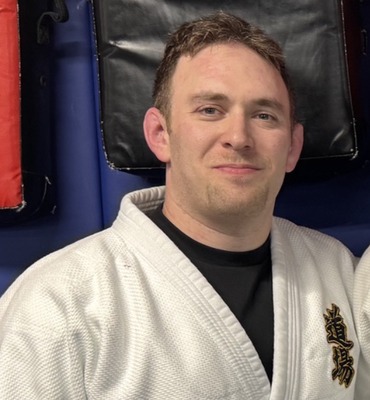
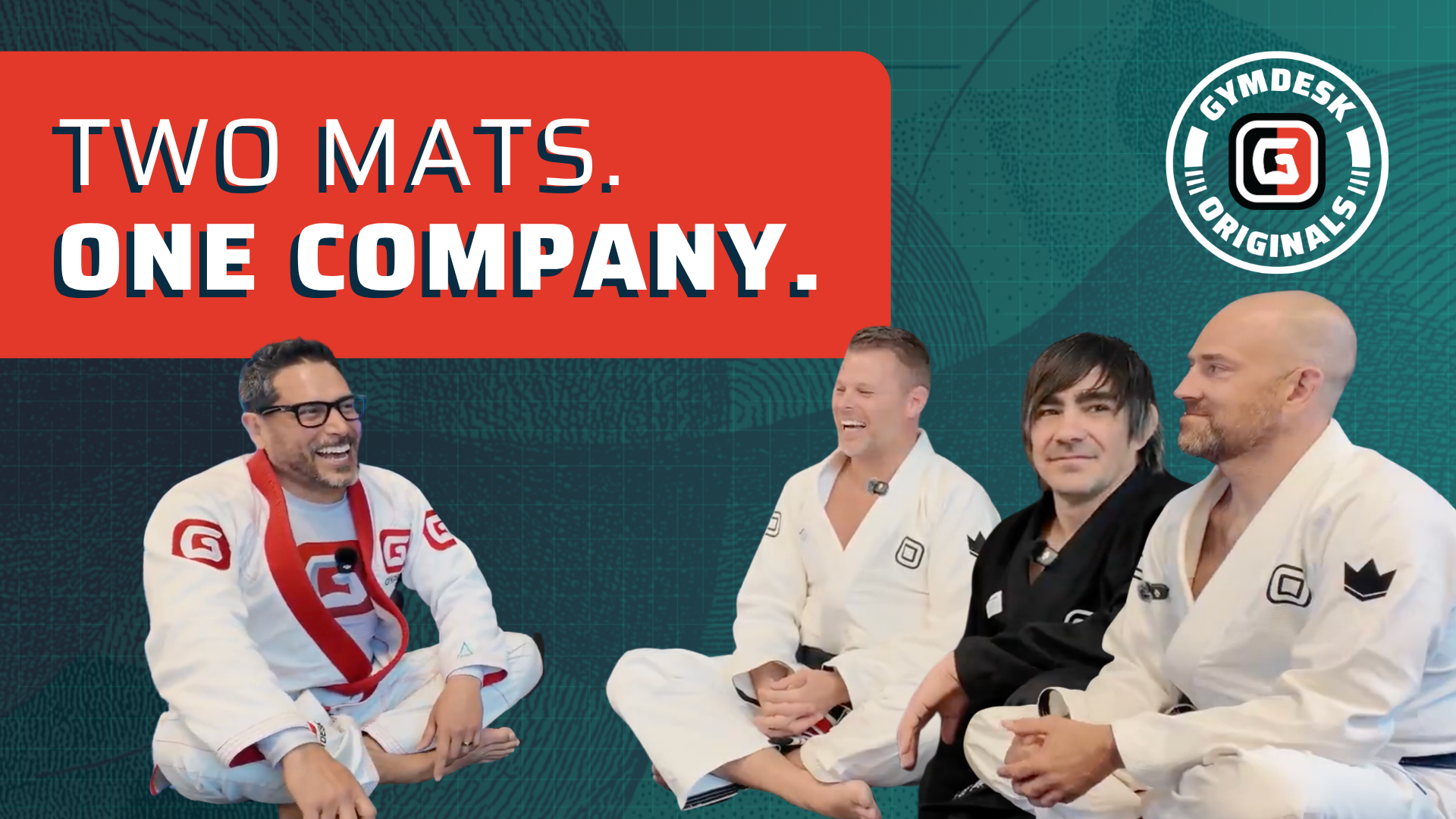
Danny Gutman is Sensei Greg Gutman's older son and runs ITC New York's judo program. He started training around five or six and stayed with judo while his younger brother Mark went to Muay Thai. A second-degree black belt, he competed at the Sambo World Championships in Russia and won a catch wrestling world championship at the Javits Center. By day he manages an engineering team at a Fortune 500 company, so he coaches two evenings a week and does the gym's admin after his son goes to sleep.
About the Gym
ITC New York, the International Training Center, is a single-location MMA gym in Astoria, Queens, a block from Astoria Park. Sensei Greg Gutman opened it in a Long Island City basement in 2006 and moved twice under pressure from developers before landing in the current space, the first one ITC has ever had with windows.
The gym runs Muay Thai seven days a week, judo on Mondays, Tuesdays and Thursdays, and Sanda on Sundays, with no kids program and no BJJ. Greg’s two sons carry the two halves: Mark runs Muay Thai in the evenings around a law practice, and Danny runs judo around an engineering job. Greg, in his sixties, still teaches Muay Thai Strength & Conditioning twice a week.
📍 Address: 23-81 21st Street, Astoria, NY (one block from Astoria Park)
🌐 Website: astoriamuaythaijudo.com
📸 Instagram: @itcnewyork
Summary
Episode 1 was Mark Gutman and the Muay Thai side. This one is Danny, the older brother, who runs ITC's judo program around a full-time job managing an engineering team at a Fortune 500 company.
Judo is the hardest discipline in the building to keep full, and Danny says so on camera: the retention rate is low because the art is brutal, and there are fewer than ten real judo schools in New York City against roughly a hundred BJJ gyms. His response to all of that is to raise the bar rather than lower it. Half-hour warm-ups built to exhaust you on purpose, no separate tournament prep, and no promotion past green belt without competing.
Then he goes home and does the admin after his son falls asleep.
What They Told Us
Alex Cuevas went back to ITC New York in Astoria, Queens, the gym Sensei Greg Gutman opened in 2006. Episode 1 was Greg's younger son Mark and the Muay Thai side. This time it is Danny, the older brother, who runs the judo program around a full-time job managing an engineering team at a Fortune 500 company and a 15-month-old at home. Judo is the hardest program in the building to keep full, and his answer is not to make it easier.
The retention problem, named by the man running the program
Most owners talk around the weak spot in their own schedule. Danny states it outright: judo is punishing, and punishing arts leak students.
"Judo is really tough on the body. It's really hard, which is why the retention rate is so low. There's not a lot of judo schools out there because it's so damn hard."
—Danny Gutman, Judo Coach, ITC New York
Fewer than ten judo schools against a hundred BJJ gyms
The second headwind is the market. In the same city where Brazilian jiu-jitsu has saturated every neighbourhood, judo is a rounding error, and Danny has counted.
"There's probably less than 10 judo schools in the same area as there's 100 BJJs. I can count on two hands how many judo schools there are in New York City, in the five boroughs."
—Danny Gutman, Judo Coach, ITC New York
The warm-up is the teaching tool
The first half hour of every judo class is built to exhaust you, and that is the point. Fatigue strips out the strength a beginner hides behind, so the technique has to hold up on its own. It also means no separate tournament camp, which matters when the coach owns two evenings a week.
"We spend the first half an hour, just warming up, sweating, just getting tired because we want you to get to that point where you're feeling fatigued so that you can use less muscles so that you don't rely on it because that's a crutch."
—Danny Gutman, Judo Coach, ITC New York
Competition is wired into the belt
This is the rule that makes ITC's judo side unusual. Across the Gymdesk Originals series competing is encouraged and celebrated, and almost never required. Here it gates the rank itself. Danny's reasoning is that sparring inside your own room only measures you against people who already know your game.
"We're not going to promote you past green if you never compete because we don't know where your skill level lies."
—Danny Gutman, Judo Coach, ITC New York
The exception that keeps the gate from being a wall
The rule is narrower than it sounds. Plenty of people walk in at forty with no interest in a bracket, and Danny is explicit that they belong there and still progress, on a documented non-competitor grading track.
"There are some people here who come who are over 40 or over 50 and they have no intention of competing and that's okay."
—Danny Gutman, Judo Coach, ITC New York
The gym runs after bedtime
Everything that is not coaching happens at the kitchen table once his son is asleep: the last hundred leads who never converted, a membership count to spot who has gone quiet, and next month's billing projections.
"I do a lot of work at home. I'm on Gymdesk all the time, kind of analyzing what's going on, taking a look at leads, seeing what automations we can implement. So I do that at night after my son goes to sleep."
—Danny Gutman, Judo Coach, ITC New York
Retain before you recruit
Asked what he would tell an owner staring down a slow season, Danny puts the effort on the members already in the room rather than the ones who have not walked in yet.
"You have to make sure that you're able to retain your current members and not just look for new members, because there's many new people that are coming and you have to make sure that people are not quitting at the same time. Otherwise, you're kind of coasting."
—Danny Gutman, Judo Coach, ITC New York
Why the people who stay, stay
Christian, a black belt of sixteen years, was on the mat the day Alex came through. He gives the other half of the retention picture: judo leaks beginners, and it keeps lifers.
"Judo's my favorite martial art. The culture around it, the people that I've met. Everywhere I go, I feel like I have a home. Any other city I go to, I can go to a judo mat and feel right at home."
—Christian, judo black belt, ITC New York
Read the full transcript
Lightly edited for readability. Speaker labels are added from context; the source recording is not diarised. Two short cut-aways from Episode 1 featuring Mark Gutman are labelled as such.
Narrator: Behind every gym, there's a story, a mission, a spark of passion that started it all. This is Gymdesk Original. Real owners, real struggles, and the communities they've built from the ground up.
Alex: I'm back in New York, and I've been thinking about my tournament, and one of the things that I want to do is improve my stand-up game. I felt like I didn't have anything to answer for certain positions, especially when somebody was tucked in. So I've been meaning to do judo, but there's no judo around me. I was in New York City, and I decided to make a revisit to New York City's oldest MMA gym. Been operating since the early 2000s. My goal, I want to learn more about sambo, which has lots of throws, and the judo program they have there. I'm looking forward to working with Danny, who's one of the coach's sons, and seeing what I can get out of it. I'm three weeks out from my last tournament and my first tournament in jiu-jitsu. And one of the things that became apparent to me in that first tournament is the areas of opportunity for me in my game. And one of the areas is improving my takedowns. Now, with the judo background, I was desperately looking for judo around where I live. Unfortunately, I live in the middle of nowhere, so that wasn't going to happen. But I had to stop over here in Manhattan, and I thought to myself it would be a good idea to take another visit to Manhattan's oldest MMA gym, ITC, and talk to Danny, who runs their judo program. Along the way, I hope to learn more about sambo and catch wrestling, both arts that I don't know too much about. I hope I can pick up some new throws to use in my next tournament. Let's go. Danny? How are you?
Danny: How are you, sir?
Alex: Nice to meet you.
Danny: Pleasure to meet you.
Alex: Pleasure. Reflecting on my first tournament, so I had my first tournament ever. I did that, like, about three or four weeks ago. Yeah, and I was like, oh, I got to get judo, but there's no judo around me.
Danny: Oh, really?
Alex: The best I could do is about an hour and 15 minutes away, and it's upstate New York. Like, you'd land in Buffalo and drive by the lake, so I'd have to go into Canada. But I'm also excited because you have sambo.
Danny: We don't have sambo.
Alex: No, but you personally, right?
Danny: I've competed in sambo. Yeah, I can talk about them.
Alex: Yeah, I would love to know more about that.
Danny: Yeah, I've competed in it.
Alex: Yeah, and you also competed in catch wrestling, right?
Danny: Yeah, a couple times.
Alex: Yeah, a couple times. Those things are totally foreign to me, so I just would love to beat your brain.
Danny: Yeah, we can definitely talk about it. I have some of my faults on that.
Alex: Yeah, absolutely. Well, I'm looking forward to it, man.
Danny: Sure, my pleasure.
Alex: My pleasure.
Christian: My name is Christian.
Alex: Christian, how long have you been training?
Christian: I've been training judo for about 16 years.
Alex: 16 years, right. And are you from here, from New York?
Christian: No, I was born in Chile, but I grew up in California, and I've been in New York for about nine years now.
Alex: Okay, hablas espanol.
Christian: Hablas espanol, sí.
Alex: And where in California did you grow up?
Christian: In Southern California, in Palm Springs.
Alex: Okay, nice. I'm from the Bay Area originally, and then I lived in San Diego for some time.
Christian: I started judo in the Bay Area at UC Berkeley, yeah. And then I did some judo at Stanford, San Jose State.
Alex: Oh, so that's my background, yeah, San Jose State, because I'm from San Jose. Yeah, so I trained, gosh, 30 years ago for like a year and a half. I got beat up, you know?
Christian: Yeah, that team's tough.
Alex: I remember one time, you know, I was all, I was very intimidated by the guys that had been slammed repeatedly. And then all of a sudden, I guess there's a visiting university from Tokyo, and now there's all kinds of other guys that were just, you know, beating up on our guys, and we were beating up on them. It was like, it was a wild thing to see, you know?
Christian: Yeah, so it's like a battle royale sometimes.
Alex: Yeah, so this was a great class. There's a, what did I count, like five black belts today?
Christian: About, yeah.
Alex: Yeah, and I think, you know, for those that are interested in judo, the safest, you know, rank to roll with or, you know, do practice, spar with is a black belt, because you know what to do, and you'll be able to take care of other people. Like, you know, what are your thoughts for those people who are curious in the New York area that want to try judo?
Christian: Yeah, I mean, you know, judo looks intimidating, you know, you're kind of being tossed in the air and whatnot, but I think the coolest thing about judo is that from day one, you're taught about safety. The first thing you'll learn is how to fall properly, and that's reinforced every day. Like, when we were doing warm-ups, we were doing falls all the time, how to fall properly. So even if you're getting tossed in the air, you know, you're getting taken down, you'll know how to land safely, and that is useful not only on the mats, but, you know, off the mats too. You know, you're riding your bike, you fall, you know, God willing, and, you know, when you fall, you're able to do it a little bit more properly and get hurt a bit less.
Alex: Yeah, and again, if you've never done judo before, what I'm talking about, how they're safe, is when they're throwing you, they have one of your appendages, usually an arm, or they have your gi. So I got tossed a couple times, and, you know, after I'm, you know, for sure going over, they'll hold you up. It's like a, it feels like a safe thing and a gentle, yes, they'll dump you, but right before you hit, they'll pull back and help you so you don't hurt yourself.
Christian: That's right. You know, you learn ways of taking down someone properly, and one of those is, yeah, you don't let them take the full impact of the fall. Plus, the mats are nice and padded. It's not, you know, mats and concrete. There's some springs underneath as well.
Alex: Awesome. Well, the last thing is, what's your message to the world, you know, for anyone who's curious about judo?
Christian: You know, I've been doing martial arts for decades now. I started when I was six years old. You know, I've done taekwondo, Brazilian jiu-jitsu, judo. Judo's my favorite martial art. You know, the culture around it, the people that I've met. Everywhere I go, I feel like I have a home. You know, any other city I go to, I can go to a judo mat and feel right at home. Everybody's very friendly. So, if you're curious, go and try it out and start with a black belt. You know, like I said, even if it looks a little bit intimidating, they're the safest people to go with.
Alex: That's right.
Christian: And they'll take care of you.
Alex: This has been a great day today at ITC doing the judo program. So, we'll check you guys out later. This is part two. You're at ITC, one of the oldest MMA gyms in New York City area. 20 plus years. Started early in, early 2000s, right?
Danny: 2006.
Alex: 2006. Danny, thanks for having me.
Danny: Pleasure. Pleasure.
Alex: Having me back here. You know, my motivation to be here, besides wanting to come back here and visit you, became even more interesting for me from, like, personal, my own journey. I just competed, like, three or four weeks ago. First time. And I'm aging up there, you know. I'm almost 50 this year. You know, I've been rolling now for the last, like, two years. And, you know, even, you know, even takedowns or whatever. The thing that, like, opened my eyes, I was like, oh, in a tournament, which is, I guess, as close as you could get to a real fight or altercation, right? The grips were like, you know, I was like, okay, he's going to let me grab the grip, because I kind of don't care, because I feel like I have counters. Like, yeah, go ahead, take that. But they were, they were, like, terrified of me holding. And my hands were like, oh, my goodness. So, there's grips was one thing that was like, oh, I got to work on the grips. And I guess that goes for jiu-jitsu or judo, right? But the other thing, I caught a kataguruma on the first round, which was great. I was happy. I was like, oh, great. You know, I've been practicing that for a while. On the second one, the guy was, like, hunched over. And I had nothing. I had no answer for that, because I couldn't get the grips. I'm like, I need a saw for that, right? So, hopefully, today, you know, we can maybe work on that. But I was eager to come back here to learn, you know, your side of the story. I interviewed your brother. He said you guys are basically both introduced. Your father's well-rounded in his martial arts career. Striking, grappling, you know, judo. And you both were introduced to it. He just went down the Muay Thai route.
Mark: My dad had set me up with different Muay Thai kickboxing instructors. I had been doing that at this point now, it's 20 years. I'm now 35.
Alex: You went down the grappling or judo route on that. I'd love to kind of get in your mind and, you know, tell me why. You know, what was it about it?
Danny: Yeah. I mean, we both started in martial arts when we were kids, probably around five or six years old. Trained with professional fighters, you know, professional MMA fighters, professional Muay Thai guys, professional judo players, basically. And I somehow, I mean, we both did a lot when we were kids. And then my brother stopped for a while.
Mark: I knew probably by the time I was like 10 or 11, I really did not like judo. It wasn't for me. I didn't like wrestling. My brother did. My brother's two and a half years older.
Danny: And then he kind of got back into it and started doing Muay Thai. And I just kind of went down the judo route. I don't know, more following, I guess, in my father's footsteps. And as far as why, I mean, I can only say that judo is really tough on the body. It's really hard, which is why the retention rate is so low. There's not a lot of judo schools out there because it's so damn hard, you know? So as far as why, I mean, he gravitated towards Muay Thai. That's his, that's his, you know, that's his liking. But I also did Muay Thai a lot. You know, I also competed in hand-to-hand fighting and full contact martial art, kind of like basically MMA in Russia. Yeah, now we're kind of in our own different, life.
Alex: Yeah. And you're, do you feel like, oh, I would like to do Muay Thai if I had more time or, you know, like, so is it that life kind of boxes you into like choose one because you do things outside the gym?
Danny: Yeah. My, my time is limited now because, me and my wife had a kid about a year and a half ago. So thank you. So, he takes up a lot of time and, you know, I feel kind of guilty if I'm training every night. Right now, back in the day when I was single, I trained five, six days a week. You know, two times a day. So I have to kind of like pick my moments as far as, you know, when I'm getting out of the house to make sure that it's valuable for me to love Muay Thai. I love boxing. I love all different styles of martial arts and I will never stop doing it because I think it's one of the arts or a technical ability that is necessary in the world today. And I think it's a complete non-negotiable for everybody in the world with everything that's going on. You need grappling and you need striking. You need both. Yeah. So I'll never stop doing both.
Alex: Another, another, chink in my armor. I feel like I got the leg game down to have a Taekwondo background. I got the worst hands, you know, it's just, I actually, when I, when I did this, I was, doing the class and, all of a sudden this came at me and I'm like, oh yeah, that's, you know, you don't do that in Taekwondo. So it was, it was just like a shock and, but you're right. It's like, you need that. You need all, all of those together to be well-rounded. So you have also competed in, I think a lot of different flavors of grappling, obviously judo and I also read, Sambo and also catch wrestling. Catch wrestling. I've heard the term. Actually, somebody explained it to me once, but I'd love to hear like, what exactly is catch wrestling? What's the difference in regular wrestling, jujitsu or judo?
Danny: Yeah. So, basically catch wrestling, the way that I can explain it is that it's kind of like wrestling with jujitsu combined, you know, cause when you're doing traditional wrestling, whether it's Greco-Roman or whatever, they don't really have submissions there. I mean, you can pin, right, but you can't, you can't do arm locks there, but catch wrestling, you could do leg locks. You can, I believe, yeah, you could do with chokes, leg locks, chokes, arm bars, like everything along with like points that you can score like a regular wrestling bout. So I think it's kind of like an amalgamation of various martial arts and they were doing like a, at the Jacob Javits center, it was like over 10 years ago, they were doing like catch wrestling world championships. And I was like, that sounds like fun. I'll try that.
Alex: Oh my goodness.
Danny: And, and I went and somehow I kept fighting and I didn't lose and I ended up taking first.
Alex: You, to be clear, you just were like, Oh, I have skill in jujitsu or judo. And you're like, I'm just going to go.
Danny: I was doing, I was training a little bit of jujitsu and I did a little bit of no gi back in the day. I was doing a lot of no gi back in the day. I trained a little bit of jujitsu. I'm a blue belt in jujitsu. I got promoted to blue belt, whatever. You know, a good, a decent black belt in judo should be at least blue to brown belt level, if not black in BJJ. I mean, that's the way that it should transfer if they train right. So I always trained a lot of ne-waza, which is ground techniques, you know, BJJ came from judo and judo came from Japanese jujitsu. So I feel like a lot of the, a lot of the techniques are the same. It's just that the rule set is different. So that's why I never hesitate to compete in this or that. Like it doesn't, it shouldn't matter to me.
Alex: Yeah. Yeah. That's a great mentality. You're like, you're just ready for anything.
Danny: I have to be, that's the way life is. You're not going to be, it's not predictable. You don't know who's walking down the street, you know, whether the behind you left, right, how they trained, if they train tall, short, big, small, you don't know. So that's the way that martial arts should be, you should be able to go into like any gym and hold your own, whether it's taekwondo, you know, whether it's boxing, like you should be able to hold your own. I'm not saying you should be able to win in that sport, but at least hold your own. Like that's my philosophy.
Alex: Now the actual tournament, is it gi or no gi or for the one that you did?
Danny: For catch wrestling?
Alex: I mean, sorry, for the catch wrestling.
Danny: For catch wrestling, it was no gi. So I don't think they have gi with catch wrestling.
Alex: So very different if you've been training in judo with the gi, right?
Danny: Yeah. Yeah. Yeah. But I basically treated it like no gi jiu jitsu. I basically did, I combined my judo skills with a little, you know, my ground stuff is like from judo. You know, it's all from judo. So I can basically translate a lot of the grips over to no gi. It's not a problem for me. If you're high enough level, you can translate.
Alex: Yeah. That makes sense. Now talk about sambo, cause you've also done that. Like what exactly is it?
Danny: So sambo is a martial art that was basically developed in the Soviet union. It might've been in the fifties, maybe earlier. I'm not sure when it was, but basically they compete. They have teams all over the world. Like, you know, a lot of different countries do it. And basically sambo, you wear kind of like a judo jacket, judo top. It's usually it's always red or blue depending on what side you're on. And then you're wearing like shorts, like above the knee shorts, short shorts and wrestling shoes or sambo shoes. The rule set for that, basically there's sports sambo and there's combat sambo. Combat sambo is like, you can do almost anything. There's like head butts as well. A lot of times. And I believe that there's chokes, arm bars, leg locks, and there's a points system. You know, sports sambo is basically like combat sambo with no kicks, no punches and no chokes. So you can do joint locks, arms, I believe there's wrist locks, leg locks, ankle locks, all that stuff.
Alex: Well, maybe I'm just thinking with a white belt brain, but you know, if you're a black belt in jujitsu, are there things added to sambo that are.
Danny: Oh yeah, of course, punching, striking. If you're doing combat sambo, but if you're talking about sports sambo, then it's quite similar. You just have to understand the rule set because in sambo, if you're between somebody's legs and you go chest to chest, that's points for the person who's on top, which doesn't exist in judo and probably doesn't exist in jujitsu.
Alex: Yeah. You can't, you can't be between someone's legs and get points like in their guard. You're just in the guard, right.
Danny: But sambo, if you're in their guard and you literally go chest to chest, no distance, you're getting points. So you have to understand the rule set. There's a lot of different little rules. Like if you throw somebody and you remain standing, I believe it's over. Throw somebody and you fall down with them. It's like four points.
Alex: That makes sense. I mean, I think the rules thing, that was kind of new. Well, my son's also competing. He's only nine. And he actually competed with me in that set. And in the last one, gosh, I feel embarrassed now. I forget the name of it. There's a guruma. It's basically you grab the arm and you go over the neck.
Danny: Koshi guruma.
Alex: Thank you. Koshi guruma. And he's got that one down.
Danny: Nice.
Alex: Like he gets it. But in the rules, you can't do that.
Danny: In jiu-jitsu?
Alex: In that particular competition for a kid, you can't do that. You can't grab the head and throw. So with like two weeks before I'm like, oh, I just realized this, you know, cause I'm a novice at this thing. And I'm like, Hey dude, you can't do that. You have to do ogoshi. Right. And it's like, you got to go under. So I kept telling him over and over. And, you know, he went like this and then he went under and he got the ogoshi and he got the throw. That's awesome. And he won on points only cause he caught the throw. And it was like, it was great. But the point is though, that the rules, like that's the whole thing, you know, every tournament is different. Like I think there was another one locally where they had no such restriction. You know, so I guess that's an important thing, knowing what you're going to compete in and what are the rule sets and then, you know, training for them.
Danny: You got to read the rule book.
Alex: Yeah. Yeah. Now, have you had people that are in this gym who have gone off to compete in different,.
Danny: They pretty much have to. Yeah. Yeah. In judo, like we advocate for people to compete at least several times a year. You really can't progress in the, at least in the belt system. Like we're not going to promote you to, we're not going to promote you past green if you never compete because we don't know where your skill level lies. That's how you test yourself. Not doing the sparring over here. It's when you go to competition and see how you do with other people. Your weight, your age, your gender, you know, you have to compete. It's, it's, then it's key for your curriculum is going out competing. And it's almost mandatory. I say almost because there are some people here who come who are over 40 or over 50 and they have no intention of competing and that's okay. Like you can, you can eventually progress. It's just going to take you a little bit more, you know, but there is non-competitor grading requirements. There are, you know, it's stipulated by USA Judo, by the organizations. Like you can do it. It's just slower progression.
Alex: Yeah. And how do you know when someone's ready? Like to encourage a student that's here, you just see them like, Oh, that guy you're going dude.
Danny: I mean, a lot of times we can tell because we've just been doing this for so long. A lot of times maybe we'll do like a formal test, you know, like show us these techniques, show us this arm bar, show us this pin, you know, and we evaluate how they're doing, you know, if they know the terms, right. I mean, you don't need to speak Japanese, you know, but you at least need to know a little bit of the terms of the moves that you do, you know, at least in the moves that you do. But a lot of times it's really like by feel, you know, I can tell right away if somebody's a white belt, just from the way they tie their belt. I can tell if they're a white belt, black belt or in between.
Alex: Once you have identified a person like, okay, Hey, there's a tournament coming up, you know, who's going and you know, you get whoever is in that group, you guys doing any kind of prep for it, like tournament prep, or it's just normal class, you know, how does that, how does that work out?
Danny: So the way that we basically have our program at ITC is like, we're constantly trying to be better than we were last week, right. Or last class, right. We're training with the intensity that every weekend is a tournament, that really every weekend is a tournament. So, we make sure that, you know, the warmups here are especially more intense than other schools, especially in the Judo program, because we spend the first half an hour, just warming up, sweating, you know, just getting tired because we want you to get to that point where you're feeling fatigued so that you can use less muscles so that you don't rely on it because that's a crutch, especially in the beginning, people come in and they try to muscle and it just gets in your way of the technique. So we always got to remind people, like loosen up, loosen up, loosen up, relax. But to answer your question, we don't normally do a lot of prep work just for tournaments because we're always training with that kind of intensity.
Alex: And, you know, even if you know how to do break falls and all that good stuff, earlier you said Judo is rough on the body. Is there anything that you can do to minimize, you know, damage and things like that? So you can go a long, long haul, didn't you do?
Danny: Yeah. I mean, basically, as I mentioned, just loosen up because I see a lot of people that get injuries are the people that super stiff, super wiry, you know, people that want to resist, you know, or have big egos, right? And they don't want to take a fall, you know, and they go like a white belt goes with a black belt and they try to show how strong they are. And they're going to like end up pulling a muscle, you know, like I see it happen more often than not. So I always have to remind people, basically just loosen up, relax. Yeah. It's not a tournament. And if people go in with that mindset, they're much less likely to get injured. Yeah. Much less likely. And of course, the usual stuff like don't post your arm, break fall, put your chin tucked in. Like we have to remind people to do that. So as long as you get the basics of, you know, how to fall, what not to do, and that gets drilled into you, then you're less likely to get injured.
Alex: Yeah. That makes sense. When you bring a person here for the first time, how much of the, you know, white belt experience before you get to the throws are learning the break falls, learning, you know, groundwork or whatever. Like how much of that?
Danny: It's literally what they do for the first probably two to four classes is just learn the basics of break falls, rolls, different side break falls, front break fall, back break fall. A lot of times people can learn that in one class. Hey, it's not a rocket science, you know, we're pretty quick to teach that. And then they have to learn basically the basic judo grips, right? Like, you know, left hand and what your head doing. I mean, there's a lot of nuance to do. I don't know if you've ever taken a judo class.
Alex: I have.
Danny: Okay. So you understand it's very technical.
Alex: Yes.
Danny: But I try to break it down into like simple, in a simple way, right?
Alex: Yeah.
Danny: So, and then once they get the grip down and at least a little bit of the footwork, then I can start to show them a throw basically, whether it's a front throw or back throw, usually show them both. So they have at least one of each.
Alex: And that's the thing that I always found mentally challenging for me is there's so many elements that have to happen just right for like these throws to happen.
Danny: I know.
Alex: You know, it's like timing. Kuzushi, position of your body. And it's like your grips. I was like, man, it's too much.
Danny: It's like, it's hard. It's hard. There's like 15, 20 things going on at the same time. In one second.
Alex: Right. And you have to like use them all at the same time or else it's not going to work. Or else you'll fumble, you know?
Danny: Correct.
Alex: Oh, I didn't bend my legs and I'm standing up and they don't work.
Danny: That's why we practice. We just do repetition, repetition over and over. Sometimes it gets boring or monotonous, but that is literally how you get better. Just do thousands of reps every week.
Alex: Yeah. Have you had a chance to like go to Japan and do judo or anywhere else?
Danny: I personally never went to Japan. My dad has also never went to Japan. I've competed in Peru in full contact martial arts. I've competed in Russia and Sambo several times on the country, basically. So I've had, I've had a few opportunities to travel.
Alex: Now, the Russia thing sounds very exotic. Is that possible now?
Danny: A little tough now.
Alex: Okay. So it used to be a little, a little bit easier.
Danny: Yeah. Before the war. I mean, you can pretty much fly direct to Moscow, but I don't think that's possible right now.
Alex: Yeah. You got to go around.
Danny: Yeah. So it's very difficult, very expensive. And now it's really tough.
Alex: Yeah. And when you were in Russia, did you feel like the art or the folks you were rolling with or, you know, practicing with, is it a different level or is it, it's just the same?
Danny: So when I went to compete in Russia, that was the Sambo worlds, which is the highest level of Sambo that you can get. There's nothing higher than that. There's no Olympic for Sambo. So that's it. So I went there and yeah, pretty much got destroyed. Yeah. I got destroyed. Absolutely. Because they were on a completely different level. Yeah. Those guys train Sambo. I don't train Sambo. Yeah. I train Judo and basically for Sambo, I was taught leg locks by my dad, by various instructors, the rest, you know, I know arm bars, I know, you know, chokes and stuff like that, which you're actually, you don't do in sports Sambo. So I can stand on my own, but I mean, the guy, the first guy I competed against was a Mongolian Judo champion, Olympic bronze medalist, multiple time world champion. I can't even say into words really that type of level of person just to grab him. Was an honor. So the level is just completely different. Completely.
Alex: Yeah. I mean, I be honest and vulnerable. I would be like terrified of stepping in a ring with a guy like that.
Danny: When I found out who I was fighting, I was terrified. And then when I got on the mat, I just let it all go. And I just was like, okay, let's fight. And that's it. So during the fight, I was fine. And then after I got off the mat, I was like, oh, he wasn't so bad. And then I realized who he was. My dad told him.
Alex: Yeah. That's cool. Do you have a full-time gig outside of this?
Danny: I do. Yeah.
Alex: So what do you do in your other life?
Danny: I'm in IT. Yeah. I'm in IT. I work for a Fortune 500 company. I'm actually a manager for an engineering team. Not programming, more just like kind of almost cybersecurity for a Fortune 500 company. So that's my full-time.
Alex: And yet you're here often.
Danny: Yeah. I'm here at least twice a week. And that's probably going to increase soon to maybe four times a week.
Alex: Yeah. And so you have a, was it one and a half year old?
Danny: Yeah. I have a son. Yeah. 15 months old.
Alex: Full-time gig. And you're here at least twice a week and you're going to make it four. I hear that story a lot, but why do you do it?
Danny: Well, it started off because out of respect for my dad, I've always tried to help him out with the gym because I feel like that's what I owe him, kind of like an old school mentality. Now it's kind of shifted a little bit because we see that like my dad maybe wants to pass on the business eventually, like to me and my brother. So we're trying to like, you know, last year I had a digital program and try to really step it up, better curriculum, you know, better trials, introduction, you know, retention, reaching out to students. And now it's even becoming more, you know, where I'm trying to launch, like I'm going to launch like a social media where I'm kind of showcasing different throws, throw it on reels, Instagram, TikTok, you know, TikTok, Facebook. So that's the plan now. So I do a lot of work at home. I'm on Gymdesk all the time, you know, kind of analyzing what's going on, taking a look at leads, seeing what automations we can implement. So I do that at night after my son goes to sleep.
Alex: Yeah. Yeah. So clearly there's passion for you in judo and your dad inspired you to do this. Do you feel like the bond between yourself and your dad because of the connection in martial arts? Like, do you know what I mean?
Danny: Like there's definitely a bond between me and my dad, a big part to judo. Yeah, of course, because we trained a lot together and you'll admit it, but he's trained me a lot. I mean, I never really had one coach. You know, I've had a lot of different teachers in the school. I went by myself always. When I was a teenager and above, I drove myself to the tournament. I couldn't take him because there'd be too much pressure. I wouldn't want him to watch me. So I went by myself. So I never really had a coach above teenager. That bond is definitely there in large part because we share this passion.
Alex: So 2006, I'm sure you have seen ups and downs. What are some of the, like, almost gotcha? I mean, I'm sure COVID was in there, but other pivotal moments where it was like, oh, man, this is tough.
Danny: Yeah. Especially with judo, the swings, you know, during the summer, people get lazy. They want to go to the beach. They go on vacation. Of course, after the new year, it always kind of pumps up because people want to get in shape and stuff like that. But, you know, every year there's dips. There's always dips with judo, with Muay Thai, you know. I think BJJ is a lot more popular right now. It's like hundreds of BJJs. There's probably less than 10 judo schools in the same area as there's 100 BJJs. I can count on two hands how many judo schools there are in New York City, in the five boroughs, you know, like decently, you know, like I'm not talking the ones that have like one class. So I've seen a lot of dips. It happens all the time. But we're trying to do our best to minimize that, you know, with what we can do.
Alex: What has, what, like, what keeps you going when you see a dip? Like, you know, if there's someone else watching it, you know, like, oh, man, I'm going through a tough time right now. Because, you know, a lot of gyms, they have those experiences. Like, what's your advice to them? And like, power through those.
Danny: I think most gym owners are going to just tell you that there's really no other choice. Like, you just have to, you know, push through the storm, you know, you're going through the storm, you just got to keep going. And it's at that point where you have to make sure that you're able to retain your current members and not just look for new members, because there's many new people that are coming and you have to make sure that people are not quitting at the same time. Otherwise, you're kind of coasting. So I believe there needs to be retention, you know, there needs to be a community, right? Like, Instagram chats, you know, sharing cool videos of judo, you know, back and forth or Muay Thai, monthly community events, you know, whatever you can, there's so many different ideas that you can implement rather than just having the same classes, you know, like referral program, which Gymdesk actually has an automated referral program that you can do with that. Just, you know, with the code. There's a lot of opportunities. You just kind of have to look for it.
Alex: Given that you're, you know, technical and you spent a lot of time on the, in the software. What are some of the things that you use like daily?
Danny: Some of the things that I use daily is I'm taking a look at a lot of the leads, right? People who have signed up and maybe not went with a membership. I'm going to take a look at the last hundred people that's done that and basically reach out to them with an email or with a text, you know? So I'm doing that pretty often. I'm making sure that basically I'm taking a look at my membership count, especially for judo and kind of seeing who have I not seen in a while. Maybe reach out to them and make sure that, hey, we're thinking about you and hope everything's okay. So like retention, stuff like that and billing, taking a look at, you know, what his last month looked like, what does the next month look like, you know, projections. Now we're leaning heavily into automation. When somebody signs up for a trial, we want to make it as seamless as possible for them to feel welcome with an email or a text, you know, whatever, or what the next steps are. So we're heavily going into that right now.
Alex: I mean, maybe going into COVID and what was your experience through that time, especially with, you know, how you can train judo?
Danny: Yeah. So basically judo was limited to, we didn't have open classes. It was limited to basically less than five people, friends, basically. We just got together and we didn't open it up. It was like literally three to five people and we would just do throws and do randori sparring for like an hour, two hours. So I got in the best shape during COVID, honestly. Hard for a lot of people, but I, you know, I was living by myself at the time. For me, I took that opportunity to flourish on 100 mile bike rides. All the time I walked forever, you know, I ran, I did judo with my friends two times a week. So I try to make the best of it.
Alex: Yeah. That's good. I personally went the other way, you know, there's no gyms around me and I just became super sedentary. You know, coming out of it, my youngest son was born in 22 and I was so weak, man. He's a little tiny baby and I'm holding him up and my arms are like, oh, I'm tired. I was like, this sucks, man. You know, I gained a lot of weight. So it's 2026 now. And I feel like I've gone like, oh, 180 from that path, but it's hard, man. So as you get older, I remember when I was young, I could rebound, you know, you have a, you know, a fat, you know, sedentary six months and you just get back in the gym and you're like slimmed out. Not anymore. Not at my age.
Danny: It's tougher when you get older.
Alex: So this was not the first location that you guys had.
Danny: The third.
Alex: Third location. And what do you guys think in terms, you know, so if you walk me through like the projection, things go really well. Judo program starts to pick up even more. Your plan B to just build us out and keep it at capacity?
Danny: That's the plan for the next, for definitely for the next year. I'm not opposed. I mean, if we, you know, you know, flourish and, you know, we jump up in membership numbers, I would love to open up a school like closer to where I live, you know, cause I live kind of on the border of Queens and New York, Queens and Long Island. And there's no Judo schools in that vicinity. Like there's no schools in Nassau County. I don't think there's a school in Whitestone. Basically that's between here and where I live, but there's no schools out there. So, I mean, second location, we wouldn't be opposed.
Alex: You're a really good opportunity because it's not, it's not cheap to open up a gym. It's got to invest a lot of money. A lot of people think it's just throw some mats down and get some ramp. There's a lot more to it.
Danny: A little more to it. Especially when you're starting from zero members and you got to hold that rent by yourself for a while. So it's not easy.
Alex: Well, maybe we can go into like tactically for me. You know, I've been doing for grips, I'll put a gi in my, in my little home gym cause I have one now so that I don't fall back into the depth of the spare. I throw a gi on top of a curl, like, you know, where you do pull-ups, I'm just hanging on it. Now I try to do pull-ups cause I've seen people do it. I can't do it. It's like, it's not yet. I could do a pull-up with the bar, but not with the gi yet. So that's what I've been doing, working on that. But I still don't have an answer for this. Guys crunched over, super stiff, elbows in.
Danny: Oh, that's, for judo players, that's a, that's a lottery ticket.
Alex: Yeah. Oh, this is great news. You have, you have the answer to it.
Danny: So it's usually pretty easy. What are you doing? Like when that happens? Well, you have to think about it, right? If they're hunched over like that, right. And I'm used to playing people like that. There's a, that's a very popular position in like Eastern European styles, which I kind of do as well. Sometimes I also hunch over. I like that style as well, but basically like you have to understand if you're throwing somebody and they're hunched over, they're doing 50% of the work for you and they're very susceptible to overhand grips, right?
Alex: Yeah.
Danny: It's overhand grips like that. So forget about this. You're going to go and you're going to try to grab the back. And again, if you grab the back, you also have to develop throws from there. Front, back, side, left, fakes, feints, combinations. Like there's a lot of different things that you can do. And if somebody is hunched over like that, if you look at high level competition, you will never see somebody doing that because it's absolutely signing your death warrant.
Alex: Okay, sensei, that was awesome.
Danny: Thanks for coming.
Alex: Just a warm up alone, just like straight up wipe me out. But we talked about that before. That's the whole point, right?
Danny: Yeah, this is a light warm up, honestly, tonight. But you have to get to that point when you're doing judo where you're exhausted, because that's mimicking competition.
Alex: Yeah, and then the idea is when you have lost your strength and all that like adrenaline or whatever, now you have only your technique to rely on, right?
Danny: Exactly what I was going to say. That's all that you have left after your strength is gone, right? It's just to rely on your technique. And if it's not there, you know exactly what to work on.
Alex: And I think that also reduces the probability of injury, right?
Danny: 100%. Most injuries are going to be attributed to using too much strength, not to using too much technique.
Alex: Well, the class was awesome. And I think, like, just as a man, I wish I could do more of this. But there's this, you know, natural fear that I have, like, oh, I'm going to get thrown. And I know how to fall and all that good stuff. It's just like, it's there. But towards the latter part of the class, I started to get over it. It's almost like a thing, like, I had that with jujitsu too. And like, over time, you just get used to it. It's like, no, it's a new normal. It's fine. I don't think I'm unique in that sense, right?
Danny: You might have nervous people coming in the beginning, but over time, they'll get more comfortable being uncomfortable. It just takes warming up like anything else. You just got to get warmed up, you know? And you got warmed up during the duration of class where you felt towards the end, like, oh, okay, you can take a follow-up too. And you're not going to get, you know, you're not going to be nervous about it. You know, so it just takes warming up, consistency of training. And that's pretty much it.
Alex: That was, yeah, that was a great class. I really appreciate you guys having me here today.
Danny: I'm glad you liked it. It was a pleasure to have you.
Alex: Thank you very much.
Danny: Thank you so much. Thank you.
Alex: I'm back at the hotel and I left with some gifts. I have a throw. I feel like I need to perfect. I don't think I did it very well. Hooking the leg and then punching the floor. This is something that I feel like happens often, especially in jujitsu. Guys are kind of leaning over. So it gives me another entry point, another direction. Stepping off to the side, hooking the leg and then punching the ground. I think that's going to work for me. I feel like that's something I can do. So I would say great success today. I'm glad I made it through that class. You know, it is intimidating, especially because I haven't done it in a while. You have a chance to practice judo somewhere, you're lucky, man. It's not convenient, especially with two little kids at home for me to get to. So I'll have to deal with, you know, training maybe once every few months when I get a chance to visit a customer. Cheers.