How a Firing and a Rock at Low Tide Led to Monarch Jiu-Jitsu

Starring
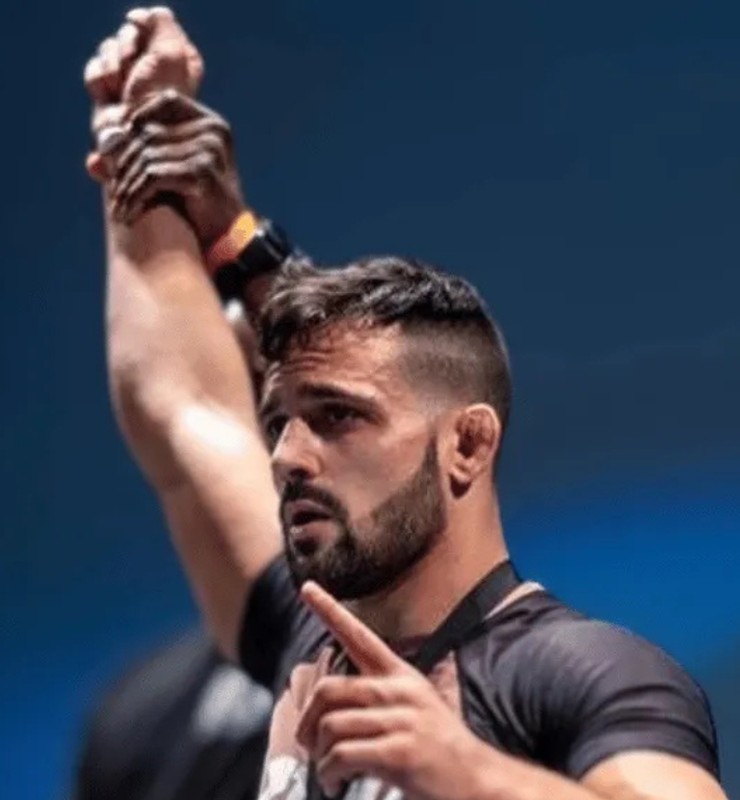
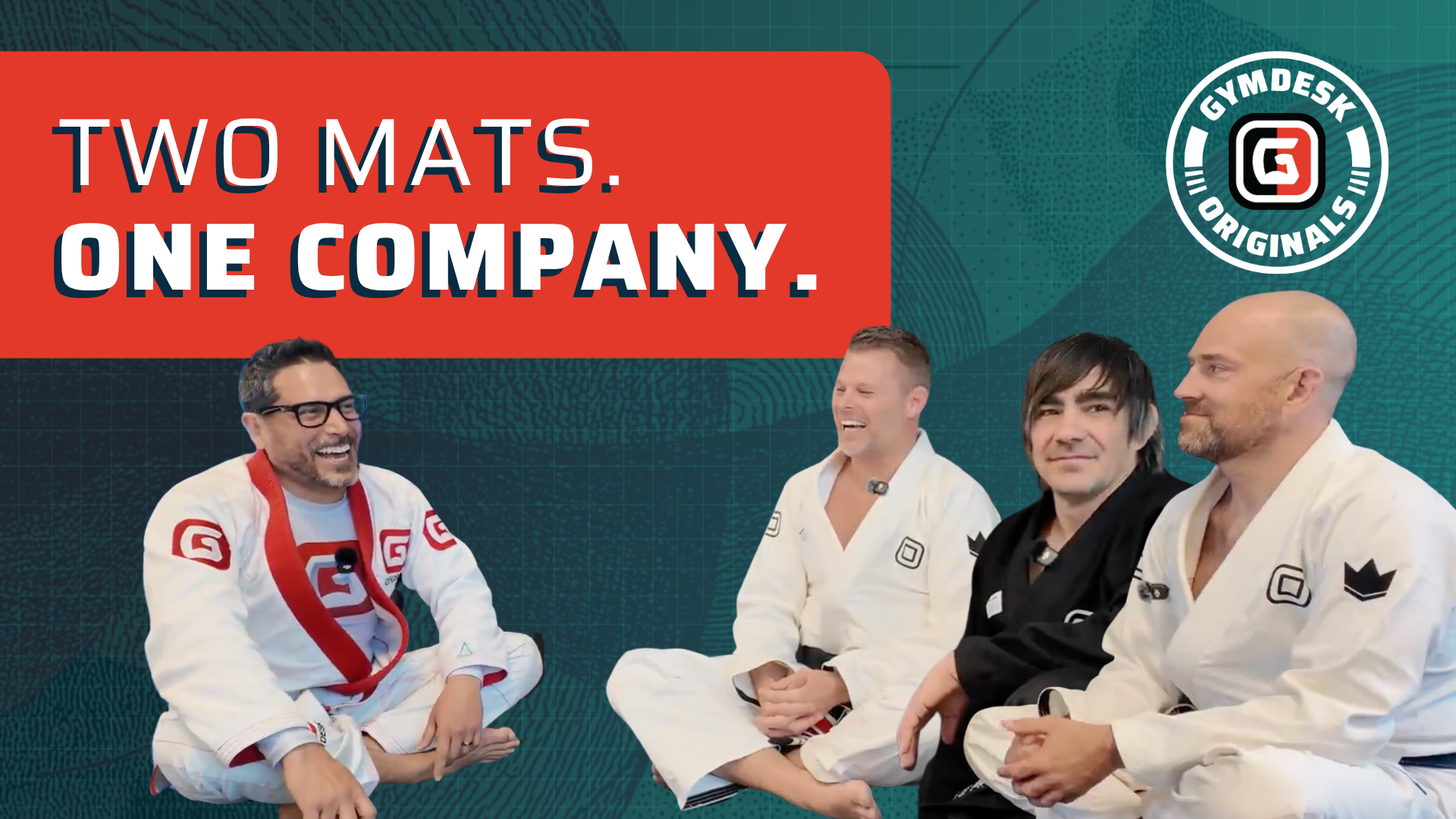
Nick Gullo founded and owns Monarch Jiu-Jitsu Academy in Malverne, New York. He is a Brazilian jiu-jitsu black belt under Jason Rau and started his training at Serra Jiu-Jitsu. He won his first tournament, the New York Open at blue belt, and was one of the head instructors at another gym before opening Monarch.
About the Gym
Monarch Jiu-Jitsu Academy is a Brazilian jiu-jitsu and Muay Thai school at 4 Francis Street in Malverne, New York, on Long Island. It teaches jiu-jitsu in the gi and no-gi, with no-gi as the bigger side, plus adult Muay Thai and a kids jiu-jitsu program that has run since the gym opened.
Nick Gullo owns the school and coaches there. New students get steered to the gi first, because Nick thinks beginners feel like they're doing jiu-jitsu sooner with something to grab. Competing is encouraged, not required.
IBJJF events at Hofstra are 15 minutes away, and when PANS was held there, Monarch ran a full camp and hosted teams from other schools. The gym runs on Gymdesk.
📍 Address: 4 Francis Street, Malverne, NY 11565
📞 Phone: (516) 588-7578
🌐 Website: monarchjiujitsuacademy.com
📸 Instagram: @monarch_jjacademy
Summary
Alex Cuevas visits Monarch Jiu-Jitsu Academy in Malverne, New York, and jumps into a no-gi class, which is the part of his game he's least comfortable with. The owner, Nick Gullo, started jiu-jitsu once a week at a lifting gym, then went to Serra Jiu-Jitsu and trained under Jason Rau in the leg-lock era. He talks about winning his first tournament, the New York Open at blue belt, and about the matches where he quit in his own head.
After COVID he coached full time and became one of the head instructors at another gym, with plans to co-own a new location. Then he was fired. The next day, on a boulder at low tide, he told his partner he wanted to open his own place. Nick walks through the "what if it's more successful than you could have ever imagined?" question that got him going, why he steers newcomers to the gi in a no-gi-dominant school, and the Muay Thai retention problem he's still working on.
What Nick Gullo Told Us
Nick Gullo owns Monarch Jiu-Jitsu Academy in Malverne, New York, a no-gi-heavy jiu-jitsu and Muay Thai school on Long Island. He came up at Serra Jiu-Jitsu, where Jason Rau became his coach. He opened Monarch after he was fired from a head-instructor job. Here is what came up about leg locks, competing, getting fired, and the program he hasn't figured out yet.
Levittown and the leg-lock years
Nick started training at Serra's Huntington location and moved to the Levittown location around blue belt, where he found Jason. Around 2015 or 2016, the room shifted to leg locks.
"And for me in particular, I was like, oh, this is great. Now I'm not gonna get just ragdolled by big guys, who are just throwing me around in the gi. And it became like the great equalizer."
—Nick Gullo, owner
A competitor in his own head
Jason pushed him to compete. His first tournament was the New York Open at blue belt, and he won it. After that it got harder.
"I was never a great competitor. I would just get way too much into my head. But it didn't stop me from doing it."
—Nick Gullo
"The matches where I went in and I just, I would quit. And it's the worst feeling in the world. That is literally the worst feeling."
—Nick Gullo
The ceiling, and then the firing
After COVID closed the Levittown location, Nick moved to coaching full time. He became one of the head instructors at another gym, and was planning to co-own a new location with its owner and one other instructor.
"And then it just started getting a little bit weird at that place for reasons I won't even get into here. And inevitably ended up getting fired from that gym."
—Nick Gullo
Looking back, he says the job was already maxing him out.
"like I was making good money as an instructor there, but I was killing myself. I was at the absolute ceiling. … I was doing anywhere between, I don't know, 10 to 13 privates a week on top of the workload."
—Nick Gullo
A rock at low tide
The next day he went on a hike with his then-partner. They ended up lying on a boulder in the water at low tide.
"There was just a moment of clarity, right? … And I looked at her, I was like, "I think I wanna open my own place." And she was like, "Good." She was so supportive."
—Nick Gullo
He spent the next six months working out where the gym would go and what to call it. He credits Jason Rau and Frank Rosenthal, another Gymdesk gym owner, with the confidence to do it.
"What if it works?"
One of the people he asked for advice turned his question around on him.
"What if I don't get the members? What if I don't get the students? What if this? He goes, yeah, what if? He goes, or what if it's more successful than you could have ever imagined? I didn't even think of it."
—Nick Gullo
Nick's own version of the lesson:
"you're not great, but you're content so you don't wanna leave it. So it takes this violent shove into failure to actually be more successful than you could have ever imagined."
—Nick Gullo
Gi first, in a no-gi gym
Monarch leans no-gi. New students still get pointed at the gi.
"even though we are a no-gi dominant school, I really try and push and guide the newcomers to the gi, so that they at least get a feel, because I feel like when you first start jiu-jitsu out, you feel like you're doing jiu-jitsu way earlier if you do the gi versus no-gi."
—Nick Gullo
Muay Thai is the hard one
Monarch also runs a Muay Thai program. Keeping those students is the problem Nick is still working on.
"If you're a mid 40 year old guy and you haven't worked out and say, I don't know, three, four years, you can jump into a jiu-jitsu class and be okay, right? … But the Muay Thai, it's a lot of cardio, right? You're jumping rope, you're shadow boxing. Then you're doing pad work. It's a lot, it's exhausting on the person."
—Nick Gullo
"We have a decent base of them, but that is a problem right now that we are trying to figure out."
—Nick Gullo
Read the full transcript
Episode Transcript
Monarch Jiu-Jitsu Academy, Malverne, NY. Speaker labels are added from context; the host is Alex Cuevas, Gymdesk's CEO, and the guest is Nick Gullo, Monarch's owner.
Opening
Narrator: Behind every gym, there's a story, a mission, a spark of passion that started it all. For a lot of these owners, it started on a map, a weigh-in, a bracket with their name on it. This is Gymdesk Originals, real owners, real struggles, and the communities they've built from the ground up.
Alex on the way in
Alex Cuevas: Talk about being late to the mats. My whole jiu-jitsu game is built on the gi. Without the gi, I feel like a fish out of water. Feel like I don't move right, like I'm missing tools from the tool belt. I wanna get over it, but to be honest, I feel like scared a little bit. I feel a little vulnerable, and I don't wanna feel like that anymore. I wanna be comfortable being uncomfortable. And so now that I'm in the New York area, I was looking up some of the best schools for no-gi and grappling, and I found Monarch Jiu-Jitsu. Monarch Jiu-Jitsu has lineages from Renzo Gracie to UFC fighter Matt Serra, Jason Rau, and now the owner, Nick Gullo. I'm looking forward to jumping into a no-gi class, especially a school that's very competition focused, to be able to learn as much as I can. But I still have that fear. Will I get hurt? Will I get injured?
At Monarch
Nick Gullo: Hey, how are you?
Alex Cuevas: Yes, Nick, nice to meet you.
Nick Gullo: Nice to meet you, sir.
Alex Cuevas: All right. Pleasure.
Nick Gullo: Tonight. Are you training or?
Alex Cuevas: I am, yeah, I'm ready.
Nick Gullo: Oh, Nick, all right, great.
Alex Cuevas: Here at Monarch with a no-gi, which is something I'm working on. Not quite mastered it yet.
Nick Gullo: Looked good out there.
Alex Cuevas: Yeah, thank you, yeah, I tried. I did my best. But it's a very different thing when there's no gi to grab.
Nick Gullo: Of course, yeah, yeah, it becomes very, very different. But again, I thought you'd do pretty well overall. Yeah, it was a tough class today. Wednesday is always busy, so.
Alex Cuevas: I wanna get into it.
Nick Gullo: Let's do it.
Alex Cuevas: You guys here have been in business in this location, how long?
Nick Gullo: Just about, so November will be three years.
Alex Cuevas: Three years, got it. And let's start with your background.
Serra's and the lineage
Nick Gullo: Sure, yeah, so I started at, well, actually, I actually started at a regular lifting gym. And they had an option for jiu-jitsu just once a week. It was a thing to do. Kinda hit it off with that guy. He goes, "You gotta sign up at a proper gym. "You gotta get over there." So he was a member of Serra Jiu-Jitsu, so I walked in one day, and that was it, I became obsessed in, I would say it took me a little bit of time to really get that bug, but I would say a year into it, I actually tore my ACL.
Alex Cuevas: Oh no.
Nick Gullo: But after that, I had like just fully engulfed training with, you know, Matt and then his brothers, and just being at Serra's was so cool. Such a great experience, Matt's an awesome dude.
Alex Cuevas: Yeah, and so just in case you live under a rock and you don't know exactly who Matt Serra is, from the lineage perspective, we have Renzo Gracie, and Renzo Gracie had John Danaher, and then John Danaher, one of his many pupils, Matt Serra.
Nick Gullo: It's actually the other way around.
Alex Cuevas: Oh, was it?
Nick Gullo: Yeah, Matt was first, yeah.
Alex Cuevas: No kidding, I did not know that.
Nick Gullo: Matt was first, yeah.
Alex Cuevas: Okay, I guess I was under a rock.
Nick Gullo: I think, yeah, so I think they came up as like training partners.
Alex Cuevas: Okay.
Nick Gullo: Yeah, they weren't, one wasn't a student or the other, and whenever John talks about Matt, it's always in like very, very high regard as just a great friend, but also like an incredible training partner.
Alex Cuevas: So then Matt Serra, then trains, you trained with him and Jason Rau?
Nick Gullo: Yes, yep.
Alex Cuevas: I'm wondering just because of the UFC and the fact that obviously you don't wear gis there, is that where, you know, the drive to do more no-gi kind of comes from or?
Levittown and the leg-lock shift
Nick Gullo: No, so I will say so. When I, so when we come up, when we came up actually at like through Renzo's, I don't know if this is true through all of his locations, but through the Renzo lineage, you have to be four stripes in order to do no-gi, right? So they don't allow you to do no-gi until, I don't know if that's still the rule, but it was back then. So back in 2012, 13, 14, we were, I was doing strictly gi, and then when I got my blue belt or four stripes, I started to dabble into the no-gi scene, right? And then once I became a blue belt is where I found Jason, right, because there was two locations of Serra's, there was Huntington and then Levittown.
Nick Gullo: And Levittown stories, I'm not sure if you're familiar with the lore, but the Levittown location rivaled any New York location, and any New York city location, bar none. It was right up there with them, outside of like their top, top competitors, you can take guys from the Levittown location, put them up against anybody in the room again, outside of Garry Tonon, Gordon Ryan, Eddie Cummings, right? And they go to the top with them. The Levittown location was stacked.
Nick Gullo: Right about when EBI was coming about, right? Like the DDS was surfacing, Jason started to, it was funny, because I would drill a lot with Jason, before or after class. And at the time it was a lot of gi, because Rafa had just won his fifth gold medal at Worlds. So we were doing like bolos, in the gi a lot. And then there was just like a paradigm shift. And we shifted over to leg locks. And for me in particular, I was like, oh, this is great. Now I'm not gonna get just ragdolled by big guys, who are just throwing me around in the gi. And it became like the great equalizer. I would say that was probably around 2015-ish, 2016 maybe.
Alex Cuevas: So your experience up to that point, is you're in the gi, some bigger guys, you feel like it's very hard, because they're stronger or whatever. And all of a sudden you see legs are an opportunity to level the game.
Nick Gullo: For sure. It was a lot of fun in the beginning, because nobody really knew how to defend. It was crazy back then, you don't have nearly the opportunities to learn as you do now.
Nick Gullo: It was funny, I was actually at Vanguard one day with Jason, and I was talking to Joseph Chen and David Stoyle. And I was saying exactly that. And I think Dave, it was Dave or Joseph. And one of them looked at me and was like, okay Boomer. And I was like, you got me. But also very true.
Nick Gullo: The outlets in which you had to study jiu-jitsu were few and far between. I think it was like Bernardo Faria online, the half of, the Mendes brothers had something. I forget what it was exactly. And then you just YouTube stuff. And Telles had his octopus guard thing out years ago, I think it was like 2012. But yeah, there wasn't much to learn from.
Nick Gullo: I found leg locks. I mean, again, I was just at the time, me and Jason was just basically, it was a shootout. I mean, he would kill me. But that's how we learned. We were just trying to do random stuff. And it was, we were picking it apart. And then when he started to go to Renzo's, is really when he would come back and start to feed that to us.
Alex Cuevas: Yeah. From there, were you inspired to start competing from then on or how'd that go?
Competing
Nick Gullo: So when I was at Huntington, was when I first started jiu-jitsu, it wasn't, not many people competed. It just wasn't a thing that we did there. When I went to the Levittown location is where I started to gain a bit of interest in it. And when I felt like I was actually like really getting better, Jason started to push me to compete. And I did my first competition ever was in New York Open, Blue Belt, and I won it. And then my second competition ever, I think that was Worlds, you know?
Nick Gullo: So I went to Worlds.
Alex Cuevas: Wow.
Nick Gullo: Yeah, I was like,
Alex Cuevas: Wow. Yeah, you went from,
Nick Gullo: But I was so naive.
Alex Cuevas: Yeah.
Nick Gullo: You know, like I didn't really, I mean, I knew obviously it was a huge tournament, but like it's not like now where there's so much information at your fingertips, right? I like didn't know really what to expect. I didn't know there was gonna be 20 mats or whatever. I mean, there were 132 people in my bracket, I believe it was.
Alex Cuevas: Wow.
Nick Gullo: Yeah, eight matches to a gold medal.
Nick Gullo: I didn't really start, so I took a long trip. I went and I went and been at a vision quest and I traveled throughout Southeast Asia for about nine months. And when I was there, Jason was calling me, he's like, "Dude, like if you're serious about jiu-jitsu, you need to get back here. Like everybody's training for ADCC, like Garry Tonon's throwing people through the wall." Like, you know, at the time, like I was loving my life in Bali and I was training out there in Bali MMA. I had to come back for something I had to do here, like I had to come back. And then my plan was to go back to Bali at the time.
Nick Gullo: And then when I came back, I started training the city, you know, the morning session, noon session, morning session, noon session, at least three times a week. And I was like, "Man, like, this is the best training in the world right now." You know, back in like, what was that, 2017, 18, you know? The squad was really starting to make a name for themselves. Yeah, Nicky obviously was coming up. It was, I couldn't, I couldn't not, if I really wanted to do this, whatever route I decided to go, whether it was like try to be a full-time competitor, try to open a gym, whatever it was, I think I was like, I needed to be here.
Nick Gullo: So I came back and I said, I was like, "Yeah, I'm gonna start competing." And that's when I started to compete a bit. I was never a great competitor. I would just get way too much into my head. But it didn't stop me from doing it. I was very forthright in making sure that I got out there.
Bali
Alex Cuevas: I'm curious about like, Bali, was that like a place of like peace, tranquility for you?
Nick Gullo: It was more of just like at the time I needed to switch things up. I was working for my family's restaurant and I wasn't loving what I was doing. I needed a change. I knew that if I didn't make the change, I was gonna be kind of in that, you know, that situation forever. And, you know, it just wasn't my thing. It wasn't for me. And I needed a change and I decided, it took a while.
Nick Gullo: I was actually trying to put together a tournament myself and had this different idea, almost like a wrestling dual meet tournament. And I busted my ass for it. You know, I got the, I was getting the teams, the location, the mats, I created. I literally went door to door because again, social media wasn't what it is now. So I literally went to gyms all throughout Long Island and knocked on their door and like told the owner, hey, this is what we're doing. We'd love to have your team on board. And someone with it, some were not so much into it because it was like literally their names on the line. So they were a little bit more apprehensive, but you know, people were into it. And then again, inevitably did not come to fruition. And when it, when that happened, it kind of like set me back a bit, like immensely.
Nick Gullo: I was like, dude, I don't want to be at the restaurant anymore. I don't know. I want to do something in jiu-jitsu. And then I was like, hit up a buddy of mine, and I asked him, cause we were going on a trip to Europe at that time. It was like two weeks later. So I was like, what would you think about, there's that camp, the BJJ camps, they do. I forgot which one was the first one. It was that one. And I was like, they do, they do this thing. I think there's a week in like Ireland. We can go from, you know, Greece to Ireland. And he was like, I'm going to be short on cash. What about, you know, Southeast Asia? I was like, sounds cool. Tell me more. And then it just snowballed into this nine month trip.
Nick Gullo: And again, like, it was nice for me because I had, like the team, like I was with Bali MMA pretty much every day. In the first leg of the trip, we partied a lot, you know? But second leg of the trip, I got more serious. Cause that's when my buddy actually left. So that was with me. We both had to come back for a wedding. And then I shot back for another like six months. That's where I really started to like, you know, I woke up early, I got breakfast. It was the most incredible life.
Alex Cuevas: Yeah.
Nick Gullo: Wake up, get breakfast for like 250, right? You shoot over to training, grab lunch, go to the beach, either, you know, just hang out for a while, train at night and then get dinner and then rinse, repeat. It was, yeah.
Alex Cuevas: It sounds like a very fulfilling, happy life. But then you come here and you feel the calling in your soul like, oh, I can't miss this.
Nick Gullo: The training was just so good. And the room was just, the guys were competing at the highest level. You know, Gordon was on his like major come off, right? That was before his first ADCC championship. Actually, I apologize. No, he won his first one while I was there. Yeah, we had that on the TV. I'm sorry. So, you know, it was just, I couldn't, if I wanted something to do in my life with jiu-jitsu, but want to make a livelihood out of it, is where I needed to be.
Alex Cuevas: So you had the experience with competition, but is it during that journey that you said, wait a minute, I actually would rather be a coach and own my own gym or you kind of already knew that?
Head space
Nick Gullo: So no. So I would say, so I was, again, I mentioned earlier, it was a bit of a head case when it came to competition. I had good experiences and horrible experience. The matches where I went in and I just, I would quit. And it's the worst feeling in the world. That is literally the worst feeling. You know, there was nothing worse than going in, knowing you can or should win, right? And then going in and just not having it. That was really messing me up. So I did a lot of work, you know?
Nick Gullo: And 2019 was probably my best year in terms of results, but that wasn't even really what I like gauged upon. It was how I felt going into the matches. So 2019 was by far my best year of competition in terms of my head space. I've been going to the matches confident, right? And I wouldn't put so much on my shoulders and I felt so good going into 2020 and then COVID happened.
Nick Gullo: Levittown location, closed down at Serra's. And then I was on the outs for a little bit and I had to like kind of find a new gym. And I was literally in every bar of training. I was all over the place. I was in Queens, I was in Manhattan, I was in even the Bronx, Brooklyn. It was so much and I didn't have a home. And I had done like two competitions on the comeback. And one I did fine, the other one I did awful.
Nick Gullo: And at that point I was starting to find a job coaching and I was also on like the older end at that point. I was not old, but I was 32 or 33 at that point. And I'm starting to think like, well, how realistic are the competition goals? And I have a very serious girlfriend at that point. And like, she's a professional, she was a dentist. So she's looking at me like, what are you doing? So it was tough. It was a really, really stressful time in my life.
Nick Gullo: And inevitably I had made the decision to be more full-time coaching. Doesn't mean at this point, now that I'm more settled, I still wanna do it. I just gotta avoid injuries right now.
Competition and the gym
Alex Cuevas: Yeah. Yeah. Was it a competition class today or these guys are just advanced?
Nick Gullo: So this was the fundamentals, that was the advanced class.
Alex Cuevas: Okay. Yeah. How many of the guys here compete?
Nick Gullo: A decent amount. I would say like of that class, maybe five or six guys compete somewhat often.
Alex Cuevas: Yeah. Yeah. In terms of like what it does for the gym when there's a competition, do you feel like a certain energy about it?
Nick Gullo: So if there, I mean, the nice thing about being in like the Northeast, right? Or at least like New York, New Jersey, right? There's something pretty much every weekend at most an hour away, right? Like that's the nice thing about coming up in jiu-jitsu now. You know?
Nick Gullo: And anytime, obviously there's an IBJJF, they always do it at Hofstra. So that's 15 minutes from here. Like last year for PANS was great. We ran a full camp, you know, we got guys from other schools coming in, doing their camp. Yeah, it was great. We actually had, who was here? We had a bunch of European dudes come through. See you then. A couple of the guys won their divisions too. So, because we were probably like the closest gym to Hofstra, like closest real gym to Hofstra. So we had them come through. We had like Daisy Fresh come through. Those guys came. It was nice. It was really fun. So the energy was super high for PANS last year.
Nick Gullo: Unfortunately, they moved it to the Meadowlands this year. So I don't know if we're going to get that same energy, but I try to push it as much as I can because I have the same thought process as you. I think it's good energy. It's good for the gym. It's good for the robbery, you know? Yeah, it's just, I don't push it on anybody, but I try to, you know, especially the ones that I feel like want to do it, but maybe need a little bit of guidance.
Alex Cuevas: Yeah. Yeah, and like some of the things that we started to notice as we look into statistics and quantifying things like those schools that do competitions tend to have better retention. Right? If you're training, if something's coming up, you got to train, right? And the opposite of showing up is not showing up, which leads generally to attrition, you know?
Nick Gullo: Pretty much. Sure now. Yeah, for sure.
Opening day and the first years
Alex Cuevas: Yeah. So three years.
Nick Gullo: Yeah.
Alex Cuevas: Have you, do you have any stories about, oh man, I don't know, we barely made it or this was tough.
Nick Gullo: So I would say everything, anything like that was before, but we've been very lucky. We've had great, the signups have been there and, you know, off the rip, it was, I was always very, very confident.
Nick Gullo: And I actually just recently spoke about this on another podcast because everyone talks about how, in the very beginning, it's going to be, you're going to be freaking out, right? Oh, you're going to make random, this and that. I never had that feeling, but that was because I had good people behind me, you know? Like Jason, Jason Rau, helped me so much in the beginning. Frank Rosenthal, who also uses Gymdesk. They're extremely helpful in making me feel confident that I could do it. And I didn't have that, that fear of is this going to work?
Nick Gullo: Once I had made the decision to do it, it was all before I was like, should I do this? Should I not? That was where I was like, I don't know if I can do it on my own type of thing. And once I had made the decision, I was like, no, this will be successful.
Nick Gullo: And then once we started, I mean, the first three months, I mean, it was a lot just in terms of I was doing so much and I was kind of killing myself a little bit. And I had to quickly find more help the best I could, which I did. And I was forever grateful for those guys.
Nick Gullo: You know, it's weird. And I say even now, I tell like my marketing guy and the film test people, I'm like, we won't find exact trends until we hit year five, I believe. Because even now, like the only months that I feel like are actually predictable are July, August and September. Because other than that, we could have one month in one year that was fantastic. And the opposite, the previous year, it was slow. So it's weird to kind of like the highs and lows of like, oh, well people are canceling or freezing or whatever it is kind of, it's very, very strange right now. But I think in a few more years will be, yeah, have a better, have a lock on it better.
A second location
Alex Cuevas: Yeah, once it's kind of stabilized. Yeah, that makes sense. And in terms of like, you know, this is a beautiful spot, clean, spacious. Is your idea, you know, do you have a 10 year plan? Like, do you want to fill this up and you're good or do you want to expand or?
Nick Gullo: So I have a lot of ideas. Yeah, there's a lot. I mean, and originally I wanted to get this space and I'm stork. But that was taken up pretty quick. And I even up until the last six months, I reached out to the landlord. I was like, how are they doing over there? Cause I would love to knock this wall down, double our kids program, put some more time for the kids, you know. But right now it's doesn't seem like it's an option.
Nick Gullo: So this location is fantastic. Malverne's a great town. Excuse me. Malverne's a fantastic town. And I mean, we have so much street view here. There's parking, it's such a great spot. So I would hate to have to like actually give it up.
Nick Gullo: So my idea is if it's within 10 minutes of the drive, second location, but we'd have to be a bigger location, right? 3000, 4000 square feet. If it's more than that, 15 to 20 second location.
Alex Cuevas: Yeah. Yeah. It's always tough, man. So you talked about restaurants. I was in the restaurant game for a while. It's tough. It's a very hard second never ends, like hours and hours margins are razor thin. You can lose your shirt, you know, one month. And it's like, why are we even doing, why are we even open? We're losing money, but it's hard. Oh my God. Hard. Yeah. So that's a different game, but it, you know, in terms of what I did, which is probably crazy,
Alex Cuevas: One of my learnings, my first location did very, very well. I knew everybody super intimately by name. They'd come in, what's up Alex? Hey, you know, what's up Joe, Jill, whatever, it was in Miami. We had to expand just because I was gonna lose the rent in my spot. So I got a second location and then very quickly got a third location. And then the first one, because I knew the first one was gonna die. So I ended up with two and then customers were like, dude, where were you? I'm like, bro, I've been working 15 hours. You just haven't seen me. I've been at the other location, you know? So it's like, that's a good point. Like being aware of distance is an important thing, especially because you are Monarch, right?
Nick Gullo: Yeah, pretty much. Yeah. I haven't mapped out to what I would be doing if and when this happens, which hopefully, you know, fingers crossed it can go down in the next six months and we'll see. It would be okay. Like we would be, I'm at a place now with the help here that is great. Like our instructors are fantastic. And that's really the biggest thing is making sure that if I'm incapable of being here as much as I am now, that it's filled with people that are reliable, it's personable and obviously great instructors.
The kids program
Alex Cuevas: So here's another thing that I think not all of our gyms and the advantage of is a kids program. Some of them have embraced it and they're doing extremely well, but what's been your experience with it?
Nick Gullo: It's been great. We have four kids programs right now. So we had, so we did five to seven, eight to 13, right? And then we doubled up. We did five to seven and eight to 13 on opposite days. So Monday, Wednesday, Saturday, Tuesday, Thursday, Saturday. So two separate programs, five different days. We did have the three and four year old program. It was good.
Nick Gullo: Let me tell you something. There was a promotion side. We had like almost 20 kids on the mat, which was just not manageable. It became really tough to, you know, what kids crying, what, what, I wasn't teaching it, but I was overseeing it. And it was, it was hard. We never really decided to like discontinue that program just because it was, it was just difficult to run constantly. And although it was great feeder into the five to seven year old program, it was taking too much energy from us. It was so much. So instead we squashed that one and then opened up the two, those two days, Tuesday, Thursday for the older kids. And that was the best move we had done. That was fantastic. The program, the kids program essentially doubled within a month.
Alex Cuevas: That's amazing. Yeah. And are your kids programs mixed with different arts?
Nick Gullo: So no, it's just you do it too. Gi, no-gi. But, you know, I had a parent today ask me, are you ever do the kickboxing with the kids? There was more hours in the day, like, you know, until we, again, like, and I asked what I told them. I was like, if we can knock this wall down, I'm there, you know, I'm let's do it. But until that happens.
Alex Cuevas: Yeah. Yeah. My son is, he goes to a different school than I do just because the schedules are what they are. But he has the choice to do jiu-jitsu or kickboxing. And he was doing both for a while. And it's like, ah, that's a lot, man. It's a lot to go like daily. So.
Nick Gullo: They switched the schedule up or?
Alex Cuevas: No. So like every, which is a little bit better for me because it's more predictable just because I'm like, it's far. It's like 35, 40 minutes from my house, you know?
Alex Cuevas: But in general, I would say most schools that have, you know, not MMA, but mixed martial arts, like kickboxing, Muay Thai, jiu-jitsu, whatever, those tend to do better because there's more things that kind of keep people like interested in that. Have you seen the same kind of thing here with?
Muay Thai
Nick Gullo: Yeah. So we started our Muay Thai program and it's, do it, it's okay. I've learned that the clientele is very different than jiu-jitsu. They are, Muay Thai is a lot harder at a fundamental level in terms of the output, right? If you're a mid 40 year old guy and you haven't worked out and say, I don't know, three, four years, you can jump into a jiu-jitsu class and be okay, right? A lot of the time you're drilling something, right? You're moving slowly, right? And there's obviously the sparring portion of class, whether or not you do that portion, you know, it's up to you essentially, right? Especially in the beginning.
Nick Gullo: But the Muay Thai, it's a lot of cardio, right? You're jumping rope, you're shadow boxing. Then you're doing pad work. It's a lot, it's exhausting on the person. So we're having trouble kind of figuring out the balance and like how to actually like get the people to like stay. We have a decent base of them, but that is a problem right now that we are trying to figure out.
Alex Cuevas: Yeah. Yeah. And is the demographic, you know, 40 plus that are—
Nick Gullo: For the Muay Thai?
Alex Cuevas: Yeah.
Nick Gullo: No, it's mixed. Like the most consistent ones are the younger guys. Yeah, we have a good group of like the older guys, not as many.
Alex Cuevas: Yeah, yeah.
Nick Gullo: Yeah, the Muay Thai is tricky for us at least.
Transformations
Alex Cuevas: And how long have you had the kids program?
Nick Gullo: Kids from the beginning.
Alex Cuevas: Okay.
Nick Gullo: Yeah, kids we started from the beginning.
Alex Cuevas: So you have at least three years. Any cool stories to share of like transformations, either adult or kid?
Nick Gullo: Yeah, I mean, like there's a ton. I mean, I was actually just texting with the mom today, you know, her daughter, when she came in, super timid and she's only been here for, I don't know, since April. And she came in very timid, very shy. And just yesterday I was watching their class and I was about to get up to like help her out, you know, because I don't, again, that's another class that I don't teach, but I do oversee and I was gonna help her out. And then she just started like helping the other kid, her training partner, like kind of talking him through it. So I kind of just watched for a minute and it was just so cool to see her when she came in, she was almost like didn't speak, you know, like just was super just very, I don't know if I trust you. And then now just to see her doing, not only doing the techniques, but also helping other kids. That's the best part about being a coach, right? Is to see that stuff.
Alex Cuevas: Yeah, it's awesome.
Deciding to open
Alex Cuevas: So you were on the fence about opening a gym. It's kind of like, I feel like you had the desire, but you weren't quite ready and you had people pushing you and they say, "We got your back." At some point you got pushed over and you said, "Okay, for your doubt, uncertainty gone, I'm going for it, right?"
Nick Gullo: Yes.
Alex Cuevas: Can you talk to me a little bit more about that?
Nick Gullo: Yeah, sure. So I was teaching at another gym. All right, so post COVID around like 2022, I guess it was. I was maybe 2021, I don't know. I was teaching at another gym about 20 minutes away for here. And I became like one of the head instructors there, me, and the owner of the gym and one other guy. And we were at a point where we were gonna open another gym, all three of us together as co-owners. And I was over the building. I was like, "Let's do it." And then it just started getting a little bit weird at that place for reasons I won't even get into here. And inevitably ended up getting fired from that gym.
Nick Gullo: And at that moment, I was like, "What am I supposed to do? What am I supposed to be doing now? We were gonna open a gym together." He goes, "This is gonna be the worst thing that ever happened to you." And I really sat on that. I messed me up a little bit. I was like, "Piss me off, obviously."
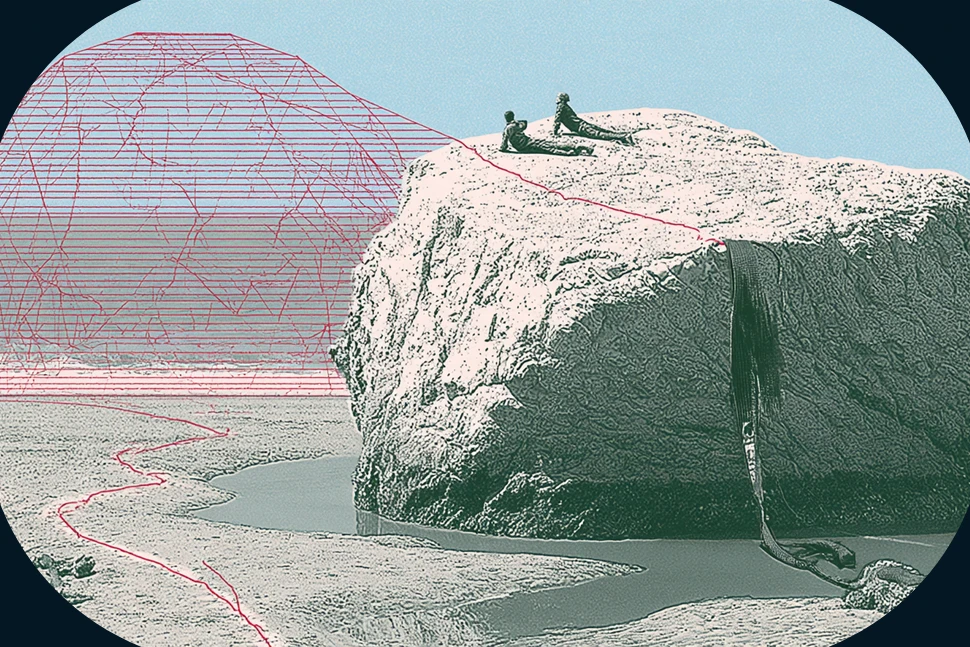
Nick Gullo: It took a day. It was actually the next day was me and my ex's five-year anniversary, I don't know. So that sucked. But there was a moment of clarity. We were walking around. We took a hike and we both ended up laying on this rock that was this big boulder, kind of in the ocean, but it was low tide. And the sun was coming down just right. It was like the end of April. So the weather was perfect. And we didn't fall asleep or I didn't fall asleep, but kind of just like, I don't know. There was just a moment of clarity, right? And when I kind of came to, the water was actually coming up and we had to like kind of, you know, skid out a lot of there. And I looked at her, I was like, "I think I wanna open my own place." And she was like, "Good." She was so supportive.
Nick Gullo: I remember my first reaction when I actually got fired, was like, "What am I gonna tell her?" And she was like, "Okay, like you're gonna figure it out." Which was really, really nice. And I feel like maybe rare these days.
Nick Gullo: When he said those words to me, I remember being like kind of pissed off, you know, but whatever, kind of just let that fall by the wayside. And then I started talking to the people that, you know, my family, Jason and Frank, and then, you know, can I do this? You think I can do this? And I, you know, I asked a lot of questions. Do you think I have it? And Jay was like, "Dude, do it. You're more than capable." And that was it. Once I made the decision to do it, I went full throttle and I was just, everything for the next six months became, where is it gonna be? What's the name gonna be? All that stuff.
Alex Cuevas: Yeah.
Nick Gullo: And yeah, and then we just, I did it.
Alex Cuevas: Obviously at the moment when all of that happened, it was a pivotal moment for you. Made you feel not good, but it also kicked you into this path. Do you feel like in retrospect now, you're almost glad that happened?
Nick Gullo: Oh my God, yeah. Blessing in disguise. I mean, it was truly one of those things where like, you don't realize, like I was making good money as an instructor there, but I was killing myself. I was at the absolute ceiling. I was teaching, I don't even know how many classes. I was doing anywhere between, I don't know, 10 to 13 privates a week on top of the workload.
Nick Gullo: And then of course, getting your own training in. I mean, you're literally up near 40 hours and that's for jiu-jitsu. That's a ton. I mean, your body, especially when you're in your 30s. If I was 19, 20, 21, maybe a different story. But so it was a lot, but I was still so happy doing it.
Nick Gullo: And then it was one of those things like you just, you're not great, but you're content so you don't wanna leave it. So it takes this violent shove into failure to actually be more successful than you could have ever imagined.
Nick Gullo: Actually, that was one of the things that one of the guys had said to me. He goes, I asked him, I said, what do you think? What if I don't get the members? What if I don't get the students? What if this? He goes, yeah, what if? He goes, or what if it's more successful than you could have ever imagined? I didn't even think of it. It sounds silly, but it was something that I literally didn't even think about was that, what if it is more successful than I could have ever imagined?
Nick Gullo: And then you start thinking about all these scenarios where like it's a booming gym and then, and it's, and three and a half years later, we're here and we created something along with the help of so many people and the students.
Nick Gullo: I tell people when people come in for an interest here, I tell them straight up, I was like, I don't really care about having a thousand students. Of course, I want a thriving business, just like anybody else, but I want a place where people can come, learn and be happy that in the place that they're at.
Nick Gullo: You go to a lot of jiu-jitsu gyms or MMA gyms or any sort of martial arts gyms. It's very cliquey, and now we just listen, we're new. So we haven't had time maybe to get there, but we do a pretty good job at kind of weeding out bad eggs or we just don't even let it get to that point. I don't kick anybody out. I've never kicked anybody out. I'm just saying we kind of, people are very good at kind of checking their ego at the door and being friendly to everybody when they get here. And that's like the best part. And that's why I think the gym is as successful as it is. So we have a great group of guys and ladies.
Nick Gullo: I was pissed for a while at the situation because it was like, this is so stupid. It wasn't my fault. But again, in turn, it was the best thing that ever happened to me.
Alex Cuevas: Life works that way sometimes.
Nick Gullo: Yeah, again, I needed a violent shove into failure to actually become way more successful than I ever could have been in that position.
Alex Cuevas: I had a restaurant for 10 years and it wasn't until I had a frivolous lawsuit and I was already struggling to keep the doors open and I said, you know what, I'm done. It was that last dagger, I'm like, so sometimes life does that just to change your trajectory.
Nick Gullo: Yeah, and that's, again, sometimes this is what we need. Sometimes we're in this situation that we feel like is the only possible route and then lawsuit, fired, and then all of a sudden you realize, there is another avenue, there is another route. So you've been doing Gymdesk for a while then and then you just got into jiu-jitsu?
Alex's own road
Alex Cuevas: So here's, I'll tell you the whole history. So black belt Taekwondo, I used to compete. Then like everybody, my age I guess, UFC comes out, I'm like, oh crap, I got nothing. But there is no jiu-jitsu anywhere near me. So I started Judo.
Nick Gullo: Okay.
Alex Cuevas: And—
Nick Gullo: Judo, that's crazy. What age was that?
Alex Cuevas: 17, 18.
Nick Gullo: Okay, I was gonna say, that was like later on, I was like, yeah, it's tough. Judo's harder on the body.
Alex Cuevas: Oh yeah, totally.
Nick Gullo: Yeah, but at 17 you're fine.
Alex Cuevas: Oh, not really. So, because what happens, I joined a school in San Jose, San Jose State University, all the kids had been doing it for like five, since they were five. And I went in as a white belt with a certain mindset, oh, I've never lost a tournament.
Alex Cuevas: Post college, I ended up in San Diego for a while. I'm at the San Diego Judo Academy and these two Brazilian guys show up. And it turns out that Xande and his brother Saulo Ribeiro, and they started University of Jiu-Jitsu there. So I did like six months there, I'm like, oh, this is different than Judo. And all the ne-waza stuff was something I wanted to do in randori or whatever on the ground. It was like, oh, this is level up.
Alex Cuevas: So then I moved to New York and I started training at Renzo's. So I trained at the Blue Basement for about a year and a half and then nothing for like 18 years. And then about six months before I started here, I was just messing around with my son. So I wanted to teach him some basics. And then I started doing this and I started traveling around, meeting customers because I would do that anyway. I would visit all kinds of customers like, wait, is it okay if I jump into class? And I'm like, yeah, absolutely. Everybody loved it. And so now I'm really working on like, yeah, this is real, like it's a passion.
Alex Cuevas: And I think I'll say that before, like in those 18 years, I've been climbing the corporate ladder, doing all kinds of different technology, software jobs, but it was almost like a thing. I'm not gonna say shame, but I had to hide it. It's not like, why am I going to jiu-jitsu during lunch? It's not, you know what I'm saying? It doesn't, so it's like, okay, I don't wanna get caught training. For some reason that might've been my own mental thing, but now it's like, no, this is my job. And I can do it with pride. How cool is that? Yeah, and it's amazing. I get to like, here I am and never been here in Long Island. Able to train here at Monarch, which is amazing.
Nick Gullo: That's incredible.
Alex Cuevas: Yeah, yesterday I was doing judo. And now I'm getting into competition. So I had my first competition. My son was there, my wife, my other kid, bunch of people from my job, from my work. And I'm out there on the mats and I'm like, oh man. You know, I did well, but I also learned about myself. Like I'm missing several tools.
Nick Gullo: For sure.
Alex Cuevas: Yeah, and some of it was grips, throws, and part of like the submissions that I wasn't catching and the intensity, it's very different.
Nick Gullo: Way different intensity. It's hard to mimic in training. It's like almost, I would say near impossible.
Alex Cuevas: Yeah, it's almost like if I was training with somebody like that, I would be annoyed.
Nick Gullo: Yeah, you would be the annoying guy. If you were training like that, like as hard as you do in a competition, right? That would be the worst training partner.
Alex Cuevas: Totally, yeah.
Gi, no-gi, and new tools
Alex Cuevas: I mean, so I'm grabbing grips and they're ripping them off me like I'm going to, like a street fight. And I'm like, dang, yo. It's like, okay. So it was a good learning experience. Now, I also am, like, I feel like vulnerable in jiu-jitsu without a gi. It's like, I'm all gi, right? So I felt nervous coming in here just because that's not what I'm used to, right? And some of the, like, you had your transition when you were a blue belt, you said, and then you went in.
Nick Gullo: You got a four stripe white belt, but more so, I was a blue belt when I got heavily into it, yes.
Alex Cuevas: Okay, yes. And did you have such a thing like, oh, I'm going to leave all these tools behind and I have to go pick up new ones?
Nick Gullo: There was, so I remember specifically when I was an instructor, I was still at Serra's and there was a kid that we had from the white belt program and he had just got his four stripe. And the first class he did was comp class. And I went with him first round, kind of get him acclimated a little bit. And I could literally see the question mark on his face when he was sitting, trying to play guard against me. Because he didn't know where to put his hands. Usually he had grips, you know? Way different experience. But yeah, you leave, yeah, all your tools are gone essentially.
Alex Cuevas: And like, what's a good mentality for me to, do I just embrace it? Embrace it and I gotta go find new tools?
Nick Gullo: Yeah, I mean, yeah, 100%. You gotta embrace it. You gotta try and like, think about, it's all the same stuff, just different.
Alex Cuevas: Yeah.
Nick Gullo: Right? Like a sleeve grip, maybe you're looking for a two on one instead of the sleeve, right? The lapel, obviously that's out.
Nick Gullo: But going for knee grabs into de la Riva, right? It's all the same stuff. You just have to like, you have to be a little bit more, I don't know, deliberate, I guess, about where your grips are gonna be. Because if you try to hug somebody's leg, or if you can't, you obviously can't fall back for a collar sleeve, post a foot on the hip, and have tension, right? Where can we have tension? So, finding those things are definitely way harder.
Nick Gullo: And actually, one of the things here, even though we are a no-gi dominant school, I really try and push and guide the newcomers to the gi, so that they at least get a feel, because I feel like when you first start jiu-jitsu out, you feel like you're doing jiu-jitsu way earlier if you do the gi versus no-gi. You grab a collar sleeve, you post a foot on the hip, and you're kind of swinging around with them, you swing yourself to de la Riva, that's an easy thing to do within a day, two days. You can't do that in no-gi, you don't get that feeling, but you can't do that in no-gi as a beginner.
Nick Gullo: So, I try to push everybody to do the gi first, because I feel like it's almost like, I don't want to say training wheels, because obviously it's extremely extensive, and it can be so beautiful. But, I do think it makes it a little bit easier for them to kind of see the light, essentially.
Alex Cuevas: Yeah, that makes sense. They start getting a little bit of the reward back.
Nick Gullo: Yes, exactly, 100% nailed it.
The X-guard
Alex Cuevas: I have a mental block against X-guard. When you start doing it, my mind's like, no. And there's like, it just, I feel the shields coming up, and it's like, I refuse. And I don't know, where's that coming from? Have you ever had any experience like that, where you just like, the move just feels like—
Nick Gullo: It's hard, or is it difficult to execute?
Alex Cuevas: I think it's just, I don't know. I think I'm having trouble with it in both, but I think it starts earlier. For some reason, I think it's this fear and vulnerability about not having the gi.
Nick Gullo: Oh, you mean, oh, I'm sorry. I thought you meant in gi or no-gi.
Alex Cuevas: Okay. Yeah, no, no. I mean, yeah. I mean, yeah. In no-gi especially, they start grabbing my legs.
Nick Gullo: Yeah. It's definitely a harder position to run, at least X-guard, in no-gi because there's friction. The person's also directly on top of you. It's really, I would say it's not, it's definitely, it's obviously an interim position into something else, right? As it is in gi as well, but you can't hang out nearly as long as you can in gi.
Alex Cuevas: Yeah.
Nick Gullo: Yeah, which makes it, your transitions have to be a little bit crisper, which might be your apprehension, right? You're going in and you're like, maybe you're still, maybe you're too shy, white belt, and you're spending most of your time in the gi. You don't know where you want to go yet. So if you don't know where you want to go from one place, you're probably going to be like, I don't know if I want to go to that spot.
Alex Cuevas: Yeah. Yeah.
Nick Gullo: But still to this day, I mean, I will say like, there was a kid that just won, I think, it was a major. I forget what it was. Maybe it was American nationals or something. Super old school jiu-jitsu. It was also in the gi though, but it was, he was saying it's like deep half to like, waiter X-guard over and over. I forgot what the kid was, who he is. I forgot his name, but it is super cool to see that that stuff still works.
Learning from bad positions
Alex Cuevas: Yeah. Yeah. Okay. Yeah. All right. Last question then is, this made, this is like how my mind works and it may be flawed logic, but I feel like a lot of my learning comes from being in the worst positions. So sometimes I'm like, yes, go ahead and take full mount. Yes. Take side control. Like for sure. Cause I want to escape.
Nick Gullo: Yeah. Yeah.
Alex Cuevas: Is that a valid thing to do?
Nick Gullo: Oh, for sure. So I always say if I could teach two things for a full year, it would be framework and guard retention.
Alex Cuevas: Right.
Nick Gullo: If I didn't think I was going to lose my students right out of your boring programs. Absolutely. I mean, like that was how, that was funny. So like when I really did get start getting into a competition, it was all like the jazz was sub only, you know, 10 minute match is EBI-style tournaments. So I was at the time, I mean, again, Jason as my instructor, would just kick the [expletive] out of me. It was just kick the [expletive] out of me constantly. So I ended up getting really good. It sounds silly, especially now. And I would never want this for my students, but I got really, really good at not allowing somebody to take my back from side control, even escaping from mount. It's just be having really good frames, understanding how to wrist roll, what to grab in certain spots that, and again, it is for me, I was kind of a head case in competition that I would actually allow guys to pass my guard in strictly, you know, sub only competition. I would allow guys to pass my guard to get acclimated, right? And then I would, you know, start to do my thing and it helped me, I felt safe there.
Alex Cuevas: Right.
Nick Gullo: And then I would start to go right now. Obviously I would recommend that in a regular competition with points, but I absolutely think there's some validity to that. I, you know, I want everybody, everybody should understand how to get out of any bad position. Like you can get out of every bad position. Theoretically you'd be impossible to submit right outside of like locks, baby. You know, right. And if you can get out of any pin, John Danaher talks about this all the time.
Alex Cuevas: Right.
Nick Gullo: Teach somebody how to get out of any pin position, be being able to submit the submission rate will go way down against you. So yeah, that was very valid.
Alex Cuevas: Okay. Well, I guess I'll keep training that way for a while.
Nick Gullo: Yeah. Keep that up. I mean, yeah, don't let people pass your guard maybe, but yeah, I don't recommend, I mean, it's for me. I just didn't have a choice cause I was going against Jason three times a day. So yeah, guard. I tried, but yeah.
Alex Cuevas: Awesome. Well, thanks again. I appreciate you hosting us.
Nick Gullo: Thank you so much, man. Yeah.
Alex Cuevas: Awesome. It's a pleasure. Thank you.
Nick Gullo: Cheers, man.
Did I get over my fear?
Alex Cuevas: Did I get over my fear? No, I did not, but I tried. I think that's the most important thing for me is that I tried. I also feel like part of my strategy to be in compromised positions is okay, especially in the beginning so I can learn how to get out of them. But I still feel that mental barrier towards any of the leg things like the X-guard. Yeah. I'm just picking on that one. Half X and all those things, they just don't click, but I think it's just because I'm resisting the idea. So that's, that's all I have for you today on this episode until the next one. I'll keep working on it.