The Reality of Opening a Gym in NYC
.webp)
Starring
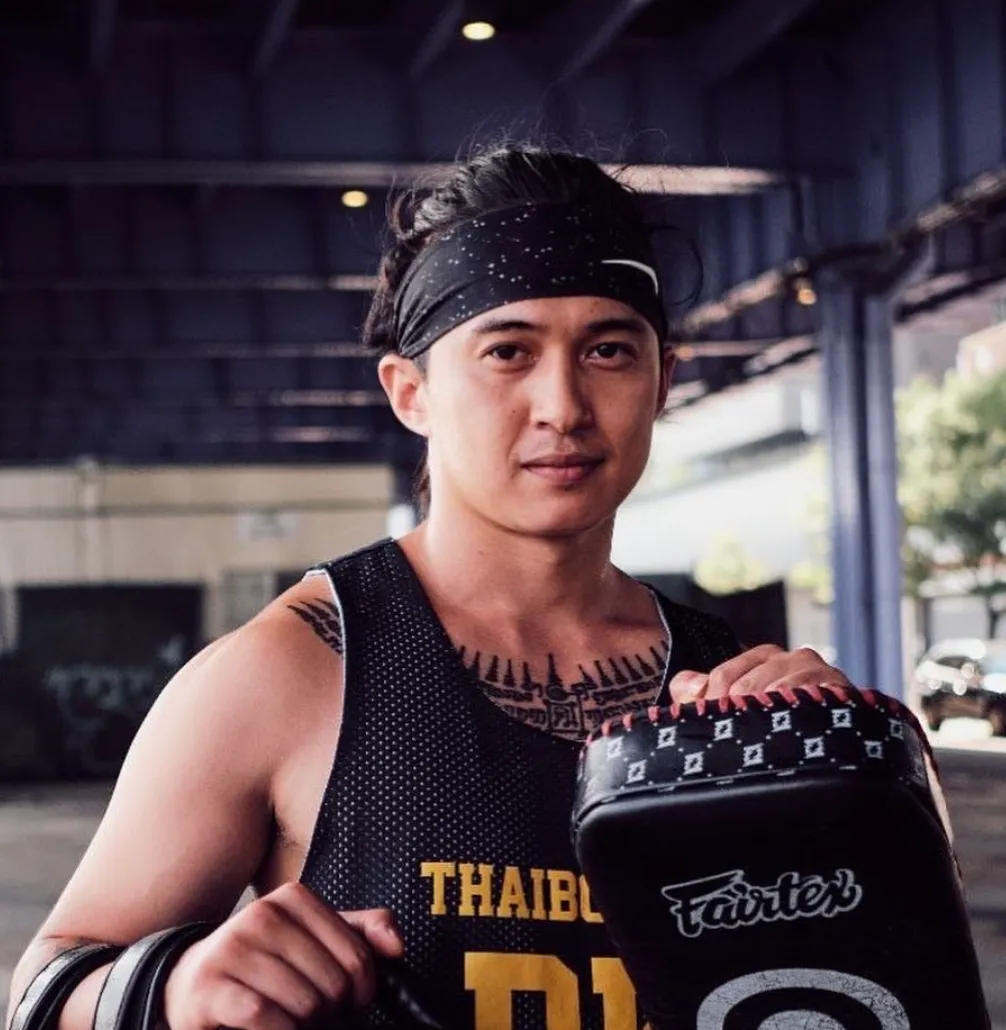
Justin is a Brooklyn and Chinatown native, Muay Thai coach, and co-founder of Two Bridges Muay Thai, with over 24 years of martial arts experience, including more than 30 high-level amateur fights.
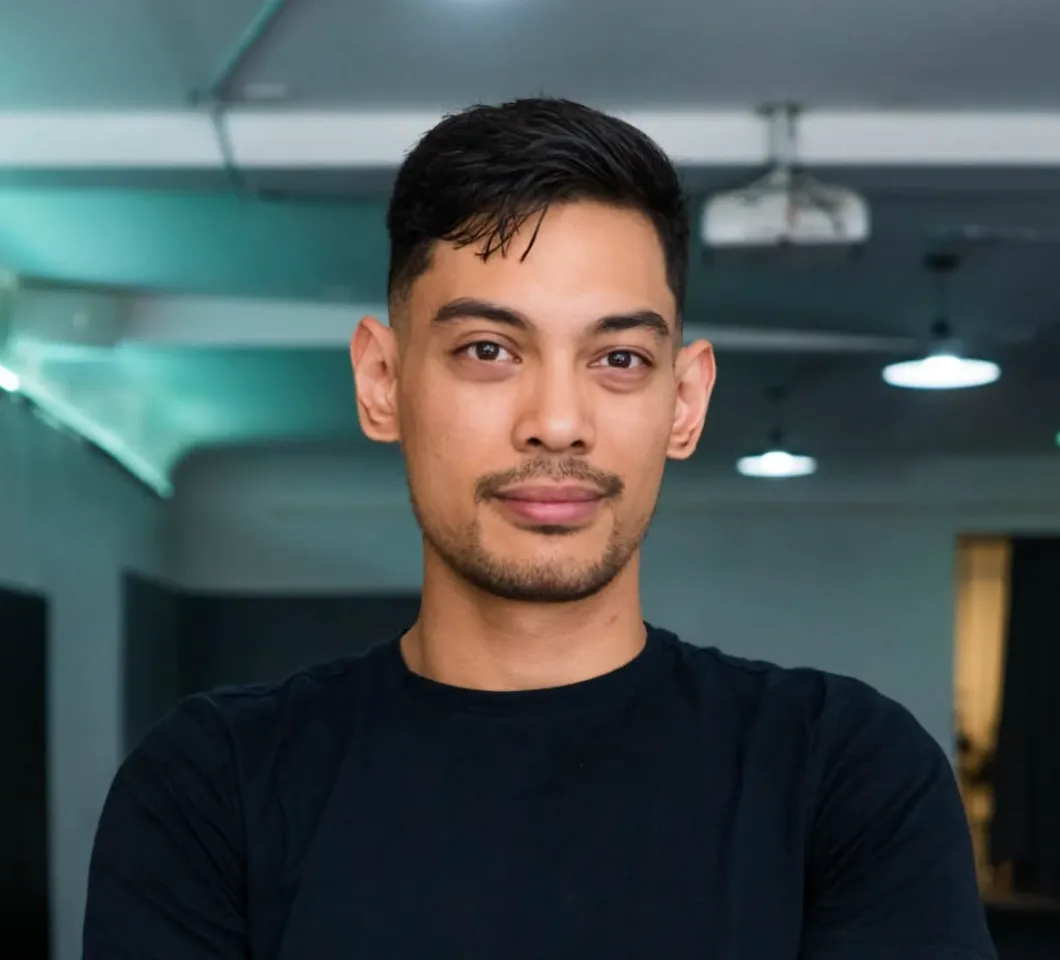
James is a Brooklyn-born coach at Two Bridges Muay Thai with a background in wrestling, jiu jitsu, and Muay Thai. He is known for his grappling and striking arts expertise and his dedication to building community.
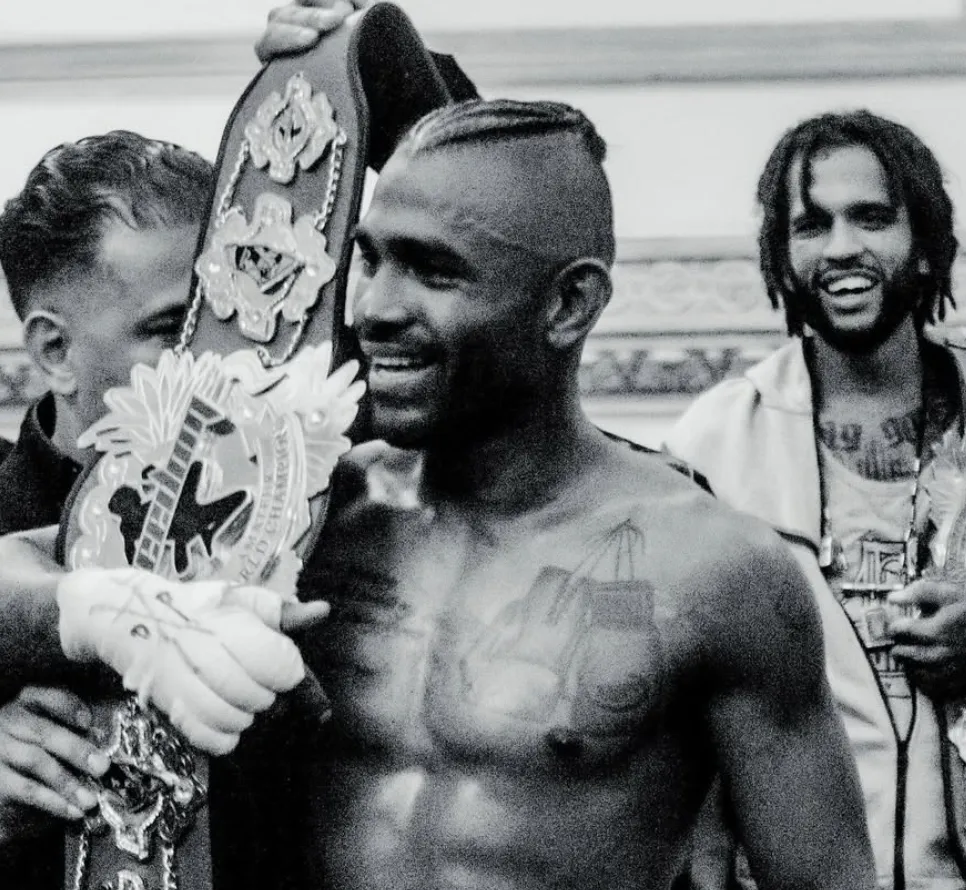
Dillan is a Muay Thai coach at Two Bridges Muay Thai in NYC, with roots in Trinidad and Tobago and extensive experience in boxing, Taekwondo, and over 40 amateur Muay Thai fights.
About the Gym
Two Bridges Muay Thai offers authentic Thai boxing in a welcoming, community-focused environment. Whether you’re a beginner or aspiring fighter, their expert coaches provide structured, high-energy classes prioritizing effective technique and personal growth. Known for making new students feel comfortable, Two Bridges helps members achieve real fitness results and supports individuals as they build confidence and skills. Train here to experience genuine camaraderie, world-class instruction, and a supportive gym atmosphere that changes lives.
📍40 Ludlow St, New York, NY 10002
Summary
In this episode, Gymdesk CEO Alex Cuevas visits Two Bridges Muay Thai in Manhattan to explore the true story behind opening and running a gym in New York City. Alex meets with founders and coaches Justin, Dillan, and James, who share the origins of Two Bridges, starting as an outdoor pandemic project among friends and growing into a thriving martial arts community.
In this interview, you’ll learn about the unique backgrounds of each coach, the transition from amateur fighters to full-time business owners, and the way they balance teaching beginners, hobbyists, and fighters under one roof. The coaches discuss their “three friend rule” for new members, which helps create an inclusive and welcoming atmosphere, and share inspiring stories of students whose lives have been transformed through Muay Thai.
The episode also highlights how Two Bridges Muay Thai uses Gymdesk for everything from class scheduling to marketing automation and membership management. The team discusses their challenges with other software before turning to Gymdesk for its user-friendly features and efficient support.
What They Told Us
Two Bridges Muay Thai sits in the Lower Manhattan neighborhood it's named for, wedged between the Brooklyn and Manhattan bridges. The Gymdesk Originals team trained a class there and then sat down with its three founders—Justin Troy, James Villa, and Dillan Joucoo—all fighters who came up in different disciplines before Muay Thai pulled them in. What they described was the unglamorous reality of building a gym in New York: no investors, overnight shifts, and a friendship that turned into a business almost by accident during the pandemic.
How they came together
None of them set out to open a gym. Justin Troy and James Villa had worked a kickboxing gym together in Brooklyn, and Justin knew Dillan Joucoo from the amateur fight circuit. When the pandemic shut every gym down, the neighbors started training each other outside, and clients kept showing up until they decided to make it official.
"I've known James for a while. We used to work at a kickboxing gym together in Brooklyn. Dylan, I officially met him under the bridge, but we knew of each other in the fight world. I was a fan of Dylan."
—Justin Troy, Co-Founder, Two Bridges Muay Thai
Different roads to the same sport
None of them started in Muay Thai. Justin found it by accident at eleven, training near his grandmother's house. Dillan came up through boxing and Taekwondo after moving from Trinidad and Tobago as a kid, and now carries 41 amateur fights with plans to turn pro. James started on the mat, wrestling and rolling, before he ever threw a punch.
"I grew up in Brooklyn, born and raised. When I first started martial arts, I really started off with grappling. I wrestled in high school. I did a couple of years of jiu-jitsu as well. But while I was training jiu-jitsu, I also found Muay Thai."
—James Villa, Co-Founder, Two Bridges Muay Thai
They split the work by strength
Running the business meant dividing it. They mapped each other's strengths before they ever signed a lease—who would handle the fight team, who would run the merch, who would set up the front desk and the website. Everything else, Justin said, they learned as they went.
"we knew our strengths kind of, like, before we even entered the business. Like, right away, like, Dylan's a good-looking guy. He's the merch guy, 100%. He got the fight skills, you know, he's, like, the fight team manager."
—Justin Troy, Co-Founder, Two Bridges Muay Thai
The grind behind it
The reality of getting there was brutal. For a stretch, Dillan was driving a sanitation truck overnight and coaching fighters on a few hours' sleep, training himself across the city in between, then heading back to work. Justin eventually asked him to quit and go full-time once the gym could support it.
"I used to be a garbage man, like, sanitation driver. So I would finish work at, like, 3, 4 a.m. in the morning. I would go home, sleep. And then I would come in, train the fighters early in the morning."
—Dillan Joucoo, Co-Founder, Two Bridges Muay Thai
Learning from anyone
With three coaches from different backgrounds under one roof, they treat each other as students too. James credits Justin with coaching him through the nerves of teaching strangers when he was starting out, and frames the whole thing as a refusal to let pride get in the way of picking something up.
"I never look at somebody like, oh, I can't learn that. Like, never let your ego get in, get in the way."
—James Villa, Co-Founder, Two Bridges Muay Thai
The fighter's mindset
Dillan still competes, and the discipline he brings to a fight is the same one the gym is built on. He studies every opponent well before he steps in the ring, so that by fight night the person across from him is no stranger.
"I study my opponents all the time. I like to watch them, and I like to study them. So, by the time I get fight night, I know that person that's standing in front of me. I'm not nervous, not scared. I'm just ready to go."
—Dillan Joucoo, Co-Founder, Two Bridges Muay Thai
Read the full transcript
Lightly edited for readability. Speaker labels are omitted because the source recording is not diarised; quotes attributed elsewhere on this page were verified against context.
Music Behind every gym, there's a story, a mission, a spark of passion that started it all. This is Gymdesk Originals. Real owners, real struggles, and the communities they've built from the ground up. Here we are in a cab. I'm in Manhattan. And we are heading to visit another customer. Who are we visiting today again? Two Bridges. Two Bridges. Two Bridges, yeah. And what do they do? Muay Thai. Muay Thai. So we're dressed for it. We're dressed for it. We're dressed for Muay Thai. Press the button in the top right corner of the screen.
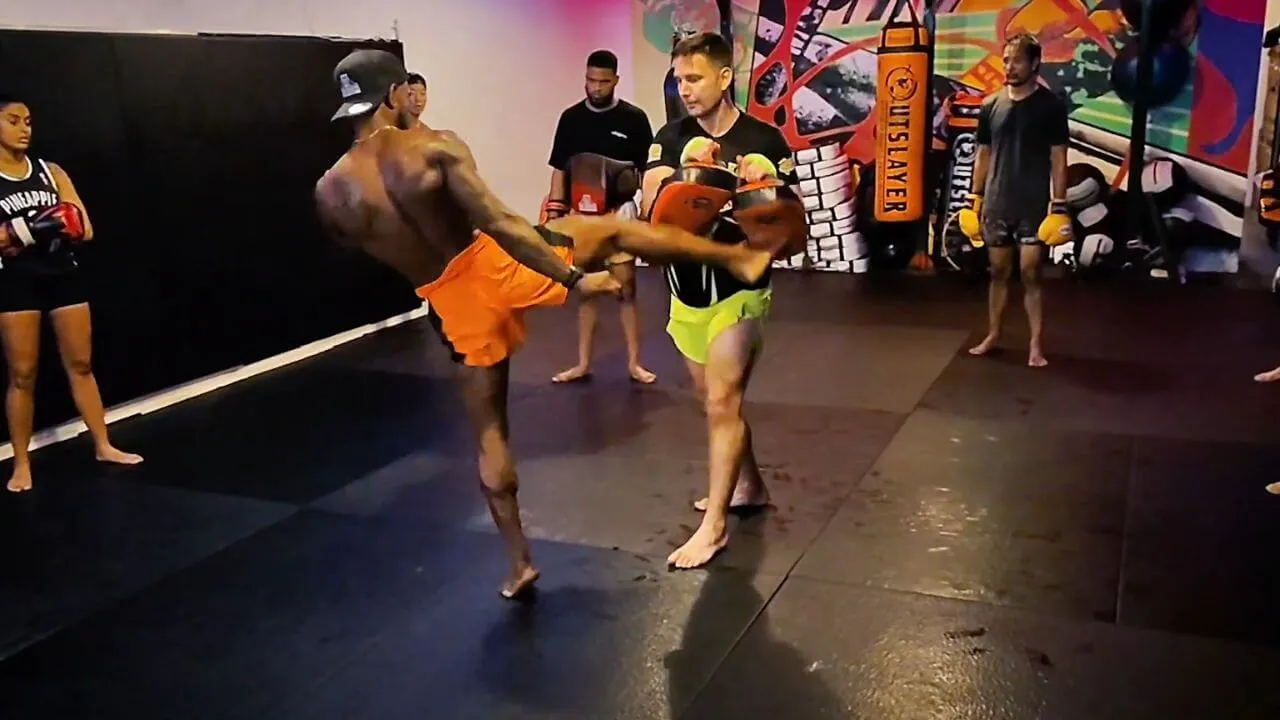
And can't wait. See you guys later. Let's do it. Well, here we are. We are walking to Two Bridges in Manhattan. We got some special guests today starring... Hey, Brian Lastwitch, VP of Marketing. Jay Wilson, VP of Customer Success. And Alex Cravis. Let's go do this. Looking forward to doing a little Muay Thai kickboxing combos and seeing what we can get into. Hey, we're Two Bridges Muay Thai. I'm Coach Justin. I'm Coach James. Coach Dillan. And we teach 100% authentic Thai boxing. If you're here in New York, come check us out.
Check us out on Instagram at Two Bridges Muay Thai and our website, TwoBridgesMuayThai.com. Looking forward to seeing you guys. So, this is our front desk, Jory. What's up, Jory? This is where the magic happens. What's up, man? Got Coach James here. What's up, Jory? Thank you. Thank you. That was great. That was awesome. Good stuff. Good people. What a bummer. We didn't find out till after the recordings that my mic didn't work. Bear with us. Hey, I'm Justin from Two Bridges Muay Thai. I'm James Villa from Two Bridges Muay Thai.
And I'm Dillan Joucoo from Two Bridges Muay Thai. All right, gentlemen. So, really appreciate you having myself, VP of customer success here, J. Bolson, and got Brian Lastovich here, our VP of marketing. This is the second Muay Thai place that we visited. Had a great time. I just get amazed how much sweat that we get from these workouts. So, it was amazing. Thank you so much. Yeah, I really appreciate the coaching. Of course. Thank you. All the feedback. And I mentioned, you know, I trained in Taekwondo when I was a kid and I used to teach it and that kind of thing.
So, it's been a while, though. I'm approaching 50 years old now. Still young. Oh, yeah. Still young. Still young. But, you know, the subtleties, right? You know, Taekwondo, Olympic sport, and a lot of bouncing and jumping and a lot of kicks and all that. And the change for me to see how full title felt much more, I don't know, these were brutal. But you mentioned something about that back here. You have a little bit of a background. Yeah, so I did Taekwondo from the age of 17.
So, like, my mom got me, like, a gift card for Five Points Academy, a gym that I started out of. And I walked into the gym, fell in love with it right away, and I never looked back after that. So, you had a Taekwondo base. You liked it, but you were interested in Ho-Tai for... I just wanted something more vicious. Yeah. Something more brutal, yeah. Yeah, okay. And so, tell us about your background. How have you been training? You know, where are you from? That kind of thing.
I'm originally from Trinidad and Tobago. I came in when I was 10 years old. I started training, well, I boxed when I was 13 to the age of 15. Then I did Taekwondo from 17 to about 20. And then I started Muay Thai from 21 to now. Wow. Yeah. Okay. And so, the boxing is probably... Muay Thai is a good combination. For sure. So, the boxing and Taekwondo background, then it wasn't... Muay Thai, yeah. So, how was the change for you? I mean, boxing and Taekwondo, you kind of separate your brain, nothing to do with one another.
Right. Taekwondo is more legs. Yeah. And boxing is obviously more hands and just, like, footwork, movement. And then you come into Muay Thai and you put it all together. Muay Thai, you can't snap your kicks. You have to deliver it with one motion. So, it was, like, a big change. It took me a little bit, like, maybe, like, I would say, like, two, three months to, like, transition well. And then, from there on out, man, it was just a whole, like, game, like, everything changed. Yeah.
So, one quick question on the technique, just because, you know, I was calling swing kick, which is also... Roundhouse, yeah. So, what's the difference between the Taekwondo roundhouse and Muay Thai roundhouse? I would say the Taekwondo is more of, like, a snap, a quick snap. And Muay Thai roundhouse is, like, your full body into the kick, like, your whole shin, everything is just going. Like, you're trying to penetrate somebody, like, deliver a really devastating blow. Yeah, just, uh, super powerful. Yeah. Okay. Fair enough. I think that's because of the rule set.
Yeah. Yeah, for Taekwondo, anything that touches, like, vulnerable areas, scores, right? It doesn't matter how much power. Thai boxing, if you don't move the person with your shot, it doesn't score, even if it lands. Yeah. So, basically, it's, like, a visual representation of power. Yeah, yeah, yeah. Yeah, in fact, they call it effective striking. Yeah. How's your back? My name's Justin. I've been doing Muay Thai for a really long time. Maybe 24 years at this point, since I was 11. I did Taekwondo. I did summer camps.
My parents just put me into anything so that I would be somewhere until they could pick me up after work. So, any after school. I found Muay Thai kind of by accident. They offered it by my grandmother's house. And I ended up training with one of the champions at the time, Koban. He did a kickboxing program at Child's Martial Arts, but it was, like, cardio kickboxing. Okay. Yeah. Where did you grow up? I grew up in Brooklyn and Chinatown. Okay. So, you're from this area? Yeah.
All right. Awesome. How about yourself? What's your background? Again, I'm James Villa. I grew up in Brooklyn, born and raised. When I first started martial arts, I really started off with grappling. I wrestled in high school. I did a couple of years of jiu-jitsu as well. But while I was training jiu-jitsu, I also found Muay Thai. You know, the MMA, the UFC was getting, like, pretty big. So, I was training, grappling and striking. But, kind of, I started training Muay Thai and I kind of just ran with it.
You know, I didn't really look back. It was just like, it was just a different ball game, you know? Like, you know, jiu-jitsu is like, and like wrestling, grappling. It's like, you know, that like chess match, right? But, it's a different sort of chess match. It's a different kind of, like, game when, like, you're being struck, right? Yeah. Like, you know, I did, like, some MMA training too. And, you know, some people that, you know, have a specific jiu-jitsu game, like, they're used to sport jiu-jitsu and not really, like, you know, now they have combat jiu-jitsu and stuff like that.
So, adding the element of, like, striking really, like, shakes things up. Yeah. You know? It feels real. Yeah. It's just, like, a different, like, yeah, like you said, it's a different, like, realness to, like, you know, combat, you know? It feels more like combat, you know? It is a sport, but it's, like, you know? Yeah. I mean, I'm watching you just even do the demo and the flows, and I'm like, oh, man, me on the other end receiving, like, the full flow. Y'all obviously have different backgrounds, but all found this passion for boy thai.
And then, how'd y'all meet? What's the backstory there? Well, I've known James for a while. We used to work at a kickboxing gym together in Brooklyn. Dillan, I officially met him under the bridge, but we, like, we knew of each other in the fight world. I was a fan of Dillan. Yeah. I was a fan of his, yeah. Yeah. We was fans of each other. Yeah, I mean, you have a background, right, in, like, actually professional fighting and that kind of thing. I don't have professional fights.
I have 41 amateur fights right now, and I am looking to turn pro pretty soon, so. Okay. Yeah. And so, what's the difference between, like, the amateur and pro? Because you're still out there doing magic. I mean, you just get paid to do it. That's really it. I mean, I've done this so much because, like, the love of the sport. There's, like, something about fighting that just, man, it's a different game, man. Like, the feeling after you win, lose, whatever it is, just knowing you put yourself through that, and you were able to, like, push through a lot of things, you know?
Yeah. Life, whatever it is, you know? And when you're preparing for a match, do you study who you're going to fight, or you just go in, and you're like, it doesn't matter who they put fight? No, I study my opponents all the time. I like to watch them, and I like to study them. So, by the time I get fight night, I know that person that's standing in front of me. I'm not nervous, not scared. I'm just ready to go. Yeah. But, you know, leading up to the fight, I'm nervous as hell.
I'm always scared. But. Yeah. Okay, so, you knew of him, he was, like, fighting, and then you. Yeah, we were both in, like, same fight scenes. Okay, so, you were doing the same thing. Yeah. Were you actually fighting as well? Yeah, yeah. I had 30 fights, both, like, high-level amateur, class A. Okay. Yeah. So, then you knew of each other. You guys were, like, fighting in the same term. Yeah, I retired before him. He's still in really good shape. And, so, when did you all decide, okay, let's get together and let's start two bridges?
We got together to just train with each other during the pandemic. Oh, okay. Because all gyms were shut down. So, we were, like, well, we're in the neighborhood. We're neighbors. And, we live in, like, the Two Bridges area, Lower East Side area. So, we were, like, we met through a mutual friend. And, we were, like, oh, yeah, I know who he is. Like, I've seen him fight before. Yeah, he's really good. And, we met up. And, then, the rest is history. Yeah. We just started training with each other.
And, at first, it was, like, a selfish thing. It was just, like, yo, let's just, like, feel good and be with each other, hang out like the boys. And, then, eventually, our clients were, like, yo, I see you holding pads. I thought you said you couldn't train me. What about me? So, I was, like, oh, I feel bad for these guys. So, it's, like, let's just tell them to meet us at a certain time. Because, we didn't know the situation during the pandemic. Yeah. Like, we didn't know, like, oh, are we going to get sick?
They said outside is okay. Yeah. And, then, too many people showed up one day. Yeah. And, then, we were, like, let's make it a thing. So, you're doing almost, like, a fun thing. You know, let's just get together and train. Yeah. It was. Fashion thing. Yeah. And, then, okay, bro, can I train with you guys? Yeah. And, then, all of a sudden, you get to some critical match. I'm like, wow, I'm just starting to live this. And, now, the evolution of it. Yeah. It was, like, really chill.
Yeah. Like, there was no real, like, pre-planning or anything. It was just, kind of, one thing led to another. And, then, we would just talk. We hung out all the time. So. It was, like, a fun idea turned into a dream turned into reality. Yeah. Exactly. That's the best way to put it. Got it. And, so, you were training with these guys as well? Yeah. Okay. So, I'm not, I actually hit the man in for a while. But, if you're not from here, like, two bridges, what does that mean?
You know? Two bridges is a neighborhood and, like, below the Lower East Side. And, I guess, the two famous things would be the Brooklyn and the Manhattan Bridge. So, we're called Two Bridges Boi Tye because we were training in the area when we first started. And, we had a really nice view of Brooklyn and Manhattan Bridge. Okay. Yeah. So, literally, when you train, it's two bridges. Yeah. Yeah. It helped that it was very, like, picturesque. Yeah. Yeah. Yeah. What a nice origin story. Yeah. Yeah. And, so, obviously, you all have different, you know, strengths and specialties and that kind of thing.
Like, I have Brian here who's an expert in marketing. Jay was here earlier. That's for success. Like, how do you guys, when you run the business, how do you each sort of focus on, hey, I'm really good at this. Let me go through that for the gym. Like, you guys divide and conquer? Yeah, we definitely have separate roles, for sure. Yeah. But, we knew our strengths kind of, like, before we even entered the business. Like, right away, like, Dillan's a good-looking guy. He's the merch guy, 100%.
He got the fight skills, you know, he's, like, the fight team manager. Yeah. So, we knew that. James, he did, like, front desk stuff. So, he knew how to, like, set up, like, a Gymdesk. Okay. Yeah. Like, websites. He, like, had, like, basic experience with WordPress. And, everything else, we just learned on the way. So, we got better as we, as time went on. Yeah. Yeah. We were never at a point where we were, like, no, we're just going to do it like this. Like, no, there's going to be a better way to do it, you know?
Yeah. And, we figured it out. Yeah. Nice. And, did you ever get asked to, like, have people, like, watch their stuff on your stomach? Yeah, all this. No, not enough. Great shake, man. I know I said that. Thank you, man. It's nice to see, you know, the human body chiseled like that. No, for sure. Thank you. I appreciate it. So, you guys all have, you know, different strengths. Have you guys, obviously, since you all have your styles, and we didn't train together necessarily back in the day.
You were 10. Each of you have, you know, different experiences. How do you, how do you learn from each other? Like, how do you take away pieces and incorporate, you know? Are you guys doing that a lot, or do you guys think of it like? No, we definitely learn. Like, we, you can learn from anybody, man. Yeah. I never look at somebody like, oh, I can't learn that. Like, never let your ego get in the way, you know? Like, you could, I learned a lot from Justin.
Like, when I first started, like, I started coaching at Fight Boys. Everybody over there knew who I was already. So, it wasn't too much. Then, when I started training people outside, I was more intimidated, right? Because, like, nobody knew who I was, really. And everybody's looking at me like, you know, they're really not part of, like, the fight community. So, they didn't know who I was at the time, because they're all new. And he gave me a little bit of, like, feedback, like, what to do, how to teach, how to do this, open up, be yourself.
And, like, that helped. And once that happened, I kind of, like, went from here and just started working my way up the ladder. Yeah, so, the people who know you're comfortable with, and then you start something new, and you're, like, a little bit, like, oh, you know, there's that. A little timid, yeah, for sure. So, for someone who I've never, okay, like, let's say I'm walking in the door, I'm in a train, or a kickboxer, like that, and I'm looking and seeing a great window, by the way, because you walk by, and you're like, oh, what's going on in there?
Yeah, a lot of that, a lot of it. Yeah, I can imagine, and you're in that, so you get a lot of that traffic. When someone actually walks in the door, and you're not a member, like, what are you hoping they feel? What are you trying to, what are you trying to, first, comfortable, because it's already intimidating to, like, step foot into a martial arts gym. So, the way we marketed ourselves in the beginning was fitness. It's, like, more broad, right, easier to get in. Martial arts, I think, kind of, like, makes people, like, oh, I don't want to get hit, right?
But, you know, so when people walk in, the first thing we want them to feel is comfortable. We have a three-friend rule. They come in, the front desk is their first friend. The front desk introduces them to a coach. That's their second friend. The coach introduces them to another student, and that's their third friend. Yeah, that's a great system. I can tell you, like, I've been doing this a long time, and I'm walking, I'm going to different gyms out, I'm going to train. Anytime I walk in somewhere new, there is an element of, like, even today, I'm like, oh, what's, you know, there's, like, a little bit of nervousness, because you don't know.
No, for sure. Like, I don't know if it's, like... What to expect. Yeah, what to expect. Yeah. Your final fear. Oh, I hope I don't get hurt. If you're mean. You know, there's, like, this element of that. Yeah. And if you have someone, you know, you guys did a movie of your job, and we walked in, and if you're doing that with everybody, I get that. It's a good approach. Oh, thank you. Yeah. I commend you for that. So, do you have fighters here as well?
Yeah, we have... That was right before our classroom. Yes. That was a fight camp class that we just made a thing, but, like, we do have fighters. There's a few of them here that was here this morning, four of them. Yeah. So, how do you balance the fighter competitive pieces with, and I just want to go get a workout, you know, hobbyist? To be honest, like, I can answer that. Like, we build on foundation. Every fighter was once a beginner. You need that foundation to grow, to even be a fighter.
So, it's the same rules from beginner, intermediate, fighter, whatever it is. Like, we build that foundation first. Yeah. Yeah. So, everyone builds on a similar platform. Yeah. And, like, you guys see, like, we're pretty structured when we teach, you know, so... Everybody does the same thing. Same thing. Whether you're a beginner, pro, we had pros in here. Like, we had Khalil Roundtree in here, and he was following the instructions more than some of our guys, you know? It's like, come on, guys. Look, he's a pro fighter, and he's listening to the drill, you know?
That's awesome. Yeah. That's cool. You guys have been open, how many years now? Five. Five years now. So, it's around COVID time. Yeah. And you had, I'm sure, lots of people walk through the door. Are there any stories of people's lives that have changed by, you know, being part of the community and coming in here in training? I mean, a lot of memories. A lot of them, yeah. Yeah, a lot of them. And everyone's story is really good. A lot of it is people came in, like, just looking for something new, and they ended up, like, becoming a lot healthier from it.
Yeah. Or getting into, like, they didn't think, like, sports or a fitness, like, lifestyle, like, could be for them. Like, they can make it a lifestyle out of it. And they did. Some of them are getting paid through it now. Yeah. Yeah. Some of them are coaches, yeah. Some of them are coaches now. So, I think, for a lot of people, there's a lot of opportunity, even for us as owners. Like, we met some of these guys, and our opportunities, like, probably wouldn't have happened as fast for us or as, like, nice for us if we didn't know them.
Yeah. Yeah. They're, like, a few of our fighters, like, they never thought about fighting. We were training them outside. You know, we were just, like, you know, just having fun. And one thing led to another. We have, like, I can give you three, like, I won't say names, but, like, three of the fighters. One of them started with us in 2020. She's now a two-time champion. We have another one who's about to fight for a title. She probably never thought about fighting. She's got about almost nine fights now in five years.
Then we have, like, another dude who started with us outside. He's a little bit on the older side. He fought in Madison Square Garden. He's got almost 13 fights. He's, like, he's a little, you know, above 40. But, like, just to see that and see what we've done and help others accomplish their goals or, like, get into that place makes us feel good, you know? Yeah. Yeah. Yeah. And as you have people like that go with training and, you know, yourself, what's your next fight? When?
Before the end of this year, for sure. So sometime in the next five months, six months, somewhere around there. And does anything with your own personal coaching change or your day when you start preparing for a fight? You know, like, you know? Not at all. Grumpy, grumpy. Maybe a little grumpy. But, like, other than that, no. Because, like, I was working a night job. Like, I used to be a garbage man, like, sanitation driver. So I would finish work at, like, 3, 4 a.m. in the morning.
I would go home, sleep. And then I would come in, train the fighters early in the morning. Probably get, like, four hours of sleep. Yeah. Three hours of sleep some nights. I would come in, train the fighters from 6 to, like, 9. I would teach class. It's 8 a.m. class. And then I would head out to my gym where I train out of and fight out of in Queens, Seton, New York. And I would go and train three hours there. And then I would go home, take a nap.
Or if I had clients, I would come back here, train clients. And then I would have to go to work again. Wow. Yeah. Then I have a family. I have two kids. I have a wife at home. And I got two dogs. Yeah. You got a full, full day. Full day, man. But I don't make no excuses. Yeah. And so are you now full-time this? Full-time, yeah. Justin asked me to quit my job. We made it. Yeah. And, you know, I appreciate him for that. But, like, now I'm, like, full-time coach.
And I get more sleep, more rested. No, it's good. It's been a good thing. Nice. And how long did it take you? To go from passion project to now I can do this full-time. So the business could support that. I mean, I quit last year. My job. Oh, so, like, two or three years in. Yeah. Because eventually you were just working weekends. Yeah, I was just working. So, yeah, maybe, like, two years, three years in. Like, I was just working, like, two days, three days a week, two days.
And now I just don't work at all. I quit. Yeah. And that's awesome. Especially if you're doing what you love, right? Yeah, for sure. We heard when you first started, you were using Gymdesk, right? Yeah. Right. What, Martial Arts on Rails, I think? Yeah, Martial Arts on Rails at the time. And, obviously, you're on Gymdesk. Then you all switched. And then you came back. Tell us a little bit about that. Yeah, we like Gymdesk. But we blew up a little bit fast. And our business structure got complicated fast, too.
And back then, Martial Arts on Rails was pretty, like, bare bones. I think his name is Iran. Iran? Yeah. Yeah. He was very helpful for us. But as we got more complicated, we wanted to add more programs and separate programs than the regular class. That's why we ended up switching. But as soon as we switched, we saw new features got added to Martial Arts on Rails. And we were like, oh, man, we made the move already. And I wasn't here to understand around 2022 when a bunch of new things got added to the product.
Yeah, we saw that. So you move over. And now you're feeling like, oh, maybe. So what was the experience when you left? Were you not happy where you were? Or, like, what, you know? It just always seemed like a lot of other programs are, like, missing something. Yeah. Right? Like, as we expanded, we wanted to try new things. Right? Yeah, like, I don't know. The interface is just more intuitive and user-friendly with Gymdesk. MindBody, like, their system at the time, like, looked very almost outdated. Yeah.
Like, the menus and everything. A lot of clicking to get, like, from one place to another. Again, like, the interface with Gymdesk just seemed, like, a little simpler. Everything's a few clicks away. Yeah. Yeah. So to me, like, the user experience was bad, right? Yeah. Yeah. So then you're, like, you're on MindBody, and then you see that there's new changes. Did you try to stay on MindBody for a while, and it just didn't work, and you just came back? Or how did that work? I think, like, after we really, like, you know, took a step back and looked at everything, like, we just felt that, you know, again, the user experience wasn't, like, as great.
Like, you know, it cost a lot, an arm and a leg. You know, they might have had all these things, but it was too hard to even, like, access and use the features. And we just felt like we were paying too much for not enough, like, not enough return, right? So that's why we made the switch back. What are some of the things that you, like, rely on? Oh, without this, we're, we'd be in a different world. Who does Jim Nestle find for you, like, the world below that?
He's all about it. Definitely, like, the automations with, like, you know, the emails, like, uh... Oh, the marketing automations. Yeah, yeah. Like, you know, helping us convert, like, leads into, like, you know, prospects into actual members with a membership. For members to have two memberships, because we were working with something, and they only allowed one membership. So they were getting charged for the month. We couldn't charge them monthly for a locker as well, right? Only one thing was allowed to be reoccurring. So we were like, oh, that's weird.
We've never dealt with that before, you know? Yeah. So, yeah, you're leveraging different programs. Yeah. And all the apps. Yeah. That's better. Marketing automations are using art. What's your make of your own? We do a little bit of both. Like, we're using, like, some of your templates, and then, obviously, we edited some. Yeah. Add our own little flavor to it, you know? Yeah. Right. And what are the websites? Are you using, like, widgets, like, booking? Yeah, for sure. For sure. We're using the widget on our website for scheduling.
Yeah. Yeah. And so these classes today were pretty full. Yeah. Yeah. What are you guys, like, hoping for the future? Are you hoping, oh, we have some additional slots during the day that we want to fill up and grow to a certain size? Are you looking more so to expand to another location? What's the vision? Yeah. Do you want to take that one? Yeah, I'll take it. So, eventually, I think we do want two locations. We want, like, a main headquarters location and then have another one that's kind of, like, more emphasis on fitness, maybe.
All right, so, like, kind of, like, a satellite location. But first, we want a main headquarters. So, this place, we're actually moving out of here next May. Oh, wow. Yeah, so, 2026. Dillan and I just looked at another space that's two times bigger than this, three, four times bigger than this spot. Yeah. So, we're... How much longer away from here is not that far? No. Two blocks? Two blocks. Yeah, we don't know if we're going to take it yet, but we are expanding. Yeah. That's awesome.
So... And I hear a lot from, you know, owners, like, I would rather have a bigger space than have two locations. Yeah. And I'm splitting my time and it's a little harder to manage. And I used to own restaurants. Okay. And I definitely felt that, you know, it's like, as soon as I... First one had... It did amazing. And now I'm splitting my time. Still working even harder, but I'm not, you know, in present in both places. People are like, hey, where are you? I haven't seen you.
I'm like, dude, I was literally there for four hours. We get that here now. Yeah. Yeah. And we're not here. Yeah. Yeah. And so, great. You guys are looking to expand. That's awesome. So, Citi, you know, new students, I suppose. And you guys have good retention. People come in. Yeah. One thing you said that makes a lot of sense, I just want to come back to it, is fitness. Like, even when I was with Brian, we went to a class that was a kickboxing, boxing fitness class.
And earlier, you know, I went and I was nervous. I was like, zero nervous. I'm like, oh, it's going to go work out. Yeah. And that's a really good idea to kind of lead with that confusing fear. It's like, oh, we're just working out in our legs. Right. So, that's smart. Yeah. And how are you guys, how are you guys currently marketing, trying to get the word out? Yes. Pretty easy. Mostly through Google and Instagram. That's where we get most of, like, inquiries from Google and Instagram.
And we get a lot of new people that come in. So, we don't really try too much to market. I think we have, like, a healthy amount of new people that come in. Like, enough to, like, not change the culture of the class too much, but enough new students to make, to keep us happy, you know? Yeah. And, you know, you go to another location, you probably have a student target in mind. How many students are you hoping to be at when you get to a place that's a little bit bigger?
If we move into a spot, well, it depends. Because New York, everything's a lot more expensive. Yeah. So, it depends. If we keep priced the way it is, I mean, if we can hold it, I want 500 students. I want to be the biggest, best gym in New York. Yeah. Yeah. Well, anything else you want to chat about? By the way, I have my team watching these videos. Okay. Learning about, you know, our customers, their experiences. If there's anything else you want to mention, we'd love to hear it.
This gym was not built with investors. It was built through all of our hard work, time. We didn't have movers. We all did everything together. We took our own money, invested it into the place. And this is what we got now. We didn't get loans. We didn't get none of that. Everything was done through us. Yeah. Yeah. So, you guys are bootstrapped. Yeah. Yeah. So, you guys are bootstrapped. Yeah. And grew from something to nothing. Yeah. Nothing to something. Just something fun, you know? Yeah. And exciting.
It started from the bottom. Now we're here. That's literally what happened. That's awesome. What a great story. You know what? Again, like I said, we're super grateful for your business. Thank you for having us here today. Yeah. Thank you. Appreciate you coming, man. Yeah. It means a lot. And there's anything we can do for you in the future. We'd love to know. For sure. Yeah. Thank you. Cool. Awesome. Yeah. Yeah.