How Triple Seven Turned $0 Into a Thriving Gym
.webp)
Starring
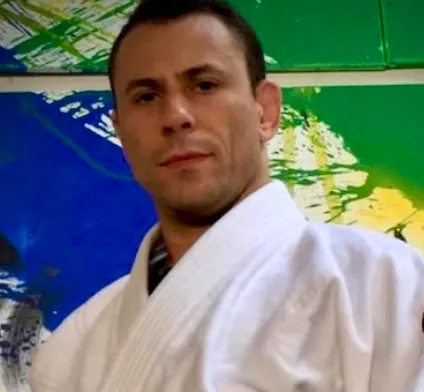
Matthew Pollino is the owner and head instructor at Triple Seven Jiu Jitsu in Ventura, California. A 3rd Degree BJJ Black Belt under Professor Alberto Crane (from Legacy Jiu Jitsu in Burbank, CA. where Matthew trained and taught for over six years).
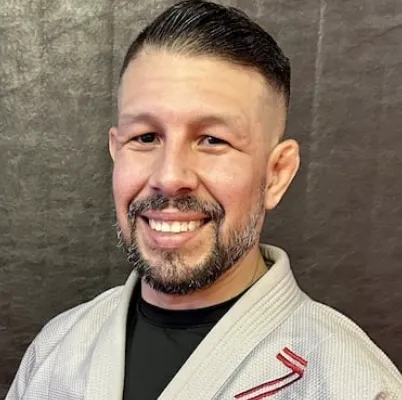
Coach Mike Sandoval has been on the Triple Seven Jiu Jitsu Mixed Martial Arts and Fitness Academy Team since 2022. With over ten years of experience, Mike is not only a BJJ Purple Belt and Kickboxing Instructor but also a Certified Personal Trainer.
About the Gym
Triple Seven Jiu Jitsu in Ventura County is a welcoming, community-focused martial arts academy founded by Matthew Pollino. The gym emphasizes high-quality Jiu Jitsu and kickboxing instruction for all ages, with classes for kids as young as six and teenagers and adults. Their teaching methods blend strong technical fundamentals with values like discipline, respect, and teamwork in a fun, supportive environment.
📍7880 Telegraph Rd ste b, Ventura, CA 93004
📞 805-572-7387
Summary
In this episode, Gymdesk CEO Alex Cuevas visits Triple Seven Jiu Jitsu in Ventura County to dive into the inspiring story of owner Matthew Pollino. Matthew shares how a lifelong passion for martial arts, resilience, and a community belief led him from teaching at other academies to starting his thriving gym from scratch, which involved leveraging an EIDL loan and lots of perseverance.
In this interview, you'll learn the importance of leadership, cultivating a supportive culture, and prioritizing personal connection with students, both kids and adults. Matthew also emphasizes consistency, adaptability, and creating a welcoming environment.
The episode also highlights how Triple Seven uses Gymdesk for streamlined operations, enabling better student tracking, personal follow-up, and continued growth while maintaining a boutique, hands-on approach. Martial arts instructors and gym owners will find practical insights into fostering community, overcoming business challenges, and sustaining lasting impact.
What They Told Us
Alex Cuevas drove up to Ventura County to visit Triple Seven Jiu-Jitsu and sit down with its founder, Matthew Pollino—a lifelong martial artist who taught at other people's academies for roughly three decades before opening his own doors in September 2022. The conversation traces how a gym that started on pen and paper, funded by a pandemic-era loan, became a place Pollino measures less in members than in relationships. What comes through is a founder who bet on himself late, and built the business around people rather than technique.
Why he opened his own place
Pollino taught at as many as eleven academies across Southern California before the pandemic, running private lessons and personal training from Los Angeles out to Ojai. When Alex asked whether owning a gym was a lifelong dream, Pollino was careful to separate the paycheck from the calling. He jokes that he opened Triple Seven to avoid a conventional job, then immediately corrects himself on what the place actually is to him.
"I just didn't want to work a real job. So I created myself a job, right? But this is not a job. This is a get to, not a have to."
—Matthew Pollino, Founder, Triple Seven Jiu-Jitsu, Ventura, CA
Taking the step at almost fifty
The gym exists because of timing Pollino frames as grace. A bike ride with a friend's dad, an EIDL loan that came through during COVID, and an empty former Taekwondo studio down the road all lined up at once. Still, he says the hardest part was never the money or the space—it was deciding to bet on himself after decades of hesitation.
"It took me almost 50 years to realize I got to take the step, right? Because it's hard. Now there's no net. You're out there by yourself."
—Matthew Pollino, Founder, Triple Seven Jiu-Jitsu, Ventura, CA
What the name means
Ask Pollino where "Triple Seven" comes from and he lights up. He was born in Brooklyn and raised in Las Vegas, and seven has followed him his whole life—his birth hour, his birth weight, the number his mother always said was his. But the name is also a piece of design he's proud most people miss on the wall.
"The triune number for God, God's number, right? The three sevens make a triangle, which is the symbol for jujitsu."
—Matthew Pollino, Founder, Triple Seven Jiu-Jitsu, Ventura, CA
What he wants for the kids
Alex watched a kids' class earlier in the day—an obstacle course, high participation, kids working well together and helping each other out. Pollino runs the program around values as much as technique, and he is blunt about what he is competing with for a child's attention. For him the goal is a confident kid who does not have to fight, but could if it came to it.
"I believe in that kids fitness is huge. Get off the iPads, get off the iPhones, respect, discipline, bully proof, kind, respectful."
—Matthew Pollino, Founder, Triple Seven Jiu-Jitsu, Ventura, CA
Building something that lasts
The part Pollino keeps returning to is longevity. His summer camp, he says, was never really about signing up fifty new kids; it was about deepening the bond between the ones already there. Some of his students have trained together for nearly three years, about as long as the gym has been open, and he is plainly playing a much longer game than that.
"Imagine if these kids are 20 and they're on the mat together since they were like 7 or 10."
—Matthew Pollino, Founder, Triple Seven Jiu-Jitsu, Ventura, CA
Why Gymdesk
For his first six months Pollino tracked everything on pen and paper—this guy paid me, that guy paid me—then briefly used another martial-arts owner's homegrown software before it shut down on him. Weighing his options as a gym just starting out, he says the price fit for what he needed, and, more than that, the tool understood his world.
"It was designed for martial arts, really designed for martial arts, not a gym. They had a belt system. They understood tracking."
—Matthew Pollino, Founder, Triple Seven Jiu-Jitsu, Ventura, CA
Read the full transcript
Lightly edited for readability. Speaker labels are omitted because the source recording is not diarised; quotes attributed elsewhere on this page were verified against context.
About to check out Triple Seven Jiujitsu. Behind every gym, there's a story, a mission, a spark of passion that started it all. This is Gymdesk Originals. Real owners, real struggles, and the communities they built from the ground up. All right, I made it. A little bit of drive, but I'm here in Ventura County, about to check out Triple Seven Jiujitsu. I'm looking forward to meeting the owner and hearing all about his story. Come on in. I'm early. Pleasure to meet you, sir. Pleasure to meet you.
Pleasure to meet you. Pleasure to meet you. Yes, thank you so much for having me today. Thanks for being here. Triple Seven Jiujitsu. I did two classes today. I did a kickboxing class, Muay Thai mixture. I'm still sweating down my shirt from that. And then I had the pleasure of rolling earlier with, let's see, what is that? Not Cool Charlie, who's hiding in the background. And I learned some cool, cool things. Just, I would say, basic things. You were calling this out when I was rolling to not get on my hip.
Yes. And it's something, you know, I've done this for so long and I never really heard that feedback before. And Not Cool Charlie helped me kind of solidify that. So I'm grateful for it. But I'd love to start with your journey. Love it. Triple Seven Jiujitsu. Yes, sir. Can you tell me how it came to be? So what inspired you to start your own academy? Love it. Well, I taught for many academies for probably about 10 years, six or seven, maybe even up to 11 different academies from the 90s up until pandemic, right?
I kind of far as I got my way into this place. I finally had an opportunity to make it happen and just went for it. You know, and by the grace of God, here we are. Here we are. So when did we open here? So official opening date was September 1st, 2022. But like as soon as the mats arrived, probably like June or July, it was open, right? But 2022, September 1st, official opening date. Awesome. Where'd you grow up? Born in Brooklyn, raised in Las Vegas.
Okay. And then I spent 18 years in LA. You know, I'll tell you by working on an acting career. But it was good. It was good. Touched the brass ring, but not quite to the level I wanted. Martial arts been in my life since I was like eight years old. Okay. And then I got involved in jujitsu in 93 and never looked back. 93. I feel like you and I probably saw the same UFC fight. Yeah. That's one. What martial art were you doing first? Okay.
So at eight years old, started with a guy down the street learning Kung Fu out of his garage. Yeah. And when I was like 14, I went to a real like Taekwondo school. Right. Shortly after that, right across the hall, a kickboxing Muay Thai gym opened up and they taught judo there as well. Oh, wow. So every day after school, it was Thai and judo from like two to four and then four to six Taekwondo. Yeah. And then it just kind of started to snowball from there.
Right. And then I met a friend in high school that introduced me to John Tividad, who's one of the old school karate guys from the late 60s and 70s. And then I started training with John and then he opened up a school. And in like 91, I became his head instructor over there for like Tang Su Do, Taekwondo type stuff. There was some other things in between that time. Right. It was like the short version. And then, uh, actually watch UFC one, two, and three at John's house.
Yeah. And like literally the next day I was at the Academy trying to figure out what hoist was doing. And, uh, and then back then it was like maybe a crappy VHS cassette and you could barely find tuning. Yeah. And then like black belt magazine came out. Right. And then, uh, that was it. And then whoever, anyone that could teach me anything about grappling, you just see, right. It was like one guy in town at the time. And then, uh, the story goes on. Right. Yeah.
I mean, I wonder how many people had that same journey, right? Like UFC opens everybody's eyes, you know, and you can't really think about, uh, my Taekwondo background as well. It's like, I remember trying to show that to my friends and, you know, we're doing stuff and then I'm not going to sidekick my friend. Of course. So, but I put my foot up and then they just walk, he walked through. Yeah. And I'm like, Hey, do you got to respect my kick? Like, ah, it doesn't work.
And it's like, oh man, what are you going to, you know, but jujitsu and judo, all of these other arts, it's like, no, you get a hundred pound, 105 pound person can take out a 200 pound person. Yeah. And it's just so, uh, such a game changer. Cause you can prove it and not, not hurt one another. That's a big one about it. That was what's really cool. That I told my students be the snake, Anaconda, Bullock, Instructor, Python. Yeah. All the other animals are strikers, you know, and they're as great as they are.
But once the snake gets the bite and then the wrap and the squeeze, it's a done deal. Yeah. And, uh, for the most part, that's been proven time and time again. And that's why I like jujitsu a lot. Yeah. Yeah. Cool. So you're, you've done now several, uh, other schools where you're basically helping out teaching. Yeah. And then at some point you say, I got to open my own school. Is that like a lifelong dream or is somehow just manifested later on? Like, what was that like?
That's a great question. So I always have to be careful how I word this, right? Okay. The ultimate goal was to work in the film industry, but also be a really good martial artist. Okay. I always wanted to have my own place based on my experiences with everyone I've trained with and learned from, but I make a joke about this. Like, I just didn't want to work a real job. So I created myself a job, right? But this is not a job. This is a get to, not a have to.
So yeah, it's just a passion. You know, I like martial art and I can't be stuck somewhere working 40 hours a week at their beck and call. I'd rather be stuck here at any time of day or night doing this stuff, teaching, training, even cleaning. It's, uh, helping people has been a big one. That's, that's opened my eyes a lot. Like when you're teaching for other academies, it's good, but it's not the same as when it's yours and you have to figure it all out. Sometimes you don't have help or have help like Charlie and my other coach, Jeff and Brian and Mike, who you met tonight.
But yeah, it's been really good. And then the students kind of, they become yours in a sense when you teach for other places, right? You go different instructors, there's backup instructors. You might know someone's name, might not know the name. And kind of like the judo guy was saying, like all my guys, we know everybody's name. Yeah. Right. And even their skill level where they're ranking and how they're doing, or sometimes even, even their game needs improvement. And I think that's huge. I think that said, I always make jokes about that Mickey Rocky relationship or Pat Marita, Daniel son and Miyagi relationship as a teacher student.
I think that's a big part of the martial arts guy in me and in my instructors. Got it. And you're referring to Sensei Sasaki, who was on one of our episodes. Yes. I didn't want to slaughter his name. Yes. Sensei Sasaki. I like that guy. Really cool. Humble. I like everything he was saying. Yeah. That's awesome. And here we are. This is your place. You called it triple seven. So what does that mean? That's a great question. How'd you come up with that? All right. Triple seven jujitsu.
So my name, Matthew Richard Pollino, seven, seven, seven, seven, seven, the triune number for God, God's number, right? The three sevens make a triangle, which is the symbol for jujitsu. Your eyes light up. Some people don't catch that. Like, oh, there's sevens right there. I did not catch that. Yeah. See, they form a triangle. I notice a lot of the logos are circular. I like it open. I think it's just a nice, it's strong standing symbol. And one of the big things about it is that like being from Las Vegas, I had this tagline like self-defense is a gamble.
Make sure the odds are in your favor. Triple seven jujitsu. I would agree if I stayed in Las Vegas. Yeah. I already get it. Seven, seven, seven. Yeah. Winner. And yeah, that's kind of how it came to be. My mom always said seven was my number. I was born like in the seventh hour, in the seventh minute, I was seven pounds and something ounce, seven ounces. It's kind of weird stuff. But that's pretty much in a nutshell what it's there for. Yeah. So there's a lot of, I don't know, universal signs pointing you to that, making that connection.
Yeah. A hundred percent. And like I said, by the grace of God, this happened. Everything just fell into place from the time, the whole backstory of how this place came to be. Simple bike ride with my daughter's friend's dad. It is a place down here. COVID had hit. I got EIDL loan money, right? For, cause I was doing a lot of personal training and privates and working for all these academies around town from Los Angeles, all the way to here, all the way to Ojai. And one of my buddies that I had trained with is like, Hey man, you might be entitled to get that loan, blah, blah, blah.
Ended up getting it. You know, at first it was like a minuscule amount. And then they, there was something else that came down the pipe, said, no, you're entitled to this much money. You just have to sign for it. You have to ask. I asked the next day, like, you got it. It's going to go in your account. And then the first batch of money they gave me, thank God. It was basically a, um, a grant. I didn't even know. No, they told me it was a grant.
And then he's like, go check this place out. It's empty. It used to be a Taekwondo studio. Oh wow. Right. And I'm like, yeah, I'll go down. I checked it out. Then I'm calling the landlord. Then I'm meeting the landlord. Right. And then I come in here and I'm like, it's a nice space, but there's a wall there. There's a desk there, you know, and I'm like, if he answers yes to these questions, like, can we knock this down? Can we take this out? Can I do this?
And all the answers came back. Yes, yes, yes, yes, yes. And then the money went through. And then like, I said, I'm going for it. And there's a pull the trigger and go, let's see what happens. And then here I am already technically three years later, but September 1st, we'll be doing our, or near September 1st, three year anniversary. That's awesome. Yeah. It's really neat how it started. Um, I earlier was witness to a really cool kids class and, um, I saw a lot of participation movement.
Uh, what I thought was fun, like an obstacle course that I'd like, oh, I'd, I'd do that. Yeah. I would, I'd want to jump in. So the kids must love it. But you also want to emphasize a lot of values that you have too, for the kids, right? Like I saw some of that. Can you talk, talk to us a little bit about that? And I'd love to. So I want to say that I am blessed with a great group of kids. Okay. We have some really stellar kids that come here and, uh, was really great about them is, you know, we work on all the other things to leadership and friendship and honor and respect and discipline, but we have fun.
And what, what amazes me about these kids is that some of them be coming here almost three years, uh, some are here like almost every day, some are here once a week, but when they're here, as you saw today, they're present, they're active, they listen, they work well together. They help each other out. There's teamwork. And, um, I tell my students be great training partners, live active training partners, not training dummies. And, um, we learn faster that way. And, uh, the kids have a great time.
We're getting ready to do our third summer camp. Hopefully it creates a fourth summer camp, right? It's been good. It's been good. But yeah, I want to praise the kids. We have a great group of parents too that support us. And of course the coaches help out immensely as well. But, um, the kids class, it just started happening, man. You know, it just started happening. And then that's it. I believe in that kids fitness is huge. Get off the iPads, get off the iPhones, you know, respect, discipline, bully proof, kind, respectful.
So two questions on that. One is on summer camp. What does that mean? What do they do here? Awesome. Uh, originally what I intended it to be and what it's grown into are two different things. As you can, as you know, we're running a business, right? Like adapt and pivot. Original idea was to have a summer camp where outside members come, our members come, and then we just kind of pick specific things. Like we're going to work on nothing but headlock escapes from standing and from the ground.
Something we might not get around to in class because as you saw, it's like, go, go, go, go, go, right? Sometimes. And then other times, how do we make the lesson engaging, but not boring, right? And you want to sit there and drill like a headlock escape, like one of my logos 500,000 times. Right. So I figured, Hey, we'll do a summer camp and we'll have like an hour of jujitsu training and then we'll have this and then this and then this class. And, uh, the kids are great.
They want to play an hour of dodgeball. Yeah. You know what I'm saying? They want to build forts. They want to build clubhouses. So the first year was good. We did all that and they did their jujitsu training, but then the next year was even better. You know, we ended up with, uh, buses and three field trips, the bowling alleys and the trampoline plays and the skating rink. Oh, wow. It was really, really good. Like 18 kids last year. I got two helpers and I'm like, okay, cool.
And so this year we're, um, we're changing the times and we're doing it different times. We're doing a different field trip. We're having like magic act come in and things like that. And if we get around to jujitsu during the summer camp time, we get around to it, but all of those kids come to jujitsu class from five to 630 anyway. And if there's a child that's not part of the academy, they get that week of jujitsu free. So they get to come from five to 630 as part of their summer camp.
So they buy the summer camp, they jump into a week free of jujitsu and, uh, hopefully they sign up at the end, but even if they don't, the goal is to give them a great experience and expose them to something new and different. And when those kids are here that don't train, we'll definitely make it a point to like show some jujitsu during the summer camp time to get them exposed to it. So earlier you mentioned something is my second question was related to this. And I think about this for my own son.
I have an eight year old and a three year old. Awesome. Yeah. And probably when he was, my oldest was four is when I'm like, oh, I, my wife was pushing me to say, oh, you know how to do Taekwondo, why don't you at least teach him that I'm like, all right. So then I converted my garage into a little dojo and I'm trying to teach him, but it's, it was a conflicting feeling because I used to teach Taekwondo when I was young and, you know, I would run it very like military, right.
It was just in the old school Taekwondo days. Right. That's the way I was taught and that's how I was doing it. And it's always those, uh, you know, when the kids are like goofing off, whatever, and you have to put more attention there and it's like, oh yeah, my kids, I can be like that. And my kid was so like that, you know, he's four, he's not paying attention. I'm like, okay, keep your legs. And he's like, you know, like does the boneless thing, whatever.
And I would get super frustrated. And I realized, well, the reason I get so frustrated is because I want this kid to learn a skill so that he'll be safe. I want my son to be safe. Both of them. I'm like, don't you guys just make it through that, you know, that period till you get to like 40 where you don't have to worry about, you know, like he's cruise through that area. When you think about the kids, like what's your end goal? What are you trying to, what are you trying to mold?
That's a, that's also a great question. I envision these guys be in here till they go to college or get a job and start teaching here. I've seen it coming from where I come from, Alberto Crane, Legacy Jiu-Jitsu in Burbank. And I've watched them go from however many students they have now, you know, then to what they have now, schools everywhere. I don't want all that. But if I have this and I have kids here from six, seven years old, five years old, five, six, seven, you know, six or seven is good.
I think up to 13 or 14 and then they're graduating to the adult class. Like you saw three kids that were here tonight were in the kids' class for the first two and a half years. Okay. And they all of a sudden screw, man. So they're too big for the kids' class. So now they come to the adult class. Yeah. That's what I see. Just to create, like you said, good stand up human beings that are confident that, um, don't have to fight, but God forbid, if they need to, they have good self-defense skills because they've gone through the striking.
They had good coaches. They have good Jiu-Jitsu training and, uh, yeah, that's it. I just want them to be good at it, retain it. And, you know, who knows where it'll take them in life. You're obviously doing a great job. Thank you. Yeah. I mean, I don't, not just cause what I saw, but literally if you go on your Google profile, you have over 170 reviews, all five stars. So that's awesome. But what do you think you're doing? What are you doing in your business to foster that kind of love?
I like what Bruce Lee said. I think honestly expressing myself, just providing a good quality service, consistent quality service, clean, fun, friendly environment, and providing legitimate martial art instruction. And I think that's it. I have good, good people on my side, like Gymdesk. I got to use their stuff, right? Uh, I, uh, personal touch boutique, small, intimate, like say quality. You don't show up for a couple of days, nine times out of 10, you're getting a phone call or a text. What's up? Where you at?
How are you? What's what's happening? It's not because you owe me money or the Academy money. It's because you paid for a service. You want to be good at this. You want to lose weight. You want to get in shape, whatever it is. You got to show up to do it. Life gets in the way, family, friends, kids, priorities, but you have to make it a priority for yourself. You know, a little bit selfish, but like you have to take care of you. So you take care of others, right?
And if you truly want to do this, you have to show up and you have to put in the work. There's no magic. You're the one that's got to come here after work, in traffic, whatever. You saw the sign on the door when you walked in. It's true. This is hard, man. Make a choice. Like Jocko says, life is hard. Choose your heart. You want to be a black belt in jujitsu? It's hard. You want to sit on the couch and eat donuts? Donuts has its own kind of heart to it too, right?
But yeah, definitely. If you decide you want to come here, pay, learn, train, get in shape, learn self-defense, you got to show up, put in the work. Yeah. And someone walks in here from the street, first time, what energy are you wanting to feel? What is it that you're trying to foster for someone just walking in these doors? First thing that came to mind is welcomed. Yeah. Welcome. It's tough, you know, like, it's tough to walk through the door at any academy. You go around and some academies you go to, no one looks at you.
They just keep training. Some are very welcome and open, right? But like, if you come into a place, first of all, much respect because they say the hardest lift is your butt up off the couch. The hardest belt to get is the white belt, right? Because you have to take that step. Yeah. Even like opening a business, you have to take the steps. You know, it took me almost 50 years to realize I got to take the step, right? Because it's hard. Now there's no net.
You're out there by yourself. But yeah, when you come in, you should feel welcome, 100%, man. And definitely not judged or anything, right? You're always trying to better yourself. 1% improvements daily. I have never, maybe just because I'm a newer dad, you know, I'm older in life and newer dad, I never did summer camp. I never had, like, I grew up very, money was tight. So this idea of summer camp just is so cool. Like, you're building that sense of community and the kids who share a certain passion here get to go do other stuff together.
That's really cool. Are you doing anything else like that to kind of foster community within the students, even with the adults? Yes. Okay, so one thing I want to say about that is that we had a, I couldn't make it, but one of the kids had a birthday party and it was like 15 kids. The dad sent me the picture because they all went to the movies. I had no idea. They were all texting the thread. 13 of the 15 kids were here or from here.
So that is what I would like 777 to be, you know? And when you talk about summer camp, there's some ways to play it where it's just get them in, get them in, 50 kids and sign them up for jujitsu. Afterwards and do the sales pitches. I get that. But the other part is more like when I first intended it was more like if I get one or two new kids, that's great. But the kids that are here now, exactly what you said. I want to build that bond of not just, we're just training partners.
Now we're creating, we're friendship, we're building, we're team, we can trust each other. And some of these kids are already on the mat together two and a half going on three years because, you know, I haven't been open that long. Yeah. That is cool. Imagine if these kids are 20 and they're on the mat together since they were like 7 or 10. That's awesome. In the same place, that's really cool. So that's really the upside of it. The summer camp idea is to build that camaraderie.
As far as the adults, yes, we do like, you know, once a year we'll get together like the one-year anniversary, two-year anniversary. Coach Charlie came at me with some really great ideas. We're going to switch it up for the third year anniversary. We're not going to do it here. Yeah. Staying in that open communication. A lot of the guys are all on threads, afternoon crew, evening crew. And, you know, just they're sharing videos with each other, talking about, hey, what do you do to lose weight?
And just together, not we come here, we train and then we don't speak to each other. And that's kind of like how we came up training, unless you were in the little clicks. But now with social media, it's like, well, you don't have to class. Let's go, let's go out. Eat something healthy, hopefully, guys, not a beer, but like, you know, have like a salad. But yeah, that's what the adult stuff, like they come in and then now they have their threads and who's coming to class today.
Hey, you showing up? No, I got to work. Okay, I'll see you. We'll work on it tomorrow. So I think that's really cool. Yeah. So three years in business, have you had any moments where you're like, wow, you know, we're making an impact or like a feeling of like, well, your soul's like, yeah, this is why I'm doing this. Yeah, it's getting there. And I'm a big Dave Ramsey fan. I just recently put together a mission statement, vision statement and core values based on his teachings.
And excuse me. So I just put together those three things based on his teachings. And it really has helped kind of tunnel vision a little bit, like focus. Like when you first opened, I just want to teach jujitsu, right? I just want to teach martial art. I don't want to work a real job. I want to make a living teaching. But then when the machine is up and running, like Pac-Man, you have to stay out ahead of it. And then you need to start implementing those tools is what I've learned.
Like it's so much more than coming here, teaching moves. Okay, guys, good night. Bye. Let's start it again. You have to start implementing that. So creating those three things, the vision statement, the mission statement, the vision statement and the core values. And then what the coach is like, this is not perfection, but we're seeking that excellence and we're going to stumble and fall. But we're working toward that versus I got the mats down. I'm advertising, come on in and train. That's only going to last so long if you don't have the vision and the purpose.
And then what is the goal? Yeah, man, you know what? To positively impact people's lives, help them aspire to be the best they can be through martial arts, fitness, nutrition, accountability, and training. You know, that has become more clear and sharper into focus now than ever before, 100%. Are there any particular student, whether it's an older person like myself or a child, any stories of transformation that you're like, oh, this is really cool. We saw this guy do this. You know, I heard earlier, you've had people in here just shed a bunch of weight.
And yeah, so is there any cool stories there that kind of stick out in your mind? That's a great question. First of all, how old are you? I'm up there, man. I'm 48. 48. Nice. Okay, cool. I just turned 51. Okay. Right. It's like things I wish I would have learned 25 years ago. Yeah. But I think everybody that comes in here on that journey or on that path, whether they stay for a month or two or they stay for two or three years, I like developing those deep relationships.
People you can train with and kind of trust on the mat because we're doing some pretty physical stuff. Sure. So it's really, it's better for everybody when you can trust your training partners and kind of go as hard or as soft as you want and know you're in good hands. Nothing's intentional. So that's huge, especially coming from the nineties where it was like, prove yourself every single match. And if you get hurt, so what? Not a great way to run a business. But those guys that came back time after time, at the time, become animals and they grew up and like, now they're wow, bonafide black belts, but not the best way to run a business.
Right. But at the same time, you don't want to, uh, you don't want to lower the standard, right? My old teacher would talk about there's a standard and you have to meet that standard. If you get here, it's not good enough. You have to meet it. It doesn't come down for you. Yeah. That's hard. That's hard for a lot of people to make that commitment. It's huge. But those transformations, I think with everybody, man, because one, it's the kid that comes in here and doesn't look at you.
He does one of these things. He hardly speaks to like a month later. He's running the warrants. Line up, bow in, go, go, go. Right. Or some that are not coordinated that can't even do a level change in a knee walk into a grappler stance, right? Or there's so much more that goes into it than just bravado or self-defense and fighting, right? It's, you know, watching the weak guy become strong, the aggressive guy become a little humble, right? The less coordinated individual become more coordinated. For some clients, getting into a grappling stance and changing levels and hitting a knee walk and getting back up is a huge accomplishment.
For other clients, getting them to slow down and not treat every fight like a cage match, right? Like slow down, right? Is this, you have to tune the frequencies, right? And that's part of coaching. You have to learn how to tap into them, right? But no, we have guys in here that are in their 50s, mid-50s. Coach Jeff, his goal is to lose 28 pounds before he gets promoted. That's really cool. He's in here with Coach Mike, lifting weights, doing his cardio. He's in here at night classes.
He's teaching classes. You rolled around tonight with Coach Charlie. I think he's like 52. Am I right? 54? No, you're not. I, 54. Okay. And you see how he looks. And he's got some obstacles. He trained like for four months with a hernia, a little ball stuck out of his stomach. I'm like, dude, then he went and had surgery. Now, I'm not saying do that, but that's the kind of guy you're working with tonight. It's like, man, that's awesome. But the lady, Janet, that was here, she had shoulder surgery, not from here, but she had shoulder surgery.
She was out for three months. She came back. She's 60. Wow. Yeah, everybody's on their path. And I hope to be a part of that. And one of the cool things I just posted on my Instagram was that one of the dads texted me, on my phone, I showed the picture, sent me a picture of his son who just turned 15 and got a green belt. He said, after 11 years later, hey, man, thank you for being there and being part of his journey. And I asked for another picture.
And he sent me a picture of me and the kid at four years old, you know, in the jujitsu pose, the little kid with his little belt on. Now he's just got his driver's license, too. And he's a green belt at 15, 15 and a half, whatever it is. And I'm like, wow, that's huge, man. That's super cool, man. That's more. Like 11 years later, and you're getting a thank you text. Another gentleman, you know, we have these interactions on the mat. Like tonight, you met Charlie.
You wrestled. He said something. You said something. Okay. Years later, you contact him to catch up. That's the cool thing about the jujitsu community. One gentleman from, I think, Switzerland. I met him at Legacy. We had an interaction on the mat. He was like a white belt. I said, hey, man, I don't even remember what I said. He texted me and told me what I said. Hey, man, you told me this many years ago. Keep at it. He's visiting. So he comes back and forth, right?
Keep at it. One day before you know it, you'll be a black belt. He said, man, that day was yesterday. Thank you so much for how you treated me 11 years ago. And I was like, ooh. Yeah. Like, you know, like answering it. Like, what? Wow. How did he remember? It was just another roll. Like, hey, man, what's up? Let's go. Okay, good job. See you later. And then he came back in town. Hey, what's up? You're a blue belt now. Good. We rolled again. And then, you know, I get this text.
Just, wow. And now he's a dad and he's living out there. And, you know, some of these guys that I've met that were white belts and now world champions, they have their own school. It's just like, it's so cool, man. And I used to give this guy private, like one of these other guys, private lessons, you know, white belt, blue belt, and now black belt world champion and training and has his own school. So it's like, wow. Yeah. I mean, that's, I mean, what else do you want?
You know, touching people's lives like that so deep that you're like part of the core memory and their experience in this thing that we call life that we're here. It is pretty humbling. Yeah. One, one of my buddies, his son, they had a dinner thing and his son also just turned 15 or 16 years old. And he's like, Hey man, I want to let you know. We asked him at dinner, what was his favorite part about like growing up and what he was doing. And he's like, Professor Matthew training jujitsu with him.
And he gave this speech to his dad. And then the dad told me, and I was just like blown away, man, because we're caught up in the mishigash of life, you know, like you just teach, you train, you move on, you teach, you train, you move on, whatever, trying to make a living. Like, it's nice to hear these things because it further solidifies that I made the right choice. Like I had an opportunity, I took it and look. You know, I've been, I've been in the tech space now for gosh, too long, 25 years or whatever it is.
And, um, I made plenty of mistakes. I got, uh, the, uh, guillotine, guillotine twice, maybe three times, try to roll out of it and ended up in a, you know, just as bad of a spot. But I'm like, Oh, I remember that. I don't want that to happen again. So it's like motivation for me not to let that happen again. Right. So mistakes are often the best teachers, right? Been here three years, anything that comes to mind, like, Oh man, we really, we tried this failed miserably.
Yes, absolutely. Without being negative. And this is a lot of jujitsu guys, a lot of schools probably relate to this is the idea of trusting people too quickly, too early. Yeah. That sort of thing. And what I've learned about now, again, the transformation for myself has been from martial arts guy to business owner and learning about business and running business success is a series of failures. Yeah. Just, you just don't stop. You pivot and you adapt and you adjust, but that's one of the big takeaways.
I think like all of us being equal age, almost right. Same, same growing up, right. What, what happened when we were little, you tried something, most of your peers, Oh, you suck. Forget it. You never be good. And what do we do? We let that shut us down. And I tell all my students, everyone sucks at first. You're going to suck. Embrace the suck. Yeah. You know, try to suck a little bit less each day. Yeah. Because you start off, it's not going to be good.
It's not going to be perfect. And maybe some things you catch on to, but then there's other moves that are just completely terrible. So do you shy away from it or do you embrace it? And so that's a big thing. Yeah. Changing your mindset. That's what I learned a lot too, in regards to the business side of it. Like, um, you got to try new things. You're going to accept the fact that it's going to be terrible at first. You're going to make mistakes. But, you know, there's a saying that I like, um, we make errors.
If you continuously make the same error, then it becomes a mistake. Yeah. So you make an error, you don't fail unless you stop, right? Overcome those challenges and adjust and pivot. If it's working, expand on it. It's not working, figure out why and try to fix it. Yes. But yeah, I think for those guys out there that you talked about, like, I don't remember any other interviews. What do you say guys starting your own school? They're coming, they're popping up everywhere. You have to have your stuff together and you're going to fail.
You're going to stumble. You're going to make mistakes. You're going to piss people off. You're going to get your feelings hurt, but be true to yourself. Be a genuine person and provide a good service to your community through martial art, through training, through physical fitness. I think that's a big one. Yeah. So pivoting to how you found us and we're grateful for your business. Yes, absolutely. And I'm thrilled to be here. Like I said, it's an honor for me too. But how did you find us?
Like, how'd you choose us? Okay. So I was with a particular mastermind group and they have like many clients, right? So, you know, the other CRM guys come up in conversation and Gymdesk was one of them. And I've heard, I don't want to knock anybody else, but like I've heard through other academy owners, like this software is this software is that blah, blah, blah. And, um, when I looked in the Gymdesk, just starting out, right? Price wise for me, for what they offered was perfect. It was zero to 50 members, zero to 75 members, X amount of dollars, X amount of dollars.
Right. And I'm like, that's great. I'll give it a try. Cause I had, um, in the beginning pen and paper, this guy paid me, that guy paid me, this guy paid me. Okay. It's 20 days. I got to start finding a way to systematize. This is not going to work. Um, it happens fast. And then, um, I was using someone else basically for nothing. And then they ended up shutting down and it goes to that failure thing. Like, you know, there's some guys that are jujitsu guys that made their own something similar, right?
Because they know the belt system or whatever. And then they got double crossed and something happened and they had to pull the plug. Now I had to get all the client lists from them. I called you guys, Gymdesk and like, Hey man, can you guys take this over? Boom, boom, boom. And then it's been gravy ever since. I think I've been with you guys like two and a half years now, maybe, maybe two. I'm not sure, but, uh, definitely in that range. Cause I was open for like six months before using anything but pen and paper.
Right. And then I got the other guy for a short amount of time and it's hard to start up a business. As you know, we talked about Gymdesk starting out. Right. And he had to shut down. He had everything pretty good because he's a martial arts guy, but it didn't work out. And then that's how I said, okay, I'm just going to pivot over here because it just worked price wise. And honestly, it was simple. It was just like, it was designed for martial arts, really like designed for martial arts, not a gym.
They had a belt system. They understood tracking. And I'm like, okay, I'm going to go with these guys. And here we are today. Yeah. Awesome. Any, any core features that are like, oh man, I love this part of Gymdesk that you use all the time. Yeah. You know, when I tell my students check into class, you know, I don't, I don't promote solely on check-ins. Your skill level on the mat matters immensely, but the check-ins kind of help or, you know, Hey, this guy hasn't checked into class for like three days.
Yeah. He needs to get a phone call or a text. Oh, this guy's ready for his next belt or his next stripe. It helps out because once you start hitting 40, 50, 60, a hundred students, it's hard to monitor everybody. Right. So I like those features a lot. I like how you can go in the inside and Oh, 20 hours is a stripe or 40 hours is a stripe. You can adjust it. That's really cool. Um, I like the belt ranking system. You guys got it covered the kids belts, the adult belts, even the red stripe.
If you do that, um, or the four stripes when they start, when they joined, yeah, all those features. And honestly, since we've talked, I realized how much I'm not utilizing of Gymdesk. Right. So we're going to try to fix that here in the near future. But, um, yeah. Yeah. And I'm excited about some of these things we talked about, like the marketing automations. So I think it'll be huge. Oh yeah. Letting the software do all of the follow-ups for you, letting you, the, um, uh, the logic work in your favor, two days, send a message, no response, send a message.
If you become a member, you know, stop messaging. There's all kinds of cool things on there that I think you'll really appreciate using 100%. Any feedback from the actual, your students around the software? Have they said anything? No, I think it's actually pretty user-friendly for them. I tell them, look, you guys, um, you guys can go on the website and check in through the website. Right. And I don't know if it's actually called an app, but I know you can download the image onto your phone, press the button, check in your classes.
Yes. Pretty easy. I don't need an iPad in the front when you walk in. I don't need a signup sheet. Uh, cause at one time I thought about the iPad, but I think it's kind of become obsolete. You don't need to just check in on the phone, check on my website. No problem. You know, um, they can check in, I think before class, they can even check in after class, if I'm not mistaken, but not during class maybe. But I think before and after they can check in or I go in automatically and I could check them in and I get text messages.
And I think that's going to be a great help because I think we're all very hands-on, but it does get a little taxing when you're the guy texting. Cause I'll send out 50 text messages to all of my students in addition to like the mass text with one button click that personal touch I think is huge too. So the benefits are great, but I think especially when you have less than a hundred students, you should be doing that footwork of making those personal touches where it's actually your text message versus a mass text.
Yeah. Just kind of keeping the connection with the individual. I think so. I think that's very important. And especially like say his name again, Sasaki, Sasaki, like he was saying it is, you know, he gets it, man. It's the tradition. It's very intimate. You're learning these people. You're not just a number. You're not just a student where, Oh, you can't pay. You don't show up. We don't call you. Oh, you can't come in because you didn't pay your tuition. You're building these relationships. And over time blossoms into other things like people become instructors, kids grow up on the mat.
I've seen people propose with a significant other on the mat at the academy. That's how big this come becomes in some people's lives. Yeah. And it's really cool. Yeah. But, um, yeah. Personal text. So you've been in it for three years. If you like, for whatever reason said, Oh, okay, I'm starting tomorrow, but you have all this knowledge of the last three years. What advice would you give yourself if you're starting from scratch, opening up gym in 2025? I've learned, and this goes against how I felt in the beginning, but like, I've learned that good is better than perfect.
Don't let, uh, what do you say? Don't let, um, perfection be the enemy of good. I'm not saying throw up slop and be good enough or fake it till you make it. Don't do that stuff. But like, um, you got to take the step. You got to start doing it, but at the same time, it's not, it's not as easy as people think it is. Like just throw down some mats and advertise on Facebook and everything I'll be taken care of as far as business goes, depending upon where you live, it's different say in Wisconsin than it is in California or LA or Ventura.
Yeah. There's a lot of stuff behind the scenes, rent, insurance, parking, contracts, all that kind of stuff. I think that when you're younger or when you're into it, you just want to start and it's like, Oh, I'm going to put the mats down and we're going to start training. That's such a small piece of it. It's so small, but then you got to start somewhere, right? Everyone's got to start somewhere. There are some people that, uh, they sit and they plan everything out and let's get going.
You see that, you see that meme with a thinker and then the doers just like footsteps as he already started. Yeah. I'm kind of a mixture of both, especially now knowing what I know now. Sometimes you start, you get into it and now you're in it and you're up to your chest in it and you don't know what to do next because you didn't really plan and you're shy enough to sink. So I think that's a big one is don't over plan because you got to start, you got to start generating business and income and get the word out.
But, uh, yeah, that's the one right there. Cause a lot of people like you should do this years ago. I wasn't ready for it years ago. People told me way back in their nineties, you used to have your own academy. No way, man. I'm not mature enough. I was not ready. Yeah. And so now I'm older and I've learned a lot and I'm different, different person, right? You learn to grow. But, uh, yeah, I think that, um, it could be done for you guys out there watching.
If you want to do it can be done. Follow your heart, follow your gut, but you've got to do your due diligence and you have to take the proper steps and you have to have to study, you know, um, and cover your backside for sure. Yeah. Yeah. Business plans are always a good idea, even if they're just a few pages long to have, you know, some idea of structure, what you're trying to accomplish. And then you add the other elements, which in the corporate world are pretty common.
Like, you know, your vision, your mission statement, these kinds of things, the culture, like making sure you jot that down, you know, in my world, if you don't spend time doing that, the company will adopt its own culture, which is like, Oh, wait a minute. We don't want to make sure we're molding it to what we're trying to build. So these are, I think are really cool to hear you say that. Cause I haven't heard that yet, but to have that kind of, let's say, I don't know, foresight to make sure that you're have these elements in consideration so that it doesn't end up drifting to something that you didn't want it to become.
So I'm going to slaughter this, but I picked up from Dave Ramsey, but I'll make my own version of it is that the only thing that's for certain when you lack vision and direction that you can count on your team, or I don't like to use employees either team members, right? Is chaos, confusion, and carnage. That's guaranteed. Yeah. So you have to be the guy with the drive and the direction, articulate that to your people and your team. And then they have to be on board with it and you have to find the right people in the right seats on the right bus, you know?
And, uh, these are the things that are resonating with me now, which I didn't know three years ago. And that's why I said about before, about trusting people and watching your back and guarding yourself. So that's a big takeaway. If I would have had some of that knowledge from what I've been studying recently, and that I definitely wouldn't have made those mistakes. I'd already have the vision and statement on the wall when you walk in instead of three years later, just now getting it ready to be put up on the wall.
So, you know, yeah, I think that's, uh, I think that's huge. It's become much more than just teaching martial art. It's relationship impacting lives, being a staple in the community, whatever that may be in the future. They know a triple seven is a good place for their kid to come, for them to show up and train. Um, I tell people, the reason you don't show up is if you're contagious, you know, if you're not contagious, show up with whatever you're contagious with, right? Stay home, but like, show up.
I don't feel like it. I'm tired. I'm a, oh, I hurt my ankle playing basketball, lay down on your back and do cross chokes. You don't need your ankle for that. You know, there's no excuse. Just show up and do it. Um, what level of commitment are you willing to bring to the table as a student? You know, that's a big one. Yeah. Awesome. This has been great. You know, I'm, uh, I'm great. I love this interview. I love that you invited me in here and you hosted me into your classes.
And I'm grateful that you're a customer of ours. I am grateful to have you here. Honestly, this is great. I think this is a fantastic win-win for both parties. And I have no problem when, as a business owner now, when the service is good and the people are receptive and you guys do give good service and you do answer phone calls and texts, right? And you do help with issues that arise, which haven't been many, but yeah, I got to shout it from the rooftops because I'm more conscious of that.
Now, when I go out, I'm looking for the waiter. That's let me give this guy a five-star review. Let me tell the manager that on the forefront of my mind, because I think it's going to circle back to me or the business. And this is hard, man. Running the business is hard, whatever business it is. And you're trying to do your best, right? Someone said that you can, most people, uh, McDonald's messes up your order 57 times. You're cool with it. The small guy messes something up and you screw them all over the internet.
Like, come on guys, you know, but I'm being, you know, funny, but, um, yeah, no, it's been good. I'm not, I'm not going anywhere. And I'm looking forward to our next conversation about what we've discussed previously about adding to what I, what triple seven already has through gymnasts. So. Yeah. Awesome. Thank you very much, sir. Boom. Thank you. It's been a pleasure. Yeah. Thanks guys. Coach Mike. That was awesome. Thank you. I had, uh, it was a kickboxing class. Yeah. Right. And there was a Muay Thai mixed into it.
Yeah. I like to do a little bit of everything. And when I'm, um, I like the Muay Thai base cause I come from more MMA background. Okay. So I came from boxing first and then I got into jujitsu as well. And then also Muay Thai. What I like about him is that stance is always the same. So I like the square stance. Yeah. Cause I can initially go, I can transition from doing, you know, peekaboo style boxing. You jump right into a double leg takedown or immediately go right into throwing kicks and elbows and stuff like that.
So you started like straight up traditional boxing. Yeah. And how long did you do that for? I did that for a couple of years old with the Centeno family in Oxnard, you know, Hugo Centeno junior, and then his father senior, and then his brother, they all have their own spot over at Oxnard now. And you know, Centeno is taking over the world right now with Oxnard. So I started off with them and I actually started teaching kids classes with them. Okay. So at this point you're like super confident in boxing.
Yeah. Yeah. I love it. That's why I'm always focusing on the jam and stuff like that. I started with hands first before I, and then I go into kicks. Okay. So what was it like, what happened? Like, Oh, I better get my kick game. Like, cause you were like into boxing. Yeah. Well, what it was is that, um, I started, what it was, I started going against the guys that were in Muay Thai and okay. And so when you have boxing stance, your lead legs are sitting right there and all they want to do is just blast it.
So I used to be stubborn, I used to have that Rocky Balboa syndrome, you know, just take it and keep going. You know what I mean? But it ended up, you know, being more hurting my health instead. So I learned how to work my head movement, you know, um, honestly, I tell everybody the best way to learn how to check kicks is eat them. Yeah. Cause eventually you're just going to start doing it. You know what I mean? So I started working that. And then I ended up working with Poo Muay Thai.
Um, I originally started out with Gracie Mohambe. Okay. And Jonathan Poo has started out doing teaching kickboxing classes over there before you opened up his own gym. So his first two students are good buddies of mine. And I ended up after, you know, one of them went pro, the other one, you know, kept training and stuff like that. Both those brothers ended up training me. Okay. So I ended up working with them and then they ended up being my crews. So I ended up getting there and then I got into more traditional Muay Thai and then I started more mixing it up into my game and stuff like that.
And then, so where did the jujitsu come in? Like, where did you? Oh, well, I came, my father and my family all came from wrestling. Oh, okay. So it was a natural thing for me. And once I got into it, I just loved being on the ground. So, and when I watched the first UFC for my first MMA fight, it's the first thing I saw was watching Hoist Gracie take someone down and imposing his will. And me being a little guy, that's what really interests me.
So even my first class, I saw 115 pound female purple belt taking on a 200 pound guy. And I was like, that's my sport. Yeah. Because look at me, I'm a run. You know what I'm saying? But before I used to always have that small man syndrome. You know what I mean? I want to be bigger. Now I like being the 144 pound guy destroying 250 pound guys. Yeah. You know what I mean? So my whole thing is now, I always believed in this, you know, you defend the belt that you've been given, defend the academy that gave you the belt, and you also make the sale.
And what's the sale? Use jujitsu. So if me as a little guy taking out a bigger opponent, and I'm imposing my will, I'm showing what the art can really do, right? So I got really into doing that. And so ever since then, I've just been studying, studying, studying. So what I do with my 10 a.m. classes is I do five days out of the week. And what I did is I break it down. So this whole week, we're working guard, right? So day one, we're working closed guard passes, okay?
Then day two, we're going to work your sweeps, okay? We're just going to focus on that. Then day three, we're going to go into opening the guard and now work the open guard passes, okay? Day four, we're going to do no gi submissions, arm bars, triangles, guillotines, omoplatas, right? Kimoras, they all connect, okay? Then day five, we use the gi. We use cross collar chokes, baseball bat chokes, okay? Using the grips to go and use the sweeps and stuff like that. So I like to break it down that way so I can definitely go ahead and get the whole entire base for you.
And then also, I break it down for the whole week so everyone knows what we're working on that day. So if anybody's at night, has a 10 a.m. available to them, and they're like, hey, I need to work on escapes. We're working that today. They'll come in and build you. Oh, that makes a lot of sense. So I know I need to work on this. I look on the calendar. I go do that class thing. Yeah, because that's what we're going to focus on today. And I can spend that whole hour doing the technique, breaking down, letting you know where you need to place your movement, where's your base need to be at, and so on and so forth.
And then after that, we hit 12 noon. And then we start, we hit 11 a.m. From 11 a.m. We do open rack. Yeah. We free roll. Now let's apply it in real life. Yeah. Okay, but we just learned now we're going to apply it in real life. And sometimes I'll be like, okay, since we started with this position today, you're going to start from that position. Yeah. Okay. And just have it fun. Yeah. And then it's just, and then I keep repeating it over and over again.
To me, fundamentals is the most important thing. It's the foundation, and it leads to, you know, more advanced game. But if your mechanics aren't with the fundamentals, how can I teach you advanced stuff if you don't move correctly? Right. If it doesn't feel comfortable for you. Yeah. Right. So, that's how I like to do my game. That's awesome. So, how long have you been training and teaching here? Well, here, we're going on three years now. Okay. Okay. So, when I first came in here, I just came to be a student.
Yeah. You know, I was doing a lot of no-gi for a long period of time, and I kind of stared away from the gi for a little bit. So, I wanted to come back to the traditions, right? So, Matthew opened up, came up with him and stuff like that. And I just came in as a blue belt, you know, just getting, you know, kind of like redoing everything that I learned, trying to get a refresher on it, okay? Right. Because I could tell, like, from where I am from two years now to where I was then, I'm like, okay, now I'm back when I was, when I first was doing it, like, full on for five years straight, you know?
But going through a divorce, family, job, you know, life gets in the way. So, I learned to manage to now refocus my life. I quit drinking. I've been sober for two years now. Going on my third year, I focused, I got into fitness. This is my jiu-jitsu and all that got me into getting into fitness. I went to school, paid for that, got my certification, became a personal trainer, started training fighters, had to get ready for fights and competitions, started training people how to lose weight.
I got, like, a very high success rate. Everybody loses, everybody gets results. Oh, I don't work with you. If you don't show up, I don't work with you. So, I started doing that and it got me into doing that. And so, I just started to be more like, I want to lead by example. If I'm 44 years old, destroying 20-year-olds that are bigger and stronger than me, that have youth, right? Even if they come from wrestling, okay? Doesn't matter. If I stay with my health and my fitness and I can keep doing what I'm supposed to be doing, maybe I can inspire someone else to want to have a better, healthier lifestyle.
Yeah, it's awesome. That's how I look at it. So, if I'm a coach, I got to lead by example. Yeah. Okay? So, if I'm doing it and I'm telling you need to do it, then I need to do it too. I don't feel like I want to be a preacher who doesn't practice what he preaches. That's how I look at it. Yeah, that's awesome. Well, I mean, I haven't done very many kickboxing classes. I had long ago, I had a Taekwondo background. Okay, cool. So, that makes a lot of sense.
You see, he has some kicks in you, all right? Yeah. I got a little kick in you. But, yeah, no, this was great. I mean, I'm sweating and, you know, I'm not used to the punches because we didn't really do that in Taekwondo. Yeah, yeah. Right? So, a couple body punches or whatever. And then feeling the impact. It's like, oh, man, I forgot what that feels like. Yeah. You feel it. I'm like, oh, I better work on that. And what I like to do is, because I don't do sparring, but doing the partner drills, it's like, I call it more of a controlled sparring.
Yeah. You're getting to feel what it's like having someone move with somebody else and understanding their distance and everything else instead of just holding mitts. Yeah. It's like you're both in the mix together. Yeah. But you know what's coming, so you're there to be kind of prepared for it, but then you're learning your defense. You're learning your hand and eye coordination as well. So, I love having people interact with each other. You get more commodity. Okay? You build friendships and you get a great workout. Yeah.
You know? And then you feed off each other. Yeah. So, if you have an opponent who's a little more advanced than you, hey, man, you help me with my kicks. Yeah. Now you have conversations. Now you're communicating and everybody's working together. And that's what I want. I want a good community. Everybody wants to help each other and build each other. Because no matter what happens, I can't grow unless you do. Yeah. Okay? So, I always tell my students, I want to get better, so I need to get you guys better.
Yeah. So, the more you challenge me, the more I have to, you know, work. And the more I get challenged, the more I overcome, learn adversity, and I learn to get better at my skills. Yeah. You know, and then I can later on teach other people who come in, and then the way I want to do it is the next group can teach the other small group and work with them and say, hey, this is what worked for me. This is what I did. Don't do this mistake.
I had this bad habit. I had to correct it. It took a long time to do it. You know what I mean? So, that's what I want for everybody. Yeah. I mean, it was a great class. Again, I haven't done it in a while. I sweat down, down on my shirt, hair, down on my pants, and great workout. Just, it was awesome. Yeah. Can you believe that I started with three people? Yeah. That's crazy. Yeah. Yeah. Now we're at 16. And so, I mean, same thing.
Like 10 a.m. class, I started with one. Now I have five. Yeah. So, you know, just keep going. I'll keep taking videos. I keep, you know, editing and pushing everything out there on social media and just trying to get ourselves, get our name out there. Yeah. And let everybody know, look, we have great reviews. People are happy to be here. I get people coming from other gyms that are like, hey, you know what? The competitive gyms, you know, they're all strict competition. It's just a little intimidating.
I understand. Come over here. We'll welcome you in. We'll work with you. We'll help build you. The way I like to do things is I don't like to do takedowns until I know your body mechanics. Like if you can't do the warm-up, I'm going to teach you a double leg. Yeah. Right? So, I make sure I slowly, gradually build you. And I like it small like this. Yeah. Because then I can actually really give you the time and attention you need. Yeah. So, that's what I want to do.
Makes sense. And, you know, like I said, it was great. I did feel the camaraderie in there. Yes. You know, everyone's just trying to help each other out. Yeah. I mean, that's one thing we teach here that's really important is make it a welcoming home for everyone. That's the most important. Okay? You know, yes, it's fitness and it's jujitsu and it's combat sports stuff. But at the same time, make everybody feel like this is a home they can come to. I want people to feel like this is something to look forward to at the end of the day.
Yeah. Okay? Or just start my day before I go and have to deal with life. I could get this, you know. And I'll tell you, man, at times I may have issues. I may like, you know, I'm frustrated. I can't figure something out. I come over here, get beat up a little bit. And then all of a sudden, like my mind gets clear. And I'm like, oh, here's the answer. Yeah. You know what I mean? Man, there's definitely something about the physical aspect of, you know, letting it out.
Exactly. Yeah. And then learning, discovering to yourself, like, hey, man, I can actually, like, I had two white belts, do a 10-minute round the day. This was our first time. They usually do, like, maybe five minutes. First, start out with two and they got to five. You know, they did a whole 10-minute. That's a long time. Yeah. And I'm talking about no one caught each other. It was back and forth. It was defending. They were, like, they were trying to get each other, right? And they were, like, look at their hands like this.
But I was like, you guys just did 10 minutes. You just learned that you can actually, your condition's evolving. It's moving up. So, just watching that, those little milestones and then them going, wow, I can grapple for 10 minutes. I remember my first day, I couldn't do the warm-up. Now, I'm grappling for 10 minutes and not getting defeated, right? So, there's growth going on in there. That's great. So, I love seeing all that stuff. And I'm not worried, too. Those guys will all tell you, too.
If I walk up to you and I notice that when you first day won, you were, like, 15, 20 pounds heavier and you lost that weight, I'll come up to you and be like, yo, man, where'd you go? You know what I mean? Because I want them to know that I see their progress. You know, always positive reinforcement. Okay? You know, you can tell someone they're doing wrong all the time, but if you help them, correct it, and then let them know, hey, you're doing a great job now.
I see the difference. I see the improvement. Keep it up. That's all that matters, right? I tell everybody all the time. It's always, I know it's a cliche, but it's simple. If you try, you'll eventually get it. If you don't, you already accepted failure. Yeah. So, nothing wrong with making mistakes and then relearning and going back to it and then changing it up and then just keep doing it until you succeed. So, that's it. That's awesome, man. I appreciate it. Yeah. Well, thank you so much for hosting. I appreciate the clap. Thank you, man. I appreciate it, dude. Yeah. Hi, my name is Coach Michael over here at 777 Jiu-Jitsu. Come on in and check us out and have a great time.