How Culture and Teamwork Built a Thriving Jiu-Jitsu School | The Shogun West BJJ Story
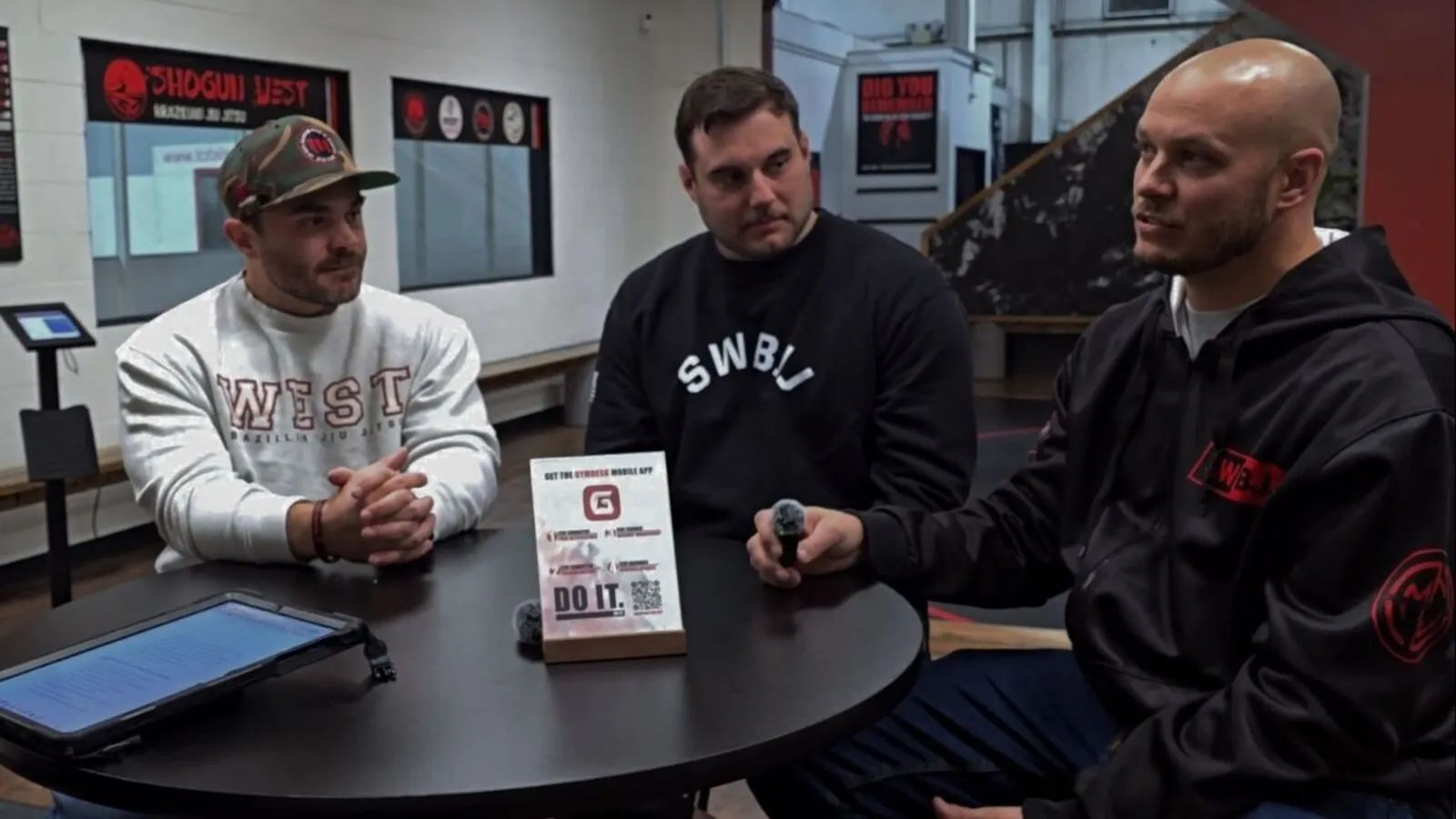
Starring
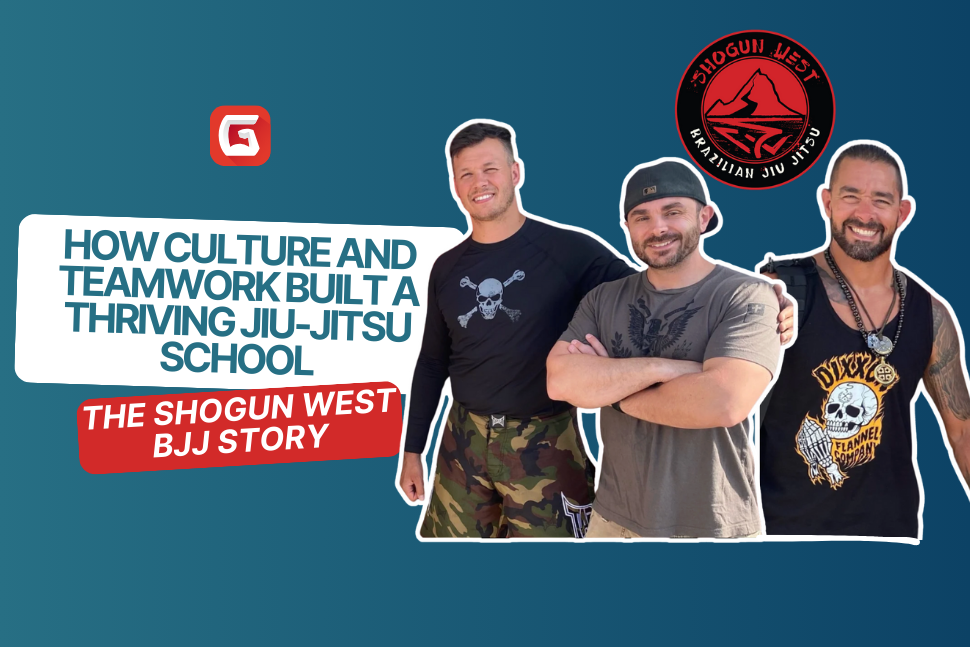
Phillip is the administration specialist at Shogun West BJJ. As an integral partner in the gym, Phil handles all administrative duties, customer interactions, and online operations. He's also the creative force behind the gym's visual art and signage, ensuring the space is welcoming and aesthetically appealing.
Cody is a black belt coach and one of the founding partners at Shogun West BJJ. His lifelong dedication to martial arts began in middle school and includes training in jiu-jitsu, Muay Thai, kickboxing, and MMA, as well as competing in various tournaments.
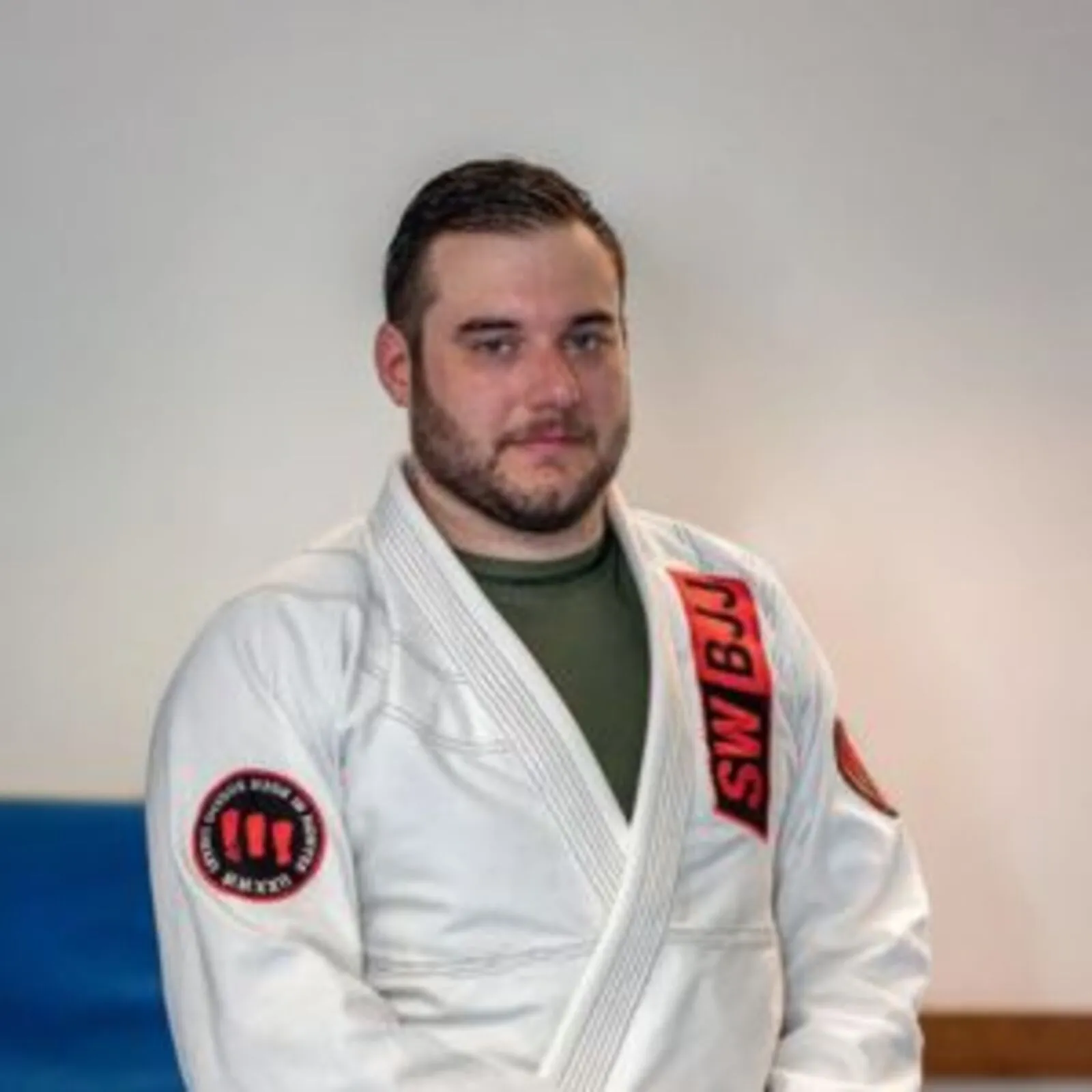
Kevin began his martial arts journey with karate as a child, then transitioned to jiu-jitsu in his teens, quickly developing a lifelong passion for the sport. After a break for college, he returned to Rochester, eventually joining forces with Cody, Phil, and Don as a key member of the coaching staff at the gym
About the Gym
Shogun West is a thriving jiu-jitsu school located in Rochester, NY, built on principles of teamwork, humility, and a deep sense of community. Led by a team of dedicated coaches and administrators, Shogun West offers extensive jiu-jitsu programs for both kids and adults, including month-long curriculums, striking classes, and a unique “Warriors Path” character-building system for youth.
The gym stands out for its welcoming atmosphere, top-notch amenities like locker rooms and showers, and a culture that makes everyone—from first-timers to competitive athletes—feel like part of a supportive family. Beyond martial arts skills, students experience growth in confidence, discipline, and mental well-being.
With a strong commitment to making training accessible, scholarships are available for those facing financial hardship. People choose Shogun West not just to learn jiu-jitsu, but to be a part of an environment where character development, community, and positive transformation take center stage.
📍 880 Elmgrove Rd, Rochester, NY 14624
📞 585 204 2040
Summary
In this episode, Gymdesk CEO Alex Cuevas visits Shogun West BJJ in Rochester, New York, to uncover the inspiring story behind the thriving jiu-jitsu school co-founded by Cody, Kevin Baxter, Phil, and Don. Through interviews and a tour of the unique facility, Alex learns how a group of brother-in-laws, motivated by faith, family, and community, launched the gym out of passion rather than profit. The founders share how their journey started from a men's church retreat, growing into a welcoming martial arts academy focused on personal development, humility, and supportive teamwork, while never losing sight of their roots and their mission to help others.
In this episode, you’ll learn what truly sets Shogun West BJJ apart—from their culture-driven approach to martial arts, youth-oriented programming like the Warriors Path virtue curriculum, and their commitment to making training accessible through scholarships. The coaches explain how they balance demanding careers and family life with their dedication to teaching, and share stories of students whose lives have been transformed by jiu-jitsu. You’ll hear about the intentional design of their space, the practical amenities offered to parents and students, and the collaborative model of leadership that keeps their team united and their vision clear.
This episode also highlights how Shogun West uses Gymdesk to support their operations and foster their growing community. Don, Kevin Baxter, and Cody discuss the role Gymdesk plays in streamlining administrative tasks like attendance tracking, billing, communication, and belt promotions. The team emphasizes the value of data, the convenience of the member dashboard, and the importance of technology in managing growth and staying connected with their students. Overall, Shogun West’s experience with Gymdesk showcases how the right tools can help martial arts gyms focus more on their mission and culture, and less on clerical headaches.
What They Told Us
Alex Cuevas drove an hour and twenty minutes from home to Shogun West Brazilian Jiu Jitsu, a gym tucked between two indoor soccer fields inside Total Sports Experience on the west side of Rochester, New York. It is run by three brothers-in-law—Cody Goodfriend, Phil M., and Donny W.—and almost nothing about how they run it looks like a business. Two of the three are Rochester police officers. The third works the admin from home. Three years in, they told Alex, they have never paid themselves a dollar.
Nobody here does this full-time
The thing that stood out to Alex was a survey Gymdesk had run of its own customers—roughly 80% said they came to the business passion-first, doing something else for a living while sharing something they loved. Shogun West is the sharp version of that. Ask Cody what he does outside the gym and the answer explains why the coaching staff carries so much of the load.
"For my career, I'm a police officer. I've been a cop here in the city of Rochester for over 15 years and I'm currently on the full-time SWAT team. I've been there for 10 years."
—Cody Goodfriend, Co-owner and Instructor, Shogun West Brazilian Jiu Jitsu
Hey Kev, I gotta go
An on-call SWAT career and a fixed class schedule do not naturally coexist. Cody can get called out at any hour, and when he does, someone has to teach. More often than not that someone is Kevin Baxter, a coach and civil engineer who has known Cody since he was 16.
"I can't tell you how many times I've called him moments before class started. Hey Kev, I gotta go. Can you cover class? And it's always, yeah, no problem."
—Cody Goodfriend, Co-owner and Instructor, Shogun West Brazilian Jiu Jitsu
Speaking the same jiu-jitsu language
The reason a coach can step in five minutes before class without breaking the sequence is that no one is improvising. Every coach studies the same months-long curriculum and teaches off the same material, so each class picks up where the last one left off. Kevin, the data guy of the group, frames it as a system rather than a personality.
"It's not one day Cody's teaching arm bars on Monday and I'm teaching next guard on Tuesday, right? Each class builds off itself. We all kind of speak the same jujitsu language, if you will, and it all compounds."
—Kevin Baxter, Coach, Shogun West Brazilian Jiu Jitsu
What they measure instead of profit
Alex asked the owners for their North star, expecting a growth target. What he got was culture—single parents looking for a place to send their kids, students working through PTSD, a room that fills up on the strength of what happens inside it. Then Phil, who handles the books, said the part that reframes the whole gym.
"If you looked at our books, I would cry… we've never taken a dollar from this gym and we're, we're all smiling and happy to be here and keep it on and keep on going. So it's all about the hearts that we touch and the lives that we can impact."
—Phil M., Co-owner, Shogun West Brazilian Jiu Jitsu
Nobody gets turned away for money
That priority shows up in policy. The gym runs a scholarship fund that covers most of a struggling member's dues, and when someone still can't cover the rest, Cody's answer is to come in anyway and figure it out later. He learned it from his own coach, who taught a broke seventh-grader for free and had him mop the mats instead of paying.
"Where I came from, my coach never charged me a dime when I was young, when I was in middle school… I want to pass that on to anybody who walks through those doors and we're not going to turn anybody away."
—Cody Goodfriend, Co-owner and Instructor, Shogun West Brazilian Jiu Jitsu
Bridging the gap from home
Phil never trained before helping start a jiu-jitsu gym; he calls himself the longest-standing white belt in the building and runs everything online from his house. That remote setup is exactly why the software earns its keep, and why watching attendance lets them reach a member who has quietly stopped showing up before it becomes a lost account.
"I work from home. So there's a little bit of disconnect between some of the instructors who are here every night and me who works from home. Gymdesk really bridges that gap. I can see who's training. I can see who's paying. I can see who's coming, new leads coming in."
—Phil M., Co-owner, Shogun West Brazilian Jiu Jitsu
Read the full transcript
Lightly edited for readability. Speaker labels are omitted because the source recording is not diarised; quotes attributed elsewhere on this page were verified against context.
Behind every gym, there's a story. A mission, a spark of passion that started it all. This is Gymdesk Originals. Real owners, real struggles, and the communities they've built from the ground up. Oh man, it's raining. I made it all the way to Rochester, not too far from home, about an hour and a half or so. And we're going to go check out Shogun, excuse me, Shogun Martial Arts here in Rochester. Let's go. Alright, I made it inside, heading to Shogun West here in Rochester. Looking forward to meeting everybody, and checking this place out.
Come on. So as you see, we're inside TSC, which has a variety of different sports teams at practice here throughout the week. It's a very, very busy place for all the local high school and middle school, all the way up to college and professional teams train here. And our jiu-jitsu gym is located located in between two major soccer fields, right down this way. Inside here, you walk into our front lobby. We have seating area for parents, some of our merchandise up here, coffee table. We have morning classes and the coffee gets used every day.
On either side, we have our two locker rooms. Full men's and women's locker room. Inside here, all of our members have access, if they would like a locker, they can use a locker during class. One thing our gym offers that not a lot of gyms do is the access to showers. So guys can shower immediately after training. But not only that, we're providing defense soap for them, which a lot of gyms don't do, to cut back on any skin-borne rashes or anything like that. But again, open to all our members.
And the women's room is identical to this one. Back out into our lobby. Again, plenty of seating for parents. You'll see here in a few moments when all the parents will line up to watch their students. This initial room is our overflow, our wrestling room. In here, a lot of times we'll bring our little kids. So everywhere from four years old up to, you know, seven or eight. And then the older kids, eight, nine, ten, eleven, and higher, will be in the large room, which we can go check out.
When our students first walk in, we keep this tablet right here. They all know to come in, start typing in their name. When their name pops up, everyone knows, too. Even the youngest kids can come in here and start typing in their name and start typing in their name. Everyone knows, too. Even the youngest kids can come in here and sign in. It's super easy. And that lets us know who's here for the day and keeps track of them. Windows open to the outsides, which we found very beneficial.
A lot of times we have plenty of sports going on, and they all wonder what we're doing in here. And the parents will be looking and peering in, and then soon they come knocking on the door and asking how they can sign up. So that's a really good advantage. Let's take a look at the mats. Stepping into our main mat area, this is where the majority of classes happen. Again, this is where we start class, where we line up. If you look around at some of the key details, we have an area for your cell phones, some signage, reminding people to sign in.
For our lower belts, our whole thing is we talk about the path and being on the mountain path. It's kind of where we began. And for our kids, we kind of show their progression. They want to know how they can move up this path and progress in jujitsu. And when they're 15, 16 years old, they can get up to their children's green belt and where they go from there. As you come on over here, we have our matted wall. We have our code of conduct that periodically we will go over with the kids.
It's expected that our kids and adults adhere to this. We obviously number one being up there is humble and it's cool because throughout the week when we ask students to read one of the numbers up there, they're able to recite and explain to what each of these means to them. Each day, a new lesson will be up on our board. We tend to put any, obviously some news, where we have striking class, what the warm ups are going to be. With our kids class, each month is a new virtue.
So we tend to put it up there and we'll talk about it before class as we get going. And it gives our students, if they have trouble remembering the lesson of the day, they can snap a picture and at least remember what was taught that day. Our mat is tatami mats covered with our vinyl. This is made for, especially for this room. Our logo came out really good. We were getting sick of having to clean inside cracks. So having a one single piece of vinyl makes cleanup very easy.
We can mop this very easily. Moving on to our flag wall, some of the flags up here you see are what's most important to us as owners. And as a gym, we will add to these as the years go on. You know, we like to take our pictures in front of them. We are an EFC certified academy. We fall under Matt Secor, Brazilian Jiu Jitsu. He is like our parent Jiu Jitsu company and we are his affiliate. If you look at our wall here, again, reiterating the mountain path, we tried to capture using the imagery here with some vinyl that when you start your Jiu Jitsu journey, it's an ever upward, upward, upward path of the mountain.
It's one of our staples in our gym. A lot of times during class, if a parent wants to watch their student, they'll stand on the steps and look over out onto the floor. They can also sit up here. We're working on getting some seating still. It's not completely finished up here, but it's in the works. We offer a full gym for our people to work out in if they want to. This will be a seating area for parents eventually to kind of look out over here at their students.
As you can see, it's not completely finished. We still have some work to do, but a full complement of things that you might need. We have an office here so that we can outfit with the computers and all that. Eventually, a recovery room, but again, we're only in phase two right now. I'm here at Shogun West BJJ in not too far from my house. Took me about an hour and 20 minutes. What's the official town here? Is it Rochester? Rochester, New York. Okay, Rochester. I came over earlier today, not too bad of a drive, and really impressed walking in.
You walk in to the place. I would not have expected a place to be in here, but it makes so much sense. It's like the perfect, I think, marketing opportunity for you guys, right? Because you've got all these different, I guess, scholastic or collegiate, whatever you call the soccer and all these other things going on in here. I'm sure you get a bunch of kids just walking by. Right. Earlier, I think we were talking about people poking in and looking through the windows and seeing, oh man, what's that?
Let me get my kid in there, right? That's right. Yeah, that's pretty cool. Well, maybe you guys can just introduce yourselves real quick and say hello. Sure. Yeah. My name's Phil. I'm the administration specialist here. I do all the admin stuff, all the customer interaction, everything that's done online, also the visual art media guys. So all the signs and signage and stuff typically come from my end. And then I'm a partner. So the story is that we're all brother-in-laws. So our sisters are wives. So I'm one of the brother-in-laws and we'll get to our story in a little bit.
But yeah, so I'm a partner and I do all the nerdy stuff. So, yeah. Kevin Baxter, one of the coaches here. I've known Cody since I was 16 years old. He's been a big brother to me. And when Phil, Cody and their other brother-in-law started the gym, I kind of tagged along as the little brother would do and help coach and keep the place running with these guys. Yeah. My name is Cody Goodfriend and I'm also one of the partners here. And I'm coaching here you see as one of the black belts of the gym and that's about it.
Yeah. Well, how's it going guys? I mean, is it, I mean, it looks cool. I know the doors are about to open, so I'm sure we'll see what it's like. But so far, very impressive. A lot of thought, a lot of meaning. You know, there's the shogun stuff and we'll pan and show some of that. As we walked around, you were walking, or you were explaining some of the things, even like the peaks of the mountain, climbing to the top from your belt progression. There's a lot of thought behind it.
Obviously, a Japanese influence there with the shogun name, but tell us a little bit about the name. I'm curious about that. Yeah. So the name sort of spun off of a school that Cody and Don used to train at. It was their shogun flight company. And when we decided to break off, we really wanted to pay honor to them and homage to the school that really got them off their feet. So we asked the instructor if we could use the namesake, but we wanted to be West because we're on the west side of the city.
So that's where the name came from. But a lot of the imagery is really, has a lot to do with, you know, we talk about the mountain path. So our logo is a mountain and jujitsu, the pathway up the mountain, it's never easy. It never stops. And it's, and you know, you can reach the summit, but once you get there, not many people can say they've reached the summit. So a lot of the imagery is from that sort of, um, sort of ethos, I guess. So I think you captured it really well.
So, uh, and what we try to pass off to our children is that we're all on this path together. We're all at various positions on the mountain, but we're all moving upward. Even if you come to class one day and maybe you feel like you're regressing, you're putting in that sweat equity in the gym, putting in that mat time, uh, whether you wanted to be there that day or not. And you're one step further up that mountain. Um, and that's the key is to keep pressing up.
Chris, I had this image of the mountain of, I mean, just going in circles for the last 15 years on the bottom. Just like, Oh, I got a bench over. Yeah. Um, well it was there a road trip or something that happened back in 21 where you guys decided, yeah, tell us about that. Well, we all went down to a men's retreat for our church and on our way home from the men's retreat, we're driving in the car together, uh, Phil, Don, and myself. And Phil came up with an idea and we were just kind of talking about jujitsu in general.
And he's like, you know what, you guys have been doing this your whole lives. You know, you've been doing so long. You ever think about doing your own gym? And we were like, you know, not really. I hadn't really considered it. And I said, well, you guys really should. You have a lot to offer people. I had been teaching, uh, for the gym that I was at periodically. Uh, I teach for my job, uh, very often. And so does Don. And so with our combined years of experience and teaching both in our professional lives and our extracurriculars and with Phil's expertise and how to run a business, cause both Don and I, we kind of looked at each other and like, we wouldn't know where to start.
You know, we would have any idea. And Phil's already run several successful businesses. He has, you know, a lot of knowledge and wisdom and in getting a business off the ground from scratch. So like, well, maybe we could do something. So we agreed that we were going to pray about it. You know, didn't want to just jump into anything because we already are so busy. You know, each one of us has had, had very busy lives at that point. And thinking about, hey, let's go start a jujitsu gym with our already busy lives was something that was, you know, that seemed impossible.
It didn't seem like it was something that would ever happen. But then we, through just talking and praying and saying, Hey, if this is meant to be, this is something that we're called to do, then God will take care of the rest. And I think by evidence of where we are today that he has. Yeah. Yeah. Just so your listeners know, we started the gym. So the idea came to us in 2021 and it was about six months later in June of 2022, where we opened the door for the first class.
So we're what, three years in now and about this, we're just starting our second year at this location. Um, so, uh, yeah, just a little background there that, you know, I really wasn't into jujitsu. I got sort of dragged into all this. He's being very generous to me saying a very successful businesses. I don't know. Well, the whole, the time will tell with that. Oh. And then the first place was just sort of this, well, it was my dad owns an office park right around the corner.
So we just converted an old office space into, put some mats on the ground. Um, open the door. We were doing all of our, uh, sign in and check-ins by card. And you know, I work with police officers, so, you know, they don't like doing paperwork or keep it up with that stuff. So, you know, that's when Kevin's like, bro, we got to get a management gym management system. So that's how, you know, we started with Gymdesk and that's why we're sitting here with you. So pretty cool.
Yeah, that's great. I'm, I want to definitely, you know, double click into that, get some more, uh, you know, about your experience. Um, the thing that kind of stands out right now is it reminds me of when we did a survey about a year ago, asking our customers, like, you know, why'd you start the business? And like 80% of our customers are passion first. Like they have a, they do something else, but they have something special they want to share with the world. And for you guys, it was Jiu Jitsu.
It sounds like that's the case because you're full-time dads, multiple children and part of the police force. Is that right? That's right. Yeah. Can you tell us a little bit about, you know, what you do outside? Yeah. For my career, I'm a police officer. I've been a cop here in the city of Rochester for over 15 years and I'm currently on the full-time SWAT team. I've been there for 10 years. So while, whether it's teaching new recruits, becoming police officers or teaching current police officers defensive tactics, I've been teaching since 2013.
So that's been my teaching both defensive tactics, firearms, anything that can be taught. I do have a passion for teaching and I was trying to plug myself in as much as possible career wise. Um, and hadn't really fully thought about teaching as far as an after work coming here and teaching, uh, until we were on our car ride and Phil suggested, maybe we should open a gym and, uh, and Don would say the same thing. I know Don has a heart for coaching and teaching. Uh, he's a phenomenal instructor and, um, that has been one of the driving factors.
So yes, very busy, but we couldn't do what we do. And we didn't have the staff that we had, whether we get called out for, uh, something going on in the city, I might call 24 hours a day. So it was done and we have to leave. Oh, we rely heavily on our coaching staff to pick up the slack and they do a wonderful job. They're phenomenal. Uh, honestly, we would not be anywhere like we are today without them. Yeah. So, I mean, you can get called right now and you're, you got to go, you have like a, what is it like a, how does that work?
Yeah. You got to get there quick. Yeah. So not enough time. I can't tell you how many times I've called him moments before class started. Hey Kev, I gotta go. Can you cover class? And it's always, yeah, no problem. Yeah. You know, we work like that and he has a traveling job and cover his classes. So we kind of have this, uh, relationship where we're our brother's keeper. We're making sure that classes are covered. So let's go into the background real quick. Like you said, you've been training for years now at decades plus, right?
So, uh, tell us about your background, where you started, all the different arts. Sure. Yep. Uh, so I originally started, uh, jujitsu. I was in middle school in seventh grade. It was too small to make the football team. I was a little guy. So I was like, man, what can I do? Uh, the church that I was going to at the time had like this little program that they're running and they had a guy there teaching some jujitsu classes and there's no belts, no gi, no, just kind of impromptu.
And so a bunch of us started training there. And, uh, I kind of really fell in love with the sport shortly after jujitsu, when I got into high school, I started Muay Thai and, uh, kickboxing, had a couple of amateur bouts of Muay Thai, a couple of amateur bouts of boxing, and then some jujitsu tournaments and stuff like that. Uh, when I turned 18, I tried my hand at cage fighting and had a couple of MMA fights realized, uh, quickly that wasn't going to pay the bills.
I had realized that, um, you know, although I had a passion for the sport, I enjoyed it. It was fun. Um, it wasn't something, uh, longevity wise. I could see me raising a family, getting married and keep that as a career, which is when I took the test and became a police officer. And, um, my competition years have kind of taken a back seat, focusing on my career now. Um, so with that training growing up, that's kind of brought us to where we are today. So as anybody started, started karate back when I was really young, uh, gave that up.
And when I was about 16 years old, um, that's right when UFC was taken off. Right. Um, so I wanted to try this jujitsu thing that everybody was talking about and, uh, walked into the gym that Cody was coaching at when I was 16 years old, did that for two years through high school. And Cody kind of became a big brother there to me and a couple of friends, uh, unfortunately gave it up when I went to college, just as any college kid would do focused on other things I probably shouldn't have.
Yeah. And actually I moved back to Rochester after school and my little brother started training and I said, I can't have the little brother beat me up. Um, so I started training again and it's been eight years total. Um, majority of it with these guys, um, all jujitsu focused. Sorry. I don't know. I've just skipped over and now hearing him talk. I, when we, uh, after I became a police officer, I started training at Shogun, the Fight Co. Uh, that's where I started at a white belt, moved up all the way to purple.
When we started this gym, I was actually a purple belt. And then that's where, uh, Matt Secor, we became an affiliate of Matt Secor and under his tutelage and guidance as our coach, as our parent company, uh, he ended up ranking me, uh, for to Brown and then to black, uh, black belt after that. So that's just to finish off the story. Yeah. It was pretty funny guys with 15 years experience, walking into a gym, wearing a white belt. Cause we never trained in a belt system.
Right. So, you know, we show up and we're white belts and yeah, a little more competitive than a traditional white belt. It was pretty funny at first. Oh, speaking of white belts, are you sure you want to do this? So, um, I never had passion for the sport, never really considered it. Um, I suggested that they start a jujitsu business, but somehow they said they weren't going to do it without me. So that's why I'm here. Um, I'm probably the longest standing white belt at the gym, but it's, you know, I'm more more of a boxer.
I used to box before this. And, uh, I like being at arm's length away. Just the sweaty people on top of me was in my cup of tea, but you know, I've grown to really enjoy the sport and brace the challenges. You know, I, uh, our motto is, you know, after jujitsu, everything is easier. And I didn't really understand cause Don came up with that. And after he said that, I'm like, I don't know, man, like I'm a parent, I'm a dad. Like that's pretty hard.
Like is jujitsu harder than that? And he goes, trust me after jujitsu, everything is easier. And it's really, it's really a tried and true statement, at least for what I, for my experience. And again, you know, I wasn't, um, brought up in combat sports, so this has all been brand new to me. And it's been a really cool journey to do, see both sides of it, the business side of things, but also to train and, you know, and roll around and being uncomfortable with an uncomfortable situation.
So, um, my passion is growing. And, um, so there, how do you guys think of success here as you guys are doing, you know, you've moved here and likely you have a lot more students than you before. Yeah. Right. And, uh, you see success there, but like when you guys penciled in like sort of mission statement, what's your North star for the business? Oh, 100% culture, the people that we serve, the lives that are changing from just being here, having a consistent place for kids to come to after school, where they learn discipline, where they learn, you know, the, uh, 12 virtues of what it means to be a true warrior.
And, um, a part of our warriors path curriculum is something we are developing for our kids and just helping parents out. You know, we get a lot of calls from parents who say, I don't know what to do with my kid. They have all this energy. We can't discipline them. We've lost track of them. What can you guys do? And they look to us to sort of be that, um, headship for them where they're missing. You know, um, we have a heart for single moms and single parents and allowing their kids to come here and sort of being the male role models that they are seeking.
That's how we measure success. I don't, if you looked at our books, I would cry, you know, we've never taken a, and I don't want to get too personal, but we've never taken a dollar from this gym and we're all smiling and happy to be here and keep it on and keep on going. So it's all about the hearts that we touch and the lives that we can impact. I mean, it applies to just the adults too, not just the kids. I mean, like they said, I mean, coming into this from an outside perspective, not making a dollar at first, I was like, what the heck are you guys doing?
Right. Um, growing it like a business, but slowly realized it's not about the business. It's about the people. So even the kids, I mean, that's one thing, traditional martial arts help kids, but the adults too. I mean, even personally, it's a, it's a mental release that after jiu jitsu, everything's easier that Phil talked about. It's not just comfortable and uncomfortable situations. It's, I come here and it's a mental health break and I'm a different person when I go home after I go to jiu jitsu. And I see that in other people as well.
I'm giving them a place where they can come and it's like a family and get their stress out and kind of work through things in a different way. It's pretty awesome to see. Yeah. And, uh, you guys, did you guys formalize a program like that to help people that maybe can't afford to train or do you have something going on like that? Yeah. So we have our Richard J. Ryan scholarship fund. It's a, uh, fund that we have. It's a, an old buddy that used to train with Cody.
He's, uh, he's been passed and that we've contacted his widow and set up this whole scholarship fund. So if you don't have the finances to train, we don't ever want that to be an obstacle obstacle to you getting yourself in the gym and you working out and training and being a part of our team and culture. So the Richard J. Ryan fund is just set up to have, you know, the slush money to say, Hey, you can't pay the membership fees. So we'll, we will take care.
We'll do, you know, we'll pay up to 80% of your membership. So you're, you know, can you make 20% happen? And there's cases where someone's like, no, I can't make that happen. I'm like, well, come on in and we'll train and we'll figure it out. And you know, money's not the number one thing, I guess for us. I don't know. So yeah, we never wanted to tear anybody away because of money. Where I came from, uh, my coach never charged me a dime when I was young, when I was in middle school.
And I talked about that. And I remember because I wanted to do the sport and we didn't have any money for extracurriculars like that. And my coach was like, I want you to learn jujitsu. I want you to learn the art or worry about payment. You can mop the mats. You can take care of cleaning up or setting up the mats. And I was like, okay, it taught me discipline. It taught me that, you know, what this, I took it more seriously because it was not given to me freely because it required work, but that he was able to overlook money that him making a profit so that a young kid in seventh grade can learn how to defend himself.
And so I want to pass that on to anybody who walks through those doors and we're not going to turn anybody away. So in terms of curriculum, are you guys focusing a hundred percent on, uh, jujitsu? I know we're doing the no-gi today. We have a key programs as well. Um, but are you mixing anything else into it? So for the adults, it's jujitsu focused. We offer, we can offer striking as well. Um, I think we're pretty unique compared to other gyms that we do have a months long curriculum, um, for jujitsu.
And we pick a topic and all the coaches study off the same material. And we talk about what we're going to teach. And it's not one day Cody's teaching arm bars on Monday and I'm teaching next guard on Tuesday, right? Each class builds off itself. We all kind of speak the same jujitsu language, if you will, and it all compounds. And I think we've gotten really good results from that and really good feedback. And then Phil has taken our kids' class to a whole nother level with separate curriculum.
Yeah. So the kids try to mimic as far as like the actual jujitsu and correct me if I'm wrong, they try to mimic the adult stuff, just broken down into smaller pieces of it. So we all try to be on the same wavelength, but when it comes to the kids, we just started this new program where we rolled it out. It was a sort of a brainchild of mine and Cody's it's called warrior's path where warriors and path is an acronym w a r r i o r s p a t h warriors path.
And each there's 12 letters and there's 12 months. So every month is a new letter that we work on a new virtue. So we, I actually have one of these cards, um, in my pocket here. We, um, give out these cards every month and each one is like, this is for all of warriors path. And, um, so that's, oh, for obedient, that's what second month or no, that's not as a couple of months later, but, um, yeah, we're in our for respect. And, um, you know, we teach mini lessons, object lessons each week is a new, uh, either a game or an object lesson revolving around the virtue of the month.
So, um, we started doing that and the kids really seem to take to it. They liked collecting the cards, um, and having all these characters and it sort of gets them to come back cause you gotta come back and every month to get the new letter. So each, you know, we're sort of at what three months in, and I think everyone's sort of getting a good, good vibe for it. Another piece that you want to talk about the stripe stripe. So yeah, uh, with this, uh, warriors path, what we encourage is the kids to demonstrate whatever the particular characteristic is of the month at home, at school, uh, here on the mats.
So we encourage parents, Hey, if your child is demonstrating this particular characteristic, say it's a respect and you come in and want to share that with us. If they've done that, we give them a red stripe on their belt, which is on the other side. So it gives the kids something, you know, and although that, uh, that it's not about the stripe, it's a cool thing for the kid to have, look at their belt at the end of the year and to be showing these characteristics that we talked about in class.
So you're involving the parents now in giving them a lever, which is awesome. Cause you're basically giving them carrot, like hand is carrot. That's, that's really cool. And the feedback from the parents has been phenomenal. I've had parents calling me, texting me saying, Hey, coach Cody, so-and-so did this today. They'll never believe it. I didn't have to ask them to do it twice. They just did it. You know what I mean? As a dad, I'm like, get me one of them. That's amazing for sure. Oh, that's, that's a really cool program.
I've not heard of that. Um, uh, and earlier you guys were talking a little bit about some of the, you know, the reasons why you're doing this, right? Do you guys have stories that you can share about, you know, transformations either in adults or kids by coming into training, like, you know, going into the, everything's better after jujitsu? Yeah. I mean, we have students that have a history of PTSD that have really struggled. And from day one to their current status, it's just a night and day transformation.
We have kids who have come in and parents who have said, my kid was very timid and is now come into their, come out of their shell and is now, uh, speaking in front of their class and just gained tremendous amount of, uh, courage over the past year or whatever, uh, the timeframe is. But countless examples are always coming in and I always encourage they have some feedback for us, but that or otherwise to give it to us, we have AR or after action report is something in the police world that we use to, uh, take what we're looking at.
And what can we be doing better? We always know there's always, we can always be doing better in some way. And so if parent or current student have something to give us feedback on, we take that to her and try to apply it to what we have going on here. No, I can think of one person in particular who was struggling in their life and, um, watching them over the years through the gym, just deal with that, work through it and kind of have jujitsu as an outlet to work through that.
It's one of the most incredible things that I've ever seen. It's, I don't want to take credit for it, but I like to think this gym had a little bit of work in that. And it's just a question going back into the faith. And it's clearly that's important for you all. Um, and how are you integrating that if, if at all, uh, into the, you know, the spirit of this place? Yeah, for sure. Uh, there's no secret that we're some Christian men who are running this business, but, uh, we're not coming in here and forcing anything down anybody's throat.
We would just rather be salt and light. We want to come in here, love people and show them everything that we know to make them better and just let our light shine. Uh, we don't directly implement and talk and tell people things about religion, Bible, but the strange thing is it's through seeing how we live our lives and just, uh, respecting people and giving them, um, that light. It's amazing. Some people have come up to us and said, Hey, you know, what church do you guys go to or something like that?
And then we bridge that gap. And now we have several students that started out here now coming to our church or at least inquiring about it. Uh, but at no point are we kind of pushing it on anybody because it's just not our way. I can't imagine what that would be like because, um, there's always, there already is like some kind of a brotherhood feeling, you know, if you're female, I don't mean to say, you know what I mean? Like when you're, when you're doing this kind of very intimate sport with other guys, just like, Hey man, where you connect on a more vulnerable level, right?
Cause you're, oh man, you could actually kill me, but there's like this weird trust that happens, right? Like I'm just using the word brotherhood. Maybe there's a better word for it, but then you have that in common. And then if you end up with like a whole nother thing, whether you're filling the spiritual bucket and you have that commonality, that must be like a super bond that you get with these folks. Yeah. It's incredible. Yeah. I'll go ahead. Yeah. It's crazy. You know, like, as Cody alluded to, it's very covert.
We don't, we're not, um, you know, evangelizing. That's not our goal, but what we do present is something that, you know, people find, uh, attractive and I can only give credit to the Lord for that. You know, we don't really do anything special. We're just, you know, brothers that are idiots and we make fun of each other. And like, we just have a good time, but people, you know, are afraid to go to church. They have all the things to say, like, Oh, if I step foot in the church, it'll burn down or, you know, this fire, you know, the devil, you know, this and that, but they will step foot in a jujitsu gym.
So I will never go as far to say that this is a church, but it has the same spirit of welcoming. And it has that same spirit of, like you said, brotherhood or, or fellowship is what we call it. Um, and I think being able to do that, people get closer and closer to Jesus without even knowing it until one, you know, either you say, I want more of what they have, or this is good, but either way, it's really fulfilling, um, maybe a hold that they're having their heart or something that they're missing.
And, you know, if we're a stepping stone and that's how the Lord is using us, then, you know, all glory to God. But if, if not, all they do is see a couple Christian men that are just regular dudes that are fighting and, you know, cursing here and there, and just regular guys, just having a fun time beating each other up. And like, you guys are Christians too. I'm like, yeah, we're, yeah, we're just regular guys. And if we're able to present that, you know, I feel like we've done our job.
Yeah. And like these guys said, we're not businessmen and we definitely don't run this gym like a business, but the amount we've grown in three years, there's, there's something else happening there, um, for that to have happen, because if it was us on our own, doing our own worldly way, uh, this place would not be where it's at. I see all these people behind us. How about, uh, you guys obviously have trained in other places. Is there something that really, uh, stands out as being unique about training here?
You know, like think from, think of it from the kids perspective, the cards are an, uh, amazing example of that. Um, but are there other elements that you guys have, you know, innovated or are using here that you haven't seen in other places? I don't know if it's innovative, but been to a few other gyms. And I can say that our gym talks about humility. We talk about, uh, iron sharpening iron. I, we tell, we stress the idea of jujitsu is a one-on-one sport, but it takes a team to make you good.
When they come in here, they're part of a team, whether they're in competition or they're just hobbyists. You come in here, there's no room for ego. I don't allow it on the mats. You come in here, you're humble and you stay humble. And we're always looking to make the people next to us better. And if everybody's looking out for everybody else, then we're all going to get better and we're all going to have that path. And I don't know if every gym has that. Um, I think it's special here, but we've created this environment and that's the feedback that we get from a lot of our students.
I would say on a more practical side, you know, the side that I focus on too, is the aesthetics. I think the aesthetics are sort of unique here. Um, you know, not many gyms have a coffee bar and a place for the parents to get comfortable, you know, high top tables for them to pull out their laptops and do work. We have a towel service, which is a soap service. We provide wipes and defensive soap, you know, our showers are fully loaded. So, um, a lot of, um, you know, amenities for our customers and it's really customer focused.
We really want to think about not just the people on the gym training, but also the parents and the people that are going to be spectating or walking by, you know, we put a lot of thought in making this place warm and inviting and with the unique aesthetic, you know, we got mountain wallpaper that, you know, caused a lot of heartburn when we were deciding to purchase when we have no money and we're spending, you know, X amount of grant, you know, thousands of dollars on mountain wallpaper.
That's why we call it Mount Cody because Cody was one of our really was for it. He really big thumbs up. He wanted it. So, um, but yeah, a lot of the aesthetic, we just want to make it come, you know, comfortable and inviting and have this sort of feel to it when you come into it. And if you met our other partner, Don, you'd know exactly where a lot of this stuff comes from. He's eccentric and just, he's a poet and he's just good with words.
And this is just like, you know, between all of us, it's just sort of a mind melt of all of our styles. And so. I think that's also what makes us a great gym too, is we have so many different personalities. The three owners, we all have our own personalities and strengths and weaknesses. And then amongst the coaching staff, uh, you come in here on one night, you're going to hear one coach. And although the content or the curriculum might be the same, the delivery is different.
The personality behind the lesson is different. And I think we all complement each other really well. Yeah. And credit to the three owners. And there's two of them, myself and Henry are on the leadership team, we call it. But you know, every week we come in here, sit down the five of us, and it's not just one of these guys dictating, this is what this gym is going to be and how we do it. As you would see in a lot of other gyms, the black belt is the black belt and the black belt says, um, these guys take input, we discuss things and it's everybody contributes to it.
It's not just one, one guy says and it goes. That's right. Sounds like a highly functional, multi-complementary, uh, team, you know, rowing in the same direction that's got each other's backs. I wouldn't say going in the same direction. That's fine. We have a fair share of arguments, but it's good. It should be that way because we all have different backgrounds. Yeah. But it all works out. Yeah. Being brother-in-law's sort of guards against any division because we got to see each other at Thanksgiving and family parties.
It's like, if you get in a fight, I got to, I'm going to see this guy in like two weeks at Thanksgiving and we better make up nicer. Our wives are going to be, uh, upset with us. Cause so how many sisters? Oh, how many sisters, but five sisters off the top of my head, uh, five, but the three of ours, uh, systems. Okay. Three of our wives and Don's. Okay. Got it. All right. And Don is where today? Don is, uh, not here. He had one.
Okay. So we'll have to get a picture of Don. Sorry, Don. He's got great hair. You'll love it. He's handsome. All right. We'll have to have him pop up for a while on the screen. Just like, feel a little, like, thing going on. Well, it's good. Henry's handsome too. Henry's handsome too. We had a very good looking team. But I'm not the face of the organization. How about, um, you know, you've gone from location one to location two. What's the future? Are you guys just want to fill this up?
Are you looking to cross some, some threshold and, you know, start making some money, become profitable, grow. Our coaches want to get paid. So that's like, that's, yeah, that's goal. Number one is to get these guys paid, you know, not Don, Cody, or I don't, you know, without these coaches, we're nothing. So they need to get paid. So beyond that, you know, phase three looks like getting our, we have a full functioning gym upstairs. We'd like to build up the equipment, make that more match the aesthetic, have that be a more of a comfort area.
You know, we want parents to be able to work out while their kids are training. And we also want our students to have a place to work out, build team, you know, that team mentality. Um, we're going to be adding a striking, uh, class coming in January, where we'll be doing more of the Muay Thai, kickboxing, striking stuff. So we're adding that. So we're expanding our schedule. What we'd like to do is, you know, we have a pretty cool facility here, like to work with. So we'd like to hold our own invitational tournament here at some point, um, and be able to, you know, showcase our gym plus, you know, get every school in Rochester or the upstate area to come here and do a tournament.
I think that'd be really cool exposure for our gym. Um, but beyond that, just be consistent. So Black Path Tactics is a sister company that we kind of use, uh, branched off, uh, and created to take what we do here as far as the sport of jujitsu. And now instead of it being Shogun West jujitsu, uh, which is very hard for first responders or, uh, firefighters, EMTs, teachers to kind of bring that board, but our Black Path Tactics is bringing self-defense to these different, uh, companies that want us to come and teach their company.
Uh, we go to schools and teach, train their teachers and seminars. Uh, local firefighters will have us to their base to train their firemen and, uh, just basic, uh, self-defense. Cause they're getting attacked out there too. Um, as EMTs as well. So there's a gap out there for these professionals, these, uh, and we have obviously a heart for, uh, our brothers and sisters out there that are struggling and being attacked by, uh, you know, ungodly numbers and they're not given the right training. So we go out and we do that and, um, provide that training.
It's kind of an offshoot of our Shogun West. It's a company that we've, I don't even know, should we call it a company? It's a sideshoot of Shogun West. Yeah. So the black pack, black paths, a mouthful black path tactics is sort of our in-service side, in-service arm of Shogun West. You know, sometimes Brazilian jujitsu could scare people away or people might think of, you know, have all these ideas that come to mind. But when it comes to self-defense, safeguarding and de-escalation techniques, that's a little bit more marketable to, you know, maybe some businesses and we do all in-services.
We go to your location, we'll bring our mats out there. We'll teach your team how to, you know, fend off, you know, grips, grip breaks and all the, you know, the fundamental stuff that we do here, but it's providing more of a, um, easier, uh, on-ramp for them to get into the sport. And then, you know, it's a nice little marketing thing too, because we hand out Shogun West cards. You get a free month training with us after you do one of these seminars and it sort of helps a little scratches of our back on both ends.
So right now in the background, there was a, you know, a flurry of children, uh, that went to the back. What's the age group of that? The kids that are training right now? Four to about 16, um, that 14 to 16, 17 range, they start to get kind of the in-between kids class and adult class. But the main core out there is four to 16 year old. Um, they'll warm up together and then you'll see here in a little bit, they'll split, you know, the about four to six, four to seven year olds and the older kids will split into kind of two different groups and get two different lessons over the kids class.
And how, how big is the average kid class now? Uh, 20 to 25 on, you know, uh, some days we'll push 40 and honestly, this place will fill up and it's almost like, Hey, we got to look for a bigger spot already. Yeah. So I brought up over 40 one day and it's, uh, everywhere in that range. Um, that's the one thing it's funny. Cause when we first started out, we didn't know if this was ever going to take off. Yeah. Don and I would walk in here in our old gym and nobody would show up.
We'd have zero students. What do we do today? I guess we just go home. I don't know. And it was really weird. And it's so encouraging and you know, it warms my heart to just see this room and to hear this going out in the background. This is just, uh, this is why we do what we do. Well, I, um, I feel like in the BJJ space, especially it, a lot of people, I remember speaking to a guy, um, cast iron in Kansas city. And he said, the only reason I put this place together is I want to spread jujitsu.
That's his mission. I was like, that's all I want to do. And I was like, Hey, that's pretty cool. Like they, that's just your whole purpose. You just want to spread this knowledge. Right. Um, and so I only bring that up because there are two places that I visited in Toronto recently, uh, in the Toronto area, a place called Neo martial arts and then Octa, which has like five locations. Um, those are, they just put, we just put those on recently, um, or put those out recently, these episodes, but both of them had a really cool thing that over time, they evolved to a point where the class got so big and there's a bunch of parents sitting around.
They start focusing on the parents and getting them in the class. Yeah. So they have, at the same time, they have a kid class and an adult class. And then besides the benefit of them having actually something to do, now they're speaking the same language, which I thought was amazing. That's now you're not, you know, one of, uh, um, the women that was being interviewed in there, her name is Solana. And she was, uh, talking about that. The mom can now say, Hey, get up. Instead of saying that, she'd be like, you know, uh, you know, pass the guard, right?
It's more technical and specific. And so anyway, just, uh, planting some seeds there for you guys, if you guys want to go that direction. So a lot of transformations, we talked about that, um, especially in the kids program, now that you have a nice number of them. Um, have you guys, you got more of those stories of seeing, you know, kids kind of change over time when, when they're, you know, first walk in and where they are today, you know? Yeah. I mean, there's, there's so many stories to count.
And, uh, in fact, I just, uh, one comes to mind this week where we had, uh, and reach out to me and say, Hey, you know, my child is, uh, you know, she's helping out around the house and she's really kind of, uh, seeing this as her house as well and wanting to participate. And it was because of what you guys said in class the other day. Uh, another one is, um, one of our younger ladies really lacked confidence in school and in sports. She had played soccer.
And that's the other thing about our sport. It's all year round. So a lot of our kids go off, they'll leave, they'll go do their sport, come back. And the difference that jujitsu is making in their other sport and how well they do there is unbelievable. It's so many stories of baseball, lacrosse, soccer, parents come back and like, we're going to keep coming back here because they're getting better at their other sport because of this sport. They're learning balance and timing and how to control their own bodies here.
And it's making them better athletes overall. And, uh, that's just to name a few. Are you guys also in wrestling here or? Yeah. So we have a, we have a wrestling camp that we subcontract with. So it's a, um, a friend of ours, who's a wrestling coach in one of the local high schools. They're always in need of mat space. His son wrestles on the team, uh, for the local high school here. And so we opened up the door to him. He said, put together a wrestling program, wrestling and jujitsu are so, you know, they're so cohesive together that, um, we'd love to see that come here.
So it's a youth wrestling camp. Um, in season, it meets, uh, Saturdays in the afternoon. And it's sort of like a, um, they teach a lot of wrestling technique. It's really wrestling centric, but it does bring like this sort of, I want to say youth group mentality where it's bringing, you know, cause you get kids from all different schools coming here. And it's again, building those leaders, those young leaders, and not only teaching wrestling, but giving them a place to go to. Um, I know one at the end of the, at the end of the program, they do a Friday night pizza party here and just hang out.
There's no wrestling. It's just the guys coming here, um, just hanging out and we try to create that place for them. So, um, it's affiliated with Shogun West and we're looking to expand more in our wrestling program, but that's the club that we currently are with right now. And, uh, I know we'd already kind of touched on this, but I just, the idea of having so many kids in either side in a, uh, soccer, their soccer fields, soccer across. Okay. Oh man. So you, I mean, you got, are you guys just sitting here like fishing a barrel?
I mean, it's just so right in the middle, right? Yeah. The original location was an office park, but it was mainly a medical office park. And so the people we'd have walked through our doors where, you know, the little old lady looking for the eye doctor more than once really funny. Um, and now it's young athletes and parents of athletes and things like that. And we've gotten more than a handful that are like, Hey, this looks cool. Let me give it a shot or Johnny's doing lacrosse.
This gives me something to do. Why, why my son's, uh, you know, Yeah, we love the windows. We want more windows. We would rather, we also want to put some windows over here because I can't tell you how packed this place gets. We're talking hundreds of people, thousands during the week, uh, people passing by and they peek in, they always wonder what's going on. And they're very intrigued because it's not like what they're doing. Um, and this obviously wasn't here. It used to be an old gym, a wheat room, and it's been shut down for many years.
So this has been vacant. So people who've been coming to this building for a long time, they see the lights on, like what is going on in there here? Kids laughing, screaming and playing and jumping like, Oh, this is cool. And you know, then before you know, they're coming in, asking questions. Yeah. And when, um, when they come in here, what's their, like if a kid just walked in here right now, like, what's your, what do you guys do? You just hand them a flyer or you tell them that.
I mean, yeah, it happens. It all depends on who's, it depends on who's coaching. We don't have a front desk person or like a receptionist or a desk at all for someone to just be there. But if we're teaching, we'll come over and greet them, shake their hand. We usually have two coaches going at the same time. So like, Hey, I'll be right back. He teaches class. I'll go and introduce myself, offer any, anything that I can for them, answer their questions. And up front, we keep some flyers and like trifle pamphlets.
So if someone was walking past, they could at least snag one. And, um, get, you guys started in Nogi originally, right? So do you guys, all things being equal, is that your jam? Your most, I'd rather be Nogi than gear. I started Nogi for a long time. Then I started the Nogi over 10 years later. And I will say, I enjoy the Gi. I enjoy the Gi more. And I'm proud to say it there. Really. He's our problem child. Kevin refuses to wear a Gi. Years of Nogi when I first started training with Cody.
And then the gym that we all started at, it was Gi heavy. Um, so, you know, three or four years heavy in the Gi. And now that I'm here and I can coach my own classes and kind of set my own rules. I don't put the pajamas on unless I actually have to. I call it my tuxedo and I'll put it on when I have to. Got it. You don't, you don't have an opinion. You don't have the wrong guy. I wear whatever they're telling me to wear.
Yeah. Well, do you guys, um, have you noticed that when you're in the Gi, you get more people looking or not, not really? It doesn't matter? No difference. No difference. Okay. Whatever we're doing is definitely different than they got going on out there. Yeah. I think because of our locker rooms, because people change in and out of their GIs here, you don't get a lot of, a lot of the draws you would if we didn't have the locker rooms. Cause then people are walking around the building and GIs.
Yeah. So you don't get a lot of like people, curiosity, all that curiosity, um, with, uh, with the Gi because you know, we have the locker room facilities. That's my observation. Maybe we'll just segue into how'd you find us? I mean, I know you were, uh, you mentioned you guys were paper and spreadsheets or something. Right. So civil engineer by trade. Um, so I love spreadsheets and I love data and I love seeing things. The cards were not cutting it for me. Uh, and it was driving me nuts.
Phil, I think was doing the billing. I don't even know how you were doing billing and managing all of that. Um, I said, Hey, it's 2023 or 2022, you know, there's technology out there. Let's, let's figure this out. And then I don't know how you found Gymdesk. It's probably, it was just a Google search. I mean, I think I was looking through some of them. Uh, I don't even want to name the competitors cause there's, I just don't like them cause they bother me on the phone all the time.
Uh, they all, they always want the insider secrets from you guys. I'm like, I don't know. You call them yourself. Like I don't want to figure it out. But, uh, yeah, I think it was just going through a whole Google list of ones. And I like Gymdesk, the interface, the graphs, just the really like the belt ranking system. That's something that, you know, actually we're getting hammered this week because we have an update them since our last promotion. So I've been getting a lot of emails like, oh my belt's not uploaded.
So, um, so I love it. But now when you got to do it for 200 people, it's like, ah, this feature is okay. You know, I think we could do without it. Cause now I got to do 200 belt promotions, but no, we'll just get the visual. We wanted good, easy for our customers, easy messaging. One of the big things we liked was the push button notifications. And we try to really push our, um, students to get the app. And so that we, you know, we, again, we have, uh, police officers as our coaches.
So there's times where it's like, they got a warrant to go after. And it's like, we got to shut down. So we need that information to our people fast. So between the emailing, uh, the push button notifications and through like Instagram, we're able to reach pretty much most of our, um, students in a pretty fast time, you know, and that was something that was really attractive. And the text messaging too, that you guys provide. So a lot of needs were met through this, the accounting, you know, when you're trying to keep track of billing on my hand and my cards.
And again, by people that, you know, forget to do the card, sometimes it just makes this so much easier. And again, it was just, you know, I think I give a credit to your static team, whoever came up with the dashboard and all that put all that thought to there, that really what caught caught her eye. The other ones are just lacking in that area though, the other competitors. So, um, that again, curb appeal is everything. And that's what caught my eye. And then when she started drilling into it, you know, Kevin was on my tech research team.
So after bouncing it off his head and, you know, getting, you know, besides me, Kevin's the other guy that's in the system, I don't know, these guys might have log ins. I don't know. They probably have lost three. They lost their password. They'd find that we get password requests. We all have to submit. No one's asking you to be the admin guys. So yeah, but Kevin else used it. Henry uses it. So, um, really cool. So yeah, I think that's how we found it. Just necessity and curb appeal.
Yeah, that's great. I mean, uh, I mean, I don't know if you guys know the background, but the company was founded by just black belt. I mean, he was training. Uh, I think he was in, uh, I think he was starting in the Bay area. And, um, from there he went to Austin and then Los Angeles. Um, but he was just on the mat. He's like, oh, I can do better than what's out there today. And getting feedback on what they needed. You know, seeing that everyone has this card things or whatever, integrating the belt systems and stuff like that into the program and, you know, modern interface.
That's that, you know, so I like, I tip my hat off to, uh, our founder, Eran. Um, he built an amazing product and I'm just, you know, I'm happy that I get to talk to people who've been using what he built and people are really resonating. And, you know, now, now that, um, you know, I'm CEO, I've been putting a lot of energy and effort into, you know, gathering more feedback and how can we serve customers better and, you know, really driving into or diving deeper into jujitsu.
I love it personally, because that's kind of what I'm training mostly these days. Um, but it's also just important for me to make sure that we continue to innovate for whatever's coming next, right? So there's all kinds of ideas and I'm sure you'll see some of that coming up here soon. Um, so you explained to me some of the things that you're using quite a bit. Um, any other features that really stand out for you? It's like, oh man, this is where it's at for me or, you know?
Yeah, I would say the, uh, just the membership dashboard, just having our customers be able to have it in their hands, um, check schedules and do all this stuff that they need to do. It takes a lot of, uh, the burden off of me to, you know, uh, send stuff out every, all the time that, you know, it goes out pretty quickly, uh, the billing and keeping track of who owes, you know, who owes us money and stuff like that, or how, you know, be able to touch base with people when, you know, we haven't seen them show up in a while.
So that's one of the things we like to do is track attendance. If we haven't seen you in a couple of weeks, we'll just reach out. Hey, is everything going all right, man? Is anything we can do for you? You know, is things tight with your finances? We got a scholarship. You know, we try to be able to utilize Gymdesk as a way to, um, connect with our customers, you know, we sort of got an inside scoop. They're not showing up, something's up. So we want to, we want to catch them before it becomes too, too much.
One thing that I really like is how easy it is. Even our five-year-olds come in, they know how to come up, tilt it down, type in their name, log in, and they don't need their parent. It teaches them a little bit of responsibility, but it's super easy. Again, engineer, I love data. So everything on the back end, you know, we joke about not running this as a business, but able to look at class growth over time and, you know, just all the back end data, everything you could ever want's there.
So being able to look at whatever you want is pretty awesome. You're not going to get that in white cards that I'd have to manually enter into a spreadsheet. It would have been an absolute nightmare. Yeah, I guess the last question, since this is location number two, you had your first location. You probably have had several lessons. To an aspiring, you know, dojo owner, what advice would you have for them? Well, first and foremost is get yourself a brotherhood, a good team. Guys that just, you know, have your back, that just love you the way, you know, like brothers, like family.
So we have, you know, between Cody, Kevin, Henry, Don, myself, Bruce, who's over there, Sam with the mustache that might catch in some of the background videos. You know, Matt told these guys are really become like family. And you can't, we couldn't do this without those guys being Johnny on the spot when we need them. So I would say, number one, build yourself a good team, get a good team ready to go. And from my side of things, I mean, I don't want to be a homer, but get yourself a good gym management system.
You know, we recommend Gymdesk. We love Gymdesk. I can't say enough about it, but we wouldn't be where we're at growth wise if we didn't have, at least from my side of the business without having all that data. You know, there's some, there's, you know, I work from home. So there's a little bit of disconnect between, you know, some of the instructors who are here every night and me who works from home. Gymdesk really bridges that gap. I can see who's training. I can see who's paying.
I can see who's coming, new leads coming in. And then we're able to communicate via our threads. I would say that and location, find a great location that you can, you know, we were in a, and you know, we were blessed to have rent live, you know, work, train rent free at my dad's office space. And we would never take that for granted. But the location, you know, was a little bit challenging, you know, but the Lord provided that space for us and to do what we needed to do to get financially stable enough to rent this space.
So we owe a lot to that, but location is big. You guys are up. My one piece of advice would be to be patient. Have some patience. It's not going to explode overnight. You're new. You're just getting started. Don't expect the gym to have hundreds of students. Ride out the waves, take the storms as they come. And if you're patient and you don't get down on yourself for maybe a slower growth, then when the growth does happen, you're going to see really big difference from the time that you started with being patient.
Just remember that there's a lot of help out there. Reach out, you know, people invest in people and people bring people invest, show them and give them everything you have. And then they're going to want to share that word about is the biggest way that people find out. Details matter. Even if it's the little things, details in your instruction and details in your facility. Like the amount of work Phil's put in just the aesthetic around here. I think when parents walk in and they see this versus our old location, it's day and night.
I think it really does make a difference. And you can kind of put lipstick on the pig at least a little bit. It definitely helps. It helps to draw people in. Like you said, we have people looking through the windows and they see a beautiful place. Yeah. I mean, the name, the mountain, the graphics, the feeling, it does. There's a feeling in this place. And I don't see here. I don't know, like a respect thing. I don't know if it's because I did, you know, but I, you know, I come in and it feels like strength and respect.
I don't know. It's hard for me to, you know, um, no, this has been great. I want to say thank you all three of you for, uh, for hosting me today and, uh, for the class. I'm sure I'm going to be putting a pretzel. It's about an hour and I'm looking forward to that. Uh, maybe we'll get some of that film in the shot, but, uh, no, thank you very much. Thanks for having us to see you for having me. Thank you for being the customer. Yeah. Much appreciated.