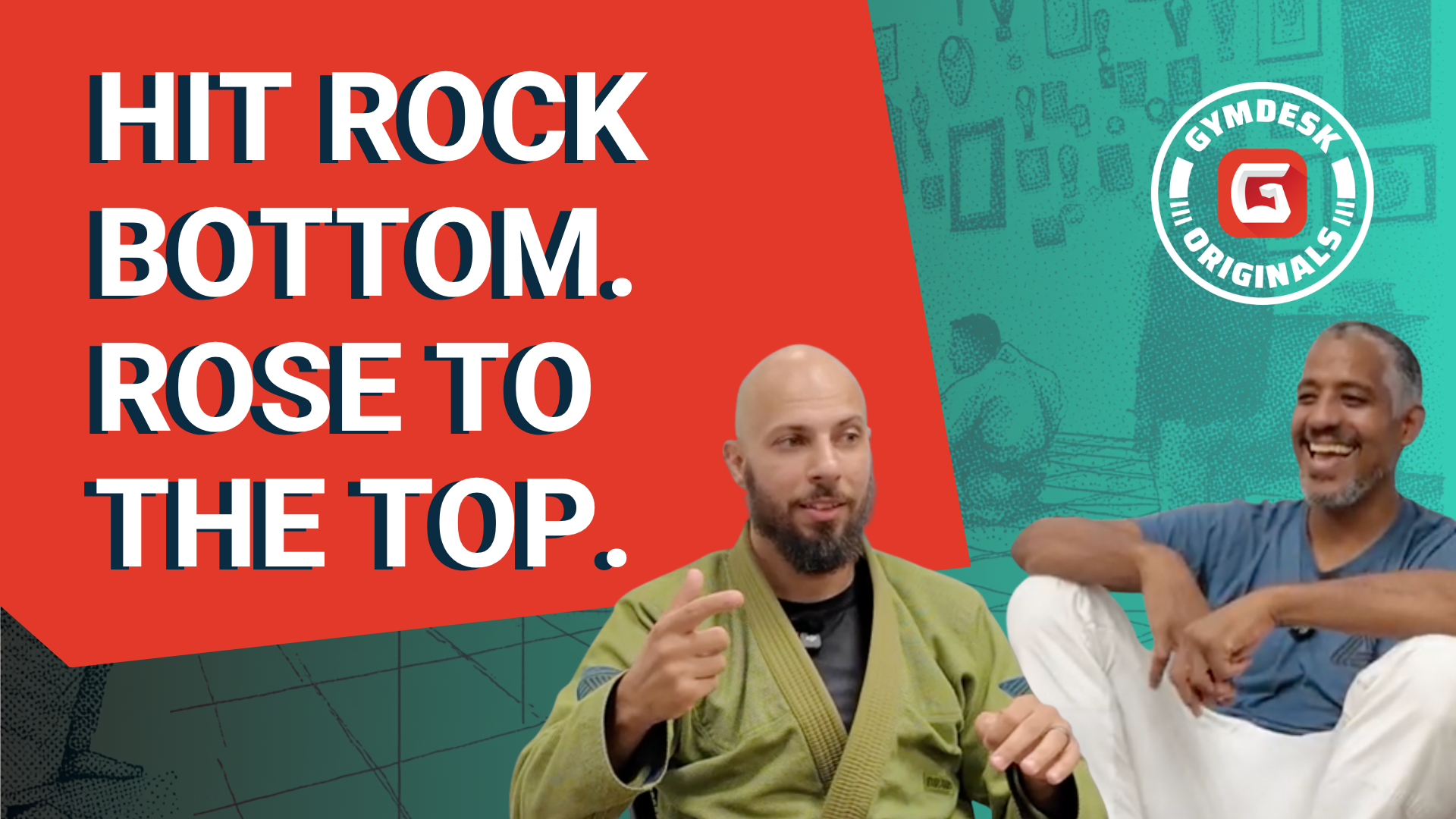
Starting a Gym in a Foreign Country? Watch This First
.webp)
Starring
Grant grew up in the U.S. with Japanese heritage, practicing judo from a young age before transitioning to Brazilian Jiu-Jitsu in college. After moving to Tokyo, intending to stay only a year or two, he fell in love with life in Japan and eventually opened his own Jiu-Jitsu gym
About the Gym
Alma Fight Gym is a Jiu-Jitsu gym located in Tokyo, founded and run by Grant Bogdanove, an experienced coach with roots in both the U.S. and Japan. Catering to a diverse community—including locals, foreigners, kids, and adults—the gym offers classes in both English and Japanese, with passionate members who help each other learn and grow. Alma Fight Gym offers top-notch Jiu Jitsu training and a sense of camaraderie and belonging for everyone—from seasoned athletes to beginners. Amenities like rental gis and showers make visiting easy. Whether you’re in Tokyo short-term or a local looking for a new gym family, Alma Fight Gym has something for everyone.
📍 川又ビル B1F, 2 Chome-26-22 Nozawa, Setagaya City, Tokyo 154-0003, Japan
📞+81 3 6206 0898
Summary
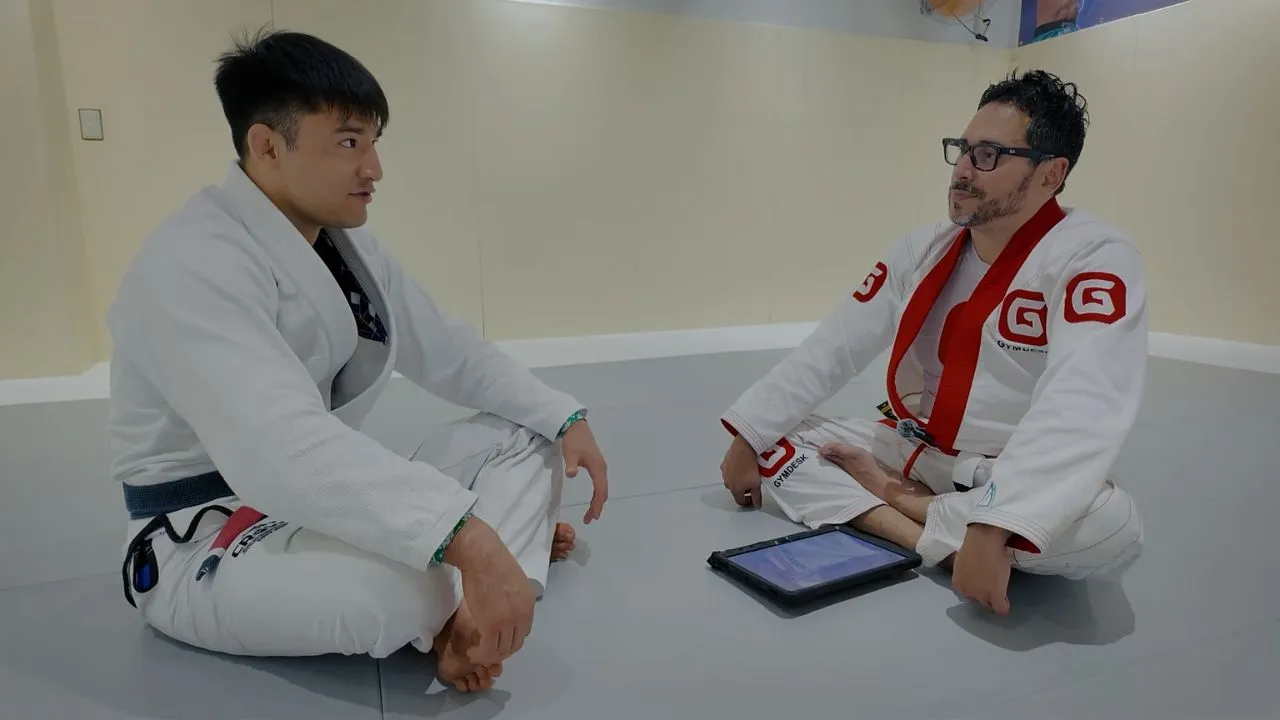
In this episode, Gymdesk CEO Alex Cuevas visits Alma Fight Gym in Tokyo to meet with Grant Bogdanove, the owner and instructor, who shares his journey from growing up in the U.S. with a Japanese heritage to opening his own Jiu-Jitsu gym in Japan. Grant discusses the inspiration behind his gym, the cultural differences he encountered, and the challenges of starting a business as a foreigner.
In this interview, you'll learn about Grant's background in martial arts, his transition from teaching English and competing in MMA to running a gym full-time, and what it takes to build a welcoming community in a diverse city. He offers practical advice for anyone considering opening a gym abroad, emphasizing the importance of charisma, adaptability, and genuine passion.
The episode also highlights how Alma Fight Gym uses Gymdesk to manage memberships, automate payments, streamline communication, and create a seamless experience for members—demonstrating how technology supports growth and operational efficiency for gym owners in Japan.
What They Told Us
Alex Cuevas, Gymdesk's CEO, visited Grant Bogdanove at Alma Fight Gym, a jiu-jitsu gym in Setagaya, Tokyo that Grant opened about three and a half years ago. Grant grew up in Iowa, is half Japanese, and came to Japan on what was meant to be a one- or two-year trip before the gym happened. What runs through the conversation is a foreigner's honest read on what it actually takes to build a gym abroad—the paperwork that isn't the problem, the students who are, and the members who do most of the work.
The only logical choice
Grant had a good job in Tokyo, and when the time came to leave it he weighed his options. Most of them—teaching jiu-jitsu at someone else's gym—meant a pay cut he wasn't willing to take. Opening his own place had always been part of the plan; the timing just arrived earlier than he intended, at 26.
"So basically, I had this great job and I thought that there was no way I was ever going to get another job that good, like, when it came time to part ways. So, the only thing I could do to move up, like, in my personal opinion, was to open a gym. Like, that was the only logical choice."
—Grant Bogdanove, Owner, Alma Fight Gym
The paperwork isn't the hard part
Japan has a reputation for bureaucracy, and Alex asked whether starting a business there as a foreigner was as hard as that reputation suggests. Grant's answer was that the paperwork is manageable—there are cheap and even free services that walk you through it, and it mostly takes time and a willingness to study. The real difficulty is the one every gym owner faces.
"The hardest thing is, like, getting customers and keeping customers. So like, like getting students is very hard. And then, like, getting your students to stay is very hard."
—Grant Bogdanove, Owner, Alma Fight Gym
The members do the welcoming
The gym draws a real mix—locals and foreigners, college kids from nearby Temple University, men in their 50s, and children from age 5 to 13. Alex asked how Grant makes everyone feel welcome across the language gap, given that he teaches in both Japanese and English. Grant deflected the credit almost entirely onto his members.
"I don't really do much, to be honest … mostly everybody, like, helps teach each other and they help make people feel welcome."
—Grant Bogdanove, Owner, Alma Fight Gym
Build around a core of ten
Early on Grant made what he now calls a mistake—running classes every single day, so a new visitor would sometimes walk into a nearly empty room, which feels exposing in Japan, where standing out is uncomfortable. He kept grinding until a handful of regulars stuck: one, then two, then about ten. That small, reliable core is what he says everything else is built on.
"once you get that, like, a, a core of about ten people, then you could, you could have 100 people … built around that core of, of 10 super loyal, super consistent, customers"
—Grant Bogdanove, Owner, Alma Fight Gym
A ratio he's proud of
Grant's demographics run against the Japanese norm. The typical customer at many gyms is a single man around 40, and women are scarce—he mentioned gyms with 200 members and only four women among them. His own gym looks different, and it's something he raised without being asked.
"our female to male ratio is, like, one to 4, which I'm very proud of for Japan. There's gyms in Japan … with, like, 200 members and 4 total female members."
—Grant Bogdanove, Owner, Alma Fight Gym
Make the product good
Asked what advice he'd give someone trying to follow his path abroad, Grant didn't reach for tax law or business savvy. He talked first about charisma—being someone people want to come see and train with—and then about the one thing underneath it. If you can't teach, he added, hire someone who can, and outsource whatever you're bad at.
"you need to be good at what you're trying to sell, like jiu-jitsu … or whatever it is that you're doing, and all the other stuff doesn't matter. Like, the product has to be good."
—Grant Bogdanove, Owner, Alma Fight Gym
Read the full transcript
Lightly edited for readability. Speaker labels are omitted because the source recording is not diarised; quotes attributed elsewhere on this page were verified against context.
Do you have, do you have, like, judo training?Yes.Judo, jujitsu.I got a good back fall.Yeah.Okay, cool.Yeah.I trained, uh, in San Jose with the San Jose Judo team.Oh, did you?Long time ago.Really, when I was a young man.Cool.So, I retained some of that.Yeah?Yeah.Behind every gym, there's a story, a mission, a spark of passion that started it all.This is Gymdesk Originals.Real owners, real struggles, and the communities they built from the ground up.Ohayo gozaimasu, Nihon.Good morning, Tokyo.Going to go visit another customer.Great day today, very excited.Arigato.All right, here we are in Tokyo.We got Alex,
Sho, and, uh, we're going over to a customer site, and today you're gonna try jujitsu maybe, yeah?Hopefully.All right.Uh, yeah.Uh, and you're in, uh, engineering?Doing some development work for us?Yes, I work in the engineering team here in Gymdesk.How about yourself?Customer support.All right.And what's, uh, what's your name again?Sho.And you're originally from?Los Angeles.All right.Well, we're here in Japan.Let's go, uh, let's go check out Alma Fight Club.Alex versus Alex.You good?Sitting here with Grant Bogdanove- Perfect.not bad, in Tokyo.Just had a great class.Thank you for having us.We're grateful to you for not only hosting us,
but being one of our long-term customers.You've been with us for quite a while now.I've been with you guys since I opened this gym.Yeah.Which was about three and a half years ago.Yeah, that's awesome.Well, thank you very much, uh, for trusting us.Love to know more about you.You're, you grew up in the States?Yes.Yeah.So, I was born in Ithaca, New York.Uh, my dad was a grad student at the time.He got a job at Iowa State University, so I was raised in Iowa.When I was, like, 17, uh, he moved back to Cornell in Ithaca,
and I went to school at University of Iowa.That's where I was doing judo as kind of a hobby.Like, I had done judo since about 6 years old, like, on and off.Um, and I started a little bit of jujitsu to help with the ground game in judo.And then one thing led to another, and I started to get more and more into jujitsu.I came to Japan.I'm sure we'll get into more detail later, but, um, I opened up a gym eventually, a jujitsu gym, here in Tokyo.So 6 years old,
judo.How'd that happen?Yeah, the long story is I'm half Japanese.My mom's from Okazaki, Aichi.It's famous for being the city where the person who unified Japan was born.His name was Tokugawa Ieyasu.Anyway, I'm not sure why we ended up doing judo as kids.It might have been one of those things like we're living in Iowa.You know, they wanna kind of connect us to Japanese culture a little bit.Yeah.You know, my dad did wrestling w- so maybe the grappling was kinda in the family.I don't know.Um, my brother started judo, and then I used to do whatever he did,
my older brother, so I started judo as well.In junior high, that turned into wrestling.I did wrestling in junior high and high school.In college I wanted to grapple, you know, so I started going to the judo club at University of Iowa.And then, as I mentioned earlier, I started to go to the University of Iowa BJJ club as well, like, every once in a while.It was in my senior year of college that I actually joined the club and started to compete in both judo and jujitsu, like, regularly.I did that for about a year,
and at the end of college I ended up getting my black belt in judo and blue belt in jujitsu at around the same time.I wanted to live here.We had visited Japan a lot as kids, but I wanted to live here and experience sort of my mom's culture, you know, that heritage of mine.It was supposed to be one or 2 years, then move back to America and start getting a life, like, start getting a real job.Yeah.Japan can be, like, a dream world for a lot of foreigners.Like,
you come here, you don't have to worry about friends or family or, or any obligations.You're just here, like, everyone's saying, like, "Oh my gosh, you're so handsome."Like, "You're a foreigner."Like, "Oh, wow."You know, and people treat you so good and so special here.And, uh, it's easy to make money, and you don't have to, like, buckle down, you know?Yeah.So, I was supposed to go back home and buckle down, but I just stayed here doing, like, odd English teaching jobs- Yeah.and working on my jujitsu and competing, starting some private lessons.Like,
starting teaching once a week, then getting a job teaching more jujitsu, like, maybe 80% of the time jujitsu.And then when I was able to open up the gym, that was three and a half years ago, and now here we are.I've been with Gymdesk the whole time.Yeah.Thank you very much.Yeah.Yeah, that's awesome.So, you came and you're like, "I'm gonna test this out for a little bit."Yeah.And you were love with the life here- Yeah.and, uh, you just decided, "You know what?This is the life I'm gonna have.I'm gonna commit to,
Japan," andYeah.I mean, I was floundering, like, "What should I do with my life?"I'm teaching English and, like, doing a lot of jujitsu, but, uh, am I really making career moves, you know?I'm gonna be, what, 25, 26 when I go back to America with no real job experience, nothing to put on my resume except English teacher, which is basically a glorified extension of college.So, it was likeThe gym kind of just happened naturally.Yeah.And then when the gym happened, then I started to realize that like, yeah, I'm probably gonna be here for the longI didn't really make a conscious decision.I wasn't really thinking things through so much.Yeah.Uh,
just one thing led to another.Um, but now I'm likeI'm married.I have a daughter and another one on the way.Oh, congrats.SoThank you.Yeah, I'm gonna be here for, like, at least 20 years probably.Yeah.Yeah.That's awesome.Before Japan, you would consider yourself American, I'm sure, right?Yes.Grew up in the US.You come here and you have a tie to the culture because of your mom.But it's a different culture, so how is it to build a business here, like when you- Cool.started, started the gym and just all the incorporations and elements of that?It's not that hard.I obviously don't have anything to compare it to.Like,
I haven't tried to do it back in the States or anything, but, um, it's quite easy.The hardest thing is, like, getting customers and keeping customers.So like getting students is very hard.And then, like, getting your students to stay is very hard.But all of the paperworkJapan's kind of infamous for, like, a lot of bureaucracy, like all this, like, paperwork and stuff you have to do.It's not that bad, it just takes some time to study- Yeah.and like consult with people.There's, there's really cheap places you can go to that'll help you out.There's places you can go to for free that'll help you out with all the paperwork.That is not the hard part.Yeah.Um,
anyoneLike, okay, but I'm sorry, you have to speak Japanese and, like, be able to read Japanese, like for sure.Yeah, that's, that's one thing.Um, that's a must if you want to do it in Japan.Before, did you get that from your mom and you had a little bit of that, or did you have to really learn it when you were here?No, I had a huge leg up from being half Japanese.It's not like we were speaking Japanese at home.Like, in fact, our parents planned to, uh, live in Japan,
like long term.So, while we were in our early years in America, they were really trying to drill English into us because they thought that when we moved back to Japan, we'd forget English.Oh.But, uh, we ended up staying in America.Oh, that's good.So we didn't have like much or any Japanese when we were kids, but, um, we came back during summer breaks frequently, and like kind of picked it up every summer with our cousins.Uh, we would hear our mom on the phone with her sisters and her mom.When you hear it,
like you acquire the pronunciation.So my pronunciation is pretty good, but I got my vocabulary and grammar and like things that you need for business in college, I studied Japanese in college, and then living here as well.Yeah, got it.So, and your father?Your father is?Yeah.He's, uh, white, European descent.He was soLike my generation of English teachers, we came to Japan becauseWell, I say we, this is not my case is a little different, but most of my generation loves anime.Yeah.So, manga, anime, all that stuff.My dad's generation, which was like 30 years before,
they came to Japan because of the bubble economy.Like, they're interested in Japan as a world power.Like, it was a little bit of a different breed.Like, those guys, they were like, OGs.I don't know, it's not like one generation is better than the other.But, uhSo my dad came for that reason, like to check out Japan.He had some experience with, um, studying abroad in Japan before, and like a host family experience in Japan.Uh, but he came here, taught English.At the time, it was corporate English teaching, so like good money,
bubble economy.Um, my mom was the one who interviewed him and they, like, got to know each other through work.Oh, wow.Yeah.Apparently he was the only one who wore a suit to the interview.So sh- he was, like, the only one who she passed.Yeah.Oh, yeah?Wow, that's, that's amazing.So that's how they met,Cool.You mentioned anime.Are you an anime fan?Look, if you don't know anime, then I think I know a lot more than you.Hmm.But if you, like, know animeWe got some kids from, like, Temple University, which is close to this gym,
Americans studying abroad, right, that are in the gym.I can't keep up with these guys.Like- Yeah.I don'tThey make a lot of references.So for me, it's like Naruto, Dragon Ball Z- Hmm.and One Piece.Okay.And Fullmetal Alchemist.These are, like, the titles I know, like, well.But all the new stuff, like, yeah, I haven't kept up with it.So, uh, I mean, a- as a kid- Yeah.um, I was telling this story earlier to, uh, the guys from, from work here.I have a few m- team members who are here in Japan.Yeah.And I mentioned,
"You guys, are you guys into, uh, anime?"And I said, "I'm really into Robotech."You ever hear of Robotech?No.Yeah, that's- Is it a good one?See, that's how, that's how old school man 'cause I'm pushing 50, man.Oh, oh, oh, it's old?Yeah.It's older.I'm almost 50, but when I was a kid in the '80s- Yeah.it came on.This is when, when, um, they had, like, G.I.Joe, He-Man, all that.And I was tel- telling the guys that in G.I.Joe, you have a helicopter get shot with a missile, it blows up, and then after the explosion,
guys are parachuting out.Right.I'm like, "Oh, come on, man."You know?Or a tank gets blown up and it's on fire and the guys jump out.Yeah.I'm like, "It's not real- realistic."But Robotech comes on and as a kid, you're watching these, you know, airplanes, you know, jet fighters, the Vertec fighters that get shot up by aliens and the guys inside die.And it's like, ooh, you trust us enough to, like, show us, you know, what it'd be like.And there's somethingI couldn't, I couldn't articulate, but I was drawn to it.I watched the whole series.It'sMa- Have you heard of Macross?No.That,
I don't know.Okay, all right.See, this is old, man.Yeah.I'm gettingBut I loved th- that show.And then, uh, later on I got into Akira, which was- Yes, of course.Classic, yes.Akira's a classic, right?Yeah.Matrix, you know, uh, um, and all that.But, uh, yeah, no, no, big fan.Um, and, uh, I accidentally stumbled on the Gundam, that giant thing that y'all have here.It's like, 7 stories?Uh, yeah.It's in Odaiba, I think.Yes.Wait, no, uh, that'sThere's a smaller one in Odaiba.The big one's in Yokohama.I don't- Like, the big, like, 7 stories, right?Yeah, that's right.Yeah,
I don't know where I was going with that.But, um, I went there.My son just got into watching that and I took a video for him and he's, like, super excited.Yeah, that oneThat was cool.I went and saw it, but that was- Yeah.Even at, like, 30 years old, I saw that, I was like, "Oh, I gotta go see that."Yeah, yeah, it's amazing.It's like, "Gosh, this thing is huge."So youJudo, jujitsu- Yeah.and you just started doing MMA?I retired.Okay.Yeah.I did MMA from, like, midway of 2021 to midway of 2022.That was during COVID.Hmm.And a lot of the tournaments that I was used to competing in,
like, IBJJF and, like- Yeah.AJP and things like that, they weren't coming to Japan.So what was available in Japan was, like, there were shows like, uh, Rizin and Quintet.Yeah.Mm-hmm.I don't know if you've heard of Quintet.It's that 5on5 grappling match.Oh, I thinkLike- I didn't know what it was called, but I think I've heard of that.Yeah, by Kazushi Sakuraba.So I was able to get on Quintet and Rizin because they couldn't import foreigners, so they needed, like, foreigners to kind of, like, do, like, foreigner versus Japanese and stuff like that.Yeah.And that's how I got into MMA.But I retired,
concerns about brain damage and, like- Yeah.you know, I wasn't making enough for it to be worth it.Yeah, thereLike, you can make money in it if you are really good at building your brand and kind of, like, putting yourself out there.It's not about how good a fighter you are.you just need to be, like, minimally good.There's guys who lose every time by making, like, 100 to 200K a fight, but because they can sell tickets, right?SoYeah.So I was making, like, a couple thousand per fight.Um, and I did it because it was fun and it was like a dream for me.But,
uh, it wasn't gonna be a long-term career.So I had the gym at the time as well.Yeah.We had just opened the gym.Like, I fought professionally for the first time, then opened the gym and then did, like, 2 more fights within, uh, one year of opening the gym.Looking back on it now, I can't believe I did that 'cause we didn't have any other employees here.And I was teaching, like, morning and night every day.Oh, wow.And training and cutting weight and, likeYeah, it was, uhIt was a time.How do you make that transition?You're going from coach to competitor- Yeah.and then you're also a business owner.You have all thosehow was that?Uh,
you deplete yourself.Yeah.Like, your body, like, physically.You're drained every day.And also, you have to, like, start depleting other things.Like, if the fight camp is getting in full swing, then maybe you won't be putting as much energy into the classes, right?But you need to give your students that energy.They come here after a long day of work or after some stressful thing happened in their life.They come here to de-stress and have fun and get energy, right?So if I'm all, like, face sunken in, dehydrated like, "Ugh," you know?It ain't good for business.So- Yeah.So,
that was another thing I realized.And it was tough for, like, one or 2 years after retiring.I would still go to these shows to corner guys or to help out with commentary or translate.Like, and look at some of these guys and be like, "Yo, I could get in there and I could do these guys in."You know?But that urge has kind of, like, finally faded from me.But it was tough to give that up.There's another outlet right now, like, jujitsu and grappling.Mm-hmm.It's kind ofIt's, it's similar.It's good enough to,
like, satiate that desire that I have to compete.But I'll tell you, nothing compares to, uh, MMA in terms of, likeLike having a child and stuff, I would say it's like sipping red wine.It's nice and relaxing and you want to do it every night.Like, it's just amazing, right?But MMA is like shots of tequila-Like, it's awesome for a little bit, but you don't want to do that for a long time.Yeah.Yeah.That's how I would kind of like make a metaphor about it.Yeah, 'cause you basicallyYou have so many different moves.You know,
I've never done that, but, I mean, I've done Taekwondo, I've done judo.Not, you knowCertainly not belted or anything, but enough judo and jujitsu and when you think about all the different places you can go if you can unleash all of those, and then you also haveSo, that's probably, like, your mind is just..Um, and when you're in the competition and you're doing MMA, having all the different backgrounds, it's just like if someone's far away, I go back to, like, Taekwondo.Like I wanna nail a sidekick because it's,
it feels like it's like my jab, right?Like, how do you think when you're in an MMA situation?Um, for me, I was just always trying to do one thing, and it was grapple the guy.Okay.So, it was to get close enough to grapple them.Yeah.And if I couldn't take them downI was able to take everyone down that finish them.But the plan for if I wasn't able to do that, which is, like, realistic in MMA, you can't take guys down sometimes, would have been to, like, clinch them and then pull guard.Yeah.That would have been plan B.Just,
like, anything to get it to a chance where I could, uh, submit them or, like, sweep them and get on top and start punching them.And then if I couldn't even pull guard, like if they wouldn't even let me clinch him, then the plan was to brawl.Okay.Yeah, just try to knock them out, like, using my limited, limited striking.Yeah.But it never got past plan A, so.Yeah.So that's good.Yeah.Good for you, man.Well, glad you, uh, took care of the brain, 'cause, uh, you know, there's someI'm sure you heard the story about the former fighter in,
uh, Hawaii who's- Oh, God bless.Fujii man.Yeah.Yeah.Sad.Sad, sad.Yeah.And who knows what is causing it, but it'sI read that and I was like, "Dang, what a-" Yeah."what a bummer, man."He was one of the guys that he had, you know, Gumby legs and all that.He was great.I used to love watching him.Yeah.It's just, it's sad to see that.What inspired you to open up your own gym?I mean, obviously you've had all this experience and you're like, "I'm going to do it.""Here's what I want to get out of it."I had a really good job in Tokyo,
and then the time came to part ways.I looked at my other options, like, it was either to go, uh, to some other gym and, like, become a jujitsu teacher there.Mm-hmm.But most of those options would have been a decrease in pay, and that's not something that, like, I was eager to do.So basically, I had this great job and I thought that there was no way I was ever going to get another job that good, like, when it came time to part ways.So, the only thing I could do to move up,
like, in my personal opinion, was to open a gym.Like, that was the only logical choice.I wasn't going to step down, like, take a step down at a different job.So, um, I opened this gym.And it was always part of the plan to open a gym.My plan was to work, like, a little longer and try to, like, learn some more things and develop some more connections before opening my own gym.But, like, one thing led to another and I ended up opening this place when I was 26, which was a little earlier than I intended but,
uh, like, it has gone well for me.Not, like, crazy well.I mean, jujitsu, especially in Japan, like, it's not generally a lucrative business.People are overworked here.Like, many people in Japan don't have time for hobbies.Even if they have time, like, if someone at the workplace finds out, it's a problem for them.Oh, no kidding.It's crazy.There's, there's a lot of people that, like, when we take a picture at the end of class, that they, like, they say, "I can't."Oh, wow.Like, "If someone findsIt's on social media.If someone finds out, like,
at my job, I can't."So, the culture here, the classes here are so late.Like, we, our last class of the day is at 8:00 PM, but there's other gyms that start at 9:15 PM- Wow.their last class, because people are working so hard, you know.And, um, and a lot of the young people, they're not interested in doing this.You go to, like, Australia, America, Korea, all the young people are, likeIn, in Japan, the average customer is, likeIt's, it's changing a little bit.Like, our gym is a little different but,
like, on average, 40-year-old Japanese men, but probably single as well.But here at this gym, like, because I speak English, we have a lot of foreigners.Yeah.Philippines, Europe, America, other parts of Asia.We got a lot of young people, college kids.We got dudes in their 50s.And our female to male ratio is, like, one to 4, which I'm very proud of for Japan.There's gyms in Japan- Yeah.with, like, 200 members and 4 total female members.Wow.So yeah.We have, like, female ratio of one to 4, female to male.So that's one thing I'm also very proud of here.Yeah.And how,
how about kids?Do you have little kids in here too?Yeah.So our youngestWe have, like, from age 5 to 13.5 to 13 you said, yeah?Yeah.Yeah, yeah.Okay.So and, um, you have locals, you have foreigners.Yeah.How do you make them all feel welcome?I mean, 'cause youUh, in the class, you're speaking Japanese and English, right?Is that part of, you know?I don't really do much, to be honest.Uh-huh.Like, I open the gym and I clean afterwards and I teach some techniques, but, uh, mostly everybody, like, helps teach each other and they help make people feel welcome.Like,
if somebody new comes in and they're, like, awkwardly waiting on the sidelines, like, not knowing what to do, I don't have to tell anybody to go grab them and work with them.Like, our members naturally go and, uh, maybe not just roll, like, if they're too new to roll- Mm-hmm.but they'll, like, teach them stuff.They'll take 5 minutes to teach them stuff.So it's really the members that, like, make the gym atmosphere welcoming- That's nice.and, like, energetic and fun.You know, obviously I was in the class.Everyone was super nice.Mm-hmm.You know,
I'm not sure if they could s- speak English or not, but they tried a little bit and then- Yeah, yeah.you know, very welcoming.I think it's amazing as a foreigner to be able to be in Japan and, like, roll.That's likeAre you kidding me?Like, how cool is that?So, uh, again, thank you for letting us, uh, come in here and, um, you know, practice some rolls.My pleasure.Wh- what about culture?Any, any major differences?Obviously you trained in the US, so you have Japanese- Yeah.BJJ versus American.Is there something there?Man, I trained in States at the University of Iowa Club- Mm-hmm-for,
like, 9 months.It was a really, really nice 9 months in my life.Like, it was awesome.That was a long time ago as well though, so I feel like the culture in jujitsu in America has also changed since I've been there as well.But, uh, it'sThere's, there's small things, like the way people shake hands, um, in Japan.Like, they do this.Like this.Oh, like both hands?So I would- But they don't, like, grab yourThey kind of just, like, sandwich it like this- Oh.and, like, do this.Okay.Yeah.That's something I was like, "What?"Well, w- and would I have to do that if you were doing that to me too?No,
no.I think it's likethey don't really shake hands in Japan so much- Okay.so I don't think people know, what a proper handThere's even, there's, like, some Westerners who don't know what a proper handLike, guys who don't let go of your hand, you know?Mm-hmm.TheseYeah.Like, for me it's like, 1, 2, down.Yeah.I don't, I don't do, like, the tr- like, the pulling in thing.Yeah.So there's that.That, and like, the bowing.Yeah.And also, like, osu-ing.Osu is a thing.Like, people say osu as a word here for anything.For, like, hello, for goodbye, for thank you,
for I understand.Like, osu.Like, you know, in the West you see it on social media, like, as kind of a joke.Like #OSS and stuff, right?Yeah, yeah.But here it's actually accepted vernacular.Mm.And then the other thing they, the viewers might find interesting is even though it's very small and it's got limited space- Shh.like, we always start rolls standing.We don't start grounded.Which was som- Like, when I was training in the States it was, like, always grounded- Yeah.and we only did takedowns on special days where we just, like, trained takedowns,
like takedown sparring, because of the space concerns, like, injury risk, right?Mm-hmm.But here in Japan, we start standing every roll.And you see those puzzle mats.Those puzzle mats, like, you get guys holding them who are resting and going in between- Ah.groups who are rolling.Yeah.That's another thing they don't really do in the States so much- Right.because of the space.LikeAnd those are the biggest things I say.What about, uh, when you first opened?You know, what challenges did you have?You know, you're getting yourself established.Like, I'm opening a gym, you find a space.What are some of the challenges?You know,
it's tough.Like, one of the things I did was put classes on, like, every day, which was a mistake.If I had to do it over, I would have started with only, like, 3 days a week- Mm-hmm.so you would have people in the classes all the time.When somebody new comes in and it's, like, 2 people in here, it's kind of awkward.They kind of feel like, "What's going on?"But, uh, when there's, like'Cause especially in Japan, people don't really like to be the center of attention or stand out, you know?But if there's only 2 of you,
then you're li- you feel like you're on stage in the spotlight, you know?Yeah.But when there's, like, ten people and it's busy, you feel like you're not really being looked at by the instructor and it's easier for maybe a Japanese person to join.So not having people in the beginning was a struggle.Like, regular members, right?And, uh, I guess what I did was I just kept on grinding and, like, not stopping, and eventually we got, like, one regular member and then two, and now we have, like, 10.Like, we obviously have more members,
but I would say we have about 10, like, regular, hardcore, like, super reliable, consistent members.And once you get that, like, a core of about ten people, then you could have 100 people, like-in the gym total- Yeah.that are kind of, like, built around that core of 10 super loyal, super consistent, customers, you know?Yeah.That makes sense.So, uh, what about, um, obviously y- you said earlier, since you started, you had Gymdesk.How did you find Gymdesk, and, you know, what's that h- whole experience like?I'm kind of a lazy person,
to be honest.Yeah.So, I was looking up CRMs.Mm-hmm.Like, I forgot what I typed, maybe like CRM, maybe BJJ gym management software or something.And the first one that came up was, at the time, Martial Arts on Rails.Hmm.And the thing was, it's like specifically for BJJ.Yeah.Or it was some sort of tagline like that.And the others, like MindBody, like Zen Planner, I'm p- like, I'm getting like pilates vibes and yoga vibes, right?And I'm likeSo I just went to the BJJ-branded one.Right.The one that was like kind of specific for BJJ.And I tried it out.I didn't do my due diligence.I didn't,
like, try out 5 of them.I just tried it out and started working on it, and I was like, "Well, I like it.Do I really want to spend the time and, like, look at all the 10 other ones on the list and, like, try them out?"You know?And I s- I said, "No," and I just went with Gymdesk.And it turned out to be very good.Yeah.Yeah.It's like, there's a lot of functions and things about it that are good, but it's like very easy for our customers to use, and also for me to use.At this gym,
weIt's a reservation-basedSo like every class, you have to book in advance.And that's great because we can see who's coming on the day and kind of prepare based on who's coming.And, uh, it also gives the attendants for stripes and belts.Like, that's one of the things I consider when promoting people, so.Right.Yeah.It's a great system for us.Awesome.Have you used any of the, like, marketing automations in the sof- in the software?Yeah.We use, like, the mass email thing a lot.Yeah.Yeah.We mass email our customers a lot.There's, like, the lead capture form on the website.Right.Yeah.That's good.It's easy for people to like,
access.Japan is notorious for having, like, bad websites.terrible.Really, really bad.So the website we have, like, we were praised when we opened up the gym.I didn't do any work.It's so easy.Yeah.You just like plug and chug.You upload some images, right?Yeah.ButAnd like change the colors to whatever you want.It's so easy.It's like, it's like Microsoft Word, you know?Yeah.It's not like you're in there in The Matrix coding or anything, you know?But we were praised, other people in the fitness industry.Our friends are like, "Wow, how'd you do it?"Yeah.It's amazing.I love that.That's awesome.Anything that stands out as like,
oh, I use this feature all the time in the product thatYeah, y- I mean, mass, mass, mass ma- emailing- Yeah.is one.You use the booking.Anything else that you rely on that's likeIt's super easy to do payments.Mm-hmm.Like, it's allWe don't have to really deal with cash and stuff because then even if they want to buy water, we just like do it on the phone, like charge their card, you know?Yeah.That makes it so easy.Having peopleLike, in America, I feel like this is super standard, right?Like, everyone has their card.But in Japan,
a l- a lot of gyms, even now, they go by bank transfer- Right.and, like, paper forms.So you got to bring on your first day to the gym, like 2 months of pay for theof, um, tuition, and, like, pay that in advance, and it's very annoying.But here with a credit card, it's so much easier- Yeah.like on the payment side.So y- are you using the e-commerce piece to be able to sell, like, waters and stuff like that?Yeah.Okay.So you use Gymdesk- Water-for that now?Like, waters, rental gis, like DVDs,
technique DVDs, private lessons.Like, any, any sort of business transaction that we have, it goes through Gymdesk.Nice.So we can seeLike, it's very easy to look at our revenue and get like the financial data and that- th- those kind of insights for the business, you know?Yeah.All through Gymdesk.Yeah.Awesome.If someone else is trying to follow in your footsteps and they wanna open up ayou know, in Japan or, or going abroad, any advice, maybe, for your old self?It's tough because I don't know if charisma is the right word, but, like,
they have some sort of air about them that attracts other people, right?Mm-hmm.That's what you need, and I think most people either have it or they don't.It's, like, natural, but I think you might also be able to build that up.But yeah, it's not, like, about being a shrewd businessman or, like, being up-to-date on all the tax laws and stuff.Uh, it's about being, like, a person that people want to come see- Mm-hmm.and learn from and hang out with and train with, right?That's the biggest thing.So, if you have that,
all you have to do is, like, get a room and put some mats down and get, like, 3Get, get somebody to come in, right, and then they're going to tell their friends to come in, and then it'll spitball from there, or snowball from there, excuse me.So, you need to be good at what you're trying to sell, like jiu-jitsu- Mm-hmm.or whatever it is that you're doing, and all the other stuff doesn't matter.Like, the product has to be good, and then all the other stuff, i- it will come.So,
there's other ways to go about the business, right?If you're not a good teacher but you still want to own a gym, you can own a gym and employ a teacher,Yeah.Or you could employ an accountant if you're not good at thing.So, you should look at yourself and see what you're good at, and what you're not good at, you should outsource to somebody who's, like, good at it, right?Yeah.Yeah.But for me, I opened the gym, I do it all by myself, so I have to be the guy that does all the,
like, the financial stuff and the marketing stuff and the teaching.I have to do everything.Um, but I think, like, I'm a decent teacher and jiu-jitsu fighter, and that has been the biggest, kind of, like, reason why the gym has gone as well as it has, I think.It's not like we're s- like, flowing in cash.Like, we're not super rich or anything, but I'm comfortable with this gym, and I'm very happy.And I never intended to, like, become super rich doing this.Yeah.I did it because, uh, it was my dream,
and I just wanted to, right?Like, I felt like if I could live off of this and go on vacation once a year, I'd be happy, and that's what I have now,that's awesome.Yeah.What else do you need, right?Yeah.Yeah.That's great.Well, we appreciate you, uh, you know, spending time with us today.Um, I don't know if there's anything else you want to share that I haven't asked you butNo, that's about it.Yeah.Like I said in the beginning, uh, if you're ever in town, like, come visit us.Um, we have a lot of people come,
like, especially with the Asian Open that I mentioned earlier off camera.We're talking about the IBJJF Asian Open.Get lots of visitors this time of year from abroad.Love to roll, share some stories.So, if you're ever in the area, Tokyo, please stop by.Awesome.And if you don't have a gi, you can rent one here, right?Yeah, yeah.We have rental gis, um, shower, like, all the facilities.Anything you need, yeah.Yeah, so if you're in Tokyo, no excuse.Get yourself over here and, uh- Jump on the mats.Oss, I don't know if youif, uh, you can tell me your opinion.I just thought that maybe "oss" came from shortening "onegaishimasu."Yeah.Do you think it'sYou think it's that?Uh,
no, it's a different word.Yeah.Yeah, it has a different, like, Chinese character.Okay.Oh, it is- It's like an actual word.Oh, okay.Okay, I've, I'veI thought maybe through the judo roots, it had, like, morphed, you know?Yeah.Um, some people might say "Onegaishimasu," like, fast.Yeah.And it might sound like "oss" as well.Yeah.So, I could totally see that, but, uh, the actual oss thing, like, it's a different word.Okay.Is it an actual Japanese word?It's a Japanese word, yes- Ahand it has its own Chinese characters.Okay.And then this is as old as anything, right?It's not like a new word?As old as, like, other words, I guess.Yeah.I don't knowI don't really know where it comes from, like, what it even means, but the kanjiI'd have to look it up, but, uh, yeah, there's, there's kanji for it.Fair enough.All right.Well, there we have it.Thanks again, man.Thanks.Appreciate you.