How a Brazilian Champion Found His Calling Teaching Kids in Fort Mill

Starring
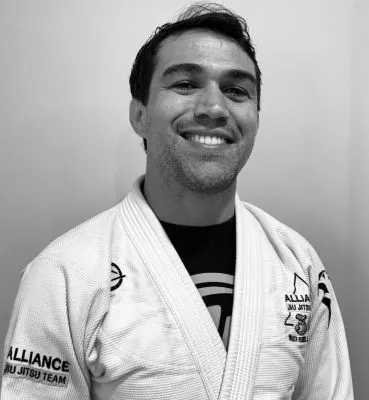
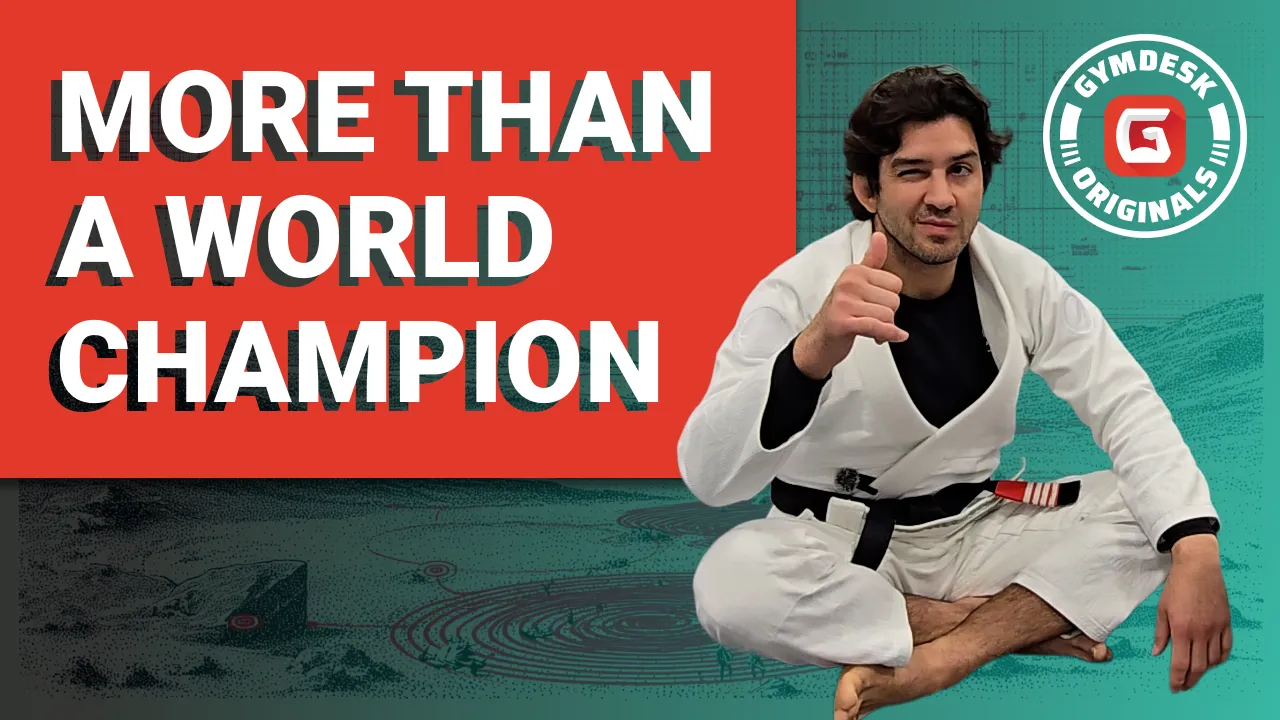
Frederico Silva is a 2nd degree Brazilian Jiu-Jitsu black belt and head instructor at Alliance Jiu-Jitsu Fort Mill, with an impressive competition record including Brazilian national champion, #1 IBJJF ranking at brown belt, and multiple Pan-Ams podium finishes. He moved from Brazil to the United States in 2015 to assist his cousin Lucas Lepri at Alliance Charlotte before opening the Fort Mill location, where his passion for teaching kids—especially ages 3-13—has become his primary mission, drawing from his own experience of how jiu-jitsu redirected his life as a troubled teenager in Brasília.
About the Gym
Alliance Jiu-Jitsu Fort Mill is a Brazilian Jiu-Jitsu academy in Fort Mill, South Carolina, led by head instructor Frederico Silva, a 2nd degree black belt under Lucas Lepri. The academy is part of the Alliance family and offers programs for all ages and skill levels, including Little Champions (ages 3-5), Junior Champions (ages 6-13+), and adult classes ranging from fundamentals to advanced training. Silva opened the Fort Mill location approximately three years ago after teaching most of the kids classes at Alliance Charlotte headquarters. The academy emphasizes the Alliance training methodology with a strong focus on youth development and character building.
Alliance Fort Mill welcomes students from complete beginners to experienced competitors, offering gi and no-gi training, competition classes, private lessons, and specialized programs like summer camps. The academy maintains a family-friendly atmosphere where kids learn discipline, respect, and confidence alongside technical jiu-jitsu skills. Silva's teaching philosophy centers on patience, long-term student development, and understanding that every student comes to the mat with different challenges and needs.
📍 1852 Highway 160, Suite 105, Fort Mill, SC 29708
📞 803-396-0325
Summary
This video tells the story of Alliance Jiu-Jitsu Fort Mill in South Carolina, where head instructor Frederico Silva has built a thriving kids program centered on patience and long-term thinking. Silva is a Brazilian national champion who ranked #1 at brown belt in his division and earned podium finishes at Pan-Ams as a black belt. The episode highlights how his own transformation from troubled teenager to elite competitor shaped his teaching philosophy.
The video shows Silva's approach to teaching kids ages 3-13, explaining how he splits classes by age and attention span rather than belt level. Silva shares his belief that building confidence and self-esteem comes before chasing grades or stripes, drawing from his experience using jiu-jitsu to redirect his own life at 16 years old in Brasília, Brazil.
What They Told Us
Alex Cuevas brought the Gymdesk Originals camera to Alliance Jiu-Jitsu Fort Mill, a South Carolina academy run by Fred Silva—a Brazilian national champion, a former top-ranked competitor, and first cousin to the legendary Lucas Lepri. But the conversation kept circling back to something other than medals. It kept returning to a troubled kid who found a way out on the mat, and now spends his days handing that same way out to other people's children.
The kid who couldn't sit still
Silva didn't come to jiu-jitsu as a natural. He came to it as an escape hatch. He grew up in Brazil struggling in school, unable to focus, drifting toward the wrong crowd because it was the only place he felt confident. When Alex asked how the sport fit into his life, Silva went straight back to that boy and named what he was carrying.
"Jujitsu was a great thing in my life because I always have a problem school, don't stay still, can over focus, always bad grades."
—Fred Silva, Head Instructor, Alliance Jiu-Jitsu Fort Mill
The friend who pulled him back
The turn came through a childhood friend—the same friend, Silva says, who used to get him into the most trouble. After a stretch away from training, that friend invited him to a newly opened academy nearby. Silva went, and never stopped. He is blunt about what that invitation actually amounted to.
"And then he was the one that invite me to go to the place that actually save my life, give me purpose, and give me a pursuit so I can get better."
—Fred Silva, Head Instructor, Alliance Jiu-Jitsu Fort Mill
Coming to America to build a life
Silva moved to the United States in 2015, after Lepri opened an academy in Charlotte and asked him to be assistant coach. He didn't know where Charlotte was on the map; he said yes anyway. It was never the American dream in a tourist sense—he told Alex he had never been a "Disney guy." It was about work, and about the chance to earn a visa, settle, and support the family he later brought over.
"I feel very privileged to be able to do what I choose to do and provide for my family, doing what I love to do."
—Fred Silva, Head Instructor, Alliance Jiu-Jitsu Fort Mill
Why he asks for the kids' class
Most instructors, Silva says, quietly try to hand the kids' class off to someone else. He asks for it instead. He splits the young students by age and attention span rather than by belt, and he measures the work not in stripes earned but in whether a child leaves the mat a little different than the one who walked in.
"I really enjoy teaching the kids and it's a, it's a passion of mine and it's just a good vibes and good energy, and I feel like I can make some difference on their life, and I hope I do."
—Fred Silva, Head Instructor, Alliance Jiu-Jitsu Fort Mill
Patience over the report card
Asked what he would want watching parents to hear, Silva—a father of three, including a new baby—turned the question toward the long game. He is wary of the pressure that treats one bad grade as a verdict, because he lived on the receiving end of it as a boy and it pushed him toward the trouble, not away from it. Build the relationship first, he argues, and the grades take care of themselves.
"think more like on building like a relationship of trust and confidence. I feel that the kids will benefit more in the long term."
—Fred Silva, Head Instructor, Alliance Jiu-Jitsu Fort Mill
What jiu-jitsu actually teaches
One story stuck with him from that very morning. A mother had asked Silva to teach her how to safely restrain her autistic daughter during aggressive episodes—a use for the art he had never once considered. It sent him back to first principles, to the thing he says separates jiu-jitsu from every striking sport, and the reason it can be gentle when it needs to be.
"that's the big difference in jujitsu philosophy. It's like the no aggression, right? You can be able to control someone, but you don't have actually to strike the person."
—Fred Silva, Head Instructor, Alliance Jiu-Jitsu Fort Mill
Read the full transcript
Lightly edited for readability. Speaker labels are omitted because the source recording is not diarised; quotes attributed elsewhere on this page were verified against context.
Behind every gym, there's a story, a mission, a spark of passion that started it all. This is Gymdesk Originals. Real owners, real struggles, and the communities they built from the ground up. What's up, everybody? I made it here to South Carolina. Excited today because we're going to check out Alliance Jiujitsu Academy Fort Mill by the legendary Lucas Lepri. So we're here at one of his locations in the North Carolina, South Carolina area, and can't wait to go check it out. Hey, Alex. How are you? Welcome to Alliance Fort Mill.
Okay. This is our academy. Welcome. Here we have our merchandise, you know, like so we can have some nice gear for our students. Here's Maria, our phone desk, you know, always help us out and greeting everyone. Okay, let's, let's, uh, when the students come in, we have the iPad set up over here of the Gymdesk program. You just have to type in your name or your code and ready to check into the, to the class and then make sure that you keep up close on your progress.
As you can see already here, I have a student today. He's going to get his stripes. So then, uh, we already know, like, what should you do, right? Just give information, make sure that makes it very easy for us and for the phone desk to communicate and like, make sure that the students don't miss their stripes. You know, that progress is very important for them, right? For us as well. Okay. Let's go over here. Let me show you the mat area now. Okay. We're going to have some, uh, students, uh, I mean, and then, uh, we have a kid's class now.
So let me show you the mats. So this is our mat space, you know, and, uh, the mat's a little bit elevated because they has like springs under. So when you go on top, you want to see that's a little bouncy, you know, so give it a little more comfortable for everyone. So like when you fall down, it helps you to absorb the impact. Okay. And this, uh, coach Matt getting ready as well, you know, and, uh, we have a few other coaches that help us out with the kids' class.
Hi, my name is Maria. I've been working with Lucas Leopardy and the team for almost three years now. And recently, I'm just transitioned to a bunch of that software. And I can say it's probably one of the best decisions within the academy that we've made because it's made the students' life and our life so much easier. Uh, the students now have access through their profiles. So their belts, you know, when they're graduating and all of that. And it just saves us some time and it saves them time from, you know, Oh, what do I need or whatnot.
Um, and personally, I use a lot of the marketing side. So, you know, reaching out to people, the leads and the, you know, following up with people, um, and just having everything in one place has been, um, like so much easier. So, you know, before we used to have 10 different pages and tabs open, whereas now everything is into one and I don't have to, you know, be looking around or whatnot. So I'm so thankful and grateful to be here. All right. I'm here at Alliance Jiu Jitsu Academy, Fort Mill by Lucas Sleppery, right in South Carolina, about 45 minutes from Charlotte.
Is that right? Yes. Yeah. 30 minutes, 40 minutes. Yeah. With traffic, it took me a lot longer, a lot of construction. Yeah. And I'm here with Fred Silva and, uh, he's the head instructor here. And, uh, I'm, thank you so much for having me. Appreciate you. Yeah. Of course. Thank you for calling. Yeah. It was a pleasure, you know, to have you here anytime you're in town and you guys in town to train, you guys always welcome. Thank you. Thank you so much. A beautiful, beautiful, uh, dojo here.
Um, love the mats real nice and bouncing. Yeah. The, this, the Springs mats make a huge difference, you know, and like it's really soft, you know, and like when you fall, it's, uh, just kind of fall in the clouds. Yeah. That's how I feel. That's a really extra, like a plus in our academy. Yeah. I was at, uh, Gabriel Galarts in San Fernando Valley in California. He had the same. Yeah. The same. Yeah. I didn't have the opportunity to be there yet, but looking forward to it.
Yeah. It's, it was really nice. Thanks again for having me. This is, this was a great class at a, um, this was, what was this advanced class that we did? This was the advanced class. Okay. Yes. Yeah. Um, certainly it felt like it, you know, I've been, I've been rolling now all over the country and in Canada and some, you know, um, good technique that I've learned that this was like, I feel like everyone does this to me, you know, as a white belt, uh, I'm trying to pass the guard, the legs catch me and, you know, X guard.
Uh, you know, uh, butterfly and all. Yeah. So this is like when you start, like, uh, searching through, but this is when you start like connecting one guard to the other guard. Yeah. You know, like, that's more kind of like how we work the advanced class, you know, like the beginning, we just. Just go like the basics and not so many connections. And then as we progress, start connecting more one guard to the other guard and not connecting the sweep to the pass, the submission, you know, and, uh, that's why this class was like, uh, and we'll be doing this for the whole week too.
Yeah. So the guys that are doing the class today, they would have the opportunity to work there since Monday and like repeating and just make it easier, you know? Yeah. Yeah. Yeah. For sure. So I'd love to get into, uh, your background. I guess, uh, you're originally from Brazil, right? Yes. Yes. I'm from Brazil, the capital of Brazil. Right. And, uh, grew up there like since, uh, I moved here to the States. Yeah. So born and raised there. And so, okay. So born and raised and, um, you're actually cousins with Lucas Lepri, right?
Yes. We are first cousins. So our mothers are sisters. Okay. So they're very tight. So we always, uh, we have a big family, lots of cousins and, uh, we're always traveling together. Traveling together to my grandfather's, uh, city, small city in Minas Gerais. Okay. And, uh, so all the cousins together, you know, like the total are 10, uh, 10 siblings. So like five daughters and five brothers that my grandfather had. Uh huh. So then like everyone has at least three children. Okay. So one, only one of my uncles, he's, uh, he doesn't have any kids.
He's, uh, the third, the church. So he's kind of like a priest. Okay. But all of the nine other ones, they have two or three. Okay. So a lot of cousins. Yeah. And so then, uh, how far did he live from you? Like six hours driving. Yeah. So you would meet somewhere else in between like a middle city. Yeah. So like my grandfather's city was kind of like the HUD. Okay. Everybody will be there, you know, for Christmas and stuff like that, you know, so all the celebrations, also some trips to the beach sometimes, you know, or they were going to my hometown because, uh, a lot of my uncles, they move to Brazil to study, to do university.
And then they graduate there, some stays, some moves. So I have a lot of family in Brazil. Okay. So like we do this, like connections a lot on Patos de Minas, which is the city that my grandfather used to live. Yeah. And Brazil. So we always like Brazil, Patos and Uberlandia, where is Lucas from? Okay. So like the family, uh, aside being like, uh, big, it's always super tight. So like they're very tight. So that's a, that's, that's great. Yeah. We always love that. And, um, you guys were, well, you guys were both independently doing jujitsu.
You know, I'm curious how that started at some point. Yes. So what happened is like, uh, like I say, like a lot of times, like we, I will go to his hometown. He'll go to my hometown. And then he, my brother, like closer on age. So there will be like skateboarding, you know, and I'll be like doing my thing. But, and then like, but you always tight, even though different age, his sister is about my age. So she's a year older. So like always his brother growing up, live with us, like doing college in Brazil too, live with us for a few years.
And so like our friend was always together, you know? Yeah. And, uh, one of the times I went to like one of these trips to his hometown. And, uh, I started seeing like Lucas was never there, you know, I was like, Hey, where's Lucas? Ah, he's traveling. He's in Sao Paulo. He was like, ah, he's doing a competition. And then I start seeing like medals on the wall. Yeah. Like as a like kid, I'm like about like four years younger than him. So I was like, ah, okay.
That's cool. Didn't have much notion. Ah, he's away. And then start like growing up and started understanding that. And then one of these times I went there and, uh, I was, uh, into martial arts. I was like 12 and I was doing Muay Thai and I was really into Muay Thai. Okay. You know, like training. I did like, uh, I had done already one competition, you know, one fight and I was really like it. I was trained hard, like every day and stuff. And when I went there, Lucas was just had got his, uh, brown belt and he was just start teaching.
Like, oh wow. And then, ah, let's train. And then like, I went there, put my gear on for the very first time. Train, uh, in Los Santiago, the academy, like his professor academy. Uh, lift weights for the first time, you know, first, uh, bench press. Yeah. It was with him. He always like, let's go, man. Put my weight. You know, like I was pushing. Yeah. And, uh, and then I went to the academy that he started teaching. Uh, and then I just get the chance to train jujitsu for the first time.
It's like, man, you gotta look for academy in your city. You know, I was like, oh man, look like Muay Thai and stuff. And then I was, then I have like this period of like a break, you know, and then I, uh, have a friend. They like, uh, Hey man, they just opened. And he used to train already. He has a blue belt. Hey man, just open academy, you know, like nearby. Let's go. Let's train. I was like, okay, let's go. I've done this already. So, and, uh, when they're training and, uh, never stopped, you know?
Yeah. So it was, uh, jujitsu was a great, uh, thing in my life because I always like have a problem school, like, uh, don't stay still, you know, like can over focus, you know, like always bad grades. And these start become like, uh, like a snowball, like off, like low self-esteem, you know, and start like trying to do things that you shouldn't be doing because you want to feel confident. You want to feel powerful, you know, just hang out with the wrong crew and, uh, stuff like that.
And my father always pushed me and, uh, saying like, Hey man, like, welcome back to the sport. Welcome back to the sport because he knew it. Like I like to train in, uh, everything I did since young, I always want to compete. I always want to like be good. You know, like not just like try to be good. That's like someone else, but I always want to be to it. If I'm doing it. So I will play a futsal, like indoor soccer. I want to be in the team.
I want to beat, you know? And, uh, if I'm doing swimming, like when I'm not, I want to go and compete. I did judo when I was little and then we did go into the competitions, you know? So I always have this like a goal. I want to do something, but I want to have a goal, you know? And, uh, and my father knew that. And then like, that's kind of like for young age, that's important. You have a goal. Cause if you don't like you just lost and then you choose any path.
That was kind of like what happening, you know? So jujitsu was like a, like important, uh, role in my life in that sense. And this guy, they invite me. We grew up together. We went to kindergarten together. Our families of, uh, tight, you know, they know each other. We grew up together in the same neighborhood. And, uh, he was the friend that most like get me in trouble. You know, like get in trouble every time together, you know? And then he was the one that invite me to go to the place that actually like save, you know, like my life, you know, like give me, uh, purpose, you know, and like give me a pursuit so I can get better.
So that's when I start training, I went back and then, uh, I went back to Uberlandia. Like as a green belt. And then I trained with Lucas a little bit, you know, for like a vocation. Then I came back. I came back and then soon after that, he moved to New York. And then, uh, that was like when he got his black belt and then he won the CBJJE. It's like the Federation in Brazil words. And then he won the words as a black belt in California, you know?
And then like, he started like, uh, move through us. And then like, I never trained much like, uh, like, uh, actually like be his students, you know? So I trained many years, you know, and, uh, without like just separate paths, kind of, but I was connected, you know, I was talking, you know, like chat or messenger and stuff like that, like back in the time. Yeah. And, uh, that's kind of like how it goes until I moved here. Does that make sense? Yes. I don't know if I escaped too much.
No, no, no. This is so you're, he is, he moves away. You're continuing to train and do your thing, but you're still training, right? Independently. Independently. Yeah. Um, did you feel any way when he moved or you weren't, you weren't like doing too many things? Did you feel like, oh man, he left? No, because, uh, I always did my thing, you know, even though I'll go, okay. Like vacation time, I go there, train, you know, and, uh, just like we'll do when I was a kid.
Yeah. But, uh, same thing. But now we have this like thing in common, you know, like I was teaching classes. I'll go, uh, to his class and we'll train with his students, you know, and stuff like that. Okay. Um, so when you, when did you start again? What age were you? So I was 16. Okay. Now to turn, uh, 17 was around like March, 2006. Okay. And what age or pretty quickly did you realize Jiu Jitsu is my path towards, you know, the right path, you know?
Yes. So it was like about when I turned, like when I got my blue belt, like when I was in the end I was in the end of the end of the year. Yeah. Um, because like, uh, back in the time they used to give the green belt for adults, they still do some, some of that, but not so much because I've GJF systems are better. Even I was 17. So technically I could be, uh, green belt ish. But when I was about to get my blue belt and then I see the guys that start competing, like the guys from my academy, they're from, uh, like a very competitive lineage to, you know, so where I used to train and, uh, I see the guys going to compete the South Americans.
Like, man, I want to go, you know, like the guys like, uh, but I didn't know like, wow, you gotta do your CBJJ color. You gotta, you know, like, how do you know how to plan? And then, uh, that was November. And then I got my blue belt in December. And then for the next year I got this goal, like, man, I want to go to the nationals to compete in Rio. Yeah. So I set this goal. And then I started like competing. Um, I was already competing in the local terms.
Like with three months of training, I was ready going to a competition. There's a white belt, you know, with like a Muay Thai stance and everybody make fun of me. I'm going to like punch the guy. Yeah. But, uh, and then I set this goal and I start like my professors there. Like they pushed me really hard. Like my father would go on the train and like after talking to the professor. You know, like, Hey, like how he's doing is to hang out with those guys.
You know, like, and they really give me like this, uh, great support in the academy. Yeah. And he was always pushing me. Like, uh, I start training three times a week. And it's like, man, like you gotta train every day. It's like, man, like this guy every day, like, okay, I'm not doing anything, you know? Yeah. And then, okay. I go every day. And then like, man, I've got to train twice a day. It's like, man, like twice a day. Okay. I go twice a day, you know?
And then like, no, man, I'll, and then I did one competition. Lucas, uh, was actually in my, because he was in my hometown. Cause he used to do some competitions there too. Okay. Yeah. So like, they invite him to go there, like, uh, to fight like the open weight and like, have a cash prize. So, uh, Cabrinha was there before, you know, uh, what was the other guy that was there too? Uh, Andre Galvon was there too. Back in the days, you know, and, uh, like the hotel theater, be there like competing.
Like so many other good guys went there because they do this like cash prize. So you go stay in my home and like all the guys will come like, uh, Gabriel this time. He wasn't, I think he was injured, but Tiago Rocha, another friend from the hometown. He will stay at my house and I will take them to the venue. I didn't train, but you know, like, uh, at this time. And then later on, I start train. And then on this competition, I lost. It was just like, uh, it was just true.
Like weak, too skinny, you know? And the guy just kind of overwhelmed me. I got like, oh man. I started crying. You know, like leave the venue. Do like big scene. And look, cause I was very calm. Oh man. Calm down. You know, like, it's part of the sport, man. You're going to lose. You're going to win, you know? Yeah. And then like, I came back and my brother said, man, I got to work out, man. I got to get stronger. I was like, man, I want to train every day.
Like, I got to work out too. And the guys, my academy gave me like a good support. You know, like, uh, there is a guy that owns a gym and he like, no, man, I sponsor you. You know, he's a, he's a trainer. So he write down a program for me. I work out every day, train every day. Then I start doing, uh, college. And so I would go in the mornings to college and work out the other day. The rest of the day, two times and do the lifting and like this nonstop.
And also that was, uh, that was really good. But I was having like the, like what I took for Lucas, you know what I mean? Like, because I see how he does. He searches the path. Exactly. So I see like how he does. I was like, Oh, okay. Like the guys on my academy will tell me to do. And I see what they tell me to do. It's kind of like what he does. It was kind of like what he does. So I was like, these guys are not crazy.
You know what I mean? Yeah. Like, so I kind of like make sense. So I was like, okay, okay, let's go. Let's do it. And I just enjoy, you know, like, I enjoy the grind. I enjoy like, uh, being active, being like with the pearls, like with the pursuit, you know, and, uh, just developing, you know, like, and stay away from trouble, you know, and like growing as a human being. Yeah. And so you were able to, uh, focus the energy, the erratic field through jujitsu.
Exactly. And then you're in college now and you're able to focus and be successful there. Yes. That's, that's pretty cool. Yeah. So it was kind of like the, it's kind of like, just give me a direction, you know, like kind of redirects all this and could kind of find my way. Yeah. And, um, uh, you had a pretty impressive, uh, competition, um, you know, history as well. Right. You've, uh, you've won. We'll have to have the editor show, uh, all the competitions that you've won in, but there's been several, right?
Yeah. Yeah. I, uh, I did pretty good. Like on the, uh, on my, on the opens around the States, you know, and, uh, in the color belts, uh, I got huge place, like good, good competitions in the blue belt. I won the Brazilian nationals, the Brazileiros, you know, uh, in the purple belt. Yeah. I place, uh, on the Pan Ams no gear and, uh, a third and, uh, the brown belt. I reach, uh, the number one, like on the IBJF rank as a brown belt, lightweight.
So I won the Brazilian nationals no gear. They like to turn that no words no gear. Pan Ams no gear to third as well. American nationals. I took second. So it was like, I was there, you know, like competing in the black belt. Uh, what, what's like my career guide me was more like through the no gear path. Okay. Even though it was not like a thing that like, I would say like, oh man, like I love no gear. No, I'm a no gear guy. I don't know.
I just felt like I compete on both. And then sometimes more like the no gear kind of was more lucky. Yeah. You know what I mean? Okay. That worked out well. And, uh, my first year as a black belt, I took second at, uh, Pan Ams no gear and third the year follow. That was like, uh, like good, good achievements as a black belt. And with the, in the adult level and like in the pandemic, it kind of breaking like the, my adult career too. So like, uh, I compete in the adult, like for like two or three years.
And then the pandemic hit it. And then like kind of life gotten away, goals change, you know, and stuff like that. But I still love competing. I do it as much as I can. Oh, so you still compete now if you can, if you can get some time. Yeah. I focus more like doing the master words. That's the one. I like this one. I do Vegas. Vegas. Okay. And, uh, any other ones I can go, I go, you know, like, uh, like the Pan Ams and words are the main goals.
Uh, but we have open here in Charlotte. So I kind of like, I don't have an excuse, you know, to don't go. Yeah. So I like to compete. So it's like, right. Like I don't have a travel, you know, like it can just be here. Yeah. So I like that one. Yeah. I'd love to know the story about, um, how you ended up here. Like, what does that look like? Yeah. So like me, like I said, like me and Lucas, we always stay connected. Right. And, uh, I was spending some time in Austin, uh, back when Austin, like, didn't have any Jiu Jitsu at all.
Like, uh, 2014 is, uh, so like Jiu Jitsu, that was like a game because there is Jiu Jitsu there, but not as it is right now. Right. There was Jiu Jitsu, but you know, like right now, it feels like it's the, it is everywhere. Yeah. American capital of Jiu Jitsu now. Right. Yeah. And, uh, I was there and then, uh, I flew to Lucas was teaching Atlanta and the headquarters with, uh, Jacare. He was the head coach there. And, uh, it was Gabriel there at this time.
No, no. Gabriel wasn't there. Gabriel was in California, if I'm not mistaken. Okay. I thought he was in Atlanta for a little while, but yeah, I don't know exactly. Okay. Anyway. Yeah. Uh, and then that's just like, Hey, look, I'm opening an academy in Charlotte and I would love you to be my assistant coach there. And it was like, yeah, let's go. I was like, I didn't even know where it's Charles on the map. Okay. Let's go. Yeah. I know, man. Take your time. Think about it.
I was like, no, man, I'm down. Yeah. You know, because I was like in Austin and, uh, like, uh, my intentions were not meeting with the, uh, the gym owner there, you know, like, and, uh, and have the opportunity to have like, uh, visa applied, you know, like can be here like legally and like following all this process is something huge. So I was just like, man, I don't care where it is, man. I'm just, I'm down, you know? Yeah. And then the first time I be in Charlotte was just like flying to Austin, Charlotte in Atlanta.
And it was like, yeah, I went to the airport. The airport was nice. Yeah. I didn't care. Like, I just care about like working and, uh, provide for my family. So I have the opportunity to be here, like settle a life, you know, like actually, and live this dream, right? Uh, I feel very privileged to be able to do what I choose to do and provide for my family, doing what I love to do. So that's how we, how it happens. So I went back to Brazil, apply, wait a little period before like the visa got approved and then just flew, stay here.
And then I stay here. I got here in 2015 and then, uh, my wife and the kids, they moved 2017. So I stayed two years by myself and my family in Brazil and then I'm getting situated before they, we rejoined here. So. Yeah. As a guy who is in Brazil and how you think about going to the U S and is that, I mean, why, why, I mean, besides Lucas, right. But when you think about us, I mean, there's jujitsu everywhere now. You see it in Europe.
Yeah. You know, do you, did you have your heart set on the U S and you just wanted to experience that or. No, to be honest, uh, I never be like a Disney guy, you know, like when we're growing up with a kid, man, I want to go to the Disney. Yeah. That was never like my thing. I was just more on the career pursuit. Yeah. Uh, at that time, jujitsu was not as spread like it is nowadays. And, uh, like the opportunities were more here.
So it was like the opportunities here. And like, that's what I want to go. You know, like they here in the States, they get a really value for what we're offering. So I just, that was the opportunity, you know? Yeah. I think about that, especially when I was, you know, pulling up, this is a very nice, you know, strip mall. Yeah. Chipotle is over here, right? Yeah. Five guys. I mean, and then you guys are here. Yeah. There's obviously a demand for jujitsu and your skill and what you bring here, uh, highly regarded, you know, it seems like in, you know, just kind of segue into the class.
There was a lot of kids here earlier. Yeah. Yeah. Yeah. And you split it into two. Is that what I saw? Yes. Uh, so that's, uh, that's my passion. I would say like, I love teach the teach jujitsu in general, you know, but I love the teach the kids class. Yeah. That, uh, it's one thing that, uh, I don't see much, to be honest. I have a lot of friends that teach and like, everyone's kind of like trying to give the kids class to someone else.
Yeah. You know, like, uh, I really enjoy teaching the kids and, uh, it's a, it's a passion of mine and, uh, it's just a good vibes and good energy, you know, and I feel like, uh, I can make some difference on their life, you know, and, uh, I hope I do. And it's just fun. They're having fun. I'm having fun, you know? And, uh, I feel like there is a good communication and they enjoy the class. They have fun, learn a new skill. And it's just, uh, I feel good.
Yeah. It's just something I'm happy about it, you know? Yeah. Do you feel, um, a connection to your own like journey and how you had, you know, jujitsu kind of put you on the straight and do you use some of that energy you think and how you're influencing the children here that are in your school? Yes. Like, uh, like before I didn't have this kind of idea, you know, before, like I was, it's like I say, like, I never like dream being in the States or like, uh, I want to work, you know, like kind of, uh, I'm not very like, uh, planning, like strategic and like step-by-step, like kind of everything went happening, like with the flow.
Now they, I can see like a lot of parents like start coming at me and like, Hey man, like you really like have a good influence on my kids. I don't have any idea what I've done. You know? And I was like, Oh man. It's a straight line bar. You know what I mean? Like, yeah. So like talking with my wife, you know, like, and, uh, start opening more my eyes like this, you know, like we'd never know what people are going through. You know what I mean?
So I know like the kids are going through some stuff, the parents, you know, like everyone. So when someone stepped on the mat and, uh, you don't know what's happening. So maybe that time is like their time to kind of decompress a little bit, you know, maybe you say something to the kid that he was needing to listen. And that kind of like takes him away from like something that you don't, you don't have an idea. You know what I mean? So like, uh, now they, I feel like that happens.
I know that happens. I don't know exactly how or when they're like, I know it's a, it happens like some influence, you know? So when I'm teaching, I just try to bring like this good thoughts, good influence, kind of like a positive kind of mindset to, just to be open to help, you know, and, uh, just put in God's hand and, uh, hopefully make me his, uh, instrument, you know, to bring some goodness. Yeah. And have you, do you have any stories that stand out to you of a child that has changed in a positive way or anything like that?
Yeah, man. Like, uh, after so many years, it's kind of like, there's many stories and many like forgotten ones. So I can say one, like more like recently, like we have two brothers and then, uh, man, they're like a nightmare. You know what I mean? Like you're just crazy. Like they will be like jumping on this seats and run around and like, you talk to them. Hey, look, you know, uh, you cannot be run. Uh, you cannot be run. And then like putting them on the side, talking and then like talk to the parents.
And like one of the kids were there in the three and five years old kids class. Okay. So they're little, you know, like the youngest one. I was like, Oh, I talk to the parents. I was like, man, like, uh, like, man, he cannot be doing this. Can I be running? Can I be doing like, you know? And the parent, the father say like, Oh, but he's, he's young. You know, he's little, blah, blah, blah. I was like, yeah, but you gotta start discipline. Then like since young age, you know, and stuff like that.
And like, you know, we have the behavior stripes, discipline, dedication, friendship, and academics. And I'm trying to explain him like best way I could. And I try to make myself understand before his age. And he would like talk, talk, and I give examples, making analogies. And he's like, okay, but we'll get my stripe today. I was like, I was just telling you, like, you're not going to get your stripe. Cause man, you don't behave. I cannot give it to you. You know what I mean? And, uh, and then we changed the schedule a little bit.
And this young one was away. And the other kid, the problem was like, he don't, he don't want to be here. Like he didn't want to be here. He would do everything for me to kick him out of the glass. He'd be like being lazy. Yeah. And a bad partner. I could talk, talk. And then I was like talking with the parents and, uh, I would talk to the parents. I was like, Hey, look, uh, what, like what I can do, like what I can do to my home.
Because like, I'm talking to them, like to him and he's not understanding. And like, man, uh, anything you guys suggest, you know, and, uh, and, uh, the mother, like, and I felt like because of the way that the father talks before of the baby, you know, I thought he was like, Hey, just spoiling the kids. They're just like baby. They're just like baby, the kids, you know, talk to the mom. And the mom was like, no, like you can be tough with him. He's just, he's just one of you to kick him out of the class because he wants to quit.
And I told him there was no quitting. You're going to be here. Like until like, you know, you get your black belt, you're not quitting. So you can be tough with him, like make him do pushups, you know, get him ground and stuff. Yeah. And I was like, dang, like I was completely like off, you know, like I thought they like how baby them and stuff. And then, uh, I didn't need to be like really tough on them, but it's, uh, maybe I, like you say, I kind of see myself on them.
So, uh, I tend to like the troublemaker ones. So he's like, he's a good friend, I can say, you know, so it's cool, you know, like, and, uh, and then like these behaviors just start like changing and, uh, just talking and kind of like, you see, man, you can do it. Like kind of stimulating more. He has like confidence and sure, because he's actually good in jujitsu. You know what I mean? Like, even though he was like playing lazy and some days he'll, he'll actually look up and do something, you know, he's like, you see, you know, man, what to do.
Like, yeah, you know, just do it, you know, like you can do it, blah, blah, blah. And then now they like, uh, one of these days, Lucas came, uh, teach the class over here with me. He was like, man, like what happened to them? Like they like changing, man. Like they're, they got way better. You know, I was like, yeah, like he was like, uh, water to wine, like, yeah, quickly shift. You know what I mean? And so like, yeah, see that it makes me very, very happy, you know?
And, uh, I have all the kid that, uh, he trained with us like for about two, two years and a half. And he's getting aged now is, uh, he can start doing wrestling. So he gave a break too, because his father wrestled. So he wants to wrestle too. And he was, uh, like last day he was crying because he was going to miss. And, uh, it wasn't making me almost cry in class too. So I was like, man, that's a, that's a, like, you get, I get a lot attached to them.
And, you know, I know that like students come and go, goals change and, you know, and stuff like that, but doors always open. Yeah. So, yeah. I mean, I would imagine a kid like that's going to remember you even when he was like 25. Yeah. He's going to always remember you know? Yeah. That's a, that's good. You know, like if, uh, if I can have like a good impact, you know? Yeah. That makes me like, that's very rewarding for me. Yeah. Like, uh, I teach in the HQ for many years.
Right. And then, uh, we had, I taught like most of the, like most of the kids class there until I moved to, we opened this location. Yeah. So we have kids. They're like, my kids class now, like teaching kids. Oh wow. They're now like as a blue belts, like the teenagers, you know, like teaching. That's cool. Yeah. You'll see them. Like when you go there, like, uh, they're blue belts. It's helping the kids class and stuff. And like, I have pictures with them. They're like, ah, like they're white belts, like nine years old.
You know? Yeah. So that's pretty cool. Yeah. That's a, that's amazing. That means I'm getting old too. How are we all, man? Yeah. I feel that. Yeah. But it feels good, you know, to see like the little seeds you're planting and like getting like, uh, multiplying, you know, like getting fruits, you know, getting fruits. Yeah. That's very rewarding. Yeah. And so, um, what any, any, you know, future plans that you guys have here for this particular location and what you guys are working on? Or? So we like, uh, this location here is like, uh, Lucas, like I was taught like off expanding so we can better serve the community, you know?
And like when he moved towards this way. So like we can be here and the plans is just to offer more classes and then inviting the community to be around and, uh, trying out the benefits of the Jiu Jitsu can bring, you know, like for my self experience, he brought me everything. So he gave me everything I have and I'm sure like everyone can benefit from, you know, one A or the other depends. It doesn't matter the goal, maybe just get more like in the crew, you know, like more friendship, get in shape, learn a new skill, you know, like learn how to defend yourself.
Uh, this morning, like, uh, for the first time, that was pretty cool. Uh, a mother reached out for me yesterday that, uh, she had, uh, she has a daughter. She is, uh, autistic level three and she's getting big and her, like the mom, like she's tiny. And she was like, look, uh, no, that's kind of sounds weird, but I want to learn how to control my daughter, you know, because like sometimes she gets aggressive and she tries to scratch us or, you know, like she has those, uh, angry attacks.
And, uh, like you can, like jujitsu can, you can benefit from jujitsu for so many different ways. You know what I mean? Like even like this way that, uh, I never like thought about, I was like, no, yeah, for sure. I did actually this class this morning and, uh, she was showing me last. She does this. And then I went to the basics of jujitsu, you know, how to fall, how to base. And then like learning how to control the person, like without having to hurt the person.
Right. Because that's the big difference in jujitsu philosophy. It's like the no aggression, right? You can be able to control someone, but you don't have actually like to strike the person. Right. And, uh, you can be gentle. Right. Right. If you want to. Yes. If you don't, I know it can be pretty rough, but you can actually be gentle and like, just kind of like how to beat the hands down, how to like hold, how to bring the person down easy and control, like someone like out of control, you know?
So that's a, that's pretty cool. And, uh, that's what we're looking to do here. You know, like everyone can benefit, you know, if you, uh, you know, you can, uh, work in the office, just want to get out, you know, like you work from home the whole day, get out, get in the crew, you know, like chat a little bit, make some sweat, get in a better shape, uh, make friends, connections, or you want to be like a high level competitor, you know, like there is a space for everyone.
Yeah. Um, well, I know there's a lot of parents who wanted to watch this video and, uh, I'm just curious, anything you think that would be interesting for them to know about you, your background, you know, what drives you, that kind of thing. Yeah. So like, uh, what about my background? Yeah, man. So, or like what inspires you or like, you shared so many good things already, but yeah, maybe I missed something. Let me like talk about like the relationship between like kids and parents, what I can say like off my perspective, being a kid and a parent.
Yeah. So it's kind of like, uh, like be patient with the kids, you know, like I know sometimes like as parents, we get caught up like a lot in life and views and like trouble. So, and the kids sometimes like are not acting the way we're expecting, you know, and that brings a lot of frustration. So just be patient with the kids, you know, and, uh, think about the long, long term of like education, not just kind of like, uh, win or lose or like, you gotta be A, no B, you know, like you gotta get this, uh, assessment like right now.
Like you gotta do this homework right now because you cannot miss one homework. But like, think more like on building like a relationship of like trust and confidence. I feel that, uh, the kids will benefit more in the long term. They like just stress, like break the relationship because of like one homework that was not done. You know what I mean? Or because he took a C, you know, or he didn't follow to your expectation because the kids look up to us a lot. And so like that, uh, kind of like disappointment, kind of like feeling.
Yeah. The shame. The shame. Exactly. And, uh, like for me, I never be good on school. So that for me, it was like, uh, like a very painful age, like, uh, like since young age. Yeah. And that's, that's what leads me for so much trouble as a teenager. Right. You know what I mean? So like, I feel like the school system nowadays, they're not be very helpful on looking to the human being side of a person's more kind of like getting ready to get a job.
Right. And pay your bills. And, uh, I think life doesn't need to be only that. That's part of it, you know? Uh, but it's not only that, you know? So if the human beings, well, you know, like have like, uh, well, mental health, everything else is going to fall in place. But if you reversed, think about what the person is going to become what the person it is, you know? Yeah. So that's, that's getting the, that's getting away. Like a few more, like, uh, look to steam the self.
So you build the self so you can steam that. Mm-hmm. So that's gross. Right. And with that, like, uh, I feel like you have a better chance of being like, uh, successful whatever you do. You know what I mean? I'm sure that confident with that, uh, feeling of trust, importance, whatever path the kid goes through even it's a non so conventional one, like a jujitsu instructor. Right. You can be successful too, you know? So, uh, I say that because I was like on that path and they like, that gets me a lot of trouble in, uh, as a teenager, you just to kind of like help me to navigate through those, those troubles.
But that's, that's like what I feel like, you know, like this to think of like the long term. Yeah. Yeah. I think, you know, I'm, as a father too, I get what you're saying because I think when you see your child do something not supposed to do, or they didn't do as well as they could, or they got a bad grade, um, anger comes out, but underneath the anger is actually fear because you want them to have a good life. Right. And then sometimes the anger, um, will turn into shame for the kid because they feel like they disappointed their role model.
Right. And there's that feeling of like, you know, sadness or whatever you're talking about here that the kid will feel much more. So yeah, no, it's a, it's a good lesson for us as parents. We forget because we're stressed with things going on. There's bills, like you said. Yeah. Yeah. I have a, we had kids very young. So, and then we just had a baby now. Okay. So she's a year old, she's a year and five. So I have, I could have this kind of true times of my life, you know?
So I know like, uh, with that now, like I can kind of look back and kind of understand more and, uh, still have, uh, my oldest son, he's already 19. So he's already like, uh, living it up, you know, like, already move out and like working and, uh, living his life, you know? And, uh, we still have a 16 years old at house and then I'm like learning a lot, being a little bit more mature now and like having the baby and kind of like. So you have three kids?
Yes. Three kids. 19? 19, 16 and a year and five months. Wow. There you go. We start all over. Start all over. Yeah. I have a gap too. So my oldest brother is 11 years older than me and my other brother's 10 years older than me. So I basically grew up like an older child. Oh man. Yeah. So your kids are? Uh, so my kids, I also started late in life with kids. I have an eight year old and a three year old. Three year old.
Yeah. And I'm almost 50. So. You don't look like that. You look young. Thank you, man. Yeah. It was like, you live such and such years in this place. And then such and such. Yeah. Yeah. Yeah. Yeah. And that's, that's good. Man. Like, uh, have this like history, like growing up and then I can look back and see like on the kids. So like, I try not to commit the mistakes that my professors like had on me on them. Yeah. Kind of balance out being like strict, but at the same time, not being like so strict in the way that you want to like make the person embarrassed.
Yeah. Right. Stuff like that. Yeah. No, that makes sense, man. Uh, that's, uh, that's a beautiful story. So thank you for sharing. Yeah. Yeah. Uh, maybe we just talk about, you know, Jim best. Now you've been with us now for a while, like beginning of the year, I think. Beginning of the year. Yes. How's been the experience? Man. Like as any transition, it can be a little bit challenging right at the beginning, but, uh, it was very, uh, smooth, you know, it was very smooth. And, uh, Maya took care of that part and, uh, she transferred all the data, like from the system we were working before the Gymdesk.
And, uh, it was great because it used to have like, uh, physical cards and then you have every day to collect the cards, mark the cards. Yeah. And then you go give back and then like got to put in the system. So these like cut a lot of work, you know what I mean? Like they can, like, if you're thinking about like off changing, like, man, I'm already used to that, you know, like so easy. I'm going to have all this work, you know, too. But it is worth it, you know, because any like change, it can be a little bit difficult, a little bit challenging in the beginning, but it's for better, you know, like to make your life easier after.
So, right now we really enjoy, like we put the iPad and the entry, you know, like the students come, put their name, sign in for the class. They can sign through their own app. So they don't have to stop. And so we can do that. They can schedule like private classes through it. And, uh, so like make this connection, the front desk to the mats super easy. The students too, they can see when they like how the progress are, because before with the cars, they have to go here.
And it was funny, you'll see like the students and the kids like counting how many days they have, you know, like, so now they just look, ah, okay. 12 to 18, 17. Okay. That's how many days. Yeah. I have to get my stripe. Okay. I have these, these striping shows on the app. Um, so it makes like a very easy. And, uh, the way you can communicate with the students too, like sending text messages, sending emails is just everything easier. And then like that brings more, uh, closeness to the students.
So to the clients. So if you like more like tight, you know, like more person participants. Yeah. The environment. Yeah. More of a little community where you guys, uh, like everybody's more like linked up. So it was, uh, being like doing very good so far. Yeah. Great. Well, we're grateful for your business and emails for everything. Yeah. Yeah. Yeah. Thank you for doing that too. You know, like we really appreciate it. We're very excited. I was like, oh man. Like shave my beard. Yeah. Make sure I'm looking sharp.
Yeah. Yeah. That's great guys. Yeah. Thanks so much. Okay. Very good to have you guys. Very nice to meet you. Pleasure, sir. Uh, forward. Yeah. Do you want to say anything in Portuguese for, uh, any of your friends out there? Yeah. - Get up. - That's nice. - Thank you.