What It Takes to Grow a Strong Jiu-Jitsu Community | The Academia BJJ Story

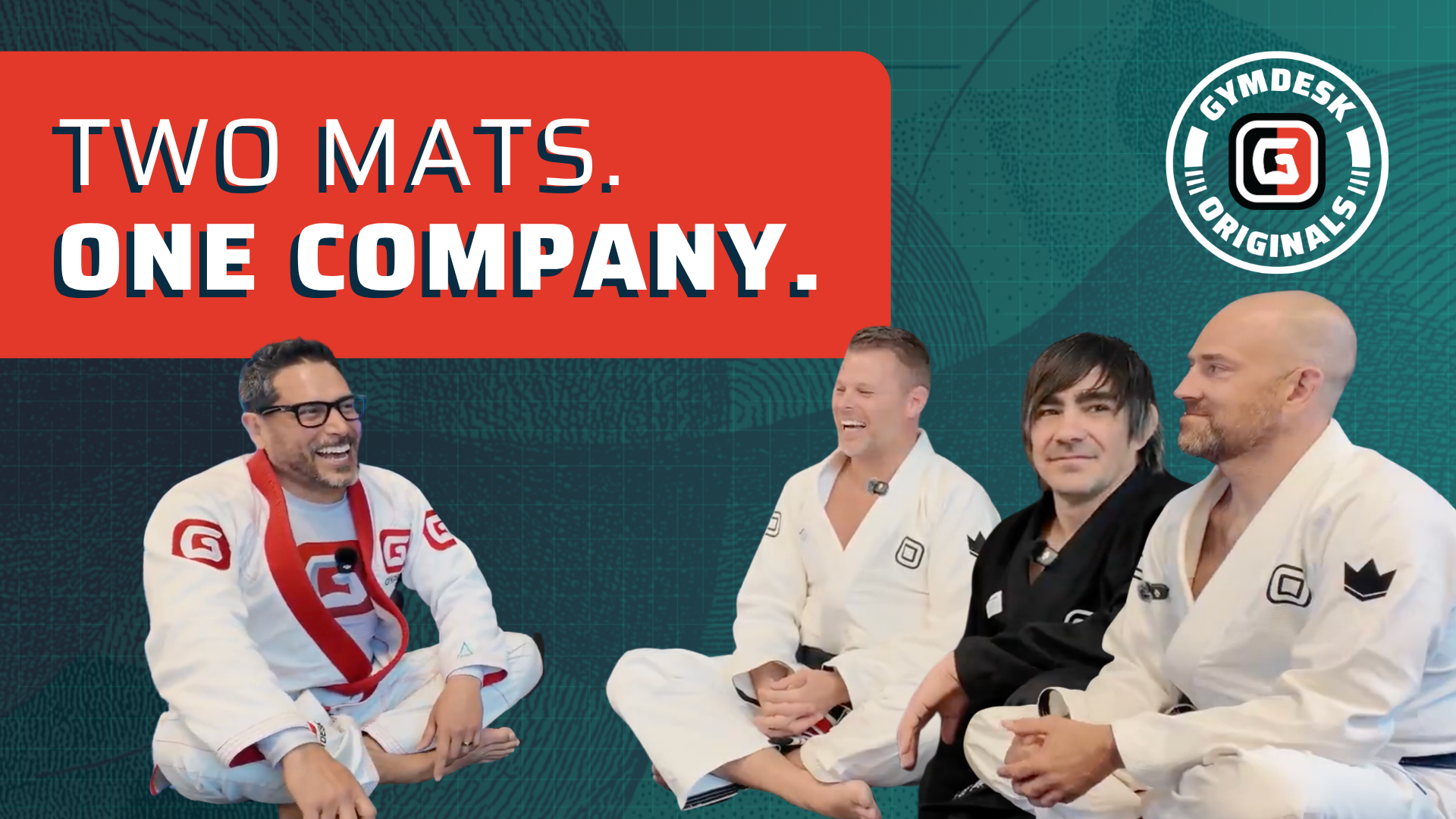
Starring
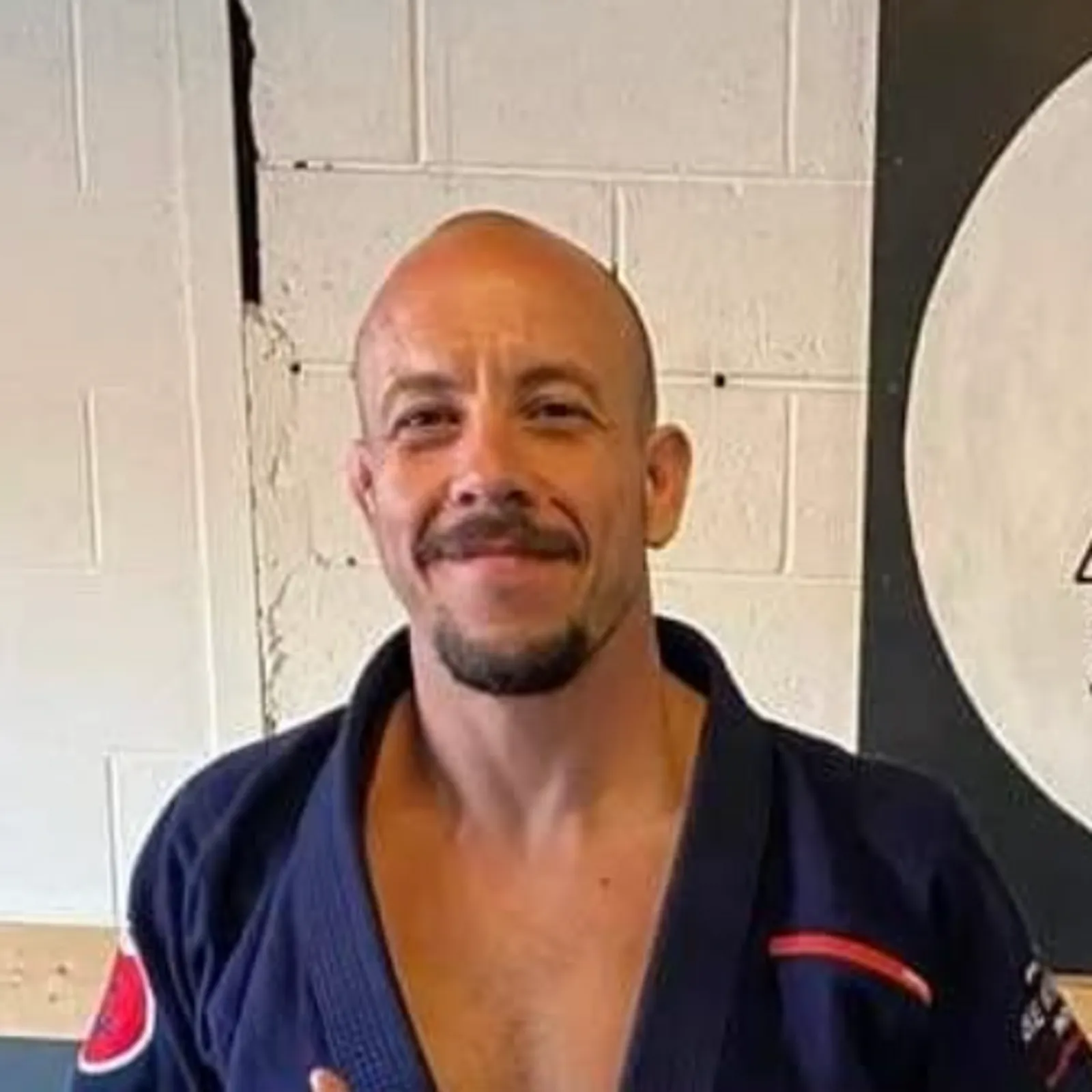
Steve Camara is a lifelong martial artist who began his journey in Brazilian Jiu Jitsu in 2005, inspired by the UFC and initially interested in fighting before discovering a passion for the art of Jiu Jitsu.
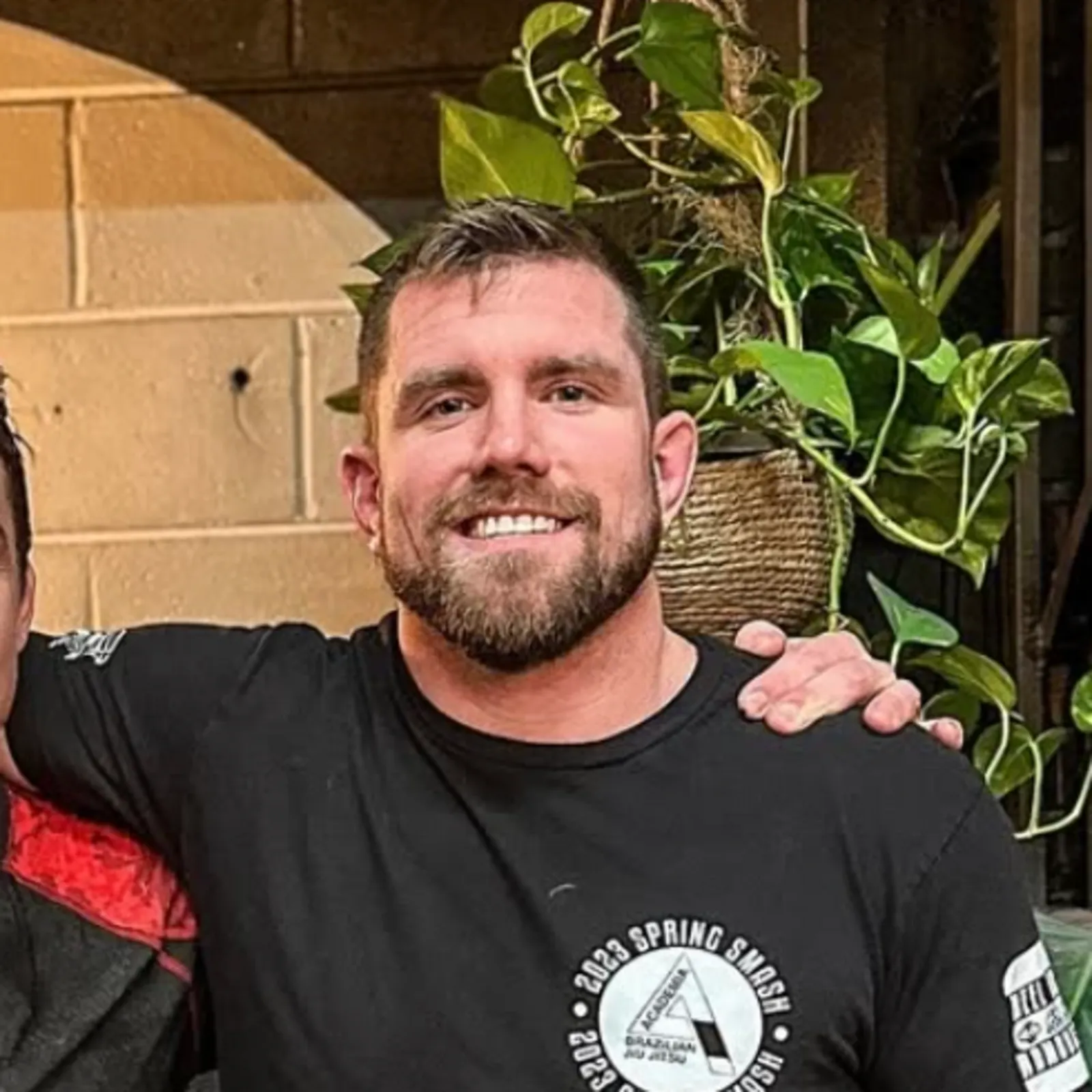
Jeff Wellwood is a Brazilian Jiu-Jitsu practitioner with over 15 years of experience, including training in kickboxing, Thai boxing, and self-defense. He began his martial arts journey after being inspired by the UFC,
About the Gym
Academia BJJ in Beamsville, Canada, is more than just a place to learn Brazilian Jiu-Jitsu—it's a vibrant, welcoming community built on the values of fun, connection, and personal growth. Led by passionate coaches who emphasize intention, creativity, and productivity, Academia BJJ offers classes for adults and kids alike, blending high-level technical instruction with a strong focus on camaraderie and support.
Whether you’re looking to get in shape, acquire self-defense skills, challenge yourself, or simply find an authentic group of new friends, Academia BJJ creates an environment where everyone—from complete beginners to experienced practitioners—feels safe and inspired to grow. The gym’s culture of trust and respect, paired with its inclusive energy and memorable social events, makes it an ideal place for anyone seeking both world-class Jiu-Jitsu and genuine human connection.
📍4696 Christie Dr Unit #1, Beamsville, ON L0R 1B5, Canada
📞 +1 905 730 5945
Summary
In this episode, Gymdesk CEO Alex Cuevas visits Academia BJJ in Beamsville, Canada, to discover what makes this gym’s community so vibrant and welcoming. He sits down with owners Steve Camara and Jeff Wellwood, who share their origin stories, how martial arts shaped their lives, and the intentional choices behind the gym’s warm, inclusive atmosphere. From the moment Alex enters, he’s greeted by a palpable energy, friendly faces, and an environment designed to make members feel at home.
In this episode, you’ll learn how Steve Camara and Jeff Wellwood believe that the “secret sauce” to building a strong jiu-jitsu community is fostering trust, vulnerability, and genuine friendships. They discuss the importance of creating fun and memorable experiences both on and off the mats, and how the sport’s challenges—like being humbled by a younger, smaller opponent—help break down egos and connect people from all walks of life. The hosts emphasize that their focus isn’t just on producing world-class competitors but on sustainable jiu-jitsu for everyone, where emotional connection and personal growth take center stage.
This episode also highlights how Academia BJJ uses Gymdesk to streamline admin work—giving the owners and staff more time to focus on their core mission of community-building. Steve Camara and Jeff Wellwood explain how Gymdesk’s features support visitor tracking, communication, and event follow-ups, helping them nurture relationships and keep the gym’s vibe personal, even as their membership grows. The conversation wraps up with insights into fostering meaningful culture, maintaining high energy, and making jiu-jitsu accessible for newcomers, all supported by the efficiencies and growth that Gymdesk provides.
What They Told Us
Alex Cuevas brought the Gymdesk Originals camera to Academia BJJ in Beamsville, Ontario, a gym co-founded by Steve Camara and Jeff Wellwood. The two met as color belts, drilling together for an hour at lunch until they opened a place of their own. Across an hour on the mats, they kept circling one idea—that the jiu-jitsu is almost beside the point, and the community it builds is the real reason the room fills up.
Community wasn't the plan
Community is the word every gym reaches for, and Jeff Wellwood is wary of it—he calls it a buzzword that owners try to manufacture. His point is that Academia's version was never engineered. It grew out of people simply showing up to train and getting close, and the harder you try to force it, he argues, the more contrived it feels.
"Community wasn't the goal. It happens to be the byproduct. … You want it to develop organically and manifest like from grassroots. You don't want it to be forced."
—Jeff Wellwood, Co-Founder, Academia BJJ
Jiu-jitsu as an art to practice
Steve Camara started training in 2005 after a UFC broadcast pulled him in, and what kept him was never the competition. He points past the young world-champion match to two aging black belts rolling—slow, precise, almost nothing wasted. That, for him, is the version of jiu-jitsu worth chasing for the rest of his life.
"You put two black belts that have been black belts for maybe 10 plus years together in that same match. And what it is, it's like calligraphy. … Every brush stroke is so intentional. Every grip is so intentional. … And to me, that's practicing the art and that's what I'm chasing."
—Steve Camara, Co-Founder, Academia BJJ
Not in the business of selling jiu-jitsu
Jeff's background is in marketing and luxury apparel, where, he explains, you sell the feeling more than the product. He carries that straight onto the mat. Academia isn't really trying to sell jiu-jitsu—anyone can find that up the street—so much as the confidence a member walks back out with.
"We're not selling jujitsu. Selling jujitsu is the farthest thing from what this gym is about. We are not in the business of selling jujitsu. I think if anything, we're in the business of instilling confidence."
—Jeff Wellwood, Co-Founder, Academia BJJ
The same focus he found in a kitchen
Before the gym, Steve went to culinary school and later won the Food Network's Wall of Chefs. He describes the strange calm of cooking under studio lights against a clock—everything else falling away until only the dish in front of him mattered. Rolling, he says, feels exactly the same.
"You get on the mat, it doesn't matter how many lights are around you, how many people are around you. I got my hands on this guy in front of me. That's my only concern."
—Steve Camara, Co-Founder, Academia BJJ
Systems that still sound like you
As Academia grew past the point where the founders could greet every visitor by hand, Jeff leaned on process—automated follow-ups, class milestones, reminders. The fear he hears from other owners is that systems turn a gym cold and corporate. His answer is that a message can still carry the same voice a coach would use in person.
"It's not a trade-off. It's not replacing personality with robotic stiffness. … All of our processes mimic the one-to-one experience you would have. … It's not to say you have to abandon who you are to implement process."
—Jeff Wellwood, Co-Founder, Academia BJJ
From handwritten invoices to less admin
In the early days Steve ran the business by hand, writing out invoices at the end of every month and reminding members to pay so he could keep the lights on. He is blunt that the paperwork was pulling him away from teaching. Gymdesk, he says, took the admin off his plate so he could get back to the mats.
"I was handwriting invoices and handing them to people. … I'm pretty good at jujitsu, but I suck at business. … And then enter Gymdesk. … I don't have to do anything. I just got to teach and clean the mats and toilets."
—Steve Camara, Co-Founder, Academia BJJ
Read the full transcript
Lightly edited for readability. Speaker labels are omitted because the source recording is not diarised; quotes attributed elsewhere on this page were verified against context.
Behind every gym, there's a story, a mission, a spark of passion that started it all. This is Gymdesk Originals, real owners, real struggles, and the communities they've built from the ground up. All right, I'm over here at Academia, Beamsville in Canada, and excited to check out Academia here that the kids' class just got out and see what this place is all about. Put the sign over there, just be more human, and it's splendid. How are you, sir? Pleasure. Yeah, it's great. Super cool live in here.
Welcome, sir. Pleasure. Pleasure. Welcome. Yeah. Thanks for having me. Do you know why it's the best review? Because I'm the most technologically inept person that has ever lived. So, I can kind of figure it out. Yeah, it's pretty cool. Check out the changing roof. What a cool vibe in here. Not really. No. The town here is called Beamsville. Is that right? Yes, sir. Too bad for very little sleep. And it turns out I only live about 45 minutes from here. So, I'm here at Academia, Jiu-Jitsu.
Had a, you know, just the first thing that comes up for me that I want to call out. I walk in the door and I felt like I was going to like either a good friend's party, you know, and it's like outside kind of like summer vibe and then the lights. I was like, oh, I feel like I just came home. And y'all were, you just like piled on the energy. That's it, man. That's it. That's what we're after. Yeah. You piled on the energy when I walked in that just like circle complete.
I'm like, oh, man, this is going to be fun. Yeah. Fun. And the whole vibe, the whole time was, it felt that way. So, you guys have something very unique here. And I just wanted to call you guys out. That's probably the, like the utmost confidence and like, it's, uh, that's intentional. Like that's like, we've, we've wanted that. Like, I think that is the secret sauce. And like, at the end of the day, like that's really, we know how hard Jiu-Jitsu can be, uh, how intimidating it can be.
And I think like, it's, you have to have that vibe. Like if, if you've got that vibe, it's the rest is easy. Right. Yeah. I think now with, especially with a lot of schools and like how they run their programs is how they run their programs, but like a lot of it's so polished and it's like very bright white mats and white walls and very bright lights. And you kind of feel like you're in like a doctor's office. And I don't know when you're in a doctor's office, things kind of feel a little weird, you know, like you said it right.
Like you're in a best friend's backyard party, you know, you see the wood, you see the lights and you automatically feel like, okay, this is like the physical environment. I feel good here. I feel safe. I could feel, I can open up and these people are welcoming me. And it's just like, that's, that's what is exactly supposed to be when we made this place. Yeah. You guys nailed it. Yeah. Great job. Great job. Um, we'd love to introduce you both. Um, can you give us a little, your name, background and, you know, your, especially would love to know your martial arts, you know, history and how you started training and all that.
Um, so my name is Steve and, um, I started Brazilian Jiu-Jitsu in my first foray into Brazilian Jiu-Jitsu was in 2005. And, uh, it was just, you know, like a typical, you know, your typical saw UFC and I was just like, Oh, this is pretty cool. And I want to be a fighter. That's where I started. And then like in the quickly, in a couple of months, I was like, man, I don't like getting punched in the face. And Jiu-Jitsu was it for me. And it was awesome.
And like, that's what got me. It was like, uh, it was the game of Jiu-Jitsu. It was just like, you get to play this thing and it doesn't matter if you screw up because you could do something else. And if you screw that up, you could just tap and start over again. And it's, it was fun. And it was something that for me, I never, I could never not do it. And it was just always there. And I just always wanted to do more. And I think for me, it was just like, it was about building relationships and just always not taking yourself too seriously, having fun, walking through the door.
And, uh, how about yourself? Yeah. I'm, uh, I'm Jeff. I've, I've been training for, you know, 15, 15 years. Um, and similar to Steve, I was, uh, you know, UFC was hot at the time. I was a young, young guy, you know, full of energy, you know, going through school on the up and up, like just kind of experiencing life as a young guy. And with experiencing life as a young guy comes, you know, maybe eating what you shouldn't be eating more often than, than you should be right.
Drinking this, that being out partying late nights, this. And for me, like weight loss was a big part of it. I put on some weight and I went, man, like, wait, I couldn't, I could never get into, um, going to the gym solo and lifting weights. I could never, I really couldn't. And I didn't know why it bothered me that I didn't know why I had, I felt I had the willpower. I felt I had the discipline. I'm like, what, what's going on here? Why can't I crack this?
And I had, uh, as a, I started at five years old, you know, I did what a lot of kids did and did karate, uh, did some taekwondo, did some judo, kind of like did martial arts for 10 years as a child. And I would say, I always consider myself a martial artist. I bow onto the mats. I really kind of appreciate the gym, the studio, the mats, the coaches for, you know, what, what, what they all are. Um, so at the time I had some coworkers, uh, who were, uh, either doing judo or jujitsu.
And they said, Hey man, like, if you're looking for something, why, why don't you come out and try a jujitsu class? And, uh, I mean, that was it. That was it. Right. Like immediately, I think, uh, we've all seen kind of there's, there's kind of two responses to your first jujitsu class. Right. Um, I mean, the main thing is you come in and you go, what the hell was that? Like, what did I just experience? And that does one of two things. Like you're either going to double down on that and like, you're in it.
Right. And there's no way like you're in it till black belt or you can't, you can't take that. You can't, you kind of can't handle that. Um, and I think there's a really beautiful, natural filter that happens in that moment. You know what I think is cool is those that the ones that can't take it, that can't handle it. Sometimes you see them crack and want to come back because they can't. Yeah. Yeah. It's just like, man, it's like, uh, it's like you're, you've now just become so vulnerable.
Like imagine you're like this rah, rah, you know, like tap out guy and you're big and strong and you're coming in here and a 14 year old high school kid just chokes you out. Right. Like, it's like, Hey, like swallow your pride, tuck your tail between your legs. Like if you don't want that to ever happen to you, take the blinders off and get in the room and keep practicing and humble yourself and get choked out a bunch of times by that kid, learn something from him, shake the ego.
And then that's like, that's, that's, that's the lesson. And it's so much cooler. Cause like you say, you're like, it's like, they call it the douche filter, right? Like jiu-jitsu's got this douche filter where you can't be like, you can't like be the tough guy. Cause you're going to, you're going to get expelled by just like the natural, the room room. But I think it's even one more cooler when that douche filter guy like flips the corner and he's just like, wow, like, man, like I don't want that to happen to me.
And these guys were pretty cool about it. They weren't jerks about it. And they welcomed me in. And like, my ego is what was wrong. And then they just kind of flip the switch and then they fit in naturally. It's kind of like, yeah, let's like, let's take those guys too. And let's change them into better people. Right. Not, not that they're bad people, but like, let's just change the perspective. Right. So a couple of things that I want to, uh, you guys gave me some strings to pull up.
Yeah. Yeah. So the one is just to, you know, this is a little bit of a personal thing. Like, uh, post COVID, man, I was a mess. Like I ended up getting COVID and I just couldn't work out. And then I had a kid, man, I was a disaster, you know, and I was doing my best to try and get back into it. I could not get into the gym and as much as I tried as disciplined as I am, especially with work, like, it's just like, boom, boom.
And I was like, you're going to the gym, dude. And I'd go in there and I'm like, I don't want to be here. You know, it was just like, it was so hard. And then, you know, so here's the thing, like, what was my motivation? I was younger, be honest, shallow guy, I guess, but it was bad because I want to find a, you know, partner. I want to have, let's go to the beach. That's right. Yeah. So, you know, I'm past that. Not that I don't love my wife and all that, but you know, it's like, I love my wife.
Um, but you know, it's like, Oh man, I lost that. But you know, you guys mentioned the 14 year old actually had that happen to me like a year and a half ago, 12 year old man. This guy's a, he was like an unusually. Yeah. Like a big guy, I think almost like 200 pounds. And he like submitted me and I'm like, what the, you know? So, but then as, uh, you know, you start getting better and, um, you know, that, so that motivated me to your point, like, Oh, I want to get better and I want to train more.
And then it's like, Oh, okay. I don't have to use as much strength and all that. But then, you know, a couple of things that I was like, remembering, I've said this a few times now, like doing a, uh, lap pole is different now. You know, it's not just about like, Oh, I'm trying to build my, I'm like, I'm trying to get my arm, not, you know, yeah. So I noticed y'all have weights here too. Right. And is that kind of the idea around like combining the fitness there and having those together?
I mean, it's funny. We've, we've got it there and I would say we don't, we don't leverage it enough, but I've heard it said, you know, when, when skill matches skill, then your attributes come into play, right? Like that kind of age old saying, well, strength doesn't matter in jujitsu or grappling or whatever it is. But I do think, I do think when, when the attributes are, when the technical level is matched, I think then it kicks down to like the next level of criteria and the next level of criteria is attributes, right?
Our head coach, Nick uses the acronym ACT, right? So it's attribute maximization, conceptual understanding, technical knowledge, right? And the idea is if you're going to train to be the best in the world, right? You're probably going to have high attributes, high conceptual understanding and high technical knowledge, right? And it's an interesting kind of framework to apply to ourselves as practitioners, right? Because you have to ask yourself, so what are attributes? Attributes are strength, conditioning, flexibility, dexterity, agility, speed, right? And those are typically, I mean, you can develop those on the mats, but more often than not, those are developed from cross training and off the mats and weight training, functional movements and things like that, right?
See conceptual understanding, right? So what is that? Your ability to off balance somebody, right? Your ability to create traps and bait, your ability to leverage momentum, right? Those are all concepts. Sometimes concepts can be really difficult to teach, right? And those typically come over time and through kind of your own learning or understanding, really, and then technical knowledge. And that's really just like your depth of technical knowledge and technique. Like, that is like, where is your hand position on this specific choke or armbar to create that opportunity?
So long answer to a short question. Yes, like 100%, we believe in that, but not because, you know, you need one plus one, but because I think if you want to train at the highest level, compete at the highest level, then you need to be kind of topping out all three of those categories. Yeah, that makes sense. One string I want to pull here is earlier, you mentioned you didn't want to get punched in the face. So did you actually start like with MMA or something like that?
I did a lot of like the kickboxing, Thai boxing, like for the first, I'd say year or two of my training, it was, you know, like we were sparring a bit and, you know, we did classes called jits with hits where you were, you know, like the objective on bottom person was just like, Hey, okay, you have this cool, close guard. And you know how to armbar people, you know, to triangle people, let's put somebody in your guard and give them some eight ounce gloves. And they're going to, you know, patty cake your face a bit, just to keep it honest.
Right. We're not hitting each other to knock each other out, but it gives you like a reality, right? Like it more so was it MMA or is it just self-defense? Like, this is what it's rooted in. It's just like, if I'm on my back now, ultimately I've been taken down there and this person is going to try to box my face. Like, yeah, cool. That's cool. You got great arm bars and stuff, but if you don't know how to apply it, you know, in a real life situation, I think that's something that, you know, like whether you call it MMA or self-defense, that's something that should be practiced.
Um, and we did a lot of that from my first, like from white belt to blue belt, that was a big part of my, uh, my white belt to blue belt curriculum. Yeah. Close guard and turtle hit very differently when there's strikes coming in, right? Like soccer kicks, man. Yeah. Yeah. Yeah. That's a, I love turtle. I know that it's looked down upon, but it's my default. Let me rest. Me too. Me too. Yeah. No six, 12 elbows, no knees to the head. You're safe. Yeah.
But yeah, no, I think that, um, that it was almost just like, you look at like two, like going back to just like, let's say you get like two adult world competitors, let's say they're in their prime, they're, you know, early twenties, black belt world champions, put two of them together and yeah, you're going to get a fucking sick match, right? You're going to get this, these, these guys going for broken and they're going to use, you know, like a hundred percent cardio, a hundred percent strength.
And then it's, and it's going to be an exciting role and it's going to be technical. It's going to be all that. You know what else is cool? Look at the 45 year old master's that. You put two black belts that have been black belts for maybe 10 plus years together in that same match. And what it is, it's like, it's like calligraphy. It is like the, like every brush stroke is so intentional. Every grip is so intentional. Every movement is almost seems effortless. And to me, like that's practicing the art and that's what I'm chasing.
Like, you know, like competing in the sport is awesome under a rule set with, you know, like all of these parameters. That's amazing. I love that aspect of the sport, self-defense, another super important aspect of the sport. But for me, it's practicing the art. That's, what's going to keep you doing it forever. You can't fight jujitsu forever. You can't practice self-defense forever. You're going to groin strike your partner every Friday night to practice and take down or something like that. No. So like, but practicing the art you can, right?
Like I could go up against, you know, like the 13 year old high school kid and make myself as light as him, right. And play that game. And it should feel effortless and it should feel like there's flow. And it's like, essentially it's like a dance, right? You're like this tit for tat game, but it's not choreographed. It's a fight. Like I'm still like trying to choke this guy and he's still trying to break my arm or twist my leg or whatever. And I think that the more you do it, like to me, it's just like the watching two 45 year old black belts, like the, that have all that technique.
There's so much knowledge there that's happening. There's so much nuance. And, uh, like, that's kind of what makes to me is like jujitsu shouldn't be a spectator sport. It's for the athlete. Like I want to see like to the naked eye, like they don't really see that nuance and like, Hey, people want to watch jujitsu. Cool. But like, let's, let's not kid anybody. We're not going to sell this to 90,000 people in the stadium. You know what I mean? Like this isn't, this isn't fighting like UFC is pride was, but like to watch two athletes practice that art.
And it's just like, it's a timeless art. It's been around for thousands of years and it's still beautiful to watch. It's amazing. I think there's so many things that we could almost split off, off of what Steve saying, because I would tell you, um, the words that we talk a lot about our problem would be productivity and creativity. Right. And I think it was very fitting that Steve ended the class and said, like fun, right. Fun. Um, because like at the end of the day, what's the glue, like really what's the glue, right.
Um, you can find jujitsu anywhere, but like, why is your gym, your home base, your home base. And I think it's symbolic of the aesthetic. It's the symbolic of the energy we put out. It's symbolic of our beliefs of like what jujitsu should be. But like at the end of the day, like fun experiences, moments, memories, like that's, that's what's like, that's what's, that's what keeps you coming back. And that's, that's, that's, you know, to me, gyms that can create that. And like, for us, we talk about this all the time.
It's like jujitsu isn't our like primary. And I don't want to take away from like what the gym is because like, we have the utmost respect for gym, but it's like, we really want to just like the community is the glue. And it's like, you've got training partners that you've, you know, have seen, you've seen birth, you've seen death, you've seen, you've seen birthdays, divorces, weddings, this, that, like you can map, you can map your jujitsu journey to like parallels in life. It's, I think that's our secret sauce.
And when you talk about like, you know, creativity can lead to fun, but if we're just having fun and not being productive, then we're also not growing. Like we have to be right. So we talk a lot about like having intention when we're training and being productive, whether there's three people on the mats or there's 50 people on the mats, you can be productive with three people. Right. So being productive and having fun, I think are really like probably our secret sauce. Right. Yeah. And right towards the end of the class, we were discussing, um, the friendships that you're making here, right.
And the connections and all that. And there's something I'd love for you to talk about what you were saying and just kind of introduce that concept. And then I want to just say something about. Sure. So like we're, we were sitting and we just finished rolling the last round. I didn't know we're huffing and puffing and sweating and instantly like there's a connection here, right? Like you can't help but make good close friends here because like, it's such an intimate sport. Like you are, you're in each other's face.
You have to be comfortable with this guy's face in your face and they're sweating in your face. And just that physical connection makes opening up to somebody emotionally. It makes somebody opening up to somebody, you know, mentally just makes it that much easier. Once that physical barrier is broken, like when you can put your arm around your bro and like lean in and not feel like, you know, like there's, there's, it's cool. This is what we do here. You know, like you can't help, but get close to people and develop these cool friendships.
And for me, it's like, every time we travel to do this, like we just make more and more friends. Like we've been from, you know, from Japan to LA to everywhere and just making more friends. And it's really because you're literally embracing these people physically and you can't help it. Like after the round want to like learn more about them. Like, give me more of your energy. I'm thirsty for it. Like we're exchanging so well. I've heard it. I just, I'll just throw out. I've heard it said that like you do a six minute round with somebody and you learn more about somebody in that six minutes, you know, their strengths, weaknesses, mentally, physically, then, then, then maybe somebody you've worked with for 20 years, you know, that, you know, that she's, she's got kids and you know, her Nate, her kids' names, but like in a six minute round, you learn everything about somebody.
Yeah. It's like we said, like with, uh, with, you know, like you could get closer 20 year training partners in a six months to a year than you can with some of the, you know, kids that you grew up with school. And it's just like, you lean into these people. They've seen you at your, you know, like your most vulnerable. They've seen you sprawled out on the mat, getting smashed. Yeah, literally like puking tonight. The one guy ran off the mat, like, I don't even like, my brothers don't see that side of me.
You know what I mean? These guys see at the end of the mat, I'm like flipped up. He's like sweating out of every core. I'm just like, just get out of my way. This guy here tonight, it was his first class here and he's puking and he comes back from puking and high fives and goes, that was great. Like I just signed up, like I'm in it for life. And it was just like, you know, where else in the world does, does that play out that way?
Right. It happened tonight. It happened tonight. Yeah. During one of my runs. Yeah. Oh yeah. Oh yeah. He got off the mat. He got off the mat. So everything's clean. But I mean, that just, I think that just reiterates like what Steve was saying is like, you're most vulnerable. Like he could have, he could have kind of came out of the bathroom and snuck out the back door and we've never seen it again. And we've seen that too. But the fact that he came out and was just like, whoa, like I needed that.
I got it. He said, I feel like I got it out of me. Like I'll see you tomorrow. Yeah. It's like, it's like purging out whatever it is. Taking in the great space, you know, you gotta get rid of everything to make space for the good stuff. Right. You gotta let all that go. No, I just think that it naturally, like it's on the wall, man. It's just be more human. That's what it is. Like, it's just like, yeah, don't take yourself too seriously. At the end of the day, we're rolling around on a matted floor and funny looking clothes.
Like it's like, yeah, sure. We're all badass because we can do jujitsu, but like, dude, it's 1% of our day, you know, like we're, we take this, these lessons and we bring them out there and we were fathers, we're friends, we're brothers, we're mothers, we're all these people. And like jujitsu is just the tool that we use to just build ourselves and test ourselves and forge ourselves. The ultimate equalizer too, right? Like you've got all walks of life. I think one of the coolest aspects of it as naturally as a network or as somebody who likes to have connections and have kind of this bubble, um, you've, you've got every blue collar trade in the room.
You could imagine, like if you're doing renovations, like you're set, right? Like you've got every, you from the concrete electrical, like you've got everything on the flip side. If you need a lawyer, a doctor, a physiotherapist, you know, you get a speeding ticket and you need out of that corrections officers, customs officers, like there is, I think that is one of the most beautiful things that jujitsu is like, it just brings, it's all walks of life. There's no social. Yeah, exactly. On the mat. It was, I don't know if it was Henzo.
I don't know. One of those, one of the older jujitsu pioneers said it best. And it's like, you, everybody's equal on the mat. And it's just like, everybody's got a neck and they could be choked, right? It doesn't matter if you're the executive, if you're the fricking guy that works in the mail room, like that doesn't matter on the mat. Like you can't think of that because if you do think of it, that's, that's going to be your downfall, right? Like erase all of your stuff and step on the mat with 100% mindfulness of what you're going to do in that moment of the role.
And again, like, I think that's be more human. Like it all kind of like comes back to be more human because it's like, all that doesn't matter. So like really, what are you, what, what do you have left? You've got your heart left. Like you've just got who you are. Like you, nothing else. Right. So I think one of the words that when we were talking back there and then you said it here that I thought of when you were talking about that was, um, vulnerable, right?
Like I've been doing this for a while now. I go to different schools. I'm always a little nervous before I go. I still am nervous too. And I go to travel with them, right? Yeah. Yeah. Those butterflies just like, oh man, I was going to be a room full of fighters like doctors, lawyers. And it doesn't matter because at Blackburn, I'll tell you it's worse at Blackburn because you're walking into a gym you've never been to and you're just like, oh man, like I'm going to have a target on my, or this, there's this expectation of just like, oh, there's this Blackburn.
No man, I'm just a student. Like I don't ask me questions. I want to be a student. Yeah. So the idea of the vulnerability and then I'm rolling with you. We're going pretty hard and then you catch me and then you don't hurt me. And then I think that is like, build some kind of deeper trust. I, you know what this is, this was meant to be, this was meant to be what you just said, that word trust. I used it in my kids' classes today because today in my kids' classes, we are showing them rear naked choke.
And these are like seven and eight year old kids. And we're explaining them how to use your blood choke, right? Like a rear naked choke is no big deal. It's like, it's a pretty big deal if you're seven, eight years old and you're learning how to choke. So before I taught the actual technique, I had to explain, okay, the tap, I had to really drive it home. And I said, I'm like, so what this really fosters, what does the tap really foster? It fosters a deep level of trust because the code of honor dictates under the rules of jujitsu that at any given time, no matter how vulnerable I am, if you catch me, I should never fear that you will harm me intentionally.
At any given point, if I get caught in a submission, if I get caught in, you know, like a choke, arm lock, shoulder lock, whatever. If you're uncomfortable. Yeah. Like once I tap, there should be no question as to whether or not you're going to let go. So it fosters that deep level of trust. Like it's the code of honor, right? It's just like, I give up. So you let go immediately. So I was telling the kids, like you shouldn't have to feel that other kid tap you more than once or twice immediately.
You're letting go. And I say, if you continue to hold it, you're going to be in the biggest shoulder you've ever been in because like, that's now you're breaking the rule of trust. Like, and that's like going against the honor code of jujitsu. So like, that's what, like, that's what it is. It's like, I'm placing my life in his hands when we roll. And I trust that when he catches me and I tap immediately, he's going to let go and we get to play again. I'm like, that's, you don't get that in a lot of other places.
You know what I mean? Like, especially you can't, you can't spar like that in other combat sports or even in football, like you're going to, you know, in a football practice, you're going to tackle your quarterback as hard as you would tackle the opponent. No, you want to keep them healthy. Just like, so it fosters just a deep level of trust and it helps you feel really safe. And if you could feel safe in a space where the goal is to literally maim or strangle somebody, if you could feel safe under those circumstances, well, what's life going to hurt you with?
Right. Yeah. Yeah. For sure. Boom. Yeah. So, um, let's talk about you guys. Obviously you had a shared passion and martial arts. We'll talk about it off camera, but I'd love to, how did you guys meet? You start training and then eventually you said, Hey, let's start up our own place. What's that story about? I guess we kind of just met when we were both color belts, like blue or purple belt. And then around that time, it was 2014. I remember that because we had, uh, my old coach just had opened a new academy location.
And that was when, when Jeff started coming out. Cause like I said, like he said, it was, uh, we had like these, we were working our jobs and we had a couple hours off in the afternoon and we would just meet at our coach's gym and roll for 60 minutes in the afternoon, three, four times a week. And so naturally, like we just, we were rolling every day. It's just like, we were just talking about you. You can't help but get close to these guys. Right.
It just became a habit. It was like clockwork. We'd just show up and set 60s on the clock and people thought we were absolutely new for doing this. And then it was like, you would blink. And like, next thing you know, you were like 40 minutes in and like, you were just flowing. Like you were just moving. So you guys are straight rolling for almost an hour. Like then you're not doing six minute rounds. You're doing 60 minutes. Yeah. So we would do that like three, four times a week, like at lunch.
And then like print off to the showers and get back to work and then, Hey, see, see at six o'clock and we'll see at six o'clock and we'd show up and everybody's like showing up for their first class. And we've already, so, and we probably did that consistently for almost a year. So one it, to Steve's point, like you just, you became brothers. Like you become like, you know, like immediately just like, what do you, what do you eat each other for lunch? You know what I mean?
Like, I never really know what we're having for lunch. It's like, Oh, you got that rap again. Yeah. And we've never really talked about it, but I also think like stylistically where we were at, we probably like needed to find each other because like, we had two completely different styles and Steve style, like totally. It was a dichotomy to your style. Yeah. Like it was like, we've always joked and said it was like the yin and yang and it was just like his style reinforced what I needed to work on.
And I think vice versa. And so like for a year, we just kind of like grinded away on like in the basement, right at this gym, just like getting better. Um, and the room was naturally an incredibly like high level room. So when you added that focus and that, like, I think when you can find that training partner and kind of get into that flow state and that consistency, like you don't need a long time. You just need that short version. It's intentional. It's like everything that like, you know, we went there and it was not like, it's kind of just like when you get on the mat and if you have, if you have 10 minutes to drill arm bars, let's get a hundred arm bars, you know, like, what are you going to do there?
Five arm bars in like 10 minutes? Like, get you like, I don't care what your attendance is how you spend your time on the mat, right? Like you can get two people that have equal attendance, but one of them drills seven moves in 10 minutes. The other one's done 700 reps. So it was like, naturally you're the reps is what make you better, you know, and the mat time. So we just, we really just leaned into one another and condensed that mat time. And because the natural, like the dichotomy of our styles, it was just like, it was like a hundred percent improvement because everything that I needed to work on, he was throwing at me and everything he didn't need to work on, I was throwing back at him.
So we naturally just got really good at like playing back and forth. And it was that play that made it easy to go 60 minutes because like it, we removed the fight and it's just like, you could dial up your pace, you could dial down your pace, right? You could improve your pace and it doesn't have to be cardiovascularly improved. Like you could improve your pace of technique. Like I could throw more technique at you. That doesn't mean that I'm doing it faster. It doesn't mean that I'm doing it stronger.
It's just like, you could have a high pace and have it be technical without it being completely physically demanding. Right. And it goes back to like practicing the art. Like these are going to be the things that stick with us. You know, like I always say to people that I'm going to be doing jujitsu at least a half day, the day of my funeral. Like that's like, that's the way it's going to go. I'm going to be here to the end. And I want to have like, I want to be able to roll.
That's like the funnest part. It's the most fun part. Right. And like, how are you going to like, there's a saying and it's not who's good. It's who's left. And it's like, yeah, cool. You're a world champion. I, that's amazing. The amount of dedication, hard work, like toil and like hard rounds that you got to do to be a world champion is super impressive. But are you going to be here 30 years from now? Are you still going to be contributing to the art? You're still going to be spreading this, you know, into your community or still going to be doing all the, I don't want to say more important, but the bigger things like be the, be a part of the bigger thing.
Like, you know, winning tournaments is so like, it's so inward. It's so you, and that's cool. Like you represent your school, you win tournaments. Awesome. But like, now let's use that and like, spread it, build it out, like pass it around. It's amazing to hear so many people talk about that their primary interest is to spread jujitsu. I can tell you how many like owners have said, no, I just want to spread jujitsu. Spread it. We, um, you know, we talk a lot about like this idea of, um, obviously community is like a word that comes up and we can get into that.
And like, it's a, it's a big word. It's a cliche word and everybody wants a community, right? It's a buzzword. Um, I think Steve hit it bang on. Like we want to build sustainable jujitsu, right? Like jujitsu, like 10 years from now, I'm doing jujitsu 10 years from now. Like we all know what we're doing 10 years for now. And I think that's, I think that's a big thing. We often say here, um, you know, the glue, the social aspect, the community, the memories, the experience like that's really, you know, we have jujitsu and if we always kind of joke and say like, if you want to train full time and come here at the end of the day, the percentage of competitors to people who are training jujitsu to better their lives, right.
Is, like a hundred to one. And so we always say like, if you want to train full time and be a world champion, you know, that's not what we specialize in. It's not to say we don't produce high level competitors and produce high level jujitsu, but what we are focused on really bringing is spreading jujitsu to as many people as possible, getting people through that door. That's the hardest, that the hardest thing is walking through that door. And then just like introducing them to people, introducing them to good people that it's like in the gym will, will like the gym's now at a point where it'll do that naturally.
Like you walk through that door and Steve and I, Steve and I don't even need to talk to people who walk through that door. Now it's like the energy, the community, the people, it'll just, it'll create that on its own. I think like, it's just like, we don't need to put an emphasis on, you know, like we're training to compete. Like you saw what we were doing. Like we finished class. What was that? Like seven, six minute rounds. That's a normal day here. And a lot of people were just like, Oh, we don't roll that much.
And when we were, where we came up, it was like, we did what? Six or seven, 10 minute rounds at the end of every class. And that was what we just came up on. It was like, we love to roll. And like, that's where you build your competitive, you know, edge. You're putting in the grind or you're sweating under the hard rounds and you're taking the hard rounds. You're not saying no to the hard rounds. And we do that here every day, you know, like, Hey, yeah, of course, do we, you know, like, do we have active competitors?
We got a couple, but it's not just because you train every day with the average Joe doesn't mean that they're not going to fucking push you. Like the competitor is going to push you. And these guys are like, we weren't, we just started an ADCC camp for a tournament that's coming up in December. And you know, like half the guys that are signed up for this camp, they're just there because they want to donate their body to the guys that are competing because to them, it's just like, I'm going to sharpen my sword because this guy's sharpening his sword and this guy's going to come hard at me and I want him to win.
So I'm going to go hard at him. I'm going to give him my body. I'm going to donate my body. I'm going to donate my best jujitsu. I'm going to show and prove him my best jujitsu so he could get better for the tournament. And it's just like, that doesn't mean that these guys all have to be competitors, right? Like it's even been said, like even in the Donaher gym, like back in the, in Henzo's old basement, there were like 30 year old executives going in there and just like mopping the floor with all of these regular, like these big name dudes.
And you know, like they're off back to their IT office at lunchtime. You know what I mean? And like, these guys are serial killer jujitsu practitioners and they're amazing. And like, it's like Tom from County. You know what I mean? It's just Tom, you know, and then he's like, he's smashing Gordon. You know what I mean? It's just like, all right. So like, that's just goes to show that you could have the room full of high level competitors, but it doesn't mean that the other, you know, like hobbyists aren't as tough.
They just, they have better things to do than compete. Maybe they don't want to, you know, like compete for free and for a $5.10. I'll throw it. I'll throw out something we use all the time. And this ties into like Steve's culinary background and then we can unravel that too. But this is like, I call it the hamburger theory, right? So we're foodies. We like food. Anytime we travel for jujitsu, Steve's involved in like the smash burger underground. I didn't know the smash burger underground, like Reddit community was the thing.
But apparently like these guys are connected. We travel places and Steve's on his phone. When we touched down, he's like, Hey, we got to go for a smash burger. I'm like, dude, you've never even been in the city. He's like, yeah, but my buddy's got a spot right around the corner. So where I'm going with this is I think jujitsu is now at the point, you know, we always say, if you wanted a hamburger, if you want a cheeseburger, right? Uh, you can find a cheeseburger on any street corner, right?
Like there's a McDonald's or Wendy's there's, there's a franchise, you know, on every street corner in the world. And, but if, if you want that smash burger, if you want that, if you want that unique dish, right, that's, that's not the same. It's a little bit special, premium quality, a little kind of one-to-one boutique, best everything, the best area, the best technique, just the best, right? Um, you'll seek that out and you will drive for that, right? And you'll, you'll drive and it's why, like, you know, whether our regular members or our community, when you look at like our open mats or even our members, it's like, as much as like we're located here in Greensville, the draw is pretty wide geographically.
And that's kind of the analogy we use is like, we like to think of ourselves as kind of like that premium boutique quality. People are going to travel. Like I'll drive, I'll drive a half an hour for good tacos, good pizza, good fried chicken, whatever. But like I did the same for jujitsu, like the academy I cut my teeth in, I was driving 30 to 40 minutes there and another 40, 50 minutes back in traffic. And I didn't think twice because it was the, that was the product I wanted to consume because it was, that's what had the allure to me.
And that's what we did with this place. When we opened this place, it was just really like, and that, like we explained at the beginning, like the way you walked in, how you felt that was on paper, that was written on paper to me when I wanted to build this place. And, you know, like from literally building the benches to putting down the mats to building fricking walls, I think it all really just was, if I can make this place feel like you can come in here and just have fun and roll and not have like all of these outside expectations of being like this, you know, like this fighter or this martial artist, man, like everybody's like, ah, live the jujitsu lifestyle.
I would rather take the parts of the jujitsu lifestyle that fit me and put it in my lifestyle. Right. Because like, it's like I say, it's just like, you can go to the hardware center and you can buy a hammer, right? Hammer's the tool. Jujitsu is the tool. Now, what do you use your hammer for? Maybe you are just like the stay at home mom who needs a hammer to hang a picture frame every now and then. Maybe you're the carpenter who's going to cut 10 hours a day on the hat.
Yeah. Right. So like jujitsu is your tool. You get to choose what you do with it. Right. So, you know, like your commitment to it, like your level of how you put it in your daily life, like that's, that's up to you. If you come in here and you know, like you want to lean more into the social aspect of it, because you know, let's face it, what is there for men to do outside of post-secondary or secondary schools? Not many clubs, many places you can go, you're gonna go to the bar and that's cool.
Hey, no, no judgment. I'm like, it's a cool spot to hang out and meet some cool dudes or cool people. Um, maybe it's a weight loss aspect. Like I, like, Hey, like I didn't want to go to the gym. I lost almost a hundred pounds in nine months just doing jujitsu. Right. It was insane. Maybe you just like want to try something new. Maybe you're a thrill seeker. Maybe these things like, they're just like, Jeff has, what's, what do you call it? Psycho. Yeah. Yeah. We talk a lot about like even psychographic profiles, like not to geek out here, but like the marketer and he comes out and it's like, there is like defined personalities and whether you look at it from that perspective or you just look at it from like a human perspective, when you've been around jujitsu long enough, you start to see the same reasons.
You start to see and hear people coming in for the same reasons. Right. And it's really interesting kind of like why people come to jujitsu. And it's also really interesting how like you can't judge a book by its cover. I just heard, uh, Henzo was on a podcast the other day. Um, uh, I forget who he was on with, but he was saying he, uh, he was telling a story, he came out of his gym and he was at the pizza place on the corner and there's some guy who's six, five, you know, shredded massive.
You saw the video and he's talking to the guy and the guy was telling him, he was like scared, right? So we've got a guy, Joe here. Right. And, uh, Joe, Joe's a high level police officer and a special force. Um, and he came out and he's in shape. He's solid. He's so good too. He's good now. And he's, he's a fantastic human being. He shares the story about, he pulled up to this gym four times and sat in his car and turned around every time before he actually gained the confidence.
And if you were to see this guy, he exudes confidence. Yeah. And so I don't know, it kind of like you do the 360 here, whether you're talking about like profiles of people, their intrinsic motivations and why they come into jujitsu weight loss this. But at the end of the day, I think just like one of the most interesting aspects is like you, as much as like everybody's reasons are kind of repeated and there's not those many reasons why we come into this, it takes all shapes it takes.
And if you think for a second, like you can judge this book physically, you know, but like to figure out what those motivations are, you couldn't be more wrong. Right. And oftentimes the big guy needs to develop the confidence. Right. And maybe, maybe the person with the features have to pull it back, but like, it's just, it's so amazing kind of like what everybody's unique challenges in jujitsu. And I think like as coaches, I think it's an important thing to kind of like quickly figure out what that is and how to coach that.
Right. Yeah. Well, so, um, as we've been chatting, we've heard a little bit about your, um, culinary, uh, background and also your other marketing and, you know, I guess sales related background, uh, would love to know more about like, just high, high level. What, you know, what do you, what do you guys do? And, you know, what's the story with, uh, I guess you were on the food network. Is that right? Yeah. Yeah. I'd love to know that story. It was kind of weird. Like it was just like, you know, doom scrolling Instagram one day and you see like an open casting call for a reality TV show on the food network.
And it's called wall of chefs. And it's just like, you have to cut a one minute promo of yourself. And I was just like, kind of humming and like, ah, whatever we're about to lose it. Did it. Um, so I'm a culinary school dropout. Like I went to culinary school. Oh, geez. Almost like a lifetime ago. I was only 17 years old. And, um, you know, I did most of the program and then just kind of like, I was really jaded that the restaurant industry is just like the hierarchy of it.
It's just like, it wasn't, you know, if I was ever going to do it, I was just going to do it for myself. Kind of just like how this place manifested. Right. And I guess I just became a foodie. I just love food. And it was something that I did. I love to cook. I kind of geek out on so many different methods of cooking and all that. So I cut this promo and then I got an email like a couple of days later and there's like, Hey, you made it to the next group of 500 or something like that.
And I was just like, Oh, still 500, whatever. And then they're just like, we're going to send you like a 10 page questionnaire, like fill out some questions. And it's pretty detailed. Like they want to know about your life. And I guess like, you know, like the story was, is like, Hey, like this guy pulled the trigger, opened a business, lost a hundred pounds, got into martial arts, turned his life around kind of thing. And they thought it was a story. So they said, they set me up on the food network and it was really cool.
It was a super amazing show. So it's kind of like a culinary challenges, right? This starts with four people and it goes down to one champion and you win 10 grand. And of course I won the show. This is badass. No, but like, it was like it, to me, it was just like, it was, it came so natural, man. It just came natural. Like I've been cooking since even just like a little kid, like Western European background with my grandmother, you know, like pulling on the apron and eight years old already learning how to use a gas stove.
So it was really just like a natural progression when I got into this kitchen and like all the lights were there and all these ingredients were there. It was very easy for me to just disconnect and just put to practice what I know. It's kind of like jujitsu. Yeah. Like you get on the mat, like it doesn't matter how many lights are around you, how many people are around you. I got my hands on this guy in front of me. That's my only concern. I had an objective and it was just like, Hey, you got these mystery ingredients.
You got to do this with these ingredients. It was just like, all right, boom, straightforward. This is what I get. This is what I get. That's what I get to work with. Everything else just shuts off and you go to work. And it was super cool experience. And you know, like getting to see how even like kitchen TV works, super awesome. And like the whole idea of just like being there with like 10 celebrity chefs surrounding you. Like there was the premise of the show is called wall of chefs because it was like a panel of Canada's top culinary talent watching myself and three other home cooks go through all of these challenges and they're carving you up, right?
They're talking shit about you and telling you what you're doing wrong and right. And it was just so, and they eat your food, man. Like they, like you make your, and you have to serve it to them. And it's like, that's like trying to show Hodge or Gracie a cross joke. It's like, how do you show Mark McKeown chicken and waffles? And it's just like, all right, well, I'm going to, I'm just going to zone out because that's all I know. Like I have this objective and I'm just going to, I'm going to get to it.
I know I have the technical knowledge, right? I have the conceptual understanding and I have the attributes and everything that I need to execute. And I just went at it and systematically round by round and just smoked everybody. And I won 10 K. I bought a bunch of geese, flew to California and got to train. So it was later it was out of money. It was great. It was great, man. I'd love to do it again. Food network. Yeah. Give them a call. All right. And then, uh, let's learn a little bit about your, um, my background has been in marketing and, uh, tech in some form of the other for the last 15 and 20 years.
And, um, you know, two things that I would say kind of like have really helped me out. Um, you know, naturally I'm, I've, I've, uh, I've been high energy. Right. And I think, um, I think if you work an office job, if you're in that environment, training jujitsu is like a superpower, right? Like you walk into the office and again, like, you know, you don't really know much about what everybody else is doing at home, but I know that I'm choking people out in my spare time.
Right. Or ripping heel hooks and it almost gives you right. Like there's a little bit of a boost in my step when I go into the office, but, um, so a little bit of a tech background, a little bit of a marketing background. Um, and you know, so I've really cut my teeth in the luxury apparel market. And the interesting thing with apparel is, you know, especially luxury apparel, like what is the difference between this and this? Right. And when you get into brands and like at a certain point in the luxury market, you get into, um, emotions, like you're not, you're not selling the tactile product.
You're actually, you're really selling the emotion. You're selling how you feel. And that's really like, geez, that is that's not something that's not something that you can kind of teach through textbooks. Like, so like, you know, in marketing one-on-one, we learn about geographics and demographics and psychographics. Right. And we spend a very little time on like kind of motivations. And so, you know, I feel very fortunate that I've, I've been able to spend so much time understanding kind of like motivations and emotions because from both a coaching perspective, but even just like to really help connect with people, like when you can really understand that, like, we're not, you know, we're not selling jujitsu is the farthest thing from what this gym is about.
Like we are not in the business of selling jujitsu. I think if anything, we're in the business of like instilling confidence and instilling. And it's like, at the end of the day, that's really the same quality is like, you know, you put on a fresh new shirt, you know, with a clean press collar and you're ready to go, you've got confidence. And I think like in a very weird way that wasn't planned in my life, like those are two amazing parallels. Right. So there's, I think, um, as a gym owner, but also as a coach, understanding motivations and understanding that you're not selling the arm bar.
It goes back to like the cheeseburger analogy, right? Like don't sell the cheeseburgers. Don't sell the cheeseburgers. Cheeseburgers are everywhere. Don't, don't sell. If you're selling the cheeseburger, your student can leave and go up the street and get it from different cheeseburger. Right. Like that can't be what you're focused on. We're really focused on the feeling and like, again, full circle, but to come back to have you walk in here and within five seconds, just be like, I feel the energy. It's just like, that's, that's what we're about.
Right. And we talk all the time. Like what you're not seeing here is like, you're not seeing everybody wearing, uh, you know, the gym uniform. You're not seeing like, we don't, if you want to wear like a Kent Peters supernatural gi, if that, like, we're cool with that. Right. Like, so it's, we're not in the, we're not in the business of making a quick buck on a gi. We're not in the business of, you know, making money off seminars. It's just like accessible jujitsu. Right. Yeah.
We're running a camp right now. And like, we've, we speak openly about this, but when we do seminars or camps where we're bringing in, you know, we've been fortunate to have Lovato here, Wagner, Paulo Miao, Pixley, Pixley, Kieran, Espin, John Thomas, like the list goes on, like some of the best in the world. And one of the things we do intentionally there is like we don't design that to profit because like, what's, what's the value? Really? What is the value in bringing some of the best in the world to the gym?
Like, let's no bullshit. What's the value? The value is having them here. The value is having them share the knowledge. Yeah. And bringing people from not around here. Yeah. So we always joke and say, it's like, okay, so if you could train, you know, if you could train with Lovato here for free, sound like a good deal. Oh, fuck. Yeah. But like how, that, how do I can't do that? Well, no, you can, right? Like you can package these things in a way where if you don't, again, if you take your ego out of it, or you take your greed out of it and you just seek that knowledge, you can get there pretty quick.
So long, long answer. My background's in marketing, luxury apparel. I think, yeah, being able to kind of communicate emotions and communicate and connect with people on their motivations, I think just helps in life. And then I've also got a little bit of a background in tech and that's also kind of helped me apply like frameworks to teaching and frameworks to coaching. And like, I often say like, you know, if statements, right? Like, and sometimes it's easy, it's easy in jujitsu to think of technique as like, you know, if this, then this, if this, then this else, this, right.
And that style of communication, some people absorb really well. So I think it kind of all flows together between like kind of the relationship with Steve and myself where, you know, our skillsets kind of like perfectly flank one another in between a lot, like I, you know, maybe where I look at things, you know, from the lens of like framework and systems, Steve's looking at things just kind of like organically and naturally. And I think the beauty of kind of the relationship that we have here is that, you know, we can, you know, community wasn't the goal.
It happens to be the byproduct. And there's so much, we were talking about community being a big buzzword that, you know, whatever your business is, you know, marketing one-on-one is like, build a community, run, run, run. You don't want it to be contrived, right? You want it to develop organically and manifest like from grassroots. You don't want it to be forced. I don't want to be like, I don't, I don't want it to be like this thing that's so super polished. And it's like, every thing is so clean and round and perfectly cornered.
Like there's beauty in that raw, like organic built, like from scratch. Like, I think that it's like when you mass produce something, it almost loses a little bit of its, you know, like its aura makes it special. Yeah. Yeah. That's spirit. Like, and I think that like, that's also like another reason why subconscious, like we don't, we don't like, we don't fall under the categories of a lot of these normal affiliations that you see, not just through Ontario, but through Canada. Like there's us and there's Demetrio in BC, there's the only subconscious Canada and gyms.
And it wasn't even like that we were going for was we naturally gravitated toward these guys that were, they were kind of like us, but they weren't, they weren't so focused on like, yeah, we were gonna, we're gonna sell our product to these people. And it's just like, we're just wanting to build a place where people can come and do the thing and spread jujitsu and then like, and through that, like you develop relationships, you develop, uh, you know, like maybe new businesses, you develop all kinds of things that just like, they'll, they make your life better.
Like it gives you purpose. You got a place to show up. You've got people that care about you. You got people that you care about. And it's just like, uh, somebody says like, um, you know, like there's something to be said about being a part of something that you could connect with. That's bigger than you. Right. If you wake up and you're not accountable to another group of people, like you could really easily just kind of lose yourself and like fall very like alien and alienated outside of, uh, of life.
But like here, we're accountable to these people. Like, you know, if Jared doesn't show up, if Jeff doesn't show up, you know, he knows I'm going to be in his message box, be like, Hey man, like you good. Like, is everything good? Yeah. I've been here for three days. And it's probably not going to be that nice. Like we all know when you miss a practice, you're training partners. What's up? Yeah. Yeah. Yeah. Where are you at? Like, don't be a bitch. Let's go. Let's go through.
So like, yeah, like, and I think that like, that's, that's kind of where, where it's got. And like, for Jeff and I now, like to have the space and like, just see it bigger than we thought it would be to have, it has its own identity. And we're kind of just like watching it go now, you know, like, and I love rolling, like, don't get me wrong. I love rolling. It was like I said earlier, it's just like, I'm at a place now where like a day, like yesterday, there was like what, 40, some people on that.
Man, I don't even want to roll. I want to watch everybody do the thing in the space. Like, I want to sit back and see it happen. I want to sit back and be like, man, like we did it. Like this is what we did. Like, yeah, I love rolling and I want to get around him because that's the cool energy. But there's something about just sitting here and just quietly observing and like looking at all of the different people that come through this door for all of the different reasons and none of them ever leave here dissatisfied.
None of them ever leave here regretting any training session that they put in the time for. None of them ever leave here with bad things to say. Everybody's always so happy to walk in or so happy to walk out. Bro hugs, bro fives, like all of this stuff. And they're like, it's hard to not feel like infected by that energy in the best way. Yeah. It almost feels like you had a vision, a dream executed. And then you take a moment to like, okay, let me step out of the machine and just embrace it, man.
Like the journey, like I've got to the destination, but like, it doesn't mean it's the end, but like you could get off the bus and like, take a look at the street and be like, wow, this is awesome. Like, this is pretty rad. You know what I mean? And I want to see it. Yeah, I'm getting to see it. So it's pretty cool. Yeah. Well, I, one thing I just want to call out, um, that was pretty impressive. And, uh, this is probably just the way you do it, but I, there was a lot of people here.
I don't know how many, 35, 40 today or something like that. Yeah. Yeah. And you knew everybody's name. Yeah. Yeah. That was, I was like, no way classes too, bro. If you were here for two kids classes before, like 20, 25 plus every kid. And I think that's what it is. Like it's as a martial artist, like, it's all about like respect and how else are you going to respect somebody without like knowing their name? I think it's really, and even for me, I actually do it.
There's a little bit of a, uh, a thing. So for me to remember somebody's name, especially in the kids' classes, because I want them to feel like, you know, they're powerful. They've got voice and they can use it and they shouldn't be disrespected by somebody to be like, not remembering. It's my job, like to remember their name and teach them jujitsu. So if I get their name wrong, or if I forget their name and I can draw blank, I have to give them 10 pushups. I'll drop and give them 10.
And it's just like, it's accountability. Right. And it's just like, it shows them that, Hey, you're not the only one that's accountable for you being here. I have a job too. And my job is not just to teach you jujitsu. It's not to just put my hand on your back and be like, Hey buddy, let's do it. Little buddy. You know, like when you say, Hey Connor, great arm bar. Like there's like, Oh yeah, thanks coach. You know, like, and like even in the adult classes, like, yeah, like you go into a board meeting, you're not going to be like, Hey there bro.
You know, like you want to go in there professionally. You want to know all people's names. You want to be respectful, stand up, shake their hand. I get on the mat and just like go around, say hi to every single person and say their name. Like that's the way it is at the end of class, handshake lineup. Thanks Matt. Thanks Brian. Thanks everybody. Laura, this guy, that guy, everybody like it's, it should be that way. I think, um, just to even like repackage, like what Steve saying, I think it's like a really good tradition.
There can be some like weird traditions sometimes in jujitsu, but like one of the traditions that we've grown up on and it was really instilled in us by our coach was when you step on the mat, shaking everybody's hand and introducing yourself at that moment and asking them their name. And still to this day, as I travel and go to gyms, I almost, I can't help, but to do it. Yeah. And the idea behind it is twofold. The connection of my name is this, your name is this, that connection is fantastic.
But there's also like, we're in a combat sport. So I walk in as a black belt and I bow on the mats and I sit in the corner and I don't say anything to anybody that creates like tension. Right. So like what I would say to the gym owners or somebody like kind of like looking to how do I create culture? How do I create vibe? Like, how do I create community? Right. In a way that doesn't feel contrived, just like break down those, like break down those barriers and like, just tell your guys to like, what, what's the negative, what's the negative in introducing yourself and saying hi.
And it sounds so weird, but, and you'll get guys like, I'll go to gyms and do it. And people are kind of looking at me like, who's this guy? Who's, who's going around shaking everybody's hands. And it's like, I'm Jeff. That's who I am. And now I know you. And now we've like, we've almost taken this down a notch. So when you go to roll, there's like, you've already like, kind of like, I don't know, beaten any sort of like assumptions. Yeah. And I've heard in some schools like, oh, you got to shake the black belt's hands.
It's just like, why, why adjust the black belt? What about all the other people? Yeah. Like there's 40 people. I know shake three hands. It's just like, that feels well, and you know, who needs it the most is the guy who's there for his first time. Yeah. Right. That's actually the guy that totally does. Yeah. And like, even we have like a little thing here and it's just like, uh, Matt, one of our brown belts, three friends. Yeah. The three friend rule. It's just like, you see somebody come in and she's like, introduce it to three people.
And then he's going to show them the change room. He's going to introduce them to another three people. He's going to show them where the bathroom is. He's going to do it. And it's just like, naturally it's just like, oh, now within 15 minutes, this guy knows like seven names. He knows, you know, this guy works over there and this guy's a doctor and he's going to be safe here. He's going to be in his feels comfortable. He's going to have a good time. And these people are genuine and like, Hey, yeah.
Like, oh, let's drill. Like, oh, you're new. I know how uncomfortable this could be. Yeah. It still is for me. I love going to train other places, but I'm telling you, every time you walk through that door, you're just like, oh man, there's always that 1%. You're just like, God, new school. It's kind of like butterflies. Right? Like we went to Japan last year and like, you know, like the translation of everything, it's just like, now I'm walking into this place and not only am I like, I can't even speak the language.
Yeah. You see how quickly the walls break down. It was like jujitsu is nonverbal. And it becomes a universal language. And you see, like, what was really cool is like, you see, I saw two different kinds of coaches and two different kinds of styles where I had one coach where he was so, he was so wanting to be accommodating to the fact that we were English. And he wanted to be like, he would point at the spot that he was using and he'd rest and he'd like, say it, like, tell me what it's called.
And he wanted to learn it. And you can see, he's so like wanting, like, what's this, just like elbow, oh, the elbow. Right. It's amazing. And then you have the other side of it where we're at another academy and it was almost just like, it wasn't that he was, didn't want to learn. It was just that he felt he didn't know how to communicate. So it was really just through the movement and he would really just make eye contact and he would get a grip and he would be like, you know, and make eye contact to the grip.
So it was like the two different ways of learning and how it could be so nonverbal in so many different ways. And it's still just so accommodating. Right. Yeah. Well, um, so the connection with Los Angeles and subconscious, can you unpack that a little bit? Like how, how's that, how does that work? I mean, so that actually was, it was kind of a funny, funny story. Like, well, when COVID struck, we were, we're part of a, one affiliation and when COVID struck, our head coach, uh, you know, he changed paths, he pivoted and he got into real estate and he's doing great for himself and we're super stoked for him.
And the gym just wasn't in his cards anymore. Uh, I had opened this gym already about a year prior to that. And you know, like we were slowly kind of building up our student base. So naturally like a couple of the guys started coming out this way, but we didn't really have like a head coach anymore. We were just kind of like, right? They were samurai. Samurai. We loved it. We loved it. We were like, we were the, yeah, we were like the rebels. Yeah. Right.
Yeah. So one day, literally I'm just like sitting up against the wall. And, um, so there was a gentleman and our coach, Nicholas Gregoriotis. He's, uh, he's, uh, Hadra Gracie's first black belt. He's an amazing dude, great jujitsu. And I remember being a blue belt and watching a Stuart Cooper video on Nick Gregoriotis. And you know, like it was just his outlook on jujitsu is very like spiritual. It was a lot more than it was kind of parallels how we were, have just been speaking for the last hour.
Yeah. It's a complete summary of everything we've just said. So I'm sitting up against the wall and I'm just scrolling my Instagram. And I see that, you know, Nicholas Gregoriotis, he's on his Instagram. He's like, Hey guys, this is my buddy, Brent Burniston. And this is his academy subconscious jujitsu. We're now opening an affiliation. And if you guys wanted to ever be a part of an affiliation that fosters like the growth of human connection using jujitsu as a tool, like this is the affiliation for you.
And we've, at this point, like we just didn't have anybody. So I'm just like, I sent him a DM immediately the next day. He's like, Hey, this is my number. Give me a call. So I gave him a call and we talked on the phone for about an hour and a bit. And the most amazing part was maybe 10 minutes of the phone call was about jujitsu, maybe 10 minutes. And the rest of the time was just like, what go, why, why do you want to run a school?
Like what's your goal? Like, I didn't really have to think about jujitsu. It's just like, what's your, what's your like ambition? Like, what, what do you want to do? Just like, I want to serve and make people like, build them up, right. And build a community and just build people up, whether it's using jujitsu as a tool or whatever it is. And he's like, yeah, man. He's like, you're in, you're in, you guys are in, this is awesome. Come to California. We went to California a couple months later.
In LA. Yeah. We went to LA. They're North Hollywood. Yeah. But what was cool is like, we did a trip to Joshua tree. So we went to North Hollywood for a bit and we went to Hermosa beach for a bit. And then we went to Joshua tree for a few days and just got to spend time out there. Coachella Valley. Coachella Valley. And what locked it in was like, we were there for a week and it was no different than the vibe here. Like that's really kind of what locked it in.
So, you know, we do our training and everybody like right away, there's a connection and then it's like, okay, tomorrow we're going to go to Coachella Valley and train at Coachella Valley BJJ show to those guys. They're awesome. They're awesome guys. It with Budo, Jake too. And like just the gang. And, um, and it was just like, okay, so not only are you guys a good vibe here at your HQ, but then as you go out into the community everywhere, you're a great vibe. Like you've developed what we've developed, but in LA and it was like, okay, it almost locked it in.
So the point where it's like the night in Coachella Valley, it's like, you know, we come out of open that we're sitting on the curb, kind of contemplating where to go. And somebody comes out and goes, like somebody we had just met, you know, Hey, are you guys, are you guys coming by the brewery for some drinks? And you know, no, no. Second guy comes out. Hey, you guys come to the brewery. Yeah. Third, fourth, sixth, seventh, eighth. Finally, we're just like, dude, we better go to this brewery.
And so we walk into this brewery and it's exclusively like the 60 people that were at the open mat. And it's just like, and we're just like, and to be honest, like the vibe, the aesthetic wasn't much different than this here. It would almost be if there was a brewery attached right here. Right. And it was just like, yeah, this is it. Like it just kind of locked it in. Yeah. Like I, once we got to like, once we got to feel like, man, this is what, this is jujitsu.
Like, this is the stuff, like, I don't know, like moves are awesome. I love rolling. I love, you know, like putting in work too. Like we put in a hard round city and like all of that stuff. It's amazing, but nothing, nothing better than just like, you can fly to the other side of the continent, get out and meet somebody for the first time. And he's like, bro, you want to come home for dinner? Like my wife started to grill. Like you're a brother. Like you want to be my wedding party?
I'm getting married next to me. You know, like I wasn't his wedding party, you know? So like, that's, that's, that's the special sauce, man. I love it. Everywhere I go, like man, like California last year, meet a guy named Tim. Next thing I know, Tim and I meet in California. He's from Arizona. I'm from here. Next thing you know, we're in Japan. Like next thing I know I'm in Arizona at his house and we're shooting guns in the desert. It's just like you don't get these friendships, like, you know, like at working in the cubicle at, you know, like one young street, you know, it doesn't, it doesn't happen that way.
And then it's just like, everybody, you know, knows somebody. And then it's just like that six degrees, everything, everything just expands. It's just like, oh, you know that guy? Oh yeah. That guy's cool. You know, that guy is just the spreading jujitsu or spreading like that, the humanness of just like, love and kindness. And we use jujitsu as the tool to get close. Like we said earlier, like, it's that intimate connection that you have. And like, you can't help but want to open up. Even if you just, you know, meet these guys now, it's just like, oh, I guess we are going to the program and now we're arm and arm with these guys.
It's like, yeah, what are you guys doing tomorrow? Let's roll 7:00 AM. Let's go. You know what I mean? You don't get that in a lot of other places in life. And furthermore to that, like, it's cool to see, like, listen, we all wish we started jujitsu earlier, right? Like that's the thing. Right. And it's cool that like, when we're, when we have these opportunities to travel and we make a point of it, like as a team, we make a point to do, you know, one to two team trips a year where we're getting out and we're taking people who maybe have never traveled a, right.
Maybe they've traveled, but they've never thought of like they're, when they travel, it's a vacation, right? The idea of like traveling to train, right? Taking time off of work, right? Like is so like to even share that experience. Like we've had guys, you know, 45 years old. They've been training for a year. We brought 14 guys. Yeah. LA last year. And like these, and like, this is again, these are like, was it 14? Yeah. We had a huge, like a 14 passenger van full. Yeah. And like, there was no competitors.
These are all like your hobbyists. This is like your 40 year old with two, get two kids. And you know, he's taking a week off of his family. Yeah. Just to come and train with us. Like, dude, that's world champion right there. Like that's a world champion. And I think that's like, you know, to gym owners, I would say to business owners, right? Like that's where like, don't try to force building a community. Like if you're a, if you're a gym owner and you're trying to think like, okay, well, how do I build community again?
Like where, where do I start? It's like, have fun and create memories and like the rest will come like just have, have fun. Yeah. I mean, one of the things I talk about with my buddies, I'm originally from California, from MarCal. And so some of my close friends are still there. Yeah. And I'm like in the middle of nowhere now in upstate New York. And, um, you know, everyone's kind of moved to spread around. And one of the common theme themes is like, yeah, man, you know, I just don't have my boys around anymore.
Like having those connections when you're older, it's like, what happened? Like you move away and all that. So like you're, to your point, you're like, jiu-jitsu is the pathway towards achieving the connection part, which makes, I didn't even need to ask you about the be more human now. Like I get it. I get it. This has been like very insightful for that. It's an amazing mantra. So yeah, I think just, uh, I think just like, yeah, have fun because if you're not having fun, you're not going to do it.
Like you're not, you're not the byproducts. You're not going to do it. If you're not getting in better shape, you're going to get better at jujitsu. Yeah. If you want to dial in and win some world championships, like you're like, if you put pressure on yourself to always win and you lose, and then you have all of this negative self-talk and this ice, like what, what good is that going to do for you? Yeah. You know, nothing, right? Like nothing. So like you can train like a badass and be a world champion and still have a smile on your face and laugh at yourself and have fun.
Because if you go in with that mentality, then you are going to show up for every training session. You're not going to be like, oh man, that guy kicked my fucking ass last night. I'm not going to go train. It's like, no, you're going to go like, man, that guy kicked my ass. That was so much fun. I want to go try and kick his ass. You know, like, and like, that's the vibe that we want to come in here and say, and sometimes, Hey, like we get it.
Like life gets in the way. There's ebbs and flows. You get in seasons. Sometimes guys will drop off for a month or two or three, but you know, what's awesome about here? It's never like, Hey, where you been pussy? Well, it is, but it's in a tongue in cheek way, right? It's like, Hey man, we're glad you're back. You pussy, like get back. You know, like, it's not, it's not just like, oh man, this guy took three months off. And it's just like, yeah, man, let him take three months off.
Like, it's just like we said, it's his jujitsu. He's going to use it how he needs. Maybe he needed to take that three months off to miss it a little bit. Yeah. And then they're like, you know, that fire and come back and be like, Oh yeah, I remember this. I remember how much fun this was. And it's not to say, I think we got to like, it's not to say this is all like Kumbaya, right? Like this is a combat sport. And I would tell you like, you know, the general perception of like for us and of us.
And like we really tried to put in that work and promote hard work because it's like connection doesn't just come through cheers, you know, travel. It comes through adversity. It comes through, it comes through, you know, sweat. It comes through the push. It comes through fighting through it together. Like those moments around that you don't want to do it. Yeah. Yeah. Yeah. Yeah. Let's do one more round. Yeah. Yeah. That's, that's like, and that's like, going back to like that close intimate connection, like those are the relationships, right?
Like when, you know, like it's already the rounds are done and you're just like, Hey, one more bonus round. Let's go. Hey, like it was a Tuesday. I called out Ron. Everybody was done. And I'm just like, he's up passed on Matt. And I'm just like, and I hear the beep beep. Ron, let's go one more. He's like, I'm tired. I'm just like, yeah, this is now when your jujitsu has to really work, you know, like you're tired. So am I, let's do one more. And it was the best round of the night.
And he was just like, man, I'm so glad we did that round. I'm like, yeah, me too. Like, it's just like, you're showing up here. You're dedicating all this time to all these places going around. That's like what we got to do, right? Like, we want to spend time with every student. We want to roll with every student as much as we can, because like, that's the honor, right? It's just like, we want to thank you for donating your body to this, for, you know, supporting this thing.
The least we could do is give you some of our time or give you the chance to beat the shit out of us. Yeah. Even something as silly as, um, like, we've got like an anti, uh, we've got a little bit of like an anti Matt fee approach, right? Where it's like, I just had this conversation with somebody yesterday, uh, or on the weekend, they go, Hey, uh, like for your open Matt, how, you know, how much, how, how much do I owe you? And we go, the value for us isn't the $20.
I think it goes back to like, you know, we're not in it for a quick buck, right? Like we're not, you're not paying the bills with Matt fees. Right. So our stance even on that is like, no, by being here and walking through that door and being on the mat, you are contributing. If anything, like you could make a case that we, you know, here's 20 bucks to you for coming out and contributing your energy, right? The asterisk though, the asterisk to that is you must be a member of the community somewhere.
Like we don't want like those open Matt douches that just jump from open Matt to open Matt and they don't have a home base. Right. And they're just like, kind of mooching off the community. And like that happens. And I get it. Hey, like sometimes you fall on hard times, talk to your coach. They'll do it. They'll get, I'm not going to turn anybody away for lack of funds. Like if you're getting what you need from this, it's not about the money. I want you to get what you need.
Like you need this. We're going to, we're going to provide it for you. So it's like, if you are an active member, yeah, man, like open Matt means open to everybody. It doesn't mean just our guys that train here are allowed to roll. Open Matt means it doesn't matter where you're from. You come in here with the right attitude. You put in the rounds and you're going to get thanked. I'm going to personally thank you for spreading your energy into the room. Cause like everybody's going to benefit from that.
Everybody, everybody, they are, we are, the gym is, their gym is, the community is. It's just, it's one more log on the fire. One more log. Yeah. We've had in the last 36 hours, we've, we've had this analogy of saying, you know, we both grew up in the country and, uh, you know, you get a fire going and you get the fire going to the point where you can throw skids on the fire, right. And you start stacking skids on the fire. And next thing you know, you got a 10 foot high fire.
And we've just been saying to everybody like, Hey guys, as you're coming in, doing whatever it is, tournament prep growth, like just throw a log on the fire, throw, throw like, but keep the fire going. And it's, and it's on everybody in this room to contribute something to the fire. Right. And, uh, it was just cool because last night we end practice. And if you guys come up and go logs on the fire, logs on the fire. It was like an organic thing. We never even talked about it.
Like the guys are saying, oh, like, yeah, let's go. That's very cool. And like, and I think that's the least you could do it and go to any gym. It's just like, bring your best positive energy, bring your best positive attitude on the fire. Yeah. Put your grounds in and like, have fun. Yeah. Show them that it's okay to have fun. Yeah. Yeah. Yeah. It was definitely fun today. Um, I love the, um, uh, that was it like six people were on the shark tank. That's what, yeah.
I was trying to remember what it was called. It was great. You did good out there. You did good. Yeah. It was fun, you know, but I almost, uh, do you guys watch, um, what's that movie called edge of tomorrow? Do you remember that movie? The, like, is that the end of the world one? Yeah. Tom, then he dies and he resets his back to the scene. Oh yeah. Yeah. The techie one. Yeah. Yeah. That's what you felt like. I'm like, oh, here I am at the end of the line again.
I'm getting swept and I'm getting swept. I'm getting swept. So I got a few in there and now, but it was fun. That's like, I was smiling about it. Cause I'm like, I'm having fun. Yeah. And I said that it, like, I literally said that in my, like, I'm like, and I'm like, I'm having fun. This is cool. You know, how often, like we don't play anymore. Right. As adults, like, where do you play? You don't go to the park. Well, no, we play here. Our conversation earlier touched on like gamifying, right.
Gamifying learning, gamifying things. And it's like, at the end of the day, like games are a great tool, right? Like, obviously there's a lot of energy out around like the eco method of learning too. And I think regardless of what you call it, just the idea of like gamifying things, adults, kids, et cetera, we all want to play. We all want to have fun. Right. And like, well, there's that saying, it's just like, you don't remember the last time you played. Like, you never remember your last visit at the park.
You never remember your last time you go knock on Billy's doors. Hey, Bill, you want to come out to play? We don't remember that. So like, let's recreate that as adults. We're freaking adults. We can do whatever we want. We can eat donuts for dinner. So like, let's play. Like, let's get out here. Let's have some fun. Don't take yourself seriously. Get a friend, tell a friend about it. And like, it's a hard sell, man. It's, it is a hard sell telling people that come in here, like, spend some time and let me sweat all over you.
Yeah. You do what? Yeah. It's just like, well, sweat get in my mouth. Yes. In your eye. I don't care where that came from. I'm still doing this. Let's roll. But like, I think that like, when you can get that and you bring that person in, like for every 10 people that you bring in, maybe one stays, but that one, they're there forever. You know, like in 10 years, they're going to be a black belt. Their kid will probably be on the mat. Their wife's going to be bitter that they train all the time.
You're going to see it. It's like, it's great. Alex, let's throw it around. Let's throw it back on you. As you travel, I can only imagine you've been to dozens, if not maybe even potentially a hundred, right? I imagine with where you're at, what, what's the, what's the common, what's the common, uh, thread that you see? Like you've stylistically, you've probably experienced a lot in gyms, aesthetics, vibes, cultures. What, what's the, what's your takeaway? Um, I would say it's consistent with a survey we did about a year ago.
And we just basically asked a bunch of questions. Um, to, it wasn't just martial arts. It was like all customers, uh, of Gymdesk. And we asked them, um, you know, when did you start funding this and that? But there was a question that was basically asking that, are you doing this as a full-time thing? Like, uh, you know, or is it more of a passion project? And I was like 80% was like passion. And so I'm like, okay, that's an interesting statistic, right? It's a kind of important one.
But as I go around, and visit, it doesn't even, it doesn't matter if it's Muay Thai or, you know, Taekwondo or jujitsu, or even CrossFit people that I meet, they're like, Hey, this thing that I'm doing, this skill that I learned, uh, helped me in a very positive way. And I want to share this with other people. And it's like, wow, that's like, that's what I'm doing. Like, so that kind of folds into like, what I want to do for the company in terms of the mission.
Um, you know, the tagline is less admin, more members. Yeah. Right. Cause if you can do that, then, you know, the last part is, you know, share your passion with the world, right? For sure. So get all that other stuff out of the way. Let's fill the place up and do your thing. Yeah. Whatever that is. Everything else is just coming to work. And focus on your core competency. Right. And like, not like, you know, I might as well talk about Gymdesk and how we use it.
That's exactly why it was implemented was because the admin was becoming, um, a burden. The admin was becoming a burden to the point where, like, it was starting to take away from the quality of jujitsu. And so it's your tagline couldn't be, I think more bang on. And for us, that's exactly what it represented. Yeah. It's like, man, it's like for myself, like, I remember when I started this thing, it was like, I remember at the end of every month, I was handwriting invoices. I was handwriting invoices and handing them to people.
And just like, I'm like, I'm straight up honest. I would tell my clients, I'm like, Hey guys, like, please don't forget. Cause I'm going to forget. I'm pretty good at jujitsu, but I suck at business. So please like here, like it's paying me. So I keep the lights on and then enter Gymdesk. And it's just like, Whoa, like, I don't, I don't have to, I don't have to do anything. Like I just got to teach and clean the mats and toilets and stuff like sign me up.
Like, and what's cool about it is like all of the features that I can, like, you can look at and like, Oh, who's showing up and who's got this many classes. And you know, like I think it's, and it's user-friendly for me and I'm retarded with the technology. And I would tell you like, it's got analytics, it's got all that stuff, but probably like the most important thing we use it for, right. Is like, we are an active hub, like being in Beamsville, um, you know, for anybody watching who doesn't kind of know we're conveniently located between kind of Niagara Falls and Hamilton and two significant kind of metro areas.
Right. And so for us, naturally we're a hub with a lot of visitors. So like it takes over the waiver process, but it's also capturing those names and those emails. So if Steve and I are out there rolling and we got 40, 50 people on the mats and people are coming in as much as we're injured, you know, we're asked their name, but we're not going to take their phone number or their email. So Gymdesk facilitates all that. And what it's allowed for us, you know, just to like geek out from a technical perspective is like having a database of thousands of visitors.
And what it does is it really makes those extra things we want to do just a little easier to get off the ground, promote a seminar. We've got a database, right? It's not so much of a grind. We don't have to do the heavy lifting. And so I would actually say probably the number one feature we use is just like the messaging, whether it be like the email or the SMS and filtering to, you know, like visitors versus active members, I'd probably say the most prominent feature we use it for is communication.
Yeah. Right. That's great. And at the end of the day, like what better way to promote was word mouth, right? Communication. Like that's how this thing got to what it was. It wasn't about, you know, like sponsored Instagram ads, it wasn't about a lot of, it was really just about like have something great, bring the people and the people are going to spread it. Like, that's what it is. Yeah. If, if the, you know, I'd say like kind of in my world of apparel, like, you know, the idea is if, if the product I, it beyond apparel, just like business in general, if the product, if the service is a 10 out of 10, it kind of sells itself.
You don't need to do the marketing. And like, largely speaking, we don't do traditional marketing in the sense. It's just like, put your time and energy into the environment. Yeah. We'll have a burger party. Like from time to time, we do seminars adjacent to the food. We'll do fried chicken and footlocks. Like we've done that in the past, right. Toe holds and tacos. We've done like, we've done all types of, but it's like, I think like, you know, spent, spend your time there. Spend your time.
Yeah. It brings like 150, 200 people through the door. And the next thing you know, they're, oh, like my aunt lives out here and she's got like a six year old boy. Like you got his marshals. Yeah, sure. Sign them up. I'll build you to come train. We're infamous. We decided, uh, five, this will be the fifth annual coming up, but we, uh, five years ago, we did a spring smash and it started as just like a barbecue and making burgers for people. Guys, let's just like make some burgers and get some rolls in.
And this thing took off, man. It was more than now. So now when we do it, like we open registration and we hit cap and like the last couple of events, we've had, uh, a hundred, 140, 150 people in here more than like 250 burgers. Yeah. Like I'm smashing every burger by hand because of the fresh, to the point where you're rolling in like a four foot by four foot, like square your jujitsu. If you're sweeping somebody, you're sweeping them in place. Right. And it feels more like in those moments, it almost feels more like a nightclub or a half.
You gotta come to the spring smash. You're not far. It's such a vibe. And to the point where now it's like there's, there's sponsor, there's sponsors. There's like we've got custom beer that gets brewed for it. We've had people like, we'll have vendors. We had a food truck out here. Like it becomes quite the event. Yeah. Yeah. It's some party. Dude. And like some people come, like, it's not even for the roles. It's because like, now it's just, it's a part of the community. Like, yeah, it's just like, oh, you weren't at the spring smash.
Like, you know what I mean? Like, yeah, like get there. So for everybody that's coming here, you're using Gymdesk as well. You're capturing their like lead information. Oh, wow. So you're turning it in into an opportunity there and going straight to your database. Absolutely. And again, like the geek out a little bit, like we've got those automations in place. So like, even the little things like at the end of the day, like obviously things like Google reviews are important to SEO, et cetera. Right. But sending that follow-up, like setting some basic automations in place.
So, you know what, uh, when somebody, your program two weeks is over. Yeah. Yeah. When, when it's, you know, three days after they sign up, send an email and just say, thanks for signing up. Hope you enjoyed it. Or after they check in for their first class, like kind of like just getting those things. Yeah. Yeah. Yeah. You're showing them like, it's just like knowing their name. It's like, you're showing them a respect. Like you're giving them something. It's just like, Hey man, we see you come back.
Like, just cause like so many times you put so much stock into getting them in the door the first time. And then after the first class, it's like, you forget about them. It's like, Oh, we did our job. Not really. Follow-up is more important than getting them in the door. Cause sometimes you just get them in the door. That one jujitsu class might not be enough to keep them here. And to be honest, the class might be so far removed from what they feel jujitsu is.
Like maybe they're coming in here with, Oh, I'm going to learn self-defense. I'm going to learn UFC. And then they learned some guy spinning upside down, inside out, getting on somebody's back like a spider monkey. And there's like, they need more than the technique to get them in the door. So yeah. In three days, you know, somebody is reaching out. It's like, Hey man, you should come out to another class. And she's like, Oh wow. They remember me. Yeah. I'm going to come out to another class.
And that's the one that like locks in. Oh, cool. Yeah. This is fun. I am going to do this. Right. But I think too, like if you kind of look at it from like a no bullshit standpoint, when you've got, you know, a smaller amount of members, um, those one-to-one prompts, like, Hey, follow us on Instagram. Right. Or, Hey, are you on Facebook? Like here's, here's join, join our group chat or, or Hey, if you don't mind, you had a good time, like, you know, go on Google and leave a review.
Those are all conversations you would be having one-to-one, but as the, as your gym scales, as you increase members, it doesn't mean you need to abandon those things. It just means you need to kind of like create process and systems around those things. And you can emulate, like, I think this is very important. It's not a trade-off. It's not replacing personality with robotic stiffness. Like, you know, all of our outreaches, like basically all of our processes mimic the one-to-one experience you would have, right? Like any sort of touch point, whether it's an SMS or an email, it isn't, isn't, you know, dear client it's us, right?
Like hope you worked hard, right? See you tomorrow. Like it's, so it's not to say you have to abandon who you are to implement process. I think that's, I think that's a really kind of key detail is like people sometimes hear process and systems and they think like, I am a robot, chat, GPT, AI. And I think, no, it's like, you can still stay true to who you are and have systems. Yeah. And only cause you mentioned automation earlier, we're talking about gamification, which reminds me of, uh, what a few of our customers I've seen do, especially with respect to classes and like, um, mostly around the white belts.
Like once a white belt crosses this number, let's say 50 classes, send them an automated note. Congratulations. Great job, 50 class. And then you obviously can embed video. So you might be, might want to have your own little video for different levels and you can take advantage. Yeah. Just for the retention side. So no, but this is, uh, this has been great. I really appreciate you guys hosting me today, inviting me over. Yeah. Make sure it, make sure it, make sure you sign the waiver. Yeah.
Yeah. Yeah. Yeah. No, but like we kind of joke and say like, you're screwed now because like, now that we've made this connection, we're, uh, we're like the persistent friend that isn't going to leave you unchecked. You'll hear it from both of us within the next 72 hours. Yeah. Yeah. Well, that's great. Well, if you're ever in the, uh, New York area, crossover, then yeah. Well, I don't know about Shake Shack, but yeah, I, by the way, I used to own restaurants. Yeah. It's a little backstory.
So, and I'm like you too, but in a different way, in terms of like, when I go somewhere, I, you know, I'm like, I'm willing to drive 20 minutes. I'll drive out 15 minutes out of the way. For me, it's plant-based food. Oh yeah. Cause I'm just, I'm the same. I'm a foodie for plant-based foods. That's your niche. Yes. So I'm like, so I had a chain of like six different, uh, plant-based restaurants in my thing. Yeah. It was hard business. Very cool. Very cool. Yeah.
Very cool. We should geek out on some good food and jujitsu. Yeah. Let's go on a food tour. For sure. Tofu and toes or whatever. Tofu and toes. You gotta make sure there's a hold there. Otherwise it gets a little. Oh yeah. It's just tofu and toes. Like the silken tofu. I can imagine like burying my foot. Wiggle your toes in there. They probably do that shit. Hey, we're talking about those Orbeez gels, right? It kind of can feel like that. Yeah. Just don't eat it.
Yeah. Or you can. I don't know. Yeah, you could. Well, you know how they used to make sake back in the day, right? No, you're going to tell us they step on it or something. Fish paste? No, no, man. They would chew the rice and they would spit it into a thing in the, you know, ferment. And this is like the old school. You know, obviously they're down to it that way now. I want some of that sake. Give me the good stuff. Give me the age stuff.
Yeah. I want the stuff that goes back 300 years. Well, great. Well, thank you, gentlemen. Yeah. Thank you so much. Nice to meet you, dude. Nice to meet you. Yeah. Yeah. Good job. Yeah. Had a great time. Yeah. Same, man. That was so cool.