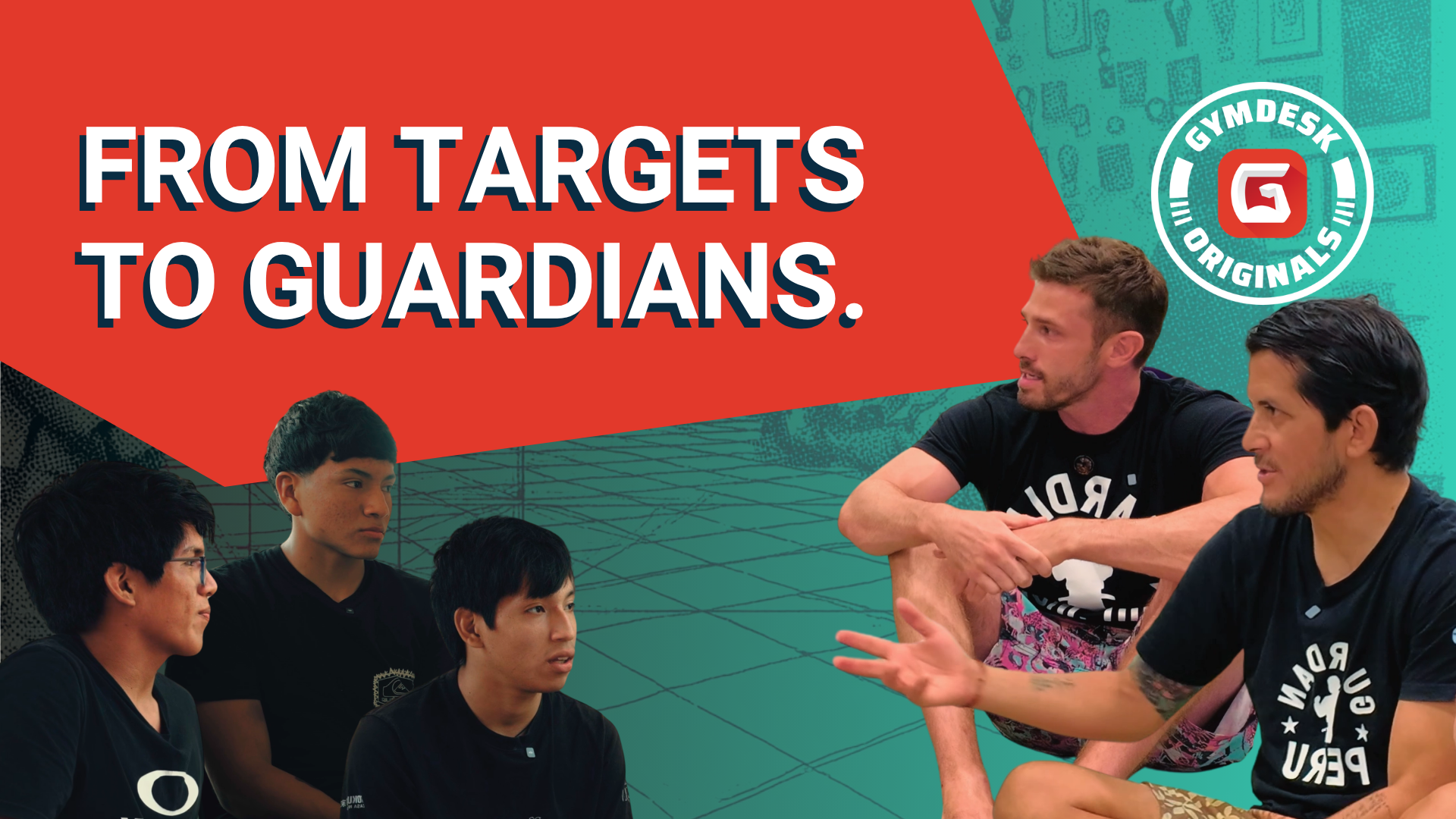
How Nova Jiu-Jitsu Built a Community That Outgrew the Mats

Starring
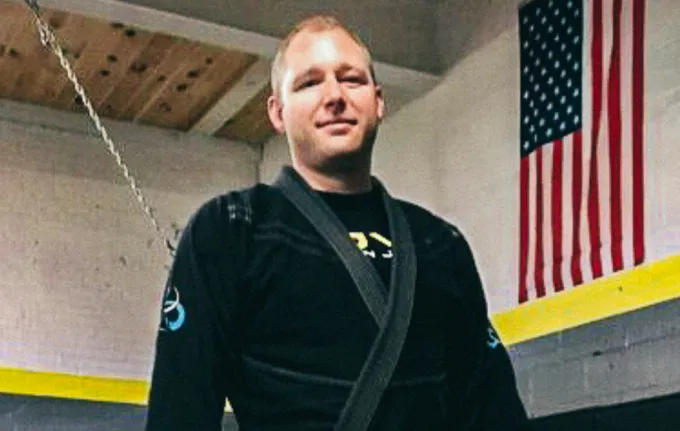
Jason Plaisted is a Brazilian Jiu-Jitsu 3rd degree black belt with over 20 years of training and competition experience. He leads Nova Jiu Jitsu with technical expertise, a commitment to personal growth, and a passion for building a supportive community that helps every student improve.
About the Gym
Nova Jiu Jitsu in Rochester, NY is a well-established Brazilian Jiu-Jitsu academy that has been training students since 2009 under the guidance of 3rd Degree Blackbelt Jason Plaisted, with a coaching team that brings decades of combined experience to the mats. The gym offers a variety of classes including traditional gi, no-gi, fundamentals, and women’s classes, all designed to make BJJ accessible and supportive for practitioners of all levels, from beginners to advanced grapplers. Nova emphasizes a welcoming environment where self-defense, physical fitness, and mental resilience are integrated into the training experience, creating a positive and inclusive martial arts community. (Nova Jiu Jitsu)
In addition to adult classes, Nova provides a robust kids program that helps younger students build confidence, discipline, and sportsmanship in a fun and constructive setting, with separate class formats for different age groups. The schedule also includes open mat sessions and advanced skills classes, allowing members to refine their techniques and push their limits within a supportive environment. The academy’s offerings reinforce jiu-jitsu as a lifestyle that benefits participants both on and off the mats, encouraging personal growth and long-term engagement with the art. (nova-jiu-jitsu.gymdesk.com)
📍3300 Monroe Ave Suite 300, Rochester, NY 14618
📞 585-204-0025
Summary
This video tells the story of Nova Jiu-Jitsu in Rochester, New York, and how it grew from a small training space into one of the region’s most advanced and community-driven jiu-jitsu schools. It features Nova’s owner, third degree black belt Jason Plaisted, explaining how he built a high level training environment rooted in shared knowledge, strong culture, and support for all types of students, including kids and women. The episode also highlights the importance of fundamentals and how tools like Gymdesk help streamline operations and onboarding for the gym.
This episode offers a behind-the-scenes look at an early morning class and open mat, showcasing the relaxed but highly technical culture that defines Nova Jiu-Jitsu. Jason shares how long-term relationships, consistent leadership, and intentional program design have helped the school retain students for over a decade. The video emphasizes that Nova’s success comes from building a genuine community first, with the business and growth following naturally.
What They Told Us
Alex Cuevas dropped in on Nova Jiu-Jitsu in Rochester, New York, for the 6 a.m. open mat and stayed to talk with Jason Plaisted, the owner. Plaisted is a software architect by day who took over one of the city's oldest jiu-jitsu schools in 2009 and has moved it four times since. The through-line of the conversation was community—why members stayed through every move, and how a kids program, a women's class, and a deliberately light culture all grew out of that one goal.
One of Rochester's oldest schools
Nova didn't start as Nova. Plaisted trained under Kyle Saunders in Rochester, and when Saunders moved away, Plaisted took over the school and renamed it. Fifteen-plus years later it holds some of the highest-ranked belts in the area, and Plaisted—now a third-degree black belt under coral belt Roy Harris—still runs it alongside a full-time job.
"We're one of the oldest schools in Rochester. We actually started with my former instructor, Kyle Saunders, that was here. He moved away, and I actually took over the school from him."
—Jason Plaisted, Owner and Head Instructor, Nova Jiu-Jitsu
Built for community, not MMA
When other Rochester schools were leaning harder into MMA, Plaisted wanted something else. He describes the early aim less as a competition factory than a room of like-minded people who would keep showing up. Fighters have left, tried to find the same feel elsewhere, and told him they couldn't.
"my goal really was to build a community of like-minded people that really love to train and enjoy being with each other. And that's kind of what we have."
—Jason Plaisted, Owner and Head Instructor, Nova Jiu-Jitsu
Four moves, and people stayed
Space was always the problem. Nova began in a tiny downtown studio sharing the room with a CrossFit gym—until dropped barbells got them evicted—then bounced through a couple more spots, including one with dirt floors, before landing where it is now. Through all four moves, the membership held.
"it's been a lot of moves over the years. We finally landed in this space … just people stuck with us. That's the big thing. They kind of don't really care about what the space looks like much because they just want good training and that's what we gave them."
—Jason Plaisted, Owner and Head Instructor, Nova Jiu-Jitsu
A kids program that grew to 60
Nova came late to kids' classes—only in the last five years—because Plaisted didn't have coaches who knew how to teach them. That changed when Joe Di Fiore, a judo black belt with five boys of his own and experience running youth judo programs, joined and offered to start one. Plaisted fostered it, and it took off, pulling whole families onto the mat.
"our kids program has grown to like 50 kids now, or there might be actually 60 at this point. So it's a lot of kids. And we have probably one of the best kids programs in Rochester now."
—Jason Plaisted, Owner and Head Instructor, Nova Jiu-Jitsu
A women's class with room on the schedule
For seven or eight years Plaisted has worked to build up Nova's women's program, convinced too few women find their way into martial arts. His fix is structural: a class that's all women except the instructors, run as fundamentals so nobody gets thrown into sparring on day one. Three of its members just earned their purple belts.
"getting more women involved in training because I feel like they don't get involved in martial arts as much as I think they should … my whole thing is just trying to get them into an environment where they feel comfortable."
—Jason Plaisted, Owner and Head Instructor, Nova Jiu-Jitsu
Kept light on purpose
Ask Plaisted whether the gym's easygoing culture was engineered or accidental, and he credits a deliberate choice. He never wanted the formality of bowing in and rigid ritual; he'd rather the room feel loose and welcoming. It's the same instinct behind the dedicated fundamentals classes—make it inviting, and people are far less likely to quit.
"No, for me, I just always kept it light … there's a lot of instructors that will make it very formal and you have to bow in and stuff like that. And it's just never been my style."
—Jason Plaisted, Owner and Head Instructor, Nova Jiu-Jitsu
Read the full transcript
Lightly edited for readability. Speaker labels are omitted because the source recording is not diarised; quotes attributed elsewhere on this page were verified against context.
We'll be right back. Behind every gym, there's a story, a mission, a spark of passion that started it all. This is Gymdesk Originals. Real owners, real struggles, and the communities they've built from the ground up. Well, good morning. It's 6.15 in the morning, and I'm here at Nova in Rochester. Open mat starts at 6, and class starts at 7, so maybe I'll get a few rolls in. Let's go check out Nova in Rochester. Sweet 300. Let's go. Good morning. Good morning. Hi there. I'm Alex with Gymdesk.
Hey, I'm Ryan. Hi, Ryan. Yes, sir. Hi, Kevin. Hi, Alex. I'm Ryan. Hi. Nice to meet you. Nice to meet you. Pleasure. It's a fraud. Hi. Nice to meet you. Welcome to another episode here in Rochester. Yes, Rochester, New York. Rochester, New York at Nova Jiu-Jitsu, here with Jason, the owner. Pleasure, sir. Good to meet you, Alex. Thanks for having me. Yep. Absolutely. I had the pleasure of being part of the early morning crew, the open mat, and then the class, which was really fun. We'll show some B-roll in there.
A lot of colorful characters in that class. Yes. It definitely is the most interesting class that we have. Some people that have been training with us for over a decade or longer, and they're a lot of fun. Yeah. And this place, did you start this place 2009? Yes. About 15, 16 years now. We've been up and running a long time. We're one of the oldest schools in Rochester. We actually started with my former instructor, Kyle Saunders, that was here. He moved away, and I actually took over the school from him.
Wow. And we've been open, and we have probably the most higher-level belts of any school in the area. Okay. Yep. And so, was that 2009 when you took over? Yes. Okay. So, you've been on a journey for a while now. Yeah. Okay. Yeah. And are you purely dedicated to this, or do you have something else you do? So, Jiu-Jitsu is kind of a side hobby. I'm also a software architect. Okay. I work for a government software company. So, that's why I kind of gravitated towards Gymdesk.
Okay. A lot of automation and cool stuff that you can do with it, and so we've been using the product now for quite a few years, and I'm trying to explore as much of it as I can. But yeah, I have a software background. Okay. That makes sense. Yep. Well, let's get into your passion. How'd you start your martial arts journey? Yeah. I was really looking for something to do right out of high school because I've always been in sports, and there really wasn't much of anything.
And this was when the Brazilian Jiu-Jitsu had just kind of come on the scene, the UFC and things like that. And so, I was like, I got to try Jiu-Jitsu. Yeah. I tried it, and I got hooked on it. I just couldn't stop. And it's been like an amazing journey for me. I've met so many cool people, and I've built this great community of people that have kind of come together and have stuck together for so long. And so, it's been fantastic for me. Yeah. So, 2009.
Oh, no. That's when you opened the school. But when did you, like, what year did you start training? Like, back in the 90s? Oh, back in 2003. So, I've been training for about 22 years. Okay. Got it. Long time. And have you been in Rochester this whole time? Yes. So, you just happened to be lucky enough to have a Jiu-Jitsu school in Rochester when UFC came out. Yeah. Yeah. My instructor did. My former instructor. Well, he's still my instructor, actually. Yeah. Yeah. But yeah, we were lucky enough to kind of be on the ground when it opened up.
And really, things have blown up since then. And my hope is that someday it'll end up in the Olympics. Yeah. Because that would really make it a lot better for us. Oh, yeah. That would be amazing. I mean, it's already, it feels like everywhere you go, I mean, we obviously have lots of customers in Jiu-Jitsu, but there's just more and more of these popping up, which is really cool to see. Yeah. You know, like, and there's something about this art that, you know, you hear people talking about chess, right, with your body, right?
And the game keeps evolving, but it's, it feels like it's a real game. You can, you know, you can go anywhere and just continue, you know? Yeah. I've, like I said, I've been 22 years in and I still feel like I'm learning new stuff every day. I always find little nuances. There's like small, there's more detail in the small movements that you find as you go from white to blue to brown to black, uh, black belt. And then I'm actually at third degree black belt now.
So, um, and then my instructor is, uh, coral belts, Roy Harris. Oh yeah. So he's, he's, uh, been at it for like several decades, quite a few actually at this point. Um, but yeah, it goes pretty deep. So yeah. Yeah. And I actually was just at the, um, uh, the Gracie 100 in, uh, Brazil and, um, I met Royce, took a picture with him and it turns out he was on the same flight as me going back. And, uh, I got to talking with him a little bit and I just said, Hey man, you changed everything.
Everything. I mean, you, yeah, but he was very humble. He's like, Oh, it was not me. It was jujitsu. You know, I was just representing jujitsu, but yeah, a lot of people were inspired when I go out and talk about, yeah, I was doing, you know, whatever art. And then, you know, you just got to pick up the thing that was very effective, you know, complete the circle. Um, so you were inspired to kind of take over. Was it was something else before with, uh, um, your former or your current instructor, right?
It was, uh, Kyle. Yeah. Uh, Saunders Brazilian jujitsu. Okay. Yeah. And then we took over and it's now Nova, uh, Nova jujitsu. But yeah, he, uh, he ended up moving and, um, a lot of his students actually, uh, came to train with us and some of them are black belts now. Okay. Uh, yeah. So we still have a few that are kind of on the journey and we have a few Brown belts that'll be testing and getting their black belts soon that we're training under him as well and train with me for all those years.
Yeah. Yeah. It's a, it goes pretty deep. Yeah. So, and, um, how about Nova? Is that like supernova? Is that where you? Yeah. Yeah. It was, uh, kind of the idea was just, uh, you know, I, an interstellar explosion. Nova. I always, I've always liked, uh, space and, uh, kind of fascinated by the universe and things that happen there. And it just kind of made sense to me. Yeah. I like the, I like the word. So, yeah, no, that's great. Um, there's a guy I look through to right now.
His name is John Michael Godier. You heard of him? I think so. Yeah. He's awesome. I'll send you the link after he's, uh, every night I use them cause he's really good, amazing space facts, but he was just calm enough to like, you know, get you to sleep. So it's a, it's a fun thing. So, uh, you opened this place up, obviously you were training somewhere, somewhere else. What did you want this place to be like when you opened up? Um, you know, my hope was that it would turn into a community of, um, like practitioners really that, uh, enjoy, enjoy the sport and enjoy the martial art aspect of it.
And that was really, my goal was to build a really strong community of, uh, people and also just to advance the sport. I think, you know, under the right conditions where you have like high levels instructors that work together and feed off each other, it becomes quite amazing. In fact, we've had a lot of people that have left here that try to find this somewhere else and haven't been able to. Um, we have a guy, uh, Russ is one of the guys that came in as a purple belt.
He got his brown belt and then tested for his black belt. And, uh, you know, he left us and there's been a few others too, that have kind of moved on and, you know, they always call back or talk to us and tell us like how much they miss it. And, you know, it's a pretty awesome place. Um, and that was my goal really was to build a community of like-minded people that really love to train and, um, enjoy being with each other. And that's kind of what we have.
So yeah, it's pretty awesome. It's, uh, inspiring to see so many schools that are not relying on this as the primary thing. Like you have a full-time job, but you do this for different reasons. It's like a passion project. It's a passion project. Yeah. For better or for worse. So the, your instructors leaving at that moment, you're like, um, I'm opening a place or did you have to like, uh, how'd you arrive to the point? Like, Oh, I'm going to do it. Yeah. Um, I think it was not really like I wanted to do it.
Um, and I had, you know, other people that kind of felt the same way that we really needed a place to move to together that we could all be together still. Um, there were kind of some other schools opening at that time, but just different mindset, like different, different training thoughts and things like that. Um, a lot of them wanted to go more MMA and hardcore. And, you know, I think that's important, but I also think that a lot of people come to train this because they're looking for, um, something other than just, you know, martial arts.
It's more of that community aspect of things. Um, but we have a really strong, like art, art, you felt it, right? Oh yeah. When you roost farred with people today, you got the sense that there was a deep understanding of, you know, how to move the, in an order to get what you want, the objectives. And, you know, it's, you can tell just the people that spar here are high level people and they've been training a long time and they care about it a lot. And they also care about teaching.
They're really, really free with their information. They share, uh, all the time there. There's not just one instructor here. There's usually several and they're kind of hidden in the room, but there, you know, there's other black belts that were here today that, you know, we're probably able to help you a little bit. Yeah, for sure. I mean, you know, one thing that stands out for me is in the open mat. Um, given I have, you know, some judo experience and all the cases, like my thing, it's always my go-to transition.
I can't tell you how often I go there and I caught zero people today with that one. And, uh, we were training on some of that defense. So it, you know, it shows, um, let's get into the early days of Nova, right? You're brand, brand new, and you have probably some people that were training with you from before. So you didn't start from zero, right? Yeah. How did those early days work? Uh, so space was always a problem. Uh, we kind of moved a bunch of times.
Uh, we started off, uh, in this really small studio, downtown Rochester, and we were in there for maybe a few months. We were also a CrossFit gym at that time too. And so we had like a mix of CrossFit and jujitsu. And because of the weights getting dropped from overhead, we got kicked out of that place pretty quick. Oh, wow. So we've been, yeah, we bounced to another place and we were there for a couple of years. Uh, we moved again from there to, um, a third location, uh, Russell street, where it was just like dirt floors and hardly built out because, you know, we were just trying to jump to a larger space that was kind of up and coming to give us more ability to kind of grow into space.
And then we moved again. Yeah. So it's been, it's been a lot of moves over the years. We finally landed in this space and, um, you know, but amongst all that, just people stuck with us. That's the big thing. Um, they kind of don't really care about what the space looks like much because they just want good training and, uh, that's what we gave them. So you moved four times then? Yeah. So this is the fourth move. Did people, I know you said people follow you, but anybody drop off?
Oh yeah. There's definitely been a few drop offs here and there. I mean, we've had a lot of people come through as well. Just, um, a lot of people out of town. Um, pretty interestingly nowadays, we're actually getting a lot more Brazilians. Oh, no kidding. Yeah. So people from Brazil are looking for schools. They're moving to Rochester area and they are coming and finding Nova. Um, so we've had a number of Brazilian people come and they bring their kids here to train with us and the adults also train with us as well.
And, uh, so that's a good sign that we're actually getting people from Brazil, you know, to our community and they're staying. Yeah. That's great. Yeah. And I must, uh, I at least I've, I've talked to a few other people who feel, I don't know, a certain sense of, I'm not sure what the word would be, um, respect for the fact that, you know, the culture of Brazil really is big on jujitsu, right? So they, and then they come here and they stick with you. It must be like, okay, cool.
We're doing something right. Exactly. And one, one of the most interesting people that we met from Brazil actually came to Rochester Institute of Technology on a tennis scholarship. He had never trained jujitsu, but had always heard about it. He lives in Florinopolis, uh, Brazil. And, uh, he's like, I just want to come in and try it. And, uh, he got addicted and he ended up with, uh, a blue belt from us and he's gone on to get his purple belt. And I know he's working on his brown belt and we keep seeing pictures of him all over the United States, all over the world.
Um, so yeah, it's pretty cool to see, you know, people from, you know, the origins of jujitsu kind of showing up here to sort of train with us. And actually I went to Brazil. I went, he invited me to come down after he'd been training with us for a while, invited me to come down. I went down to Florinopolis and actually spent some time down there and trained. And, uh, yeah, it was awesome. Yeah. I don't know where that is. Is that, yeah, it's on the coast.
Uh, I think it's quite a ways away from Sao Paulo. I, yeah, I'd have to look it up. Is that where you flew? Yeah. Sao Paulo. Okay. Yeah. Yeah. Sao Paulo. Did you have any acai bowls? Oh yeah. Oh yeah. Doesn't it taste different down there? It's amazing. Yeah. We had, uh, we had a lot of food down there. Acai was one of them and yes. Yeah. I tore up like breakfast, lunch, and the dessert, this acai. It was just, it was just so good. Well, there's a couple of things I wanted to, uh, bring up cause you mentioned it just now with the kids program.
So tell us about the kids program. Yeah. So we were kind of late on the scene with the kids program. Uh, it was the last five years or so. Um, we kind of always wanted to have a kids program, but we didn't really have, um, instructors that had experience with it. And, uh, gentlemen by the name of, uh, Joe Di Fiore, uh, started training with us. He actually had his black belt in judo and had learned how to teach kids, uh, judo programs. Okay. And he has five boys.
Okay. And so he was like, I would like to start a program. And so we actually, uh, kind of fostered that. And our kids program has grown to like 50 kids now, uh, or there might be actually 60 at this point. So it's a lot of kids. And, uh, we have probably one of the best kids programs in Rochester now. Um, and yeah, just, it brings in a lot more people to the, uh, to the organization. In fact, we try to really bring in the whole family.
So it's not just, uh, you know, just the kids. A lot of times we get parents that train with the kids or parents that are interested that want to kind of try it out. And so it all kind of brings them in and helps us out with that. So. Yeah. Are they training at the same time? Uh, sometimes, uh, there are some parents that actually get involved in the kids program and help us instruct because we have, you know, 40 kids on the mat and we need more adults to help kind of, you know, certain training requires, uh, movements that are not easy for kids to understand.
And so, you know, more help we get, the better it is. And so a lot of people will pitch in and help and then start getting interested in it and want to sign up and learn more about it. So yeah, absolutely. Yeah. I think that I've had this conversation now probably most recently, like over the last month with several schools, they talk about the parent that joins in jujitsu, whether it's, uh, the mom or the dad can do better assistance for the kid. Cause it's more technical as opposed to like, oh, just stand up.
It's more like, oh no, you got to push the knee. You know, there's, there's more, um, you're talking the same language. Yes. Right. Yeah. They can kind of convey it in a way that their kids can understand, um, and that helps them to build and get better. And sometimes it's interesting, but you know, parents that have, you know, there's some kids with, you know, certain disabilities and some of those parents are really good at instructing because they have to kind of work around some of the problems that, um, that presents.
And so they become even better instructors because of that, uh, to help other kids. So yeah. Yeah. And then you also been doing a women's program for a while now, right? Yes. That has been, uh, something that I have been trying to foster for probably seven or eight years now, uh, to try to really bolster, um, having, um, getting more women involved in training because I feel like, um, they don't get involved in martial arts as much as I think they should. Um, especially with, you know, the world today.
And so my whole thing is just trying to get them into an environment where they feel comfortable. And so our program is a little bit different. We have, um, just strictly a women's, uh, class that's all women, except for the instructors. We usually have two instructors that will demonstrate on each other. And, um, that way it's a lot easier. Uh, they can kind of come in and get used to it. And if they want to go to any of the other classes, then they can, you know, and that's, that's been a really a big help for us.
And I, we actually have now, uh, three new purple belts that just graduated. Uh, and they're people that have started from the beginning of our journey with that. So that's great. And, um, what advice do you have for someone who, you know, wants to open up a women's program in there? Yeah. Um, I think it's really just trying to, um, make a space on the schedule for them. You know, that's the hardest thing. It's like, cause the class times are always competing for interest and things like that.
But if you set a time on the schedule and say, this is going to be the women's women's class and you can start off with one and grow it from there. Um, that's really the best way because, you know, I think they, a lot of them are not comfortable at first because they don't really know what it's about and they want to learn. And there are those that will jump right into any class, of course, but, um, a lot of them need, need some time to kind of figure things out.
Um, you know, and so that does that. It's a fundamentals class. It's really strictly just, um, kind of the structure, uh, and the foundations of jujitsu. And then, you know, sparring comes later that they'll have a chance to spar. We kind of give that at the end. Um, but it's not kind of, you don't get thrown into sparring right away. Right. So, yeah. And, you know, for the viewers who haven't heard me say this, uh, I had a epiphany, uh, I think we talked about a little earlier where, um, I never really thought about it, but it's like, oh man, a woman that's 115 pounds, 120, even going against me.
And I'm pushing like 190 right now. So I'm a little heavier than I should be, but, um, that's a massive difference. Yeah. And it's kind of like me going against a 240, 250 guy. Yeah. And imagine a whole class full of bass that size. Oh my goodness. Forget it. I'd be like, I don't want to be in this. Yeah. So I think the women's program makes a lot of sense to sort of equalize that so they can learn and not just get smashed all day. Exactly.
Yeah. Yeah. A lot of people leave jujitsu because of that. Like they try to spar too soon. They don't have enough fundamentals. Um, and so it's frustrating and they quit. And so we've really tried to, that's another thing we've done with our program is we have dedicated fundamentals classes that are just, you know, teaching the basics and, you know, you can definitely go to the more advanced classes. We're not saying you can't, but you know, we create a lot of space in the schedule for those, those fundamentals classes.
So, yeah. Well, let's go back to the culture a little bit. I mean, I don't know that if the morning folks kept saying, Oh, this is the morning crew. Like there, is there something unique about that or is it just as jovial and, you know, brotherly in the other? Yeah, it is. Um, most of the classes are like some of the guys like Ethan that you met, uh, he tends to, uh, float between the classes. Uh, you know, so it's there definitely is a crew that's strictly mornings that, you know, not generally doesn't go outside of that just because of their schedule.
But, um, but yeah, there's still quite a few people that kind of float and the classes to answer your question are just as fun and jovial and yeah, absolutely. And did you have to do something to create that culture or is it just organic? No, for me, I just always kept it light. That's like, there's a lot of instructors that will, you know, make it very formal and you have to bow in and stuff like that. And it's just never been my style. I've always been more like, it's kind of free flowing and I don't want to make it like as rigid as like a karate class might be.
It's, you know, for me, I like it to be, you know, just more fun and inviting. Yeah. So got it. And so today we did no gi, but, um, you guys have gi in the program, right? Yes. We actually have more, no, or less no gi classes. We have more gi classes than we do no gi classes. Um, we're actually trying to change that up a little bit because definitely some interest in both sides. So, um, but yeah, a lot of the aspects of the gi are really important, like, uh, the grips, like the sleeve grips and the collar grips.
And so we teach a lot of moves that use those. And then of course, no gi, there's different grips and different controls. So it's kind of good to get a mix of both. Yeah. And I had like zero, uh, gi game or no gi game for a long time. And, um, yeah, just learning how there's nothing to grab. So you have to kind of do the elbow, up the elbow thing, you know, a lot of this going on, but it's good. Cause then you could use that even if there is a gi.
Yeah. So it's like kind of my instructor, Roy Harris, uh, always says that a hundred percent of the no gi grips apply to gi, but not the other way around. So it's, if you learn no gi, a lot of stuff applies. There's some additional ones that you have to learn in gi, uh, that are helpful, like collar chokes and things like that. But that is the truth. Yeah. So someone asks you, what's no, the style, like how do you answer that? Uh, I would say surgical, like they, a lot, we have a lot of like really technical, um, high level people here that are like, some of them are actually doctors.
A lot of them, one of them that was here today was actually a doctor. Oh, no kidding. Yeah. Um, who was that? Mitchell. Mitchell. Okay. All right. Yep. Um, so yeah, there's, uh, we have Dr. Alex as well, who trains in the evening classes. Uh, we have, you know, lawyers, we've got engineers, we've got all kinds of people here. We've got the people from all kinds of cultures. Um, so it's pretty much a melting pot. Yeah. Yeah. Well, being that you've been doing this now for a while, um, any stories that kind of stick out, you know, student stories?
Um, yeah, I mean, I, you know, I think, uh, there's, there's, there's definitely quite a few, um, nothing's popping into my head at the moment though. Yeah. Yeah. And then your kids program you've had for how long? Uh, that's been running now for about, I'd say about five years. Okay. Yeah. Five years or so. And do you have any, um, outside of the gym activities that you do with it? Just people? Oh, definitely. Yeah. And since the kids program, we've, uh, added a lot of those, uh, outside, uh, or outside jujitsu activities, a lot of skiing trips, uh, camping trips in the summertime.
Um, yeah, we usually have like a summer picnic. The camping trips are the most fun though, because all the kids kind of go and they go up to Hamlin beach state park and they take out a whole loop. And so like, we have like our entire kids jujitsu program staying in one loop and it's up by the lake and it's beautiful out there. And you know, we just do it every summer and it's so memorable. The kids actually love it. And the adults love it too.
The adults get to hang out and just get a chance to know each other. And so that's kind of been a yearly thing for us for like the last four or five years. Okay. Do the kids start jujitsuing around in the camp? Uh, there has been a few matches that break out. Usually, uh, one of the, some, somebody always brings a rollout mats. Okay. So there's always some, some kind of sparring going on, you know, when there's a, it's an event like that. So, yeah. Well, I had, uh, my wife and two kids, um, went to, uh, a beach in Canada, like near, near where I live.
Um, and it's, you know, it's the lake, but there's like a sandy beach, which is pretty cool. Yeah. And, um, we just so happened to go that day and there was, uh, so they put some cones out and they were just in there, you know, there's a bunch of kids and my son wanted to go out there. He's like, Oh, I'm like, yeah, let's go. Let's go. Yeah. And, um, and then the guys came in, these guys are all like, you know, big, big dudes, you know, just wrecked, you know?
And my wife's like, you didn't go in. I'm like, I'm good. Um, but you know, these guys, it turns out they were, I think, top team. Oh, American top team. Yeah. Yeah. So I don't know if they're Canadian or American, but yeah, there's some strong guys. Yeah. I'm good, man. I got to type and use my fingers. Yep. So, um, maybe, uh, let's get into what, what, what's the future for this place? Five years. You've been 15. So yeah, yeah. Long, we've been up and running a long time.
Um, I definitely would like to grow into a larger space. Uh, we, um, you know, we kind of hopped around a bunch. Uh, we ended up in a larger space every time we've changed and, uh, you know, this is, yeah, this is pretty much the largest space that we've had and it's good. And I, but I do hope that we can then kind of jump to another space that's even better for us that has more storefront. Um, so that's kind of my next thing is just, uh, kind of getting the program to a point where we're ready to do that.
So, all right. So you've been now using Gymdesk for how many years? Uh, I think it's been at least five years. I think it might've been a little bit longer than that. Okay. So you were on with, when we were martial arts on rails and then we convert it to Gymdesk. I think I just signed on when you convert it. Okay. Got it. Yeah. All right. And, uh, how'd you find us? Just Google search? Yeah. So we had been using a different platform, uh, I think it's Zen planner or something like that, but we just were really looking for something, uh, new and different and, um, something that I felt was growing a little bit more than, than that other platform that we were using.
And so I kind of liked the, um, what, you know, what you guys had to offer. And I started actually testing a little bit with it. And I was like, yeah, I'm going to, I'm going to move my gym over to this. And I'm glad I did actually has been really helpful for us. Um, and I've been trying to leverage as much of it as I can, um, to help us with, you know, things that, uh, like automation has been a big thing for us. We've been trying to, uh, use that as much as we can.
You mean the marketing automations? Uh, more like, uh, just like sending out notifications, uh, especially when someone signs up one, one big example, we have kind of an introduction email that generally goes out when someone signs up, uh, that's new, uh, that kind of explains how our gym works. And, um, like, so we have some other apps that we use for communications called group me. I might've heard of this, but it's like, it explains how to connect and how to get your profile set up and explains how to use Gymdesk.
And we have like tutorials on it and everything else. So yeah, it's kind of helped to make it easier for people to use the platform. Yeah. And it seems like a lot of people are using the app. All right. So, uh, any other, you know, especially as a software engineer, you have, uh, a different perspective in technology because that's what you do all day, right? Yep. Anything that you can, you know, talk about that you feel is like done well or that you rely on. Yeah.
So, uh, one piece of it that I really like is, uh, you guys have some controls that you can embed in websites. Um, so you have this portal that you set up so that if you don't have a website, it gives you essentially the foundation of that, which I think is really awesome. Like if you didn't, if you're a new gym starting up, you could be up and running and you don't have to get a website stood up right away. Um, that's, that was a huge draw and the controls, like I said, we were able to basically grab your calendar control and embed it on our website and it kind of leads them in seamlessly into signing up and it's like, it just makes that transition a lot easier.
And also the information's fresh on our website all the time because of that control. It looks seamless. Um, so yeah, that's what I was able to do is basically embed the controls in certain places. And, you know, it's, that's, that was a huge draw for me. Yeah. So all the widgets that we have for booking or for even for lead, um, you know, just being able to plug them into an existing website. Yes. Yeah. And then, um, what sometimes I found that people aren't really leveraging the marketing automation because I don't think we did a very good job of explaining it.
It's like, Hey, this is included, you know, have you played around with that much? That's something I have yet to do and probably should look into. Yes. Yeah. I mean, it's really cool. It, you know, you can get real, um, complicated with, you know, flow charting exactly what you want to happen automatically, but, um, we took our marketing expertise and we create a bunch of templates. So you should check this out now. There's templates in there and you can just, Oh, I want to do that, you know, a seven day trial and it has all the sequencing and the branching and all that to leverage text and email and, you know, even, even give tasks for folks.
So I want to see that. Yeah. I'm, I still have, like to explore more and that's a huge area where we kind of need to put some focus on. And so I'm going to take a look at that for sure. Awesome. Well, uh, I really appreciate you opening the doors for me today and letting me train and got a lot of great instruction. We'll, we'll show some of that here and that's it. Awesome. Thank you very much. Thank you. Appreciate it. We'll see you next time.