How ITC New York Stayed Open for 20 Years Without Chasing the BJJ Wave
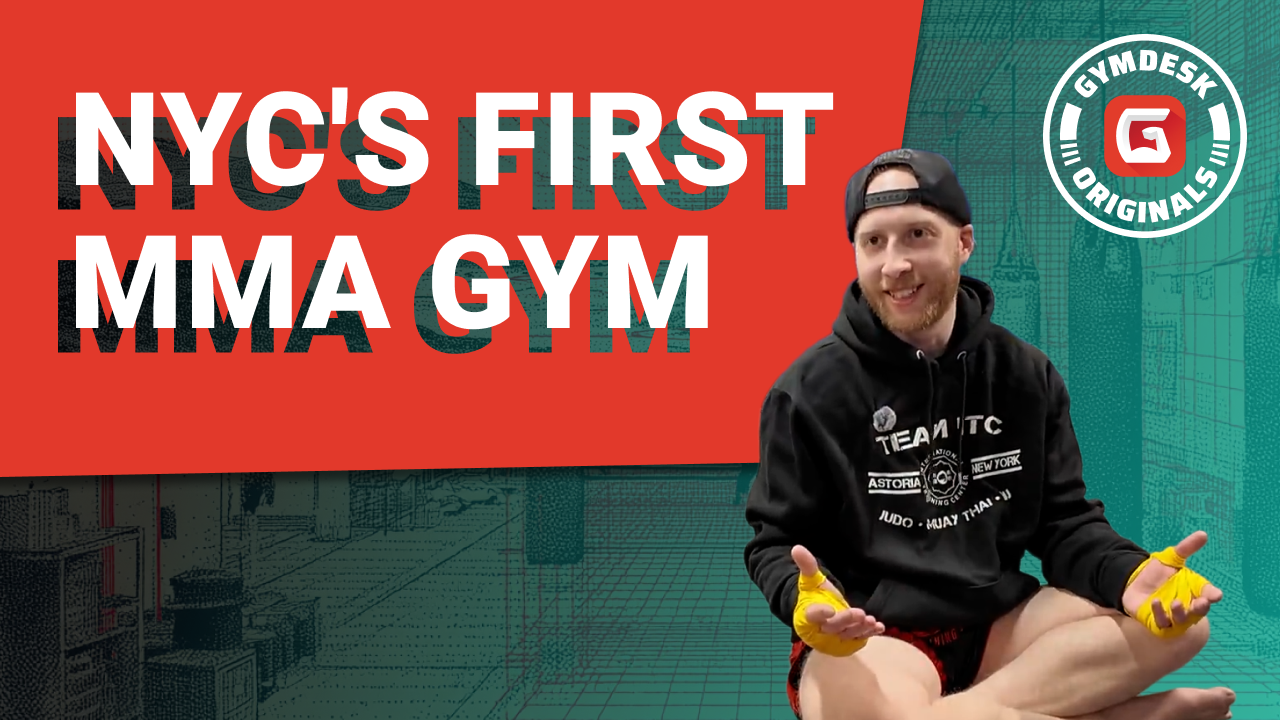
Starring
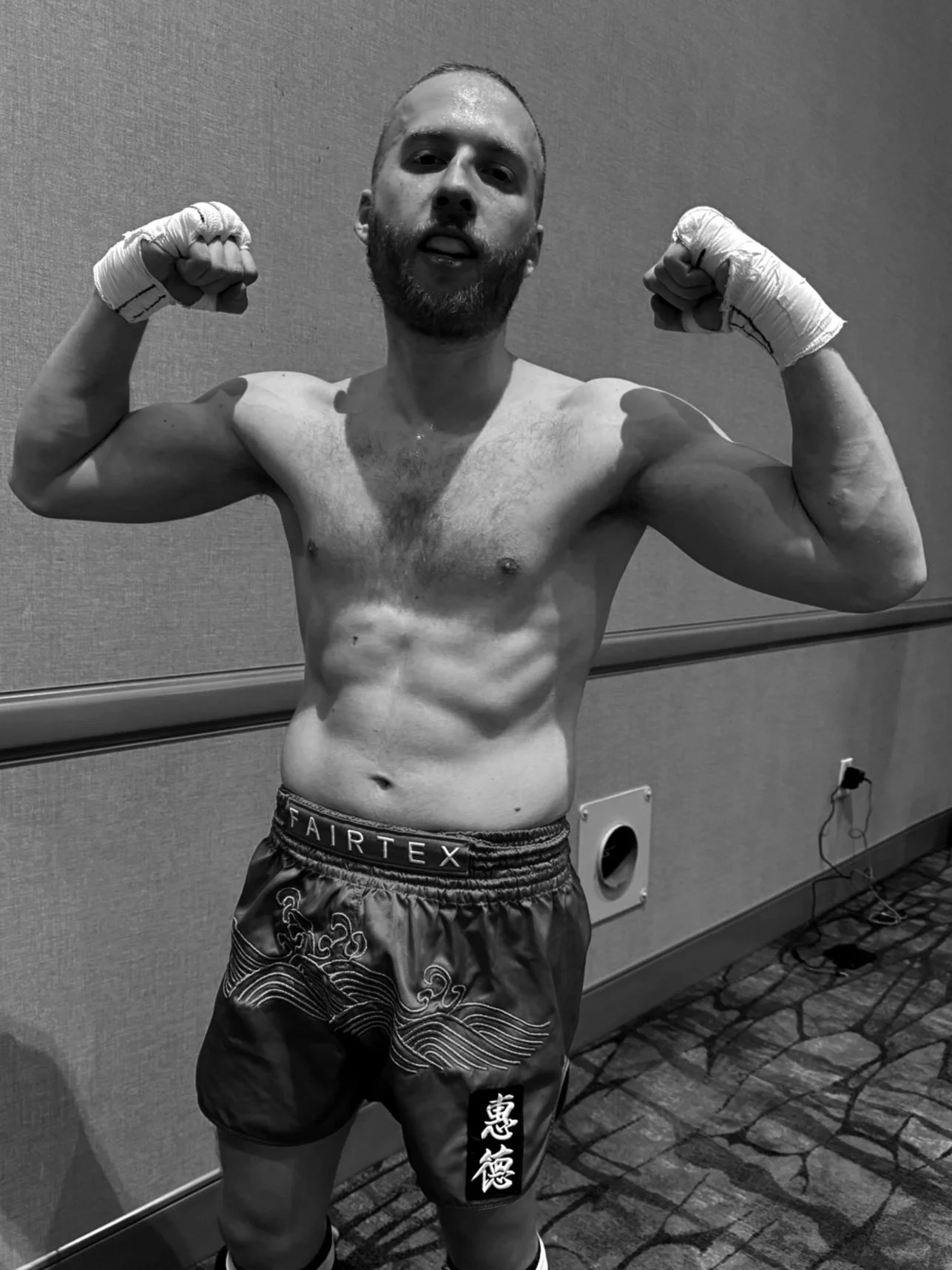
Mark Gutman grew up on the ITC mats—literally. He was 15 when his dad, Sensei Greg Gutman, opened the gym in 2006, and family photos show him on the mats as a one-year-old with his older brother crawling next to him in a judo gi. Mark began training Muay Thai at age 10 under Egersen O'Byrne (UFC middleweight title contender) and later Armin Lekanovic (IFL competitor and WBA featherweight champion). He works full-time as an attorney and runs ITC's day-to-day operations and teaching in the evenings. His older brother Danny, a second-degree judo black belt, runs the judo program.
About the Gym
ITC (International Training Center) is a single-location MMA gym in Astoria, Queens, primarily focused on Muay Thai and Judo, with Sanda on Sundays. Sensei Greg Gutman opened the gym in 2006 in Long Island City, then relocated twice as the neighborhood gentrified—first to another Astoria basement, then to the current location, the first space ITC has ever had with windows.
The gym runs lean: Greg owns and teaches, son Mark manages and teaches, his older brother helps lead the judo program, and every other instructor is a world-class fighter brought in to teach a specific discipline. Mark believes ITC was the first NYC gym to combine Muay Thai and Judo under one roof, though he's careful to add there's no official record keeping to back the claim.
📍 Address: 23-81 21st Street, Astoria, NY (one block from Astoria Park)
Summary
ITC New York opened in 2006 in a Long Island City basement when MMA and Muay Thai were still fringe in America. Two decades, two forced relocations, and roughly twenty different gym-management systems later, founder Sensei Greg Gutman—a Russian immigrant who arrived in NYC in the late 80s with no English and a lifelong judo background—still leads Muay Thai Strength & Conditioning twice a week at 67. His son Mark, an attorney by day, manages the gym in the evenings and explains to Alex why ITC refused to ride the BJJ trend, why a Japanese-style dojo culture is the reason they won't open a second location, and what it took to land on Gymdesk before his dad gave up on software entirely and went back to pen and paper.
What They Told Us
Alex Cuevas took the Gymdesk Originals camera across the river to Astoria, Queens, and into ITC—the International Training Center, a Muay Thai and Judo gym that has run in the same city for twenty years. Sensei Greg Gutman, a Russian immigrant who found his footing in America through judo, opened it in 2006. His son Mark now teaches and manages there in the evenings, around a full-time career as an attorney. What Mark kept circling back to was a paradox: ITC has lasted this long by adapting fast on some things and refusing, flatly, to move on others.
The rule that started the whole thing
Before ITC existed, before Mark ever chose Muay Thai over the judo his father lived and breathed, there was one house rule. Mark's dad did not care which martial art his sons picked. He cared only that they picked one. That rule sent a young Mark out to private striking coaches while his older brother went deep on judo—the same two paths the gym itself would later be built on.
"I don't care what you train in, but you got to train in something."
—Mark Gutman, Coach and Manager, ITC New York
A judo club and no English
The gym's origin runs back to a man arriving in New York in the late 1980s with no English and one thing he knew cold. Greg had done judo his whole life in Russia, and he rebuilt his life in a new country the way he knew how—by finding a club and gathering people around him. That instinct, community first, became the template for everything ITC would become.
"He came here in the late 80s, not speaking any English, immediately found a judo club because that's what he had done his whole life in Russia, and then built a community around judo."
—Mark Gutman, Coach and Manager, ITC New York
Still leading the class at 67
Greg is sixty-seven and still teaches Muay Thai Strength and Conditioning every Tuesday and Thursday. He does not stand at the front calling out drills—he does every one himself, first, to show how. Mark, at thirty-five, says the standard his father sets in that room is one nobody there can actually match.
"I don't think there's one person I can think of that can keep up with him with 67 leading the class. Because whatever he tells anyone to do, he's going to do it first to show how to do it."
—Mark Gutman, Coach and Manager, ITC New York
Why they didn't chase the BJJ boom
Plenty of gyms rode the jiu-jitsu wave. ITC watched it crest and stayed put. Mark's reasoning is not that BJJ is overrated—he is quick to say it was popular then and still is—but that betting the whole business on one trend leaves you exposed when the trend cools. ITC even dropped its own jiu-jitsu program to concentrate on the two disciplines it knows at a world-class level.
"We're not just chasing trends and that BJJ was very popular for a long time and is still very popular. But that doesn't mean that we drop all of our classes and now we're 100% BJJ. And then when that trend might end up dropping, then we're a little bit screwed."
—Mark Gutman, Coach and Manager, ITC New York
Ninety-five percent never fight
For a fight gym, ITC is unusually clear that most of its members will never fight—and that this is exactly as it should be. Mark points to himself: two decades in Muay Thai before he took his first ring fight at thirty-four. The sparring classes are packed with people who have no intention of competing, because a controlled room is where they actually learn.
"95% of people who do Muay Thai are never going to step in a ring, and that's totally fine. I didn't step in a ring until I was 34."
—Mark Gutman, Coach and Manager, ITC New York
Twenty systems, almost back to pen and paper
The adapting shows up most plainly in the back office. ITC cycled through roughly twenty membership systems over the years, and Greg came within an inch of scrapping software altogether. What Mark needed was something his father could actually run without sitting at a front desk—and something that let him change a member's price on the spot, cancel a class with a click, and let people sign up or cancel without ever leaving the website.
"I wanted something that my dad could understand because we were very close to him being like, I'm done with this. I want to go into pen and paper, which I really didn't want."
—Mark Gutman, Coach and Manager, ITC New York
Read the full transcript
Lightly edited for readability. Speaker labels are omitted because the source recording is not diarised; quotes attributed elsewhere on this page were verified against context.
Behind every gym there's a story, a mission, a spark. A spark of passion that started it all. This is Gymdesk Originals. Real owners, real struggles, and the communities they've built from the ground up. All right, everybody, I'm here in New York City. I left Manhattan a little while ago and I took the subway, came out in Queens, and I'm heading to Astoria. I'm actually going to take the bus, doing public transportation all the way over there today. And I'm going to check out New York City's oldest MMA gym back in 2008.
Been doing martial arts here, MMA for a long time, way back in the day. Judo, kickboxing, jiu-jitsu, the whole thing. So I'm looking forward to checking them out. This is ITC, and I've got to go catch my bus. All right, I made it to Queens, Astoria. And I'm looking forward to going inside and checking out ITC, International Training Center, New York's oldest MMA club. Hey, Alex. How's it going, buddy? Good, how are you? Good. Welcome to ITC, New York. Over here is our check-in area. Members come in, they put their name in there, check in for the upcoming class.
We've got Muay Thai sparring starting in a little bit. We've got some of our reviews up here, photos of some of our fighters for the past couple years, changing rooms, lockers. And then here's the mat space. We have Judo and Muay Thai seven days a week. Our primary focus is on building up fighters ready for competition, both in Judo and in Muay Thai. But we also have plenty of people who are just coming in, trying to get in shape, learn some self-defense skills. We've got Muay Thai sparring starting in a little bit, so we'll get a chance to take a look at some of that.
We'll be right back. Mark, pleasure. Thanks for having me today. Thanks for coming. Yeah, so I read about a little bit of the history here. So is this officially the oldest MMA? I mean, there's no official record keeping. So I can't say for sure. As far as I can see, we are the first gym that was doing both Muay Thai and Judo. There may have been some gyms that are saying they're doing MMA back then. But as far as I know, the first to do Muay Thai and Judo.
And we've been consistently doing Muay Thai and Judo since we opened up in 2006. We've had some different programs here and there, but Muay Thai and Judo have been consistent from that point. And then back in 2006, one, MMA wasn't super popular. And two, Muay Thai definitely wasn't super popular, not in America anyway. So those have been our two founding sports that we've continued on since then. And there's a whole bunch of things that are going on at this gym, right? You have Judo, Muay Thai.
You even have a chess boxing thing that you're experimenting with. Jiu-Jitsu as well? We used to have Jiu-Jitsu. We don't have it right now because we want to focus a little more on Judo and Muay Thai. We do have Sanda on Sundays, which is like Chinese kickboxing. Okay. And we're always open to if an instructor comes in and they're like, hey, I want to teach this niche sport. If we got the mat space, come on in and do it. We'll see. If it works for our students, it works.
But I think that's probably why Muay Thai and Judo have been the ones that have lasted. We've had some other sports here and there, but that's the primary ones. Cool. Well, I know your father's in the background here and he's preparing to do some training. But it's kind of cool because a lot of the times I meet with people who are at earlier stages in the family, right? So the gym owner has a couple of young kids or maybe even a teenager. And now I have a full-grown child who's a professional and has a full-time career outside of this but still in the gym.
So I'd love to kind of get into the background of ITC and then a little bit about you as well. Sure. Yeah. I mean, so like I said, we started in 2006 and at that point I was 15 years old, but I was helping him set up, build the mats at the old. We weren't always in this location. We were in a different one, but laid the mats down. And then from that point, my dad had set me up with different Muay Thai kickboxing instructors. And I had been doing that.
At this point now, it's 20 years. I'm now 35. I teach some of the classes. I help manage the place. I run some of the programs. Like you said, during the day, this isn't my main job. I'm an attorney Friday, and then when I can come in the evenings to help out, I come help out. My dad is a very old-school Russian guy. He came here in the late 80s, not speaking any English, immediately found a judo club because that's what he had done his whole life in Russia, and then built a community around judo.
He knew around early 2000s that he wanted to establish his own school. He set up this judo program where he wanted to make sure we could also work on strength. He recognized that MMA was getting really popular, and he wanted to create a place where he can come in and learn real, world-class judo, and at the same time learn world-class striking, and not striking in terms of moving up ranks and getting belts, but real, effective self-defense. You know, you need to fight in a ring, or you need to fight on the street.
You're prepared for that, and that was his main vision for when he started up ITC. Yeah, so having a father who's here from Russia, right? He came here already with judo, right? Yes. So that's his background, his passion, and all that. Yeah, in addition to some other stuff. He's done combat sambo, some other striking sports, but yeah, judo is his main thing. Okay, so then he comes here, and then you and your brother, right? Your brother were training at a young age on the mats? Yeah, there's photos of us on the mats with my dad when I was probably like a year old, and my brother's like crawling in a judo gig.
Yeah. So yeah, from very early on, he had gotten us in gymnastics early because he recognized that like that's the best way to like understand how your body moves and like, you know, know how to fall and roll and all that. And by the time we were like four or five, we were doing like legitimate judo. Okay, so now you're being exposed for the arts, and it's interesting that you, the story between you and your brother, right? You sort of went a different path, he went a different path, and you guys chose your anchor martial art.
For you, it's this, right? Yeah, yeah, yeah. Yeah, basically, I mean, my dad, his thing, whenever we were kids, is like, I don't care what you train in, but you got to train in something. And so I knew probably by the time I was like 10 or 11, I really did not like judo. It wasn't for me. I didn't like wrestling. My brother did. My brother's two and a half years older. He was, you know, very into it, but I wasn't. So my dad set me up with, this is before ITC was around, so we didn't have any, like, Muay Thai class.
So he set us up with, like, private instructors. So, you know, I had learned from, at the time, like, some of the best fighters. Eger Zin-Operin, who is a UFC middleweight title contender. He was my personal trainer when I was, like, 10, 11, 12. No kidding. He's one of my dad's very close friends. After that, I was working with Armin Mokanovic, who is an IFL competitor, WBA, Federal Kavi champion. After that's when I started getting, like, I was around, like, 15, 16. Then I was training at ITC, and we had the instructors here at ITC.
So a lot of, like, world-class fighters, Hicham el Alaoui, Srijan Munier, who's right now training our Muay Thai class. The big thing at ITC is anyone who's going to be stepping on the mats and teaching, you're going to be a world-class fighter. You know, like, we don't have anyone come in and teach unless they themselves know what it takes to get to that level. So I went that route. My brother went the Judo route. And kind of, like, how ITC has always had these two paths, my brother and I were on those, like, two separate paths.
He became a Judo black belt. I was training very seriously in Muay Thai. And that's kind of just what we were doing since. Yeah. And so I'm curious. I mean, I see my sons, right? They're at eight and four. And eight is way bigger than four. Right, right. But still, they're out there doing their thing, wrestling. You guys do that? I mean, were you in the Muay Thai? Yeah, of course. I mean, more when we were kids, not so much anymore. But, yeah, definitely. And my brother, I mean, he also did striking.
My dad, in addition to ITC, you know, he does a million other martial arts roles. So he's the president, the American president of the Russian Hand-to-Hand Fighting Federation, which is, like, an interesting kind of MMA hybrid that Russia is trying for the past, like, 10 years have been trying to, like, build up. And so it's essentially MMA. But when you're on the ground, you're on the ground for, like, 20 seconds and you get stood up. So my brother competed in that. And my dad had a whole team of people go to the world championships.
So he's done striking as well. So because of that, yeah, and like I said, I've done a little bit of judo when I was a kid. So we're able to work with each other for a year. And now that you're older and you have kids yourself. Yeah, one kid. Yep. You still have, I mean, you're here, obviously. Yeah, yeah. Right? And your father's here. And you have a professional career outside. But the gym is a bond, right? You guys have that in common. Yeah, for sure.
I mean, thankfully, both my wife and I, we feel very strongly about, like, making sure we have time to exercise and, like, stay fit. Both, like, physically but also mentally. Yeah. So I think by the time my son was, like, a month old, we're like, we need to create a schedule. So my wife, usually in the morning, she'll go and go to her classes. And then the evenings, I'll come here. So we were able to split it up. Because it was important that I find time to train, you know, even with a kid, which is very hard, as I'm sure, you know, having two of them already.
Yeah. And it's also coming to the gym every day. Like, that's where I see my dad. And he's here every single day. And he's been doing it now for many years, right? Yeah. He's 67. And I think he's been doing it since he was, like, a child. So. Yeah. I see him moving up there. He's got some speed on him. Well, I mean, not only is he the owner of the place, he teaches every Tuesday, Thursday. And not just, like, teaching, like, you know, he's going to teach some technique.
His classes are called Muay Thai Strength and Conditioning. So, he leads both fighters and our, you know, regular students down a series of different kinds of drills, endurance, strength. And I don't think there's one person I can think of that can keep up with him with 67 leading the class. Because whatever he tells anyone to do, he's going to do it first to show how to do it. So, it's for me who, now at 35, I'm feeling like, oh, man, I'm starting to get old. And I'm like, I can't really say that when he's talking about it.
That's cool. Yeah. And so, does your brother also train here as well? Yeah. He helps lead the judo program. Okay. So, we have judo on Mondays, Tuesdays, and Thursdays. He's here most of the time. And he's also, like, actively competing in judo as well. All right. So, you said this is not the first location that you guys have had, right? Yeah. How many things you're, you know, from your memory, how many things have there been? So, I mean, they've all been ITC, International Training Center, but we've had three locations.
So, we started in Long Island City. And that was, for anyone who's familiar with Long Island City now, it's very built up. When we had started in 2006, it was all warehouses, and there was, like, nothing there. So, people had to, like, walk 20 minutes from the subway to come down to this, like, scary basement. And that's where we were training. It was a huge spot. As Long Island City got built up, the people who were renting to us were, like, we don't want to keep renting to this, like, basement gym.
We want to have a huge, you know, residential building. So, we ended up finding a new spot. We moved to Astoria, a nice spot not too far from here. But then, kind of, same thing. It was a basement spot. It was something we had to get, like, as an emergency because we had lost the old location. And then, the opportunity for this beautiful, like, location where we have windows for the first time. Yeah. And, you know, a lot of nice space called Judo and Muay Thai.
This became available. And so, we now, this is our third location that we moved to. That's great. And, you know, I ended up taking the subway from Manhattan. I don't know where I ended up. Oh, Queens Place, I think it is. Queensboro Plaza? Yeah, Plaza. Yeah, yeah. And I jumped on the 106 or something. Yeah, yeah, yeah. Whatever it is right here. Yeah. Took me right here. Yeah. Right down the street. So, it's pretty convenient. Yeah. So, yeah. If it was around in this area, they can certainly take public transportation pretty easily.
Yeah, for sure. For sure. I mean, I think the majority of our students are mostly in Astoria, Long Island City. But, like, you know, right here in the background, one of our fighters, he comes here every single day from the Bronx. So, we got people from all over the city. So, what kind of learnings have you had, you know, being involved with the business and all that? Like, what are some cool things that, you know, other aspiring hitlers might want to know? Yeah, that's a good question.
You know, one of the things is we've been in business for as long as we have. And I think it's in large part due to our ability to adapt. So, you know, we had gone through probably, like, 20 different gym membership softwares, like, as an example, right? Like, so, to get to where we're at now. We went through systems where people would come in and, like, sign their name. And we went through where they would, like, scan a card to, you know, enter the door. So, staying up to date on that, we try to make things as self-sufficient as possible because my dad doesn't want to be sitting at the front desk, you know, checking everyone in.
So, we have systems in place to streamline. And then on top of that, too, it's like we're not just chasing trends and that BJJ was very popular for a long time and is still very popular. But that doesn't mean that we drop all of our classes and now we're 100% BJJ, you know. And then when that trend might end up dropping, you know, then we're a little bit screwed. So, by sticking to what we know, what we know well, which is training, you know, judo competitors and training Muay Thai fighters and also teaching people, like, proper self-defense, like, real self-defense.
That's what's allowed us to really stick around. And, like, on that self-defense point, like, we've considered, like, a couple times, like, running a self-defense program or a self-defense class. My dad is very against it because running, telling people we're going to teach them self-defense in, like, a once-a-week seminar is giving them, like, false confidence, you know. And I think it's dangerous when people do that. His position has always been, and all of our positions, is, like, if you want to learn how to really defend yourself on the streets, you need to come in and do Muay Thai.
You know, you need to come in and do judo. Only by doing these drills over and over again and, like, understanding how they apply in, like, a real-world scenario, that's how you can actually develop those skills. Like, you can't learn, like, you know, a trick here. So, we're very proud of the fact that we're helping people here in Astoria, in New York City, like, so we know how to defend themselves if the need arises. Yeah, and then, you know, that point that you're making about making sure, I mean, not giving people, like, a false sense of security, right?
But I'm sure that when they come here, you have to have had some stories of people transforming. Do you have any, like, cool stories of, like, yeah? Yeah, I mean, I feel like anyone who comes in, like, if they're coming in with no experience in martial arts and they're going to take, like, a fight in Muay Thai, it's an insane transformation. Like, you know, you're a different person, you know, after you fought to when you know, first stepped in. And also just people who don't have any interest in fighting, but, like, they come in and they've been training for, like, three, four years.
Like, the way that they walk into the gym is different, you know? You can see the transformation of that. You know, like, Robon was behind us. He showed up, I think it's less than two years ago. He's training now for his fourth fight, you know, and he's, the transformation that he's made is insane. When you go in, so, I know, because, you know, I'm very, very involved in Jiu-Jitsu personally and my son, and, you know, I haven't taken him to any Muay Thai competitions. I'm curious.
So, in Jiu-Jitsu, it's, like, white belt, age, weight, right? How do you do Muay Thai? There's no belt or, like, how do you stack like a killer? Yeah, well, that's the danger, you know? And also, in Muay Thai, it's, like, you can't go in and, like, dip a toe in the water. Like, you got to go, because the guy in the ring is trying to, like, knock you out, you know? Like, 100%. And not just with gloves. He's trying to, you know, throw a knee at your face or, you know, whatever he can do.
So, you're supposed to be paired up based on, you know, the promoter will say, hey, I got this fighter for you. You know, he's 0-0, and is he really 0-0, or does he have, you know, 20 fights in Russia, or does he have, like, 30 Taekwondo fights, you know? Which, like, that compared to someone who's been doing Muay Thai for six months, that's a huge difference. So, you got to know your promoter. Or if you're going into a tournament, then you're just screwed with whatever, you know, random pairing you get.
Generally, the tournaments are, like, delineated by, like, zero to five fights, you know, five to ten fights. But, you know, there's a lot of sandbagging in Muay Thai if there isn't a lot of, you know, martial arts. Yeah, I've been on the other end of that, because I've been training for a while. So, I'm still a white belt in jiu-jitsu, but I've been training for a while. But I'm always gone. So, it's like, how do I get promoted? I got a stripe now. Okay, all right.
And I still get called a sandbagger. Yeah, yeah, right, right. But, no, that's great. So, what's the plan? What do you guys, you know, what do you envision? You guys think you can stick around here for a while, and that's, you know, do you have any other aspirations? No, I mean, we're building up the program now. You know, we're really proud of the community that we have here, and that's something that, like, and I think part of it is because we, you know, have this judo mentality.
So, it's this very, like, Japanese-style dojo mentality, and that extends into Muay Thai, and it extends into the whole community. So, you know, people come in here. They're very respectful of the space. After the class is done, everyone cleans up the mats. You know, and so, because of that, we're not interested in moving anywhere, and it's also very difficult to think about adding a second location because, you know, we want to be very involved in the community that we create. Right. That makes sense. Then, I guess, how did you guys find Gymdesk?
Gymdesk, so, like I said, we had gone through, like, a bunch of different gym management systems, and the big thing is I wanted something that my dad could understand because we were very close to him being like, I'm done with this. I want to go into pen and paper, which I really didn't want. So, I was looking, and I don't remember how it had come up. I think maybe from a Google search, but the way that it was advertised is, like, here's what you need in order to be able to run your gym, and you don't need any other stuff.
Another gym software that we were on, you know, we wanted to change the price that someone was paying, and they were like, no, you can't do that because they signed a contract on this price. I'm like, yeah, but they're in front of me right now, and we want to change the price. And there was, like, they weren't allowing us to do that, and it was, like, very restrictive. And there was a bunch of software that we would never use. You know, it's, like, logging people for personal training and, like, you know, just a number of things, which we didn't want, and also it was all over the place.
Like, we couldn't then minimize it and focus on what we did want. And so with Gymdesk, that was allowing us to just kind of build the class by clicking on, you know, Monday at 7, and I can add class. Now the class is there, and anyone can book it, and I can easily add numbers and change people's prices, you know, when I talk to them, and we're good with that. I can also allow people to cancel online. I think a lot of people, a lot of gyms don't want to let people, like, cancel on their own.
They want to make them, like, come in and do it. Like, we're not interested in that. You know, if you don't want to train, don't train. That's okay. This way they can do it on their own. We can keep track of it, but we don't have to be sitting at the front desk. We don't have to be doing, like, all this extra work. You know, we're a lean operation. We got my dad who runs the place, and we have, like, instructors, and that's it. You know, we don't have any other staff.
Awesome. And in terms of the things that you feel like you use mostly yourself, what are some of the things that, oh, I always use this or that? With Gymdesk, you're saying? Yeah, yeah. So being able to update the calendar on the fly is huge. Because, like, for example, this week we have to cancel one of our classes on Sunday, so being able just to kind of click on that and cancel that is great. Quickly being able to see all the people who are due and, like, coming up, so we have, like, a sense of, like, what's the money going to be looking like in the next week, you know, as we get to the end of the month?
Yeah. Also, seeing people who are past due and being able to easily see why that's the case, right? Like, was it that their credit card has declined? Did they not get charged for some reason? Did they take their card off? Those are, like, the main things, but that's all we need. We want people to be able to come in, easily pay, automatically, and know what classes we have. You know, we don't really need anything else. And there was a time, and I think you said you were looking and potentially going to another piece of software.
Did you actually try another one? Yeah. We signed up with another one for two months. We ended up not using it at all, so it was some waste of money. But kind of, you know, similar thing to what I was saying before with the other software of, like, just a lot of features that we didn't need and not an easy way to do the things we did want to do. So, like, for example, another software that we use, if a member wanted to sign up, they had to either download the app, which we don't want to make people do, before they're even committed to coming in for a trial class.
So, they had to either download it or they had to click on the waiver, and it would lead them to, like, an Adobe auto-sign PDF. Like, we don't want to lose them now from our website to somewhere else. And with Gymdesk, they're never leaving the website. On the website, they're clicking their name. They're hitting their booking. And now they have an automatic, you know, email reminding them that they have this platform. So, that was really the big thing, because we want this place to be as self-sufficient as it possibly can.
So, as soon as there's, like, a pain point where now we have to step in and do something, like, we can't do that for everyone. All right. So, there's obviously high-level fighters in here, right? When you guys think about what your goals are as a gym, are you trying to get more high-level fighters? Are you trying to help, you know, keyboard warriors and such, you know, the novices? Yeah. I mean, look, our main goal is to be able to integrate Muay Thai and Judo and any martial art to the community.
And our hope is that people who might have never thought that they wanted to do a martial art come in, and they feel like they've learned something, and they're getting better both, like, mentally, physically, you know, in every possible way. It's great to have a fight team. That's nice. You know, when you go to the fights, it's cool, and people know who the gym is. They know who your fighters are. But that's a very small percentage, you know? Like, 95% of people who do Muay Thai are never going to step in a ring, and that's totally fine.
I didn't step in a ring until I was 34. I've been doing Muay Thai for, you know, 20 years. So, it's completely normal. What we want are people to come in and just get, like, a great workout and feel like they're actually learning something. And that's the majority of our students. They're coming in. They're learning. And, like, our sparring classes are packed, even with people who never intend to fight, because that's the way that they'll learn real Muay Thai in a safe way. You know, they come in.
They spar. They work. Everything is controlled. We have, like I said, a great community. So, like, we know that when someone comes in for sparring, they're going to be safe. Like, we're not, like, one of these gyms where we need, like, gym enforcers, and we need, like, people to get beat up in order to learn that, like, they can't go that hard here. Like, you know, everyone is good because that's, like, how we introduce them into the program, you know, that it's going to be a safe learning environment.
And a brand-new person walks in off the street, what can they expect in their first class? Yeah. So, I mean, one of the fun things is it's going to vary a lot, you know, depending on, one, who your instructor is, but also just the day of the week. Like, we don't have a class structure where, like, every day it's going to be the same thing. So some days, you know, you can come in. In the Muay Thai class, we're going to be focused on, like, knees and elbows.
And another day you come in and, you know, we're doing a lot of, like, cardio stuff and we're doing some endurance things. So it varies a lot, but what they can definitely expect if they come in is we're not going to be expecting anything of them. We'll meet them where they're at, both, you know, physically and experience-like. We don't need anyone to come in with any particular level of fitness, and that's the thing that I hear all the time and it drives me crazy. People say, like, oh, yeah, I want to come down to your gym, but I need to get into shape first.
You can't get into shape for Muay Thai without doing Muay Thai. You can't get into shape for Jiu-Jitsu without doing Jiu-Jitsu. If you're training for a 5K, that's going to mean nothing when you step on the mat and you're doing Muay Thai. So we just try to tell everyone, like, just come on in. Like, you'll maybe feel a little uncomfortable when you first step in, but once you're on the mat and you're working, like, it'll work itself out. Yeah, and I'll tell you one thing personal for me that I have found is, like, my gym motivation now comes from a different place.
Like, I'm not talking about when I do martial arts. I mean, literally just lifting weights. And I've said, you know, I've said this in other episodes, but, like, you know, doing a row, like, before it was, like, I'm just doing it because I know it's supposed to help build my back. But now I think about, oh, someone's got my arm. Yeah. I don't want to get armbarred. And so it's, like, it's different. It's like, oh, this is real. Like, so for the people that are like, oh, I'll wait to get in shape.
No, come do the art, and then you'll find the holes in your physical game, and you can improve that over time because you get, like, who wants to get smashed or killed? Nobody, right? Right. You know, the number of people who come in who would think that they're in shape, and they go to the gym all the time. And then they come in, they're like, what the hell? Like, I go to the gym every day. Why can't I stick around for 10 minutes in this class?
It's a whole different set of muscles, and, you know, whatever you've worked on in the gym, some of it might be transferable, but the majority of it will not be. Not when we're talking about, like, the high, you know, endurance that you need for martial arts. So, yeah, it's always fun to see how surprised people are when they realize that they're not as physically fit as they may have thought that they were. Yeah, that's great. Well, I'm about to find out in a minute. I think we're getting ready for a Muay Thai class here in about four minutes. So, I guess I got to go get ready for the class. Yeah, let's do it. Sounds good. Thank you, sir. Thanks for having me. Of course. Thanks for coming. All right. All right.