How a BJJ Black Belt Built Gymdesk from Nights and Weekends to a Multi-Million Dollar SaaS Company
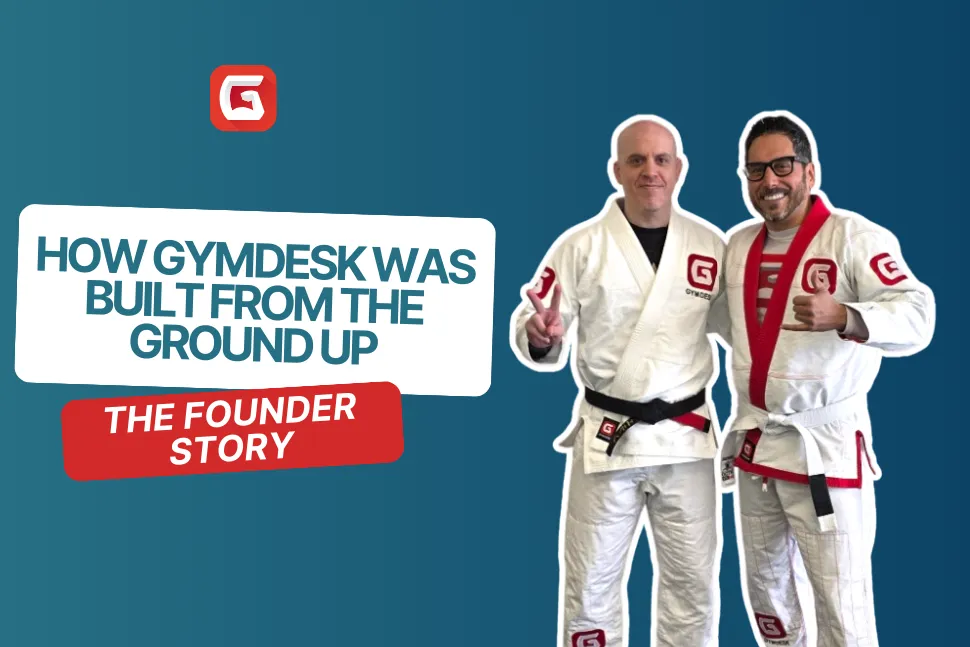
Starring
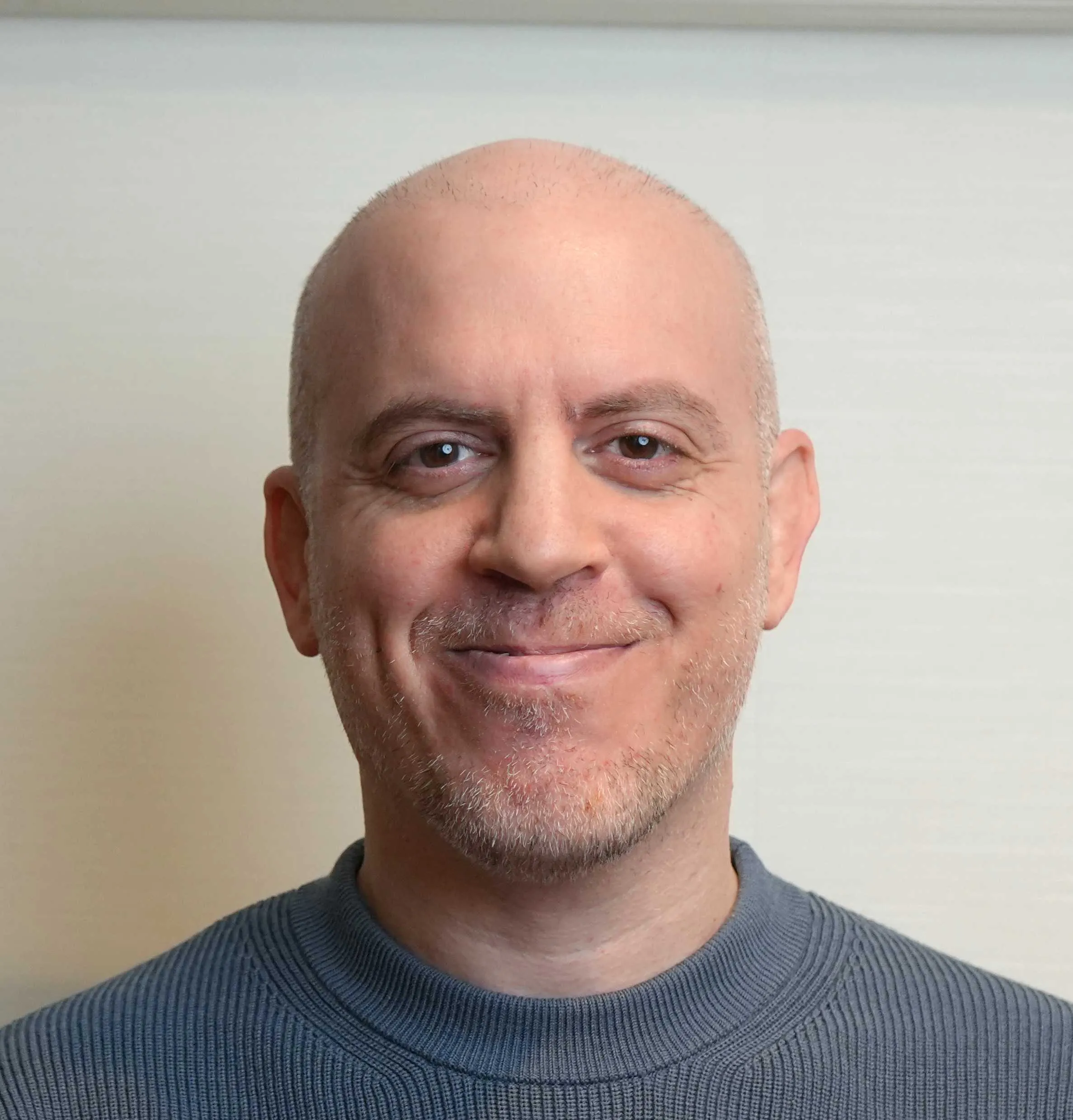
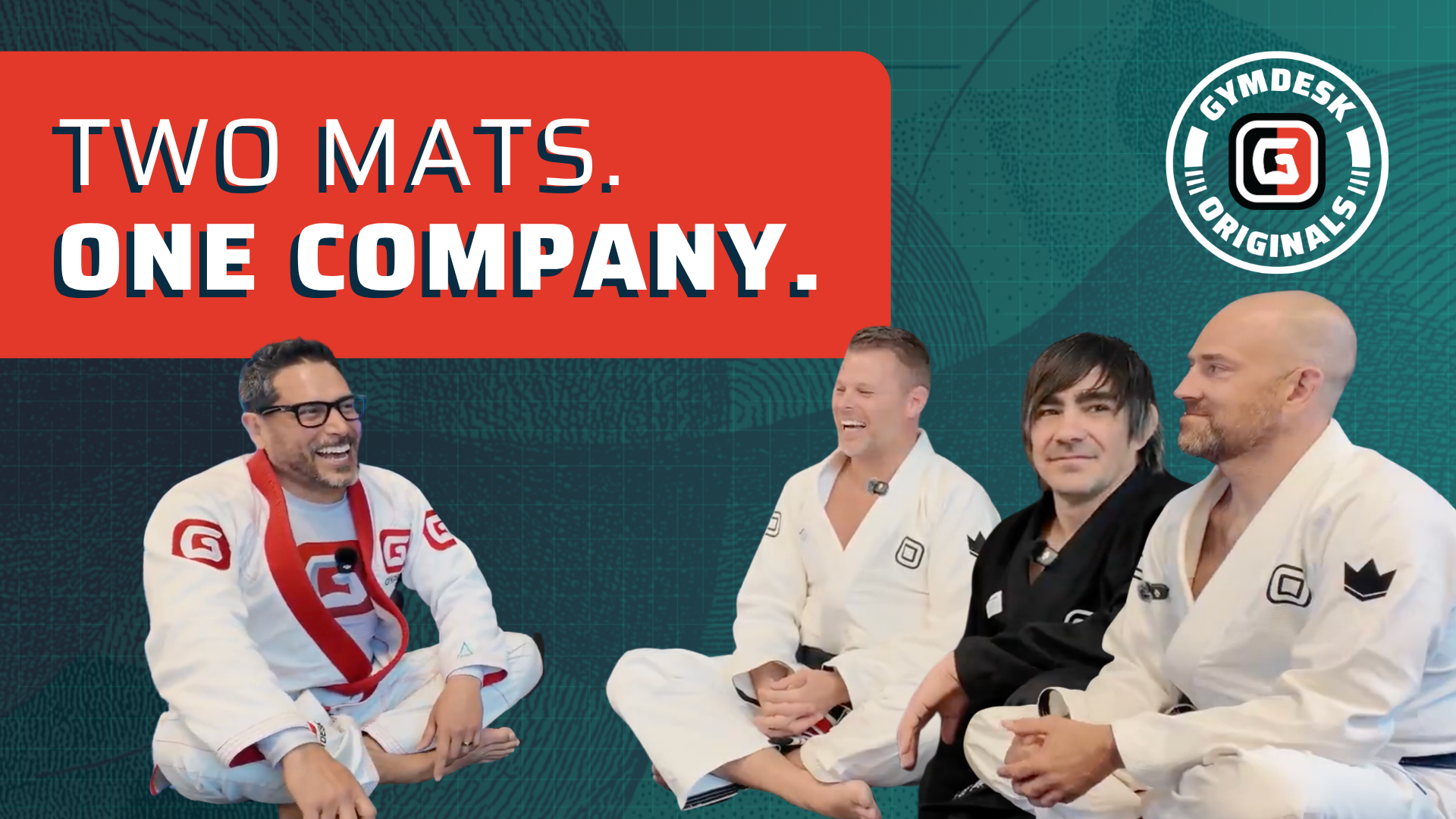
Eran Galperin is the founder of Gymdesk and a Brazilian Jiu-Jitsu black belt with over 20 years of software development experience. He built Gymdesk from a bootstrapped side project in 2016 to a $3M ARR company, partnering with Five Elms Capital in 2024. Now based in Tokyo, Eran focuses on product strategy while investing in and mentoring early-stage SaaS founders.
Alex Cuevas is the CEO of Gymdesk, joining in 2024 to lead the company's growth and scaling. A lifelong martial artist with a black belt in Taekwondo and active training in Brazilian Jiu-Jitsu and Judo, Alex brings extensive experience in sales, customer success, and strategic planning from leadership roles at GoSite, Planet DDS, and other tech companies. His deep connection to the martial arts community and commitment to empowering small business owners aligns perfectly with Gymdesk's mission.
About the Gym
Founded in 2016 as "Martial Arts on Rails," Gymdesk was built on a simple philosophy: create software that's actually easy to use, offer transparent pricing, and solve real business problems for gym owners.
Eran shares how his background as a Brazilian Jiu-Jitsu black belt and 20-year software veteran shaped the product's development, the challenges of learning marketing and customer acquisition, and the decision to step back from daily operations after partnering with Five Elms Capital in 2024. This conversation offers a candid look at the realities of bootstrapping a SaaS company, achieving product-market fit, and knowing when it's time to bring in new leadership to scale.
Summary
What started as a side project in 2016 grew into Gymdesk, serving thousands of gyms worldwide. Eran Galperin, a Brazilian Jiu-Jitsu black belt and software developer, built Gymdesk from the ground up—working nights and weekends while holding a full-time CTO position, refining the product based on customer feedback, and achieving product-market fit after a major redesign in early 2020.
This episode captures Eran's transition from founder-operator to strategic advisor. After growing Gymdesk to $3 million in ARR and 16 employees, Eran partnered with Five Elms Capital in 2024, bringing on CEO Alex Cuevas to lead the company's next phase of growth. Eran shares the complete journey: building the product, learning marketing, surviving COVID-19, and ultimately stepping back from day-to-day operations to focus on product strategy and mentoring the next generation of SaaS founders.
What They Told Us
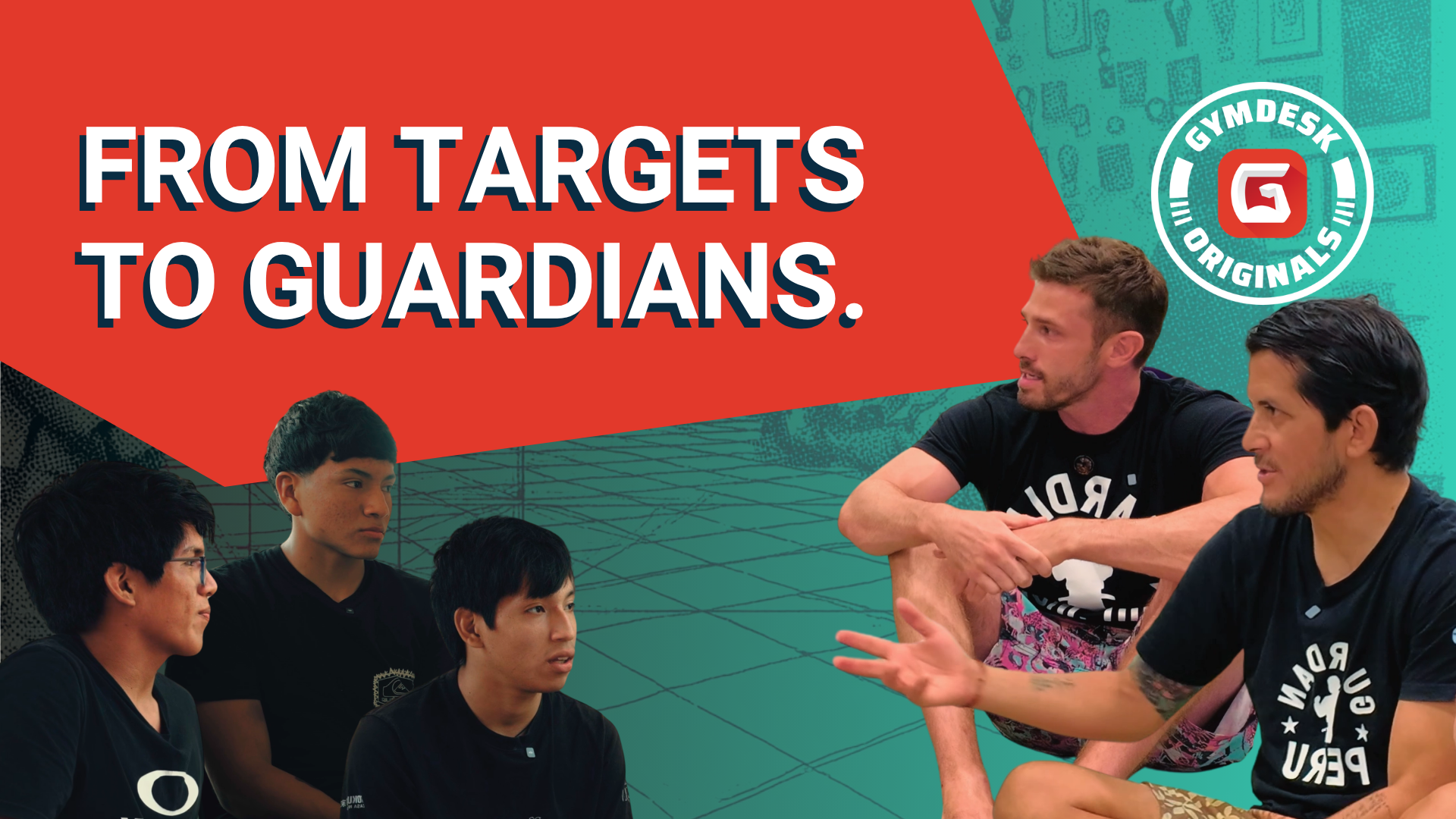
For a special Founders Edition, Alex Cuevas took the Gymdesk Originals camera to Las Vegas to interview the person who started it all—Eran Galperin, a Brazilian Jiu-Jitsu black belt who built Gymdesk from nights and weekends into a company thousands of gyms now run on. The conversation traces the whole arc: why he wanted a bootstrapped business, the product philosophy he arrived at by talking to customers for years, and what he learned building software that practitioners actually enjoy using.
Why he built it bootstrapped
Eran had been in software and entrepreneurship for over twenty years, and had already tried the venture-backed route with an earlier startup that didn't pan out. By 2015 he was winding that company down and thinking about what came next. He had been training BJJ five or six times a week since 2006, and wanted his next project to combine the two passions—on his own terms this time.
"I want to build it completely bootstrap, completely self-reliant on revenue that it generates. I did not like the VC track as it's called."
—Eran Galperin, Founder, Gymdesk
Why a crowded market didn't scare him off
Gym management was already full of big names—MindBody, Zen Planner, others—and Eran initially looked away from it for exactly that reason. What pulled him back was a gym-owner friend telling him that if he built something better, they would switch. Looking back, he reads the crowd itself as a signal, not a warning.
"having competition in the market is actually a good thing. It validates the market. It shows there's already demand. Existing competitors do market education for you."
—Eran Galperin, Founder, Gymdesk
The mindset shift that shaped the product
For years Eran was the one answering every support question, and early on he thought like a lot of engineers do—if a customer was confused, they just needed to try harder. Over time that flipped. He came to treat every point of confusion as a defect in the product, not a failing of the user, and kept refining rather than piling on help docs.
"if a customer tells me they don't know how to do something in the product, it's usually the product's fault, not the customer's fault."
—Eran Galperin, Founder, Gymdesk
Solving the business, not the feature
The deeper lesson was about how to listen. When a customer asked for a specific feature, Eran learned not to take the request at face value but to dig for the underlying business problem they were trying to solve. Often the product already did what they needed—it just wasn't obvious enough. That reframed what the software was even for.
"the product should communicate how to solve your business issue, not how to set up a product."
—Eran Galperin, Founder, Gymdesk
Why the pricing is flat and simple
Eran points to a Slack invoice that kept changing every few weeks as the moment the principle crystallized. As a solo founder with no committee to answer to, he could build the product the way he himself would want to buy it—transparent, predictable, no surprises on the bill.
"So if I'm building a product, I want it to be super clear and simple to understand what you're paying. That's because this is how I would like to consume the product."
—Eran Galperin, Founder, Gymdesk
Betting on letting people try it
While competitors gated their software behind a sales call, Gymdesk opened the door to a long, no-strings trial. The whole approach rested on one conviction: if owners could just get their hands on the product, it would make its own case.
"We gave a generous free trial, which none of our competitors did. All of them you have to get on a sales call. … I believe the product would win if you just let people try it versus the competitors."
—Eran Galperin, Founder, Gymdesk
Read the full transcript
Lightly edited for readability. Speaker labels are omitted because the source recording is not diarised; quotes attributed elsewhere on this page were verified against context.
Behind every gym, there's a story. A mission. A spark of passion that started it all. This is Gymdesk Originals. Real owners, real struggles, and the communities they've built from the ground up. What's up? It's Monday, the 17th of November, and I'm in Las Vegas. I'm going to go meet our founder, Eran, and we get to do a very special episode, a GDO episode with the founder. Get a couple rolls in, film it. It should be a lot of fun. Looking forward to it. The last time we rolled was one year ago, and we were in Los Angeles, right?
Yep. Yep. No-gi, which is not my favorite. So for me, it's very interesting to roll again, because hopefully I'm better than I was a year ago. We'll see. I'm definitely worse. And I haven't trained in the gear for almost three years. Okay. But yeah, looking forward to it. Maybe we can start on the feet, do some judo also. Oh, okay. Now we're talking. Yeah. That's my favorite. So that'll be a good one. And you were nursing a shoulder, right? For a while? I mean, it's not for a while.
This is a permanent situation now. I have osteoporitis. It's a degenerative bone disease. I'm losing more and more range of emotions. So I can't do this kind of thing anymore. This is my max. Okay. In the other direction like this. So you're saying I should hit Komura on that side. Okay. But that's why I keep wearing that. Okay. Yeah, it's fine. It used to cause irritation in my neck. Because now instead of using upper muscles, I'm using neck muscles to do this movement. Yeah. I can feel it right now.
It's like here, it's moving from the shoulder. It's moving from the neck. Yeah. Let the fight begin. Let the fight begin. Let the fight begin. Well, Leron, we made it. We're here. We're in Las Vegas together. This is our second time rolling. We have a lot of fun. Thanks for being a guest star in the Jet Desk Originals episode. Yeah, closing the loop. Closing the loop. So obviously we're going to have a lot of B-roll. Maybe we'll show some of that right now. But it's been a year.
It's been a year. What do you think of my jiu-jitsu? Well, last time we rolled no gi. Yeah. And you self-admittedly have not done much no gi. I can definitely see why you're more confident in the gi. You have more stuff that you go to and you're like, okay, I can do this. I can do that. Yeah. Very nice. Yeah. Keep going. Keep training. Yeah. Thanks. I didn't get to execute any of my moves. I could never get on a... Yeah, but I could tell that you had good intentions.
So that's important too. Sometimes you roll with people. It's like, this person has no idea what they're doing. Yeah. That was not the case. So even though we didn't get to execute it all the way, I could tell that you have a good idea for me. Yeah. Well, thank you. Thank you. I got caught twice. So I'll take that as a win for the day. We'll try another round in hopefully not 12 months. Maybe I'll go to Tokyo. We'll do another round somewhere. Yeah. So, all right.
Well, this is a, we'll call it a special episode, the Founders Edition, right? We did a video like this about a year ago when I joined. Yeah. It was mostly internally. Internal, yes. Yeah. So I think it'd be amazing to share the backstory on Gendesk and, you know, frankly, your background background and how you at some point decided, oh, I want to do something. And, you know, originally it was martial arts on rails, but just kind of the whole, the genesis of the project. Yeah, for sure.
Um, so I've been in software development and, um, general entrepreneurship for over 20 years, uh, started in college, was studying for a physics degree and, uh, took, uh, um, a programming course back then was Fortran and C that's, uh, languages used heavily in, uh, physics, um, math libraries. But from there I got into web development. Uh, I started as a freelancer, later started my own web development, uh, shop with two other people and, um, eventually graduated to building actual products that I own, uh, built a couple of those.
One of those raised, uh, some VC funding. I moved to the Bay area. Um, originally from Israel or rather, uh, Israeli American, but lived most of my life in Israel. Um, moved to the U S tried to make that startup happen. Um, it didn't happen. Uh, and then around 2015, we're winding down that company and I am starting to think about what's next for me. Um, I've been training in Brazilian Jiu Jitsu since 06. Uh, so almost 10 years, nine years at the time, um, training five, six times a week.
I'm really into it. Wow. And I'm like, it would be great to do something that combines both. And also after trying a VC-backed company, I'm like, I want to build it completely, uh, bootstrap, completely self-reliant on revenue that it generates. I did not like the VC, uh, track as it's called. Um, and, uh, I was thinking multiple different directions, maybe build, uh, competition software for, uh, Jiu Jitsu or I looked at, uh, gym management, but, um, several big companies already in that space, MindBody, Zen Planner, Spark.
Uh, it looked like a crowded market. So eventually I kind of, uh, looked away from it, but speaking to some of my gym owner friends, shout out to Gumby from, uh, Heroes Martial Arts. Um, it seemed like there was a gap there. Everybody was complaining about what they're using. Um, and Gumby literally told me, if you build something, we will move to yours. Um, so that kind of pushed me again in that direction. And in retrospect, uh, what I now believe and know that having competition in the market is actually a good thing.
It validates the market. It shows there's already demand. Existing competitors do market education for you. You don't have to explain what your product is doing. I didn't know all of that back then, but this is what I believe now. Um, and I decided to try even though, uh, limited resources versus massive companies, uh, with the main goal of providing something that's actually user friend. Now it's this kind of amorphic term that all the companies say, oh yeah, easy to use, uh, user centric, et cetera, but there's actual frameworks and approaches to make it.
So I have some background and user experience and looking at the existing products. I believe that I can provide a better solution with that in mind. Um, built the initial product in about three, four months, launched it, uh, early 2016, and then spent quite a while trying to figure out how to get people in front of the product. What we call customer acquisition. I had zero idea how to do that. In all of my previous companies, I was always the technical founder and it's the first time that I actually had to go and, uh, first get customers in front of the product, then get them to actually use it and pay for it.
Um, it was a long discovery process for me to figure out how to do that. I ended up getting a full-time job while doing that. I moved to LA and, um, started working at an e-commerce company as their CTO. I did that between 2016 and 2019 while building up Gymdesk back then called martial arts on rails, uh, in the weekends at night, um, talking to customers, getting their feedback, figuring out where the gaps are, why the product is not doing what they wanted to do. And also this is kind of where the being a technical founder kind of helped me, uh, whenever customers complain about, um, not being able to do something in the product, like I know the product can do that.
So why can't they understand it? Right. Um, eventually I had this mindset shift that if a product tells, uh, sorry, if a customer tells me they don't know how to do something in the product, it's usually the product's fault, not the customer's fault. I used to think, oh, you know, like, uh, Steve jobs, they're holding it wrong. They just, you know, they just need to try harder. Um, it's like, no, the product needs, it's either too complicated or too hidden. Um, and I just kept refining instead of, okay, I'll just answer them over and over, build more help resources.
I'll try to solve it for the product. Interesting. And over years that got to the point where we're able to onboard people, um, completely touch free. They get on the website, they understand what the product is about. They start the free trial. We gave a generous free trial, which none of our competitors did. All of them you have to get on a sales call. We had a free day, free trial, 30 days, sorry. Um, and, uh, I believe the product would win if you just let people try it versus the competitors.
Um, at some point we started to see some traction. We also, um, after years of ingesting feedback, decided to re-imagine the product. I, uh, contracted with a UX designer. That's now our director of UX, John. I redesigned the product with all the learnings that I gave him over, uh, years of talking to customers. We launched at the beginning of 2020, and that's when we started seeing real growth. We hit what is called product market fit to a degree. Um, and people seem to really enjoy using the product.
Again, there was always additional feedback to work on. Um, but things were looking pretty good. And then COVID started, uh, mid-March 2020, and then got really bad in, uh, April. A few tough months for the company. It wasn't clear. Uh, you know, a bunch of customers are messaging calling in. I need to freeze or cancel my account. It's no problem. We worked with them. We added features to support them. I don't know if you remember, but for a while there was this limit. You can have up to 10 people, uh, in a closed space.
Uh, we implemented all of that, uh, features to support it. And eventually it passed. It seemed to come down a little bit by the end of 2020. Then we had second wave, third wave, but with each wave, it got better and better. People were less anxious or concerned. Um, and we kept going from there. 2021, 2022, 2023. We grew immensely from a team of one person. Me grew to a team of 13. We had a CS department. We had marketing people, uh, additional developers. And then, um, beginning of 2024, we, uh, started talking with Five Elms, our, uh, investors.
And, uh, we partnered with them for the next journey of Gymdesk, um, built up the executive team, brought you on board as our new CEO. And, uh, this is where we are. This is the background of Gymdesk. Yeah. Um, great background. Um, and, uh, when COVID hit, were you full-time Gymdesk at this point? Yes. I actually moved full-time on, uh, on Gymdesk, August, 2019. Um, wound down my position at the other company. I moved from, uh, California to Texas, moved to Austin in August, 2019, went full-time on Gymdesk.
And that's what gave me the capacity to, uh, look back. It's like, okay, we learned this much. We have a bunch of stuff in our product that we didn't plan for. Let's reimagine the UI based on what we know now, now that I have the capacity to focus on it full-time. Yeah. Yeah. And that's when we made a transition. There's so many things that unpack there. Just the whole idea and philosophy that if someone is confused, it's not on them, it's on me. Let me make the product so it's not confusing, so they can adopt whatever workflow they're trying to get.
What I really learned with this company, again, previous companies, I'm mainly the technical person. Uh, so I learned how to do marketing and customer acquisition, but the most important thing I learned how to do product, maybe not in a, um, formulated, uh, structured way. Like some people come with a bunch of frameworks, but how to talk to customers and understand the core problem they're trying to solve, which is very, very important. I constantly try to teach that to our CS people as well. Don't just, um, and customers, I love you all.
You're all amazing. Don't just take what the customer tells you at face value. They might come in with some, uh, preconceived notions from other systems, what they think would be a good solution, but they're not product people. They're not software people. What's most important for us to understand is what are they trying to solve in their business? And that's what I learned to do with this company for years. I was the main person interfacing with all of our customers. Um, and I learned to ask the questions or read between the lines to get to the core problem or issue.
So when somebody says, oh, I don't know how to do X with the product. I'm not like, okay, let me just add option for you to do X. Like, okay, what are you trying to do with X in your business, not in the product? Once they tell me, it's like, oh, I have a much better idea for you how to do it with the product. And then like, oh, it's amazing. I never thought about like that. Right. Because I actually solved their business issue. Um, and yeah, uh, the product should communicate how to solve your business issue, not how to set up a product.
Some products are really focused. They create a bunch of guided tours and stuff like that. Look at all of our features and settings. And that's important too, in a way, but the goal should be, it's like, oh, okay. How the business can set up their own use case within the product. Right. Um, so it's a living thing. It's never done. We always add more features and then we need to address all the edge cases of all the businesses that are trying to adapt it to their own use case.
Um, okay. So now we need to simplify because for some use cases, it's still complicated. It's never ending. It's a pursuit of perfection that will never arrive, but through that process, it just becomes better and better. Um, that's kind of the philosophy of building this. Yeah, that makes sense. And you could tell, um, I mean, I love going out to visit customers and I feel like, uh, a little bit of imposter syndrome because I go in there and they're like, oh, I love Gymdesk. It's amazing.
And I'm like, oh, okay. I didn't build it, but you know, I'm here and there's always like a, uh, really, uh, cool element to that. I've done a lot of software in my career. And oftentimes it's been an apology tour. When I go on to customer visits, it's been totally different people. I don't even, I'm not even soliciting the feedback by Jim Best, but clearly you have listened over the years and you've nailed it for a lot of people. And people are like, you guys are awesome.
The software is great. It's been really transformational for a lot of businesses, especially because you have a web background, you've incorporated the web elements and you know, understand about leads and all that. And you incorporate it into the marketing automations. And you're also haven't been like, um, other companies, I'll say that are just trying to nickel and dime. It's all included in one price. Yeah. It's all packaged in there. Anything you can need, anything you could think of to run a business, to grow your business.
One of the benefits of running a business bootstrap without outside investors or, uh, stakeholders is that you can do things that you would do for yourself. Um, I remember the first time that I signed up for a Slack, uh, their paid version and I signed up for a year, uh, annual contract, but, uh, people are constantly being added and removed. And every couple of weeks I would get an adjustment. It's like a massive amount. Yeah. Oh, uh, we added 200 to rebuild. Oh, we reduced it by 300.
Like what is going on with the pricing here? So if I'm building a product, I want it to be super clear and simple to understand what you're paying. That's because this is how I would like to consume the product. So you can do that when you're the only decision maker. By the way, um, previous companies, I started with co-founders this time, solo founder. So once again, you can be as opinionated as you want. It's not decision by committee. Uh, I think that also kind of, uh, um, help, uh, establish the backbone of the company and the product.
Yeah. And one thing I will call out again, that I cannot take credit for that people love the pricing model. And I came in here, I'm like, Oh cool. I don't have to change it. Uh, but people love it. If I'm just starting, it's not that expensive to get started. Unlike others, I need a contract or, you know, you're paying over a hundred dollars, you know, potentially even $200 to get started. It's just, you made it very easy for you. Just like, give it a shot.
Yeah. Yeah. Yeah. For sure. Um, you know, uh, we talked a lot about how to, how I aim to make it as easy as possible for users, but there's also, there's, there's a cap there. We tried to make it applicable to 80, 90% of the use cases. There's always going to be some use cases where it doesn't quite work. And I learned to accept that's fine. Um, because the added complexity of making it work for all of those use cases actually detracts. And some of our competitors, they do this.
They have a ton of different settings, overwhelming and also very tough to get it just right because there's so many different settings that have to work together. So you make it more difficult for everybody by making it, uh, as expense, expansive as everybody wants it to be. Right. So yeah, you do have to turn away some requests because they're in conflict with what the core or the main user base needs. And I think that's fine. That's also an opinion that I adopted and kind of embodied in the culture and the product.
Yeah, that makes sense. Yeah. What about, um, just going, going back to the feedback that I've gotten from customers as well as like, we love the interface, modern UI, just looks and feels, not clunky, streamlined, optimized. Um, that's maybe through the help of John, some of UX design. What were the early days like when you first came out with the product? Um, what did Gymdesk look like back then or martial arts? I mean, I still have some screenshots that I say. Oh, we should, but we should bring them up here.
Yeah. You would not recognize it. I mean, you would recognize the core of it. Yeah. And the hilarious part, when we redesigned the US for a while, we ran with dual channel, all the new, you can switch in your account to the new one. And some people, they hated it. They hated the new one. Yeah. Okay. Like, Oh, I liked how they used to be. And since then, every time I found that there's always a group that's resistant to change. They just like how it used to work.
Um, but it's really hard to move forward. Eventually we had to force everybody onto that. We can't maintain two separate UIs forever. Um, and some people were upset, but after they got used to it was fine. Um, we will put some of the screenshots, you will recognize some of the structure, but it's so different. Um, yeah, we solved a lot of the issues that kind of built up in the old UI. We added a bunch of filters, lists, time and settings. And they're just like in your face all the time.
It started like just a couple and then there's like 20. It's like, okay. So I go to John. It's like, John, we have all those filters in the list. What would you do? Oh, there's a great UX pattern for it. And he would design it. And that's how we went screen by screen, issue by issue. So we felt we had a pretty good solid base there to move forward with. There's obviously a lot of quality craftsmanship in the product, resilience, um, reliability. What's been the guiding principle for you this whole time?
As you know, think about iterating on Jynvesc or just running the company. It's been much more organic than intentional. And it's like, it's not as a planned out that as you might make it out to be. So it's not really a guiding principle. The idea is we get, we ingest feedback from customers, customers reach out. I want to do X. I can't do Y. We start building a model. It's like, okay, free accounts, uh, reported this. Oh, this makes a lot of sense. You know, I don't know how we didn't think about it.
We start prioritizing it into a list of things we want to work on. And then we dedicate time to work on it. So it's not the most structured process, but the idea is customers are telling us what the product needs to be. We work with them to understand what they're actually trying to solve. Sometimes we find it's like the product already solves it, but it's just not obvious enough or clear enough. Um, so we, instead of adding something, we just simplify something and make it more obvious.
And the idea is to continue to unlock everything they need to manage their business. That's the core. If there is a guiding principle is that you should not have any blockers to run your business. Not necessarily do everything in your business, but some of our customers do ask for it. Like, oh, I want you to do lead gen. I want you to do my laundry. I want you to do coffee, but it can't do everything. But within what makes sense in our umbrella, and we have added to it over time, uh, we do try to address.
We added the marketing automations, uh, at the end of 2023. Um, which I think are excellent, but still, uh, there's dedicated marketing automation software out there. We can't compete with them on that one thing. So when people say, oh, I want it to be as good as active campaign or whatever, go, uh, team up, whatever that's called. It's like, we can't compete. That's all they do. They're 10 times bigger, and they just focus on making that thing. Um, so we try to bring it into the system.
So for 80% of our customers that just need somewhat, uh, robust, uh, marketing automation, it's good enough. If your use case is super advanced, yeah, we're not going to be able to compete with the standalone products on every topic. That's kind of the, um, the Achilles heel of a full business management platform. It can do every single one of the things as good as a standalone product that's solely focused on that thing. Right. But it can solve it for 80, 90% of the use cases. And if you have a very advanced use case, maybe an integration or something like that, uh, so that's kind of how we look at it.
Like if we can get it closer to 90, 95% of the use case by small additions, then we will do it. If it's a massive lift to get a couple more, uh, edge cases in, probably we won't do it. That's kind of how we, uh, also as a bootstrap company, limited resources, how we, um, prioritize things. Yeah. Earlier you talked about challenges, like COVID obviously is a challenge for the world. Yeah. Um, besides that has, what have been the challenges along the way from 2016 to the first challenge, as I mentioned, was figuring out how to do marketing.
Um, took me a long time. We eventually solved it mostly by creating an inbound channel. Uh, we wrote a ton of content that's very relevant for different business topics. Um, we invested a lot in the resources that we provide to gyms and eventually it paid off. So it took a while to figure out how to do that. That was the biggest challenge. And also for every, uh, software company that starts out by getting customers. That's the biggest challenge. Next challenge is how to scale up your operation.
Uh, I used to be single operator me. Eventually that's not good enough. So I started bringing people initially for customer support, then for marketing operations. So scaling up is also a challenge. Uh, we're doing that right now. Scaling up again from the operation we had previously to what we foresee as the next stage for Gymdesk. Um, maintaining quality as you scale up is a very big challenge, right? When it's me answering all the customer's questions, it's the most accurate answer you can get. I built the product.
I talked to all the customers. I understand their businesses as much as anybody in a company that's not actually running a gym can. Once they bring in CS people, you know, uh, they have to build up that product knowledge. They have to build up that business understanding of the customer. Um, it's possible. It's a challenge though. And as you continue to expand, you know, the levels between levels of separation between you and the frontline people, just, they keep increasing. That's been a challenge. We're still dealing with that challenge.
Um, and the same in every other aspect of the company. So the product, we now have multiple product people being able to still maintain that, you know, learning built over years of working with the customers. It's the challenge that we're dealing with right now. Yeah. With every challenger comes a little bit of pride around, um, overcoming challenges or obstacles, uh, triumph. Um, is there anything that stands out for you in terms of like what you're most proud of when it comes to Gymdesk? Um, wow, that's a tough one.
So, you know, when you're dealing with those challenges, you don't think of it in that frame of mind. It's not like, oh, I have a challenge in front of me. I need to overcome it. Just like, okay, you know, I need to, there's issues right now that need addressing. And you try to address it. And then you're like, I'm glad I don't have to deal with that anymore. It's not like a fear of accomplishment, you know? Um, but if you're talking about being proud of something, so I'm proud that, uh, the product is now used by thousands of businesses to manage their business.
And most of them are very happy with the decision they made to go with us, which is not sometimes. And at the same time, I'm becoming more and more expandable at the company to the point where soon I will not be involved in the day to day. That's the center of the competition that's also bringing to a lot of uh, comfort. Um, because I've been working for, uh, it's going to be a decade, uh, in 26, in a couple of months. And I'm like, I'm ready to explore a little bit outside of that.
That was my entire role. Okay. Yeah. Um, so to be able to get to the point where it's like, yeah, it's in good hands. That's, uh, that brings me to a lot of comfort and appreciation. That's awesome. Um, well, can we talk a little bit about your martial arts background again, just going back to that? Yeah. So when you started, you were already in the game doing jiu-jitsu for nine years, you said? Yeah, nine years. Yeah. Um, I started in 20, in 06, uh, in Israel and was training.
Our instructor was a blue belt. Uh, this is back then. I mean, in the U S you started having a black belts earlier, but in Israel, the highest strength person was like, really, uh, hoist, racy affiliated school. He would come once a year, do a seminar, hand out belts. Um, yeah, that's, that's how it was in the old days. I trained three times a week out of this like pool club in, uh, in the middle of the city. It's like, there's no dedicated gym, just rent out space from this pool club.
Um, trained, uh, under that guy for about two and a half years. Got my blue belt at one of those hoist places. Um, did he give it to you boys? Technically. Yes. Okay. I mean, obviously he's not my instructor, but he gave me that blue belt. Um, and later that the instructor retired that he was doing it as his, you know, part-time hobby too, in a way, we got a different guy, this, uh, Brazilian that moved to Israel, brown belt. He taught us for a while, but then this appeared.
And then we got our first taste of a real black belt instructor. Um, a guy that just came back from San Diego, uh, was a competitive black belt, uh, Rowena Eman. He also competed in ADCC, um, and he, uh, took over our group and, uh, I trained with him for, uh, I think over two years and got my purple belt from him just before I moved to the U.S. Uh, where I continued training at Heroes Martial Arts in San Jose with, uh, Gumby, Al Marquez. Um, trained there for about three and a half years.
Got my brown belt from Gumby, uh, just before I moved to LA. Sorry, I moved to San Diego first. I forgot that chapter. I moved to San Diego first just to cut down my living expenses. Living in the Bay Area is quite expensive. I trained out of the University of Jiu Jitsu with Salo and, uh, Shanji. For some reason I missed that part, man. I, yeah, we did the same thing there. That's amazing. Okay. Anyway, go ahead. An amazing school. They're incredible instructors and obviously very.
The arena, was it? Yeah, by the arena, just next to the arena. Wow, that's crazy. I didn't even put too into that. I also, uh, trained a little bit, uh, with, uh, um, one of the Gracies that the guy is really good at, uh, um, which I just showed you during, uh, Clark, Clark Gracie, one of the nicest guys that I ever trained, such a nice guy. Um, I really enjoyed training there. Trained there for about half a year before I eventually moved to LA. I spoke about, I got a full-time job there for a while.
I was doing, uh, I was on the, um, the track. I was driving up there at the beginning of the week, driving back. It's two hours at night with no traffic, but with traffic, it's like three and a half hours. Um, eventually moved to LA. And that's when I started training with my most recent instructor, D'Artagnan Bagby. His actual name is John, but everybody calls him D'Artagnan. Uh, his middle name. Is that the Musketeers guy? Yeah, the Musketeers guy. That's right. Very interesting character. Uh, I think I mentioned it during our roles, but I started Judo when he was five.
Um, did Judo competitively, wrestled in college. This is all before he started Jiu Jitsu and he got his black belt in the nineties, uh, in Jiu Jitsu. So over 25 years as a black belt, very interesting, very versatile. Is Jiu Jitsu is just completely different than anything that I've seen. And I've trained with a lot of very accomplished people. Um, I learned a lot from him. I learned to do some Judo, some wrestling, rounded up my game a little bit. And eventually he was very adamant that his black belts need to also, uh, prove themselves in competitions.
I was, um, competing a lot as a brown belt. I competed the most at brown belt than any other belt. I must've done maybe 15 tournaments. Most of them big events. So I did worlds most multiple times. In Vegas here? Uh, no. Oh, in, uh, Southern California? Yeah. I also did a world masters here, Worlds Nogi. Uh, I did PANS, I think once, and also local tournaments. Uh, and eventually it got to the point where I was winning some matches, obviously at my age bracket. So, uh, um, not saying I'm like, uh, in the category of anybody that competes at the adult worlds or anything like that.
But yeah, I got to the point where I was pretty confident. Uh, I won some local events where I'm a brown belt competing against black belts. Um, and eventually he gave me my black belt that, uh, um, the middle of, uh, 2019, a couple of months before I moved out to Austin. In Austin, I trained with, uh, Gabriel from, uh, Intergrasau. One of the best people that I ever trained with. His Jiu Jitsu is amazing. And you can also find some, uh, matches of him online back when he was competing with people like, uh, how meow.
And it was giving them a hard time. People that are world champions. He's really, really good. Um, yeah. Uh, moved to Japan in 2022. Haven't trained as much since I moved there. Um, old, older age started catching up with me and some injuries. Yeah. I have a herniated disc in my neck. Um, I have, uh, osteophoriasis in my shoulder. Those two things don't mesh well together. And for a while I was getting, uh, like, uh, flare, flare ups where I have nerve pain all the time.
And I have to take a break for months. So I did that a couple of times. Eventually I'm like, I'm taking a break for a while. Um, I started training again a couple of weeks ago. I'm mostly doing new gear now. Uh, with the gear, all the pulling and stuff really affects like the neck and back. Yeah. It gets super tight and eventually flares up. But yeah, it's just how it is, you know? Um, get, you know, because you've been doing martial arts for so long, do you feel a sense of duty, uh, respect, all that like rolled into one when you realize who our customer base is, like we're helping them spread.
That's how I feel when I walk in somewhere. It's like, Oh, these guys just doing this often that they may be making some money, but it's not like the only way they make money. And there's like this element of passion and spreading of art. Yeah. I mean, uh, I part two in that passion for a long time. I still watch, you know, sometimes I watch, uh, competition footage, you know, I don't train as often. And I think it's like, Oh, what I'm going to do here, what I'm going to do.
Even though it's like, it's ridiculous. I know all those people can beat me up, but it's a mental exercise. So I did, I do have that passion and it's great to be able to help people with sharing the same kind of passion for sure. You know, I don't, maybe I don't fully buy into the whole mystical, philosophical aspect of it, but it's a great sport. It's a great, um, being to bring people together. A lot of people look at jujitsu as a kind of therapy where they get to relieve some pressure, some, uh, anxiety, um, helps people become more adjusted.
It does, you know, release some endorphins and a bunch of stuff that you don't get to in your day to day. And I for sure felt that as well. Like I would go to jujitsu. It's like, we'd have all those anxieties getting into the car. And for sure, everybody that trained knows what I'm talking about. And you get there and you just, you slap hands and all that goes away and you, on the way back, you're either like, man, it was a great training or you just like, man, I sucked ass today.
I'm so bad at jujitsu. And you still get that after 15 years. Um, but yeah, it's still good. Yeah. So I love that part. It's great that I, the product helps people build businesses. Yeah. That's one of the reasons that I chose to build this specific product and not go into a different world. Yeah. The thing is you constantly recalibrate what, uh, good practice is for you. It's like, if you're a black belt and you roll with a bunch of blue belts and like, man, uh, I only passed his guard once and he stole me the rest of the rounds.
Like, man, am I actually a black belt? It's like your calibration, but when you're a white belt, it's like, man, I did not get submitted once. That's right. Right. So you always criticize yourself after practice. And every now and then it's like, man, today I really crushed. It's like, felt like butter going through everybody's guard. But that doesn't happen often. Usually you're like, man, that sucked. It's like, I got beat up because you feel tired and your neck is sore. It's like, what happened? Did somebody, yeah, a truck ran over me.
So how it feels sometimes. Right. If, if Jim Desk was in, you know, a martial arts student, what belt is it at right now? So as a business or as a product? As a product, I think it's definitely a competitive black belt for sure. It's never, uh, you always learn something new. You always improve your technique. You always, you know, you take a bidding against a competitor. That's, that's fine, but it's definitely up there with everybody and maybe even better than most of them. As a business, it's, uh, probably a purple belt.
Just now getting into the advanced level, scaling up, building different operations, uh, um, things that are no longer founder dependent, um, that have its own culture in each one of the departments, that's self, uh, building self, uh, replicating. Um, but it's in a good place to keep leveling up for sure. Yeah. Well, you're, we're right now at the, uh, very near end where you can finally step away. So you can start to maybe explore other things, you know, you're not going away fully because you're still obviously have vested interest and this is your baby, but how does that feel right now for you?
Uh, I think I mentioned it earlier as one of my accomplishments. I feel great. I know some founders find it really hard to walk away from what they've been associated with for so many years. For me, I feel like I've done all I've, I've could as the founder. And at this point, it might actually, um, like, uh, be a hindrance to a degree where some people, um, they just defer to me too much. They say, Oh, you know, I, well, let's just go with one and run fields.
You know, there's, uh, it's kind of like when you have a really good black belt, show up for a seminar, everybody looks at him. Oh, it's like, Oh, you know, whatever he says is right. But he wants like for you to explore. It's like, Oh, try it out. See if you can adapt it to your own. Oh, just tell me what to do. Right. Yeah. I kind of feel like that, especially with people two, three levels removed that I didn't hire somebody that hired, hired them or they hired somebody to hire them.
Yeah. I think it's not that good of an influence at this point where, um, people need to make their own mistakes. They need to grow in order for them to be able to provide the level of quality that we expect. Um, so yeah, I'm very, very comfortable with letting go of some of that, uh, immediate impact and be more involved in just a strategic, uh, aspect of it. Yeah. And I think you kind of, uh, this is all cut sort of by design. When you, um, had the opportunity to work with Five Elms, you basically said right from the get, I don't want to be the guy to scale this thing up.
So this feels like when you and I talked about a year ago for following the... 100%. It's, you know, when I, um, started talking to Five Elms, they wanted to invest in the company and I was at the point where I was feeling burned out. I was so involved in the day to day in every aspect of the company. I could not take a real vacation for years. I'm just, uh, plugged in 24/7. Yeah. Um, people see me online at all hours of the day, all day, every day, over the weekends.
Uh, it's not healthy. So I told them, it's like, okay, if you're going to invest in the company and they asked me, it's like, do you want to continue on the CEO? I'm like, no, I would like to step down, maybe focus on product. And I want somebody else to, um, take over the day to day operations of the company. Um, so yeah, I've been preparing for this. I was ready for it years ago and I'm happy that we got to the point where it's actually possible.
Yeah. And so in that moment, obviously, you want to have someone come in and take care of what you've built. What were you looking for in the leader at that time? Uh, I didn't come in with any preset notions. I'm just like, I want somebody that I would want to work under is kind of, uh, or with and under. Right. Um, but also that understands what Gymdesk is about. When we interviewed for your position, the CEO, we talked with some people that seem very, um, uh, proficient, uh, on a professional level, on a technical level, very good, uh, managers of companies, builders of, uh, teams, but they had no connection to our industry.
So I was worried. It's like, you know, as a founder that's from the industry, this is one of the main things that help get Gymdesk to where it is, the understanding of what people are doing with the product, why they're building their business. Um, and I felt we would lose something if we went that direction. Then when I talked to you and you showed up to the interview in your B, I'm like, okay, there's some, by the way, my wife immediately, she was listening. Um, like she was, uh, in the other room.
She, uh, gave you a nickname, Goku. Oh, because you showed up with the gi. Yeah. Oh yeah. So first interview show up for CEO position. And I was wearing, not this gi. I was wearing my gi. Yeah. Uh, I thought it was risky, but I'm like, ah, this guy's either going to love it or it was a little corny, but it was good. It was good. And you know, the more we talk, it's like, yeah, you understand you trained Judo for many years. You trained Jiu Jitsu now, did Taekwondo, uh, all different aspects.
You know, we talked a lot about Jiu Jitsu, but we have so many other disciplines using our product that I got to know for the years of talking with them, uh, Taekwondo schools, Aikido, karate, gymnastics, weightlifting gyms. Somebody that actually does all of those and experiences those businesses as a customer has so much more insight than somebody who is completely outside of the industry. Right. Um, so yeah, that was very important to me. And I figured that out as I spoke to all those people. I didn't know that coming into that process.
Yeah. But I figured it out and that's, uh, that was a key factor that I still hear. Yeah. Yeah. And as you think about the next five years, what, what are you, what are you excited about with Jimdesk, the opportunity before us and like what we can do? There's so many things going on right now in the company, but from a product perspective, you know, first of all, it's hard not to mention AI with everything it's doing. Uh, some of our competitors already have stuff out there and we definitely want to at least match what they're doing, but also go beyond that.
I'm using AI a lot in my workflows nowadays. And the main goal was just to make it easier for businesses to do more with less, right? A lot of the, uh, smaller gyms that we service, they have a very small staff, sometimes just the owner or maybe a couple of other people. Yeah. And they have so much to do. So just to help them get that more done with less, AI can definitely help with that. It's helping me, it's helping our company. Um, so that's coming up.
A lot of exciting opportunities there. Other than that, um, we have some big integrations coming up that people have been asking for a while and we're now building up the capacity to take on all those different opportunities from ClassPass to WhatsApp and other different ways that people can plug in their entire workflow into the product. If it's integration or building something of our own, um, a lot of things are coming. Gymdesk payments is another thing. Um, for a long time, we just stayed with integrations of the, uh, big providers and we're still going to keep that, but also providing our own payment rails where we can help the customers beyond just providing the integration.
So with, uh, getting their, uh, merchant account approved and helping with, uh, same day payments, things of that nature, figuring out, uh, payment issues. You know, if something happens now with Stripe, we are not allowed to reach out to Stripe support on behalf of our customers. Stripe is like, no, only the owner of the account can talk to us. You know, so that they're not technical. They have to do this kind of broken telephone games like, oh, Jim Best told me to tell you this. They come to us.
With our payment rails, we can just short the loop, just give people a much better experience with payments, which is one of the biggest pain points for any business when it doesn't go well. Um, so that's also super exciting. We just want to keep building on what we have, make it stronger, better. Um, the route is going to stay the same. We're just going to build a structure even stronger around it. Uh, so that's exciting to me to look at. Yeah. Yeah, that's great. I'm, I mean, I'm pumped as, uh, I say this every, every time I visit a customer, but just tell my wife, anyone who I talked to, okay, you're really happy.
This is the best job I've ever had in my entire life. I feel like everything that I've ever done in my entire career has led me to right here. You know, the first job I ever had was teaching martial arts when I was a young man. And now I get to kind of, you know, pay forward. And now I'm serving the community that I care about, you know, just been, been, uh, able to leverage all the experience that I've had in software for the last 20 plus, cause I'm aging out soon here, but, uh, no, this is a lot of fun.
I guess I would think about those first customers that you came on, uh, that came on for, I guess, with the martial arts on rails, but what would you say to those guys and gals that have been with you for us, like for five years? I mean, our first customer, Sean from Hannu BJJ, I think, uh, they changed their name of the gym. I trained at their place at Apple Pants when I was still in San Diego. Uh, first of all, thank you so much for, uh, taking on the product when it was really not ready.
And they stayed with us all the way. This is like almost a decade. Wow. It's crazy. Um, Gamby as well from Heroes of Martial Arts from giving me the push to get started with this and was also one of our first customers. Um, yeah, you guys stuck with us when the product was barely a shell what it is now. Yeah. You're our, uh, you're our first believers. And, uh, I just want to thank you so much. It's, uh, it's been an incredible ride. Yeah. Thank you very much.
Without you guys, I wouldn't be here either. So much appreciated. Um, and just a small world. I think I told you this, but like our worlds have intersected so many ways. Um, and I w I worked with a guy, um, long ago, it was my senior year, uh, or it was between junior and senior year in the Bay area. And, uh, a buddy of mine who's from Chicago, we were just kind of hung out that week, you know, that, uh, that time in the summer came friends or whatever.
Turns out he actually was roommates with Gumby and owns Chicago MMA who just signed up like three, four months ago. It's just like, that's crazy, man. It's just a small world. What about any advice for someone starting a new martial arts school or actually any, any endeavor, um, you know, any kind of gym they're trying to share their passion. What suggestions could you have? Obviously you've talked to a lot of people here over the last 10 years. Any advice? Yeah. I mean, uh, such a broad topic, but, um, if you want to start a gym or a martial arts academy, um, you have to make sure that you have the means to do so.
So there's ways to get started without having your own school. And I'm sure a lot of people are familiar with this, but renting out a space first to build up your customer base before you go out and get your place. A lot of places that I trained at, they rent out the space three times a week to train much smaller, uh, financial commitment. And you can start building up your, both your reputation and customer base until you have the revenue to go out and actually get your own place.
So I would not immediately jump there. That's how a lot of small businesses fail. They take on too much financial commitment that they're not quite ready for. I mean, also I spoke about the beginnings of gym that I didn't know how to acquire customers. It's something that takes time to develop. Um, so kind of plan out for that at the beginning, you're not going to have a lot of customers. So make sure that you have the runway to keep going. Optimizing your business is super important.
So using tools like Gymdesk allows you to do a lot more in a structured way and make sure that things don't fall between the cracks, right? Having systems. A lot of people that start martial arts or fitness business have not had previous experience running a business. And they make a lot of basic mistakes that if they just took a little bit of time to learn about it, uh, they can't avoid, uh, things from building a budget to hiring people to, um, you know, getting everything that you need inside the gym from equipment and things like that.
You probably know a good 70, 80% of it, but I would run through everything. And by the way, with things like a chat GPT nowadays, it's so much easier to put that together. Um, because it's pulling from so many data sources that you don't have to do the research yourself. Yeah. Just do some research before you actually go for it, start small, build up from there, build your foundations first. Um, being good at let's say jujitsu doesn't mean that you're good at teaching others or making them stay with you over time.
You know, you might have been an instructor at a school where the main guy is the one that's helping students retain. There's a lot of stuff that goes on behind the scenes. Maybe start with, um, being a front desk person at a different school or working behind the scenes to see what the owners are doing. Learn from other people first. Um, once you take that plunge and you open your own place, you're on the hook for rent and a bunch of other expenses. Uh, it's really easy to like run out of money and just close the business.
This is what happens to a lot of our smaller accounts. Right. Yeah. Um, so yeah, just take it step by step, build it up. Um, and at the end of the day, you know, people come to those classes to have a good time. Yeah. I've, uh, trained at places where the instructor treats training kind of like, uh, a drill sergeant is running a bootcamp. And some people are into that, but if you want to build a bigger customer base, um, build a place that people actually want to come and train in, uh, make it a pleasant environment, right?
Uh, push out the people that make it less pleasant, you know, clean up the, what's going on. Don't just look the other way. And some people do, and it doesn't end up well. Um, yeah. And other than that, you know, just keep having self-awareness of what's going on and learn from it. That's the biggest thing for me. As long as you're thinking about what you did, even if you made mistakes, even if things didn't go that well, it's like, yeah, um, you know, I understand what I did wrong.
Now I know how to do it better. If you keep like, oh, it's somebody else's fault or it's the weather, it's COVID, it's whatever. Um, yeah, you're not, you're not moving in the right direction. Right. Yeah. Yeah. I think what you just said about having fun is really important and owning that. First, you got to believe it. Second, you have to own it. And if it's not fun, you have to make sure you make it fun, including if there are people in there that are not making it.
Yep. They probably need to be not part of the community. So, um, well, then last question is anything else you want to share with, uh, all the Jim Best customers out there today? Um, yeah, let, let me just say this, you know, we sometimes mess up and there's issues in the product. We try our best to make it better for you. Um, and we really are, uh, trying to make it better for you. It's not just a thing that I say. Um, so I apologize ahead of time for any inconvenience, but, uh, things are always getting better and, uh, um, they will continue to do, to get better.
You know, some of our competitors, uh, and I've heard this from our customers. They just say, yeah, the product is what it is. We will never say that. It's always getting better. If you have issues, let us know. Um, and even if it takes a little bit of time, we will get back to you and resolve it. So I appreciate your patience and thank you for being our customers. Yep. Great. Thank you very much, Ron. It's been a pleasure. Thank you again. Might as well. Yeah. Thanks for coming out today and being part of this episode and for building Gymdesk. Thank you so much.