How Four Rochester Jiu-Jitsu Families Built a Community That Trains Together
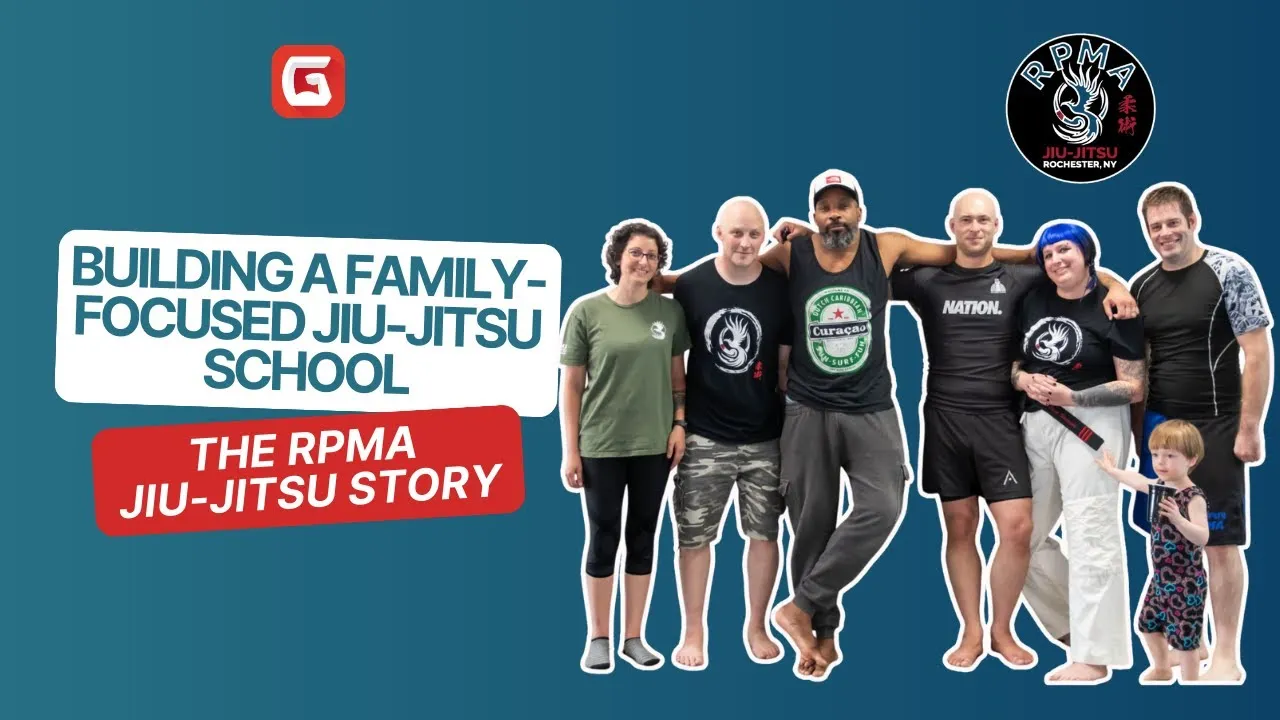
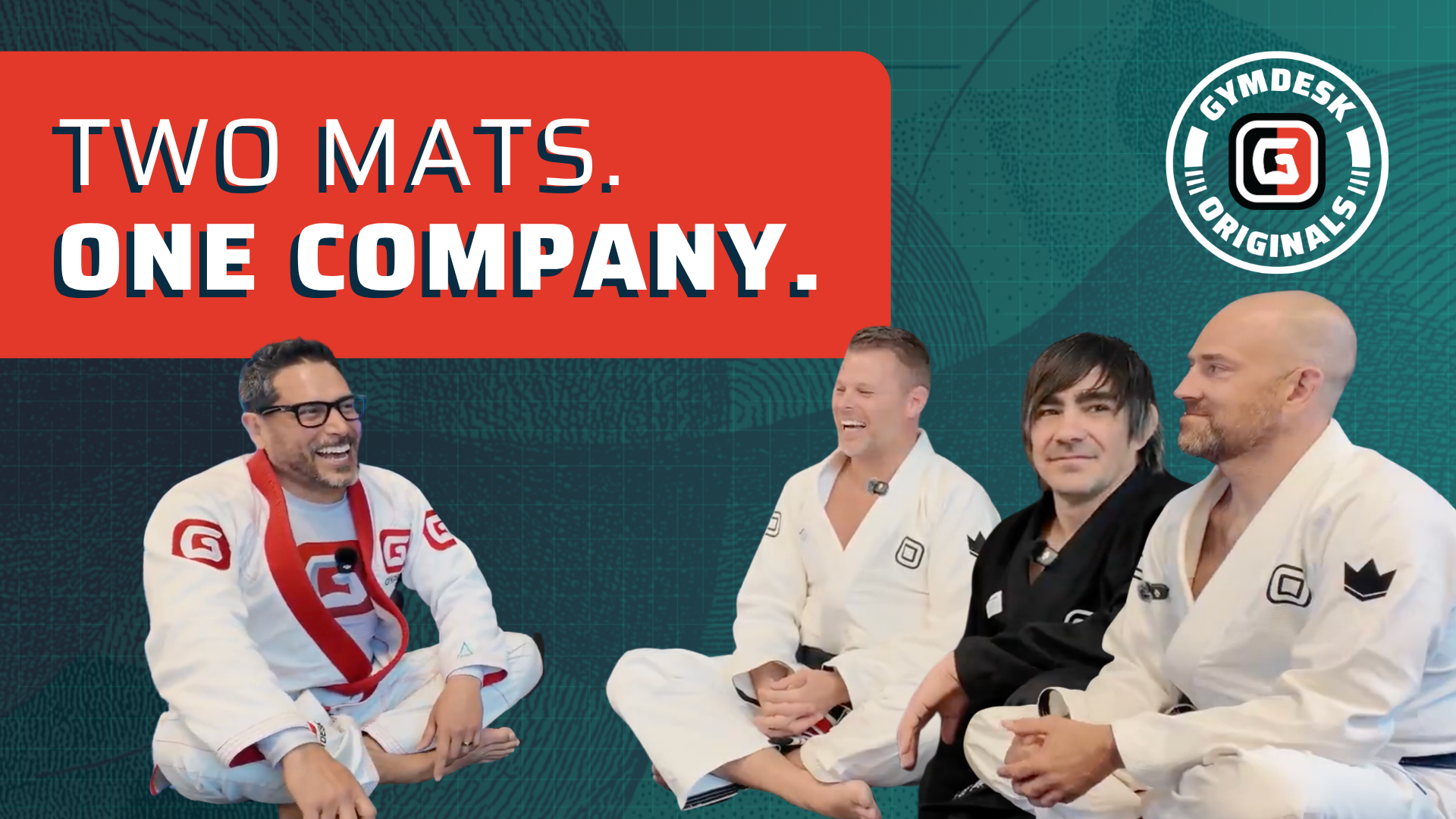
Starring
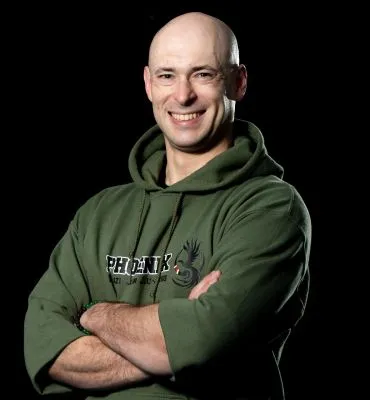
Brennan Strimple earned his BJJ black belt under Professor Eggleston and holds a 3rd degree black belt in Isshin Ryu Karate. His traditional martial arts background informs RPMA's approach to discipline and character development.
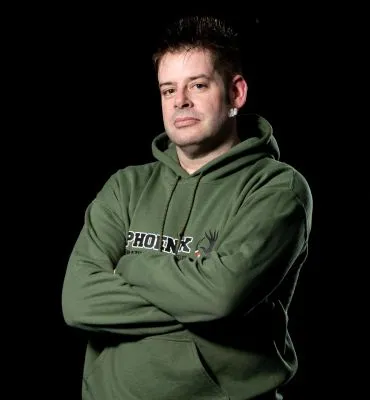
Daniel Curran is a City of Rochester firefighter who has trained Brazilian Jiu-Jitsu for over a decade. Beyond teaching BJJ, he runs Dungeons & Dragons sessions for RPMA's Phoenix Warriors youth program.
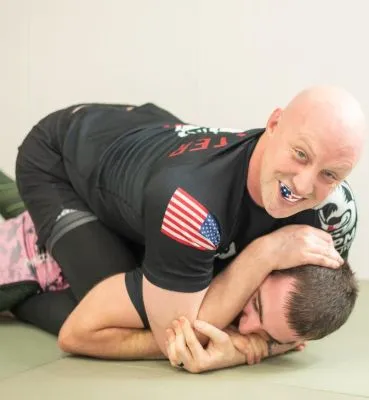
George Curran Sr. is a Blue Belt instructor at RPMA, contributing to the multi-generational family atmosphere that defines the academy's culture.
About the Gym
Rochester Phoenix Martial Arts has been serving the Rochester, New York community since 2014. The academy is led by Professor Jason Eggleston (Black Belt, 3rd degree, National Army Combative Champion), Coach Brennan Strimple (BJJ Black Belt and 3rd degree Black Belt in Isshin Ryu Karate), and instructor Daniel Curran (Purple Belt, City of Rochester firefighter with over 10 years of BJJ experience). RPMA specializes in no-gi Brazilian Jiu-Jitsu, Judo, and Muay Thai, with a curriculum emphasizing takedowns, control, and practical skill development.
The academy serves students of all ages and skill levels, from youth programs building discipline, confidence, and basic grappling skills to advanced adult training. RPMA runs four families who each bring unique strengths to create a unified mission-driven team. The gym provides free BJJ classes every Friday for military personnel and first responders, and hosts their annual Tap Cancer Out Global Grappling Day, which raised $5,014 in 2024 for cancer research and local families.
📍 563 Titus Ave, Rochester, NY 14617
📞 585-371-7732
Summary
Founded in 2014 by a husband-and-wife team, the academy transformed from traditional karate programming to a no-gi jiu-jitsu focus, led by Black Belt Jason Eggleston (3rd degree, retired Army Combative Champion), Black Belt Brennan Strimple (3rd degree Isshin Ryu Karate), and firefighter Daniel Curran (Purple Belt with over a decade of BJJ experience). The video shows how RPMA prioritizes building confident kids through hands-on grappling rather than chasing competition trophies.
The episode highlights RPMA's community-first approach through their annual Tap Cancer Out event (raising over $5,000 in 2024) and free Friday classes for military and first responders. The team shares how their Phoenix Warriors youth program builds leadership through discipline, kindness, and even Dungeons & Dragons sessions.
What They Told Us
Alex Cuevas brought the Gymdesk Originals camera to Rochester Jiu Jitsu (formerly RPMA), a no-gi jiu-jitsu, judo, and Muay Thai school in Irondequoit, New York, founded in 2014. What makes the place unusual is who runs it: four families who bought in over the years and split the work between them. Alex sat down with the owners one after another, and the conversation moved from the kids on the mat to a breast cancer recovery to a ten-year plan for the gym.
Where bullying really comes from
The first thing Alex saw walking in was the youth no-gi class, packed with eight-to-twelve-year-olds. Brennan Strimple started the program as a karate school back in 2014, then switched the kids to jiu-jitsu when he saw how much faster they learned to handle themselves. For him the real work is not the takedowns. It is teaching a kid to stand up without becoming the problem, and he has a specific read on where the aggression starts.
"But a lot of times looking at it from the other side, a bully is someone who's been bullied themselves. And so if we can show some kindness to that person, cause we're not afraid of them, they might not be bullying so much."
—Brennan Strimple, Co-founder and Head of Curriculum, Rochester Jiu Jitsu
The whole family got hooked
Dan Curran, a Rochester firefighter who now runs operations and holds a purple belt, did not come to the gym for himself. He brought his four-year-old son, who was tripping over his own feet, and stayed once the coaches talked him onto the mat too. Years later both of his kids train the adult curriculum, and when Alex asked whether his son wanted to try other sports, Dan already knew the answer.
"You ask him, Hey, do you want to go do wrestling? No, that cut into jujitsu time. Do you want to do any other sport? No, that cut into jujitsu."
—Dan Curran, Operations, Rochester Jiu Jitsu
A comeback on the mat
Veronica Curran runs the front of house—marketing, sales, and membership. She grew up in Portugal playing soccer and never thought about martial arts until she was diagnosed with breast cancer in December 2022. Treatment left her with osteopenia and limited range of motion on one side, and the family pushed her onto the mat as much for her health as anything. She describes what the training gave back.
"My cancer was on the left side. So I had radiation on the left side. So my left side has a lot of range of motion limitation. And this has helped a ton with that. Like I'm able to pretty much put my arm all the way straight now, just from being here."
—Veronica Curran, General Manager, Rochester Jiu Jitsu
The ten-year number
When the talk turned to the future, everyone pointed at George Curran Sr, who handles the finances and runs the gym on the EOS business system as its integrator. He is the self-described numbers guy—he jokes that every member is just a number to him—and last year the four families sat down and set a target far enough out to build toward, with satellite schools closer to the members who drive 45 minutes to train.
"So we set a 10 year goal last year. So in nine years, we really want to have a, you know, we want 600 students."
—George Curran Sr, Partner and Integrator, Rochester Jiu Jitsu
Why they chose Gymdesk
George and Veronica took over the business side so Brennan could stay focused on coaching, and the first problem they hit was the one every growing gym hits. Three kids at home, a full-time job, classes running most nights—and billing, attendance, and follow-up all living in spreadsheets. They went looking for software, compared the options against the reviews, and landed on Gymdesk. The reason was plain.
"We needed to figure out a way to do this without spending countless hours trying to crunch the numbers, make phone calls and chase people down for billing."
—George Curran Sr, Partner and Integrator, Rochester Jiu Jitsu
Read the full transcript
Lightly edited for readability. Speaker labels are omitted because the source recording is not diarised; quotes attributed elsewhere on this page were verified against context.
Behind every gym, there's a story, a mission, a spark of passion that started it all. This is Gymdesk Originals, real owners, real struggles, and the communities they've built from the ground up. All right, well, this is the first time I've been in hail, very light hail, but here I am in Rochester at Phoenix Brazilian Jiu-Jitsu. I'm looking forward to checking out, we're going to start with our kids class and see what it's all about. Let's go check it out. Welcome. Come on in. Thank you. This is our youth no-gi jiu-jitsu class.
We've won this Monday, Tuesday, Thursday at 5 p.m. 8 to 12-year-old youth, a variety of different levels from, you know, beginners all the way up to, we have a few yellow black belts up here, been doing it for a number of years. Hi, I'm George with RPMA Jiu-Jitsu in Rochester, New York. If you're in the Rochester area, come join us for training. We have a large kid program here with a big emphasis on helping with discipline and confidence. We also have Muay Thai and Judo to offer families from multiple different ways to train together, grow together, and stay in shape together.
Oh, this is nice! This is very record-playing, being part of the culture here, and I'm too lazy, so I'll pull out some adjacent speakers and set up the class and set up Spotify. We're welcome to turn this into our office. We had a funny name for it. Our chintzy hallway or something. This is our basement space here. Hi there. This is my wife, Frank. Hi, nice to meet you. I'm Alex. Pleasure. She does all the Gymdesk things. Okay, great. We built this place out. This was a four-room before, and we built this out.
Okay. A good auxiliary training space. Yeah, for sure. Any Muay Thai classes down here on Mondays and Easterners? I love this room, man. This is like a zen-out room or something, you know? Yeah, let's just use the coils. We cut it open so you can put the crash mats up. Okay. We're going to come over. Then, like, the kids will climb up the wall and be up there. First, let me get back to the next table! Five! Four! Three! Two! One. One. How are you doing?
I'm Dan Curran from RPMA Jiu-Jitsu. I am a purple belt, and I am in charge of operations here. My name is Brennan Strimple. My wife and I were the founders of RPMA Jiu-Jitsu in 2014. Veronica, I do mostly marketing, sales, and customer service. Workshare. I'm George Curran, no relation to Daniel. I'm under the EOS business system we're kind of following the integrator. I handle all the financials and just working with everybody else in their positions, bring it all together. Why don't we get started? I mean, the very first thing that I saw was an amazing kids' class when I walked in.
So, you know, just looking through the window, yeah. I was like, oh, this is great. All the kids look like super energized. We've got a lot of B-roll that we'll show. Tell us about the program. So, we have been doing Jiu-Jitsu for nine, ten years now for the kids. We started off running a karate program for the kids. And we found it took three years at least before the kids were competent with self-defense and handling themselves. You know, and then we started, we kind of had a Jiu-Jitsu pilot program for the kids.
And they were doing really, really good. They were taking to it naturally. And after about like a week, they were able to handle themselves better than our karate kids were. And so, we were like, okay, we decided to go all in for Jiu-Jitsu. We kind of discontinued the karate after a while. And so, we've just been building that up for them for a while now. We started taking them to tournaments and getting more involved. We decided to really commit even more to the Jiu-Jitsu as like a sport for the kids.
So, we extended the class length and focused more on wrestling and takedowns. We went all no-gi for the kids. And it's just been exploding since then. Yeah, and when you say, you know, what was the actual difference between the karate and the Jiu-Jitsu in terms of their disposition, how they handled themselves? Yeah, so, the biggest thing is the physical contact, right? So, karate has very like you practice a lot in mirrors and maybe a little bit of sparring once the kids get ranked. But every class, the kids being hands-on and learning how to hold their ground and not fall over, that really made a big difference in like their ability to just be confident in front of someone else, not have that shell shock first time someone goes to grab them.
And also, the ability, like kids, the ability to exert force quickly, it kind of takes them a long time to learn that. There's a big learning curve. Whereas with the wrestling and Jiu-Jitsu, like they can, they learn to hold and it's a slower set of muscles. They can think at the pace that works for them, you know, with a strike or something like that. They have to think so fast, their minds can't really keep up with that. But with Jiu-Jitsu, like it's a little slower and they can process, they can do really, really well with it.
You throw a couple of kids together. You take a couple of kids together just naturally and watch them. They're going to be wrestling. They're going to be rolling around on the ground with each other. Jiu-Jitsu just allows them to focus that energy a little better and takes those natural tendencies and really allows them to amplify that and turn it into a skill. Yeah, that makes sense. You know, my kids before they were learning anything were definitely like wrestling around, even though they didn't know what they were doing.
So I guess you're just adding a little bit of structure to the natural organic movements they would do. Is that kind of the idea? Exactly. So give it, giving them a framework and like, okay, what you're doing is good. Um, I like how you're rolling around and you're wrestling. Like those are all really good things. Um, if you're on top, you're winning like before, like there isn't a clearly defined when a winner, when, you know, your kids are wrestling and stuff like that. But so giving them a framework, okay, this is, this position is better showing that like the, our positional hierarchy, you know, side controls, good mounts better back is the best.
Like they take to that really, really well. Um, and then they, uh, they like showing them, we do a lot of submissions for the kids and, uh, they learn how to apply force, but they learn to respect the tap and they do a, they do a good job. Yeah. And I, hopefully I caught some of what you were talking about there, but you were giving kids sort of a rule book or a playbook that they can use when they are in a situation, right? I was listening to how you were talking to them, which is, I mean, that's a lot of kids won't know, like you have this skill, like when do you use it?
When do you not? I mean, even though, like, for example, when I was training, no one like broke it down the way you were breaking it down. So it's like, if this scenario happens, I already know what I'm supposed to do. Cause you've actually talked through it. Yes. Tell me a little bit more about that. Um, so I really liked jujitsu to empower kids to be confident and kind and be leaders out in the world. Um, I think that like jujitsu does its best when it allows the confidence to come out so that you're not afraid to talk to someone and offer kindness.
Um, you know, you're, you know, if, if you see someone struggling, you're not like, Oh, man, well, I can't really reach out. Like I'm struggling myself or like, Oh, I'm afraid of that person. He looks scary. Like, you know, you can talk with a good voice. You can approach them and like, Hey man, like you look like you're struggling. Can I help? Um, and even if they're like, no, I got it. I'm okay. You know, just bringing them a smile to their face and seeing that, like, you know, I'm not alone in the world.
Someone's, someone's out there willing to help. Um, I think things like that are, are really good. So we try to give the kids examples, um, they can use and, uh, especially like with bullies and things like that. Um, like we do not tolerate our kids being bullied. Like if they have to stand up, even if it's just verbal, I want them to put an end to that and draw a line. Um, but a lot of times looking at it from the other side, a bully is someone who's been bullied themselves.
And so if we can show some kindness to that person, cause we're not afraid of them, they might not be bullying so much, right? They might tone, tone it down and not need that channel to make themselves feel better. So, yeah, that makes sense. Um, well, maybe we can walk through backgrounds cause it sounds like you guys were teaching karate as well. So maybe what, what, what was, maybe we can go through everybody's martial art background. Maybe starting with yourself. Sure. So, um, I started in, uh, my first class was on my birthday, 1994.
Um, so I was six years old. I started in a garage, um, you know, in, uh, Brockport, New York, uh, this super hardcore Vietnam special forces guy. Um, I was the only kid and, uh, we trained all, all year round in this garage, like the mats we rolled out and you could do the ice crystals, like, you know, it was, uh, it was fun. Um, so we did, uh, some karate and some Japanese jujitsu. The classes split in half. Um, it was really good. But then, you know, after a while he's like, okay, you know, I'm not really going to teach karate more.
I'm just going to do the jujitsu. Um, so then, um, like you couldn't really, you wouldn't teach anyone under 14, a lot of the more, uh, advanced joint locks and things like that. And so, um, I found a karate school. So I got into kyokshin karate and, uh, I did that and got my black belt in, uh, 2002. Um, and then, uh, my instructor actually like three days after I got my black belt passed away in a car accident. And so then I, um, you know, we were, we searched around and found another school and, uh, I was with them and, uh, got hired to, uh, to teach.
I got my black belt through their style. Um, and, uh, did that well into college. And then I don't even know what year now, two, 2008, 2009, somewhere in there. And then, uh, got into jujitsu and then I've been doing, doing jujitsu ever since. So, yeah. So you have a striking arts background and joint lock manipulation. Yes. Yeah. So, um, I've done like Wing Chun Kung Fu. I did many years of Mykido. Um, I had my black, brown belt in judo. Um, wow. You've been all over.
I've been doing, I've been around. Yeah. That's awesome. And how about yourself? So I dabbled a little bit when I was younger. So in college I did a couple of classes, um, but then really didn't do anything martial arts, but it was always something I thought was cool. Right. Um, I had kids and, uh, my son is, was around three, four years old at the time. And he was really kind of awkward. He'd trip over his own feet, didn't have much control over his body. Um, so my father told me, Hey, get him into gymnastics.
And I said, I don't want to watch gymnastics. So I looked up, um, martial arts and what came up was, uh, our PMA jujitsu and I saw it and it had great Google reviews. So I'm like, let's try this out. So we took the kid in there and my son is four at the time. He started up with the class and like, he just took to it. Um, when we were doing it was Guy back in the day. There was fun games, climb the giant, lots of, uh, just playing and that sort of play leading to some skill development.
Um, so after about a year of my son being there, uh, Brennan's wife, Lee, really, she started working on me like, Dan, why aren't you doing a class? Dan, why aren't you doing a class? Hey, we're offering a free kickboxing class. Okay, I'll try the free kickboxing class. It was awesome. So I did the kickboxing for about three months and Lee just keeps at me, Dan, kickboxing is cool. What about jujitsu? I tried jujitsu, got into, put the gi on, got into like a headlock competition where you just hold a headlock against your opponent in a white belt for 10 minutes in a row or something like that.
Just what it was as the tiredest I've ever been. And it was awesome. And from then I was just all in. So, um, I'd attend class three, four times a week. I was doing five hours of class a day when I could. So it was, I'd go to work, I'd come to jujitsu and I'd have both my kids there, um, doing classes. My son's now 14 years old. He's now doing the adult intermediate curriculum here. Um, my daughter's just beginning at 12 is now doing the basics adult curriculum and they're loving it.
You ask him, Hey, do you want to go do wrestling? No, that cut into jujitsu time. Do you want to do any other sport? No, that cut into jujitsu. Okay. We're doing jujitsu. Yeah. That's great. Yeah. I'll be, you know, my, uh, my brother-in-law is really into all these sports. Like look, there are his kids with a cross, baseball, I think basketball and all this. And, um, my wife said, Oh, we should get my oldest. You should do that. I'm like, if you want to go ahead, you can do that.
But like, I just don't want to, I didn't, I don't want to drive and it's, I'm not into the sport, but I'll do every night. I would take my son to jujitsu cause it's cause I like it, you know, or Muay Thai, which is, he's kind of getting into. Um, but yeah, if you get it, if you have that common interest, it's. And this gym really brings that family environment to it. So that's really what drew us in, um, because we felt we could be a family at the gym.
Uh, so I guess, uh, when I was, uh, young, I did some karate when we were in Plattsburgh, New York with my family. And then later in, uh, Champlain and, um, that ended when we moved down, we moved down to Westchester County. Um, it wasn't then until college, um, I was down at Hofstra in Long Island and, uh, I was able to do some Muay Thai with Ray Longa when I dropped in and did a jujitsu class with Matt Sarah. Um, I did, uh, some classes here.
I was training with some buddies in college a little bit. And, um, like, you know, most of the time I didn't stick with it. I, uh, I got out of, uh, college and, uh, I joined the, uh, the national guard and I was able to, um, at basic training use some of the skills I had learned in our combatives classes and was able to hold my own or, um, show a little bit more development than, uh, someone that hadn't spent any time on mats. Um, and then when, um, Veronica and I got married, I started training on your, um, uh, a boxer in, uh, I would go do some boxing.
I need, he did jujitsu as well. So I did some jujitsu then. Um, but again, didn't stick with it. And we, when we finally got out here to Rochester and, um, our daughter was about to turn four. She was, um, you know, maybe it was March. She had about a month to turn four. We looked up and found a jujitsu school. We found our PMA and we brought Raquel there and she started training and, uh, it was all he then just very similar to Dan. She was just having fun.
They were doing belt tag. They got a little tag out of their belt and they had to, uh, do the Mount game. And she had a blast or her brother was coming up, um, about 18 months behind her. And then he got into it. And I, again, I dabbled. I did some classes. I had like the worst attendance in the entire school. And, uh, which would be funny. Now they refer to me as the attendance police here since, um, I returned from employment, um, after we had a 2020 deployment and I come back in 2021 and then by 2023 post COVID, the gyms open again, but there isn't really many people.
It's slowly trickling back together. And, um, I started harassing Brennan and we all got involved and got involved and we moved the gym to this location we're at now, which is just a nicer. A cleaner facility, nice, um, right next to a marked pizzeria that we've instead of the back through, uh, into the warehouse where we used to be. Um, and it was then we got into Gymdesk and I became the attendance police and just making sure that we were tracking everything and tracking everybody. And, um, what it did for me is I have been consistent for the past two plus years.
I am here minimum of three times a week, um, training and, you know, maybe eight times the week this week. Yeah. Oh man. Yeah. I was never really into martial arts. Never even thought about it. I'm from Portugal. So it was always soccer, soccer, soccer, growing up, did soccer, like never even thought karate or anything like that. Um, my cousins did karate and I was just like, what is that? Why'd you go kick a ball or something? Um, yeah, never thought about it. And then, uh, December of 2022, I was diagnosed with breast cancer.
So, um, we were here already. We had just moved in. So we got busy with Gymdesk and all that. And then, uh, about two years after that, I started actually doing the classes. George was like, Oh, you kept bugging me. This will be really good for you. It'd be really good for your health. Um, with a cancer treatment, it can do damage to your bones, chemo, radiation, all that. So, uh, I was diagnosed with osteopenia and they really pushed me to come in and like, just go, you got to do something for yourself.
And like, well, we have three kids. I have a dojo to run. I don't have time to do any of that. But eventually I came in and I just loved it. Loved it. I loved the feeling of it. Like it feels so empowering and like, wow, I can actually do this. So, um, I had to take, yeah. That's the most fun part. Uh, I had to take some time off cause I had surgery again at the end of this August. So, um, now I'm back working on my second white belt stripe.
Okay. Getting to it eventually. And it was the, has the physical movement helped with the osteopenia? Yes. Yeah. Yeah. A lot of the, yeah. The weight bearing. Right. Yeah. The weight bearing work of it and just working out, um, my cancer was on the left side. So I had radiation on the left side. So my left side has a lot of, uh, range of motion limitation. And this has helped a ton with that. Like I'm able to pretty much put my arm all the way straight now, just from being here and just stretching and just pushing myself.
Yeah. It's been amazing. That's great. Thanks for sharing. Um, a couple of things that I wanted to call out only going back to the kids program, because we were playing a really fun game. Like, what was it? Bowling for kids? Yeah. So we call it fireball. Oh, fireball. Yes. We had an, like an area in the middle and all the kids are there. Um, and so then we just like put people, adults on either side and like basically we are bowling. Yeah. Um, you know, uh, so the adults have more fun.
Yeah. Yeah. Yeah. No, I bet those kinds of things are, you know, the kid learns and then they end the class with something fun. So they want to come back. That's like the key to, you know, getting them going. Um, what about a culture for the kids? Are you guys doing anything specific to foster the culture or any programs outside of the, um, no. So I try to encourage the kids to pursue excellence. Right. So, um, you see often, you know, kids will start doing something cool and they're like, uh, we'll say practicing a handstand.
Right. So they, um, not really martial arts related, but it is, uh, it builds a lot of strength and it's a skill and it takes discipline to get good at it. Um, and as kids start to practice it, sometimes kids who are not really working at it start like, Oh, let me tip them over. It'll be funny. Um, and so we try to really make sure we're discouraging that sort of stuff. And like, Hey, if someone is out there putting themselves out there and putting the work in, like, make sure you are encouraging your teammates.
Be like, man, that is awesome. I'm so proud, like you, I've been watching over a couple of weeks, like you're starting to actually like be able to kick your feet up and hold yourself up there. Um, and so we have lots of things that we do like that. Um, we have, uh, like balance boards. And so I teach the kids how to ride, uh, the balance boards. Um, I find that helps with guard passing and learn how to control their center of gravity and things like that.
Um, and it takes a lot of work. And if I see the kids like starting to push each other or things like that, because usually the ones that can't do it yet are the ones that are pushing the other kids off. Um, we're very strict on that sort of stuff. So they're all building each other up and striving towards excellence. It's one gets better and pushes the other one higher and higher and higher. Um, and so that's really what we're, what we try to do with that.
Okay. There's also, there's also a piece in there that's the discipline, um, and teaching that discipline. So we're showing that we have expectations for the kids in their action. One of the things is you don't just walk on the mats between activities. You're here to work. So we expect you to move with purpose and intent. Um, and when you don't show that intent, there is a consequence. We give some pushups or ask them to do some squats or something like that, which just shows them, Hey, there's consequences to me not getting with the program.
Um, and that helps build that discipline that they're going to need to be able to focus on a sport such as this. Um, maybe we can segue to your amazing logo behind you. Can you tell us about that? What's the, uh, inspiration meaning behind it? Sure. So, um, yeah, so we had an original logo that was a Phoenix cause, uh, RPMA stands for Rochester Phoenix martial arts was our full name. We kind of adopted that from the Naikido school that we started with and, uh, kind of joined forces there.
Um, and so I, my wife was, uh, an artist and so she had drawn up something and, um, it was pretty good. We liked it. It worked for a couple of years. Um, and then one of our students came in who we met, who was actually trained with us tonight, um, was a graphic designer and he just sort of like rehashed our logo. Um, and so I, uh, we, he came up with this whole thing. Um, and so we liked that a lot and, uh, we kind of have, uh, so our Phoenix logo, um, kind of rising up and always rebuilding ourselves, but also we have our Japanese style Enzo behind it, um, you know, which is kind of that work towards, you know, for esoteric terms, like working towards enlightenment, right?
Basically like looking to refine one's character and one's progress. And we like to do that through jujitsu, right? We put our throughout selves through, uh, trials and the mat and difficulties so that we can work to overcome them. We can use the lap, the mats like a laboratory and put ourselves through stressful situations or tiring situations, scary situations when someone's pinning you, um, but in a controlled manner so that we can get better and better and refine our spirit for lack of better term, um, using jujitsu.
And that's what that Enzo sort of represents. Got it. Um, and, uh, when did you guys, your first school was Aikido? Um, no. So we kind of formed together. My wife and I were, we were doing a karate and I met her at a karate school, um, karate and Japanese jujitsu. And so we were practicing that. Um, we were like, okay, let's, you know, we wanted to form a school. And so I had, uh, I had trained at an Aikido school. And so I, uh, we joined forces with them.
Um, and then, you know, I found a Muay Thai instructor and I found, uh, I knew a Brazilian jujitsu instructor from the day. And that's, that was our main instructor, Jason. And, uh, so we kind of all got together, um, cause I didn't want to, I knew I wouldn't be able to kind of do everything myself. Um, and I wanted to have, uh, not just one, one thing that I was the boss of and taught, like I wanted to have different instructors and different outlooks and be able to work together.
Um, and so how many like partners are there in the business? Um, so for right now, so my wife and I founded, founded the school. And so it was just me and her for a long time. And then, um, uh, George and, uh, his wife, Veronica bought in, um, and kind of helped revitalize, revitalize everything. And then, uh, Dan and his wife, and then, uh, Jason and his wife, uh, joined us a couple months after that. And so we'll, we have four, four families that work together and try to make all this happen.
And then you all have kids as well, right? That are, yeah, except, except for Jason. Okay. Yeah. Well, I have two kids, both of them that are in the program. Um, you know, so you probably caught some of them on the videos. Yeah. Any lessons that, you know, you learned for those that are aspiring to open up a gym, like, Oh, this didn't go so well. Or, you know, if I had known this, you know, any advice that you can give or stories that would be helpful?
Um, so I think really investing in the people, right? So making sure to not just look at the people as numbers, but really like, you know, every person matters, um, really try to know their names and their stories and be able to engage with them. Um, cause every single person counts, right? Um, we've, we've grown and we haven't had any splits or any divisions or anything like that because we've, we've really, like, we really care about all the people that are here. Um, everyone on the mats, um, like Gymdesk is actually really great for that.
Like we help us keep track of everyone's stripes. Like I never forget to promote anyone or anything like that. Um, like little things like that, like really matter for people. Um, no one wants to be forgotten. No one wants to be a number, even if their training goal is to only come in once a month and just kind of casually do jujitsu like that. Like that's okay. Like we don't just invest in the people that are here every week. Like we care about everyone on the mats.
Um, and so having like Gymdesk is really good to help us send out reminders and keep track of who has been here, who hasn't been here in a while. Um, those things are really, really critical, um, cause people fall through the cracks and then they fall off. Um, it's invest in the people. So we actually, um, and it's not just the people that, um, are here now. We continue to follow up with the people that have been here and have left here. We have friends who are still nudging to get back on the mats or, you know, if they're dealing with something or friends that are, have moved.
Um, uh, we had, um, a great training partner here that moved to California. We have another one that's moved to Florida and we continue to try to, uh, pull them into it or another one that joined the Navy who's off trying to become, um, special forces. And we have all these people in this community and the kids are, we were three minutes down the road. So our kids are in the schools and they've brought friends they had to school. And then the friends that they made here are now the people they spend the most time with at school.
Um, and so they develop these friendships and the same with some of the adults that some of these, um, the group of, uh, guys that started six months ago, uh, have grown so tight together, you know, as they're on their second, third stripe and they're, um, they're getting together for barbecues and we all come together, um, to do other things together, but there's not a lot of friendships are formed and, um, connections both here, um, and outside. And just even, even when we have some, um, partners or members here, um, that are, you know, injured, they still come in and hang out with us at the 6 a.m.
classes. Um, and, or when people are fighting cancer, we continue to support them or continue with our, uh, tap cancer out event coming up in December. Um, we continue to reach out to those people and include them in the community and try to bring them back and support them in life. Yeah. And just on the tap out, um, what is that program like? So, uh, we had, um, we did tap out cancer, um, on global grappling day, 13 December this year was 14 December, I believe last year.
Um, you know, we roll for one hour straight because those that are fighting cancer can't stop. So we're not going to stop either. And we had a great event with that last year. And then our second hour we had, I'm sorry, we did two adult hours. Um, and somehow I got stuck rolling for two hours straight, which was awesome. And then, so you switching partners? Yeah, you, we had it. So bell goes off. You immediately switch. Okay. So it's like rounds, but you immediately switched. There's no break.
No break. No rest rounds and no one particular breaks. Oh, look at that. No rest rounds, no breaks. And we, um, we had two groups come through, uh, to keep the mat space full for two hours. And then we went into the kids and the kids did their own, um, matches, um, for an hour, uh, where they were rotating, they were working, we kept the kids working. And then we all at the end signed the banner together and we raised $5,000 last year. Oh, gosh. This year, we're going to do a full, uh, adult hour marathon role.
Um, like we did last year. And then we're going to have our own in-house tournament for kids with the other gyms coming to visit, um, to, and the kids will be competing, um, in this, uh, friendship tournament format, this in-house free tournament format, um, to raise money to fight cancer. Okay. And then this friendship tournament is basically you, uh, you and other schools, self-organizing and just running your own tournament to give these kids an opportunity to roll with other kids from other schools. Yes. Right. Yeah.
So, um, tournaments are, in my opinion, very expensive and, uh, kids that want to compete often is so wrestling, for example, if they compete every single weekend for their season, you know, and so they might get 12 to 15 tournaments in one season. Um, that's a significant amount of money if you're going to do that same thing in jujitsu right now. Um, and so in order to really focus on our kids and allow them to use jujitsu as a sport and not just like a niche hobby type thing, um, we wanted to be able to give them opportunities to compete, but without trying to bankrupt, uh, parents.
Right. Right. Um, and so we created a, uh, tournament league just in our area and invited schools, um, in the area. And we, right now we're running the tournaments free. Um, and so kids can come in and compete. Um, we try to give them as many matches as we can. Some kids just want to, other kids are like, okay, I want to do another match. And, you know, they keep going. So, uh, that's what we're doing just to try to treat jujitsu as a sport for them so that we can grow them up and produce solid athletes and not just being a nerdy hobby.
Yeah. That's, that's great. Especially you get to get collaboration with other schools. And, um, I mean, I'm curious how you guys think about it, but I've heard from so many schools that their primary purpose is just to spread jujitsu. So if you have that, you know, mindset, a school that's neighboring is not really competition at that point. Right. You guys are all working towards the same. Exactly. Yeah. Team, team sports are the competition. Yeah. That's the schools, they take the kids away at that time. One of, uh, the things that I think is, was really important as growing our business is intentionality, um, and really being intentional in what we're focusing on.
Um, we have regular meetings, we have regular communication, and it is about the direction we want the gym to go, the issues of the week, um, the issues of the month, the issues of the next three years. And we get together, we communicate and we try to tackle those and provide game plans to move forward. Um, I don't think without that intentionality, we'd be growing like we are. Um, it's really, it's really helpful and it keeps us as we've got four families here working together. We've got to talk and communicate to get through and make sure we're all on the same page going in the same direction.
Yeah. And, um, because there's four of you, um, how about the complimentary, you know, um, experiences that you all are bringing in and having a division of role, you know, how does that work out with you guys? Um, and that, you know, I'm sure you don't always agree, but the, uh, you know, how does that work? Um, I think it's what makes it work. So it's those differences in ability. So George, like he said earlier, George is the numbers guy. He is really focused on the numbers and the growth of the business.
Um, as I'm on the operation side, I'm thinking about the people and instructor development and making instructor instructors are scheduled. Um, Brennan is got the breadth of experience that he has in the sport and he is our curriculum guru and bringing it together and developing multiple programs. Um, Jason, I wish he was here. Uh, he's got the charisma, um, that really would blow us out of the water. And he is, um, are really our ambassador for a conflict resolution, um, within the gym and just, uh, an ambassador for jujitsu, um, in general.
So it's just a lot of complimentary skills and it works to just make us a stronger whole. And, um, you all met at the original or the prior place. Is that kind of, no, so all of us met through, uh, our feedback. Okay. Oh, all right. Okay. So again, my wife and I were running it and, um, you know, uh, met Dan first and then George and Veronica brought their kids in later. Jason was here first. Oh yeah. So Jason was definitely in first. Um, yeah, we, uh, I met him at another school and, uh, he was doing jujitsu at an another place.
And so I met him. And so I knew of him, um, when he heard that we were opening our school, my wife and mine, um, he messaged us and was like, Hey, do you guys need a, like a part-time jujitsu instructor? And so I brought him in and, you know, we reconnected and we've been good friends ever since. And so I've known him for a long time. Um, you know, but then brought Dan and George and Veronica. So we met all through, uh, through the school.
And I hear things are going pretty well these days in terms of your students and even growing. Um, what's, what's the future? What's the vision? Where do you guys want to be in five years? Give that to George, George. He's the vision guy. So we set a 10 year goal last year. Um, so in nine years, we really want to have a, you know, we want 600 students. So the more people you have doing this, the, um, the better it is. It's like misery. Um, we really like company this, um, doing it together, doing, doing this with other people, teaching, uh, and learning together is fun.
We enjoy, uh, the time together. So I'm definitely the numbers guy. Um, and I will, I like telling everybody that they're just a number to me that facetiously is a lot of fun, um, or speaking about their numbers, be it Dan's weight or somebody else's age. Um, the numbers are a lot of fun and the people are fun. Um, but yeah, we'd love to have 600 students, a huge kids program, uh, a big enough space to host those in-house tournaments with a, you know, a pit style, um, ring that we could all crowd around and the kids could have fun and a big area for the kids to hang out.
So we could have these, um, classes, but maybe not be able to hear them so much. They're so they're a little farther away, you know? Um, so we get bigger and get, um, some satellite schools, um, in the Rochester area, but we have members that are driving 45 minutes or more to get here. So let's put a school, uh, 30 minutes closer to them, a little sub-school so that as they continue to grow, they can run their own programs and we can take care of them.
And we want to provide, um, for the people that want to do this more, like people provide, um, a living wage for them too, right? Like they can make a life out of this. We're growing, uh, a Muay Thai instructor here. We're growing other, uh, fundamentals and intermediate, uh, jujitsu instructors. Um, you know, I'm working with our judo program. Um, and the, uh, Sensei Casey there. Um, we want a diverse, large community, um, where we can all grow and, um, enjoy this thing we do when we get old still.
Yeah. And you know, that for me, having had experience in judo and jujitsu, never done judo with no gi, which was super, like, that's cool, man. Cause I mean, when I don't do a lot of no gi and, um, when you, when I'm doing a takedown, I don't have any of the tools. I don't have the, you know, the gi to pull on. And so I'm like lost, you know, it's like very foreign, but so it was really good exercise to try some of these moves upstairs.
Um, and I've never seen that. So that's pretty cool. But I guess maybe, maybe, uh, you're right now, no gi only for jujitsu, right? Correct. Is that okay. And, um, how did that, how did you guys make that decision to go that route? Um, so we had, uh, we had both for a long time, you know, so we were doing traditional gi, um, and then I had a no gi program and then, um, so I really enjoyed the no gi and I felt that was the direction the sport was going, um, especially like for spectators.
And if we wanted to raise up athletes that wanted to eventually like make a living out of it, I really felt no gi was the direction, um, that things were going. And so I started making classes, uh, optional. You could wear a gi or no gi to whatever class you wanted. And pretty soon everyone was just no gi. Yeah. Um, they didn't want it. A lot of judo pants. Yes. Yeah. They would still wear the gi pants and just wanted to be, uh, you know, like a brass car top.
Um, and so I'm like, okay guys, like you're clearly all wanting to do no gi. Is this, uh, should we just make this no gi? Um, they're all, yep, I'm in. And so we went in that direction and stopped splitting our attention between gi and no gi. Um, you know, we focus more on, uh, on just the no gi and, uh, we try to keep it, um, like most people are never going to get in a fight. Um, like, yes, people come into this for self-defense.
Um, but like really the sport is the fun part of it. Um, and so we start our, like run people through fundamentals and they learn classic, like self-defense jujitsu. Um, we still do that no gi, you know, um, you know, so they're using clinch work and takedowns, um, you know, very simple, uh, leg riding stuff. So they're learning how to take someone down and keep them down, um, so they can impose the jujitsu control there. Um, you know, but then we try to get them into sport jujitsu, you know, so they're learning how to do leg locks, um, some of the no gi judo stuff, um, things like that.
It's definitely, uh, definitely fun and we find it, uh, it doesn't beat people up as much. The gi can be very rough and aggressive. Um, I have knuckles feel much better. Yeah. I have way less injuries now that, uh, you know, I'm just doing no gi, but we're not trying to teach tons of obscure sport things either. Like we try to like have a very heavy takedown focus. Um, so that if it trend, someone wanted to do MMA, like it would translate really well into that where, um, yes, we're doing the sport part of it, but we have a very like traditional, like take the person down, pass the guard, secure your dominant position.
Um, we do teach leg locks, but we're not teaching, you know, super weird, obscure things. Like, uh, we try to pass the guard, but if you do find yourself on bottom, like sure, take a leg and you can keep them away. And like, they can't punch you if you have their legs well. So, um, we try to keep it grounded in martial arts, um, as much as we can, but still like at the end of the day, we, people do this cause it's a sport and we want to, we try to do that.
Yep. Understood. Um, I guess let's talk about how you found us. Gymdesk. Love to know those backstory. Um, so when Veronica and I got involved, we were just trying to figure out how we were going to help Brennan track billing payments, um, members, and, um, just run the business portion of it. Brennan's very focused on the jujitsu portion and the instruction portion. That's kind of what we had to take over. And so we looked into it and I'm not sure if we, it was through, um, do you have to roll our own solution first?
Yeah. We quickly found things. Yeah, we were looking at, um, just researching and learning about, um, with a CRM, like a customer relations management software and, um, and looking up and just saw the reviews on Gymdesk compared to, um, some of your competitors out there. And you have the comparison tools on the website that showed me and, um, I'd use like, I'd gone and taken a yoga class. I've seen Zen planner and these other things. Um, and I work full-time job. We've, we've got three kids, um, and Brennan's teaching classes.
We needed to figure out a way to do this without spending countless hours trying to crunch the numbers, make phone calls and chase people down for, um, billing. And so getting, getting into Gymdesk, that just seemed, or this is pretty straightforward. I think it was a free trial maybe to set it up. So, all right, let's just try this. Yeah. Yeah. This is the thing we're going with. This looks awesome. And it, um, and I think reading about it or the founder was, um, uh, in, uh, was training in Brazilian Jiu Jitsu and it's like the system was designed about around a lot of the things that we needed.
Um, all right. Yeah. This is going to be easier than trying to run a million Excel sheets. Right. The founder, yeah. So the founder is now a black belt in Jiu Jitsu. I think I mentioned that earlier. Um, but a lot of the things that he picked up on was while he was training, just asking like, Hey, you know, the old system of like punch cards and, you know, he's gone through the whole thing while he was on the mat and he was looking at the competition and it just didn't stack up because it wasn't designed for that purpose.
Right. So he put a lot of energy and effort to, you know, just having conversations with the place at the places he was training. And he came up with the system. So, uh, it's cool, uh, to see, you know, on the other side that people actually appreciate the, uh, the work that went into it. Yeah. And so the thing that really got me about Jim desk is it was, we were coming in for, we need a customer relationship management piece of software, and we've got this cool check-in feature.
And that was really what we were looking for originally. Do we, can we check our members in, can we track our members? Oh, you can handle payments through Jim desk. Like that was a great added feature. Oh, we can track our inventory through Jim desk. Great added feature. Oh, our schedule goes completely on Jim desk. And we can publish that out to our students right through the website. Oh, there's a website builder feature. There's, um, just the tools for skills, skill tracking, all the different program tracking tools.
It just had everything we needed to run the gym. And we really didn't have to go for many other outside tools to get this operating Gymdesk handle it all for us. Yeah. And, um, I mean, we had a website group, Dan had built a website. We, um, years before we bought in, I, we'd, um, uh, Brennan had gotten an iPad and Dan tried to build a check-in system to get away from the check-in cards. And like, we had tried some of these things before, but finding a system that actually did it.
Um, and then Veronica, you know, was able to go in and build the website in Jim desk with her zero HTML experience. Never. Yeah. Like my background is in healthcare. So I had no IT experience, none of that. And I was able to build that website pretty easily. Yeah, it's great. Um, although it's easy, we've, we've got a lot of feedback that people wanted to make it even easier. So we have that coming to updates to what's called the CMS is the content management system. That's the thing that builds the website.
So we're coming up with some cool new things that if you've built it and you have it on our, um, our platform, it'll be even better. So hopefully you guys can take advantage of that. Look forward to that. Um, have you guys used the marketing automation, um, aspects? Okay. I love the automation. Yeah. I mentioned that sometimes people are like, what? Oh no. Yeah. That was, yeah. We went right to that first started looking around Jim desk. And that was one of the, I was like, oh my gosh, what is this?
And did you see the templates that we put in there? Yeah. Okay. Yeah. You guys are always pushing out updates and every time I log in, it's like, oh, what's this? Yeah. Like, oh, that's awesome. That's great. I'm glad you're taking full advantage. Um, what about the interactions? If you ever have to reach out to us, how's that been your support or, you know, yeah, typically I'm the one who has the reaching out. Um, mostly the one who on Jim desk, besides George, who's always looking at numbers.
Um, I checked like the memberships and billing and things like that. Um, yeah, I, every, very responsive. You guys are great. I like the chat feature. Yeah. Yeah. So we added that. Yeah. We added the chat feature. And live chat is new. Live chat, I think is maybe, I don't know, between four or six months or something like that. Um, I did get a lot of feedback actually doing these types of things. Oh man, I wish I could call you guys. And so like my background, uh, besides being a software guy, I also had a chain of restaurants in Miami.
Um, and if any time I ever had a system problem with the POS and there's a line of people like I was, I almost thought to myself, like I'm a software company, no, I'm a restaurant. Cause if my software goes down, I'm dead. My I'm shutting. I cannot, I can't sell. Right. None of the tickets print to food. So we're sitting there. Right. And if I pick up the phone, they got to answer. I can't email. Uh, so I understand that cause I've been on the other side of that.
Um, and so one of the, one of our customers in Las Vegas, oh man, I wish I could call you guys. I'm like, I promise you I'm going to work on that. It's going to take me a while. Cause you know, it was, I was like 15 people when, when I started. So, uh, we've, we've actually done that. We're about to roll out phone support for the first time. So people are calling in now, uh, or you can request the call in a, in an email.
Can you please call me? And so we'll have that. So we're just giving all the, uh, infrastructure to be able to do that effectively. So we haven't like published it yet, but there it is. We're coming out soon with it. So I'm excited about it. It's going to be a better experience. We haven't, we haven't really had any issues that we needed solved like right away. Yeah. Jim Jack's, it's been absolutely great. We usually, Oh, we noticed a little thing and Oh, they, that can wait until tomorrow.
So we send out an email or do the chat. Um, it gets solved easy enough. That's great. So I'm, I've got a background in computer science. So when I get into things, um, I've got the more technical question and even going on the chat and talking with the chat, it, I knew I was talking to a developer and not just the normal run of the mill help desk person because they were able to intelligently answer my question. And so that felt really good, um, when trying to get some support there.
Yeah. Well, thank you for saying that. Cause, uh, especially our founder is really big on like making sure that we're training everyone on the front line folks, second level and all that. Um, and yeah, it's important for us because to your point, like it's annoying when you're getting some random, you know, you could have done the, uh, what is it? To help, help us, uh, that, yeah, you could have just, you know, just reading straight from there. That's not as helpful, right. To really try to fully understand.
So thank you for that feedback. I appreciate it. Well then, uh, I guess I'll say, I really appreciate you guys hosting me today. It had a lot of fun and I'm always going to remember that I did no gi judo for the first time in my life at RPMA. And it's only an hour and 10 minutes, 20 minutes from my house. So thank you very much. Thank you all for hosting me today. I appreciate you all. Can we get you back for tap cancer out? Oh yeah.
Maybe. What, what, what is the, uh, December 13th. Yeah. Uh, do you have kids in there by any chance or there'll be a kids, uh, kids, uh, kids, uh, event. Okay. Yeah. Let's, um, stay in touch and we'll, we'll do it. I have an eight year old who trains a three year old who doesn't yet. So yeah. Yeah. He loves the role. I mean, it'd be, it'd be fun and we're not that far. That'd be a good thing for me to do. Expect you to be here.
Yeah. What is what they, what does it fall? It's a Saturday. Okay. Yeah. I think the week before, um, you know, Lucas Leprius, he's opening, he's a customer of ours too. He's opening another location in North Carolina, but I think that's the weekend before. And, um, so I think that next weekend I'm free. So I'll be, yeah, I'd love to come. We'd love to have you. Yeah. Awesome. Well, thanks again. Appreciate you.