From Five Schools to Seven: Michael Costa Takes Over OCTA's Newest Location
Starring
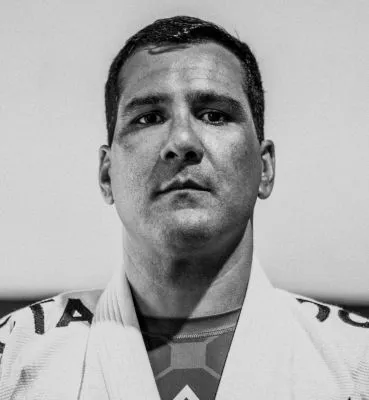
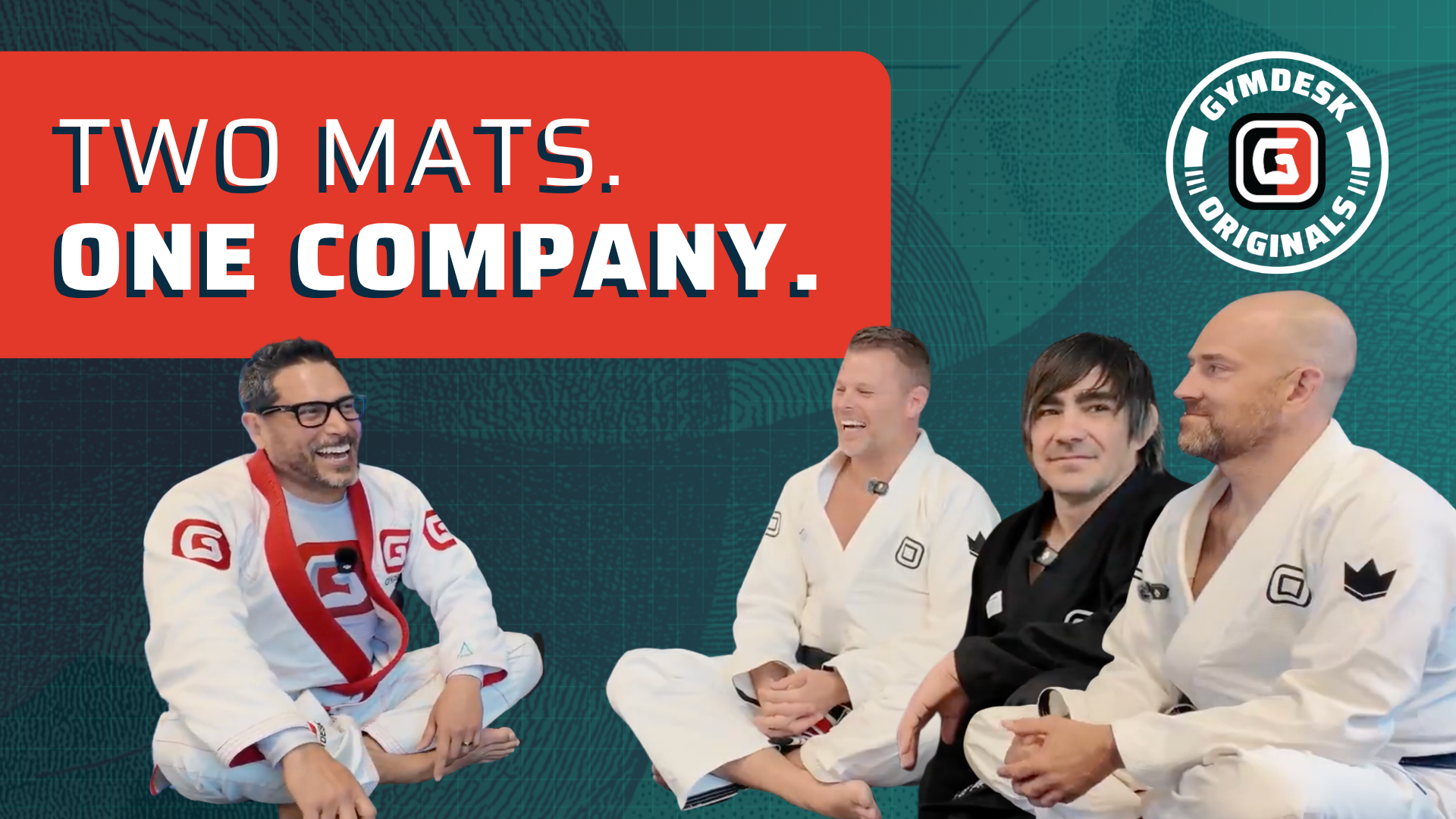
Luiz Costa is a Brazilian jiu-jitsu black belt who founded OCTA with business partner Greg Carrasco and has grown it to seven locations across Halton. He can't be in seven rooms at once, so the job is now picking the professors who can. He holds a karate black belt too, though he told Alex he doesn't train it anymore.
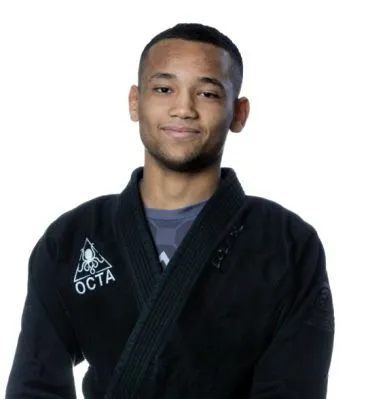
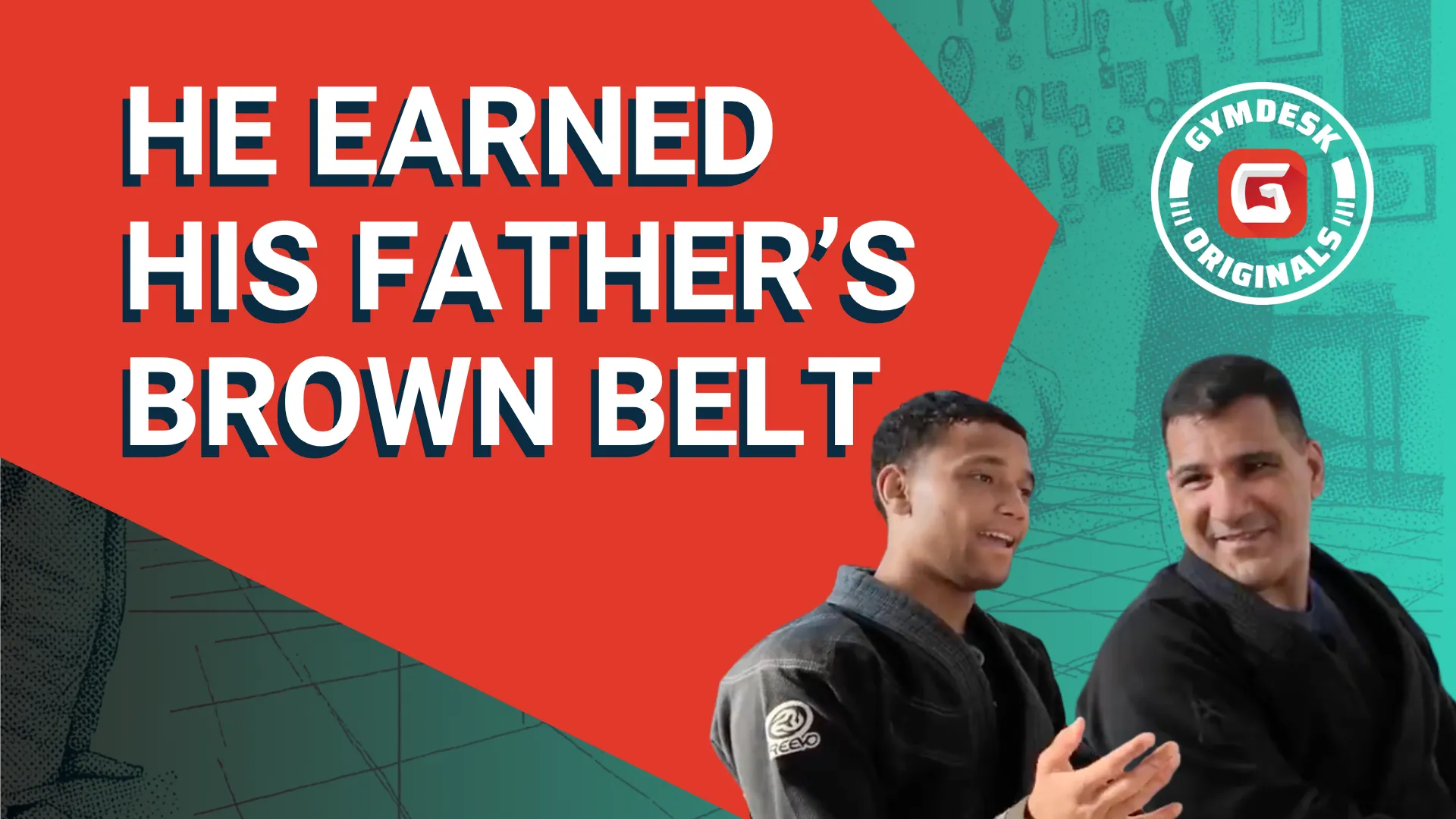
Michael Costa is a brown belt and the professor running OCTA's seventh school, which opened two weeks before filming. He has trained for thirteen years and taught kids for four, and he still competes while running the location. He's a type 1 diabetic and talks openly about managing it through fight camp. The belt he wears is his father's.
About the Gym
OCTA Jiu-Jitsu is a Brazilian jiu-jitsu organization in Ontario's Halton region, founded by Professor Luiz Costa with business partner Greg Carrasco. It runs seven locations. Oakville North, the newest, opened two weeks before this episode was filmed and is led by Michael Costa.
The Oakville North schedule runs gi fundamentals for all levels, open mat most weeknights, and a full kids ladder—Little Octopus for the youngest, then Kids and Pre-teens groups. New students start with two free semi-private intro classes. Roughly 300 kids train in the Oakville HQ program.
Luiz keeps every school inside about an hour's drive, close enough that the locations can support each other. OCTA runs on Gymdesk across all seven, including the sites that list each location's class times.
📍 Address: 83 Loyalist Trail, Unit 5, Oakville, ON L6H 3R4, Canada
📞 Phone: 647-822-4653
Summary
Alex last visited OCTA Jiu-Jitsu when Luiz Costa had five schools around Oakville. He came back to seven. The newest sits in Oakville North under ceilings high enough that Alex says it feels like standing outside, and it had been open two weeks.
Michael Costa runs it. He's been training thirteen years and teaching kids for four, and the brown belt he wears is his father's. Luiz passed his other belts down as he got promoted, the way his own school did it. The brown one he kept. The other new school is inside an LA Fitness in Cambridge, 1,200 square feet of mat, a pilot OCTA started by cold-calling a VP. Luiz says he wants ten schools eventually. Right now he wants to consolidate.
What They Told Us
Alex Cuevas last filmed OCTA Jiu-Jitsu when founder Luiz Costa ran five schools around Ontario's Halton region. He came back to seven. The newest, Oakville North, had been open two weeks, and it is run by Luiz's son Michael Costa—a competitor wearing his father's own brown belt. The conversation moved between two chairs: the son learning how to run a school, and the father explaining how you get to seven locations without losing what made the first one work.
Seven schools, one organism
Ask Luiz why a brand-new location doesn't sink or swim on its own, and he reframes the whole business. OCTA—he leans on the octopus in the name—treats each school as a tentacle of one body rather than an independent franchise. When a location or a coach isn't working, the organization closes in around it instead of cutting it loose, and a student who signs up at one school belongs to all seven.
"Oakville North is not an isolated unit. It's a member of this whole organization … So we, everyone comes together to assist. Everyone comes together to help."
—Luiz Costa, Founder, OCTA Jiu-Jitsu
Building citizens, not just competitors
OCTA has produced strong competitors, but Luiz is wary of a school that measures itself only on the podium. He draws a hard line between the coach, who is chasing performance, and the professor, who is responsible for the whole person. Chase the results too hard, he argues, and you neglect everything else a kid stands to get from the mat.
"When you focus too much on performance, you forget other aspects of a person as a whole … we want to build up kids to be great adults, great citizens."
—Luiz Costa, Founder, OCTA Jiu-Jitsu
Where the business actually is
Michael competes at a high level, so his read on competition as a business is blunt. Medals don't pay—not for the athlete, and not for the school that trains them. Kids' programs are what fill a mat and keep it full, and it's the side of the gym he most wants to build.
"I'm going to be honest, as a competitor myself, I see that competition doesn't make money. It doesn't make money for the competitors, and it doesn't make money for the school … It's much easier to put 200 kids in the school, to put 200 adults in the school."
—Michael Costa, Head Instructor, OCTA Oakville North
The lesson he refused to believe
Michael came up small and light, and for years he rejected a professor who kept telling him jiu-jitsu came down to strength and pressure. It sounded like the opposite of what a smaller athlete wants to hear. It took training alongside elite lightweights in Los Angeles, New Jersey, and New York before the idea finally landed.
"What he said was jujitsu is all about strength and pressure. That's what he told me every day. And as somebody who is skinny and weak, I hated that. I really did hate that. And I never believed them."
—Michael Costa, Head Instructor, OCTA Oakville North
His father's belt
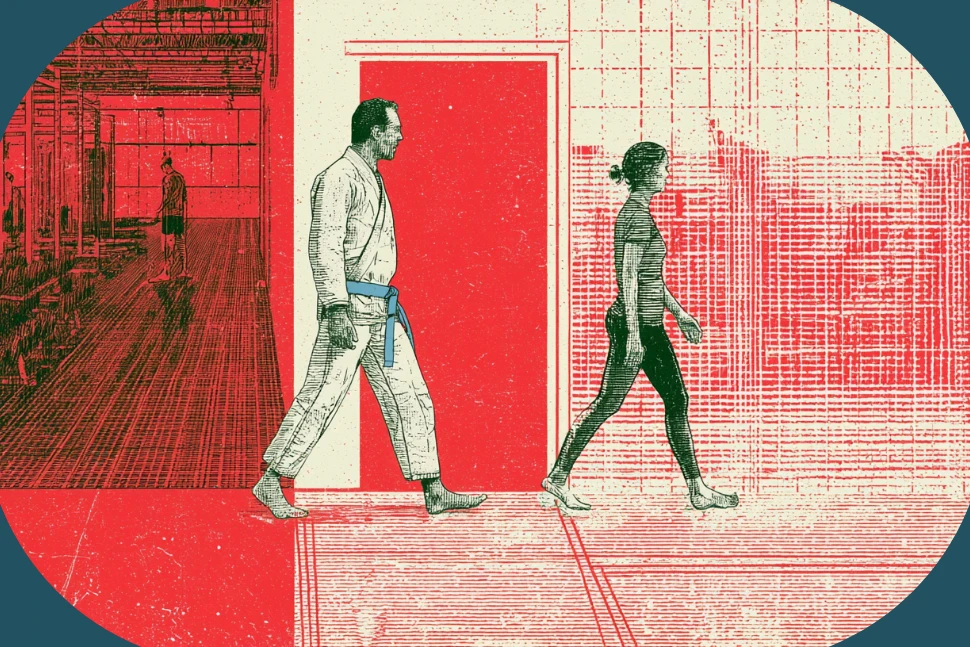
The brown belt Michael now wears is Luiz's. Michael had asked for it years earlier, and the request was rooted in something his father used to describe—an old tradition of untying a promoted student's belt and handing it down to the next person in line. To Michael the belt isn't gear; it's the thing that ties a room of people together.
"I remember he always told me stories about how it was when he was starting to train jujitsu. How whenever somebody was promoted, he would go untied their belt and then give it to the next person. And it was like a tradition that they would pass it on … it bonds people together."
—Michael Costa, Head Instructor, OCTA Oakville North
Knowing when to stop growing
Luiz says he'd like ten schools someday, but seven already outran what he once imagined, and he has felt the strain each opening puts on the whole group. His answer for now isn't another location—it's a deliberate pause to shore up what's already standing before he expands again.
"We feel the pain that growth brings … Now is the time to settle a little bit, consolidate what we have … the mistakes that we're making, fix them, and then think about growth."
—Luiz Costa, Founder, OCTA Jiu-Jitsu
Read the full transcript
Lightly edited for readability. Speaker labels are omitted because the source recording is not diarised; quotes attributed elsewhere on this page were verified against context.
We'll see you next time. Behind every gym, there's a story, a mission, a spark of passion that started it all. This is Gymdesk Originals. Real owners, real struggles, and the communities they've built from the ground up. Well, I am here at location number seven for Okta in Toronto. I'm doing this in the car because, my goodness, there's so much. The wildfires, I don't know if you can catch it on camera. It should not be this hazy, but you go in your lungs. It's all over New York and Chicago.
It's pretty bad out there air quality wise. But anyways, I'll talk in the car and then I'll go inside. I'm excited about this. I just came off of my first tournament. I did NextGen this past weekend. And my coach couldn't come. He's in New York and there was another seminar happening and stuff like that. So, I didn't have anybody to go in my corner and Professor Luis said he'd be around. And both he and Michael were cheering for me on my corner, yelling out things for me.
It's hard to hear because I was far away from where they were. But I'd look back and I'd see my family. I'd see my buddies from Gymdesk and my buddies from Okta were there, which was cool. It was a really good feeling. So, I'm grateful for that. I'm going to go meet Greg as well, who was the business partner I didn't get a chance to meet in the last episode. Yeah, I'm excited. Michael, since I last saw him, he has received his brown belt. He's rocking his dad's belt, which is so cool.
I saw that on Instagram and I got emotional about it. You know, having your father give you his belt that he had, you know, worn back in the day. That's really cool. So, anyways, I want to talk about all that and looking forward for this episode. Building number 83, door number 5. Nice to see you, my man. Congratulations on the brown belt, dude. I saw the video. It was amazing. You like the place? It's amazing. Yeah, so we've got huge, huge ceilings. I feel like you're outside, kind of.
This hasn't been open that long, right? No. Yeah, it's been open two weeks now. How are you, sir? Nice to see you. First time here, right? First time. Look at that. Amazing. We're just wrapping up stuff. We'll see you next time. Gentlemen, it's a pleasure. Thank you for having me back. Thank you for coming back. Yeah, Okta No. 7. Okta No. 7. That's amazing. Okta No. 7's been open. This is the beginning for, where was it, Tuesday, Thursday? Thursday? It's the almost end of the second week you guys have been open.
Yes. Yeah, that's amazing. So, and the place looks great. I mean, the feelings are, how many, how high are those? Oh, I have no idea. Probably 30 something. Yeah, I feel, I was, I told this to Mike when I walk in, it feels like I'm outside. It's so high. Like a big aircraft. It's worth for growth. Yeah. You can have a second floor. Yeah. Oh, yeah, can you really? Can you build a second floor here? Yeah, we can build a second floor. Oh, yeah, that'd be amazing.
And light, light, light comes in, even though outside right now, apparently Canada's on fire. Yes. And back in Buffalo is the same thing. Yesterday I woke up and, or no, two days ago, before I came out here, it was all yellow. I thought I was having eye problems. Yeah, it was, yeah. It was beautiful though, right? Yeah. Yeah. It's pretty well. I didn't smell the best, but it was nice. Yeah. So, I just, I know I said this earlier, but I want to thank you both again for supporting, you know, for, I just happened to run into you guys there at the Next Gen Tournament and I didn't have anybody in my corner.
Yeah, you guys were awesome, man. Congratulations, you did great, man. Thank you, man. It was fun. That was it. And I learned a lot and I thought about you because I'm like, do you do this all the time? And it's like, it's like, you just, I guess you're used to it now, right? Because how long have you been competing now? For a while, so a couple of years, like I said, five years. Yeah. Serious? Yeah. My feelings on it were like, okay, I just don't want to let the adrenaline dump, like, wreck me.
And I had, you know, I had the, I had the adrenaline dump and all these things you talked about with me, about being the coach. So, I was at a ringside for my son and I was like, you know, I felt, felt all of those feelings. I'm like, yeah, do this, do that. And, uh, and then I had a huge gap, six hours until my fight. And my energy, it was going downhill quick around one or two. I was like, oh, but, um, how do you feel now when you walk into a tournament?
Do you still get the same feelings of jittery? And, um, so before I would be very scared of the people that I fought against. Yeah. So, I would lose before I got to the competition. Now it's different. Now I'm much more prepared. And there's a little difference as well, which now I trust in the process. And I trust what is happening. I trust my training. I trust my diet. I trust my professor. I trust my dietician. I trust my, uh, my weight trainer. I trust my team around.
So, do I have the same nerve, nervenessness? Yes. But, no, as well. And I know that I'm around good people. I know that I did everything I can to prepare myself. So, then when I show up, I, all I have to do is give my 100%. Yeah. So, we saw each other. It was, you guys had five locations. Yeah. And, um, I remember being upstairs talking to you about this and you had started training. I think it was in somewhere. It was in New Jersey or something like that.
Yeah. And then, um, most recently you've been training at other camps as well, right? Yeah. I went to Los Angeles to train with, uh, Carbrian. Nice. At, uh, at Alliance. It was nice. Yeah. It was nice. Yeah. Yeah. I can't complain. It's Los Angeles. Yeah. Yeah. Of course. Yeah. Los Angeles is fun. Um, and there's a, I went to, uh, Alliance winter camp at, uh, in Eagle in Boise. That was a lot of fun, but I was, I couldn't, like, my grips were gone. I couldn't, like, fold my, you know, my arms were just wrecked after, like, day two.
This is jujitsu in the morning, jujitsu at night. Uh, it's a lot. So, when you're doing a camp like that, for you as a competitor, as a young man, what does that, what does that look like? What's your schedule like? Uh, it's, we would always say the same thing there. All, all, everybody that trained there would say the same thing. There's no time to start and there's no time to end. So, when you start, the class was at one o'clock. You could start at two. But when the class started, you don't know when it stopped.
Yeah. So, and then there was a class that was 12 o'clock. It started at one and it was supposed to be done at two thirty. We stayed there until six o'clock. Yeah. So, it was, it's just like that. You didn't know, you didn't know what you got into when you got there. And do you have a, uh, like, okay, what do you, what are you eating or how you recover so you can do that again the next day? Is it? So, I was cutting weight. Okay.
So, I wasn't recovering. Okay. I was just doing it. I was just doing it on mental fortitude, I guess. Okay. But, no, I mean, I, of course, I, like I said, I have a dietitian. I have a weight trainer. Uh, I feel like the weight training is very important. It helps me a lot, not with strength, not with the speed, but not to get hurt. Yeah. My dietitian, again, since I was in a, following a protocol where I was losing weight because I had a lot of weight to lose.
I had like 30 pounds, 20, 30, 25 to 30 pounds that I had to lose in a month. So, the protocol that I was following was, uh, timing everything I eat very strategically around my training so I can have optimal performance. And not just optimal performance, because, again, when you're in a starving state, because that's what cutting weight is, there's no optimal performance, but there is recovery, right? So, I could have optimal recovery if I get hurt. So, what weight did you start at? I started at 145, 150.
And what, what did you need to get down to? 123. Oh, my goodness. Wow. And when you're, so then you get to weight, obviously you made weight. You feel like you're just flying at that point because you're. Man, I, it changes everything. Like, the calisthenics part, just being able to pull yourself up because you're so much lighter. Yeah. Everything. It doesn't, it doesn't matter if you get stronger or not. Just everything to do with pulling your own body weight. Yeah. Is amazing. So, in terms of jiu-jitsu, for example, somebody tries to stand up and you're in a clothes guard and they stand up with you weigh so much lighter.
If you have grips and the person stands up, you can hold yourself with just your hand. Stuff like that. Like, you feel like, uh, like you're a monkey. Yeah. Like, you get little superpowers. Yeah. You get this, uh, strength that you never knew you had. Yeah. Just fake strength, but just weigh so much lighter. Yeah. Oh, that's an amazing cut. And, you know, you've, you've talked, we talked about this in the last episode. I hear you talk about it on Instagram too, around, you know, the diabetes is part of your life.
And you were able to do those things, not only compete, but cut weight in a way where you're safe and all that. Like, tell me about that. Yeah. So, I am a type one diabetic and again, I have a dietitian. So, I work around a lot with my dietitian, my endocrinologist, and my diabetes health clinic. So, I have a diet. I follow my diet. I have everything set up. So, I have to measure out everything I eat every day. And I'm very strict about how I do it.
So, if I eat a hundred grams of beef, maybe a hundred grams of beef. It's not a hundred and one and it's not ninety-nine. So, I'm able to give the amount of insulin. So, injections, something that you lack when you have type one diabetes. I'm able to give myself the right amount of insulin. So, that makes it a bit easier, right? But again, when you're cutting weights and when you're changing your diet. So, drastically like that, of course, stuff starts to suffer. And diabetes is one of them.
So, one thing that I notice is my performance. My performance starts to suffer a lot. A lot. Because insulin is the one thing that you don't have when you're type one diabetic. And insulin is the gateway to allow nutrients, allow fuel into your body, right? And your body doesn't do that correctly. So, I have to take it artificially. And then, sometimes I miscalculate my blood sugar can go low. My blood sugar can go high. And then that starts affecting my mood, my blood sugar going low.
It's very dangerous because I live by myself. So, stuff could happen. I could go into even a diabetic coma. So, it's very dangerous. Very dangerous. It requires a lot of discipline and care. So, he needs to stick to the plan and don't, he cannot deviate from that. Yeah. But he's very disciplined. And when you're, like, when you're cutting and you feel a certain way, is there a difference between, wow, I'm fatigued because I'm, you know, calorie restricted versus, like, a diabetic, you know, feeling or whatever?
Can you tell the difference between the two? Yeah, absolutely. So, I get a few symptoms when I'm low. I start having blurry vision. So, think about it like this. I'm going to explain it. I'm going to summarize it a bit. What is happening is your body doesn't have enough fuel. Okay. And your body requires fuel for your body to function. So, for your eyes to function, for your hands to function, to be able to close your hands, to be able to walk. So, what your brain does is starts turning off those signals.
So, I start feeling my hand less. My hands become very heavy. I start becoming slower. I can't see as well. I can't breathe as well. Oh, man. So, it starts affecting a lot of my performance. Lots, lots. So, when you do the insulin, I mean, I'm probably oversimplifying, but that's the chemical that allows the cell to open the little door to put the energy in, right? So, if that's not there, you've got energy floating around, but you can't do anything with it, right? Got it. And again, if I give too much, then I have to go out of the diet.
I have to leave the diet. I have to eat something extra. And then I'm not able to cut weight. And then I'm not able to fight. So, then I have to eat my blood sugar. My goodness. Yeah. And there's that. No room for mistakes, right? Yeah. Unforgiving. So, now that you're working, you know, in this camp, you go to a tournament, you're competing. Do you get to be in father mode now? Yeah, usually when I have, Corbin, I was on the corner. So, last time, Joan was on the corner.
So, I can be the father, right? Yeah. It's better for me. Yeah. And when you're doing that, like, what's the difference? Are you not thinking about moves? Are you more thinking about your son? Like, I can scream a little bit louder. As a coach, you also have to manage the way he takes the instructions, right? So, if you're just cheering, you can say whatever you want. Yeah. Because he's not focused on what I'm saying, right? So, he can hear that I'm there, but his attention is on his coach.
If I'm the coach, I cannot. If I make mistakes because I'm too emotional, I impact directly on what he's doing. And that happened before. Oh, yeah? So, yeah. In the last world, the Pornogu world, I got a little bit stressed with the referee. And that impact on him because I was almost fighting the referee from the corner. And that was a mistake I made that impact on his performance. As a coach, when I'm coaching, I cannot be the father. Otherwise, I'm going to be his way.
Yeah. So, that's the main difference. As a father, I can say whatever I want. He's not going to listen to me because he knows I'm in the father mode. I'm just cheering and that's it. Yeah. Well, when I walked in here, Michael, you said you're here now and you're basically, this is all you've wanted, right? So, you're not always wanting something for a long time. Bill has merit if you've been thinking about this for a long time. And now, here you are, beginning of week two.
What are you thinking about? What's your state of mind? How can I be the best one at Okta? How can I be the biggest school? How can I have to know most students? That's my goal. Who wants to be? I want to be my dad. He's in the competition mode already. Yeah. I want to be my dad. Yeah. So, now I'm trying to figure out ways to do that. Yeah. Of course, he's helping me be him, but I'm trying to figure out ways to do that.
Yeah, I think this is a true statement that your dad wants you to be better than him at everything. That's like our goal, right? As parents, that's why I want my son to be better than me. Yeah. And so, I think if you do, when you do, he'll be over the moon. It's a win for him, too. Absolutely. And what is your focus? Are you thinking more kids' programs, adults, hobbyists, competition? I'm going to be honest, as a competitor myself, I see that competition doesn't make money.
It doesn't make money for the competitors, and it doesn't make money for the school, right? So, kids do, right? It's much easier to put 200 kids in the school, to put 200 adults in the school. Much easier, especially kids, they come and go. Usually, in a couple of two adults, there's four kids, three kids. So, you're going to see more kids. Right. So, and I love kids. I love teaching kids. So, and I'm basically, I'm close to being a kid myself. So, then it makes it easier.
Yeah. It makes it easier to talk to them, to understand them. I can connect to them differently than an adult. Yeah. Yeah. Michael has been teaching for a long time, as well. Yeah. There's a fundamental difference between you wearing the professor hat versus the coach. Yeah. Right. Whenever he switched to coach, it's all about performance. Oxford is all about families and kids and development, right? When you focus too much on performance, you forget other aspects of a person, person as a whole, right? So, we want to build up kids to be great adults, great citizens.
Yeah. And the competition is part of the process. Yeah. We're going to have a good competition program. And there's a school because it's natural that he's the one leading that, but it's not the focus for the school. That makes sense. I mean, uh, in the many, many, uh, schools that I've visited over the last two years, I think that's the winning combination is having, I'm going to say the hobbyists, right? That's, that's what you want to have in your school. You have enough of those, you can maintain your business.
Um, and then the competition is an extension of that where they can validate what they're learning, which helps a gym with retention. Because, you know, when you're getting ready for a competition, there's this buzz that comes around. I mean, I feel it. I'm like, you know, I'm ready for that, not right now, but I'm like, I'm going to do another one. And I know what I need to work on. Like it opened up what I didn't know was missing. You know, like one of the simple things for me was when I do grips, I had a cut, I had throws that I'm like, oh, go she real simple throws, maybe tell Tosh.
Uh, and I couldn't get the grips because they were ripping them right off. But I practice in my own gym or, you know, even open mats. And it's not that hard. It's a different level. And I'm like, oh, I got to do grip fighting now. I got to work on, you know, doing, and that's just one, one of many things that I picked up from it. And just like the cardio and making sure I don't gas. So like it opened up things that I didn't even know were necessarily an issue for me.
Um, and I feel like that is what it could do for gyms as well. It's like, it will help because people are now, I'm more into it than I was before. You know? Yeah. Yeah, competition for sure creates a different kind of connection with this sport. Yeah. Right. Because it's entertaining, right? So you have the adrenaline, you have a goal, right? So you compete. So every, every time you compete, you create that mindset that you have to improve, you have to get better. It gives you a north.
Um, if the schools are not guiding you, uh, properly, if that's the only aspect that you see, your jujitsu is be good for competition, but all the other benefits that jujitsu bring it, bring to you, they won't be there. Yeah. Right. So we have that piece as well. So Octa has been very successful in competitions, but we have to remember, we still have maybe 90%, 95% of jujitsu resides outside of the competition realm. Yeah. And that's our bread and butter. Yes. And that's what we do.
Well, um, there's no reason you can have both. You can't have both. Yeah. Right. You can definitely have both. Especially if you have enough hobbyists and you can start creating competition only classes. Right. And then only though people that want to compete, we'll go to those classes. And to be honest, from what I seen from, um, being a competitor myself, from being in a room full of competitors, for a hobbyist class, training with the competitors, probably the safest person you could train with. Because they're the person that is going to be able to, in terms of control the pace, control the things that happen and don't happen.
So, um, the competitor will be able to, yeah. Well, um, last time I was here, you shared a story and a philosophy with me. I said this earlier, and I have shared that with so many people now. Like, there's a sales, uh, leader at my company who's about to have a child, his first boy. And, uh, he had trained some jujitsu and I told him the story you told me. And how, as it, if you share this bond with your child, like you two have, and when the child is older, you'll still have a bond to dad because you have this, you know, appreciation and love for the sport and you all can do it together.
I think it's just, I mean, you can see, I brought my son with me to the next gen and I am 1000% aligned with that. And that's, that's the vision I see for myself. And I think it's such a cool thing that you shared with me. Um, and then it, you know, related to that is a really wonderful video that I saw on Instagram of you going into your bag, pulling out your brown belt and then wrapping it around your son. And that's a, I mean, I got very emotional watching that.
That was like a really cool moment. How does that feel for you getting his old belt? Like, well, I mean, it's a pretty stinky belt, but no, I like it. I told them, I told them when I was a brown belt, I wanted to have his belt because I always found it cool. First, like, look how much experience it looks like it has. Almost as old as you are. Yeah. That's what I tell everybody. It is as old as I am. Probably this stripe is probably as old as I am.
So, but no, I think it's, I think it was a wonderful experience. Uh, and I remember he always told me stories about how it was when he was starting to train jujitsu. How whenever somebody was promoted, he would go untied their belt and then give it to the next person. And it was like a tradition that they would pass it on, pass it on, pass it on, pass it on. And I find it cool. I find that it's, it bonds people together, right? Yeah. Yeah. I don't have any of the other belts, other color belts, but the brown, we gave it to a friend, right?
So we used to do that. So when I got my purple belt, my blue belt went to another, another friend at the school. Yeah. So that was a kind of a tradition we had, passing the knowledge to the next one. And the, but the brown belt, I can't, so the brown belt is his. Yeah. That's really cool. Well, I showed you, I was still rocking the Octa. I had that, I had that at the tournament, which was cool. I was going to give you a blue belt and I'm very sweet and I have a blue.
Yeah. So now the race is on. If I can race, uh, to get to a blue before my son does, maybe I can do the same thing. Yeah. Hand it, hand the belt out. Yeah. You probably will. How old is your son now? He, so, no, he's nine. So he's going to hit a wall, right? He can't, by 16, he can get a blue belt. Yeah. Okay. So he's going to, okay. So yeah, we have time. Then I have to get out of the blue in seven years.
So we'll see. For sure. Based on your last performance. Yeah. It's not going to take too long. All right. Yeah. And I'm looking forward to it. It's so exciting. I mean, this game, it feels like it never, you never, you're never going to win. You know, it'd be like, I'm thinking in my head, like, okay, I'm now putting a stake on the ground. Yeah. I'm going to go for a black belt. I know it's going to be a 10 year mission to get there. That's how I'm thinking about it in my head or however many years, if I can do it less than a decade, that'd be amazing.
Um, but I'm starting to understand this. It's like, I have a game now, like I finally have a path of moves that fork into, you know, and then if I deviate from that, then I'll try to fall back into my programming. Right. Um, and time will pass anyway. So 10 years ahead, you look back and you say, okay, now I have the black belt. Yeah. So if we stop now, 10 years, you're going to look back and you're going to say, I could be on a black belt by now.
Yeah. At the time you pass, there's no way to stop it. That's right. Better stick to jujitsu and get your black belt. Yeah. That's right. Yeah. Yeah. And I think it'll be, just be good for, uh, long-term health too. Just, I want to roll when I'm 80, you know, and even if I'm not doing barambolas or whatever, it's just being on the mat, I think would be really cool. Um, so now that we're, uh, you know, you're here on number seven. Um, we talked about this before as well, when.
Um, you first came here, you wanted to give back to the community. Yes. You said, I want to, I want to have jujitsu here. It's my way of giving back. Um, and it makes sense. You have one school. Last time I spoke to you had five. Yeah. Now you have seven. Do you feel like you've given back or you still feel like, I don't know. There's much more to give. I want to get 10 locations. Or I think there's always, always room for growth. Uh, what we want to make sure that we have, we keep the same quality, right?
So the reason we can grow the way we're growing is because the team that we are building. So I'm not doing that alone, right? So there's no way it can be in seven schools at the same time. So Michael is taking over this school. And even if he's still young, he's been around for 13 years training jujitsu, he's been teaching for four years, teaching kids. So he knows what he needs, what needs to be done. Even if I'm helping and assisting and overseeing, I have him here taking care of this school.
It's the same with the other ones. So I have professor Vicente that is taking care of Kitchener. I have professor Patrick in Mississauga, professor Eduardo in Cambridge. So if you look at Burlington now, I have Raphael in Burlington, assisting with the program in Burlington. Uh, Sean is in Milton, Dasha is in Oakville taking care of the program, almost 300 kids under professor Dasha. She's fantastic. So if I didn't have that group of people supporting me, this team that really embrace the idea that believes in what we're trying to do, it would be impossible.
Now, if I continue investing and finding this kind of people, the sky's the limit because jujitsu is growing everywhere. So, um, I have had unfortunate conversations with some people who have tried to do that and they picked the wrong person and, uh, that doesn't, that's never a good thing. Um, wrong, wrong coach, wrong person to run the organization or, or, or a location rather. Have you had those experiences where you had to like, let people go and how do you like filter for that? That happened before, but the way we structured is the vision is the same.
The mission is the same. The principles don't change. And we have all the process in place. So the main challenge now, when we have someone that is not the right fit, we come with everything we have around. So it's not, that unit, for example, Oakville North is not an isolated unit. It's a member of this whole organization. So it's like a tentacle on the octopus. So we, everyone comes together to assist. Everyone comes together to help. So a student of Oakville North is not a student of this school alone.
It's part of the entire Okta. So if we have someone that we have to replace, we can plug someone else in that is more aligned with our, what we want to do. And the students won't do that much. Of course, you have that connection. Yeah. Professor, student, coach, student. But when you come to Oakville, we make sure you align yourself with what we are trying to do with the trial that we have at Oakville is not for you to see if you like the school, not only that, but we also doing our assessment to see if you're the right fit, right?
Because if you come here and you don't align yourself with what we're trying to do, we're going to introduce you to some other schools. Yeah. Maybe that's who's a little bit more aligned to what you want to do. So when, when you have this, and if you have to remove someone that is not working, it becomes a little bit easier. And we had that before, right? And some people think differently. Yeah. We do believe in what we're doing and we will never deviate from that because someone else does not.
Yeah. And, um, I think you, when you mentioned this, uh, I think we talked about this last time, if I'm a member of Okta, I can go anywhere. Anywhere. Yeah. So if I'm working over here, I'll go there and then I'm driving home, I got home late, I can go there. Yeah. And it's the same curriculum, it's the same topic of the week. So if you're seeing half guard this week, anywhere you go, any Okta is going to be half guard. Oh, pretty cool. So you don't miss a class, you can make it up anywhere and it's going to be the same curriculum.
Yeah. And, uh, what about if, um, well, so if I've been coming to this location and all of a sudden I switch them over here, you're still using Gymdesk. Yes. So you can track that there's no lack in. No interruption. The system is the same. Gymdesk is a great tool when it comes to attendance. So, uh, I can go anywhere, my attendance is still tracked the same way. Yeah. And so if we didn't have Gymdesk integrated, it would be harder to do that. So as a professor in Oakville, my students, they go everywhere.
And when it's time to evaluate them, I can still check what kind of classes they are getting. And Gymdesk has a very nice way for you to attach skills to the class, right? So this is something we start using. Uh, when I attach the skills to the schedule, I know exactly what's missing for that specific person, what kind of class they did not have yet. Right. That helped. So there's a functionality that we didn't explore to its full potential, but we will for sure. Yeah. That's great.
Yeah. And, um, so now that you have so many locations, are you stepping back and looking at the, like the franchise view in Gymdesk mostly to see how the locations are performing, spending more time there. Yeah. That's my first page in the morning. Yeah. The last page at night. Yeah. I go there and check how their overview, how it's going. And that creates a, another great way for these schools to compete against each other. So we set the goals and they see how they're doing all the stakeholders, all the professors.
When we have our meeting, we check the numbers. Right. Yeah. Um, what it gives us, it's not only the overview on the numbers, but also it helps with these strategies. Right. So because we have only one, uh, big company and we can target the marketing according to what we see in the dashboard and helps a lot with this strategy for marketing. Yeah. That makes sense. Uh, well, I guess going back to you, Michael, how do you, I mean, how do you think of yourself now? You feel like your identity, have you shifted like, oh no, I'm now a coach or do you still feel like, no, I'm a competitor also, you know what I mean?
Like, how do you think of yourself? I don't know. I've, I've been in a process of talking now with my dad, um, to see, because again, I really do like competing, but I also do like being a coach. I like being a professor. So, but there's no reason I can't do both. Right. Uh, again, like I said, I have an amazing team around me. Uh, I have a nutritionist who works around my plan. I'm not his plan. So therefore he works around my day. He works around my schedule.
He works around the times that I train, the times that I rest. My weight training does the same thing. He works around the time that I work. He works around the time that I train. So then he's able to optimize when I should work out. And he also works around my time. Well, that's the biggest thing. And one more thing, which is my professor being my dad. It's much easier for me to have a class set up at this time. So I get to teach a class at that time.
Understand? So there's no reason I can't do both. But it is a discussion that I've been having with. But again, I think I really do believe I can do both. Um, so why not try? Yeah. Jiu Jitsu is a way more professional these days. And so, um, back in time, it was not unusual to see a professor competing high level. Now, athletes are very dedicated to the sport. So Michael is very dedicated. So his schedule is around five to six hours a day when he's in camp.
With that kind of schedule, it's very hard to attach the whole teaching to it. So his day is going to be like 15 hours long. So we need to make sure whenever he's in camp, I have enough support for him. But Okta being what it is, we have the entire team supporting each other. Yeah, that's really nice. And I've talked to other owners who are like, I have to make a decision. Because if I leave, I'm like exhausted coming back in here. But you have a whole beautiful, yeah, that team props you up to create the space for you to do that.
It's really cool. How about, since you guys are so big now, have you guys done any in-house competitions or tournaments right now? Not yet. Not yet. It's in, we're a work in progress. It's a work in progress. So we have the plans to do that. But anytime we open a school, it drags your entire attention to it, right? Yeah. So we need to stop a little bit and let it grow. And we're going to do one. I was planning to do one this year. It may still happen, right?
We'll do an in-house competition. If it works well, maybe we should invest more. Yeah. And how are you planning on doing that? I'm curious. So we have to rent a place. Okay. So there's no way I can do that. So it's not going to be in any of your locations, you're going to rent it. It can be in our headquarters. Our headquarters can support maybe a couple of areas, five areas. If it's just maybe just kids festival, I can do it. If I'm doing something bigger than that, I may have to rent a place to do it.
Right? Yeah. I may start with a kids festival. That's something that I've been planning. When I bring all the kids in, I have some things for them to do and competition. Yeah. Cool. But that's a big shift in the way we operate because we're going to bring a competition to the school now. Right. Right? We never did it before. Yeah. One of the, one of the, uh, we did a webinar with our friends at Smooth Comp. Yes. And we talked about doing in-house tournaments and, uh, I went the, Neo, my son, his second tournament was an in-house or it was an open house.
No, it's not. Yeah. So he did it at, uh, RPMA in, uh, Rochester and he has a little competition there. So, uh, all right. Did I send you that video? Well, yeah, you sent me the video and I think you were talking about it in one of your podcasts. I might have. Yeah. Yeah. Yeah. So it was, uh, it was a really cool thing to see, but yeah, I mean, I'm glad we did that because for me, again, the competition is a way, a pathway for retention and Smooth Comp.
I only thought of Smooth Comp as being, you know, big tournaments, like what we were at next gen. Um, but if you can use it for an in-house, it'd be pretty cool too. We plan to use them. Oh yeah. So we have a couple of tools that we can use. I don't know if you know anything about Mataleon is another tool ran by, one of my friends, but the Smooth Comp is probably the way to go. Yeah. Yeah. Pretty good. Um, so if, if you do have an in-house tournament, I'm wondering, do people naturally when they have seven places to go and let's say I live in between two, well, I just keep going to the same one.
Uh, naturally do people just stick to their, usually yes. Okay. Right. Usually yes. Because we're not only a school, we build a community. Yeah. Right. So when you build a community, people rely on each other and they make friends. They have the bonds. Yeah. I'm very against clicks is something I don't encourage in any of our schools. Whenever I see clicks, I usually implode them right away. So I usually bring new people in. So we don't have those clicks, but people naturally bond together. So they have people, they are more alike.
So they end up bonding. That's why people stick to their own clubs or academies or schools and the professor as well, right? To create some sort of connections from a professor. I know everyone's names, the kids from the kids to adults. I know everyone's names. So they are very close to me. Yeah. And it's pretty, I'm pretty sure it's the same with the other professors. Yeah. I believe they stick to the environment more than anything else. So envision you have this tournament in house, will you have, you know, Oakville versus, you know, you get, you think you'll have that rivalry?
Yeah. We can have that. Yeah. We can definitely have that and have the rank, right? Yeah. So I have to do that before he creates his program. It's going to be like, so now, so I know one day my son will be able to beat me right now for me several years, but when you guys roll the, you know, oh, he beats me. Yeah. Yeah. A hundred percent. He beats me. He beats me. Yeah. Yeah. It's very hard to roll with Michael. Yeah. It's very resourceful.
Yeah. And now he's getting stronger. Yeah. Before I was getting away with a bunch of things because I was stronger. Now it's getting harder. Yeah. You still put in time for your karate or not really? Not anymore. Yeah. I love karate, but the karate that I used to turn in Brazil is slightly different from here, right? So it was a little bit more contact and I have no time. Yeah. I have no time. And jujitsu. I honestly prefer jujitsu. Yeah. All right. So competing now, last year was the first year you went into, what is it?
Adult division. Yeah. Adult division. So for those people who don't know, um, I think I was like master four or something. It's like, I'm like the old guy, uh, division, um, which is kind of hard to find people to compete with. Um, but then you're an adult for, from what age to what age? Uh, I think the, uh, adult is 18 to 30, right? Oh, wow. 18 to 30. Yeah. So you could roll with a 29 year old who's, you feel the difference. Yeah. You feel the difference.
So do you feel like those guys who are that old or, you know, old, like in 28, 20, on the higher end, are they like stronger? They feel so much. Yeah. So much. And you feel it right away. Yeah. It's night and day. It really is. And especially because again, I do cut weight a lot, but I never have a period where I am in a gaining phase where I'm trying to gain muscle or trying to gain strength. I am generally weaker, um, when I walk around normally, when I'm not cutting weight because I'm always cutting weight.
So I feel the strength. I feel the strength difference. Absolutely. Yeah. So you went from, what was your division before? So when I walk around normally, uh, I fight a light feather, which is 141. Okay. So light feather and you were in non-adult, well, which was called what? Before you went into adult? Juvenile. Juvenile. Okay. And that stops at, would you say 18? Uh, the year you're turning 18, you're going into adult. So then that happened last year and then, um, you're now feeling, I don't know, man strength, I guess you'd say, but for the first time, which is different than like when you were 17.
Yeah. Yeah. And does that change your game or your approach at all? Or you still, you're still going to try to ramp up the skill and beat the muscle or like, how do you? Yes, absolutely. So you do have to focus on that technique. But strength does a big, play a big part in you. Strength does. So usually everybody that says strength doesn't matter is because they don't have enough. Strength, absolutely a hundred percent matters, especially when you are similar skill, right? Because if, if you go and you have a white belt who is brand new, starting today, bigger than you, 50 pounds bigger, that's okay.
Compared to somebody who's a black belt, who's been doing it for more than 10 years, then okay, strength wouldn't matter in that situation. But now if you have a black belt who's been doing it for 10 years and a black belt who's been doing it for 10 years as well, and there's a weight difference, it's going to be, it's going to be a big factor, a big factor. So yeah, I definitely feel, I definitely feel the difference. Yeah, I think what, what, what, I say this, but I don't mean to like self-deprecate, but my jujitsu is okay.
But it's bad enough to where I'm really motivated to go to the gym, you know what I mean? Like lifting weights is for me, like ripping my arm out of an arm bar. I feel like when I'm doing the lap holes with, you know, the weights on the ground, it's like, it's that same muscle. When I'm doing bench press, I think about being in the guard and pushing out of it, you know? And I don't know, for me, that was, I was struggling to be motivated to go back to the gym, but jujitsu gave it to me, you know, since I'm no longer single guy, you know, because that could have helped as well.
But yeah, yeah, I'm actually glad that I'm able to find the motivation to get better in jujitsu by going to the gym and like supplementing my game so I can do different things. Yeah, it's a, it's a good, good change. Maybe we, yeah, go ahead. Uh, there was a saying that I heard from a professor that used to, um, that was with us that he would always say, and I hated it that he, I hated that he said this and I hated, uh, I didn't believe, I didn't believe in it.
So what he said was jujitsu is all about strength and pressure. That's what he told me every day. And as somebody who is skinny and weak, I hated that. I really did hate that. And I never believed them. I never believed them until I started seeing people small train until I got a glimpse, until I went to Los Angeles. And then I saw people small, how they trained. Yeah. And then I went to New Jersey and New York and I saw how people small, they're trained.
And jujitsu really is about strength and pressure. Everything you do in jujitsu, everything you learn is so you put yourself in a better position and be able to apply strength and pressure. Yeah. You use momentum, you use mechanics, you use mathematics to be able to gain more strength, more pressure to place on the person. You use momentum because you're creating strength. And leverage. You're creating strength. You're using leverage, you're creating strength. So you're using strength from your muscle necessarily, but you are creating strength. And you are using some type of power, some type of force.
It might not be your own, but it is something that you're creating. It reminds me, again, this is also new for me in my mind over the last maybe four months. You ever play Street Fighter? The old game. No? I did. Oh, okay. Right here, Street Fighter. I'm not that old. This is like, it was so popular when I was young. Brazil had Blanca, right? They have the electric beast of some kind. Anyways, it has a little health bar. And as you fight, you know, you keep getting the thing and then they die and go back.
And that's like what I think about now that when I'm doing jiu-jitsu, it's like, oh, I'm trying to burn out the guy's energy with pressure. And I never really thought about that before. And, you know, just your point, it's not necessarily strength. You can just be laying in a certain way, lifting your hips off the ground in a way where it's just all there. And I found myself doing that at the tournament. I got in a Kesa and I just was like this. I'm like, I'm going to burn you down and then I'm going to go for the submission.
And there's, I have a funny story. I don't know, I don't think I've told you this one. So my son, he was, you know, it was this year. He was, yeah, it was this year for sure. It was a few months ago. He's in the class. There's a kid in there who's really good. He always, they call him out for pressure. He's like really good at, you know, pressure now. He's like 10, bigger than my son. They're rolling and he was in, I don't know, like, probably like a Kesa or something like that sideways.
But no, there was no submission. And I said, hey, don't you tap. And I was like, don't tap, Neil. Do not tap. And he's like, and he was trying his best not to. And then he tapped. I was like, oh, you tapped the pressure? Come on, bro. You know, and I was like kind of making fun of him. Everyone was laughing. The coach was laughing. And he's like, eh. And he wasn't heard about it. He was just like, okay. But I, so, dude, two weeks later, I went to Europe and I'm rolling with some guys.
There's a brown belt dude. And he puts me in a full mount. And then he just puts this pressure on my stomach. And I'm like, oh. So I'm like, I don't care about that. You know, I flexed my stomach. And he's sinking lower and lower into my diaphragm. And I'm like, I can't breathe anymore. And I'm like, oh, no. I'm going to tap the pressure. And I held on for like a minute. I started blacking out. And I'm like, tap. Okay. And I was so embarrassed.
You know, I was like, I had to call my son immediately and tell him, dude, I'm sorry. I made you feel bad because I just got tapped the pressure. It's a, it's a, man, it is like not, it is the most bizarre feeling. And I've only felt it twice. I've done, I've tapped twice to that. But it's not like a, you know, an arm thing. You know, it's, it feels like you're just going to die. You know, Jiu Jitsu was designed for a fight that has no time limit.
Yeah. And so now we have time box matches because it became a sport, it's regulated. You have the rules, but the way it was designed is for no time limit fights. Well, Helio Grace used to fight for hours in a ring for three, four hours fighting. Wow. So when you go to this kind of confrontation or fights or conflict, you need to know how to exhaust your opponent before you even apply a technique. If you watch UFC one and two, you're going to see how he's doing exactly that.
So he was just mounting people, like using his hands just to create space and people get exhausted, just grinding, grinding, grinding until they give in. Then you get the arm, then you get the neck. Because if you're fresh, I try to get your arm in the first minute, you're still full of energy. Yeah. It's going to be a fight. It's not easy to tap your wall. But if I do that after grinding you for a couple of minutes and you're exhausted. So then it's going to be easy.
It's almost like, take it, please. And relieve me from the pressure. Right? Yeah. One of them, we have a few principles in our program that one of them is exhaustion, right? To use the time that you have to make people give up. Yeah. Even before you try any salvation, right? To get the control and grind. They will give in. Yeah. Right? Yeah. Cool. Well, maybe we'll just end with this LA Fitness. Yes. That's a very well-known large chain. And now you have Okta inside an LA Fitness, right?
So what are your thoughts there? I mean, it's amazing to hear that. It's fantastic. It's fantastic. They've never done that before, right? No, not that I'm aware of. I think they had a program back in time, but it was not Jiu-Jitsu at all. It was a different martial art. It didn't work very well. They're great partners. We spoke of them a few times in Los Angeles, in California. We decided to do a pilot in Cambridge. It's still going on for a few months. It's growing, it's different demographics, right?
So we're trying to combine the whole LA Fitness environment as a gym with a lot of grown-ups and adults, but we're bringing the Jiu-Jitsu mindset into LA Fitness now. Yeah. We have success with that little school that we have there. It's not big. We have 1,200 square feet there of math. You need to slowly grow it, right? So we're bringing more kids in. The parents will see what's going on, right? So the public is slightly different. It's good to see those big guys that work out.
They're very strong. They go into a class and they feel helpless and go, sign in right away. Yeah. This is what I want. Yeah. So that's the kind of things we want to do because it just has a lot of benefits that people don't realize. They think martial arts is only about fighting. But no, it helps you a lot with your overall health. Yeah. And so now people at LA Fitness, they're having a taste of what it is. And once we validate our assumptions, the idea is to grow with them.
Yeah. That's really cool. And how do you even get an opportunity like that? Did you call them? They called you? No, we just saw a space and we called them and started a conversation with the VP. And he liked the idea. So we met and we start from there. So, again, going back to if I sign up with Oakville, I can go into that one as well? Yes. How do I get into the, like, I don't have to be a member of the LA Fitness. No, you don't.
We do have a special membership for Octa members. If you want to do anything with LA Fitness, they have a special membership for us, but it's completely apart. And Gymdesk is our main system. Ah, pretty cool. That's really cool. So we have a space. It's a separate space with bathroom and et cetera. So we're inside LA Fitness. Ah, that's nice. How far is that from here? About 45 minutes, one hour. That way or that way? That way. Like, towards, is it north or towards? It is north.
Yeah. But towards the west side. Okay. Yeah. I don't know where my route is going to take me tomorrow. But yeah, who knows? It's a nice spot. It's fully operated by Octa. It's independently from LA Fitness. But it's inside the facility. Yeah. And how does your relationship work? It's like, the more you grow, the more money they make with you? Or you just have a fixed fee for rent? No, it's a kind of hybrid. Okay. And so the more we grow, the more they benefit from it.
Okay. Because it's mutual. I bring students, they're not LA Fitness members. So we support each other's membership. Yeah. The client base is different, but it's not. So if you bring a new student and they have a couple of kids, while the parents are working out, the kids are having Jiu-Jitsu classes. That's mutual. Yeah. So we do have a few students that came exclusively for Jiu-Jitsu. They end up being LA Fitness members. Yeah. Right. Cool. But that's the kind of relationship we have. That's exciting. I mean, I don't know how many locations do they have?
700. Yeah, it's a lot. Across North America, 700. Yeah. So it opens up opportunities. Have you even fantasized about that? Like leaving this area completely and, you know, well, that'd be harder to do, right? It is. It is harder. The idea of growing down to the U.S. is still in the back of our minds. It's in the back burner right now. We really need to solidify our position in Canada before we even think about exploring the U.S. U.S. is a different monster. Yeah. Different ball game.
And the distance is also a big player. If you look at the map, all the schools, they're around each other, right? So I have a perimeter that I'm going to cover. I don't want to have schools too far because it defeats the purpose. I want to have a community that supports each other. So if I have a school that is miles away, it's going to be hard to integrate. Maybe in the future, if we have a good framework that I can amplify, yes. But for now I still want to have that support.
I still want to have one hour, it's far, but not too far. Yeah. I still can have one open map a month when I bring everyone to the headquarters and have this together. Yeah. So once that group is strong enough, then we can start opening schools a little bit farther. I feel like this might be your computer IT background where you're like, I don't want to put a node further than this. Right? You just, like, that way they're all kind of connected as you branch out.
Yeah. Yeah. So the gravitational pull is big now because we are compact, right? So we have these schools around each other. So we can create that force. So when we are strong enough that I can put a school a little bit farther, but we don't lose that school because this force is too big to keep people connected and together. That's the time I'm going to explore opening more. For now, I think seven schools bigger than I ever imagined. Yeah. That's huge. And we feel the pain that growth brings, right?
Now is the time to settle a little bit, consolidate what we have, seal what we've been, where we've been winning, the mistakes that we're making, fix them, and then think about growth. Yeah. And at the same time you're cooking new black belts to help with your expansion, right? Yeah. I do have a great team that we can definitely expand from there, but they need to be strong, right? They are very aligned with us. Hard schools are easy to build. Soft schools, they are the ones that they have to bring.
So you find the right people, then you build up the skills that you need of them. Awesome. Well, you guys are doing amazing. Thank you. Thank you very much. It's an honor to be back here again. Yeah. And thank you. Thanks, GenDesk, because it's really easy to grow and you can just replicate. So, by the way, where's the camera I'm looking at? So, that camera? Take that one. So, if you're not a GenDesk client yet, consider that because with one click, I open a new school and I migrate everything.
I have this up and running in a couple of hours. So, that's great. The migration functionality that you guys had, fantastic. All the videos we have, we just migrate right away. So, that was a good catch. Yeah. Yeah. As you add more locations, you can replicate. It's very easy. Website is done in a couple of hours. The school is stopping and running. I connect my payment processor. In one day, I have everything set up. That's what happened here. I had everything done in one day. I would never be able to do that if I didn't have that functionality. Yeah. Thank you very much. Thank you. Thank you. All right, gentlemen. Thanks again. Thanks.