A Luxury: What a Free Jiu-Jitsu Mat Is Worth to a Family That Makes $20 a Day
A young man named Oscar explains why the room he trains in almost never had a place for him.
Then, quieter:
Un lujo. A luxury.
Alex Cuevas, the CEO of Gymdesk, spent a few days with Guardian's program in Máncora, Peru, and the trip became two episodes. The first, Fixing Both Sides, is about what the kids carry onto the mat, and the word that kept coming back from them was bullying.
If you haven't seen it, start there and watch it.
This one is about something plainer. What does the training actually cost, and who pays for it? To find out, Alex left the mat and went home with the kids.
Out Past the Cemetery
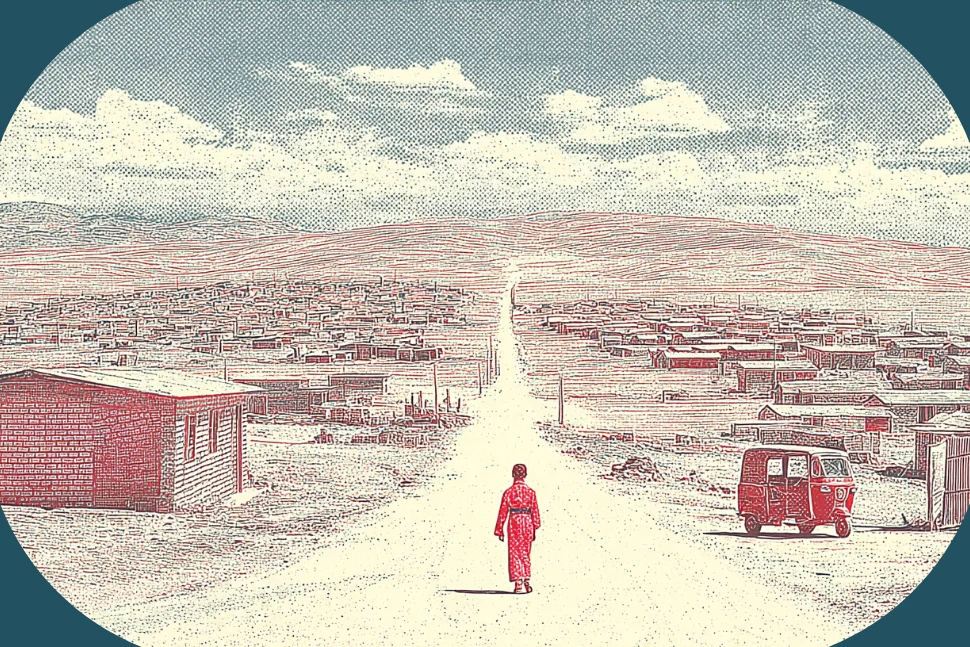
The kid they go to visit is Lening, and getting to his house means a tuk-tuk ride to the edge of Máncora, past the cemetery, onto roads that stop being roads. Dust and dirt, and it reminds Alex of the small town in Mexico his parents grew up in.
No pavement. Just dirt.
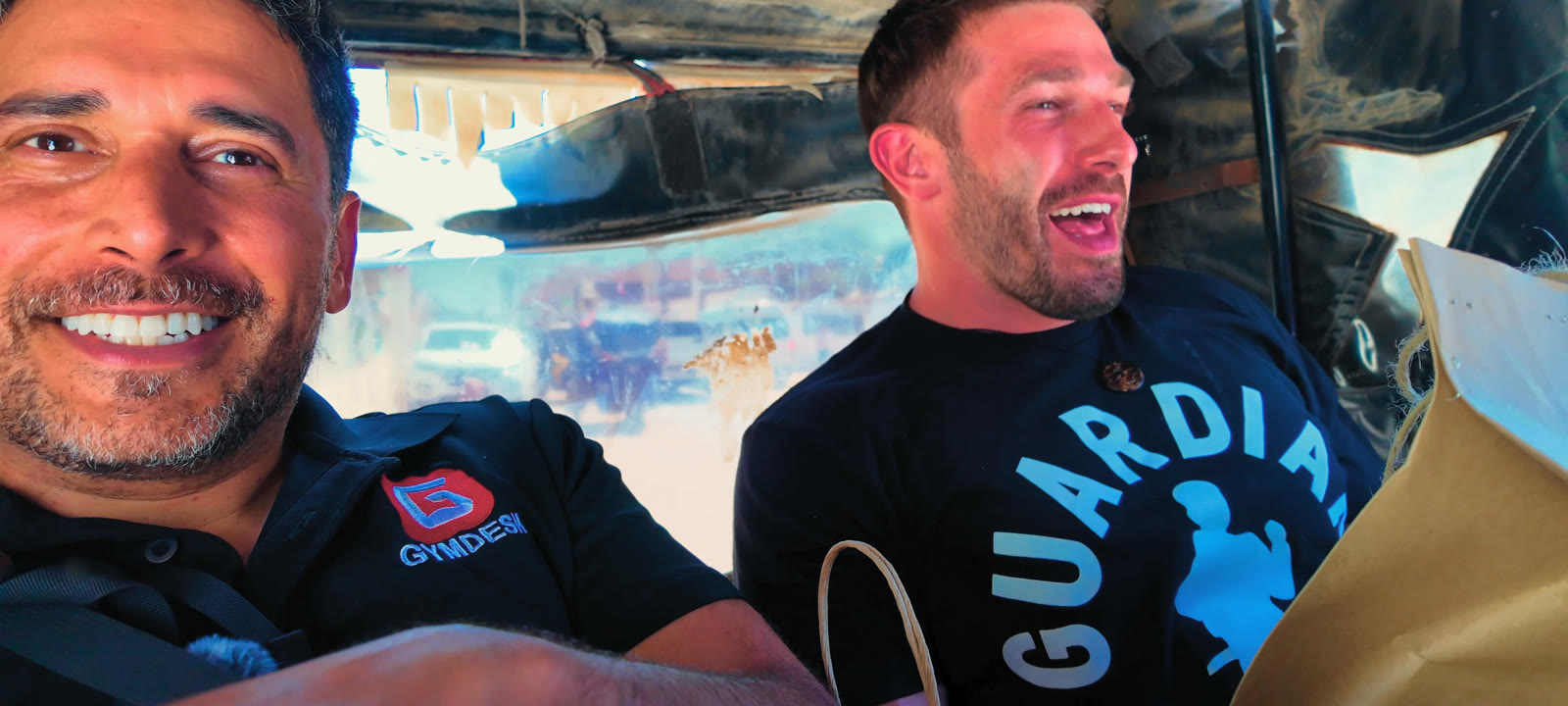
A tuk-tuk, it turns out, is also an ambition here. Buy one, run it as a taxi, and you have a career. That's how thin the options are.
Lening walks this whole route every day to train. It's a ride you would pay for, and he does it on foot.
Calder Powers, who helps run the wider Guardian program, calls him one of the most consistent kids they have, there day and night. The only reason he'd missed a few sessions that week was that he'd hurt his hips from overtraining, and even then he still turned up to help.
Lunch is at the house Lening's father is building one layer at a time. There's a second structure and a second floor already, and a spiral staircase that climbs to a level that isn't there yet.
The man adds to it whenever he can. There are nine dogs in the yard. A recent flood pushed water all the way up to Lening's bed.
He's quiet across a plate of food, and then Alex asks what he wants to do after school. He isn't sure, he says; his last year is for studying.
Alex fills in the rest: astronomy.
Twenty Keys on a Good Day
The last stop is a key shop, where a 15-year-old named Favio cuts keys with his father.
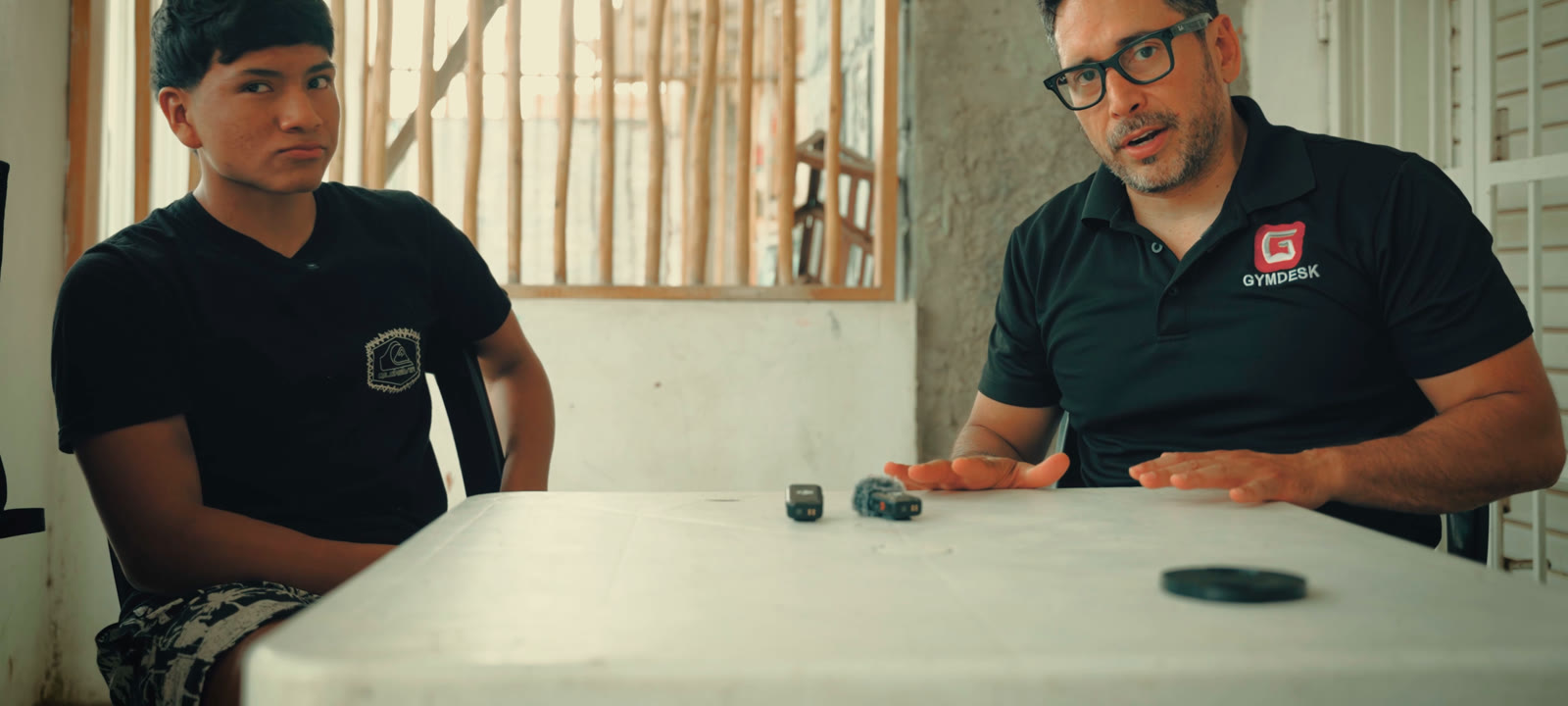
Favio sells about twenty keys on a good day. Each one goes for roughly four soles, about a dollar-thirty, and costs about thirty cents in stock, so the profit lands near a dollar a key.
The whole family works the shop all day, and on a good day they take home around twenty dollars. Sometimes less.
On that income, you don't casually add a monthly gym membership. The math never gets there.
Without the free program, Favio couldn't train at all. On that salary, martial arts isn't something you go out and buy.
So Favio built what he needed.
This year, with his dad, he poured cement into old paint buckets and made his own weights.
He's up at six, or a little past. An hour, hour and a half of training, then the shop, then school until half six, then the gym, then half an hour of lifting upstairs before he heads home.
The buckets got to Alex. His own father had helped him the same way.
Favio's father is right there the whole time, alive, cutting keys beside him.
Who Pays for the Mat
The mat costs Favio's family nothing, and that's not an accident. It runs on people who kept deciding to pay for it.
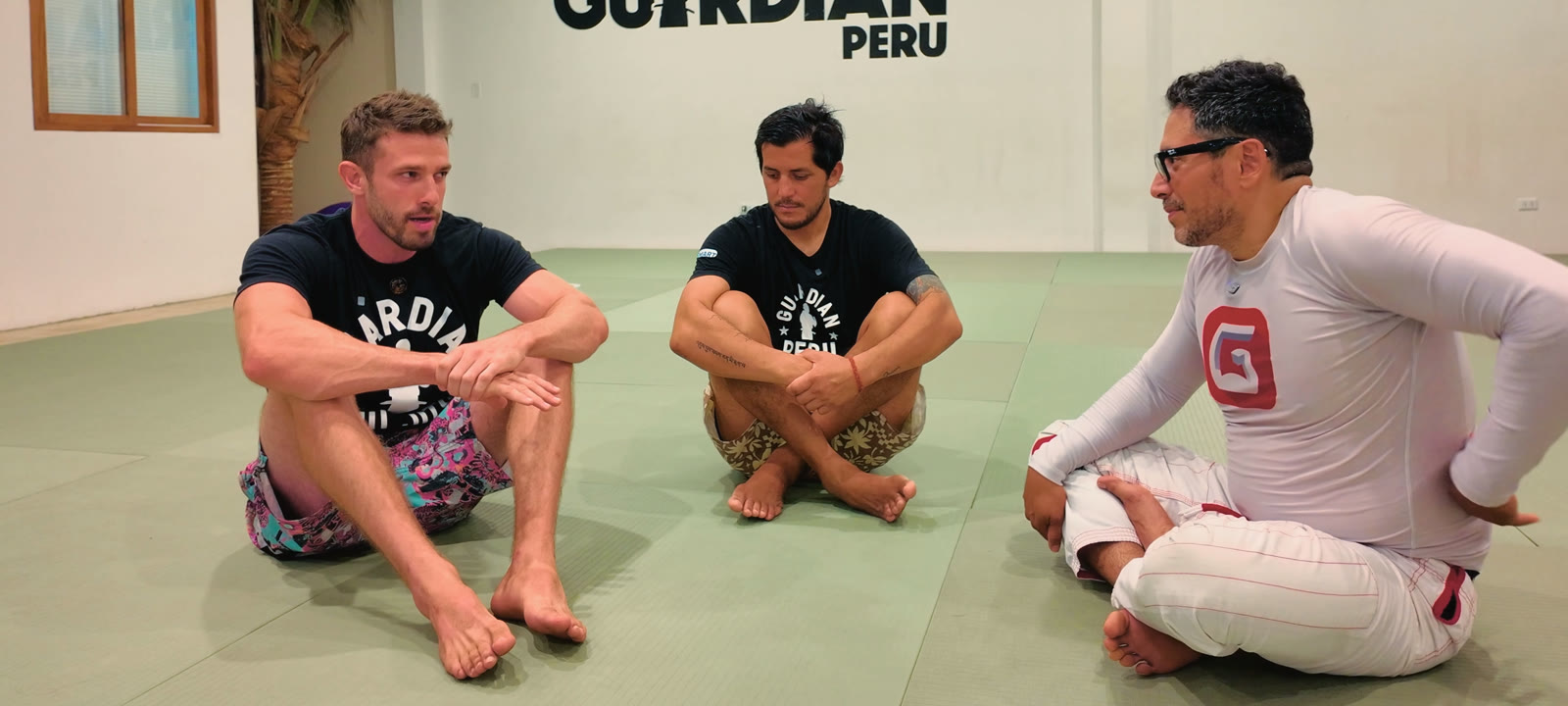
Guardian started in downtown Oakland with a man named Ben Kovacs.
Calder trained nearby and heard about the program about a year in. He messaged Ben on Facebook to say he'd help if help was ever needed, and started out cleaning the place.
Then the academy outgrew its space, moved somewhere bigger, and COVID hit.
Running classes outside, spaced apart, Ben and Calder decided the thing was always meant to be bigger than one city.
The first move outward was almost an accident. During the pandemic they tried to send donated gear to Salvatore Sanguinetti, who'd been rebuilding a kids' program in Peru off the floor of his own living room.
Salvatore told them not to send anything.
Better, they decided, to just fund the program he already had. Guardian covered the rent and the costs; Salvatore kept running it.
Calder asked if he could get fifteen kids. There were thirty or forty by the end of the first year.
Around the same time, Carlos Raba was running the same kind of program in Baltimore. The two joined up.
Later, the Fair Fight Foundation came to Máncora, went to the kids' homes, and sponsored the new headquarters after a three-day visit. At the time, Guardian counted six academies in Peru and 36 locations around the world.
Nobody franchised anything. They found the person already doing the work and paid the rent.
Jiu-Jitsu Is Ten Percent of It
Ask Calder what the program is, and he'll tell you it isn't really jiu-jitsu.
The other ninety is a place to be every day, and someone a little older who's already walked the road.
Oscar, three and a half years in, helps Salvatore run the five o'clock kids' class. Lening learned judo from Oscar and now loves it.
Salvatore has a word for the way the older kids pull the younger ones up. He calls it a chain.
What the Money Buys
Ask the kids what they want to be.
Oscar is studying physical therapy. He found it when his brother hurt his spine and could barely walk, and a physical therapist treated him.
Lening is headed for astronomy.
Jeison came in as a kid being bullied and, in his own telling, bullying others to fit in. He's going to study law in Piura, to be the kind of lawyer who actually defends the victim.
Favio wants to go to the UFC.
Failing that, he'll compete for ten or fifteen years and then teach. He's already bringing his friends, the ones with problems, onto the mat.
Four kids, four futures that a kids' program run with real intent made suddenly plausible. None of it shows up on a receipt.
The Floor Below the Floor
There's a version of poor below what Máncora shows. Guardian runs a program in Addis Ababa where 35 of the kids who train are homeless, fed twice a day, given medical care and shoes and now tuition.
After class, some go back out to beg or sell gum. Six of them are addicted to huffing glue.
Calder's word for these kids, all of them, is the same one he uses for the ones in Peru. Seeds.
A Seat at the Table
Guardian covers its own overhead, so a donation doesn't get eaten by admin. Every dollar reaches a program, and a donor can point it at one specific academy: Guardian Peru, Guardian Malaysia, wherever they want it to land.
There are other ways in too, volunteering and goods, and Calder's own favorite sets the bar almost comically low.
Come to Peru and see it. It doubles as a good vacation.
Gym management software that frees up your time and helps you grow.
Simplified billing, enrollment, student management, and marketing features that help you grow your gym or martial arts school.


FAQ

Sean has spent the last decade creating content that helps businesses—small and not so small—grow smarter to allow operators to do more of what they love. You know, the fun stuff.
From shipping and international logistics to web development and marketing, he's done the work (not just the words) to scale retail and service businesses efficiently.
You can find his work at Sendle, Shogun, The Retail Exec, Gymdesk, and more.