How Lakea Vargas Trains the 99 Sheep at Combat Sports Academy

Starring
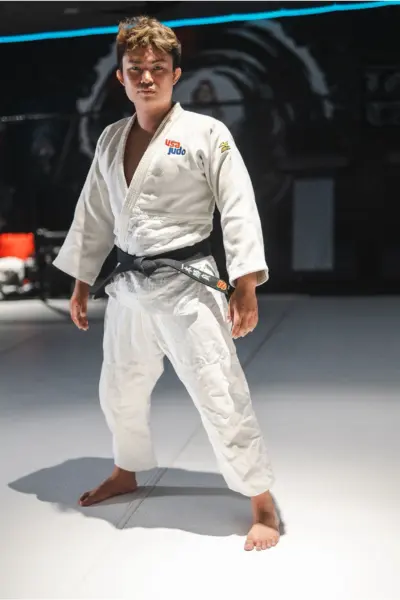
Lakea Vargas is a Hawaii-born, Florida-raised judoka and Brazilian jiu-jitsu black belt with 20+ years on the mats and a USA Judo coaching certification. He earned his BJJ black belt and his judo black belt under Sensei Shinjiro Sasaki in Orlando. As a Senior World Team member for USA Judo, he competed at the 2017 World Judo Championships in Budapest as the youngest athlete on the US squad and most recently took silver at the 2024 US Open. He's known on the international circuit for an unorthodox hybrid style that brought sacrifice throws, X-guard, and De La Riva into IJF judo. At Combat Sports Academy he coaches the judo and jiu-jitsu programs, runs the competition team, and treats the 99 percent of his members who don't compete as the heart of the gym.
About the Gym
Combat Sports Academy is a multi-discipline martial arts gym in Orlando offering Brazilian jiu-jitsu, judo, Muay Thai, MMA, boxing, wrestling, and strength and conditioning under one roof. The academy serves ages 4 to 65+ with no contracts, no mandatory uniforms, and a seven-day free trial. Coach Lakea Vargas anchors the judo and jiu-jitsu programs alongside black belts Jeremiah O'Neil and Lucca Portella, with WBC Muay Thai Champion Ben Lucas leading the striking side and Sensei Xavier Valencia running the kids program. The gym uses Gymdesk to track separate ranks per discipline, so a single member can hold a blue belt in BJJ and a yellow belt in judo at the same time.
📍 Address: 4570 S Kirkman Rd, Orlando, FL 32811
Summary
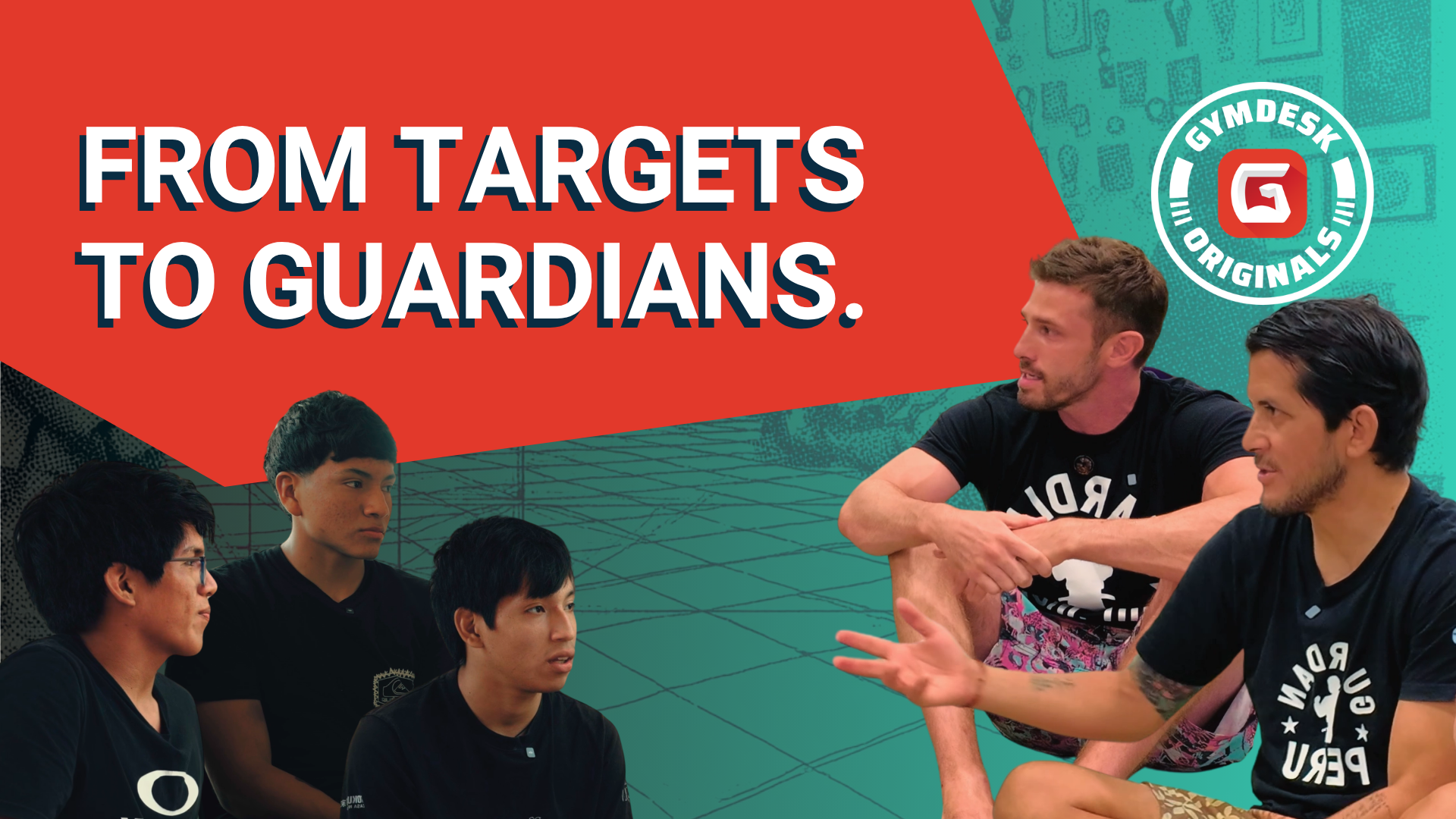
Alex returns to Orlando and steps onto the mat at Combat Sports Academy, where Coach Lakea Vargas teaches judo, jiu-jitsu, Muay Thai, MMA, and a brand-new boxing program. Lakea is a Hawaii-born double black belt who represented Team USA at the 2017 World Judo Championships and took silver at the 2024 US Open. The episode opens with Alex finishing a judo class, then widens into how Lakea found a "gray spot" in the IJF rulebook to win matches with X-guard and Berimbolos, how his coaching shifted from competition intensity to a sanctuary for 9-to-5 adults, and how the kids program—now led by Sensei Xavier Valencia—pulls whole families onto the mat together. The math he runs the gym by: "Competitors, it's only like two to 5%, maybe 1%. But then you have like the 99 sheep over here that just want to train and they just want to have fun."
What They Told Us
Alex Cuevas brought the Gymdesk Originals camera back to Combat Sports Academy in Orlando, a year after his first visit, and rolled through a judo class before sitting down with the gym's owner. The academy runs judo, jiu-jitsu, Muay Thai, MMA, and—as of two weeks before the taping—boxing, all under one roof. What came through was less a pitch for any one art than a coach's read on who actually keeps a martial arts gym alive.
The opening is always there
The interview picked up where the class left off. Alex had just learned he could still hunt a submission while an opponent controlled his leg—a small revelation for someone who had trained on and off for years. The owner framed it the way he frames most of grappling, as a problem with a solution hiding in plain sight rather than a wall to escape.
"Sometimes people think there's like no submission there, but there's always an opening. You know, just like chess. There's always something there, and sometimes it's like right in front of you."
—Lakea Vargas, Owner, Combat Sports Academy
The gray spot in the rulebook
He came up through Gracie Barra jiu-jitsu as a kid in Florida, then caught the judo bug after judo players kept throwing him at NAGA grappling tournaments. By 2017 he was the youngest fighter on the US team at the World Judo Championships in Budapest, and still only a blue belt in jiu-jitsu. So he did something the European and Chinese competitors had never had to answer: he dragged his BJJ guard game onto the judo mat and made them fall into it.
"I was winning by arm bars, chokes, pins, and they just didn't know what to do with it."
—Lakea Vargas, Owner, Combat Sports Academy
A sanctuary for the tired 9-to-5er
Seven or eight years of coaching changed how he runs a room. Early on, he says, he taught every session as if a national tournament were a week away—go, go, go, throw, throw, throw. Then he looked harder at who was actually on his mats: working adults who came in drained after a full day and needed something other than a grind to keep showing up for.
"90% of the people, they do like a nine to five job. They come in and they work and then they're like exhausted. So I just want to give them that, that sanctuary or that, that opening where they could train. They could put a smile on their face at the end of the day."
—Lakea Vargas, Owner, Combat Sports Academy
The 99 who keep the doors open
That reframing carries a hard business logic, and he stated it plainly. Competitors, by his count, are maybe one to five percent of a gym's membership. Everyone else is a hobbyist—and Alex, drawing on his own conversations with gym owners, agreed those are the members who keep the lights on. The owner's job, as he sees it, is to build the room around them, not around the handful chasing medals.
"But then you have like the 99 sheep over here that just want to train and they just want to have fun. And those guys are the ones to really focus on because they're going to be the ones who are trying to train."
—Lakea Vargas, Owner, Combat Sports Academy
Getting the whole family on the mat
He grew up training jiu-jitsu alongside his mom, dad, sister, and brother, and he tries to rebuild that pattern with every family that walks in. When a kid signs up, the goal is to get the parents onto the mat too—not as an upsell, but because he's convinced shared training is what makes the whole thing hold together.
"So whenever someone comes in a kid, I want their whole family to do it because I think it's really important. It brings the family closer together. It makes them accountable and it keeps them all healthy."
—Lakea Vargas, Owner, Combat Sports Academy
What the software does day to day
The gym has run on Gymdesk for a while, and the owner's read on it was matter-of-fact. He values tracking separate belt ranks for each art—a member can sit at blue belt in jiu-jitsu and yellow belt in judo at the same time—and pulling up any member's check-in history instead of hunting for a paper card that might get lost, which is how his old school did it.
"It's been great, man. Honestly, for me, it's been easy to use. We haven't had any problems. Everything is just straightforward. It's very like user friendly. I don't have to toggle with anything. It's easy to see the numbers. It's easy to see the ranks."
—Lakea Vargas, Owner, Combat Sports Academy
Read the full transcript
Lightly edited for readability. Speaker labels are omitted because the source recording is not diarised; quotes attributed elsewhere on this page were verified against context.
Music playing Behind every gym, there's a story, a mission, a spark of passion that started it all. This is Gymdesk Originals. Real owners, real struggles, and the communities they've built from the ground up. What's up, everybody? Here I am still in Orlando, getting ready to go to Combat Sports Academy right back there. I've been here before. I was here about a year ago. I remember I took a judo class and an MMA class. Today I'm only doing a judo class. I guess today's the day I'm going to go flying.
So it's been a while since I've done any judo. So hopefully I'm not too rusty, but looking forward to it. Come on, let's go check them out. Hey, how are you? I'm Alex. How are you, man? Nice to see you. Nice to see you again. Yes, how's it going? Good, how are you? Doing well. Nice to have you here. Yeah, it's good to be back. Yeah, dude. Yeah. Come on in. Thank you. Hey. All right. Here we are, season two. I'm at CSA, or Combat Sports Academy, in Orlando.
Actually, technically, where are we right now? Yeah, we're right in the heart of Orlando. Okay. Yeah. So right in the heart of Orlando. I was here a year ago. You were. And I did a judo. I just popped in, and I did an MMA class, and then I did a judo class. And it was like reawakening, you know, what I haven't done in so long. It seemed like yesterday. Yeah. Time flies, doesn't it? It does. Yeah. So we just got finished with the class, and I had a great time.
And I just want to talk real quick from my own personal journey. A couple of things that you did in this class, I'm like ashamed that I didn't know. Like, how is it that I didn't think that I can do a submission when someone has my leg? You know? It's just like a, I don't know, I always think I got to get my legs out, and then I can attack. But you can actually attack even when someone has your legs. Yeah, for sure. Like, sometimes people think there's like no submission there, but there's always an opening.
You know, just like chess. There's always something there, and sometimes it's like right in front of you. So I'm glad that, you know, I could share something to you that you didn't know. Yeah, I mean, there's also the other one that we learned. If I can't rip the grip off, what happens with some of those guys that have the gorilla grips? Yeah. And you could just turn right into it and then step into a kataguruma? Yes. What a, I was like, oh man, you gave me two gifts today.
I'm definitely going to be practicing. So, much obliged. So, black belt, jiu-jitsu, black belt, judo. Yes. Now, I don't know if I should call you professor or sensei. I just like that we call Lakea. People call me sensei in judo. People call me professor. Yeah. But, you know, we could just call me Lakea. Okay, fair enough. Or coach. Coach. Coach. No, so, great class. But I'd like to talk about you and your journey. You're originally from Hawaii, is that right? Yeah, I'm originally from Hawaii. I moved to Florida when I was seven.
And that's where everything kind of started, too. I trained in Hawaii for a bit. And then I was doing karate, actually, in Florida. And I saw this thing called Gracie Barra jiu-jitsu. Yeah. And my mom was like, you know what? Let's just go here. Because I wanted, I was such an active, like, boy. So athletic. So, my mom was like, you know what? Let's go. And when I went there, it was out of, like, a powerhouse gym. In West Palm Beach. And I started to love jiu-jitsu.
That was, like, one of my heart is, like, BJJ. So, when I started to do jiu-jitsu, I was just really training, competing. But I was getting beaten by, not jiu-jitsu guys at Naga. I was getting beaten by judo guys. I was like, what's judo? I didn't know what judo was. And there wasn't that much judo in Florida during that time. So, my parents took me to wrestling. And then from wrestling, I didn't feel comfortable because it had shoes. It didn't have submissions in it. It was kind of, like, so different.
Yeah. And then, finally, I found the judo school. And that's how I got the judo bug, which was when I was young. And it was, like, a year or two years after my first BJJ class. Let me go back to your karate. Was there something I read that you were only allowed to do katas or something like that when you were doing the karate and you weren't able to compete? So, I got disqualified in a competition in Hawaii in a sparring session or a sparring tournament.
You have to control your punches and you have to snap it back. So, I got DQ'd in one of my matches. It was actually for the semifinals. And I was really upset because, like, it's a combat sport and I know I have to control myself. But as a kid, I was just, like, I just wanted to have, like, hands-on more. And my sensei always told me to do kata instead of sparring. And me as a person, I'm like, man, I just want to spar, I want to spar, I want to spar.
And he would never pick me. So, that's why my mom was like, you know what? What is this jiu-jitsu thing? Let's take you here. And there was no kata. There was none of, no forms. It was just, you know, lap, bump, and go. So, I enjoyed it. I loved it. My joints were, like, sore from all the kimuras and arm bars that were happening. My neck was all torn up from the chokes. But I enjoyed it. So, then you did jiu-jitsu for a while. You came here.
Then you got, you know, judo, basically, you got handled in tournaments. So, then how did you find your first judo place here? My first judo place, well, through the jiu-jitsu community, through the competitors at Naga that was beating me at Naga using judo. We just asked them, hey, like, where do you train at? And there was, like, a judo gym that they said 30 minutes from my house. So, my parents took me to that judo gym. It's just a local, small judo gym in West Palm Beach.
And it was, that's where I really started the judo journey. So, then how did you end up from West Palm Beach here to Orlando? My dad's a chef. He was cooking for four seasons. He was cooking for four seasons. And then he got a job offer from Emeril Lagasse to run one of his kitchens in Universal, which is, like, five minutes from here. And that's how I ended up in Orlando. And I love, I personally love Orlando a lot. There's a lot of, like, jiu-jitsu that's happening.
There's a lot of people. There's a lot of things happening here. And then here, when you, did you continue your jiu-jitsu journey and your judo journey here? Or, like, you were doing it at, like, training at the same time? Yes. So, I was mostly, if I had to, like, choose, I was mostly doing jiu-jitsu and not really that much judo when I first moved to Orlando. Because there was such, there's a lot of jiu-jitsu gym. And one of my jiu-jitsu instructors, his name is Bruno. He's a 10-time world champion.
I got my blue belt. And it was great. It was really awesome to learn from him. I was training an American top team. And that's where I got my blue belt. And that's how I kind of, like, spiraled into it. And from there, that's where I kind of found Sasaki. And Sasaki really helped me with my judo techniques. Because my judo was good, but it wasn't, like, technical. And he really, like, had the patience with me and taught me judo. Yeah. I love Sensei Sasaki. Yeah, me too.
Yeah, I saw him a year ago. I met him for the first time. Man, I just, there's, like, a lot of respect for him and what he stands for. And, you know, even at Gymdesk, from that episode that we recorded with him, we all say G-E-D, judo every day. Because that was one of the things he said. Nice. And it's, like, yeah, it makes sense. He's, like, I remember he was talking about, he, like, you know, he did baseball, soccer, this and that. But judo every day.
And one of the things he told me, like, off camera was, like, you know, when he was done fighting, his way of life, which was waking up at 5 in the morning every day when he was a kid in Japan and doing judo is, like, an unusual thing. But he thought it was normal because that's how he grew up. And so he wanted to share that with the world. You know, that's what he's doing now. Yeah, I had a great time with him. Yes, American. You know, 5 a.m.
What? Yeah. 5 a.m. And, you know, you're a kid, whatever, how old he was doing it. You know, no, that's cool. It's, it seems like a pretty tight-knit community down here. For sure. Yeah. One other thing I'll just jump into just from a personal level. So after you and I became, like, Instagram pals or whatever from last time, I remember I saw you at Kodakon and I was like, whoa. And I was like, maybe two weeks behind you going to Tokyo and I saw your video and I was like, ah, I gotta go.
You know, I told you before, I trained judo and all that. It was such an incredible experience for me, but I would say, you know, if anything, I kind of had imposter syndrome because I never ranked. But I love judo or, you know, I've done it for a while, but I never ranked. But you as a black male, how did that make you feel going to Kodakon? We have this Hawaiian saying, it's like mana. You kind of gain, like, you feel the energy, you feel the vibes, the power that's within that dojo.
And, you know, when I went there, you could feel the history. You could definitely feel the history. And like what I was telling you, there's like a museum there. You could kind of see Senteji Kodakono's gi or his kimono. It was kind of breathtaking because like the, you could feel the lifestyle, the culture over there. And I'm glad that you got to go there because it's a, it's a life experience. It's like the mecca of judo. Everyone, whether you're a white belt or a black belt or even coral belt, you have to go to the Kodakon.
Yeah, it was amazing. I have done one of these episodes, uh, in Tokyo. Like, I don't know, I think it was like 11 a.m. or something. So I was all like, I was super sweaty. And then I, they were open at like 6 p.m. or 5 p.m. I can't remember what. And I was like, if I don't go right now, I'm not, I'm not going to go anytime soon. It's like, it's not, I'm like, I'm in Japan again. So I just took a shower, had some food.
I went straight in there. Nice. And man, I was so tired. And I told you this story, I said it before, but I was expecting a bunch of black belts. But I just happened to go where there was a sea of coral belts and it was like super intimidating, you know? So like, that's intimidating, dude. Yeah. Those guys, you know, if you have a coral belt, you gotta, I mean, how many years do you have in judo for that? Man, 10 plus years, maybe even 20 plus.
Yeah. Yeah. Those guys are like legends or walking legends. Yeah. It was amazing. Um, super cool. So, uh, this school, I mean, you guys have everything covered, right? Today we did judo. You guys have jujitsu. Yes. You have Muay Thai striking. Muay Thai striking. MMA. Yes. Um, we also have boxing. Why? Yeah. We just added boxing two weeks ago. Yeah. Because a lot of our members were like, Hey, we want to do boxing. And actually boxing and judo are very similar. No kidding. Yeah, judo and boxing, everything comes from the ground from the feet.
So just like how you punch, it's like how you throw in judo. Interesting. It has different rules, obviously, but they all coexist. Yeah. Same fundamentals, I guess. Yes. Yeah. Even like I'm picking up on the subtleties between, um, like when we were doing jujitsu earlier and, uh, I was coming in to grab, I don't remember the call when you go over the collar. Over the collar. Instead of power grip. Power grip. Right. And it's almost like a frame when you're on the ground in jujitsu. Right.
Yeah. And like, I never connected all these things. Yeah. It's all like, it's like the yin, yin, yang. It all coexist. Yeah. You know? Yeah. You know, I don't know what I learned, but certainly I had the feeling that you expressed for me. It was like, I'm walking into a hall where this has been taught for how many years has it been around? Like it's over a hundred years or something. Yeah. It's been there. It's been there for a while. Yeah. Yeah. And to just the knowledge transfer of like what I would call like a sacred art of, you know, judo and how it's gone all over the world and going back to the source.
I don't know. It felt, it was more of a feeling that I got. It's a feeling, right? Yeah. It was like a reverence for the space and the fact that they're opening the doors to the public for, you know, a guy like me. Yeah. And then there was another guy from Germany there. Another guy that was from New York city, guy from California. So there's like, you know, tourists that are there to do judo. Yeah. I don't know. I didn't really learn like a move per se, but it was more like a.
Same here. Yeah. Same here. So you're, you, at some point you go compete for, um, world, the world judo championship, right? Yes. And then when you're doing this, you ended up doing, uh, sweeps and guard poles. Is that right? I found a gray spot. Okay. I found the gray spot in the rules and the IJF rules. And, um, I was the youngest one on the U S team and we were in Hungary in Budapest. And, um, I was just a blue belt in jujitsu during that time.
And for me coming in, I'm like, you know what, why don't I like be different? Yeah. You know, I want to, I want to obviously win, but how do I win? So I was like, why don't I just start doing, um, sacrifice throws? Okay. Because that's kind of like guard poles, but at the same time, you're trying to throw them. Yeah. So the Europeans, even the Chinese, like I was doing this and they just didn't know what to do. And I was doing X-Guard, De La Riva.
I was going for like, Berimbolos and I was getting that. And I was winning. I was winning by arm bars, chokes, pins, and they just didn't know what to do with it. And from there, um, I kind of went viral a little bit on social media because it wasn't really like what people saw with judo, what they think judo is. Yeah. So I was just kind of being out of the box from there. Yeah. And then funny enough, that next year, the IJF kind of like tightens up all those rules.
Oh, okay. And they switched those rules. And I'm like, ah. They closed the door on you. They kind of closed the door on it. You know, but it was fun because it was like, it kind of shows, you know, sometimes there's holes in people's games. Yeah. And they just don't know. So that's how we build the judo. That's how I saw it. Yeah. That's really cool. So you go into the match. Everyone's expecting like a seonage or something. And then you basically dropped and did like a jujitsu move and a sweep.
Yeah. From the ground. Yeah. I was doing like a tomo nage or a yoko tomoe. And I was just spinning under them, going inverted, getting their belt, trying to grab their legs. And they're like literally looking at the breath like, what is this? This judo? Yeah. They're like falling on their backs or on their knees. And they were just exposing their joints so that I could just start going into my EJJ stuff. Yeah. And did you get any like viral hate against that? Like, oh, this guy sucks.
You know, he's not doing judo. That kind of thing. Yeah. I mean, like for me, I didn't really care. Cause like a win's a win for me. Yeah. But people were like, sometimes hating. Cause you know, what you don't know is like very alien. Yeah. It's like, oh, that's not judo. But like, really what is judo then? Yeah. Yeah. And I was like, I don't know. I don't know. I don't know about this guy. But like everything that you see isn't judo. Yeah. You know? So I had a lot of people cheering me on.
And I had a few people like saying, nah, I don't know about this guy, but it was working. Yeah. You know, it was working for me and I just didn't want to change it. So it was good. All right. All right. So you have a judo, jujitsu belt, black belt. And, um, when you approach like a match or, you know, around in your mind, do you, are you thinking like, I'm within this framework of judo because I'm standing up or, you know what I mean? Do you have like two tracks kind of like speaking multiple languages?
Like, oh, I'm speaking this language and then you switched. Or is it all one thing for you? I try to keep it one thing. Okay. I try to keep judo and my BJJ game the same because if I start separating it, then I start dividing myself. So it's better if I just keep everything the same and my game plan might be different because the rules for BJJ is different than the rules of judo. Right. So it is a little bit like tweaked up, but I would say the angle is the same.
Right. Yeah. I know what you mean because like when we were practicing today and we did the entry for the kata guruma, you know, you're, you suggested roll this way so you get the yippon, right? Yes. And if you're doing jujitsu, would you do the, uh, would you not do the roll? Would you do something different on that move? I would go straight into the side control. So instead of me turning screwing, screw driving myself this way, I would just go towards the leg. Okay. So the end, so the ending might be tweaked.
Yeah. But yeah. But the entry's there and you just know what to do when you're there based on the rule set of what game you're playing. Yes. Okay. Yeah. That makes sense. You guys have a lot of programs. Uh, there's, you have a coach for the kids. It seems, uh, that's going pretty well. Yeah. We have a terrific coach. Um, he's from Ecuador. He was on the Ecuadorian national team and he has a daughter himself and he just wants to kind of give to the community.
Like, Hey, here's a judo kids program. Yeah. And he teaches self-defense anti-bullying. He teaches how to have respect with each other. Um, his name is Sensei Xavier. He's one of my friends. He's a really great person to learn. And, you know, he's really great with kids. Yeah. Yeah. And so you have a lot of these different programs, uh, kids programs, adults are in here. Like, is there any specific feeling that you want people to have here when they show up? Cause it could be overwhelming. Like, oh man, you guys have everything that you need, right?
Striking, grappling, throwing, you name it. Um, when someone walks in the door, they're not quite sure. Do you have like a way to guide them to like one of the arts or, you know, anything you're trying to achieve there? The biggest thing that we want to achieve is that we want to be standup primary, like standup focused. So every, anytime you're on the streets, every, all the matches will start on your feet. You barely go onto the ground starting. Right. So we want to focus on standing, whether you want to be a striker standing or you want to be a grappler standing, you could choose, or you could do it all.
But I would say if you're first coming in, just focus on one and whether you choose the striking or you choose the grappling, you'll get the best instruction here. That makes sense. I've heard from some places that the people, cause you have MMA too, right? Yes. Like the guys who try to do MMA first with no, they don't have the experience on the other arts. Yeah. It's very hard cause they don't know anything very well. Yeah. Right. Is that kind of fair? What you've seen? Yeah.
I would say, I would say like, sometimes you get confused. Like, okay, you're striking and then you're grappling. Sometimes it's good to take a step back and focus on either just grappling or either just striking. And then once you get the basics, then you could start focusing on mixing it in each other. Yeah. And so how long have you been coaching, teaching, you know? Um, I've been, I've been coaching for about like, man, I think about seven years, seven, eight years. Okay. Yeah. So it's been a journey.
When I first coached, I was coaching as if there was like a national tournament next week. Yeah. So like the class wouldn't have been like this. It would be like, go, go, go. Like you guys got to go throw, throw, throw. But now I teach it in a way that is first basics, like how you were just gripping, learning how to grip, learning how to grip his belt, moving, and then we could get into the throw. And then from the throw, how do you get out of a half guard?
So from standing to the ground, everything is combined there. So with my coaching, I think the main focus that I want to tell you guys or tell you is that a lot of people, like 90% of the people, they do like a nine to five job. They come in and they work and then they're like exhausted. So I just want to give them that sanctuary or that opening where they could train. They could put a smile on their face at the end of the day. And they have a good sweat on, you know, you get healthy, you learn self defense.
You have a community of people. So that's my main goal of coaching now. Yeah, it makes sense. I think, you know, I've seen schools, you know, because I've been doing martial arts for a while. If you're super competition focused, or, you know, intense, the guys are like the, what do you call it? What's the word? The atmosphere? No, the casual guy. I forget what you, there's a name. The hobbyist. The hobbyist. Thank you. That's what I was looking for. So the hobbyist wants to go home and they're going to have to type or work with their hands or whatever.
They don't want to be all busted up or, you know. For sure. So I think having that balance and, you know, the, I mean, my experience being here at Gymdesk and having many conversations with customers, it's the hobbyists who keep you in business. Yeah. You know, it's the kids that keep you in business. It's for sure. Right. And then you have your competition folks. It's like two to 5% of. Yeah, man. You're spot on because like competitors, it's only like two to 5%, maybe 1%. Yeah.
But then you have like the 99 sheep over here that just want to train and they just want to have fun. And those guys are the ones to really focus on because they're going to be the ones who are trying to train. They're the ones who want to do maybe a private or they get their family members to join as well. Yeah. You know. Any, any cool transformations that you've seen? People, kids, adults that come in here a little shy or whatever, and you see changes?
Yeah. There's this, there's this kid. He's like 13 or 14 years old. And he's, he's pretty, he's, he's small, but he's a heavyweight. He's like, I don't know, maybe 170. Very quiet. Respectful dude. Took him to a competition. Um, a Naga competition. And he goes against this six foot giant. And I'm like, Oh no. And we have it on our Instagram page. And this guy, I wasn't even there that day. And they sent me the video and I was so proud of him. He's such a quiet kid.
He grabs the, he grabs this tall giant and he does a societal foot sweep. And his legs goes flying into the air. And Nicholas gets him in a side control and the whole crowd is going crazy. Oh, wow, man. That's amazing. What a cool story. So how'd that make you feel as a coach? My goodness. Is there no better feeling than that? And it was really, it was like, it put a big smile on my face because I was like, man, like I could tell, like he was surprised too.
Yeah. But at the same time, he knew deep and deep down inside that he could do it. Yeah. You know, but this guy, his opponent was so tall. And just from like the human eye, it's like, ah, that big guy, that tall guy is going to win. Yeah. No. First 10 seconds. Bop. It's right in the side control. So I'll tell you what this reminds me of. Um, so I don't have very many tools on my arsenal of judo. Cause I, like I said, I've, uh, it's been a long time, but I have Ogoshi.
Kataguruma. Uh, what is it? Tami? Tani Otoshi. Tani Otoshi. Yeah. And then I know the other ones, but I hardly ever do them, but I've been teaching my son, Ogoshi. Nice. For like over a year and a half. How old is he? He's eight. Okay. So he's a little guy. And, uh, I keep telling him, you gotta be square, push down, you know, and like, cool. And I have him pull me on there and you know, I'm heavy. So, but he, you know, and so he was at his first tournament and he comes in.
Yeah. And it was like slow motion. No way. The feeling of like, Oh, the joy. You just, yeah. Wow. You must've been proud. Oh, super proud. It's kind of like, I've been trying to teach this guy how to ride a bike and he did it live with another opponent who was resisting him riding this bike. Yeah. You know, it's a, I'm sure you've, that's, I feel like that's probably what you feel. It's the same thing. Yeah. Yeah. It's the same thing. Man, you must've been proud.
Plus it was a competition. It was a competition. Wow. Yeah. He did good on his first tournament. He lost the first rounds, uh, first match, uh, second match he won, um, you know, with that throw. And then he did a little run. Nice. So, okay. So 2017, you competed in the world judo championships. Yes. That's the one. Is that the one? That's the one that I was doing. Okay. I see. All right. That was in Hungary. So how do you even know that's there? It's just like you have the map and you're like, Oh, that's the one I'm going to go to.
And you're going to fly there and all that. That's the one that we have to qualify for. You have to be the top in your age and weight division. Okay. And then that tournament is already set. So then the year after you did the Pan American in 2018. Yes. So tell me about that one. Yeah. So I was there and it was in Costa Rica actually. Wow. Nice place. And when I competed there again, there was really no expectation for me to really win or just, I was just there.
And when I was there, I was, I told myself like, I was listening honestly to like a lot of Hawaiian music during that. Okay. Yeah. I was like, I told myself just be laid back and do what you can. Don't even like put pressure on yourself. And then when I went there, I did really good. I got bronze. I beat the Argentinian. I beat the Canadian. I lost to the Brazilian in like a overtime match. It was like over 10 minutes and it was such a close match that, um, that day.
And I remember it like yesterday too. But, um, I told myself if you could just metal on this one, you'll get like one step closer to qualifying for the Olympics. And I told myself, just go give it your all. So that tournament, um, was really important for me. And I got bronze. Wow. In 25, did you do US Open? Yes. 2024. I got silver. So during this time I was teaching a lot and I kind of wanted to show like the students or the members here, like, Hey, I'm coaching, but I want to show you that I'm, you're competing, you know, just like how like a warrior it, like how the leader of your tribe is like in the mix.
And I just wanted to show like, Hey, this is me. I am going to go out there. I'm going to risk it just like you and win or lose. We're still going to be a team. So I wanted to be kind of like that role model and then show people like, let's do it. Let's do it together. Yeah. So, um, maybe going into philosophy a little bit. So, um, when we talk about for gyms, um, or academies or whatever art they're teaching, um, there's a lot of retention things that are there, right?
Like belt ranking, right? That's, that's important. Attendance is important to make sure that they, you know, continue to go and that kind of thing. But, um, we found is also competition is very important too, to sort of validate their skills outside the dojo where they're training. Because, you know, you kind of get used to everybody in the gym and then going out there. It's a, it's a real good test. Do you guys encourage that kind of thing as well to have everybody go out and compete?
We really encourage it. We encourage it because it does kind of create a community of people, whether you don't want to compete and you just want to go ahead and support your teammates. So we have a mix of people and I try to keep it like where, when we train, we know that only 1% of us is going to be competing, but we need the whole 99 of you guys to start training us. Yeah. So if you find that teammate competing, that's really you also competing.
So it kind of gives like that sense like of brotherhood or that sense of like, um, man, this is my teammate, but I helped them help. Yeah. I helped Alex get that gold medal because I trained with him every Saturday and I pushed them. So it does have that sense. Yeah. That makes a lot of sense. I think, um, like I haven't competed yet in jujitsu, but, um, when I know that some guys from my gym are going to do it, like I want to go there to train with them to be like the UK.
Right. Yeah. I'll roll with you. So you get better, learn my tricks and then hopefully, you know, stop someone who's used, uses a style like mine or whatever. So yeah, that makes a lot of sense. Yes. Yeah. So like, you know, probably how you feel when they win, it's like you're winning too. Yeah. You know? Yeah. Yeah. That makes sense. So tell me what's the, uh, what's next here at CSA. You guys got a lot of programs going on and. Yeah, we have a lot of, we have a lot of goals.
You know, one of our goals is to move into a bigger space and to have like a wellness center. So not just like a gym with mats and boxing, um, pads and weights. We want to have more of a lifestyle where you have, um, a ice cold plunge sauna, red light therapy. We wanted to be where if you are ever in need of rehab, there's, we have the whole facility here for you, supporting you. Yeah. You know, we have IV treatments helping you. So this is just like step one.
Yeah. This is like before step one. And we are just here. And who, who's in this gym now is one of the most important people here. And this is how we kind of build each other up so that when we go into a bigger space, we already have our team, we have our family and we just kind of build. We get all the equipment that we need. We just go one step further. Do you feel like, um, with the different arts, do you have more like, oh, the there's, there's the judo guys.
And then there's the Muay Thai guy. You know what I mean? Or does everyone kind of just intermixed or is there a combination? You're right. Actually, everyone is kind of like in their own little group. Right. And then we kind of, we have that respect for each other, but that's where I do want to slowly break it where it's like, okay, you know what? I got to put on my Muay Thai clothes. Yeah. And I got to do Muay Thai. Yeah. To tell the judo guys, like, hey, let's go, let's get into it, you know, and then vice versa.
So I do want to have more cross training happening. But when I see it even in other gyms, if you do jujitsu, you're not really most likely doing Muay Thai. You're just kind of doing mostly jujitsu. Maybe you do Muay Thai once a week, but it's mostly focused on that. Yeah. I do want to kind of break that habit and have people kind of discover themselves. Yeah. And it's also pretty eye opening to know that you get really good at one thing. Like for me, it's the Taekwondo thing.
Right. So I was teaching Taekwondo, black belt, never lost any tournaments. I felt super great. Yeah. This is when I was like young, 17, 18. And then I discovered judo and I went as a white belt to San Jose State judo and just got slammed every day. I'm like, wow, this skill has zero to do with that. And it's like, there's so many opportunities to keep, you know, what is it called? The elasticity of your brain or whatever. Yeah. And learning something new. So I think it's helpful just cause it expands your neurons.
I think. I think so too. Yeah. Okay. So lots of kids are coming here. Um, you have a really successful kids program. What about your, um, what feeling are you trying to emote with parents that come in here? Uh, and they want to bring their kids. Like what are you trying to achieve in that first impression? So the first impression is how I grew up. So I grew up in a martial arts family. My mom, my dad, my sister, my brother, we all did Brazilian Jiu Jitsu together.
And I want that. I want to show that to other families. So whenever someone comes in a kid, I want their whole family to do it because I think it's really important. It brings the family closer together. It makes them accountable and it keeps them all healthy. You know? So I do want to, I want to show that it's a lifestyle. And most importantly, like, you know, family first. I just want to make sure that if, you know, little Johnny's doing it, his dad is doing it too.
And just like, you know, your son, you're teaching your son how to do that hip throw. And that creates a bond. Yeah. Your son will never forget that. That day when he threw that kid and you will never forget it. And you guys share that memory. So I think that getting that, um, getting the family together to do it, that is my biggest goal in here. Yeah. Yeah. I, this is such an important thing. Um, and, uh, I think it's lost sometimes in some academies because the, having my son in Jiu Jitsu allows me to talk to him about the moves together.
Now we have something in common that I think will transcend time. So when I'm, this is the theory cause I've heard from other people with sons that have, you know, grown older, like when they're 18 and most of the, you know, sons are out doing whatever, you know, with their friends or chasing girls or whatever they're doing. They still have the connection of Jiu Jitsu. So it keeps them close. I think you're right. It keeps the nuclear, you know, family thing going. It does because, you know, um, every time I had a hard time in Jiu Jitsu, my dad would actually help me.
And before like the whole YouTube Jiu Jitsu stuff was in, uh, was in style. We only had like books or maybe like one, that one YouTube video and we would study it and we would do it on the hard carpet floor. And then we'd be like, all right, let's, let's do it tomorrow. I'll get you like a little ice crew if you do it. Yeah. And I would do it and I'll look at him and he'd be like, let's go. And that's how I kind of like got like that more of a relationship with my dad, because we would talk about Jiu Jitsu, we would train Jiu Jitsu.
And sometimes even when parents don't, they don't, when they don't do BJJ or even Judo, they don't know how their kids feel when they're stuck on the, on their mount. Yeah. They're like, come on, just go stand up. Yeah. Stand up bump. Right. And the kid is like, I'm trying, I'm trying. And that's why I like it. Cause it's like when my dad did it, he's like, now I get you. Yeah. I get how you're feeling. Right. Yeah. It's different to say, Hey, get out of there.
Or like, Hey, post with your right hand and pull your foot out and then go over, you know, like the language and the precision on the advice, you know, that, I think that makes a big difference too. Just to. It makes a big difference, you know, and it does bring you closer to your son or your father. Yeah. Yeah. Well, I guess, let me just go into a Gymdesk, you know? Yeah. Obviously you guys have been using us for awhile. Um, how's been your experience? It's been great, man.
Um, honestly, for me, it's been easy to use. We haven't had any problems. Everything is just straightforward. It's very like user friendly. I don't have to toggle with anything. It's easy to see the numbers. It's easy to see the ranks. I love the whole ranking thing, by the way, with the colored belts and all. I do like to see like the grows, the percentages. So I'm enjoying the Gymdesk. Yeah. Have you guys broken the ranks up by jujitsu and judo and all that? Yeah. Okay. So you have different programs for ranking up, right?
Yeah. So we have different programs. So you could see clearly the jujitsu. And then if they're doing judo, you could see their judo belt or their judo rank. All right. So I could have like a blue belt and jujitsu and a white belt in judo. Yeah. Vice for whatever, right? Yeah. I think we have someone here. Um, he's a blue belt in jujitsu and then he's like a yellow belt in judo. Yeah. Yeah. Yeah. That's cool. Anything else that kind of stands out that is your go-to on Gymdesk that you use often?
I think one thing that I really like also with, um, with Gymdesk is that I think when you click, when you go ahead and you click on, onto the member, you could kind of see the, it's simple, but you could see the dates of when they checked in. Oh yeah. Yeah. And then their attendance. And that's how you could kind of track their growth as well. Cause sometimes like the other school that I was, that I was at, it was by the paper. Yeah. It was very old school.
Yeah. And then sometimes you lose a paper or you don't mark it. And in Gymdesk, you just go ahead and you see, Hey, when did Mikey sign, sign it? And he checked in on these days and you kind of make them accountable, but you see that growth inside of that person. Yeah. And then that's where it kind of like the ranking goes and the growth of it. So it's something simple, but that's something that I really like, um, using Gymdesk. Awesome. Yeah. Well, it's been a pleasure.
Thank you so much. I know it's been a year, but it's been a year. We've chatted here and there on like Facebook and Instagram and yeah. Yeah. So thanks for having me. I really appreciate it. And I hope to see you soon. Yeah. Me too. Thanks a lot. Cool. Cool. Cool. Cool. Cool. Cool. Cool. Cool. Cool.