The 99 Sheep: How CSA Coaches the Hobbyists Who Keep Gyms Alive

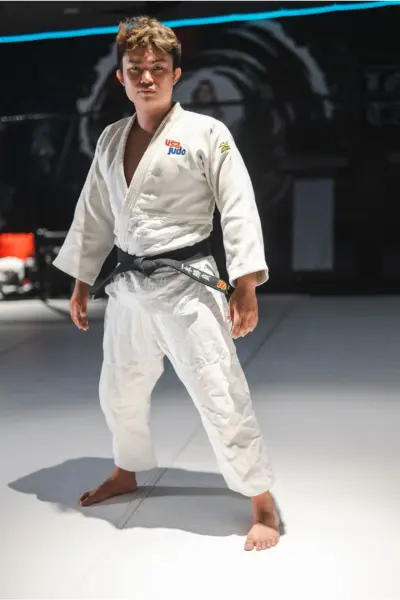
Lakea Vargas wore the Team USA judo gi at the 2017 World Judo Championships in Budapest as the youngest athlete on the squad.
He took silver at the 2024 US Open. He holds a black belt in both judo and Brazilian jiu-jitsu. He coaches at a five-discipline gym in Orlando called Combat Sports Academy, where he'll tell you most of his members will never compete—and that's exactly the point.
The math that keeps his lights on is the opposite of the math that won him medals.
Watch the full episode here:
The 1% Trap
The trap looks like this: a coach who came up through competition opens a school, and runs every class like it's prep for nationals next weekend.
Pace is high. Cues are short. The energy is "go, go, go," and the competitors love it. Everyone else quietly stops showing up.
Lakea has been coaching for seven or eight years. He'll tell you himself:
When I first coached, I was coaching as if there was a national tournament next week. So like the class wouldn't have been like this. It would be like, go, go, go. Like you guys got to go throw, throw, throw.
That's the default for any head coach with credentials, not just Lakea.
You teach the class you wish you'd had when you were chasing podiums. The instinct is right for the 1% and disastrous for the 99%.
His judo lineage runs through Sensei Shinjiro Sasaki, who taught him in Orlando after years of cross-training in BJJ at American Top Team.
Sasaki caps his dojo at a size where he knows every face.
Lakea's gym is bigger and louder and runs five martial arts under one roof, but the underlying math is the same: the people paying your rent are the working adults who came in tired from a job, while the ones flying to a tournament are a small, visible minority.
That's the heart of martial arts gym retention—who you build the room for.
The Math Nobody Teaches You in Coach School
Here's the breakdown, in Lakea's words:
Competitors, it's only like two to 5%, maybe 1%. But then you have like the 99 sheep over here that just want to train, and they just want to have fun. And those guys are the ones to really focus on because they're going to be the ones who are trying to train.
One percent. Maybe five. The other ninety-five to ninety-nine percent are working adults who showed up to feel like themselves again.
A few sign up because of you. Many stay because of who they sit next to in the changing room. Almost none will ever pay an entry fee at NAGA.
Hobbyists and kids programs keep the lights on. Competition is the marketing budget. If you've been around the gym business long enough, you've heard versions of this from every successful operator—and the retention research bears it out.
The trouble is that knowing this and coaching this are two different things. Most credentialed coaches default to the 1%, then wonder why class size flatlines.
Sell the Sanctuary
Here's how Lakea reframes it:
90% of the people, they do like a nine-to-five job. They come in, and they work, and then they're like exhausted. So I just want to give them that sanctuary or that opening where they could train. They could put a smile on their face at the end of the day.
The word "sanctuary" matters. It tells you what you're selling.
You're selling a 60-to-90-minute window between dinner and sleep where someone gets to be a person who throws people instead of a person who answers Slack.
Reps and rank progression are the substrate; the experience is the product.
Once you accept that, your class structure changes. Open with a warmup that respects somebody who skipped lunch. Give the technical breakdown room to land. Let people drill at the pace they showed up with. Stop yelling.
Incredible competitors still get built out of this environment. Lakea is one of them.
The point is that the environment isn't optimized for the 1%. The 1% just happens to thrive inside an environment built for the 99.
How to Keep Competition Culture Without Burning Out the 99
The trickiest part of running a hobbyist-first gym is keeping competitors central without making hobbyists feel like spectators.
Lakea's move here is unusual. He kept competing himself.
Silver at the 2024 US Open. Bronze at the 2018 Pan American Judo Championships in Costa Rica. He could have hung up the gi when he started coaching full-time. He didn't, and the reason is structural:
I want to show that I'm competing, just like how the leader of your tribe is in the mix... I am going to go out there. I'm going to risk it just like you and win or lose. We're still going to be a team.
When the head coach is on the mat, losing matches and winning them in front of the whole gym, competing becomes a personal call instead of a status game. Permission flows from example.
Lakea's gym is led by someone who still risks. That spreads through the room in a way no motivational poster can.
The second move is even better. Lakea reframes who actually owns a competition result:
If you find that teammate competing, that's really you also competing. So it kind of gives that sense of brotherhood... I helped them get that gold medal because I trained with them every Saturday and I pushed them.
Read that twice. The 99 get rewritten into the comp culture. The way Lakea tells it, the gold medal belongs in part to the training partner who showed up every Saturday and pushed the competitor through hard rounds.
Try this language at your next comp prep block. The Saturday morning partner who never registers for a tournament is the reason the competitor's takedowns hit. When the gold medal happens, it's a shared possession.
That's a brotherhood frame that costs you nothing and changes how non-competing members feel during competition season.
Programming for the Tired 9-to-5er
If you're rebuilding a class structure for the 99, the changes are mostly small and mostly practical.
Start with stand-up. Every fight starts on the feet, so every member starts there too. New students pick a lane—striker or grappler—and they get good at it before they touch MMA. Lakea is firm on this point. The people who try to mix everything from day one usually don't know any of the constituent arts well enough to actually put them together, and they can't tell when their own striking is what's getting them taken down. Cross-training pays off once the foundation is in.
The next change is in how you decide what to add to the schedule. Lakea added boxing two weeks before our visit, and the reason was simple: his existing members asked for it. The expansion came from people already paying him, who told him in plain language what they wanted to do next. Most "what should we add" decisions get easier when you stop guessing and start listening to the 99 you already have.
The third change is in your software. If your member-management system tracks rank progression program by program—so a member's BJJ blue belt and a judo yellow belt live in the same record without overwriting each other—your hobbyists get more visible wins per year. More wins per year is what keeps a hobbyist from drifting. The right martial arts software tracks parallel ranks across programs without making you build a spreadsheet, which sounds boring until you're trying to remember whose stripe is due before tonight's class. Pair that with per-member attendance tracking and you can see when somebody is slipping before they ghost.
Lakea calls this out by name when he talks about Gymdesk:
It's been great, man. Honestly, for me, it's been easy to use. We haven't had any problems. Everything is just straightforward. It's very like user friendly. I don't have to toggle with anything. It's easy to see the numbers. It's easy to see the ranks.
When the operational tooling stops fighting you, you have more attention left for the 99. That's the entire point.
The Kids Program Is the 99-Sheep Flywheel
If hobbyists are the body of the gym, kids are the bloodstream.
They bring parents in. Parents bring siblings. Siblings bring friends. Family accounts cascade. And in a multi-discipline gym, the kid usually starts in one art, and the parent ends up in another.
Lakea's pitch to every parent he meets:
When someone comes in a kid, I want their whole family to do it because I think it's really important. It brings the family closer together. It makes them accountable and it keeps them all healthy.
Lakea is describing his own childhood there. He grew up doing BJJ on a hard carpet floor with his mom, dad, sister, and brother and one shared YouTube video.
The bond he has with his dad is built out of shared technical vocabulary. He wants every family in his gym to have the same option.
The sharper observation, though, is the one he makes about parents who don't train:
Sometimes even when parents don't do BJJ or even Judo, they don't know how their kids feel when they're stuck on their mount. They're like, come on, just go stand up. And the kid is like, I'm trying, I'm trying.
A parent who has never been pinned in mount cannot coach a kid through being pinned in mount. The shared vocabulary is what makes the relationship transferable to the mat. If your kids program has 30 students, you have 30 parents you haven't sold yet.
This is also why a kids program led by a coach who specializes in kids—Sensei Xavier Valencia at CSA, who competed internationally for Ecuador—beats a kids program taught by whichever adult instructor happens to be free.
Kids deserve a curriculum that bundles self-defense, anti-bullying, and respect, taught by someone whose temperament is built for them. (You can read more about building a kids program if you want a longer treatment.)
THE FLYWHEEL:
Kid signs up → parent watches a class → parent picks a program → second kid joins → family account → community → retention. Multiply by ten years and you have a gym that doesn't have to chase new leads to stay full.
The Real Lesson for Coaches Who Came Up Competing
If you came up in competition, the gym you're naturally qualified to run is a competition camp. The gym that pays your rent is something else entirely. The good news is you don't have to pick.
Lakea's answer to the credentialed-coach trap: keep competing yourself as a leadership move, and structure class for the working adult who walked in tired.
The 1% gets a head coach who still risks. For the 99, there's a sanctuary that fits between dinner and sleep. Kids land in a program led by a specialist. Competitors find teammates who feel like co-owners of the medal. Nobody gets cordoned off.
KEY TAKEAWAY:
Run the math on your own membership. Count the people who'll never sign up for an open. Then build the class for them. The 1% will keep showing up regardless — they always do.
Combat Sports Academy is a Gymdesk customer in Orlando, Florida. Watch the full Gymdesk Originals episode with Lakea Vargas on YouTube or on Vimeo, and follow CSA on Instagram @csa.orlando.
Gym management software that frees up your time and helps you grow.
Simplified billing, enrollment, student management, and marketing features that help you grow your gym or martial arts school.


FAQ

Sean has spent the last decade creating content that helps businesses—small and not so small—grow smarter to allow operators to do more of what they love. You know, the fun stuff.
From shipping and international logistics to web development and marketing, he's done the work (not just the words) to scale retail and service businesses efficiently.
You can find his work at Sendle, Shogun, The Retail Exec, Gymdesk, and more.