From Family Gym to Social Media Sensation | Argyle Jiu-Jitsu

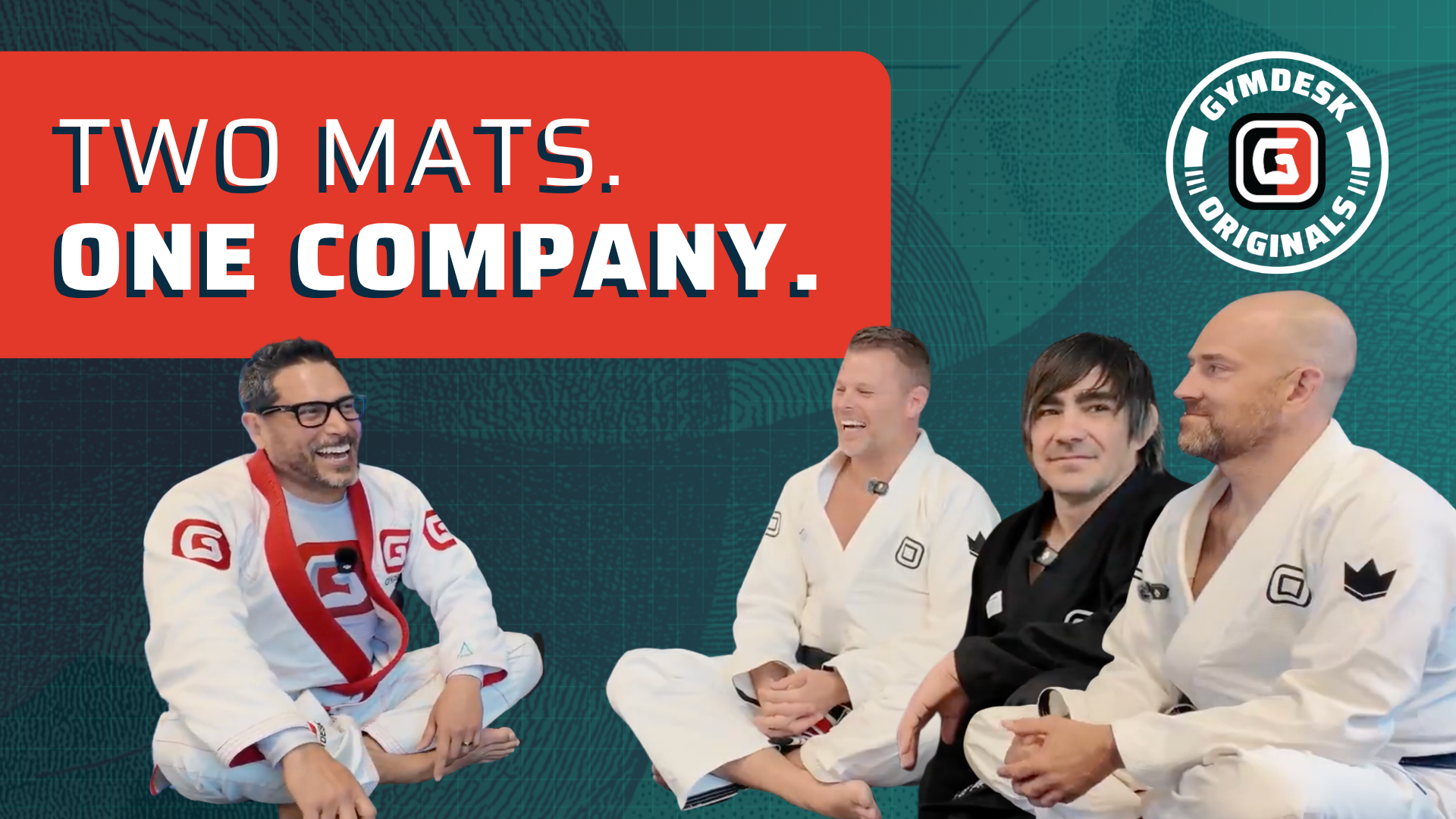
Starring
Prof. Paul Gilman received his black belt under Checkmat through Professor Jeff Calma in 2019. Since, 2020 he has been under Professor Raphael Formiga Barbosa of Double Five. He started Jiujitsu in 2008 under Professor Sung Min Cho who is currently a black belt under Over Limit Jiujitsu Association.
Tobias is a sophomore at Argyle High School where he is a High School wresting state qualifier. He is a blue belt and has been teaching kids' BJJ classes since he was 12 years old.
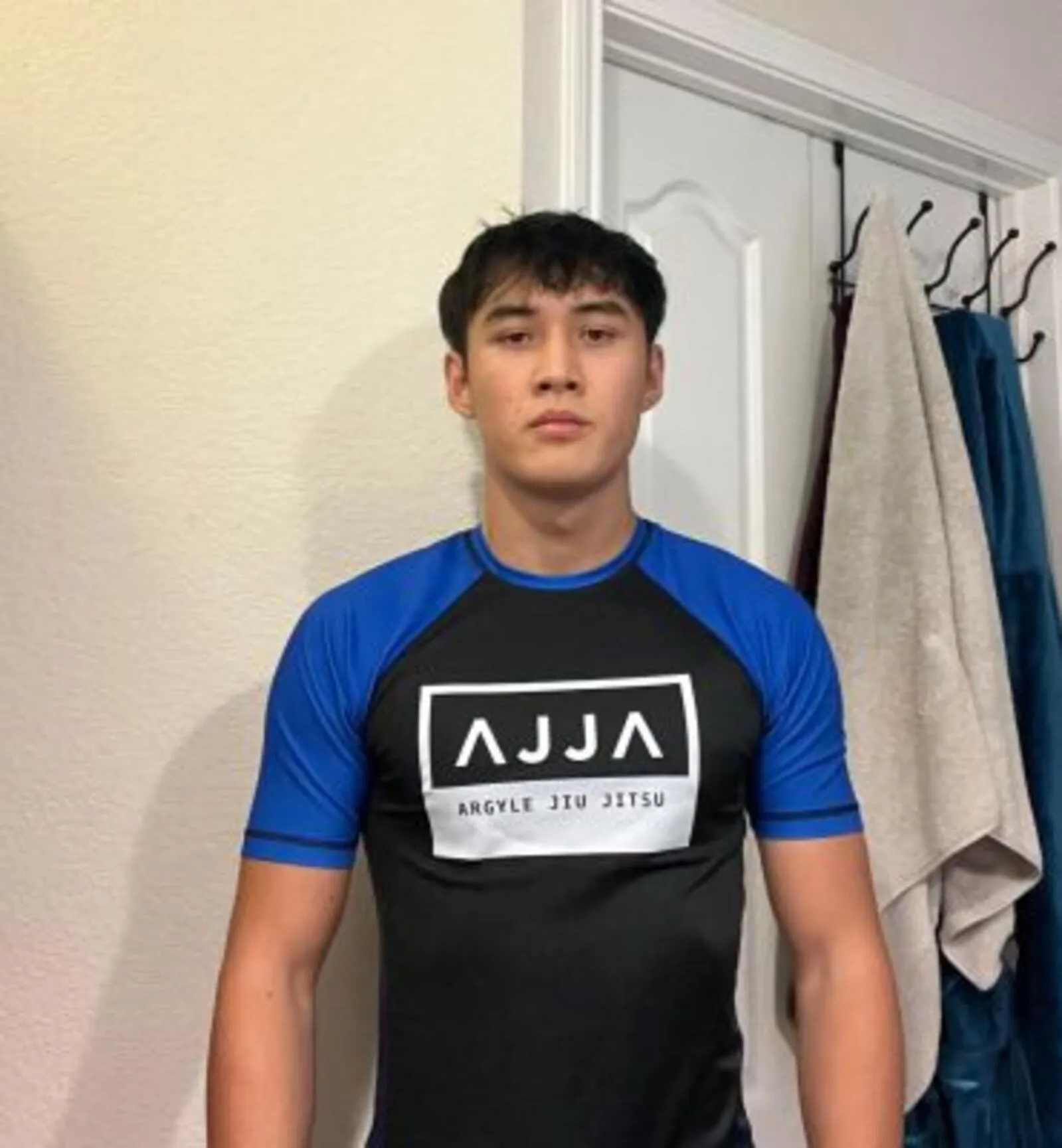
Aiden Gilman has been training Jiujitsu since he was 8 years old. While he attended Argyle high school he took time off of training and rejoined Argle Jiu Jit as an instructors for youth classes.
About the Gym
Argyle Jiu-Jitsu Academy, located just north of Dallas in Argyle, Texas, blends a welcoming, community-focused atmosphere with high-level training for all ages and skill levels. Headed by Paul Gilman and a dedicated family team, Argyle Jiu-Jitsu offers a full slate of kids and adult Gi and No-Gi classes, wrestling, MMA fundamentals, and specialized programs like the “Little Eagles” for ages 4-7.
Whether you’re a seasoned practitioner or a complete beginner, the gym’s hybrid coaching philosophy—rooted in both classical jiu-jitsu and innovative, engaging approaches—ensures personalized guidance and steady progress. The friendly, tight-knit environment makes everyone feel at home, while their vibrant social media presence and genuine passion for helping students grow mean you’ll be inspired both on and off the mats.
Summary
In this episode, Gymdesk CEO Alex Cuevas visits Argyle Jiu Jitsu Academy in Argyle, Texas to sit down with its owner Paul Gilman and his sons and assistant instructors Tobias and Aiden. The story traces Paul's journey from a wrestling background in California, through years spent teaching and training in South Korea and the Philippines, to building a thriving family-run gym in Texas. Despite opening in the middle of the COVID-19 pandemic, Argyle Jiu Jitsu quickly became a local hub, offering programs for kids, teens, and adults, and cultivating a close-knit community atmosphere.
In this episode, you'll learn how Argyle Jiu Jitsu’s coaching philosophy blends classical Jiu Jitsu traditions with more modern, playful, and constraint-led approaches—especially for younger kids. The team shares their passion for martial arts as well as their adventures building a social media audience by creating funny, viral content that resonates with the broader Jiu Jitsu community. The conversation also touches on how their personal journeys as athletes and instructors are intertwined with the family business and the enthusiastic support of the local homeschool network.
This episode also highlights how Argyle Jiu Jitsu uses Gymdesk software to support operations, from membership management to class check-ins and promotions. Paul and his team discuss their experience transitioning from another system to Gymdesk, describing it as seamless and appreciating features like attendance tracking and integrated payments.
What They Told Us
Paul Gilman opened Argyle Jiu-Jitsu in the first weeks of the 2020 shutdown. His background is wrestling—high school, junior college, and college in California—before a couple of decades teaching at a university in South Korea, where his sons were born, and a year running a school in the Philippines on the way back.
He came up training with names like Saulo Ribeiro and Renzo Gracie but shrugs off lineage; asked who he's under, his answer is basically "does that matter?"
He runs Argyle with his sons, Aiden and Tobias—the same two whose training clips built the gym's social following. Here is what the conversation surfaced about how the place actually works.
Opening a gym in the first weeks of the shutdown
The plan was a February open. COVID pushed it to April or May, so the launch ran on a Facebook and Instagram list plus the local neighborhood groups, with a founder's-year rate for early sign-ups.
The number that mattered was the one that kept the lights on.
"We were lucky. … the number to stay above water here was like 70 members … That's including the kids and the adults. And we got to that number within the first three or four months."
— Paul Gilman, head instructor
A coaching method built on constraints, not technique
Argyle's newer classes run on a constraints-led approach. Students start in a set position and work toward a goal, rather than drilling a sequence of moves.
Paul's point is that it lets a white belt and a brown belt share the same round without one drowning in the other's technique.
"you don't have to show a lot of technique because … both people know where they need to go at what time"
— Paul Gilman
Running a room of 25 to 30 four-to-seven-year-olds
The Little Eagles program covers ages four to seven, Monday through Thursday, taught by Paul's sons alongside him. The honest part is what managing that many small kids for two hours actually takes.
"It is only two hours a day, but managing like 25 to 30 kids, it's tough."
— the Little Eagles instructor
Asked how he handles the handful who goof off, the answer was peer modeling rather than discipline—and the room does the work.
"Over time they observed the environment — not everyone's making trouble. So they kind of have to fit in with the other kids … when they look around, they see all the kids behaving."
— Paul Gilman
How the training clips became a front door — and where they don't
The gym's public face is its content.
Aiden and Tobias edit their own training footage into short, funny clips; the first to break out was a YouTube short about the one person who can calm you down mid-roll. Paul has leaned into it, sending them to spend a month training at 10th Planet in Austin and, another summer, a month at Bang Tao in Thailand.
But he's clear-eyed about the payoff: the videos build recognition far more than they drive walk-ins. Members trickle in from the clips—a friend relocated from Pennsylvania after finding the gym on Instagram—while most of the online audience shows up as people recognizing them at other gyms, not signing up at Argyle.
The homeschool PE pipeline
A big share of Argyle's kids come through homeschool families using the morning classes as PE—the same pattern at Paul's second location in Justin, about fifteen minutes away.
"Homeschool here in Dallas, it's blown up. I have about 50 kids homeschooled here. I have another school in Justin … and we have about 50 kids there, too … because they don't go to public school."
— Paul Gilman
What Argyle runs on Gymdesk
Argyle runs on Gymdesk for bookings and check-ins, attendance, payments, and ranks. Paul is candid that he uses a fraction of it—the marketing automation that forks follow-up on what a lead does is still on the shelf.
"The students don't really know what Gymdesk is. They don't log into their accounts and check anything … they check in, I can see their accounts, we manage … their memberships there."
— Paul Gilman
Read the full transcript
Lightly edited for readability. Speaker labels are omitted because the source recording is not diarised; quotes attributed elsewhere on this page were verified against context.
Music playing. Behind every gym, there's a lot of people who are in the gym. There's a story, a mission, a spark of passion that started it all. This is Gymdesk Originals, real owners, real struggles, and the communities they've built from the ground up. What's up? We're heading to a new place today with the new guest star. We are in Texas. Dallas. Dallas, Texas. And we're heading to Argyle Jiu-Jitsu. And we're really excited. Today, today's guest stars are? Brian Lastovich. We'll be marketing. Sidney Graham. Operations. All right.
We'll see you all soon. Hi, guys. My name is Paul Gilman. I am the head instructor here at Argyle Jiu-Jitsu Academy. If you'd like to come out and train, anyone is welcome. If you'd also like to come out and train with Argyle MMA, we have Aiden and Tobias here to tell you what that's about. We've got excellent kids' classes as well and adult gi and no gi classes. We also have wrestling with Coach Tobias. If you love anything, UFC or MMA, me and Aiden are game here.
Working some striking, doing different wrestling drills. We'll see you next time. All right. We're here in Argyle, Texas. Kind of Dallas area. You know, I don't know. I didn't know the difference between Dallas and Argyle. North Dallas. North Dallas. Okay. It was about 45 minutes to get here. We're in Argyle Jiu-Jitsu. Here with Professor Paul. Two sons. So happy that you had us come over. I'm a big fan of your work. Hey, you guys have amazing content. The funny story is I was passing around the content you all were producing to like Jiu-Jitsu buddies.
I think I even DMed one of you, right? I'm like, hey. I like that, you know, the content or whatever. I didn't realize you guys were customers. So, and then I found out, I'm like, oh, no way. Dude, that is amazing. So I'm like, I got to go out and visit. It's been a great day today. Great Jiu-Jitsu. Amazing time. We had a VP of marketing jumped into class as well. It was just a lot of fun. So thank you very much for hosting us. Appreciate you very much.
Thank you, gentlemen. Thank you. Yeah. So maybe we could start with a little bit about your background, Professor. A little bit of, you know, your training. I know you've been all over the place. Seems like Korea, Philippines, California. Tell us about your background. My main background is wrestling. I wrestled in California, high school, junior college, college. After my wrestling was up in 98, I moved out to South Korea. Didn't do any grappling for a long time. Got back in. A friend of mine invited me to Jiu-Jitsu.
And that's when I started in 2008. Haven't stopped since then, except due to injuries. When I started training in 2008, 2017, came back here, moved to Texas. I did do some training in California for a little bit here and there. Trained out here in Texas for about a year. Got a job in the Philippines and trained one year there. We opened a school called Checkmat Out There with a coach, a professor, Kalma. I spent a year training, came back to Argyle, decided whether to work in the corporate field or open my own gym.
And I decided to go with opening my own gym. And that was in 2020. 2020. Right there in COVID. COVID. Right there. Wow. We were scheduled to open in March. COVID hit. We didn't open until April or May. Okay. All right. Well, I'd love to get into that. But California, what part? Where were you from? Sacramento. Oh, on the way. Yeah. From San Jose originally. Okay. I went to junior college in Saratoga, which is near San Jose. So back here. That's where I started. So you're doing wrestling out there.
Yeah. And then how did you decide to move to a foreign country? Right after I graduated, me and a friend just decided we'd like to travel and teach. Korea was there. We went out there for a couple, on a two-year contract, economic crisis. So they hired me at the local university. And that was a really good jig for about, yeah, 15 years. Oh. This kept extending out. We had a five-year plan. And then just, we had the boys there. And then five more years, led to another five years.
And by the time they were in middle school, we decided to come back here. So you two gents were born in South Korea? Okay. All right. My nephews are from South Korea. Okay. Yeah. Yeah. So we have some connections there. And did you guys ever, I don't know what age you were there. Up until what age? But for me, I was there until 10 and we moved there. Okay. You were there until 10. And then my brother, I think seven. Okay. You guys have a three-year difference?
We had some of the footage of you two, which seemed like, I mean, I know it's not choreographed, but it was really cool to watch. Yeah. We were rolling. Yeah. You were rolling and it was like flowing, man, like Tai Chi or something. You know, just like you guys are in it. It's really cool to watch. Thank you. And, you know, I was thinking to myself, so I think I was telling you earlier, my son is eight. My other son is three. He's a five-year-old gap.
I can't wait to see them do that, you know, but a lot younger. My three-year-old's not even training yet. He just spooks off. And how does that feel for you when you're watching and you're missing? Yeah. I'm proud. I mean, we didn't know that was going to happen. You know, he trained jujitsu since, they've both been training since they were three. He stopped training in middle school. He didn't really like jujitsu for six years and I never pressured him to do it. And then after he graduated high school, he wanted to try to come back in and get some workouts in and still had it.
So it's just been actually the last year or is it two years now? Yeah. He wrestles at high school, so his wrestling is amazing. And then it's been about a couple of years where they just reconnected with jujitsu and I'm just living the dream now. I get to watch my kids do incredible jujitsu, right? For sure. Sure. Yeah. I mean, it's hard to even explain what it is. Like, you want your boys to be able to defend themselves. Yeah. And then you see that level of skill, you're like, yeah.
You know? Yeah. Tell me when you're, so you're doing wrestling and jujitsu. Yes. How do you feel like when you're doing one or the other, do you get like flashes of like, oh, I want to do jujitsu move or you're like straight? Yeah. So I would say wrestling helps with jujitsu, but jujitsu doesn't help with wrestling. Okay. So. A lot is more. A lot is more. What do you feel more is, what's the biggest difference in your mind? Just brute strength, I guess. On the wrestling side?
Yeah. Jujitsu, it's all about diverting the force, going with everything. Yeah. The path of least resistance and wrestling is like will versus will. Just who's, who has it more, I guess. Well, so professor, you've been all over the place. Yeah. How did you go? Well, you ended up here in Argyle. Yeah. And then you decided to open up during COVID, which is like some people are like, oh, you're crazy, man. Right. I don't know if you heard that, but you just like. No, I had a plan to open in February.
Okay. So this is obviously before COVID, you're like, I want to open on this. That was my plan coming back from the Philippines is to open my own gym. Okay. And yeah, just moved back and started getting emotion. And COVID was happening. And we just kind of postponed for a month or two. Here in Argyle, we did, people were like, okay, it's not real. So we still had like, well, terror routine guys coming in, no masks. And they were like, it's not real. And surprisingly, nobody caught, none of us got COVID during that year.
That second year I was training. We had a few kids and we had, you know, I didn't get COVID until like three years later. So kind of strange, but yeah. After the pen, you know, but everything was done. I was fine for a couple of years there. Finally, finally got it. So how you, now you open up, obviously you're not going to get the amount of volume of people walking in because there's probably fear or whatever. So how long did it take for you all to kind of start seeing, you know, people start responding?
Oh, you guys are here and that kind of thing. We were lucky. We, in the first, I would say the first four or five months we hit the number to stay above water here was like 70 members, right? That's including the kids and the adults. And we got to that number within the first three or four months, I believe. Oh, wow. And so we were just doing enough to keep the gym running here. It was nice. So tell us, like, how did that happen? How'd you get 70 so quick?
We were, you know, marketing in January to open up in February online. Okay. Facebook, Instagram, whatever we could do. And people were signing up online and they were registering. And I said, okay, we have about 20 guys already ready. And then I said, I had to keep emailing them. We're not opening in February, guys. It's going to be more like March because of what's going on. And in March, we're not opening, guys, until, you know, April. And in April, I said, you know, we're going to open and we're going to train.
We probably had about 40 people signed up and then about 15 or 20 actually come in. And did you have any kind of like founder's program? We did. Yeah. We had a one year early. You just sign up, you get grandmothered in that. Yeah. Yeah. Yeah. So we reached that pretty fast. And so, yeah. Yeah. And so that was your main vehicle was like Meta, Facebook, that kind of thing. It just social. Yeah. Yeah. Right then it was just Facebook and the groups, you know, like the local neighborhood groups that we have here in Art.
About your coaching philosophy, right? We saw that you obviously earlier you had kids in here. I think you have team programming. Today was the special night. You had several themed nights. I think today was we had team over tonight. And then we had over 200 plus guys and it was less guys. Yeah. 200 plus and plus teens. Teens on that side. Bigger guys on this side. How did, tell us about your coaching philosophy. Like, you know, it's been changing, you know, in the beginning I was more classical.
I, you know, my professor at Calma, I only trained a year under him, but I learned a lot about like the original kind of jujitsu through, you know, Hadra Gracie, I put a gym. I was kind of classical, not as traditional, like the bowing in on the mats and turn around and tying the belt and none of that. Basically, I think it's because I have a wrestling background. So I don't, we don't have like belts and we don't have all the bowing. And so, uh, so I was kind of in between both.
In the last couple of years, there's a CLA approach, which is what we're doing tonight. It's called, um, the, uh, what's it called? CLA ecological approach. It's got ecological approach. I forget. Constraints lead approach, which is, uh, led by, um, professor Souders out of the East coast. And it's just getting these positions and you guys work to get to this goal. And you don't have to show a lot of technique because every, both people know where they need to go at what time. Right. You don't have to worry about a white belt going against a brown belt and the white belt's overwhelmed by all these moves.
Right. So that's kind of what we're doing tonight. Yeah. That was, I've never done a class like that before. I mean, you do like pieces of it. He'll do like, okay, starting guard and get out. Yes. But that's like 10 minutes of the class, right? Like the whole thing was like that. And that's what you just called the CLA approach. CLA. Yeah. Um, constraints led approach. Constraints led approach. So I think we started with, we were knee tight. Knee tight. I've never done that before. That's cool.
Pretty easy. Good warmup game. And this is the way it's got going. And then no one, no unders. Yep. And then we're trying to get around the back. Yeah. So we start standing. Yep. We'll get some, you get your heart rate up doing standing stuff. And that's our warmup. Now we've got our blood flowing. Now we can get to the ground and start doing some other kinds of, um, problem solving. It's really cool. Cause you know, like you don't always end up in that position and it's like I ended up, well, I'm like a turtle guy.
I'm like, yeah, I love, I'm very comfortable there. You know, I end up, I know it's not the best thing, but I forgot, like a lot of people don't turtle up on me. No, man. The guy was, I was like, oh crap, what do I do again? Oh yeah. How do I always get, you know? So it's good to see those, those moves. And so what about the, uh, little Eagles program? Uh, tell us about that. Like, why did you choose little Eagles as a name?
Do you want to, um, well, Argyle is the Eagles is the, um, the mascot for the town, Arbel high school, middle school. So see when we open, I didn't have an idea for a gym name, like the dragons, or I didn't want to have a corny name. Cause I did look up names in Dallas. There's like zombie crew. There's like a sloth. There's all these, and I wanted to be a community. So I decided Argyle, that's where I live. So Argyle jujitsu, which is means that everyone can kind of, oh, this is our jujitsu gym here in Argyle.
I don't even have like a logo for myself, like Paul Gilman, BJJ, you know, a lot of the black belts have, have a lineage where they have their name. So not really big on that as well. Again, I grew up in wrestling, so I don't, we didn't have my college coach. I didn't have like, his name was Jim Root. I didn't go, I trained under Jim Root, you know, we don't, we don't do that in wrestling. You just train and then you become good. And then now you're a coach.
Yeah. So I trained, when I was young, I trained in Taekwondo and I got my black belts, but like, I didn't really know any of, there was none of that really. Yeah. Right. And like federations is, I'm like, I don't, I have no idea. I just trained in, I trained in Southern state judo. And then I might started doing judo cause it was there and I want to do some ground game. But after that, when, you know, like later on in life, I trained with Saulo in San Diego, Saulo Ribeiro.
Yes. And then Renzo Gracie in your city when I lived there. And then a little bit with Cyborg in Miami. Okay. But people ask like, Hey, who are you under? I was like, Oh, does that matter? It was weird for me. Yeah. It is. It's definitely a jiu-jitsu thing for sure. For sure. Yeah. The lineage part, which is kind of cool, but sometimes it's not, it's not everything that my jiu-jitsu is much different than, than who I am. I trained under cause I have hybrid jiu-jitsu, kind of like him wrestling and jiu-jitsu.
Yeah. And I'm starting to see more of that too, where people are, are like going away from the tradition, especially when you go no gi. Yeah. And it, there's none of that. It's just like, and let's go train. That's a fun, that kind of thing. But you got your voice here. So how did, I mean, you are all involved in the family business. Just recently in high school. So he's busy. He'd been working and doing another job. Then he said, you want to start training jiu-jitsu and working out.
And I said, well, quit your job. You can just work. I can pay you like double what you make there. And you just work like two hours a day, you know? And so that's kind of what led him to, and he does my little eagles classes on Monday, Thursday. So he can tell you a little bit about that. Yeah. What else about, uh, sure. Yeah. I teach the little eagles, the four through seven-year-olds pretty much every day, Monday through Thursday with my brother on two of the days, Monday, Wednesday, and then with my dad on Tuesday, Thursdays.
It's definitely a hard job too. Not, it is only two hours a day, but, um, managing like 25 to 30 kids, it's tough. It's tough. But, um, I do like the fact that I can teach the classes here, train at night, you know, during the morning if I want to. I'm not like a normal job, like where it's nine to five. So I'm pretty much at the gym like all day. And that's still better than working at like a regular job for sure. Yeah. And then you're also connected to family too.
So yeah, you get that element. Yeah. Yeah. I'm with them always. Yeah. So tell me about the kids then. So a class of 25, 30, I did the same, right? When I was, and I mean, this is in my days, I don't know if you have a different experience, but you know, 80% of the classes pay attention, 10% is drifting. And then there's like troublemakers are just like goofing off. You're getting the same kind of thing or yeah, we always have a couple troublemakers, but, um, it's also good seeing that over time they observed like the environment, not everyone's, you know, making trouble.
So they kind of have to fit in with the other kids. Like, yeah, all the kids are not goofing around. So when they look around, they see all the kids behaving. So funny thing about teaching kids while I was teaching in Korea, I got a part-time job offered to me to teach for one year at a kindergarten. Okay. And that was four or five and six year olds. Oh, yeah. English kindergarten. It was basically singing and dancing. I did one year there and I kind of learned how to teach the kids, you know, studying about early childhood education.
That one year turned into six years and I taught for, and then I had no idea I'd be teaching kids Jiu Jiu. So I really love that age group. Yeah. Uh, I really know how to manage them. I keep everything. It's like that CLA week. They don't have enough time to goof off because every six minutes we're moving on to a next thing. Yeah. It could be touch the cone. It could be run around the bag. You know, it could be grab somebody's back, but every six minutes we are pretty much changing what we're doing.
So the kids get used to that, like, you know, get on the line, sit in the circle, get on the wall. We're getting ready to do something new. I don't always see that because, you know, what, what I think you're saying is you keep them engaged and some new. Yeah. Every, just before they break their, you know, concentration lid, right? Yeah. Um, which is a brilliant way to go about it. Um, unlike me trying to, and I've seen other places where it's, you know, you try to do this and, you know, the kids are like drifting and, you know, so it's not necessarily that you're going to do like 45 minutes or an hour of Jiu Jitsu.
Like it's just physical, sprinkle Jiu Jitsu, physical, you know, you just, along the way, they're going to pick up some of the skills. That's the idea. They will pick up the skills. Yeah. Yeah. No, no. Like, Hey, step one, step two, step three. We don't do that here. That's step one. They can't remember step one. Yeah. Well, so your sons have sort of on their own. I'd love to know about how you all started your channel. Uh, I don't know if you're, I think you're doing TikTok too, right?
I don't see those cause I'm just not on there, but I do see the Instagram. Super funny. Curious how you guys decided that you wanted to get into like making content like that. Well, I always love, uh, editing my own training footage and making like goofy TikToks on CapCut. After class, me and Aiden will just be watching funny Instagram reels and like, we need to recreate this. Yeah. And then just the day starts sacking, you're filming every night. We get like one traction. The first video that went viral was when you're training, or YouTube short.
It was a YouTube short that was like, only your training partner can calm you down. It's like the one where like I punched the wall and like I land in a flying time. So that one did good. And we're like, okay, you just keep doing this. And then every day we're getting bigger and bigger. And then we went to Austin and dedicated a lot of time there to filming videos. Oh, where, where, where were you doing in Austin? We went to 10 planet. Oh, Austin to train for a month.
We, you know, rented Airbnb, stayed there. And then, yeah. That was fun, yeah. Yeah. This summer I invested in them. I paid for them to live in Austin for a month. We have a house near 10 planet. And the idea was for them to, and then 10 planet has classes 6 a.m. to 9 p.m. They're just all day long. So they got jiu-jitsu, wrestling, no-gi. What else do you guys have? Bok, kids, and that's all they were doing was just training and eating and sleeping and doing content.
So that was a, that was a nice little thing. And then last, the year before that, I sent him to Thailand for a month. And he just trained at Bang Tao for a month, kickboxing, jiu-jitsu, and wrestling. Stayed in a little Airbnb. When he came back, he was very different. It was scary how good he had gotten over a month of that intense training there. And that's the plan this next summer, too, sending him somewhere. We're still looking to get to find out. Yeah, just, I mean, obviously they're doing fantastic.
And I know you guys were talking about maybe doing some additional longer content. That way you can monetize it and all that. How is your success with the social media impacting the gym? Are you getting people coming here because of that? We have a couple people that came here from the videos. Our friend Joao, he moved here from Pennsylvania and found it from Instagram. And then, of course, there's people at school like Jonah came up to me saying, like, I've seen your videos and then I talk them into it, come in.
So, yeah, it certainly helps. Yeah, we don't have too many people just walking in saying, hey, I saw you from Instagram or social media. I want to train here. But we have a lot of time people visiting and them recognizing our videos or whatever. If we go to different gyms, they always recognize us. And it's fun, like being like the content creators in Dallas area, like, you know, go to local gyms and people recognizing us. It's always a great experience. But back in the day, I was making my own little YouTube video just for like health.
And I was like weightlifting a lot. And I'm a plant-based guy. So, it was about plant-based and working out, weightlifting. And long story short, I got somewhat viral. I wasn't getting, you know, this was the early days. I get like 6,000 views or whatever. But I ended up meeting my wife because she saw one of my videos. So, I mean, it's... I'm going to have to look that up. You won't find them. They're like super hidden. And she recognized me from that. So, it's, you know, it's one of these things where I think, especially if you have a passion in something, because she happened to also be plant-based, like, oh, you know, it worked out.
But you guys are just echoing in this, you know, culture of like jiu-jitsu humor, which is hilarious. I mean, it's... Wherever you go, you hear the same, you know, jokes and stuff. So, you guys nailed it, man. Congratulations. Thank you. Yeah, I'd love to chat more about... So, MMA, you guys are doing MMA. And you guys are kind of putting up your own programs as well within here. Is that kind of what you're doing? Right now, we have some MMA, like, after normal classes of jiu-jitsu, we have some guys here that already do MMA, like Gabe and Tobias.
So, they do some striking. We also have Friday open mats where we do, like, no-gi and striking as well. We don't have, like, a stat MMA class yet, but we're trying to work towards it for sure. Okay. Is there an end goal for the... Do you guys want to compete in that eventually? Or... I think you're... Well, I'm in my senior year of high school for wrestling. I definitely want to wrestle in college. But my plan is to do jiu-jitsu my full life. And MMA, I think everyone wants to try to be a fighter once in their life, at least.
So, I'm not sure how I'm fighting. You guys are making good money to do jiu-jitsu now. The money is getting there. So, why go make six and six at USC? Get 12 and 12 and get your brains bashed in. Some of these guys now, these young guys, especially in Austin, that's a hotbed. What's his name from New Wave, that kid? He just won... More? Yeah, he just... Sullivan. What did he get? Was he 15 grand or 20 grand? I don't remember. That's right. The EBI's and the PCF's.
Yeah. So, more money coming into the no-gi stuff. You saw when they were doing no-gi. It's a different sport. It's just... Yeah, I mean, they were asking, like, oh, what is that? Is that a different art? Yeah. It's a lot... It's more fun to watch than two old guys in the game. Just sitting there going, mm. Yeah. I was going to ask about the younger students. Do they... I mean, do they watch some of your shows and stuff like that? Yeah, they do. They do. Every time I walk in the class, Aliyah's like, oh, I've watched one of your videos.
Or some of our kids, they always tell me, like, they watch it. It's like, why were you doing that? Why do you have two shoes on the mat? It's like, it's funny. Yeah. Obviously, their parents should definitely screen some of the content. But, yeah. Yeah, I had to do a disclaimer for the... My favorite one is that one about, you know, what your coach hears. Oh, yeah, yeah, yeah. My arm hurts. Yeah, they got, like, four million on that. That one has, like, four million. Yeah.
Hilarious video, I think. Yeah. They got me twerking on one. One of my students. Oh, no. We got to find that. Find the twerking one. One of my teenagers, like... Sir, we saw you twerking. I was saying, no, that was not. No. And I was still in school, so that's fun. I walk into class, and there's people in front of me on YouTube shorts with the videos out. It's, like, me and my singlet in my room. I'm just like, oh, my God. Yeah, yeah. I don't know.
When I post on Sunday, I'm like, I know I'm going to have to hear some stuff on Monday with my friends, you know? Have you had a lot of, like, people from your school ever to join? Like, hey, can I get in one of these? Everyone says they want to. They're like, yo, I'm going to come in. It's like... It's an opportunity, though. I mean, yeah. We're still trying to vote. Hopefully, I don't know how long this is going to last, because, you know, he wants to go to college, and so does he, and then they probably go together.
So, I'll be left here by myself. I got enough good coaches here, though. I mean, wherever we go, we can still make contact. Yeah. I'll still have Gabe here. Like, in, like, the mat room, if I go to college, I'll still make mat room contact. Yeah. Sure, yeah. So, what is the five-year plan for Argyle? We're going to keep growing. I just grow the kids. The kids are great. Big kids, small kids. If you don't know, homeschool here in Dallas, it's blown up. I have about 50 kids homeschooled here.
I have another school in Justin. As you know, we have Gymdesk over there as well, and we have about 50 kids there, too. Just in the morning, in the morning, because they don't go to public school. Just the way that it happens here in Argyle, so. My two kids are homeschooled. Same. So, yeah, they don't go to co-op. Like, it's kind of a school thing. Like, there's two different ones. Yeah. But that's a common thing here, I guess, huh? Yeah. Sometimes we have a lot of kids here, and if I have two classes for the, again, younger kids and bigger kids, they have to come those two days, because that's their PE days.
So, yeah, it's part of their enrichment, their PE enrichment, so, yeah. So, speaking of Gymdesk, how did you guys, how did you find this? I was doing that other, I was going to go back with the other one in Australia. Yeah. I think I was on another one for about a year. You were at this location? Yes. I was going to say, anyone's square, right? No, no, but I've got to remember the other one. Learning? Learning? I don't remember. And I saw a Gymdesk was there, and it said it was out of Austin, so I kind of liked that it was local.
Yeah. And I don't know if somebody emailed me or what it was, but when I went through and I checked it, you know, I think I may have had a meeting, a Zoom meeting or something, but, yeah, I just transferred everything over to Gymdesk. It was pretty seamless and very similar to what I was using before, like I said, so, yeah. And how long have you been with Gymdesk now? Gosh, I don't know, I'd have to look, 23 or four years now? Yeah. Yeah. Yeah. It's like 22, right?
Yeah. How's been the experience of software and all that? Yeah, I mean, I don't use it a lot, like adding, you know, the skills and doing, the students don't really know what Gymdesk is. You know, they don't log into their accounts and check anything. Yeah. It's just basically, they check in, I can see their accounts, we manage, of course, we manage their memberships there. I don't utilize it as much as I would like to utilize it, like running up content. They're videos or instructions and things like that, but I'm happy with it, though.
Yeah. So, it's mostly like booking or check-ins, tracking attendance, payments. Payments. Have you used any of that marketing automation? How do you manage as much of the marketing, unless it's just email message, just message it? No, it's pretty cool, right? You should hack it out. I got to get these guys to use it. Yeah. What I would call enterprise-grade tech. I mean, this is why I'm a software guy, and I was like, so excited. I didn't build it. I came here, and they already had it.
Basically, we already had it, right? It allows you to fork logic based on what's happening with the lead. If someone fills out a form, and you can say, wait two days, send an SMS message, wait a day, send an email. If they respond, you know, basically, it's helping minimize the amount of touch points you have to do. Yeah. Let the software do it for you to help them come in. Yeah. Book a class. Yeah. And then if you convert them. So, you should definitely check that out.
There's no extra charge, either. It's all included. And then I see you're on our website, right? So, I mean, you're using our website. Are there any other features that you use a lot? I don't use the, yeah, we have the, well, you know, keeping track of the rank and the levels. That's important. I don't always go back, and as we do a big promotion, we promoted like 70 people, and I have to go manually and do it all, but that takes some time. But, yeah, I don't do much.
I don't use the app enough, I think. I think, as a business, I don't have an account on the app. I don't know how that works. No, you do. Oh, I do? Yeah. I can do it. Okay. Because I thought I was signed in, and I couldn't sign in on the app, but my students could use the app, for sure. Oh, yeah, yeah. There's an app for your students. Yes. Okay. All right. Yeah, that's it. Yeah. They can book themselves. They can see the ranking. You could put videos on there, too.
Yeah. It's always in the back of my head. It's like, but we got to start putting our videos that we want, the skills that we're teaching. You're right. Put the content, and of course, that's just sitting on the back burner. Right. You could also rate them, too, like, you know, a three out of five for here, so they know what to work on to get to the next level. So, this is all that kind of stuff built in. Well, cool. So, anything else you think you'd want to share with the community out there about what you guys are up to?
Here are your plants? We're always growing, I guess. We have a lot of, this area is growing a lot. So, since, like I said, he's doing, they're doing MMA, so probably by next year, we'll have an MMA class for the kids, where they're, you know, they come in and do the striking, really kicking, and that's our next program. I'm really slow about introducing new things. I have another gym, Justin. We just, every three weeks, we're trying to, they're trying to do something. So, here, I just stay the course.
Yeah. There, we're just throwing stuff on the wall. Yeah. What's the name of the gym? Justin. Just soon to the academy. Okay. Yeah. And how far is that from here? 15 minutes. How does that work for you when you know? They can train at both. Okay. Yeah. You know, yes, we do have an area of town where we kind of both are pulling from that area, but it doesn't matter. I own that gym, too. I have a couple partners there, so I don't mind if they go there.
It's a little further west. It's more rural, so the price is a little cheaper over there than here in Argyle. But, yeah, no, it's doing good. And do you split your time between the two locations? Yeah, I do two days a week here and two days a week there. Okay. Then my partners teach the adult class there. So, yeah. And so far, with partners, it's been pretty good for you? Mm-hmm. It's been good. Yeah. I had my own stores. I had one. It was a food business.
Yes. And one did great. And then I had to do two because my lease got messed up. Oh, man. So I started going crazy, man. It was hard to be in two places at one. You know, whoa. I heard that song in a while. Uh-huh. Alexa. Yeah. No, it's all good. I'm from California. From large part there, right? Yes, is that what I'm saying? Yeah. Yeah, I spent a lot. I mean, two years at West Valley. Worked in Mountain View. Worked in, um, what was the name of that town?
Gosh, all up and down that. Cupertino. Cupertino. And you're at Mountain View. Mountain View. Yep. Yep. I worked. That was the first place I ever worked, Mountain View. Software company there. Okay. She went for the software back then. One of my best buddies back then was Kung Lee. He wrestled with me. Kung Lee is a mixed martial artist from San Jose. I don't know if you know or remember. I do know who he is. Yeah. I used to see him at tournaments. Yeah. Like Taekwondo tournament.
Yeah. It's Vietnamese, no? Yes. Yeah. Yeah. He's in Sacramento, man. He was like a stocky dude. I remember. Yeah, 180 pounds. Yeah. I remember seeing him at, uh, it was like. Sanchu is the, his sport, right? Yeah. Back then it was Sanchu. It was like Greco Roman wrestling and kickboxing. It was crazy. Yeah, it was. I was before UFC even. Yeah. I remember I went to a Taekwondo thing and he was in a fight. Yeah. And it was like no rules or something. I'm like, what?
Well, what does that mean? I don't know if that's Sanchu or Wushu or something, but it was, he was like the number one guy in the country. Yeah. For a while. Then he went to UFC. Listen, guys, I appreciate your time. Thank you so much for your business. Yeah. Thank you for having me out here. I'm good to have you guys. Thank you. Thank you. Hey guys, proud Gymdesk customers here. Tobias and Dana from Argyle MMA. Guys, make sure you check us out, especially for like oil checks. We'll see you guys. We'll see you guys.