
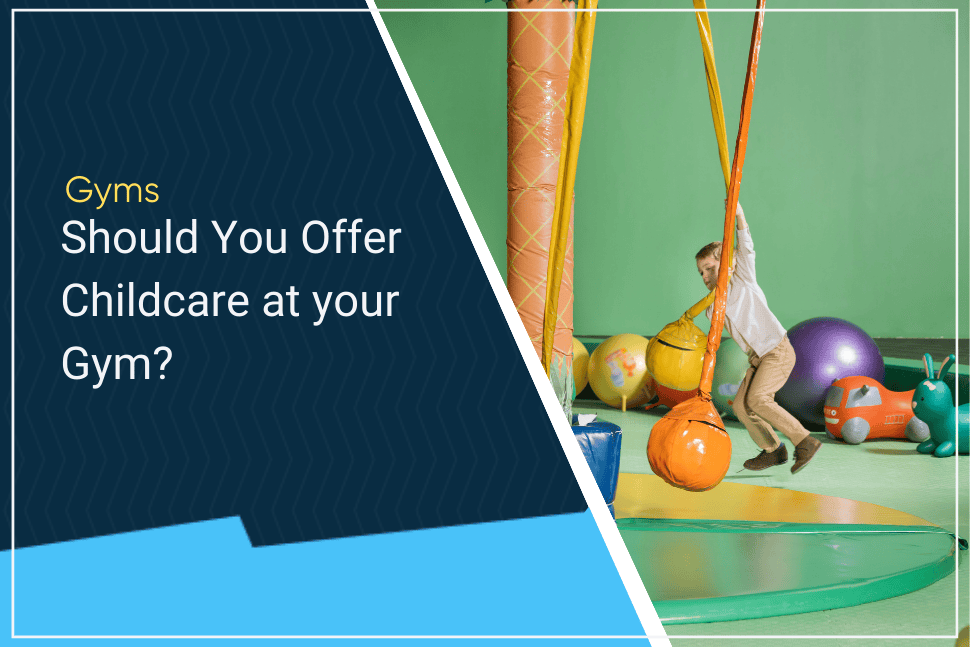
Picture this: A busy parent finally carves out time for a workout, only to struggle with finding someone to watch the kids. They glance at your gym, wondering—do they offer childcare?
Providing childcare at your gym could be a game-changer, attracting more members and boosting retention. But is it worth the investment? From increased membership appeal to liability concerns, there’s a lot to consider before making the leap.
Let’s break down the pros and cons so you can decide whether gym childcare is the right move for your business.
Benefits of Offering Gym Childcare
For many parents, finding time to exercise is a challenge. Between work, school drop-offs, and household responsibilities, their own health often takes a backseat. By offering on-site childcare, your gym removes a major barrier to fitness, making it easier for parents to prioritize their well-being. Here are some immediate pay-offs when you provide childcare services:
- Increases Gym Membership Appeal: Parents are more likely to join and stay with a gym that accommodates their childcare needs.
- Encourages Regular Attendance: With reliable childcare available, parents can establish a consistent workout routine without scrambling for babysitters.
- Supports Family-Friendly Wellness: A gym that values family health creates a welcoming environment for all members.
Understanding Parent Expectations
Parents place a high level of trust in gym childcare services, and their expectations are shaped by both emotional and practical considerations. Addressing these expectations is crucial for building trust, satisfaction, and long-term loyalty. Here are six key considerations:
- Safety and Supervision: Above all, parents expect their children to be safe and well-supervised at all times. This includes secure check-in/check-out procedures, qualified staff, and childproofed environments.
- Engaging and Age-Appropriate Activities: Parents value programs that promote creativity, learning, and social development. Activities should be tailored to suit various age groups and developmental stages.
- Cleanliness and Hygiene: Clean facilities reassure parents that their children are in a healthy environment. Regular sanitation, visible cleaning routines, and hygiene protocols are essential.
- Staff Professionalism and Warmth: Parents look for caregivers who are not only certified and experienced but also patient, nurturing, and able to communicate effectively.
- Clear Communication: Open and transparent communication builds trust. Parents appreciate timely updates, daily reports, and a clear point of contact for questions or concerns.
- Flexibility and Convenience: Parents often juggle busy schedules, so offering flexible hours, easy booking systems, and the ability to reserve spots on short notice adds significant value.
Meeting and exceeding these expectations not only builds a strong reputation but also encourages referrals, enhances member retention, and helps create a welcoming family-friendly environment in your gym.
Gaining a Competitive Edge with Gym Childcare
In a crowded fitness market, setting your gym apart is crucial. Offering childcare services not only enhances member convenience but also gives you a significant advantage over competitors.
- Expands Your Membership Base: Parents seeking a gym with childcare will naturally gravitate toward your facility over one that lacks this service.
- Boosts Retention Rates: When parents find a gym that fits their lifestyle, they’re more likely to remain loyal members.
- Enhances Your Brand Reputation: A gym that supports busy families is seen as inclusive, community-focused, and accommodating.
By integrating childcare into your gym’s offerings, you’re not just providing a service—you’re creating a supportive fitness environment that meets the needs of today’s busy parents.
Key Considerations for Gym Childcare
Staffing and Operations
Ensuring a well-trained and competent childcare staff is essential for creating a safe and nurturing environment. Here are 7 areas of priority:
Trained Staff
Employ child care specialists who have relevant certifications in early childhood education CPR, and first-aid. Staff should be seasoned in working with children of different ages and needs. Ongoing professional development ensures they stay current with best practices in child development and safety.
Background Checks
Ensure all children are safe by completing comprehensive background checks and reference verifications. Regular re-screenings and periodic evaluations help maintain a trustworthy and accountable team.
Staff-to-Child Ratios
Ensure that there are enough staff and caregivers present to give each child individual attention. Industry guidelines suggest a 1:4 infant-to-staff ratio and a 1:10 ratio for older children. Maintaining these ratios not only ensures safety but also supports personalized developmental support and emotional care.
Policies and Procedures
Have clear policies and procedures in place: Implement ground rules for drop-off and pick-up, illness response, behavior management, emergency response leaves, etc. These policies should be communicated clearly to both staff and parents, and updated regularly to reflect evolving needs and regulations.
Continuing Education
Offer continued staff training on children safety, conflict resolution strategies, and emergency procedures. Encourage participation in workshops and certifications to foster a culture of continuous learning and growth.
Safe Pick-Up and Security Measures
Implement security systems for at a check-in and check-out process with ID verification to prevent unauthorized pick-ups. Video surveillance, password-protected entry systems, and real-time parent notifications can further strengthen security.
Flexible Timing and Booking System
Allow busy parents flexible bookings to their convenience. Offer mobile-friendly platforms for easy scheduling, cancellations, and updates to accommodate ever-changing family routines.
Designing a Safe and Engaging Space
A good childcare area helps ensure safety while also facilitating active, imaginative and purposeful play. They include the following:
Create Age-Friendly Spaces: Set up dedicated sections for babies, toddlers, and older kids with suitable amenities and activities. his ensures that each age group receives developmentally appropriate stimulation while minimizing risks associated with mixing age groups. Labeling and color-coding sections can also help staff and children navigate the space more easily.
Enclosed Area: Set up safety gates, with softened flooring and rounded furniture to reduce injuries. Make sure that all toys and equipment check out for safety. Regular inspections and maintenance routines help identify wear and tear before they become hazards. Adding corner cushions and outlet covers provides additional layers of protection.
Sanitation and Hygiene: Clean and disinfect toys, surfaces and play areas daily. Use paper towels instead of hand dryers, as they are more effective in reducing bacteria. Train staff on proper handwashing techniques and ensure hand sanitizer stations are easily accessible throughout the space.
Fun Activities: Provide a combination of structured and unstructured activities, from arts and crafts to storytime to interactive games to movement-based exercises. Rotate toys and materials regularly to keep activities fresh and engaging. Include sensory play options that support both fun and cognitive development.
Outdoor Play Areas: If space permits, consider a safe outdoor play area with soft surfaces and shaded sections to allow for fresh air and physical activity. Install age-appropriate play structures and ensure the outdoor space is fully enclosed with secure gates. Regular checks for hazards like sharp objects, insects, or loose equipment are essential.
Quiet Rest Areas: Create a small corner with soft seating and cribs for toddlers and infants who can use a power nap or downtime. Dim lighting, white noise machines, and soft blankets can enhance relaxation and support better sleep routines. Keep this area free from loud noise and high activity to maintain a calm atmosphere.
Visibility and Supervision: Construct the space so that staff have clear lines of sight to see all children at any given time. Use open layout and mirrors as needed. Avoid tall furniture or dividers that block views, and consider using transparent safety barriers where separation is needed. Strategic staff positioning ensures supervision is always active and responsive.
Planning for Disaster: Install fire extinguishers, first aid kits and clearly marked emergency exits in the childcare space. Perform frequent drills for safety. Create a detailed emergency plan and train all staff on evacuation, lockdown, and communication protocols. Keep emergency contact lists and child information files easily accessible during any crisis.
When you add in well-trained staff and a well-planned space, gym childcare can provide parents with peace of mind along with safety, fun, and growth opportunities for kids.
Business Considerations
Pricing and Membership Options
The right pricing has to balance affordability for parents with your revenue model. The more your pricing is seen as flexible, fair, and value-added, the more likely parents will commit.
Flexible Pricing Plans: Multiple pricing tiers for different family needs and budgets. Options could include pay-per-visit for casual users, monthly or annual memberships for more reliable users, and bundled packages that combine fitness classes with hours of childcare. This gives parents the opportunity to pick what suits them most in terms of scheduling and how much they want to commit.”
Reduced Childcare Rates for Members: Create a discount for gym members, siblings, or long-term users. Also, a family with more than one child will welcome a break in cost, and this incentive can improve retention. You can also share early-bird discounts, referral bonuses, or bring-a-buddy deals to draw up involvement.
Competitive Analysis: Find out what other gyms, daycare facilities, or drop-in childcare centers are charging in your local area. If common in your area, present it during service positioning, but emphasize your unique integrated fitness + childcare value proposition.
Alternate Sources of Revenue: Never underestimate the power of earning money from different streams. Provide premium add-ons, such as extended care hours for parents who want to fit in a longer workout or enrichment classes (music, art, movement) or even child care on weekend events or parents’ night out. In addition to increasing your income, these services make your center more desirable to busy families as a one-stop solution.
Marketing and Promotion Strategies
Effectively marketing your gym's childcare services is key to attracting families, building trust with parents, and creating long-term member loyalty. Parents are more likely to sign up for and stick with a fitness facility if they’re confident their kids are receiving good care while they work out. Here are a few proven ways to advertise your childcare offering:
Segmentation/Targeting: Leverage targeted digital marketing campaigns, social media content, and email newsletters to showcase the unique advantages of your childcare services. Make messaging relevant to parents themselves — convenience, safety, and enrichment. It allows you to showcase real stories or testimonials of other parents who use your service.
Referral Programs: Word of mouth is powerful among parents. Offer incentives to current members for referring friends, such as free classes, retail, or child care credits. This fosters community and rewards loyalty, all while multiplying your reach.
Free/Discounted Trial Sessions: Take the guesswork out of all of this by allowing prospective students to attend a FREE or discounted trial session. Add in a welcome tour of the childcare facility and meet-the-caregivers event if that would ease your mind.
Build Partnerships and Community Engagement: Continue to partner with local schools, parenting groups, pediatricians, and family-oriented businesses that align with their mission, to increase visibility and establish credibility. Integrate into the local community by hosting or sponsoring family-oriented events, parenting workshops, or days of fitness-and-play.
Highlight Safety and Quality: Be open about your safety measures, emergency protocols, and staff qualifications. Highlight your staff’s CPR/first aid and early childhood development certification, and discuss structured enrichment activities that enhance learning and encourage creativity.
With a focus on trained staff and a well-planned space, gym childcare can give parents peace of mind and create a safe, fun, and enriching experience for children. Publicized well, your childcare services become not just an amenity — they serve as an accelerant for membership attraction and retention.
Regulatory Requirements
Obtaining a Childcare License
Establishing a gym-based childcare service could require dealing with a lengthy list of local and state regulations to create a safe, legal, and reputable setting for kids. The process may appear complicated, but getting the correct childcare license is a crucial building block to gain credibility among parents and work within the law. Here’s how to proceed with confidence:
- Extensive Research About Licensing Requirements: Licensing requirements vary widely by city, county, or state. Start reaching out to your local Department of Health, Department of Children and Families, or similar governing agency. They can serve as a complete guide to what’s needed, including staff-to-child ratios, supervision by age, curriculum guidelines, and standards for facilities. Many sites also provide either handbooks or checklists to help you through the application process.
- Meeting Facility Standards: Your child care space will have to meet strict health, safety, and zoning codes. This covers everything from ventilation, fire exits, and childproofing to sanitation stations and exit/entry security procedures. Think about accessibility for kids with disabilities, and make sure all surfaces and furniture are age-appropriate and safe. It is also possible that fire department clearance and a certificate of occupancy would be required.
- Staff Qualifications and Background Checks: All childcare providers must comply with local requirements regarding early childhood education, CPR/first aid training, and child development training. Furthermore, you're usually required to go through extensive background checks that include fingerprinting and criminal history screenings for the safety of every child in your care.
- Engineering Permits and Safety Inspections: You may also be required to apply for building or renovation permits and undergo inspections by public health and fire safety officials before being able to open. These inspections certify that everything at your facility is in compliance with all relevant regulatory codes and you are prepared to operate safely.
- Ongoing Compliance: Licensing is not a set-it-and-forget-it process; it is an ongoing state of compliance. Stay abreast of any changes to regulations, avail yourself of continuing education for staff, and ensure you are prepared for periodic inspections in order to maintain your certification in good standing.
Ensuring you follow the licensing requirements means compliance with the law, but also shows you value providing the families you work with a safe, professional, and nurturing space.
Conclusion
Offering childcare at your gym isn’t just about adding a new service—it’s about removing a massive barrier that keeps countless parents from prioritizing their health. It’s about creating a welcoming, supportive space where fitness and family can thrive side by side.
Yes, the decision requires thoughtful planning, staff training, financial investment, and regulatory diligence—but the payoff is powerful. You’re not only expanding your membership base; you’re building a reputation as a community hub where parents feel supported, children feel safe and engaged, and families can grow stronger together.
Gym management software that frees up your time and helps you grow.
Simplified billing, enrollment, student management, and marketing features that help you grow your gym or martial arts school.


FAQ

Steve is a fitness writer and former gym owner whose career in the industry goes back to 1987, when he opened Ultimate Bodies, a one-on-one personal training studio in New Zealand. He has worked as a personal trainer and a school teacher, and became interested in childhood obesity while completing his teaching degree.
He has written about fitness full time since 2015, and is the author of six print books and more than a hundred ebooks on bodybuilding, fitness, and fat loss. He holds six International Sports Sciences Association certifications spanning personal training, strength and conditioning, sports nutrition, and group fitness. He writes from Tauranga, New Zealand.