How a 24-Year-Old Karate Instructor Built Ancaster's Most Family-Focused Martial Arts School
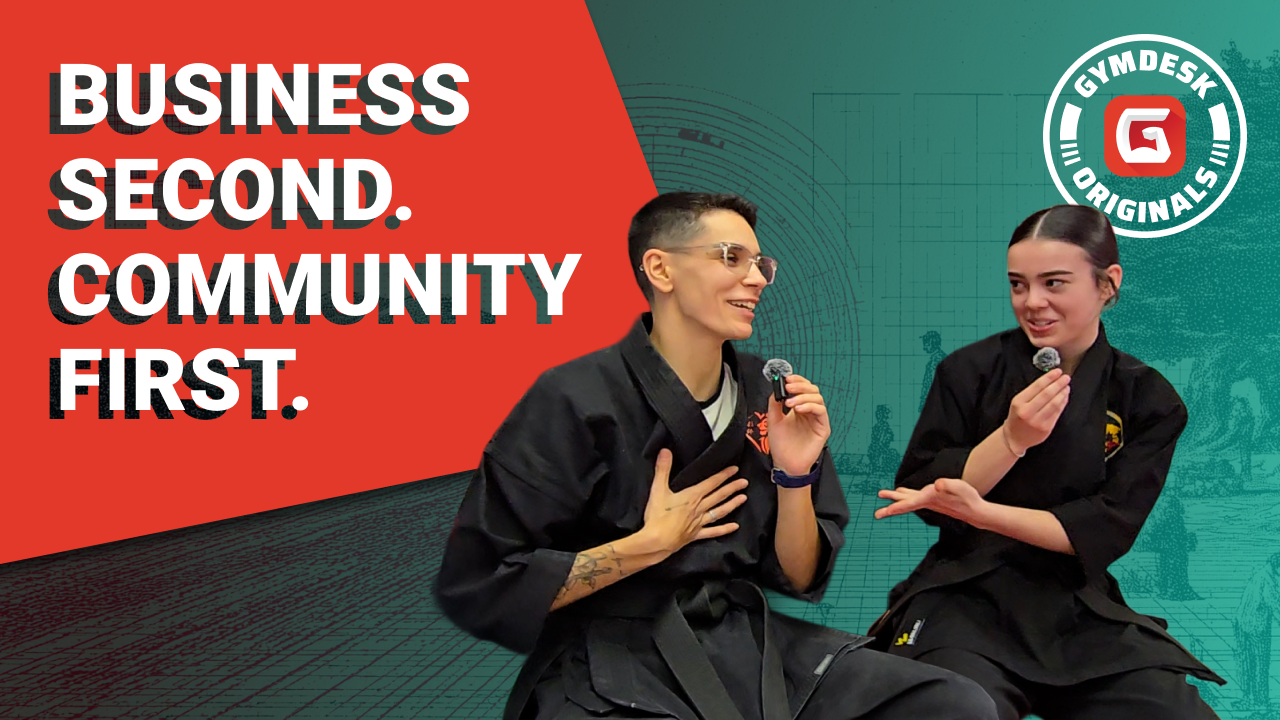
Starring

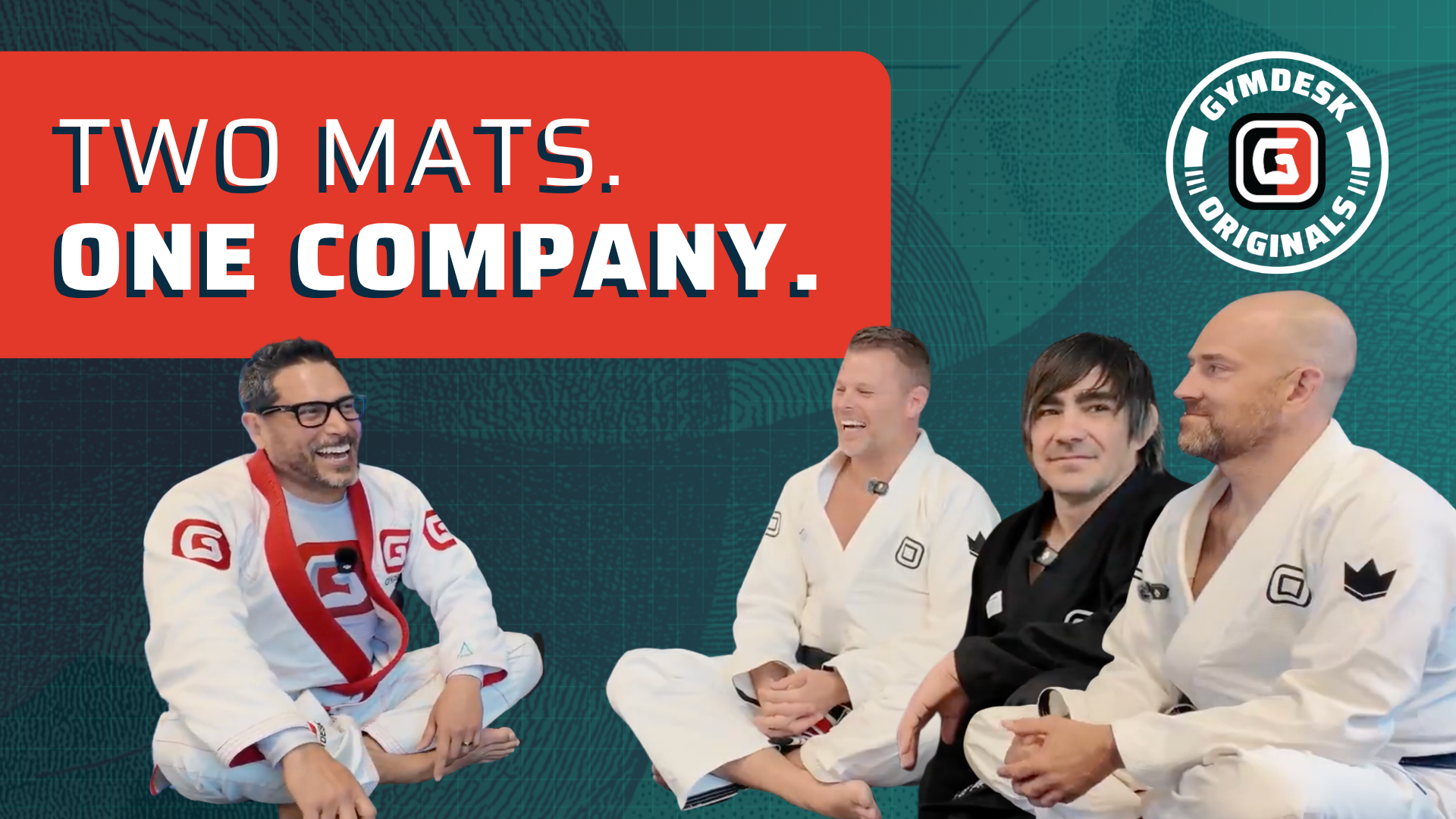
Diana Valliant joined Lion's Heart at 17 through a local Facebook group posting and earned her black belt by 21. She has competed at the World Championships representing Team Canada alongside Mersina, placing second in the Korean division.
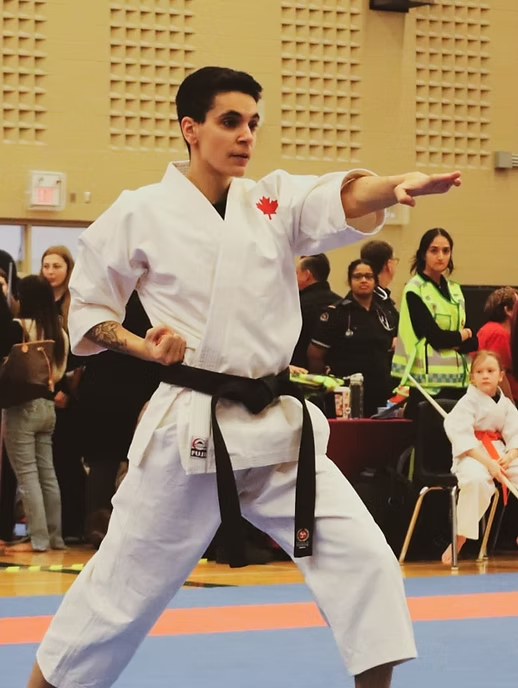
Mersina Giampapa is a fourth-degree black belt in karate who has been training since age three and teaching since age 13. She founded Lion's Heart Family Martial Arts in Ancaster, Ontario at age 24, building a neurodiversity-friendly school that has represented Team Canada at the World Championships.
About the Gym
Lion's Heart Family Martial Arts was founded in February 2019 by Mersina Giampapa, a fourth-degree black belt in karate who has been training since age three and teaching since age 13. The school offers play-based, neurodiversity-friendly martial arts instruction for students of all ages and abilities in Ancaster, Ontario. Programs include Cubs (ages 3-6), kids karate, intermediate/advanced classes, adult training, and an invite-only weapons program covering disciplines beyond the standard curriculum.
The school's teaching philosophy prioritizes community, inclusion, and meeting each student where they are rather than following a rigid traditional model. Lion's Heart has represented Team Canada at the World Championships in Portugal and Buffalo, with multiple students and instructors qualifying through provincial and national competitions.
The school also welcomes students with physical disabilities and hearing impairments, with staff learning sign language to ensure full inclusion. Lion's Heart operates from 1412 Sandhill Drive in Ancaster, sharing a building that allows for a single-floor, accessible training space.
📍 1412 Sandhill Drive, Ancaster, ON L9G 4V5, Canada
📞 905-741-9320
Summary
This is the story of Lion's Heart Family Martial Arts in Ancaster, Ontario, and how founder Mersina Giampapa opened a karate school at age 24 after watching the dojos she grew up in lose their community spirit. The episode features Mersina and head instructor Diana Valliant discussing their play-based teaching philosophy, their journey to representing Team Canada at the World Championships, and the student transformations that define their school.
Lion's Heart welcomes students of all abilities, including a deaf student whose family was told everywhere else that martial arts wasn't possible.
This is a behind-the-scenes look at multiple classes from the Cubs program (ages 3-6) through the invite-only weapons program, showcasing the balance between structure and fun that makes Lion's Heart work for neurodiverse learners. Mersina shares how the school's name came from a solo trip to South Africa, why "Family" is deliberately part of the name, and her philosophy: "Make money to do karate, don't do karate to make money."
What They Told Us
Alex Cuevas brought the Gymdesk Originals camera to Ancaster, Ontario, on a day cold enough that he had to check the math on the temperature, and walked into Lion's Heart Family Martial Arts—a karate school Mersina Giampapa opened in February 2019, right out of college, and has run for seven years. Her lead instructor, Diana Valliant, sat in alongside her. What came through across the conversation was not the competition record or the curriculum, though there is plenty of both. It was a single decision, made on purpose and defended out loud: that this place would be about belonging first and everything else second.
Why she opened the doors
Giampapa trained in karate from the age of three, earned a fourth-degree black belt, and studied police foundations and then community justice in college before deciding the work she actually wanted was smaller and closer to home. She could reach more kids, she reasoned, from inside a dojo than from inside a system. So when Alex asked what Lion's Heart is really about, she did not reach for skill or trophies.
"I know we do not have the most skilled martial artists, but that's not why I opened. I opened so that the kids had a safe space."
—Mersina Giampapa, Owner and Head Instructor, Lion's Heart Family Martial Arts
The rule she runs the business on
She grew up in a family-friendly dojo she loved, then watched two schools she trained at drift as their owners aged. Events tapered off, the community spirit went with them, and it became, in her words, more business and less community. She has told her mother and her closest friends to slap her if Lion's Heart ever starts sliding the same way. The line she keeps coming back to is one she admits she always mangles, and then gets right.
"Make money to do karate. Don't do karate to make money."
—Mersina Giampapa, Owner and Head Instructor, Lion's Heart Family Martial Arts
Where the name came from
The hardest part of opening, she said, was naming the place—her three-syllable surname would not sit next to "martial arts" the way her old instructors' shorter names had. The answer came from an unlikely place: a solo volunteer trip to a South African animal sanctuary, where she got hands-on with orphaned lion cubs and listened to a guide explain how completely lions depend on their pride. That is the lesson she now hands her students.
"I want you guys to have that heart of a lion, be proud in what you do, rely on each other. You can't do things solo."
—Mersina Giampapa, Owner and Head Instructor, Lion's Heart Family Martial Arts
Teaching so every kid can stay
Her method is deliberately untraditional—games, partner work, and play-based learning rather than the strict drilling she came up under. That is not a stylistic preference so much as a business reality. Families drive to Lion's Heart from other schools where a child was told the instructors were too mean, and she builds classes around neurodiversity, ADHD, and physical disability as the default rather than the exception.
"If I taught the way I was taught growing up, I probably wouldn't have a studio. These kids would not be here."
—Mersina Giampapa, Owner and Head Instructor, Lion's Heart Family Martial Arts
The phone call she remembers
A parent once called to enroll her daughter and saved the real concern for last, her voice going a little teary: the girl is deaf, and has been since birth. Giampapa's answer was a flat, unbothered okay. Within a couple of weeks her staff had started learning the basics of sign language. The family had been turned away from dance and gymnastics, told the child simply could not do it, and that is the part that still gets her.
"She's cognitively perfectly fine, physically perfectly fine. What? She can't do it because you don't know how to teach her."
—Mersina Giampapa, Owner and Head Instructor, Lion's Heart Family Martial Arts
A student who stayed to teach
Valliant's own path is that community engine in miniature. Her mother spotted a post Giampapa had put on a local moms' Facebook group looking for a teenager to help manage the kids, and Diana—who had never done a martial art—took the job for the work, not the karate. Then the classes caught her, and she started training to be better at what she was already doing.
"I started taking classes in 2021 when I was 17 and now I'm 21, almost 22 with a black belt … it was absolutely the best decision that I have ever made."
—Diana Valliant, Lead Instructor, Lion's Heart Family Martial Arts
Read the full transcript
Lightly edited for readability. Speaker labels are omitted because the source recording is not diarised; quotes attributed elsewhere on this page were verified against context.
Behind every gym, there's a story, a mission, a spark of passion that started it all. This is Gymdesk Originals, real owners, real struggles, and the communities they've built from the ground up. Well, I made it to Ancaster, Ontario. Ooh, it is cold. It is, I think it's negative five, but it's not in the regular Fahrenheit units. So, I'm not exactly sure what that is, but it is cold. My hand's freezing. We're here at Lion's Heart Martial Arts. We're going to go check them out and see what they're doing there.
You ready? Yeah. All right. It's freezing out here, man. Put your jacket on, dude. Here we are. Lion's Heart Martial Arts. Come on in, buddy. Hi there. Hello. Mersina? Yes. I'm Alex. Pleasure. Hey, Neil, how are you feeling? Ready for your class? Um, yes. Are you excited? Uh, yes. All right. What are we going to do in your first karate class, man? All right, Neil. You had your first karate class. What'd you think, buddy? I think it was pretty good, and it was, like, different than I expected.
Did it remind you of Taekwondo? Yeah, because, like, the upper block and the lower block reminded me of that. Very different than Jiu-Jitsu, right? Yeah, way different than Jiu-Jitsu. Well, we made it, Neil. We made it to Ancaster, Canada. It took us almost two hours to get here, right? Yeah. All right. So, we made it. We're here at Lion's Heart Family Martial Arts in Ancaster, Canada, in Ontario. Want to welcome some new guests to our show here. Maybe we can start with some introductions. Yeah. Thank you guys for coming.
That was, it was really nice to get that email over the weekend, Friday, I think it was. Super excited. My name is Mersina. I'm the owner and head instructor of Lion's Heart Family Martial Arts. We've been open for seven years as of February. So, we're right on the cusp of seven years. And it has definitely been a wild ride from COVID to, we've actually recently moved units to tournaments and just growing as a school. And it's been absolutely wonderful. I'm Diana. And I'm also head instructor here under Mersina.
And I've been training at Lion's Heart since 2021. And, uh, Sensei Mersina, you've been training since you were three. Is that right? Is that what I read? Yeah. Um, so my parents, obviously at the age of three, made that decision for me. Not that I regret it. Um, my aunt's cousin, so not directly related to me, but he owned a school at the time. Um, so my mom was like, let's go try. And well, here we are. So, um, what are we at? Oh my gosh.
Over a decade later, uh, almost two decades later. And yeah, it's just been crazy. I've trained at multiple different places. Um, I've got my fourth degree in karate. I've cross-trained. I haven't ranked, but I've cross-trained in, um, Taekwondo. Um, recently got into some more traditional weapons training that I was never really exposed to as a kid. Started teaching, if you want to call it that, like helping at the age of 13, I believe it was. Um, started leading classes at the age of 18. And then, like I said, opened Lion's Heart in 2019.
So I was 24, 24. I think I was 24. Um, basically like right out of college. I went to college, graduated twice, two different programs and was like, I don't actually want to do any of this. And just was like, Hey, what if we tried this? So here we are. And it worked. Awesome. And just, I want to double click on your, um, background, a lot of different arts, but karate. Is that the first thing you started with at three? Yeah. Karate was what we started, what we, I started at three.
Um, the karate in a sense of the way most people think about karate, it was actually very mixed. So my instructors would have like karate was the foundation, but we did groundwork, which is where jujitsu comes in. We did throws, which is where judo came in. We did like a whole bunch of stuff. I didn't realize that's what it was until I was older. It, to me, it was just, it was karate. And now looking, I'm older. I'm, you know, I've got multiple degrees and things like that.
And I start looking at the history and I'm like, Oh, that wasn't karate. That was this and that, but nonetheless, I've actually adapted that into what I teach my kids because I fully believe there is not one martial art that is going to outperform the rest. You kind of need all of them to some degree. So, and, um, the one thing I think would be a good to double click from an expert. Um, you're the first karate guest that we have, right? Oh, that's exciting. I feel special.
Very special. Um, so I've had, you know, Taekwondo, judo, jujitsu, um, and not yet karate, but I know that there's, for those who aren't in it, like maybe they're not training it, like what's the difference between Taekwondo and karate? That is my favorite question. I get that all the time because don't, I mean, don't shoot the messenger cause I could have some of this wrong. Um, honestly, I think the majority of it, if you look at them traditionally, like I said, when I was growing up, it was very mixed.
So if I were to talk about that, there are vast differences. Um, but the traditional karate and traditional Taekwondo, whether that be ITF or WTF is very, Taekwondo is just a lot more kicky. I don't have a better word for it. It's a lot more kicky. Like it is wild to me, the skills that Taekwondo martial artists can pull off because never in a million years would my legs ever be able to do that from a flexibility and a strength standpoint. Um, because yes, while we kick in karate, we like, it's not, not to say Taekwondo is all kicking, but it's a lot less than what I see Taekwondo, um, train.
Yeah. And you've, I mean, I liked Taekwondo when I was training in it because it was, I liked the sport aspect of it. And you know, I wasn't really thinking of it as a martial art really, uh, where it feels more like karate is more of a martial art, like a self-defense thing, but I don't know if I'm generalizing too much, but. So I used to think that actually, I genuinely, I was on that train of like, you know, not downing on Taekwondo by any means, but I was always growing up.
I was always like, it's so sporty. There's, there's no real self-defense too, which is not true at all. Um, cause you grow up and you learn things. Um, but growing up the schools that I was in were never, never, sorry. They were never heavy competition schools. Um, both of my old and well, I'll, I'm on, I'm training on a third space now, but all three of my past instructors and dojo owners that I've trained under, they all have world titles. And the first two never really pushed competition.
They had retired from that and walked away from that well before I was old enough to even comprehend competing. And so I would always used to think like, this is what we do. It's more self-defense. It's more traditional. Taekwondo is not and blah, blah, blah. I'm actually in the last five years, I would say I have recently entered the competition world. I never started competing until my second degree, uh, which was challenging enough as it is. And now I have more of a spin on the sport world.
And I've realized like, it's been like that the whole time. I was just never exposed to it. So there is a very heavy sport side, um, to karate that I think that's where people, you get the stereotypical, Oh, it's karate. It's not going to actually help that kind of stuff. I think that's where it comes from is a lot of people are exposed to the sport side via YouTube TV, you know, the Olympics when it was in the Olympics, but not a lot of people are exposed to the traditional hardworking side, if that makes sense.
Yeah, that makes sense. Um, just to go double click into your background. Um, I think I read you started training here. Yeah. Yeah. Love to get your background. So I started training when I was 17 here. I started actually, it's just like an extra set of eyes on the floor. Um, Mersina had posted on the Ancaster Moms Facebook group, asking for a teenager who was, who had experience working with kids who could help just behavior management stuff. And my mom had found it and said to me, Oh, you're looking for a job.
Wouldn't this be a great opportunity? And I was like, karate, that's funny. And that's not happening. And I, cause I'd never, I did soccer as a kid. That's the only sport that I did. And I was not good at it whatsoever. So I came here and I was working and I ended up really loving it. And I decided that if I wanted to be better at my job, I should know something in like with what I'm helping with. And so I started taking classes in 2021 when I was 17 and now I'm 21, almost 22 with a black belt.
So it definitely stuck. Um, and it was absolutely the best decision that I have ever made. That's great. So for those who have not heard of lion's heart, family martial arts, like what's this place about? So I started, well, okay. There's a little bit of backstory here. Oh my goodness. Um, when I was in college, I actually started in college in, uh, police foundations, um, because my entire life I've just been, I want to help. I want to help. I want to help. So with the door open into, you know, policing and things like that, my brain was like, this is a great way to help, especially youth graduated from that.
I wanted a little bit more of a background with youth. Um, so I went back the following year just for one more year and also graduated from the community and justice program. So it was a lot more community based and that would have opened the doors for me to go into parole or, uh, juvenile detention centers, things like that. And then I think after that first semester of that third year, I was like, there's way too much overhead. I can't, I can't do this. Um, and that's when I decided to do this or try to do this.
And that's where, sorry. Yeah. That's where I decided to do this. Um, and I had kind of realized like I can do a lot, maybe on a smaller scale, but I can reach a lot more kids this way. Um, I grew up in the very first studio I was in. And I would spend my Saturdays there with my friends, even at testing, like testing for my black belt that year that I was going for my black belt, a whole bunch of us were at the same time.
And we would go first thing in the morning, crank out three classes, bring our lunches and our homework because we had a gap where there wasn't anything for us to do. And then we'd do two more classes and we'd all go home. Um, I live close enough to bike even. So we, I just, I grew up in this very family friendly atmosphere. My mentor ended up leaving that school as did I a couple of years after him, ran into him in public, found out he was elsewhere, not too far from my house as well.
So try to class over there, ended up staying over there after a four year break. I was actually not training for almost my entire high school career, found out he was there, followed him over there. And again, same thing. It was like this family friendly atmosphere, both places. I think after time, just between, I don't know what it was, but after so much time, it just was less family friendly. Like things just, events didn't happen as often. And the community spirit kind of just disappeared because those events weren't happening.
And I've told my mom, I've told some of my best friends, like if I ever, if, if our space ever starts going in that direction, somebody slapped me because I don't want that happening. We are all about community here. Like we, I know we do not have like the most skilled martial artists, but that's not why I opened. I opened so that the kids had a safe space. Um, and even the teens, you know, so that they had safe space. They had somewhere to go to learn something.
They were getting the exercise, the fitness, especially these days that is lacking and just somewhere they can be themselves. And so far, I think that's what's happening. We get compliments from parents all the time. Like we did a movie night, um, for strictly teenagers and they parents, the parents were so ecstatic that they had somewhere to send their kids to hang out with their friends and not worry about where they were on top of, you know, they all come to class and they make those friendships.
And a lot of my preteens now just got their junior black belts last year. Um, and that was eyeopening for them. And now they're starting to lead more and they're coming into themselves. And that's what I wanted this to be. Do we do competitions? Absolutely. We've gone to the world championships. We train for that kind of stuff. Um, but it's not something I push because I want, I push the community more. You know, we have the whole, the respect and the, like, they don't get to backtalk each other in class, even if they mean it as a joke, because that's not what I want.
You start with that. Someone's feelings get hurt. And then now we're going down this hole of where's the line. So that's what it was all about for me when I opened was to keep that family. That's why I made sure to put it in the name. It wasn't just lion's heart martial arts. It was family martial arts because blood, excuse me, blood related or not. Um, I see it in the kids. They have that like, um, familial bond when they're in here. So, and, uh, maybe we can just talk about, so I get the family part there.
What about the name in general? Like what lion's heart, where does that come from? So that was probably the thing I struggled with the most in getting ready to open our space was the name because I was like, what on earth? Um, cause so many places, like my last name does not ring well with anything. Like all of my old instructors had two syllable last names. If that, some of them were even one. So it was like, so-and-so's martial arts. And I was like, Hey, well, my last name does not work.
There's like three syllables in there. It's not going to work. And then I was like, okay, and what about like a word? But that's what a lot of gyms do. It's like, you know, uh, oh gosh, I don't know. Revolution or determination or evolution. And I'm like, okay, well, half the words are taken anyway, even if I wanted to do that. So this came from, this is going to be really random. This came from a trip to South Africa, actually. Um, in between my graduating years, um, in between my programs at college, I did a solo trip.
It was my first time traveling solo. I went on a volunteer trip two weeks to South Africa, but I did it on an animal sanctuary. I didn't do the typical, like where they're building houses or things like that. I wanted something different. Um, and I've been an animal lover my entire life. And while I was down there, I actually got to be sad story because abandoned cubs, their mother was poached, but I, the sanctuary took them in, lion cubs. Sorry. Yeah. And the sanctuary took them in and I actually got to be hands-on like with lion cubs.
Cause they hadn't learned that humans were a danger yet and they needed the enrichment. And the only way to get that was from humans. So we were literally like ball and string playing with giant kittens, essentially. It was wild. Um, and there was a, there was a conversation that happened between me and one of the program guides that was just, they were talking about like how, how much like lions are one. They're very proud animals. They live in a pride for a reason. That's where the name calling them a group, like a group of lions, a pride comes from and how much they rely on family and how much they rely on each other.
And I was like, light bulb. Um, so I tell the kids quite often, I mean, they're probably gonna tell you, I don't tell them. Um, but I tell them a lot, like the whole reason is I like, I want you guys to have that heart of a lion, be proud in what you do, you know, rely on each other. You can't do things solo. That's as much as this is a solo sport, you still need your team. Um, so that was that trip kind of just sparked the idea.
Nice. Yeah. Great story. I, you know, uh, first of all, how, how long does it take to get to South Africa? 17 very long hours. So I guess what Toronto to where? Uh, actually it was kind of ridiculous. I could have ended up flying out of Buffalo, but I flew Toronto to Buffalo, which was only an hour and I can drive there faster actually. So Toronto to Buffalo. And then with one stop for gas in, I think it was I was so, I don't know where it was in all honesty, but from Toronto straight to the Johannesburg airport was 17 hours.
We stopped once for gas, but we didn't even get off the plane and I'm very tall. I don't fit on planes. So it was a very long 17 hours. Well, so I guess, um, when you mentioned the thing that you didn't like, you know, the experience of losing something that was dear to you, right. The family, the familiar, uh, the familial, um, connection. And then that loss is kind of what really inspired you to kind of drive this hard. Right. And like, cause you had that experience of what it was like to have it and then you didn't have it.
And you're like, Oh, I definitely don't want that to happen. Um, but I have, you know, I've talked to a lot of people that aren't really necessarily focused on community. So I'd love to maybe just go into a little bit more detail. What do you think happened? Like how did they slip out of that? I think honestly, this is not a dig at anybody of a certain age at all. Let me be clear and preface that. Um, but I think it just genuinely came with age.
Like they, um, one of my instructors is I believe by now in his sixties, my current instructor, honestly, if he ever watches this, he's going to get mad at me. I don't know. I mean, I guess that's a good thing. I don't know how old he is, but he's not like that at all. He still will do movie nights for his students and that kind of thing. And, but I think it just part of it came with age of just like, I'm getting too old to run camp.
I'm getting too old to do a three hour movie night with 60 kids or whatever it be. Um, but I think also part of it just became more business, less community. It was just more about the money at that point, which like, yes, you need to make a living, but there's a line and I've always said, uh, I always mess this up, make money to do karate. Don't do karate to make money. Um, which is like stuck in there for me. So that's interesting. Basically what you're saying is, uh, you know, as long as you can stay in a space of passion here, then you can represent your best self with regards to like your art.
Yeah. The kids, like these kids put everything into what they do. Um, and don't get me wrong. Everybody has their off days. They're, you know, they're lazy days or whatever. But at the end of the day, on the grand scheme of things, these kids don't get by under the radar because there is no, like one, I don't let them just kind of get by, but they, I've never had an issue with them trying to just coast. They just, they do it because they want to do it.
And those that don't are the students that leave, but as is any sport. So, um, just getting back into the competition that you said earlier, did I get that right? You were representing team Canada. Yeah. So my, it was wild actually. We only did that. So our first shot at it was last year. Um, my instructor was like, Oh, you should try for provincials. And I was like, huh, I've done like three local tournaments. What do you mean? I should try provincials. He's like, just go see what happens.
Okay, fine. I go. And then I went, you went, and one of my other students, um, had gone and we all qualified for nationals. You have to place top eight to go to nationals. And we were like, Oh, okay, cool. Great. There wasn't a lot of people, at least for us, there was not a ton of people in our division anyway. So it was almost by default. We were like, Hey, fine. Um, so we go to nationals, which is out in Ottawa and you have to place top four in order to make it onto team Canada.
And then all three of us in one division or another, some of us multiple, um, end up placing top four. And we were like, we're going to Portugal. Oh my God. So that was wild. We went to Portugal first time through. I mean, we had no expectations from the beginning. First time through, we had no expectations in Portugal, which we were right about. Um, but the experience in itself was crazy. Uh, and then we went round two this year, did, did provincials, did nationals made the team again.
And then we were just actually over in Buffalo, which is like 45 minutes for us. So we were in Buffalo and you ended up placing second in one of your divisions. And another student gave it a shot this year. It was his first time. And he placed third for team fights, third for another division and second for another division. So for him, that was absolutely wild. His first time through. And yeah, it was absolutely wonderful. When you're competing now in these types of events, um, are there, is it like weapons, forms, fighting all of it?
So I've, we've both tried the traditional forms division. Um, we've both tried the, no, not traditional weapons. Um, the creative weapons, the more sporty side of it. We've both tried sparring and we've both tried the Korean division and both years we've, we've at some capacity, we've done sparring point sparring. We've done continuous and we've done Korean. You qualified this year for classical, which is the traditional division. Second place is where it was in the Korean division for you. Um, bittersweet though, because that division we're in the same division.
Um, so when we're on the mats, it's us again, like it's one against the other. So that was a little wild this year. Yeah, exactly. So, um, maybe you could talk to me about, you know, this is, wasn't necessarily something you thought about. You got into it sort of, you know, almost out of your teens and that now you're competing. Um, how does that feel? It's a really cool experience. I never did. Like I said, I never did any sports as a kid. So I never got that kind of like chosen family vibe that I get here and anywhere else.
I did a lot of music related things as a kid. I still do, but never a sport. And so going into competing was wild. Never done that before, especially in a solo sport where you can't like in team sports, if you're falling behind, you have your teammates to rely on and things like that. And in karate, you really don't unless you're, I guess with team fighting maybe, but that's it, but that's it really. And so having to do a lot of work and then go up on the mats by myself, especially starting relatively late, I started competing in 2022.
I was a yellow belt and in the 18 plus women's division, there is no one who is a yellow belt. Um, and so it was very small and I started, I was placing really well in the novice intermediate advanced divisions, uh, because in Q belt, again, there's really not a lot of people. And my very first tournament as a black belt was provincials last year. So that was an experience that my very first time in a black belt division be one that had such great stakes, my very first provincial level tournament.
Um, and it went decently well, not as well as I had hoped, but it's still the experience of it every single time makes it worth it. It's awesome. And you know, you're still here, right? And so, um, what, what kind of keeps you motivated about what you do here on a day-to-day basis? Um, I would say working with the kids. That's really the thing that I love the most, especially when things get super busy. I'm in my fourth year of university as well. And I've trained my entire university career and worked throughout my entire university career, which can make it very busy.
I go to school an hour away. So it can make it a bit difficult, but seeing the change in the kids, especially the ones that I've had my entire teaching career is really something special. And I really value seeing how far these kids have come and how they care about me just as much as I care about them and, um, the difference that I can make in these kids' lives that I didn't get to have. All right. We're back. We've just had, uh, two classes. Uh, no, three classes.
Uh, three classes. Three classes in between. Yeah. So my son was in one of the classes doing, uh, was that introductory karate? Yeah. That was our white to green, like beginners class. We, when we have new kids come in, they can choose to just jump into a class or they can choose like private lessons. Cause some of them don't. So my son was in one of the classes during, uh, was that introductory karate? Yeah. That was our white to green, like beginners class. We, when we have new kids come in, they can choose to just jump into a class or they can choose like private lessons.
Cause some of them don't go very well when like kids can be super shy. Um, but most of them just choose like to just jump in and go from there. We try and stick. If they're having a really hard time, we'll stick our junior leaders with them. Um, or little, or, oh my God, not little leaders, our leadership team with them. But I mean, he was done hopefully the second he got here. So I was like, he's not going to be shy. It's fine. Yeah. Um, so then we, there was a, what was the, that was our, yeah, that was our three to six program.
Um, most of the time people call them kinder or little dragons. We call them cubs. Okay. Play on words really is all it was. Um, but yeah, that was our three to six program. And then after that was our intermediate advanced kids and now our BBT program. So it's the, it's not the only program that does weapons. It's the only program that does weapons. That is not a bow stack. Um, so bow is part of our regular curriculum. Um, but with this program, it's invite only.
And we cover things that are not in the curriculum, like in our base curriculum. And so you have a lot of, you know, again, now we're doing forums that look like. Yeah. Um, okay. So with all of the things that you, um, with all of the different arts that you studied and all the different programs here, what would you, how would you describe your teaching stuff? It is definitely not traditional. Um, I think if any, my instructor now doesn't care much, but I think if any of my old instructors look back, they'd be like, huh?
Cause it's not the way I was taught growing up. Um, it is not the way most people still teach. I would even say, I do know a gentleman, um, who owns a dojo. He's a lot closer to my age. And I know for a fact, he does not teach the way I do, the way my staff does. We use a lot of, um, I want to say games via teaching. Um, but that is also because we strive to be a safe space in a lot of ways.
One of them being neurodiversity. Um, and in all honesty, if I taught the way I was taught growing up, I probably wouldn't have a studio. These kids would not be here. Not certain ones anyway. And our student base would be so much smaller. And there's definitely some kids where if I taught that way today, uh, they probably hate me a little bit. You get those horror stories of like super strict instructors and like, I love my instructors. Don't get me wrong. I thrived in that kind of environment.
We have a lot of kids here that would not thrive in that. We have a lot of kids here that have actually come from other places, trying other places. And the words I get were the instructors were way too mean. And I'm like, you're five. What were they mean about? Yeah. Right. So, um, so we do a lot of like play based learning, uh, a lot of partner work, a lot of that kind of stuff. But at the same time, try to balance like these guys right now, traditional forms work on your own, tighten it up, that kind of thing.
Yeah. Yeah. You actually answered my next question. I was just going to ask you, how do you balance between discipline and the structure? Fun. It's been, there's days where it's hard. There's, I've had kids come up to me. They get one, two, three, I don't know, halfway to black and they lose interest. And I've had a few parents be like, they're losing interest because there's not as many games in class anymore. And I'm like, okay, well, we're also intermediate and advanced belts right now. Like, do we have the fun yet?
But it shows in different ways. It doesn't show as tag anymore. It shows as getting to throw your partner. It shows as like these agility things. Are they hard work? Yes. But there's the reward in getting them. Um, but I find a big piece of the balance is the rapport that the, that I have with the suit or that I try to have with each kid, because if they're not interested in me, the respect and the listening go out the window. And I see it with some of my junior staff, even they're just, they haven't found themselves yet.
And so the kids listen to them. A heck of a lot less than they listen to me. Um, and that just comes with like knowing your students, knowing who you can push in what way and who you can't push that way, but you can push them somewhere else. And who to make exceptions for. We have students with physical disabilities. Like, you know, some of our students are never going to do a normal squat. That's not entirely their fault. So when we're doing squats, they're doing what they can do.
And then being able to trust that we're not going to get mad at them for it is a huge part of balancing all of that. Yeah. So, well, and, um, I guess another thing to just cause as I was thinking about the competitions that you guys have done and representing Canada and all that. Um, so you have an element of competition, you know, bargain you, but you're not, you're not pushing it on. No, I, when there's tournaments up, we don't have it. So we don't have a tournament team.
Um, our tournament team is who decides to go to that tournament. Um, a lot of studios will do, uh, tryouts and things like that. We have tryouts for our demo team. And that is the only thing you can get like cut from as well as this program. Um, but that hasn't happened yet. Um, so I just, when there's tournaments around it's, Hey guys, this one's coming up. This is where it is. The flyers out there, throw your name on it. If you want to go, we've done ones.
Like I said earlier, like one's world ranking we've done provincially, we've done nationally, we've done in-house. We actually just two weeks ago did our in-house one. This past Saturday, the kids went out to another town is about an hour and a half, two hours away. And they had an in-house one over there. We've done slightly bigger ones with a couple hundred people. We've done ones with up to 600 people. So I throw it out there when there is one. And if the kids want to go, they'll work on it.
If they don't want to go, they don't have to. Yeah. And when you do an in-house one, um, is it strictly the students from here or is it open for others? So we've done two so far. We do them biannually. Um, so our last one was in the spring. That was our one-off. I invited my instructor's dojo and like two of them came. Um, this time, now that we have all the bugs ironed out, uh, we invited one, two, three, four, three, three other studios. Two of them made it out with a handful of kids.
Oh, cool. Um, because it was put out there as beginner friendly. Like I'm not expecting they're going to mess up. They're going to probably not bow in properly. They're going to whatever. And the whole point is that like, this is where you learn to compete, right? Because like I said, I jumped into competing as a black belt, went to a big tournament and got my butt kicked over and over and over. That's how you learn. But I'm also at an age where like, I can handle that and not just beat myself up over losing and losing and losing.
Whereas like this gives the kids a space to, even if they lose, it's not a huge deal. Given that you've been teaching for many, many years, you said almost two decades, right? Training for almost two. Oh, training. Oh no. Teaching. Were you teaching at 13? Yeah. Just shy. Yeah. No, just shy of two. Wow. Yep. Caught me on that one. Sorry about that. It happens. Yeah. Just shy of two. Yep. Um, training for almost three. That's where I got confused. So you must have a bunch of stories of like seeing transformations.
I love hearing those stories. Yes. Yeah. You know, um, a couple that said that. Yeah. So actually two of them are in this room right now. Um, sensei Ryan and sensei James are over there. Ryan has his orange and James is wearing his green. Um, the belts they're wearing, I just said sensei and then said their belt color. So that's not going to make sense to people. The belts they are wearing are specific program belts. They do have their black belts, but we, the belts in this program are different, um, because it's weapons based.
So they, um, we were actually at, we were in Buffalo for the world championships this year. And one of my other students, um, max, it was his first time and he had sparred at least two rounds already. And then had a third one, um, against this kid who was quite a bit bigger than him. Um, even though it's split by weight, this kid was still pretty big. And he had, he experienced his first adrenaline dump. Um, I get mine in my legs. He has discovered he gets his in his arms.
He like, he got plowed into, he fell into the judge's table. He knocked over a trash can and then he started panicking. He's like, I can't lift my arms. I unfortunately was in my ring in my division. So as an instructor, I felt terrible because I couldn't even be there. He had, uh, so he trains with me and my coach. So my coach was there, thankfully. Um, and James was there watching him and he had a meltdown after, and it was just, I'm never sparring again.
I'm not. And I was like, Hey, well, I was like, you got like, you need to breathe first, you know? And he has the skill to, I didn't want him to give up on that because he, the potential is there. And I guess he took, that was a division he took third in. So he didn't do terribly at all, but I came over to, after my division was done, somebody was filling me in. I like ripped my gear up and I flew over there to the table.
And, um, James was the one that had talked him down and like calmed him down. Um, and he just got his black belt this past January, February. And so to see that rapport between two students, one of them, yes, being black and he does help teach and things like that. But like to see that happening now, we're at a stage where our schools is developing that stuff is really, really nice. And Ryan had, when he was testing for his black belts, he knows this. So I'm going to say it out loud.
I wasn't sure he was going to make it. Um, he was so hard on himself and like, just it was kind of upsetting. Cause I was like, I want you to make it, but I can't force you to do it. You have to be able to make that decision on your own. Um, obviously he did. He got his belt alongside James and like completely different kid right now. Like from including the haircut, um, his hair used to be quite a bit longer, but it was just like this.
Everybody says you glow up when you like through puberty, let's say, but his was just, it was, his was through his black belt. He's a completely different kid. His parents have told me, so I see it. So those transformations are wild to me, like the maturity ones. And then I get the physical ones where I've had students who one student came to me three years ago, poor kid couldn't jump over a flat line on the floor without falling over. He was just that uncoordinated. And within a year, he's going from like fly-o box to fly-o box with gaps in between.
And even those, like you don't realize them until you look back and go, Oh yeah. Remember when you couldn't even jump over the line on the floor? Look at you now. And they, I've had that conversation with them a few times to just be like, you know, I'm not getting better. I'm not. I'm like, no, you're not. Because six months ago, you weren't doing that. There was no way you could have done something like this six months ago. And then they're like, Oh, I guess that's true.
Yeah. So those are my favorite for sure. Let me segue into families and how the family brings their child here. Like what can they do to encourage, you know, their children? We have, I try to make what we do as accessible as possible from home even, um, without completely giving away our curriculum, not in a sense of like, Oh, we need to keep it a secret in a sense of like the kids like to learn ahead. Yeah. And sometimes it works really, really well. We've actually had students skip belts because they can just watch and pick something up.
But then other times it backfires because they're trying to teach themselves and then it's bad habits. Yeah. Um, so like we have all of their forms or caught us. Um, they're all on YouTube. Um, we have a YouTube channel. They're all up there. Oh, that's cool. Um, full, like full video start to finish followed by like verbal instructions. Is it? Uh, yeah. If you, if, uh, let's, let's add some, uh, plug that in there. So yeah, that should pop up on YouTube. So all of their instruction or sorry, all of their katas and their forms are up there.
Even the little guys just to practice at home. Some of our little itty bitty ones do tournaments and their parents are like, what are they supposed to be working on? Obviously first time parents with little kids have no idea what they're supposed to be working on. So I'm like, go pull up this link, tell them to practice that. Yeah. Um, we've had, we have, um, take home sheets of their forms where, I mean, they're not the clearest and nobody really uses them anymore, but now that YouTube is better.
Um, we have take home sheets. They can take home a sheet of like step-by-step images of their forms. Um, they can, the curriculum I believe is a PDF on our website. It might not be, but even just like reading through the curriculum is just there as in like, it's there for the parents to know where the kids are sitting. Um, we do tips, what we call tips on their belts, electrical colored tape. Um, so there's progress trackers there. And in all honesty, like the biggest thing for parents is when they come to me and they're like, what do we like?
He doesn't want to go. And I'm like, okay, well, if that's not an option for you, then it can't be an option for them. They go. They like, that's part of martial arts in general is just like, there's going to be days where you don't want to go. You have to go. Right. So pushing them to go without forcing them to go, if that makes sense. Cause you don't want to ruin that forever. I've had kids take breaks and come back. Yeah. Yeah. But you don't want to like overdo it and then ruin it completely.
So there's a, there's a balance between overstepping as a parent, which is why actually we have no seating in here. If you haven't noticed, um, we stream it in the hallway and you can all stay out in the hallway and just trust me and my staff to do the thing in here and you do your parent part at home. And sometimes that's nothing. Sometimes that's do self-defense with them at home. We'll let them hit something at home. If it's an emotional thing that they're going through and just back up, we back up what you're teaching at home, but also back up what we're teaching here is a huge help.
So yeah. Cool. And I guess, let me ask about, uh, the barometer of success for the gym. Like what is it? What are you aspiring to do? Cause you said you already moved once, right? Yeah. We were actually, so this is a shared building. We were, I don't even know if you can hear it, hopefully not on the microphone, but there's a dance studio upstairs. Yeah. Um, this used to be a dance studio. Okay. They have a second location. They moved. We had an opportunity to take it.
It is slightly bigger, but in all honesty, I wanted it cause there's no stairs. Um, so we ended up doing that in July, but as far as where we are now, like we're in this really tricky space of, we almost need a second floor to be able to fit what we want to fit, but also don't have enough kids to fill a second floor. Should we get one? So, and well, then there's staffing that's a whole other thing. Um, but yeah, where I'm fairly content with where we've gone and only not even seven years yet.
And just, yeah, it's, I don't know. I don't like, I know I should be thinking ahead as far as like a business standpoint, but I'm just always so focused on them that I'm like, yeah, we could use more students. Sure. And then I'm like, that ended up on the back burner. So, um, we were running ads and stuff for a while and they were working great. But then getting redundant. So we stopped them. But yeah, I just, I've never been like a, how many people tell me, Oh, you should open a second location.
You should open a second location. I'm like one where and two, how? Cause I cannot be in two places at once. I'm sensing Diana's off to teacher's college or her under her master's stuff to do her master's, which is nowhere near here, potentially next year. So that's another staff that I'm down. And the rest of my staff are all under the age of 18. So I'm like, I can't, I don't want a second location in all honesty yet, at least, but I also can't. Um, I'm content with like the group we have here and we're retaining a lot of, I've seen a lot of kids get to black and they're done.
I got my black belt. I'm done. Let's move on. I haven't lost a single black belt yet. No, I'm trying to think of the list in my head, but all those handprints that are on the wall out there are, they're all still here. Most of them in class right now. So yeah. Awesome. Maybe I'll just transition and say, how'd you find us? How'd you find Jim this? Honestly, I, it was so long ago. I don't know how I found you. We were using, it was during COVID.
We were using my studio cause we had to prove how many people and all these bylaws from COVID and stuff like that. Um, and it worked until their prices went up, but nothing changed. And I was like, well, I don't need half of these functions. Um, we also weren't very big during COVID cause we had literally opened the year before, not even yeah, the year before almost a year to the day. Um, so we weren't even very big. So I was literally only using my studio because we had to book cause you can only have certain amount of kids in class.
Um, and then we got to the point where I couldn't keep track anymore because we have once a week option memberships. We have unlimited, we have other programs. And I was like, I don't know how to organize all of this on a spreadsheet anymore. I like my spreadsheets, but I can't do it. So then I think it probably came up through the algorithm. My old instructor was using Zen planner at the time. So I looked into it and I saw the fees for Zen planner and I was like, no, we're not that big.
Definitely not. So I was like, so probably in searching, um, for those kinds of softwares, it probably filtered through and I've had like zero issues with it since there's been like your technical bitches, but actually I do have to say that the customer support or the, like the live chat is so helpful. Oh, like I'm never like, Oh, I have to talk to customer support or the live chat. I'm like, no, you're actual people and you're actually helping me without getting lost in what I'm saying.
So that's been great. And honestly, my favorite part, um, and just the little updates that happen like consistently and they're just, they make everything so much easier. There's actually a whole bunch of stuff that I didn't realize I could do that I wasn't doing for about two years of using Gymdesk. And then I was like, wait, we can book on here. We can do this on here. So since discovering that has made my life 10 times easier. And just earlier this year I converted, um, I had square links to our website shop and it was a mess just cause it's not designed to be linked.
It can be, but it's not designed to be. And when I realized there was a shop function on Gymdesk, I was like, Whoa. So one of the moms was doing my SEO for me. Cause she's great like that. And was like, I know how to do it. And I'm like, you're a therapist. How do you know how to do this? Okay. Um, so she did it and she, I was putting the shop together at the same time and she ended up needing the shop function to order something for her daughter.
And she was like, by the way, great job with the shop. And I was like, I actually didn't, I didn't do, I plugged things in Gymdesk did it and it links to the website and you guys link through square. And I'm like, this is so easy. Um, but yeah, it's, I love it. I love the software. I'm not a techie person. So this is really great. Yeah. That's awesome. So are there things that you use on a regular basis now that are like, the shop gets used on a regular basis.
Booking anything gets done through Gymdesk, the portal and attendance daily. We use that for tracking, um, because we have those memberships that are once a week. Yeah. Everything's done through Gymdesk. I can't like the stuff that's not done through Gymdesk is like when we keep track of makeup classes, cause we allow students to make up if they've missed a week, just cause I correct me if I'm wrong, that's not a function in Gymdesk yet. Um, so I just throw that, Oh, they haven't cause it flags so-and-so hasn't checked in all week.
And I'm like, Oh yeah, I didn't see them this week. All right. They have makeup class. Yeah. So yeah. Well, um, because of what you said about the videos, I'm curious, have you seen the links that you can set up the skills and in the skills you can say like, Oh, you know what? I did see that quite a while ago. Totally forgot about it. Yeah. Saw it and was like, man, that's going to take me a while to put together just technique after technique. Um, and then in being like, that's a back burner project because of the amount of time now I'm like, Oh, I should probably do that.
Especially with Christmas break coming up. I have so much time on my hands. Yeah. I figured if you already have the videos, it's just got to create the skill front kicks, queen kicks, side kicks, a form. Yeah. We have the forms and now we just have to do the basics, but that's a good point. So then you lock it in for rank, right? So if you want to go from white to yellow, this is what you got to do. And then the link is right there.
So when they're on the app. And it's only for profiled students. Yeah. That's what I didn't want on YouTube. I was like, I don't want 5,000 videos on YouTube of this is how to do a high. Everybody has those up. Yeah. But if it's locked into their member profile. So then you could turn all of these into private, not private, but, um, what is it called? Uh, not private, non public, whatever that is. Yeah. Yeah. Yeah. Whatever that middle one. Yeah. Non-members can't see. Yeah. You can only see if it's.
Exactly. So if you have the link, you're on the app, then you can click through and then see yourself. So, oh, that's great. No, um, appreciate all the feedback. Thank you so much. I appreciate you guys coming in. This is awesome. This was really nice to have you host us. Um, anything else you think, uh, folks might want to know about you or, or the gym? Me in particular? No. Um, the gym kind of said it all. Like we're just, I just strive to be a place where the kids can go.
Doesn't matter. Just autism, physical disability, whatever, whatever it be. Um, had a parent once be like, I have to let you know first day he has ADHD. And I was like, that's, that's the least of my concerns. Like every kid at this point that walks through the door, I'm like that ADHD until you prove otherwise, like all of you. Um, oh yeah, Diana left me about it because mom was very concerned. Um, you know, and I think that's the best part is when the parents realized that we are unfazed at this point.
I had a parent call. Um, one of our students is deaf fully has been since birth. Um, she called inquiring and we go through the questions and the back and forth. And the last thing she's like, my only concern, I was like, oh dear. Cause sometimes they are genuine concerns. And then she kind of like, you could hear her getting a little teary. She's like, she's deaf. And I was like, oh, okay. Like my genuine response, my ed, which was probably unprofessional a little bit, but I genuinely was just like, okay.
That cause it's on, it does not, do I know sign language fluently? Absolutely not. Within a couple of weeks, she had, mom had realized we had started learning it like the basics of it. And in turn was talking to our receptionist who happens to be my mom family. She was talking to our receptionist. And according to her, dad, again, got teary eyed. And like, I can't believe they were willing to learn it because they had a terrible experience anywhere else, dance, gymnastics. They were literally told she can't do it.
She's cognitively perfectly fine, physically perfectly fine. What? She can't do it because you don't know how to teach her. That's, and that's what I'm like, that's what we're here for because that's not fair. They drive from, they, I believe have anywhere between a 30 and 40 minute drive to come to one class. So that's what I want out of wherever this goes. So, yeah. Well, once again, thank you so much for, thank you for coming. Appreciate you so much. Great. Yeah. Um, yeah. Yeah. I don't really have anything else.
.webp)