
Inside London's BJJ Scene: Two Academies, Two Philosophies
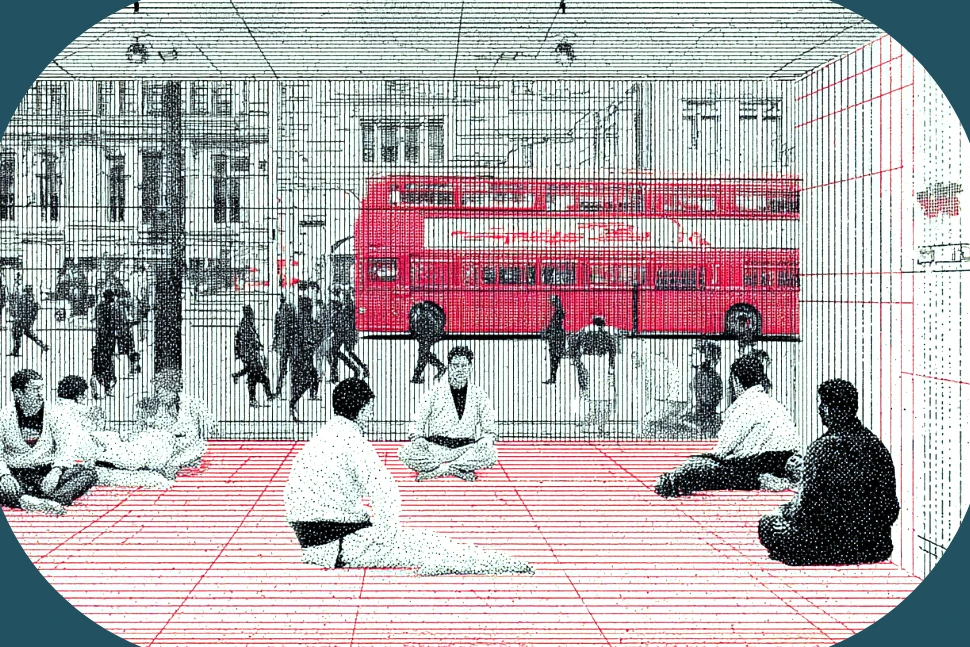
The first time Gymdesk Originals crossed the Atlantic, it landed in London.
And the two academies Alex filmed there could not have been more different.
One sits on Westminster Bridge Road in Waterloo, a few minutes from the South Bank—a full-service competition machine with a strength basement and a recovery room.
The other is a unit on a side street in Hackney, East London, where the doors open before sunrise and a handful of regulars roll no-gi at 7AM before heading to work.
Same city. Same art. Two completely different answers to a question every gym owner eventually has to answer: what is a gym actually for?
Geography is part of the contrast.
One academy sits in Central London, polished and full-service, the kind of place a competitor builds a week around.
The other is tucked into East London, small and early and unglamorous, the kind of place a working person fits around the rest of their life. Neither is trying to be the other.
Alex started his London chapter the way most Hackney members start their day—on a double-decker. "Good morning. It's 6:17 AM," he says into the camera from the top deck, the city still dark, on his way to make a 7AM class.
That early bus ride tells you most of what you need to know about the second gym before you ever walk in.
Here's what each academy gets right, and what owners anywhere can take from them.
Grapple Zone, Waterloo: The Forge
Grapple Zone is what happens when a group of grapplers gets fed up with politics and decides to build the room they wished existed.
Courtney Anderson and his partners opened it after leaving a gym they felt was choked by cliques. The founding brief was simple. As Courtney puts it:
Come here to de-stress, not come here and get more stress.

That sounds like a vibe statement. It's actually an operating principle, and it shows up in everything from how they coach to who they hire.
The academy is a CheckMat affiliate, and in roughly three years, it has built a real competition pipeline. "We are three years old last month," Courtney told Alex during filming. Its coaching roster now includes Faris Benlamkadem—the first British male IBJJF No-Gi World Champion, who competes under Roger Gracie and teaches on these mats.
The facility backs up the ambition. There's a Gymdesk-powered check-in desk at the door, a basement kitted out for strength and conditioning, on-site recovery including Thai massage and chiropractic, and a shop.
It's built to keep a competitor healthy and progressing without ever leaving the building.
Courtney's five-year plan tells you how he thinks about scale.
The goal isn't to import big-name coaches—it's to grow his own, the way 10th Planet expanded by promoting from within. Bigger spaces, more locations, but staffed by people the gym built itself.
What makes Grapple Zone a useful case study isn't the medals, though. It's the software story underneath them—a gym that churned through five or six different systems before landing where it started.
Courtney's count, when Alex asked how many they'd run: "about five, six in total."
We'll come back to that, because it's the thread that connects this gym to the one across town.
For the full visit—the basement tour, the competition culture, the CRM saga—watch the full Grapple Zone episode.
Carlson Gracie Hackney, East London: The Daily Practice
If Grapple Zone is a forge, Carlson Gracie Hackney is a habit.
It's a young satellite of the Carlson Gracie UK network, the lineage Wilson Junior brought to the country more than twenty years ago out of the Hammersmith headquarters.
The Hackney location is about two years old and recently promoted its first homemade blue belts.
The man teaching the 7AM no-gi class is Konrad Piotrowski, and his path to the mats is not the usual one.
He's a Polish-born filmmaker—his feature Fighter landed on Netflix—and a former Aikido black belt who walked into Carlson Gracie London expecting to show them a thing or two.
He's refreshingly honest about how that went.
He came in, got handled by a multiple-time European champion, sat in the changing room, and chose to stay. Years later he still won't overstate his rank: "I'm not black belt yet, um, brown belt."
What he's built instead of a competition résumé is a way of life. He trains six days a week and times it deliberately. "I believe everyone has life outside," he says—so he trains in the morning and keeps his afternoons and evenings for his film work and his family.
His view of jiu-jitsu sounds almost monastic: "Real martial artist is always polishing their sword." Not peaking for one fight, just showing up every day.
I believe everyone has life outside.
Real martial artist is always polishing their sword.
That mindset extends to how he thinks about the business side, too.
Konrad's sharpest observation is about marketing, not software. The people already inside jiu-jitsu are easy to reach, he points out; they already follow the sport and know the names.
The hard part is getting someone who has no idea what jiu-jitsu even is to put on a white belt and walk in. Reaching that person, he says flatly, is "the biggest challenge."
It's a deceptively simple reframe, and most gyms get it backwards—pouring effort into an audience that's already converted. More on his tooling philosophy below.
For the full conversation—the Aikido-to-BJJ journey, the filmmaking, the early-morning culture—watch the full Carlson Gracie Hackney episode.
What Both Gyms Get Right
Two academies, two philosophies, one city. Set them side by side, and three lessons surface that apply whether you run a competition team or a 7AM hobbyist class.
Culture is the product
Grapple Zone was founded to escape politics.
People don't come for the basement gym or the medals. They come because they feel safe walking in and pushing themselves.
Hackney's draw is the same in a different key: a welcoming room inside a serious pressure lineage. Konrad's advice to anyone shopping for a gym is to "find a place you feel good and stay there."
Neither owner treats culture as a perk bolted onto the schedule.
It's the retention engine. The classes are the commodity; the room is the moat. If you're an owner deciding where to spend your energy, this is the argument for building culture before chasing profit.
The software should disappear
Here's where the two gyms quietly agree.
Konrad wants the management system invisible to students and rich for coaches. He treats attendance data as a coaching tool—"for me it's just source of information"—so he can see who's actually progressing.
But for the student, the ideal is to forget about the system entirely.
Forget about the system and that's it.
Grapple Zone learned the same lesson the expensive way, cycling through five or six CRMs before coming back to Gymdesk. What Courtney valued most on the return was mundane: migrating all their members over turned out to be painless.
Different gyms, same conclusion: tooling is infrastructure, not a feature parade.
The right answer to "what software do gyms use?" is whatever gets out of the way and gives coaches the data without making members think about it.
You can build world-class from scratch, fast
Neither of these academies is old. In about three years, Grapple Zone built a full competition program and drew a No-Gi World Champion onto its coaching staff. Hackney promoted its first homemade blue belts at two.
Legacy helps, but it isn't the prerequisite.
Standards and a clear pipeline beat a long history. If the room is right and the coaching is honest, the belts—and the competitors—follow faster than most owners expect.
It also compounds.
Grapple Zone's plan to grow its own coaching staff is the same bet on a longer timeline: build the standard once, then let the people you developed carry it into the next room. That's how a three-year-old gym starts to look like an institution.
That's the encouraging read for anyone staring down a near-empty mat wondering if it's too late. It isn't. Here's how to start a BJJ academy from the ground up.
Two Gyms, One City, More to Come
London gave Gymdesk Originals its first European chapter, and these two academies are a good argument for why the series exists: the lessons are clearer in contrast than they'd ever be alone.
One gym forges competitors. One builds a morning habit. Both run on culture, keep their software out of the way, and prove you don't need decades to build something serious.
We'll keep filming as we go—so think of this as a living dispatch from London, with more academies to add as we visit them. You can see the rest of the series, and where it goes next, on Gymdesk Originals.
Gym management software that frees up your time and helps you grow.
Simplified billing, enrollment, student management, and marketing features that help you grow your gym or martial arts school.


FAQ

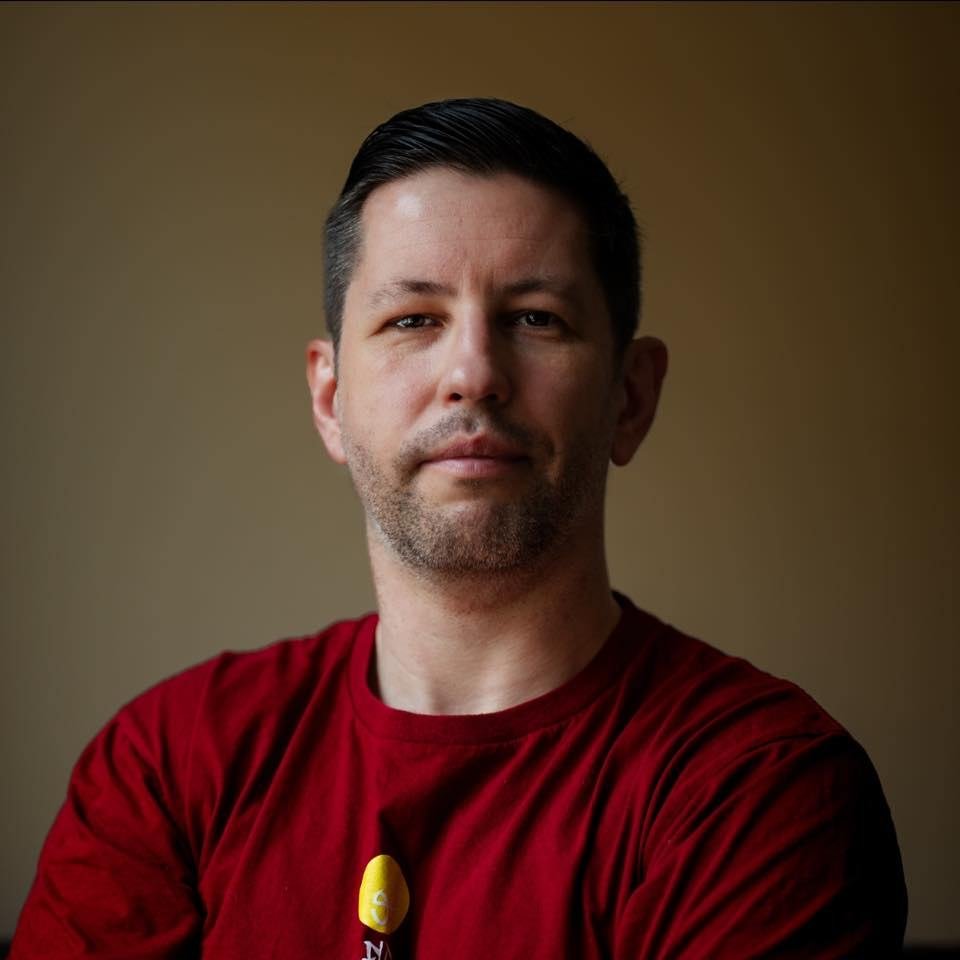
Sean has spent the last decade creating content that helps businesses—small and not so small—grow smarter to allow operators to do more of what they love. You know, the fun stuff.
From shipping and international logistics to web development and marketing, he's done the work (not just the words) to scale retail and service businesses efficiently.
You can find his work at Sendle, Shogun, The Retail Exec, Gymdesk, and more.