How Martial Arts Gyms Become Second Families: Stories from Real Owners
Every gym owner says "we're a family." It's on the website. It's in the Instagram bio. It's painted on the wall next to the motivational quote about hard work.
But some gyms actually are.
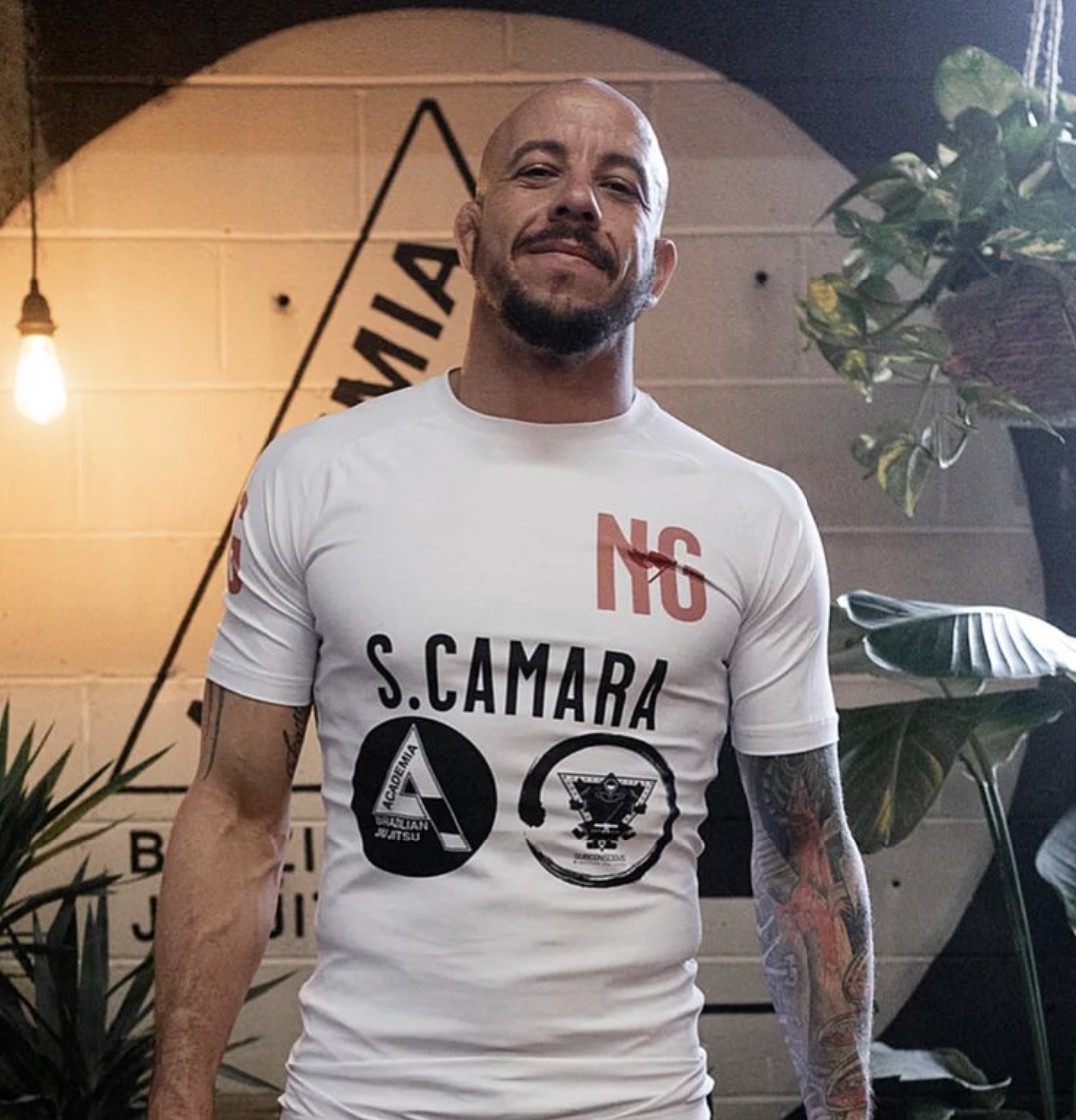
Steve Camara from Academia BJJ in Beansville, Canada, remembers the first time he walked through the door:
I walked in the door and I felt like I was going to a good friend’s party. Oh, I feel like I just came home.
That feeling didn't happen by accident. It was built deliberately, over years, through specific decisions that most gym owners never think to make.
Across 11 Gymdesk Originals episodes, we heard the same story told different ways. A judo sensei in Orlando who caps his membership at 150. A jiu-jitsu academy in Buffalo hosting Bomba dance nights. A fight club in Tokyo where members onboard newcomers without being asked.
Different gyms, different disciplines, different continents—but the same intentionality behind their martial arts school culture.
Here are the specific mechanisms they use. Not theory. Not "5 tips." Real playbooks from real owners running real martial arts gym communities.
Know Every Name (And Why It Matters More Than Growth)
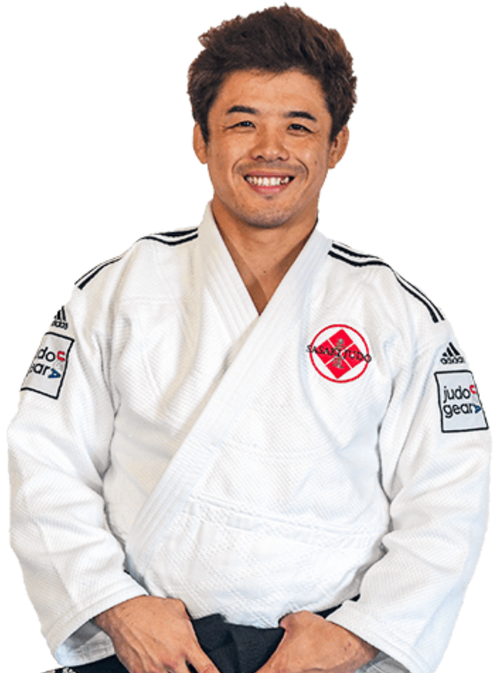
Shinjiro Sasaki runs Sasaki Judo in Orlando. He caps his gym at 150 members. Not because he can't grow bigger. Because he refuses to.
If I cannot remember their face and their name, it’s not good sensei.
That's a deliberate revenue ceiling in exchange for depth of relationship. Most gym owners would never consider it. But Sasaki's logic is hard to argue with—members who feel known stay. Members who feel like a number leave.
Research backs this up—members with strong social connections at their gym are 50% more likely to remain long-term.
At Gracie Jiu-Jitsu Singapore, Coach Vlad built the same ethos from a different angle. He didn't cap membership—he capped the culture's competitive intensity.
"Camaraderie instead of competition... that's number one value."
The result? Visitors notice it immediately. "Whoever comes here, they tell me, 'Wow, you guys are so nice. They take care of each other.'"
That reaction doesn't come from a mission statement on the wall. It comes from a hundred small moments—partners helping each other drill, upper belts slowing down for newcomers, an atmosphere where ego gets checked at the door.
As your gym grows past 50 or 100 members, knowing every name gets harder.
That's where check-in tracking becomes essential—not as a surveillance tool, but as a way to spot who's showing up less, who might be drifting, and who needs a personal check-in before they quietly disappear.
Create Rituals Beyond the Mats
Training keeps people coming back. But rituals—the stuff that has nothing to do with technique—keep people belonging.
At Academia BJJ, Steve and Jeff started what they call the Spring Smash. It began as a casual BBQ. It grew into something else entirely.
"Some people come—it's not even for the rolls, it's because now it's just part of the community."
Now it's 250-plus burgers, 150-200 people, sponsors, and an annual tradition that draws members who haven't trained in months. The Spring Smash isn't a marketing event. It's proof that the community extends beyond the mats.
Takeover Jiu-Jitsu in Buffalo takes it further.
Monthly Bomba dance nights bring the whole community together—not to roll, but to move, laugh, and share space outside of training. They also run a Native American circle practice where students share what martial arts means to them.
These are core to the gym's identity.
Nova Jiu-Jitsu takes kids camping. Sasaki Judo runs annual trips to Japan—open to all students, including white belts and parents who've never done judo in their lives.
The through-line is simple: events and traditions that exist outside of class create the social connections that make members stay even when life gets busy.
Group exercise members stay twice as long as those who work out solo. Add off-the-mat rituals, and you're building something even stronger.
Let Members Lead the Welcome
Here's a test for your gym's culture: What happens when someone new walks in and you're not at the front desk?
Grant Bogdanove runs Alma Fight Club in Tokyo. He already knows the answer for his gym.
If somebody new comes in and they’re awkwardly waiting on the sidelines, I don’t have to tell anybody to go grab them. Our members naturally go and teach them stuff.
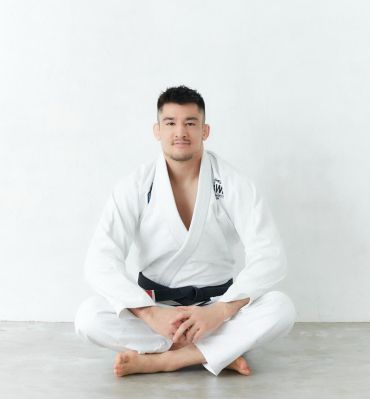
That's not something you can enforce with a policy. It's a culture that develops when existing members feel so invested in the community that they naturally want to protect it—by making newcomers feel welcome.
"It's really the members that make the gym atmosphere welcoming—and energetic and fun," Grant says.
At Alliance Charlotte, nine-time IBJJF World Champion Lucas Lepri built this from the top down.
We create a culture… the old students welcome the new student and help them. I’m more proud of that than the facility.
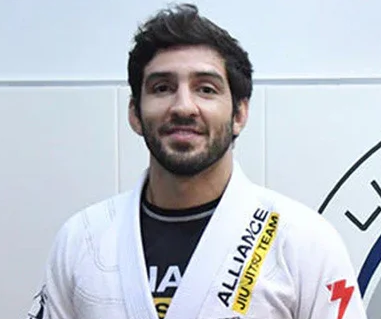
Senior students mentoring newcomers isn't optional at Alliance Charlotte. It's the culture.
And Lepri—a guy who's won more world titles than most people will earn belt stripes—says it's what he's proudest of.
Two Bridges Muay Thai in New York City made it even more concrete with their "three friend rule"—newcomers should meet at least three people in their first class. Simple. Specific. Repeatable.
The proof that it works? Look at Forte BJJ in Phoenix: 18 of their 20 founding members are still training years later. That kind of retention comes from a community that onboards new members so well they never want to leave.
Build the Student-to-Leader Pipeline
The strongest martial arts communities develop members into leaders. They go further than simple retention.
At Takeover Jiu-Jitsu, Coach Nani's journey tells the whole story. She started as a student. Now she leads the kids' program. That's career development, sure, but it's also community deepening.
When students see one of their own leading classes, it sends a message: this place invests in people long-term.
Professor Luiz at Octa Jiu-Jitsu in Ontario takes a different approach—focusing on the whole person, especially with young people.
He tells the story of one child who came in as what he describes as "the softest kid ever." Five years later, that same kid became "the leader in the gym."
"He has a very good relationship with me... he trusts me a lot and of course he improved a lot."
That transformation didn't happen through drilling alone. It happened through years of consistent relationship—a coach who saw potential and invested in it, class after class, year after year.
It's the kind of long-term student development that turns a gym into a second home.
When you're tracking student attendance and progress over time, you start to see who's ready for more responsibility. The quiet blue belt who's always helping white belts. The teenager who shows up early to set up mats.
Those patterns tell you who your next leaders are—if you're paying attention.
Make Inclusion Part of the DNA
Every gym says "everyone is welcome." Fewer back it up with action.
Takeover Jiu-Jitsu in Buffalo runs an equity program providing free and reduced memberships for underserved youth. They don't treat it like a charity line item.
It's a community investment—and the kids who train on reduced memberships become some of the gym's most dedicated members and, eventually, its culture carriers.
Forte BJJ in Phoenix built a gym that's nearly 50% women—in a sport where women are often a small minority. They didn't get there by accident. Monthly women's self-defense classes created a gateway. A welcoming culture kept women coming back.
The result is a training room that looks different from most BJJ gyms—and is stronger for it.
At Alliance Charlotte, the impact goes beyond the mats. Lucas Lepri shares a story about a student who was being bullied at school. After training, the kid stood up for himself.
Other students have shared something even deeper: "Thanks so much. I was with depression. This helped me to overcome this."
Gracie Jiu-Jitsu Singapore positions itself as recreational-first—camaraderie over competition. It's a deliberate decision to lower the barrier to entry so more people feel comfortable walking through the door.
The gyms with the strongest communities aren't the ones with the most elite competitors. They're the ones that intentionally lower barriers—financial, social, cultural—so more people can belong.
And when your martial arts gym community is genuinely inclusive, word-of-mouth marketing takes care of itself.
Follow Up Like You Mean It
Community goes beyond what happens on the mat. It's what happens after someone's first class—and whether anyone bothers to check in.
Steve from Academia BJJ is blunt about it:
The follow-up is more important than getting them in the door.
Think about that. Most gym owners pour energy into marketing, social media, trial offers—getting people through the door.
But the moment that actually determines whether they stay? It's the text they get afterward. The personal check-in. The "hey, how's your body feeling after your first class?"
Academia BJJ built a system around this: an SMS goes out after someone's first class. Personal check-ins follow. It's not automated-and-forgotten—it's automated-and-personal.
The system handles the timing; the coaches handle the connection.
That's where gym management tools earn their keep. Automated follow-up sequences—a text after the first class, a check-in if someone misses a week, a reminder before their membership lapses—turn good intentions into consistent action.
You don't have to manually remember every follow-up. You use a system that does the remembering so you can do the connecting.
"The community is the glue... you can map your jiu-jitsu journey to parallels in life," Steve says. That glue doesn't set on its own. It takes follow-through.
The Bottom Line: Community Is Your Retention Strategy
Members with strong social connections at their gym are 50% more likely to remain long-term. The math is clear. Community is your most effective retention strategy.
But here's what the 11 owners in these stories would tell you: they didn't build community as a business tactic. They built it because they believed in it.
Sasaki caps his membership because he cares about knowing every name—not because it's a growth hack. Takeover runs equity programs because Jose believes in access—not because it's a marketing play.
Steve follows up after first classes because he remembers what it felt like to walk in and feel like he was coming home.
The retention and growth followed. They always do.
The mechanisms look different at every gym—dance nights in Buffalo, camping trips with kids, annual pilgrimages to Japan. But the intentionality is the same. These owners decided that community wouldn't happen by accident.
Then they built the systems, rituals, and culture to make it real.
Your gym's version will look different. But it starts the same way: one decision to stop saying "we're a family" and start building like one.
6 WAYS REAL GYM OWNERS BUILD COMMUNITY:
- Know every name—cap growth or use check-in tracking to stay connected as you scale.
- Create rituals beyond the mats—BBQs, dance nights, camping trips, annual traditions.
- Let members lead the welcome—model the behavior, then let culture carry it.
- Build a student-to-leader pipeline—invest in long-term development so members become coaches.
- Make inclusion part of the DNA—lower financial, social, and cultural barriers to belonging.
- Follow up like you mean it—automate the timing, personalize the connection.
If you're ready to put the systems behind your community—tracking attendance, automating follow-ups, and spotting members who need a check-in—start a free trial and see how it works for your gym.
About Gymdesk Originals: A documentary series featuring real gym owners, their challenges, and the communities they've built from the ground up.
Gym management software that frees up your time and helps you grow.
Simplified billing, enrollment, student management, and marketing features that help you grow your gym or martial arts school.


FAQ
Martial Arts Gym Community FAQs

Sean has spent the last decade creating content that helps businesses—small and not so small—grow smarter to allow operators to do more of what they love. You know, the fun stuff.
From shipping and international logistics to web development and marketing, he's done the work (not just the words) to scale retail and service businesses efficiently.
You can find his work at Sendle, Shogun, The Retail Exec, Gymdesk, and more.