I felt sick to my stomach.

I stared at the email editor where I had written a short email announcing to my students I could no longer afford to keep my martial arts club open. I knew I couldn’t take this back, and my anxiety was out of control.

I hovered the mouse over send, looked away, and clicked. I stared at the screen again, dumbfounded, head in a rush at what I had just done. 

I didn’t want to do it, but I simply had to get a full-time job, and the only one offered to me at the time made running a club impossible. I was also back in school.

“Life has outmaneuvered me,” I had written in the email. 

It was true…but it didn’t have to be. I just didn’t know better.

Two things ultimately led to the closing of my martial arts business:

  1. Lack of marketing
  2. Charging too little for memberships

I’ve already written extensively about martial arts marketing. Today, I’m zeroing in on how to charge $200 or more for your jiu jitsu classes–because, like me, you probably charge far too little for your services.

If you’re a jiu jitsu school owner reading this, you need to understand what I didn’t: you have to charge more for your lessons. Not even a high membership volume can get around this fact.

So how do you do it? 

It starts with a mindset shift into two powerful mental models

Aadam Lodhi of Kin Creative, an exclusive martial arts advertising agency, breaks down how to charge $200 or more each month in the video below.

Mental Model 1: You are Not Competing with other Jiu Jitsu Schools on Price

I was deathly afraid of raising rates. 

I thought students would leave; and if I offered a reasonable price, they would be more likely to train with me than with competitors down the street.

This was the wrong mindset. And ultimately, I had to shut down my club permanently. It didn’t serve me or even my students.

Trying to compete on price is a race to the bottom. With inflation and rising costs of everything, you make running your martial arts school more and more unsustainable every year. 

Aadam Lodhi’s mindset shift is simple: “I’m not competing on price…I’m competing on value.”

Here’s the thing about charging more:

You not only get more profit, you can reinvest more back into the school itself. You can develop the program better, staff it better, upgrade the facilities, and maintain nicer equipment. These are all things that materially raise your value. 

But it all starts with self-belief: even in the state you are now, do you truly believe you offer a superior product?

If so, start raising your membership prices.

Pricing Benchmarks based on Median Income

Mindset and value aside, some areas have hard constraints on how much locals are actually able to afford.

Aadam recommends this scale. Set your base membership price based on your area’s average household income:

  • $50k income: Start around $150/month.​
  • $75k income: Start around $175/month.​
  • $100k income: Start around $200/month.

Test the upper limit of these monthly targets. If you get a spat of prospects who don’t convert, you’ve probably exceeded the maximum sustainable membership price.

Mental Model 2: Bill More Often

This one sounds ridiculous at first, but it’s a game changer when you understand it.

Charging bi-weekly yields 8% higher annual revenue and makes it easier for customers to start. Paying $99.99 every two weeks sounds a lot more palatable than $200 a month all at once.

You win yourself a couple more billing cycles each year, just because of how many weeks there are separate of months–hence the 8% boost.

Weekly billing is also viable, but it feels alien to jiu jitsu school owners. It seems like something you couldn’t do, but there are martial arts schools doing it successfully already. 

On top of that, it’s becoming an increasingly common revenue model for service-based businesses like lawncare.

Things to watch out for: the more often you bill, the more processing fees will eat into your revenue. For this reason, I prefer biweekly billing over weekly.

Simplify Your Jiu Jitsu Memberships

I’ve seen complex pricing structures for jiu jitsu and other martial arts. The only reason anyone signs up to these programs is because they’re confused about how much money they’re actually paying.

To make this new, high fee membership system work, keep membership options simple. Ideally, it will consist of two main options:

  • 3-day/week (e.g., $225/month)
  • 2-day/week (e.g., $175/month)

The purpose of the higher option is to price anchor for the second. Price anchoring is a psychological pricing strategy where an initial higher price is presented alongside lower-priced options to influence consumers’ perception of value. The higher anchor price creates a reference point, making the lower price appear more attractive or reasonable by comparison.

You might even put an unlimited membership at the top, making three memberships, and centering the $225/m pricepoint seem like the reasonable one.

This structure makes decisions easier. If you’re worried about complex membership types and long term contracts, the friction multiplies and the decision is much harder for individuals to make.

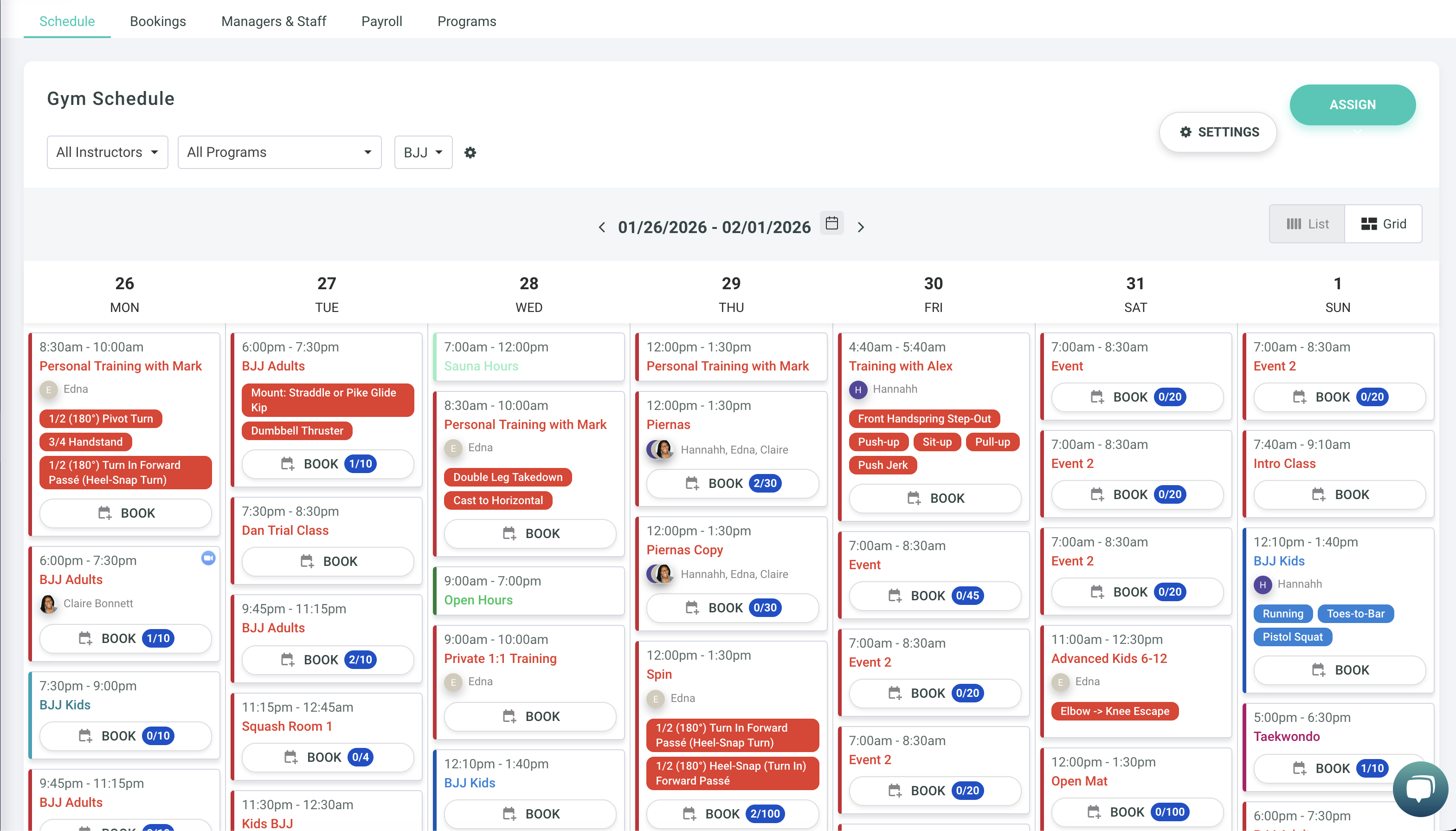
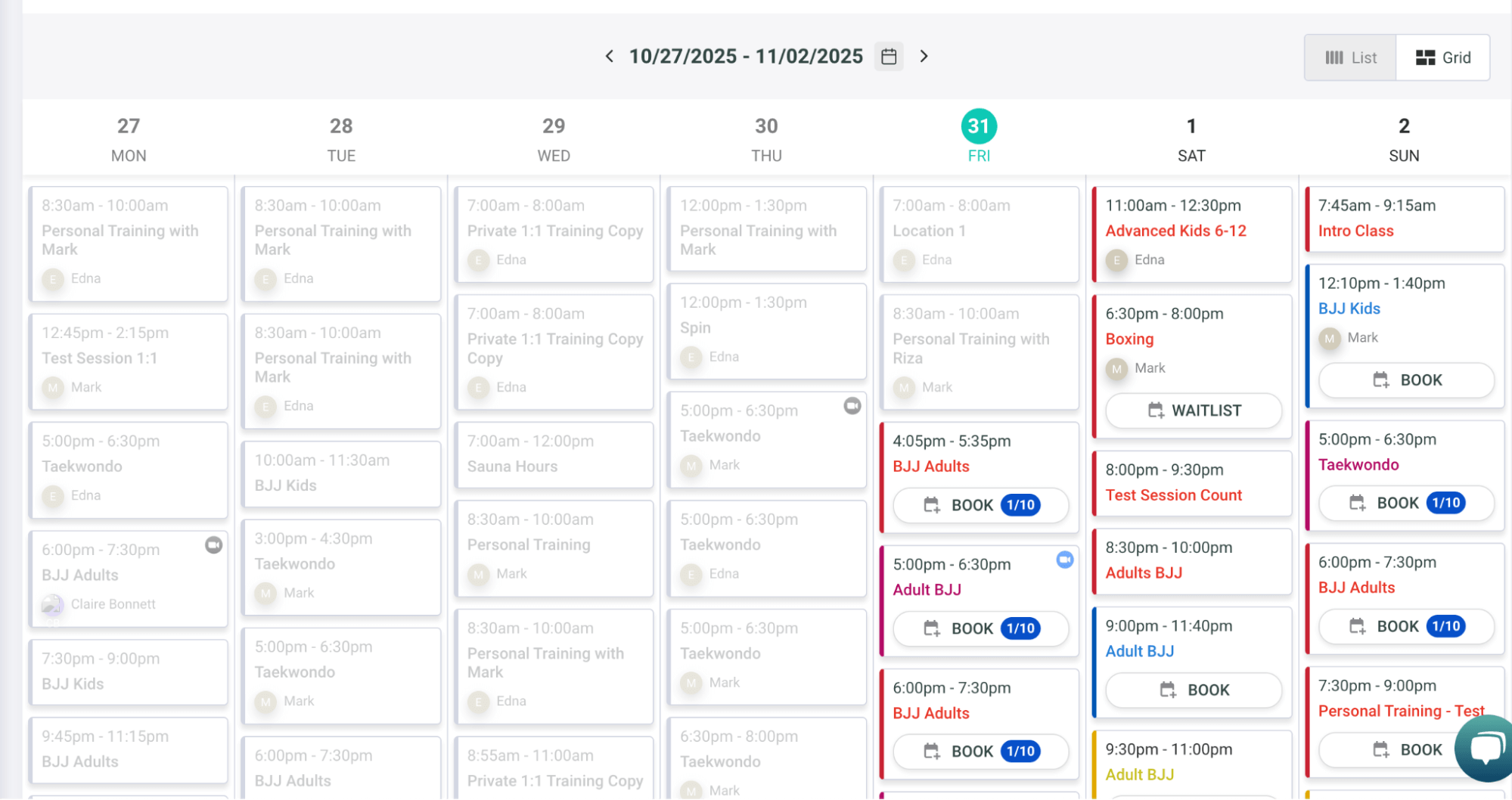
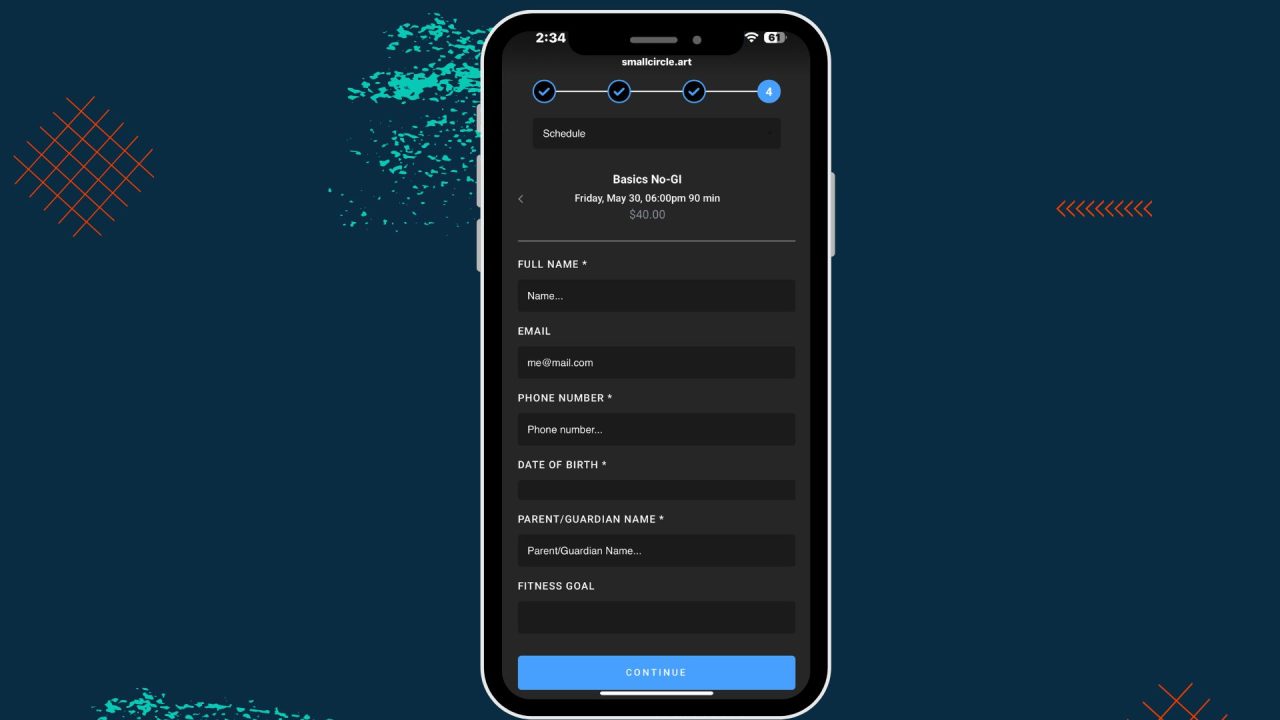
Gymdesk makes it easy to design jiu jitsu memberships and add attendance limitations to each, to help you manage actual member usage of jiu jitsu lessons.

Conclusion

The moment I sent an email to close my martial arts club was gut-wrenching.

Two main mistakes led to that final moment: charging too little and weak marketing. In this article, the key lesson is that jiu jitsu and martial arts schools must charge more—around $200+ per month to thrive—because the volume of members alone won’t sustain the business. 

Charging $200+ starts with a mindset shift consisting of two mental models: 

  • Stop competing on price and compete on value instead. Higher prices enable reinvestment into better staff, facilities, and programs, enhancing overall value for students. 
  • Bill more frequently. Biweekly billing boosts revenue and lowers initial cost barriers for prospective members from a psychological perspective. Complex pricing and contracts cause confusion and friction; simplicity and clarity ease decisions and support sustainable growth. 

The final mindset shift comes down to you. Do you fundamentally believe in the value of your jiu jitsu program? Do you believe, in your bones, it’s better than the guy down the street?

If the answer is yes, start raising your prices. If you’re still afraid to raise prices, then it’s time to ask yourself if you really believe in your teaching.

Gym management software that frees up your time and helps you grow.

Simplified billing, enrollment, student management, and marketing features that help you grow your gym or martial arts school.

Learn more
×

Get Our Best Content In Your Inbox

Insights on how to manage and grow your gym

Subscribe Now
×

Get more articles like this directly in your inbox.

Learn how to make your gym or martial arts school a profitable business.

* Unsubscribe at any time