
How to Run a Pilates Summer Camp: Tips for Success and Enjoyment

Summer is the prime time to ramp up your studio, bring in new clientele, and offer a fun, immersive fitness experience - and there is no better way to accomplish all of this than with a Pilates summer camp. Whether you're a successful Pilates studio owner who wants to start beginners on the Pilates path or create an immersive experience for loyal clients, a successful summer camp can cultivate community, revenue, and a point of difference for your studio. But great experiences don’t happen by accident - they’re designed with intent, strategy, and creativity.
In this guide, we will help you plan, launch, and maintain a successful Pilates summer camp - from perfecting your physical space to handling the day-to-day and sustaining momentum once the camp is over.
Let’s get started.
Planning and Preparation
Long before you unroll the mats and greet excited campers, you will need to start planning a great Pilates summer camp! The more deliberate you are in the beginning, the easier everything will go - and the more the campgoers will enjoy the experience.
Define Your Goals and Audience
Begin by clarifying what you want to achieve. Is your audience beginners who are interested in trying Pilates? Experienced professionals looking for a deep dive? Kids and teens, or adults? Will it be for families, or only for adults?
Determining who you’d like to attract will determine how and what your curriculum will look like, as well structure your marketing and tone, and influence your pricing.
Decide whether the camp will emphasize general fitness, a particular skill (say, core strength or flexibility or reformer technique) or a more wide-ranging wellness experience that might feature workshops on nutrition and mindfulness or outdoor pursuits. Your goals will also guide how intensive or relaxed your schedule needs to be.
Choose the Right Camp Format
Decide what size and style of camp you want. Will it run for a continuous week, over several weekends, or in a come-when-you-can manner through the entire summer? Are sessions half-day, full-day or just a few hours every morning?
The format should align with your studio’s capacity and your audience’s availability.
Consider running levels or themed weeks to accommodate different skill levels. Remember the seasonality of summer - people may be away or struggling with childcare - so flexibility is a plus.
Design the Curriculum
Now it’s time to plan your camp content. Develop a Pilates training schedule that incorporates structured Pilates sessions with variety to keep campers interested. This might include:
- Daily Pilates classes (mat or equipment-based)
- Themed challenges or skill-building sessions
- Guest instructors or specialty workshops
- Mini-lectures on posture, alignment, or anatomy
- Restorative or stretch-focused days to promote recovery
Make sure each session has a point and purpose and sets a foundation, even if it’s playful and lighthearted. You want the participants to feel they are getting better over time, not that they are showing up at a bunch of random workouts.
Budgeting and Pricing
As part of your business plan, determine a reasonable budget that includes instructors’ pay, the cost of maintaining or renting equipment, promotional materials, the hiring of guest speakers, snacks, and T-shirts or water bottles with a company logo. Don’t forget about insurance and any local permit requirements, particularly if you will take sessions outdoors.
Once you know what your costs will be, you can price your camp accordingly. You can also encourage sign-ups by providing early-bird discounts, referral bonuses, or family/bundle rates for returning clients.
Create a Timeline
Create a timeline leading up to the camp launch. It’s important to work backward from your start date and have some big milestones on the map. These should include:
- Staff assignments and last-minute curriculum matters
- Starting promotions and offering early registration
- Purchasing materials and clothing
- Setting up the studio and testing your schedule
- Leave extra time for tweaks - your future self will thank you.
Setting Up Your Studio
Now that you have your plan in place, it's time to turn your own Pilates studio into a warm, inviting, and energizing space for your Pilates summer camp. Whether you run your boot camp out of a boutique Pilates studio or simply teach from a shared space, how you set it up will influence the comfort levels, engagement, and overall camp experience for your clients. You want your small Pilates studio to be a mini sanctuary: invigorating, uncluttered, and ready for movement.
Space Planning and Layout
First, think about how your space can comfortably fit the number of participants you’re anticipating. Make sure each camper has enough space to move comfortably without feeling like a sardine. For mat-based camps, that means putting mats at least two feet apart from one another. If you will be working with reformers or other equipment, space them out so that instructors can walk around to make hands-on corrections.
If you can, set up specific areas in your studio:
- Main movement area for Pilates sessions
- Chill-out zone for breaks or journaling
- Storage area for personal belongings and gear
- Reception or welcome space to greet campers and set the tone each day
If your camp adds extras such as nutrition talks or stretching sessions, make sure you’re able to move furniture or equipment around on the spot from segment to segment.
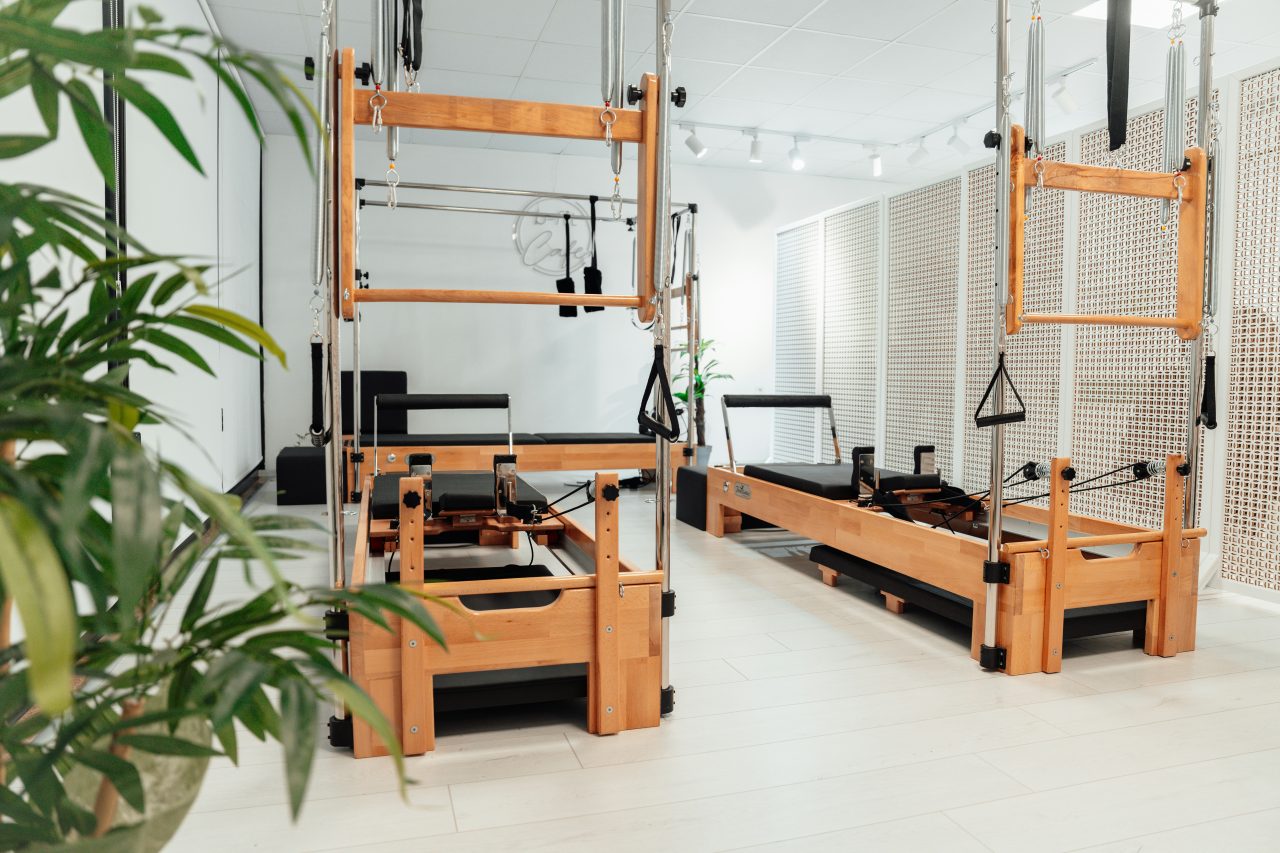
Image Source: Unsplash
Equipment and Props
Check your inventory early. Ensure you’ve got plenty of mats, resistance bands, Pilates rings, small balls and blocks for every camper plus a few spare. And if you’re working with larger equipment like reformers or towers, ensure all machines are in good working order and well maintained.
It’s also an ideal time to pop in some new props or season-specific gear to upgrade the camping experience a little. Thank-you gifts could also include branded water bottles, yoga towels, or notebooks that serve a secondary purpose, but can also act as a leave-behind for attendees. If your budget allows, small upgrades like new wall mirrors, scent diffusers, or soft lighting can create a more immersive environment.
For outdoor or hybrid sessions, be prepared with portable equipment - consider travel mats, foldable chairs, or even Bluetooth speakers.
Atmosphere and Ambience
The setting of your studio ought to be motivating and calming at the same time. Summer camps are about light, bright, and refreshing vibes. Allow plenty of natural light if possible, or supplement with artificial light that can make the space feel warm and uplifting. You might also consider adding some plants, some summer-inspired artwork, or fresh-cut flowers to make the space feel a little special.
Background music, ambient soundscapes, or quiet instrumental tracks can help set the tone during warm-ups and cool-downs. Steer clear of anything too obtrusive, loud, or annoying because it might impede the guidance and instruction, or even your breathwork.
Safety and Cleanliness
Cleanliness and safety are essential. Keep your space clean every single day - you don’t have to clean the toilet, wash the floors, and dust the shelves every day, but your studio should be spotless every day. An added dimension during summer months is that the studio will feel really stale if you’re working in heat and humidity. Have sanitizing supplies on hand, clean mats and props between sessions, and make sure there’s ventilation.
Emergency exits must be easily indicated -stickers with addresses, etc.- and first aid kits fully stocked and easy to find. If you’ll have children or teenagers participating in your camp, read through to double-check that all safety procedures are age-appropriate, parent-friendly, and therefore parent-approved.
Building Your Team
Behind every Pilates summer camp that people rave about, is an enthusiastic, trusting and well prepared team. While one or two instructors might hit the mark in your studio on a regular basis, a summer camp is a season-long collaborative effort that sets the stage to provide a fully immersive experience for your campers. The right team can take your camp from a basic class series to a captivating, community-building experience.
Identify the Roles You Need
Begin by detailing all of the positions needed in order for the camp to operate effectively. Depending on the size and structure of your camp, your team might include:
- Lead Instructor(s) - Teach core Pilates sessions, bring the energy, vibe with campers.
- Instructor Assistants: These team members assist with the demonstrations and modifications, give campers extra attention during the session.
- Camp Coordinator / Admin Support: Oversees registration, communication with students, and the day-to-day operations of attendance and equipment setup.
- Specialized Guests: Add guest teachers or physical therapists, nutrition experts, or wellness specialists for specialty workshops or themed classes.
If your camp serves children or teenagers, you will need staff who have experience working in youth programming or child care and have undergone background checks.
Choose the Right People
Hiring or assigning personnel shouldn’t simply be about filling slots - it should be about bringing in a team whose energy and values are in sync with what your studio is trying to accomplish. Look for instructors who are:
- Fun-loving and supportive -- Campers are most immediately receptive to teachers who are optimistic and energetic, who feel approachable, and who come with positive energy.
- Flexible -the summer camp setting isn’t always ideal and can have varying fitness levels, weather issues (if outdoors), and last minute changes. Flexibility is key.
- Team players – Pick people who will be keen to work together, share and support one another for the benefit of the group.
- Qualified Pilates Instructors – Everybody on your instructional staff should ideally be current in Pilates certifications and insurance and have experience teaching group classes.
Try to interview would-be team members early on, and see if you can have them help to plan. Their insights can help shape your curriculum and improve delivery.
Train and Prepare Your Team
Once you’re team is in place, take time to get everyone up to speed. Have a pre-camp orientation or team-building event to:
- Walk through the daily schedule and expectations
- Clarify responsibilities and leadership roles
- Review safety procedures and emergency protocols
- Practice transitions between sessions or activities
- Reinforce your studio’s philosophy and customer service standards
Consider creating a shared reference guide or team binder that includes contact information, session outlines, camper info, and contingency plans.
Foster Team Morale
Don’t forget to take care of your team during camp! Small acts - like snacks in the break room, daily check-ins or group appreciation posts - mean a lot. You will get out what you put in- motivated and appreciated teams will echo that in the sessions that they run, improving the service to campers.
Marketing and Promotion
A well-executed Pilates summer camp is only effective if people know it’s happening -and are so excited about it that they want to sign up. The only way to fill your camp spots, create buzz, and make your camp a must-do summer experience is through good old-fashioned marketing and promotion. The trick is that clear messaging and smart targeting are combined with communicating across the spectrum.
Know Your Audience
Start by figuring out your camper identity. Are you marketing to people who have never done yoga? Adults who want to stay active over the break? Young people looking to enrich their summers? Families in search of fitness-centered togetherness?
Knowing your audience lets you create messages that will resonate with their interests and needs. A camp for beginners might focus on fun and friendly instruction at a camp for beginners and on mastery and speed of progress at one for more advanced clients.
Craft a Compelling Message
After identifying your audience, craft a compelling message that communicates the value of your camp. Go beyond the dates and prices - show prospective clients why your camp is unique.
Focus on results and experiences. Here are some sample lines you might want to incorporate:
- “Develop strength and confidence in a supportive summer environment.”;
- “Take your Pilates practice further with a community of like-minded individuals.”
- “Keep your energy up, your stress down, and your strength high all season long.”
Depict an uplifting, re-energizing camp experience through dynamic copy and exciting visuals. Picture sunshine, activity, community, and personal growth.
Pilates Summer Camp Promotions
Use a combination of online and offline channels to meet your audience where they already are:
- Email Marketing: Let your existing studio email list know about the upcoming camp by sending an announcement. Focus on early bird specials, registration open & close dates or referral incentives.
- Social Media: Implement a content calendar prior to camp. Provide sneak peeks of the schedule, feature your instructors, share behind-the-scenes look at studio setup or share testimonials from previous events – or share fun countdown posts! Leverage Instagram Stories, Reels, and Facebook Events to amplify reach.
- Studio Signage: Hang posters and hand out flyers in and around your studio at local businesses, cafes, or health facilities.
- Neighborhood Partnerships: Work with businesses that complement yours - health food stores, athletic-wear boutiques, or spas - to cross-promote each other or run a co-branded giveaway.
- Word of Mouth: Get current clients to talk you up. Provide referral bonuses like discounts, free merch, or guest passes to friends.
Give Them An Incentive And A Deadline
Generate urgency and incentivize quick orders or sign-ups with expiry date/time on offers. Early bird pricing, one-time packages, or deals encouraging attendees to bring a friend can persuade people to commit before you fill up. Emphasize those promotions in every piece of marketing, and let your members know when spaces begin to fill up.
Track and Adjust
Monitor which channels are driving the highest sign-ups. Experiment with tracking links, promo codes, or custom registration forms to see what’s working. This allows you to double down on better-performing strategies and polish up weaker ones.
Operations and Management
After all the prep work is done and your Pilates summer camp is in full swing, it’s all about keeping the day-to-day running of the camp smooth and efficient to ensure that everyone - participants, instructors, and you - has a meaningful experience.
With effective management, the camp runs like clockwork, even when there are things that pop up that we did not see coming. From check-ins to the class flow and communication, this is when preparation becomes execution.
Create a Daily Rhythm
Structure is essential. Set a daily routine that includes warm-ups, main Pilates sessions, quick breaks, and any extras (such as workshops, guest sessions, or outdoor movement). Campers like to know what’s coming up for the day; it makes them feel more secure and assured.
Print or display the day’s itinerary at the front desk or studio wall every morning. If you’re running multiday or weeklong camps, develop a welcome packet or digital guide that outlines the full schedule ahead of time. Your actual daily stream might appear something like this:
- 9:00–9:15 AM: Check-in and welcome
- 9:15–10:15 AM: Morning Pilates session
- 10:15–10:30 AM: Break/snack
- 10:30–11:00 AM: Specialty activity or workshop
- 11:00–11:30 AM: Stretch and cool-down
Check-In and Attendance
Begin each new day with an explicit check-in ritual. Designate someone to meet and greet the guests, answer any questions, and make sure everyone has arrived. Not only does this help keep track of who attended, but it also creates a warm, welcoming experience. For younger kids, you’ll want a place to keep parent contact information and any health or allergy notes that are at the ready. For adult campers, confirm that there is emergency contact information on file, and ensure privacy.
Leverage technology (like scheduling or Pilates studio software, or Google Sheets) to keep track of attendance, flag no-shows, and list changes.
Staff and Participant Communication
Maintain constant communication amongst your team all day. A brief morning huddle before the start of camp can get everyone on the same page about the goals for the day and the agenda, and convey any new information.
Check in with campers regularly throughout the day to stay engaged. Seek feedback, welcome questions, and be out and about as much as you can. If something goes wrong - a participant is not feeling well, equipment fails, or confusion about the schedule - deal with the issue immediately and calmly.
Use group texts, WhatsApp, or email newsletters for updates or reminders. Be proactive about sharing any schedule changes or weather adjustments (if sessions are outdoors).
Problem Resolution and Flexibility
Some days, despite the best-laid plans, things might not work out perfectly. Have contingencies for things such as:
- Instructor absence (alternate staff or pre-recorded video sessions)
- Weather-related disruptions (an indoor space option or alternative activities)
- Equipment issues (extra mats and props on hand)
Think about how you can turn problems into opportunities to display professionalism and caring. Your reaction to tiny obstacles and hiccups is how you build trust and loyalty with the people in the back of the room.
Documentation and Feedback
Keep notes each day on what’s working and what isn’t, and must, therefore, be tweaked. Keep a record of feedback from participants, input from your team, and your observations. This information assists in the immediate improvement of camp operations as well as in future camps. After each week or cycle of camp, have short feedback surveys that are sent out to participants to obtain feedback and testimonials.
Ongoing Success
A good Pilates summer camp should not have to end after the last session. Indeed, what happens after camp is as important as what happens while they’re here. If you want to convert campers to clients for life - building lifelong value for your studio in the process - you have to think past the end date. Ongoing success is about nurturing relationships, learning from the experience, and using momentum to grow your community and offerings year after year.
Follow-Up and Retention
Keep in touch after camp ends - don’t let that connection have a bit of frost between you. Show campers that you care with a personalized thank-you note, whether that’s by email, text, or handwritten note. Acknowledge their effort and progress, and thank them for their involvement.
Have an offer ready for next steps to keep them engaged - maybe it’s a discounted package to take a class, a free drop-in class, complimentary private sessions, or early access to your next program. This is what helps turn campers into long-term studio members.
Consider creating a post-camp check-in: one-on-one time, small group refresher, or goal setting workshop so they can bring what they have learned back to what they do on a daily basis.
Collect and Use Feedback
To constantly get better, you have to ask for honest feedback. Send out a basic survey form that includes questions about class content, teacher experience, pace, and atmosphere. Both rating scales and open-ended questions should be used.
You might ask:
- What was your favorite part of the camp?
- What would you do differently?
- Would you refer this camp to a friend?
- Chances that you’ll come back next summer?
Review the feedback with your fellow team members to find patterns. What was the most common advice or obstacle? Were there particular sessions or instructors singled out for particularly good comments? Leverage this information to modify your curriculum, team composition, or marketing strategy for next time.
Celebrate and Share Success
Highlight the positive experiences and achievements from your camp publicly. With participants’ consent, showcase photographs, quotes, and stories of progress on your website, social media, or in newsletters. This provides organic marketing of your camp through real, relatable stories.
You might also consider having a post-camp party - a free community class or social event - to keep up momentum and show appreciation.
Next-Year (or Next-Season) Planning
While the camp is still fresh in your mind, start jotting notes for your next one. What would you keep the same? What would you do different? Were there seasonal demands, scheduling difficulties, or unanticipated highlights that you should factor in next time?
You may even want to offer a fall-winter version, a weekend getaway, and themed mini camps to keep interest going year round.
Maintain a rough document tracking your protocol development as well as your budget; list of the items you need and the feedback of others. This makes the next round of organizing a timesaver.
Conclusion
A Pilates summer camp is an incredibly rewarding way for Pilates business and studio owners to spark up their studio, deepen client relationships, and grow their community. In fact, regular camps can be a pivotal part of your Pilates studio's success. With proper planning, the right team, and good marketing, you can put together something that’s part fun, part transformative, and wholly lucrative.
By keeping the operation running smoothly and concentrating on long-term engagement, your camp can be far more than an annual event - it can be a flagship offering that entices clients to return again and again. Whether you’re hosting your first camp or refining an annual tradition, the key is to lead with purpose, passion, and a commitment to delivering lasting value. We hope this guide on how to run a Pilates summer camp was helpful!
Gym management software that frees up your time and helps you grow.
Simplified billing, enrollment, student management, and marketing features that help you grow your gym or martial arts school.


FAQ

Steve is a fitness writer and former gym owner whose career in the industry goes back to 1987, when he opened Ultimate Bodies, a one-on-one personal training studio in New Zealand. He has worked as a personal trainer and a school teacher, and became interested in childhood obesity while completing his teaching degree.
He has written about fitness full time since 2015, and is the author of six print books and more than a hundred ebooks on bodybuilding, fitness, and fat loss. He holds six International Sports Sciences Association certifications spanning personal training, strength and conditioning, sports nutrition, and group fitness. He writes from Tauranga, New Zealand.