ブラジリアン柔術完全ガイド:知っておくべきことすべて
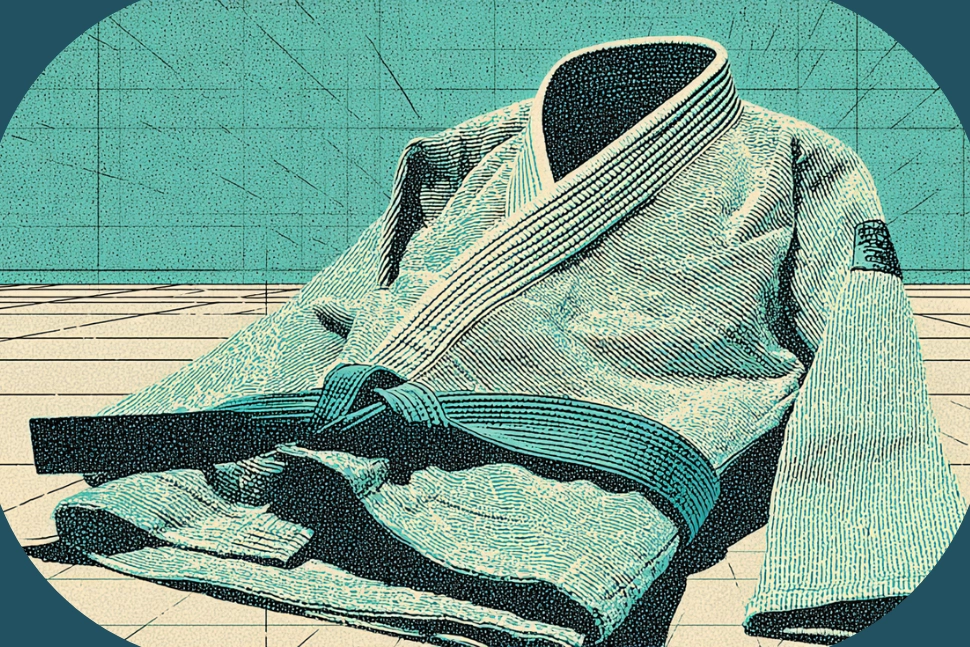
ブラジリアン柔術着は単なるユニフォームではありません。テクニックの実行方法、学習方法、そしてゲームの奥深さを形作ります。
初めてマットを踏む場合でも、織りの種類やIBJJFのカラールールを理解したい場合でも、知っておくべきことはすべてここにあります。
ブラジリアン柔術って何?
ブラジリアン柔術着は、ブラジルでは着物とも呼ばれ、トレーニングや競技中に着用される伝統的なユニフォームです。
実用的な目的と文化的な目的の両方を果たします。つまり、グリップに依存するテクニックを可能にすると同時に、あなたをつなぐことができます 日本で始まった武道 そしてブラジルで変身しました。
完全な GI には次の 3 つの部分があります。
- ジャケット (うわぎ): 厚手のコットンまたはコットン混紡生地で、襟のチョークやラペルグリップ用に太い襟が付いています。袖口は手首まで伸び、ぴったりとフィットするので、相手が掴めるものを制限できます。
- パンツ (下巻): 丈夫なキャンバスまたはデニムスタイルの生地で作られた強化ドローストリングパンツ。何年にもわたる警備作業に耐えられるように膝部分は補強されています。
- ベルト (帯): 布の形でのあなたのランク。白から黒。文字通りジャケットを閉じ込めてしまいますが、それ以上の意味があります。(ランクシステムの詳細については以下を参照してください。 IBJF ベルトの必要条件。ストライプとカラーがどのように変化するかについては、を参照してください。 BJJ ベルトシステム。)
この衣装は柔道のユニフォームから進化したものですが、グラウンドファイトのためにトリミングされました。柔道着は、袖幅が広く、だぶだぶで、投げる時に適した長めのジャケットスカートが使われています。
ブラジリアン柔術は、ガードワークやポジションチェンジ中に相手がつかむ生地を減らすために、袖を細くしてカットを短くしています。この幅の狭いカフは意図的なもので、両者のグリップが難しくなっています。
ブラジルでは、修行者が今でも「着物を着ている」とよく言っています。英語圏の国では「gi」が定着していました。どちらの用語も同じユニフォームを表しています。「Gi」の由来は けいこぎ—トレーニングウェア用の日本語 (けいこ = 練習、 gi =ドレスまたは服)。
どちらの言葉も間違っていない。マットの上では両方が聞こえるだろう。
ブラジリアン柔術着素材:あなたにぴったりの織物はどれですか?
織り方によって、重さ、耐久性、200回洗濯した後の着心地が決まります。主なオプションを比較すると以下のようになります。
Weave | Weight (GSM) | Best For | Trade-Off |
Single weave | 350–400 | Beginners, hot climates, budget-friendly | Shows wear faster under heavy training |
Pearl weave | 400–450 | Most practitioners—training, competition, daily use | Best all-around balance; no major downsides |
Gold weave | 450–500 | Advanced practitioners, high-frequency training | Retains heat, slower to dry |
Double weave | 550+ | Competition, maximum durability | Heavy, stiff when new, long dry time |
Ripstop | 300–350 | Travel, summer training, lightweight option | Not as strong at initial stress points as pearl weave |
シングルウィーブ
市販されている中でもっとも軽いオプションで、通常は350~400 GSM (グラム/平方メートル)。通気性と速乾性に優れ、お手頃価格です。初心者や暑い気候に適しています。
トレードオフ: 単織りなので、激しいトレーニングでも摩耗が早くなります。学習には問題ありませんが、ほとんどの通常の施術者は学習を続けます。
パールウィーブ
ブラジリアン柔術で最も人気があるのには理由があります。パールウィーブは400~450GSMの範囲で、シングルウィーブよりも耐久性と重量比が優れています。
生地の表面にある小さなパールのような隆起は、グリップの発達に役立つ質感を高めています。
週に3、4回トレーニングをしていて、トレーニング、地域の大会、定期的な洗濯など、何でもできる服を1着欲しいなら、パールウィーブが最適です。
ゴールドウィーブ
真珠織りよりも重くて密度が高く、通常は450〜500GSM。
時間が経つにつれて摩耗しにくくなりますが、熱を保持し、乾燥に時間がかかります。頻繁にトレーニングを行い、軽さよりも長寿命を優先する上級者に人気があります。
ダブルウィーブ
550GSM以上という最も重いオプションです。非常に耐久性に優れ、グリップ抵抗も高く、競合他社が戦略的に採用しているものもあります。乾燥に時間がかかり、新品のときは硬く感じられ、暑いジムでは不快に感じることがあります。
高頻度のトレーニングや競技に最適です。
リップストップ
約300~350GSMのモダンなサイズで、裂け目が広がらないように格子状に編まれた補強糸を取り入れています。
軽量で速乾性があり、旅行や夏のトレーニングに最適です。
1つの明確化: リップストップは破れを防ぎます 伝搬 まあでも初期応力の点では必ずしも真珠織りより強いとは限らない重い代替品ではなく、軽量でしっかり破れにくいと考えてください。
PRO TIP:
If you’re not sure which weave to start with, pearl weave is the safe bet. It handles everything—training, competition, frequent washing—without the weight of double weave or the fragility of single weave.
パンツ構造
ほとんどの高品質のGIパンツはコットンキャンバスを使用しており、破れにくく、ガード作業に必要な動きやすさも備えています。膝、座面、ウエストバンドの補強ステッチを探してください。これらは最初にストレスがかかるポイントです。
IBJJF Giルール:競技前に知っておくべきこと
競技日をスタートするにあたって、基準を満たさないGIでトーナメントに参戦するのは、まずいやり方です。(あなたのプログラムにとって競争がなぜ重要なのかについての詳細は、以下を参照してください。 格闘技競技のメリット。)IBJJFが実際に必要としているものは次のとおりです。
承認された色
IBJJFでは、白、黒、青の3色を使用できます。白は最も伝統的で広く受け入れられています。1990年代にブラジリアン柔術が正式化されたことで、黒と青のジップウェアが広く受け入れられるようになりました。IBJJFは1994年に設立されました。
3 色はすべて全体に無地でなければなりません。模様や混合色は使用しないでください。ローカルトーナメントではグレーやネイビーが許可されている場合がありますが、どこででも競いたい場合は、IBJJF公認のものを選びましょう。
フィット要件
IBJF規則は具体的に以下のとおりです。
- ジャケットスリーブ: 腕を伸ばすときは、手首の骨から5 cm以上伸ばさないでください
- ジャケットスカート: 立っているときは太ももを覆う必要があります
- ラペルの厚さ: 1.3 cm を超えることはできません
- パンツ: 足首の骨から5 cm以上伸びないこと
これらの測定値は計量時にチェックされます。縮みに細心の注意を払わずにジップを繰り返し洗った競技者は、それがもう通らないことに気付くことがあります。トーナメントには予備のギグを持参してください。マジで。
パッチと禁止機能
金属部品は一切使用していません。パッチは配置のルールに従います。ジャケット下のスカートにはメーカー製パッチ、上腕と肩にはチームパッチ (サイズ制限内)、スポンサーパッチには特定のサイズと配置制限があります。
背中の下部には名前と国のパッチが付いています。
GYM OWNER TIP:
If you’re running a competition team, make sure your students check gi compliance before tournament week—not the morning of. One failed inspection can throw off an entire competition day. For a broader look at how rank interacts with competition requirements, see What Is BJJ.
ブラジリアン柔術着を選ぶ方法 (初心者から競技者まで)
これらの詳細をすべて読んだら何かアイデアが浮かぶかもしれませんが、ここでは条件付きで考えてみましょう。実際に何をするかは、ブラジリアン柔術の旅のどの段階にいるかによって変わってきます。
始めたばかりの場合
初めてのことを考えすぎないでください。フィット感があり、洗濯してもバラバラにならず、200ドルもかからないものを、このスポーツを続けるかどうかがわかる前に欲しいのです。
- ファブリック: パール織りまたはシングルウィーブ。パールウィーブは、トレーニングを一貫して早く始めれば、より長持ちします。
- 色: 白または青。どちらもどこでも受け入れられます。白はより伝統的です。ブルーは次回の洗濯でシミを目立たなくします。週に2回洗濯する場合は実用的です。
- 予算: 質の高い初心者向けには、評判の良いメーカーが75〜150ドル(2026年現在)で購入できます。60 ドル未満のものは避けてください。安価な建設はすぐに失敗し、最終的にはコストが高くなります。
- サイズ: メーカーのチャートが示すよりも少し大きめを購入してください。初心者はお手入れを間違えたり、縮んだりすることがよくあります。フィット感が緩い服は時間が経つと締まってしまい、小さく縮みすぎたものは使えなくなります。
競合している場合
競技用GIの選択には、さらにいくつかの考慮事項があります。
- IBJFコンプライアンス: トーナメントの朝ではなく、購入前に袖の長さ、ズボンのサイズ、襟の厚さを確認してください。
- 生地の重量: 多くの競合他社は、グリップ抵抗の点でより重い生地(パール織りまたは二重織り)を好みます。しかし、重いジップは重量増加の一因となります。ある体重クラスに近い体重を減らす場合は、それを考慮に入れてください。
- カラー戦略: 一部の競合他社は、特定の色が特定の照明下での知覚に影響すると考えています。せいぜいごくわずかですが、費用をかけずに検討できます。
- 複数のギア: 競技用Giを少なくとも2つ所持している。検査の失敗は起こる。洗濯の緊急事態が発生する。バックアップを取ることで、競技日のストレス要因を1つ取り除くことができます。
気候とトレーニング環境
蒸し暑いジム?より軽い生地-シングルウィーブまたはリップストップ。より快適になり、セッションの合間に着た服が早く乾きます。
寒い施設ですか、それとも暖房のない施設ですか?パール織りや二重織りのような重い構造は暖かさを増します。換気の良い、温度管理されたジム?どんなウェイトでも柔軟に対応できます。
トレーニング頻度
Training Frequency | Recommended Weave | How Many Gis |
1–2 times per week | Single weave or pearl weave | One gi is fine |
3–4 times per week | Pearl weave or gold weave | Two to rotate |
5+ times per week | Double weave or quality pearl weave | Multiple—rotation and drying time are essential |
人気のブラジリアン柔術着ブランドと探すべきもの
BJJの成長に伴い、GI市場は劇的に拡大しました。知っておく価値のあるブランドをいくつかご紹介します。
- 富士: 最も古い武道用具メーカーのひとつ。一貫して丈夫で、フィット感も良く、トラディショナルなカット。ミッドレンジの価格で高い価値。
- 畳: 英国を拠点とし、モダンなフィット感のある高品質のパール織り構造で知られています。良好な国際配送と強力なカスタマーサポート。
- スクランブル: プレミアム素材を使用した個性的なデザイン。機能性と美的感覚の両方を求める施術者の間で忠実な支持を得ています。
- 起源: メイン州に拠点を置き、アメリカ製のフォーカス、プレミアム素材と構造。価格は高くなりますが、品質はそれを反映しています。
編集メモ: 企業が所有権、品質、価格を変更すると、ブランドの推奨内容はすぐに反映されます。以下の品質指標は、特定のブランドリストよりも耐久性が高いため、検討しているGIを評価する際に使用してください。
実際に重要な品質指標
しばらくすると、GIの質に目を向けるようになります。特定の側面が際立っています。
- ストレスポイントでのステッチ: 脇の下、股間、膝を確認してください。重要な縫い目にはダブルステッチまたはトリプルステッチがないか探してください。全体を通して一貫したステッチライン。1回目の洗濯でほつれない糸。
- 生地の一貫性: 薄い斑点、不規則な織り方、または本体の構造と異なって見える部分がないか調べます。全体を通して一貫した織りパターンと彩度が保たれています。
- ハードウェア: ドローストリング、グロメット、補強パッチ。高品質のメーカーは丈夫なロープを使用し、グロメットの穴を補強して破れないようにしています。
- 防縮加工済み処理: 洗濯後のサイズ変化を最小限に抑える防縮加工済みのサンフォライゼーションをおすすめします。これがないGiは、最初の洗濯後にサイズが落ちる可能性があります。
価格階層 (2026年現在)
Tier | Price Range | Best For |
Budget | $50–100 | Beginners, casual training |
Mid-range | $100–200 | Best value for most practitioners |
Premium | $200–400 | Advanced competitors, collectors |
Ultra-premium | $400+ | Limited editions, exotic materials |
ほとんどの真面目な開業医は、100ドルから200ドルの範囲で必要なものを見つけます。(あなたがジムのオーナーなら、GIの費用を考慮に入れる必要があります。 BJJ 価格モデル、これは学生に助言する際の参考となる範囲です。)
警告サイン
- 価格が市場を大幅に下回っている(多くの場合、構造が不十分であることを意味する)
- 急激な収縮や縫合不良について言及しているレビューが続いている
- 実際の測定値がないあいまいなサイズ表
- 保証なしまたは非常に制限の厳しい返品ポリシー
Gi のお手入れとメンテナンス
高品質のGIは投資です。正しく扱うということは、それが6ヶ月ではなく18~24ヶ月続くということです。
洗濯
冷水のみ。 これが最も重要なルールです。
温水は綿の繊維を分解して著しい収縮を引き起こすため、競争法上の規制から永久に外れる可能性があります。
汚れのひどい部分(襟、袖口、膝)は、洗濯の15〜20分前に冷水と中性洗剤で前処理します。ホワイトジップにも漂白剤を含まない洗剤を使用してください。漂白剤は時間が経つと繊維が弱くなり、白くなる代わりに黄ばみの原因になります。
別々に洗うか、他の柔らかい綿製品と一緒に洗ってください。他のランドリーのファスナーやフックは生地に引っ掛かる可能性があります。
乾燥
自然乾燥、間接日光。 低温でも機械乾燥機で乾燥させると、時間が経つにつれて徐々に収縮します。
ジャケットは肩に、パンツはウエストバンドで掛けてください。袖やズボンの脚でぶら下げると、伸びてフィット感や見た目に影響します。
色あせを抑えるため、乾燥中は濃い色のジルを裏返しにしてください。
QUICK WIN:
After washing, reshape your gi while it’s still damp—pull sleeves to length, straighten the collar, smooth the lapels. Takes 30 seconds and helps the gi hold its shape between washes.
濃い色のギス
最初の3回の洗浄ですすぎサイクルにホワイトビネガーを1カップ加えると、染料が固まり、将来の色あせが抑えられます。
明るい色のアイテムに色移りしないように、最初の5回の洗濯は、新しいダークジスを別々に洗ってください。
いつ交換するか
負荷のかかる箇所(脇の下、股間、膝)での縫い目の分離に注意してください。早い段階で引っかかった小さな裂け目は修復できます。広範囲の損傷は通常、交換品が来ることを意味します。
競合他社の測定基準を満たさなくなったGIは、たとえトレーニングにはまだ問題ないとしても、交換してください。
競技に失敗した服は、引退するまでトレーニング専用のユニフォームとして使い続けることができます。
適切なケアをした場合の期待寿命:
- シングルウィーブ:週3回で12〜18か月
- パールウィーブ:週3回で18~24か月
- 二重織り:週3回で2〜3年
BJJギ対その他の武道ユニフォーム
一見すると、格闘技のユニフォームは同じように見えますが、重要な違いがあります。
ブラジリアン柔術対柔道(柔道)
ブラジリアン柔術は柔道の制服として始まりました。何十年にもわたって地上戦に適応してきた結果、大きな違いが生まれました。
- 袖口とズボンの袖口: ブラジリアン柔術着は袖口がかなりきついです。柔道の幅広でだぶだぶのカフスは、投げグリップをしっかりと握るのに役立ちました。ブラジリアン柔術がグラウンドファイトに移行するにつれ、カフスがきつくなると機動性が向上し、相手がつかめるものが減りました。
- ジャケットの長さ: ブラジリアン柔術シャツはジャケットスカートが短いです。ガードワーク中や交代中に対戦相手がコントロールできる余分な生地が少なくなっています。
- 生地の重量: ほとんどのブラジリアン柔術着は、従来の柔道選手よりも軽量です。気候の良さもありますが、軽量な生地がギのグリップを握りやすくすることで、ブラジリアン柔術のグリップを多用するグラウンドゲームをサポートします。
ブラジリアン柔術に柔道着を使用できますか? 1つでトレーニングすることもできますが、すぐに違いに気付くでしょう。
だぶだぶの袖口は、グラウンドワーク中の動きを制限します。インストラクターはおそらく気づくでしょう。また、競技用のIBJJFの検査にも合格しません。長期的な解決策ではなく、暫定的なものとしては問題ありません。
ブラジリアン柔術と空手ギ
これらのユニフォームは、まったく異なる目的のために設計されています。
空手ギは軽量でゆったりしていて、ストライク、キック、素早い動きを想定して作られています。絶え間ないグリップや地面との接触に耐えるほどの重さや補強はありません。
首輪はチョーク圧力に耐えるようには作られていません。膝はマットの摩擦に備えて補強されていません。
空手着でブラジリアン柔術を鍛えようとすると、数か月以内にブラジリアン柔術が壊れてしまうでしょう。これは安全上の考慮事項でもあります。トレーニング中に生地が予期せず破れると、絡まる危険性があります。
ギトレーニングとノーギートレーニング
儀と能儀は同じ芸の異なる表現です。
両方を理解することは、トレーニング時間をどこに費やすかを決めるのに役立ちます。また、ブラジリアン柔術学校を運営している場合は、生徒がノーギクラスを追加したいときに実際に何を求めているのかを理解するのに役立ちます。
GIトレーニングで得られるもの:
- カラーチョーク、ラペルガード、スパイダーガード、デ・ラ・リバ・ガード、ラッソ・ガード。布製グリップなしではこの製品は存在しません
- ペースが遅く、コントロールしやすく、早期学習が加速する(多くのうちの1つ) ブラジリアン柔術のメリット)
- 何にでも伝わる握力とハンドコンディショニング
- より明確な位置フィードバックにより、インストラクターがテクニックを修正しやすくなります
ノーギトレーニングで得られるもの:
- 運動能力に有利な、より速く、よりスクランブルの多いグラップリング
- GI競技では制限されることが多いレッグロックとヒールフックシステム
- 総合格闘技やサブミッション・グラップリング競技への直接的な関連性
- さまざまなグリップ要件(リストコントロール、アンダーフック、ボディロック)
ほとんどの伝統的なブラジリアン柔術学校では、GIから始めることを推奨しています。ゆっくりとしたペースと明確な位置構造は、初心者が後でノーギにうまく移行するための基礎を築くのに役立ちます。
その逆、つまりノーギを始めてギを追加すると、難しくなる傾向があります。もしあなたが構築しているのなら ブラジリアン柔術カリキュラム、ほとんどのインストラクターはこの理由でまだGIで新入生を始めています。
競技規則の違い: Gi競技では通常、試合時間が長く、ポジションが重視され、ノーギ形式では合法である特定のレッグロックが制限されます。競技に特化したトレーニングをしているなら、自分が競技するルールを把握しておきましょう。
ボトムライン
生徒がGi対ノーギのグラップリングを検討しているときは、GIの詳細を理解することが重要です。これが大まかな内訳です。
- ブラジリアン柔術着は次の3つの部分で構成されています。 ジャケット、パンツ、ベルト—それぞれトレーニングや競技用に特定の構造要件があります
- パールウィーブがデフォルトの選択です ほとんどの施術者向け:耐久性対重量比が良く、競争に適しており、定期的に洗濯しても問題ありません。
- IBJJFでは、白、黒、青のGISのみ許可されています—単色のみ、特定の適合要件は検査時に確認されます
- 冷水洗い、自然乾燥—この2つの習慣は何よりもGIの寿命を延ばします
- 初めてのリアルギットの予算は100〜200ドル (2026年現在); 60ドルを下回らないようにし、欲しいものがわかるまで使いすぎないでください
ブラジリアン柔術学校を管理していて、特に大会前に生徒の統一コンプライアンスを追跡している場合、次のようなツールがあります。 ジムデスク スプレッドシートを使いこなすことなく、学生の記録やコミュニケーションを管理するのに役立ちます。競技シーズンの準備に時間がかかっている場合は、コーチングに費やしたほうがいいでしょう。
Gym management software that frees up your time and helps you grow.
Simplified billing, enrollment, student management, and marketing features that help you grow your gym or martial arts school.