
ぜいたく品:一家の稼ぎが1日20ドルの町で、無料の柔術マットにどれほどの価値があるのか

Starring
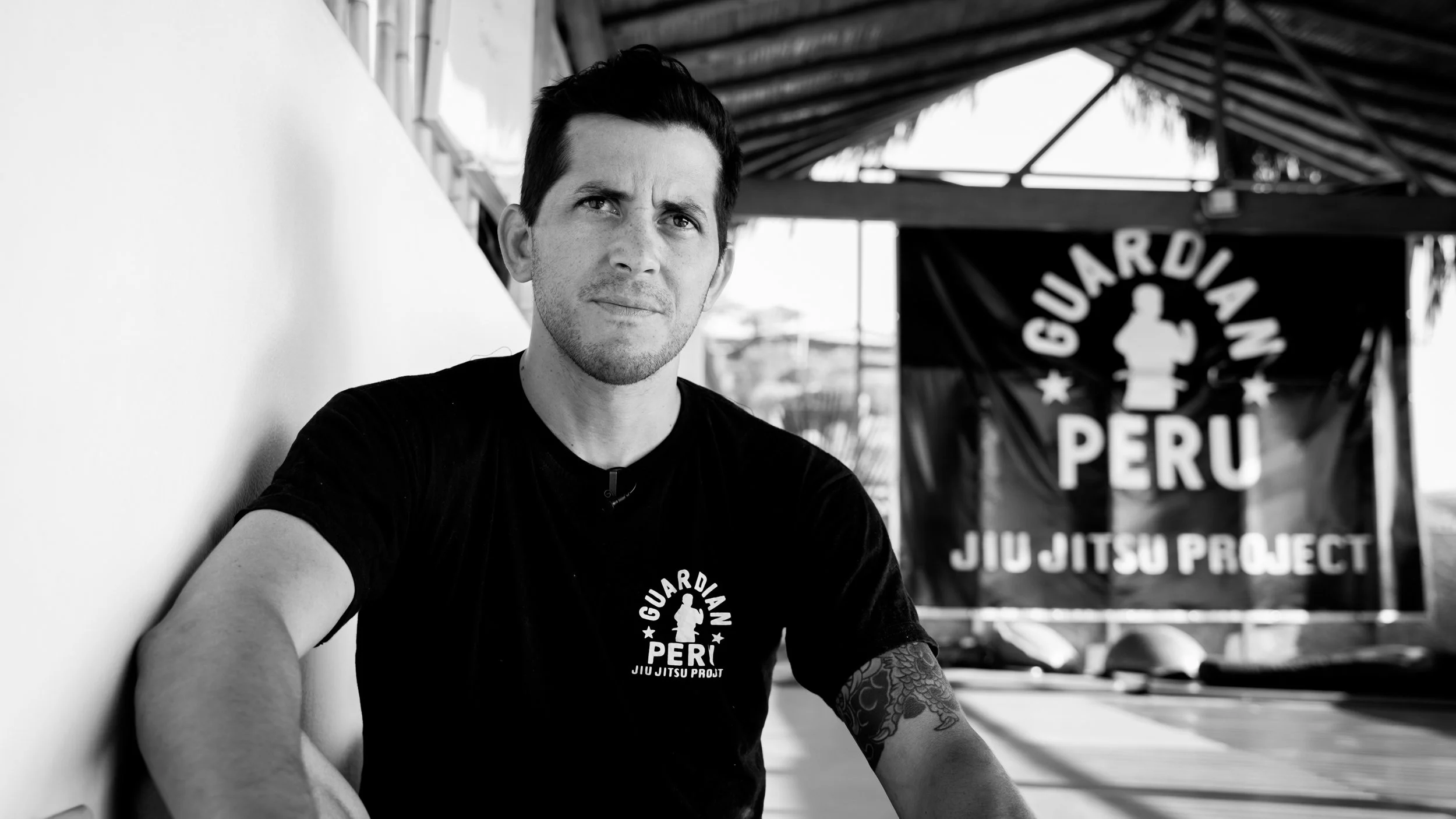
Salvatore Sanguinettiはブラジリアン柔術の黒帯二段で、マンコラにあるGuardianのペループログラムを創設し、率いています。リマ生まれで7歳から武道を始め、アメリカでYamasakiチームのもとで練習したのちペルーに戻りました。乱暴で手のかかる子どもを「排除すべき問題」ではなく「限界を求めている子」と捉え、かつていじめる側だった子が今では年下の子の面倒を見て、サーフィンに連れて行っている例を挙げています。
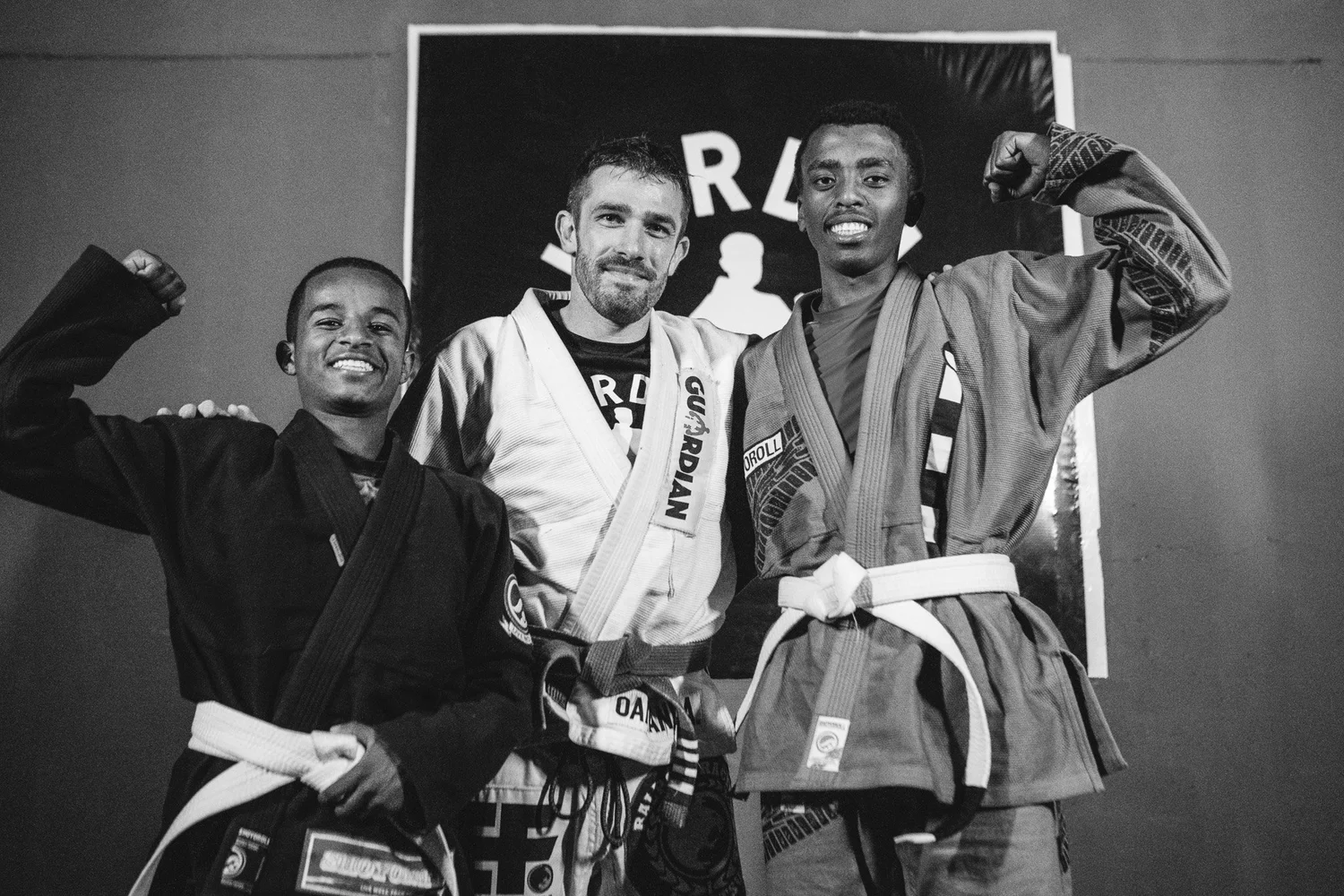
Calder PowersはGuardian Project全体のエグゼクティブディレクターです。荒れた思春期を経て18歳で柔術に出会いました。卒業は無理だと言われていた状態から、翌学期にはコミュニティカレッジでオールAを取るまでになり、柔術を「人生を切り替えたスイッチ」と表現しています。現在はペルーのプログラムを定期的に訪れています。
About the Gym
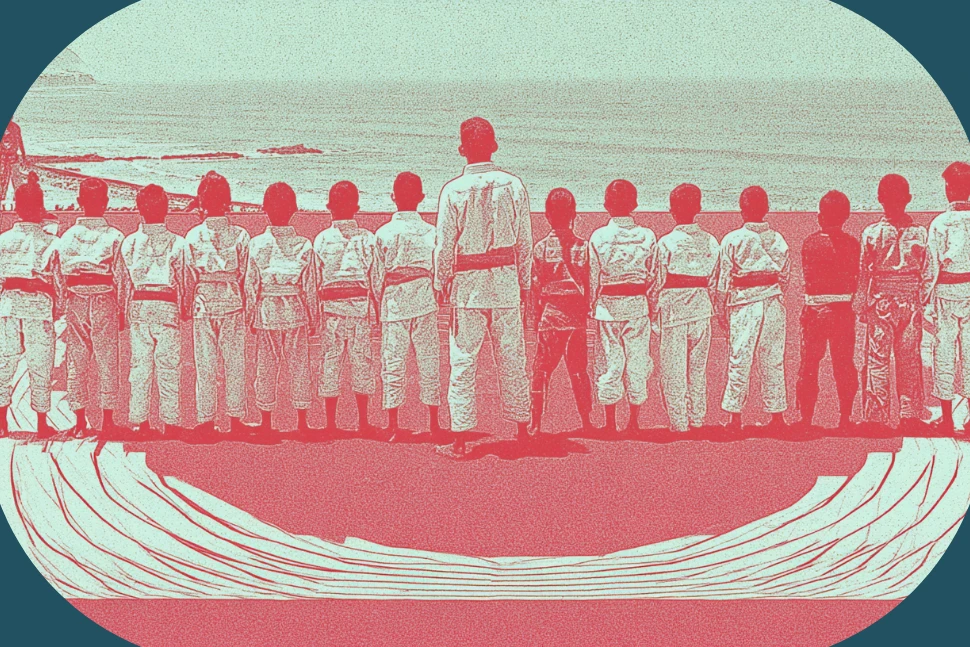
Guardian is a philanthropic 501(c)(3) program that brings Brazilian jiu-jitsu into under-resourced communities, with a focus on kids. Training is free. In Peru it runs six academies, with its new headquarters in Máncora in the Piura Region, and the wider Guardian Project counts 36 locations across Latin America, Africa, and Asia, including a program in Ethiopia where 35 of the kids who train are homeless.
Guardian Peru began with Salvatore Sanguinetti's mats. He started a social project in Piura around 2013, recruiting kids who cleaned windshields at the stoplights, moved north after the 2017 El Niño floods, and reopened in his own living room in Máncora after his newborn son recovered from pneumonia.
During the pandemic, Calder Powers tried to send him donated gear from Oakland and the two decided it made more sense for Guardian to fund the program instead. It was the organization's first international site; the ask was fifteen kids, and there were thirty or forty by the end of the first year. The current HQ was sponsored by the Fair Fight Foundation after a three-day visit.
Guardian covers its own overhead, so a donation goes to a program, and donors can choose which academy receives it. Calder's suggestion for anyone who wants to get involved is to visit Peru and see it.
Máncora (HQ), Piura Region
Av. Piura, Máncora, Piura Region, Peru, in the town center, about half a block off the Panamericana highway, across from Odisea Restobar (Av. Piura 501). Filmed in Máncora only, with a short walking recap in Lima.
Summary
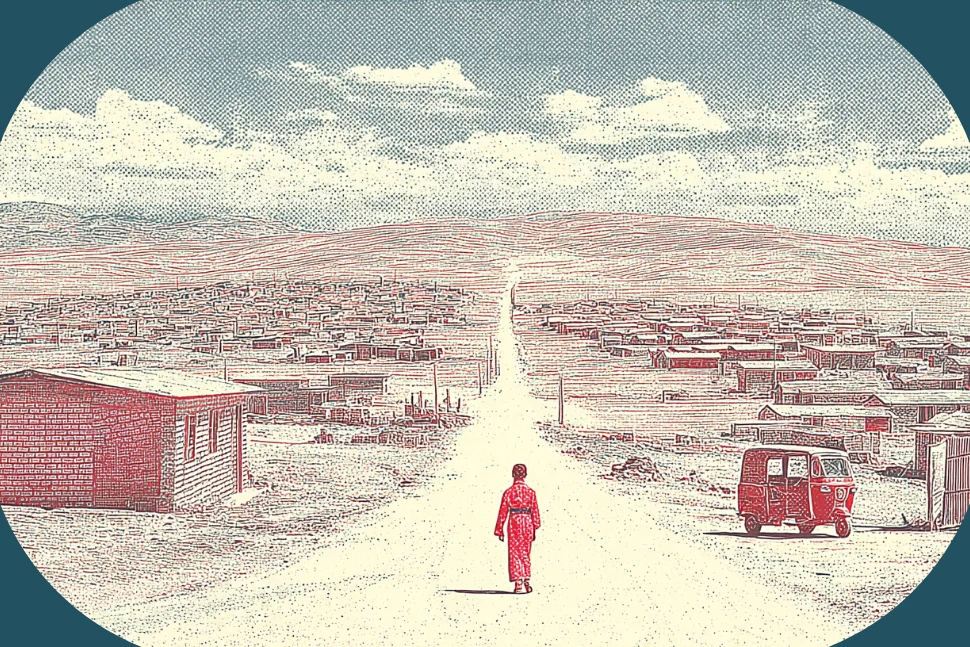
Part 1 asked what the kids were carrying. Part 2 asks what the training costs, and who pays. Alex Cuevas rides a tuk-tuk out past the cemetery to the barrio where Lening lives, eats lunch at the house Lening's father keeps building, sits down with Oscar and Jeison at the same table, and ends the day at the key shop where Favio, 15, works with his family and lifts with weights he poured out of concrete into old paint buckets.
The number behind the title is Alex's own arithmetic at the key stand: twenty keys on a good day, about a dollar of profit each, twenty dollars for the whole family. A monthly dojo fee is not a stretch on that income. It is out of reach. Between the visits, Salvatore Sanguinetti and Calder Powers tell how Guardian Peru started—a pandemic gear donation that became a decision to fund the program Salvatore already had on his living-room floor—and how a donation can be pointed at one academy. The kids close their own film with a message to the world.



.png)