
6人から1,200人の学生:実際のジムの成長は実際にはどのようなものか

メンバー数が50人で、100人に達するかどうか疑問に思っています。または、「通常の」成長がどのようなものかわからないまま、来月ローンチする予定があるかもしれません。
Instagramの投稿にはすべて満員のマットと順番待ちリストが表示されますが、6人から90人までの実際のタイムラインや、高原を突破するために実際に何が必要かを共有している人は誰もいません。
ベンチマークが必要です。
「大げさだ」という投稿ではなく、実際の学生数は6か月、12か月、3年生です。
収益の計画、採用のタイミングの決定、順調に進んでいるのか、遅れをとっているのかを把握するためには、何が現実的かを知る必要があります。
不確実性は疲れ果ててしまいます。
18か月目に35人のメンバーがいるということは、持続可能なものを構築しているのか、それともほとんど生き残っていないことを意味するのかはわかりません。
実際に知っておくべきことは次のとおりです。 成長は直線的ではありません。停滞は誰にでも起こる。そして、特定の変化は、単に「ハッスルハード」になるだけでなく、50から90、つまり90から200へと急上昇するきっかけにもなります。
Gymdesk Originalsの数々のエピソードの中で、アレックスはジムがどのように始まったのか、そしてどのようにして今日のジムに成長したのかについて多くのことを学びました。
この投稿では、エピソード中に成長ストーリーを共有した8人のジムオーナーを紹介します。
野心的な目標ではありません。各マイルストーンにおける実際の学生数、そこに至るまでにかかったタイムライン、各成長段階のきっかけとなった特定のプログラムや変更。
ジムの成長の現実(誰もこれをInstagramに投稿していません)
成長データを見つけるのが非常に難しい理由は次のとおりです。初年度に6人の学生がいたことを誰も認めたくありません。あるいは、何が壊れているのかを突き止める前に、18 か月間 70 人のメンバーで頭打ち状態になっていたということもあります。
ソーシャルメディアの報酬「会員数が200人に達しました!」「1〜36か月目の実際の様子はこちら」ではなく、投稿してください。
厳選されたハイライトと月ごとの現実との間にギャップがあるため、ほとんどのジムオーナーは目が見えないままです。
ほとんどの武道学校は100〜150人の学生にサービスを提供しています。しかし、その平均値には、そこに至るまでにどれくらいの時間がかかったか、何人のオーナーが50歳を超えなかったか、ブレークスルーしたジムと行き詰まったジムの違いなど、ストーリー全体が隠されています。
データが実際に示していることは次のとおりです。 初期の成長が遅いのは正常です。
ほとんどのジムは、一桁の会員で始めています。1 年目は、コアコミュニティを確立してシステムを正しく構築することであり、すべての時間枠を埋めることではありません。
高原は予測可能です。約50人のメンバー(スケジュール容量)、100人のメンバー(管理崩壊)の壁にぶつかります。また、1つの場所が物理的に限界に達すると、再び壁にぶつかります。これらは障害ではありません。さらなる努力ではなく、特定の変更が必要であることを示すものです。
しかし、誰も話題にしないパターンは次のとおりです。 管理上のボトルネックは成長を阻害します。
請求や支払い失敗の追跡、手作業による出席状況の追跡、テキストメッセージによる見込み客のフォローアップに週10時間を費やしている場合、実際に成長を促すビギナープログラムやセカンドロケーションを立ち上げる能力がありません。
会員数が100人を超えるジムは、まず運営を自動化します。
弊社の便利な計算ツールで、管理に費やしている時間のうち、他の場所でどれだけの時間を費やしているのかを確認できます。
自動請求、 リードマネジメント、および 出席追跡 1週間に10~15時間まで無料でご利用いただけます。その時間は、より多くのクラスを教えたり、新しいプログラムを開発したり、新しい場所を開いたりするために使えます。
では、実際の成長とはどのようなものかを見てみましょう。
8つのジム、8つの成長ストーリー:実際の数字
さまざまな分野、場所、ビジネスモデルにわたる8つのジムの成長軌跡を分析しました。各マイルストーンにおける実際の学生数と、変曲点で何が変化したかを次に示します。
オクタ柔術: マルチロケーションのブループリント (50 → 1,200 以上)

OCTAの成長は2つの異なる段階で起こりました。
第 1 フェーズ: 8か月で50人のメンバーから200人のメンバーになりました。
その時、一つの大きなことが起こりました。彼らは「パイオニアプログラム」を立ち上げました。これは、初期メンバーを永久に料金に固定する価格体系です。値上げは一切ありません。
その保証は即座にロイヤルティを生み出しました。メンバーがエバンジェリストになったのは、新しいメンバーには得られないような価値が固定されていたからです。紹介が加速しました。
第 2 フェーズ: 「馬鹿げた」戦略による地理的拡大
本社から半径20分以内に店舗を開設しました。ランダムな拡張ではなく、戦略的なクラスタリングにより、ルイスと彼のチームは監督を維持し、カリキュラムを共有し、拠点間を効率的に移動できるようになりました。
今日: 5か所に1,200人以上の学生がいます。
一元的なメンバー管理、すべての拠点で一貫したカリキュラム、品質を維持するための定期的なブラックベルトトレーニングセッションを提供するフランチャイズダッシュボードを通じて管理しています。
レッスン: 定着率重視の価格設定(パイオニアプログラム)が基盤を築きました。地理的戦略 (20 分以内に馬鹿げた) により、文化を失うことなく事業を拡大することができました。また、組織化された運用により 5 か所の管理が可能になりました。スプレッドシートやテキストメッセージを使用して、複数のサイトにわたる 1,200 人以上の学生を調整することはできません。
10th プラネットロングビーチ: ビギナークラスのブレークスルー (6 → 100+)

チャイは6人の学生で始めました。60じゃないシックス。彼はそれがうまくいくかどうか疑問に思いました。
初年度は成長が遅かった。彼は12ヶ月目までに多分20人の学生に達した。それから彼はすべてを変えた一つの変更を加えました 彼は初心者向けのクラスを立ち上げました。
数か月以内に、会員数は6人から35人に急増しました。
3年生までに、彼はロングビーチのメインロケーションに90人の学生を迎えました。現在、彼はインランド・エンパイアで100人以上の会員を擁する2つ目の店舗を経営しています。
これが初心者クラスが重要だった理由です: 上級クラスは人を怖がらせます。
訓練を受けたことがない人は、青と紫のベルトで破壊されたくないでしょう。初級クラスはその摩擦を取り除きました。これにより、入るのが怖い人たちにとっても、安全な入り口ができました。
もう一つの賢い動き: 創設者価格。
初期メンバーは月額79.99ドルでロックインしました。会員数が増えるにつれ、彼は徐々に価格を引き上げました。50人の学生で100ドル、80人の学生で120ドル、新会員で140ドルになりました。しかし、創設者は依然として79.99ドルを支払っています。
この価格体系では、複数の階層が自動的に処理されます。 自動請求。100人以上のメンバーで誰がどのレートを取得するかを手動で追跡することはできません。
レッスン: ビギナークラスでは、脅迫の障壁を取り除くことで、5~6倍の成長を促すことができます。そして、創設者向けの価格設定により、 リテンション 同時に、価値を証明するにつれて段階的な値上げが可能になります。
💡 ジムオーナーからのアドバイス: ほとんどのジムのオーナーは、上級者のペースを落とすと考えているため、初心者専用クラスの開始に抵抗しています。しかし、逆のことが起こります。上級生がお互いにとってより良いトレーニングパートナーになり、そうでなければ空いてしまうような時間枠を埋めることができます。
10th Planetの初心者クラスは上級クラスを食い物にしませんでした。それでパイは大きくなった。
イーストオースティン柔術パーラー: ロケーション + ポジショニング (ローンチ → #1 オースティン)
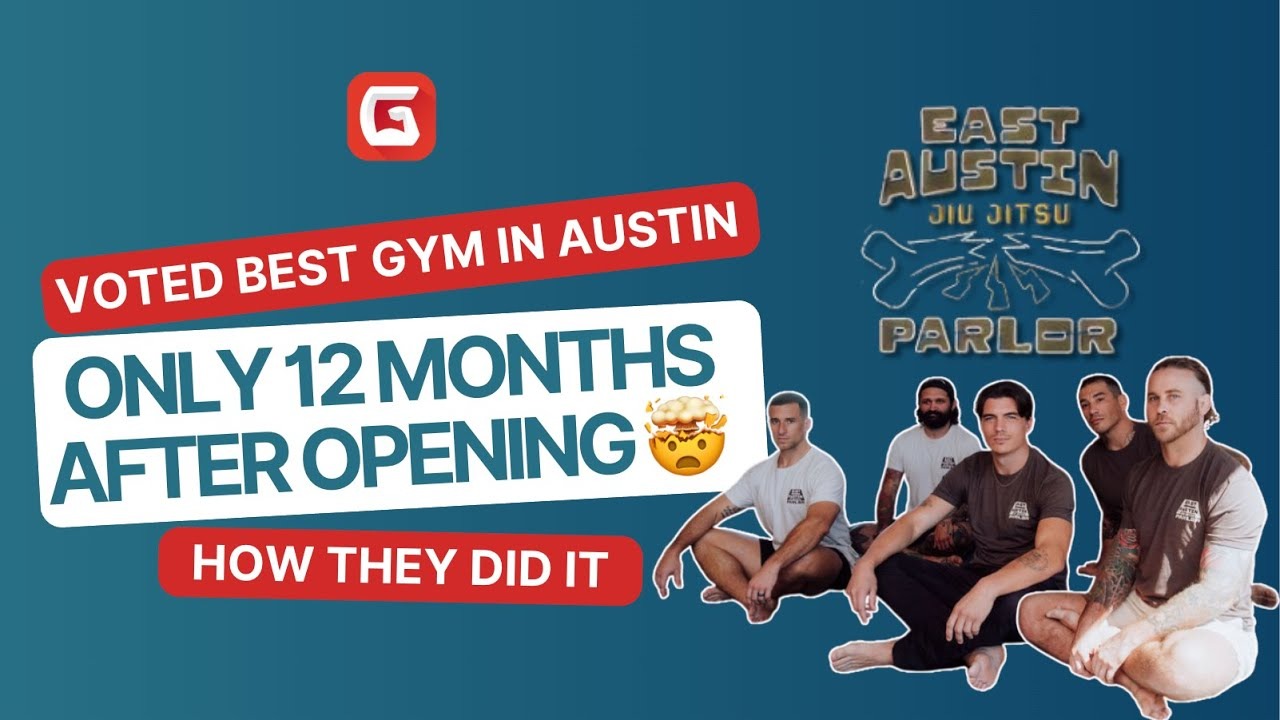
ウィリアムとビンスは戦略的に場所を選びました。 「オースティンで最も人口密度の高い場所。みんな26歳で、ここにはジムはありません。」
そこで気づいたのは、トレーニングを希望しているけれども、近くで利用できる選択肢がない若い専門家たちです。
発売前の戦略: 希少性に上限のある創設者プログラム。
彼らは1か月前にオープニングを発表し、最初のXメンバーにロックインファウンダー価格を提示し、緊急性を生じさせました。プリセールスは初日前から勢いを増しました。
彼らのポジショニングは意図的でした: 「通りのすぐそばで、柔術をするのが怖いみたいな人のためのトラックがあるんだ。魅力的で、親しみやすく、インクルーシブなものにすべきです。」 彼らは特に怖がりな初心者向けにファンダメンタルズトラックをデザインしました。
結果: 彼らは最初の1年以内にオースティンの #1 ジムになりました。
レッスン: 立地選択は重要です。人口統計(若い専門家)とアクセシビリティ(近隣の競合他社なし)をマッチングさせました。位置情報にマッチしたポジショニング (怖がりな初心者向けに基本第一)。また、ファウンダープライシングによるプリセールスは即時の収益と初期のエバンジェリストを生み出しました。
彼らがシステムについて話すとき、はっきりしているのは以下のとおりです。
「Gymdeskで作ったものすべてを自動的にフロントエンドのようにウェブサイトで利用できるのはとても助かります。」
彼らのウェブサイトでは、手作業による介入なしで、見込み客の獲得、治験のスケジュール設定、登録の処理を行っています。この統合により、重要な立ち上げ段階では、教育とコミュニティの構築に集中できるようになりました。
Fit & Fight:10人の子どもから、手狭になるまで
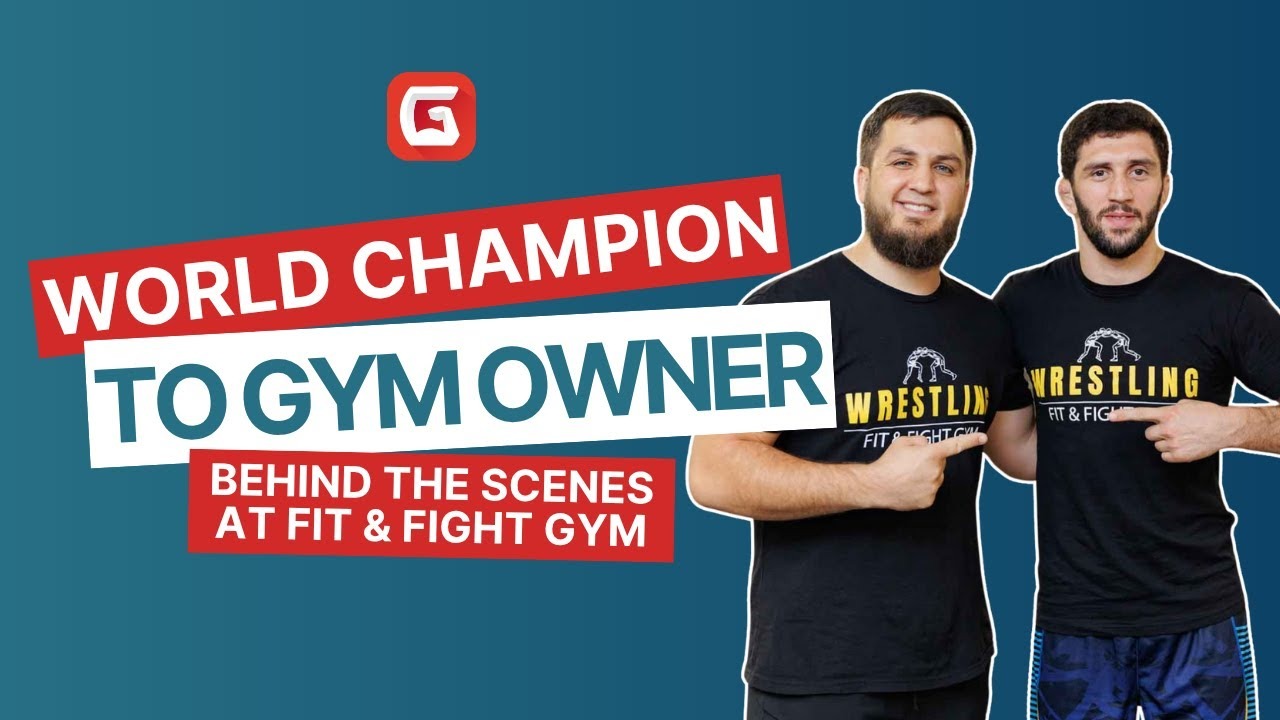
Artur Gasanovは、友人の子ども約10人からスタートしました。場所は、コロナ禍を乗り越えたテコンドー道場の空き時間でした。
6か月後にはその部屋が手狭になり、自分のジムを開きました。
開業から約3年半。Fit & Fightではムエタイ、柔術、レスリング、MMAを教えています。クラスは満員で、一度に最大40人ほどが練習しています。近くに2つ目のスペースを持つか、もっと大きなジムに移ることを検討中です。フランチャイズの話も持ちかけられていますが、まだその準備はできていないそうです。
請求まわりは、開業前から決めていました。開業の3〜4年前からマーケティングやソフトウェアの動画を見続け、ひとつのルールにたどり着いたのです。
「最初にやるべきことは、良いソフトウェアを用意すること。そうすれば、みんなからお金を集められる……紙とペンの古いやり方は大変だからね。」
当時は別の仕事もしていて、大家族もいました。手作業で支払いを追いかける余裕はありませんでした。
レッスン: すべてのジムが2年目に200人以上の会員を獲得する必要はありません。教室がいっぱいになる前、まだ選ぶ余裕があるうちに、請求を自動化しておきましょう。
また、早期に適切な運用(自動請求、リードトラッキング)を行うことで、会員数70〜100人のジムが死んでしまうような管理上の混乱を防ぐことができます。
アーガイル柔術: 新型コロナウイルスローンチ+ホームスクール・ハック(3-4ヶ月で0→70)

ポールはパンデミックの最中に立ち上げました。彼は最初の3~4か月で70人のメンバーを獲得しました。これは彼の拠点としては損益分岐点です。
この迅速なローンチを後押ししたのは、次の 2 つの要因です。
タイミング: COVIDにより、ホームスクールのPEエンリッチメントに対する需要が高まりました。
家族には子供向けの日中のアクティビティが必要でした。ポールはホームスクール特有のプログラムを作成し、その要望に応えました。現在、彼の2か所(アーガイルとジャスティン)には100人以上のホームスクールの子供がいます。
コンテンツ: 息子のエイデンとトビアスはソーシャルメディアコンテンツを作成しています。
1つの動画が400万回再生されました。本物の家族のダイナミクスがジムを親しみやすいものにしました。若い世代は、ほとんどのジムオーナーが理解していない方法でプラットフォームアルゴリズムを理解しています。
レッスン: ニッチプログラム(ホームスクールのPE)は、サービスの行き届いていない市場を開拓します。家族がコンテンツ制作に参加することで、信頼性とプラットフォームに関する専門知識が得られます。また、プログラミングを新しい需要パターンに適応させれば、異常な市場状況(COVID)時にローンチすることが、必ずしも不利になるわけではありません。
トゥー・ブリッジズ・ムエタイ:有機的なコミュニティの成長(外部→1クラスあたり30人以上)

Two Bridgesは、近所での屋外トレーニングとして始まりました。建物も事業計画もありません。一緒に修行したいと思っていた人たちばかり。
そして、ある日、あまりにも多くの人が現れました。彼らはそれを成立させた。
現在、1クラスあたり30人以上の人が定期的に参加しています。成長は完全に地域社会の口コミによってもたらされました。有料広告もソーシャルメディア戦略もありません。本物らしさと草の根のコミュニティ構築だけです。
レッスン: 紹介によるコミュニティファーストの成長化合物
メンバー数ではなく、来場者のために価値を創造することに重点を置けば、そうした人々が成長の原動力になります。
このモデルは会員数が1,000人にまで増えるわけではありませんが、持続可能で結束の固いコミュニティを構築します。多くのジムオーナーは、帝国を築くこと以上のことを望んでいます。
フォルテ柔術: リテンション・キング(初日から25日目 → 創業20人のうち18人が7年経ってもまだ研修中)
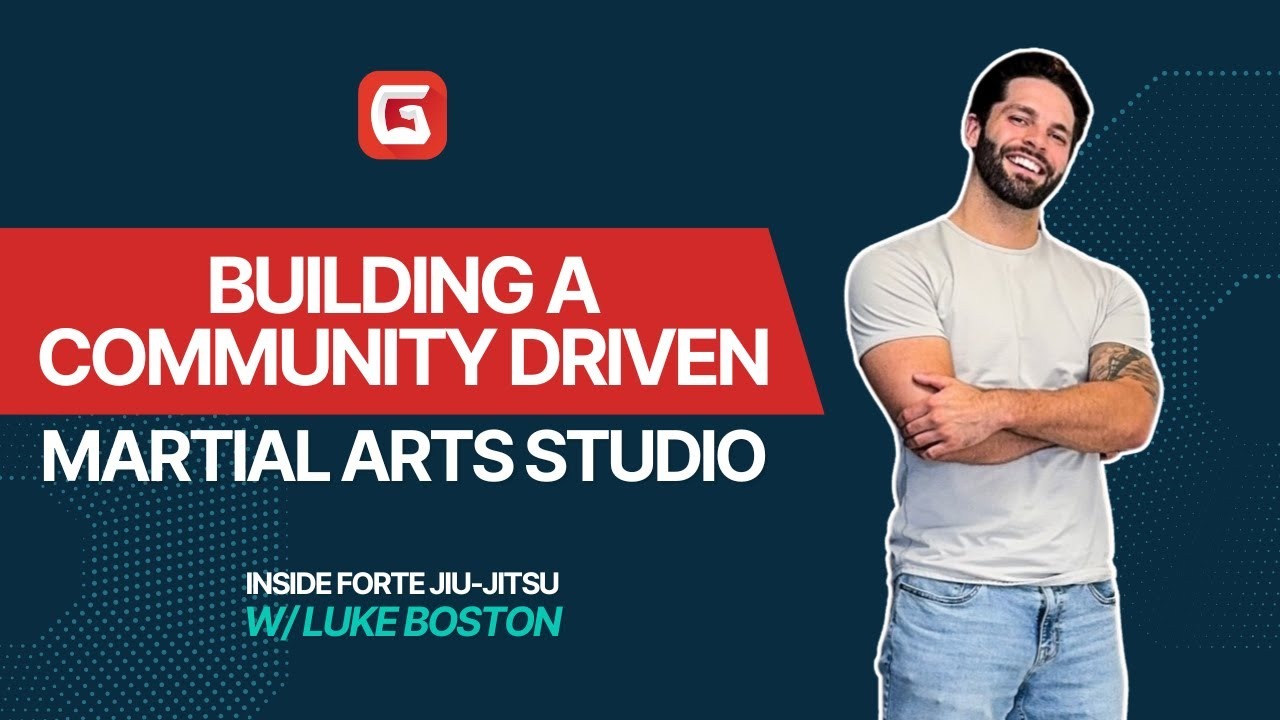
ルークは20人の創業者と一緒に月額100ドルで立ち上げました。7年経った今でも、その20人のうち18人がまだトレーニングを続けています。
これは7年間で90%の定着率です。これは、ほとんどのジムが毎年25〜30%の会員を失っている業界では例外的です。
彼の哲学: 「どうして競争して家族のコミュニティを築けないの?」 Forteは競技に重点を置いたジムで、家族経営の役割も果たしています。彼らはインテンシティとインクルーシビティのどちらかを選ぶのではなく、その両方を構築しているのです。
レッスン: 経時変化によるリテンションファースト成長化合物
これらの18人の創設者は紹介エンジンになりました。彼らは友人、家族、同僚を連れてきました。定着率重視の緩やかな成長は、解約したメンバーを絶えず入れ替えている買収の流れに勝ります。
そして、運用上の現実は次のとおりです。 7年前に月額100ドルでロックインしていた創業者が、新規メンバーが150ドル以上を支払っていた場合、管理には自動請求が必要です。
7 年間にわたって価格が変更されても、90 人以上のメンバーの価格帯を手動で追跡することはできません。
ネオ・マーシャル・アーツ:地下室から商業施設(地下室→62階→拡張)

パトリックは地下室から始めました。新型コロナウイルスの感染拡大の間、彼の生徒数は最大62人になりました。文字通りこれ以上多くの学生を収めることはできませんでした。
そのため、商業スペースへの拡大が余儀なくされました。そして、その移行の間、彼はより優れたシステムを実装しました。
結果: リードソースの完全な変革。
プレシステム: 90%の紹介と口コミ。 ポストシステム: 「私が電話に出るたびに、それは『グーグル経由、グーグル経由、グーグル経由』です。」
SEOの変革はウェブサイトの統合によってもたらされました。
彼のサイトでは、見込み客を自動的にキャプチャし、イントロクラスをスケジュールし、自動メールを送信しています。見込み客は検索を通じて彼を見つけ、オンラインでトライアルを予約し、パトリックがプロセスに触れることなく現れます。
レッスン: スペースが大きくなるのは良い問題です。物理的な制約により、操作を順調に進める必要があります。また、(事業が忙しくなった後ではなく) 拡張中に自動化を導入すれば、無秩序な成長ではなく管理しやすくなります。
⚡ クイックウィン: 見込み客がイントロクラスを直接予約できるようにウェブサイトを設定しましょう。電話タグは必要ありません。Patrick は、ファーストクラスの予約をオンラインで行えるようにしただけで、90% の紹介主導型から「Google を通じて、Google を通じて、Google を通じて」になりました。ほとんどのジム管理システムはウェブサイトに直接接続するため、リードはあなたが寝ている間も年中無休でトライアルを予約できます。
実際に成長を促すもの:効果があった5つの変化
これら8つのジムで、5つの具体的な変化が繰り返し成長を促しました。
変更 #1: 初心者向けプログラミング
10th Planetは、初級クラスを開始した後、6人から35人に急増しました。
なぜ効果があるのか: 上級クラスは、忠実な長期会員になろうとする人々そのものを怖がらせます。トレーニングを受けたことがない人は、60 分間に 12 回提出されたくないでしょう。初級クラスはその障壁を取り除きます。
ジムのオーナーは、初心者向けのプログラムを開始した後、新規会員のコンバージョン率が大幅に高まったことを一貫して報告しています。
実装: 授業時間の分割(「初心者でもどのクラスにも参加できる」というわけではありません)、カリキュラムを明確に伝え、意図的にペースをコントロールします。柔術が下手でも安心できるようにしましょう。
変更 #2: ファウンダー価格プログラム
OCTA、10th Planet、Forte、イーストオースティンはすべてファウンダープライシングを使用していました。二重のメリット:
- 即時収益: プリセールスと早期会員登録により、ジムが成果を上げることが証明される前にキャッシュフローが生まれます。
- ロックインロイヤルティ: Forteが7年間で90%のリテンション率を維持していることは、その力を示しています。メンバーは、将来のメンバーにはアクセスできない価値を得ているとわかれば、エバンジェリストになります。
実装: 期間限定(最初の50人のメンバー、最初の90日間)、永久価格ロック、希少性の明確な伝達。その後、価値を証明してキャパシティを埋めるにつれて、新規メンバーの価格が段階的に値上げされます。
変更 #3: ニッチなプログラム開発
アーガイルのホームスクール体育プログラムには、100人以上の子供が加わりました。Novaのキッズプログラム(50~60人の子ども)は、ご家族のメンバーシップを促進します。親は子供の成長を見てから参加します。
なぜ効果があるのか: お住まいの地域のすべてのジムと同じ成人会員を求めて競い合っています。でもホームスクールの体育は?十分なサービスを受けていない人々のための昼間の授業?これはほとんどのジムが無視している市場格差です。
実装: スケジュール・アービトラージ(他のジムが空いている日中の空き状況)、お住まいの地域の人口統計上のギャップ(ホームスクールの家族、女性専用、シニア)、または補完プログラム(保護者のメンバーシップを促進するキッズクラス)を探してください。
変更 #4: ロケーション選択 + ポジショニング
イーストオースティンの創設者ウィリアムは次のように明言しています。 「オースティンで最も人口密度の高い場所。みんな26歳で、ここにはジムはありません。」
彼らは、人口統計(若い専門家)と、アクセシビリティ(近くに競合他社はいない)、ポジショニング(おびえた初心者向けの基本)をマッチングさせました。
レッスン: 立地は家賃だけではありません。それは、人口動態の適合性、競争密度、そして自分のポジショニングが近くに住んでいる人に合っているかどうかです。
変更 #5: ソーシャルプルーフとコンテンツ
アーガイルの息子たちは、視聴回数が400万回に達したコンテンツを作成しました。Two Bridgesは、すべてオーガニックな口コミを通じて成長しました。どちらも、真正性が洗練されたマーケティングに勝ることを証明しています。
なぜ効果があるのか: 人々がジムに参加するのは、友人がそこでトレーニングをしたり、本物の人(モデルではない)が本物の体験をしているのを見たりするからです。コンテンツを作成する家族は、高齢のジムのオーナーにはしばしば欠けている本物性とプラットフォームの専門知識の両方を提供します。
運用上の現実: 支払い失敗の追跡に週10時間を費やしたり、出欠を手動で追跡したり、テキストメッセージで見込み客をフォローアップしたりしている場合、これらの変更を実装することはできません。
運用を自動化することで、実際に成長を促進するものに集中できるようになります。これは理論上の話ではなく、メンバーが 50 人にとどまるか、100 人以上に突破するかという違いです。
タイムラインチャート:いつ何を期待するか
プロファイリングされた8つのジムに基づいて、現実的な成長タイムラインは次のようになります。
1~6 か月目 (ローンチフェーズ)
期待: ゼロから始める場合は 6 ~ 25 人のメンバー
例: 10th Planetは6人でスタート、Fit & Fightは約10人の子どもでスタート
フォーカス: コアコミュニティを確立し、システムを正しく構築し、クラスが空になっても慌てる必要はありません
収益の現実: まだ利益が出ていません。ファウンダープライシングはこのギャップを埋めるのに役立ちます。
7〜12か月目(最初の成長期)
ターゲット: 成長が順調であれば30~50メンバー
例:10th Planetは12か月目までに約20ヒットし、その後ビギナークラスで成長を牽引しました
フォーカス: ここから初心者向けプログラムやニッチなプログラムが成果を上げ始めます
収益の現実: 経費が抑えられれば損益分岐点に近づく
2年目
持続可能なジム: 40-70人以上のメンバー
例: NEOは地下の教室で62人が上限に、10th Planetはビギナークラス開始後に35〜40人
フォーカス: これはほとんどの事業所にとって損益分岐点です。管理者がボトルネックになり始めています。まだ自動化していない場合は、請求、リードトラッキング、出欠管理を自動化する必要があります。
収益の現実: システムが効率的であれば収益性が高い
第 3 学年
ヘルシーな軌跡: 70-100人以上のメンバー
例: 10th Planetは90人、OCTAは200人(50人から8か月)
フォーカス:クラスの規模、スケジュールの密度など、キャパシティに関する疑問が浮かび上がってきます。2 人目の講師またはスケジュールの延長を検討してください。
収益の現実: 高い収益性が再投資を可能にする
4歳から5歳以上
成長フェーズ: 1つのロケーションに100~200人以上のメンバーが在籍
マルチロケーションが実現可能になる:10th Planetがインランドエンパイア(100か所以上)をオープンし、OCTAを5か所(合計1,200か所以上)に拡大
フォーカス: 運営は組織化されなければなりません。混乱は起こりません。フランチャイズダッシュボード、一元管理、場所を問わず一貫したカリキュラム。
収益の現実: エンパイアビルディングかライフスタイルビジネスのディシジョンポイント
💡 ジムオーナーからのアドバイス: 設立後ではなく、最初の 90 日以内にファウンダー価格を設定してください。OCTA、10th Planet、Forte、イーストオースティンはすべて、初日からファウンダー価格を使用していました。最も必要なときに即座にキャッシュフローを生み出し、最高のマーケティング担当者となる忠実なコアを築きます。7年前に79.99ドルでロックインしていた創業者は?彼らはまだトレーニング中で、友達を紹介し続けています。
これらのタイムラインは、奇跡的なマーケティングではなく、一貫した努力を前提としています。多くの場合、成長は遅ければ遅いほど健全です。顧客維持を重視した成長が、顧客離れにつながるトレッドミルを上回ります。
「成功」とは実際どのようなものか (必ずしも1,000人以上のメンバーとは限りません)
これら8つのジムが実際に構築したものに基づいて、成功を再定義してみましょう。
2 つのブリッジ: クラスあたり30人以上、緊密なコミュニティ、オーナーの持続可能な収入—成功。
フォルテ: 7年経っても創業者の定着率が 90% 以上、競争重視の家族コミュニティ、つまり成功
アーガイル: 3 ~ 4 か月で 70 人のメンバーが損益分岐点に達し、ホームスクールのニッチな場所で 2 か所を運営し、成功を収めました。
オクタ: 5 か所で 1,200 社以上、フランチャイズの枠組み、フルタイム運営 — 成功
4つすべてが成功しています。しかし、彼らはまったく異なるビジネスを構築しています。
- Two Bridgesは、規模よりもコミュニティの親密さを優先しました
- Forteは、迅速な買収よりも顧客維持と企業文化を優先しました
- アーガイルはニッチ市場を特定して獲得しました(ホームスクール)
- OCTAは組織的な運営により複数の拠点を持つ帝国を築き上げました
成功の定義は、目標によって異なります。
- ライフスタイルビジネス: 50~100人のメンバー、教育に重点を置いた、管理しやすい管理者、高い利益率、家族とトレーニングのための時間
- 成長事業: 100~200人以上のメンバー、システム重視、講師の採用、利益の再投資、着実な拡大
- エンパイアビルディング: マルチロケーション、フランチャイズ、500~1,200人以上のメンバー、運営の複雑さ、出口の可能性
3つすべてが有効です。他の誰かが3番目の店舗に事業を拡大しているのに、75人のメンバーからなる収益性の高いジムを運営しているからといって、Instagramに遅れを感じさせないでください。さまざまな目標、さまざまな成功指標。
プラトー問題 (そしてこのジムの突破経緯)
特定のメンバー数では、予測可能な 3 つの停滞期が発生します。
50人のメンバーからなる高原
症状: スケジュールは既存のクラスで上限に達しています。現在の時間帯にこれ以上人を収容することはできません。
実際に壊れているもの: プログラムの提供。1つのユーザー層(上級学生)にサービスを提供しているが、最大の成長セグメント(怖い初心者)は無視している。
解決策: 初心者向けのプログラム(10th Planet)を開始したり、ホームスクールのPE(アーガイル)などのニッチなサービスを追加したり、インストラクターの対象範囲を拡大してスケジュールを拡大したりできます。
100人のメンバーからなるプラトー
症状: あなたがボトルネックです。すべてのクラスを指導し、すべての管理者を処理し、支払いを追跡し、すべてのリードを個人的にフォローアップします。
実際に壊れているもの: オペレーション。自動化すべき作業を手動で行っている。
解決策: 拡張する前に運用を整理しておきましょう。自動請求、リードトラッキング、勤怠管理により、1 週間あたり 10 ~ 15 時間を節約できます。
NEOは、地下室から商業施設への移行中にシステムを実装しました。これにより、リードソースを変革し、管理業務に煩わされることなく成長を実現できました。
100 人以上のメンバーがいると、誰が何を借りているのか、今月の出席者は誰なのか、どのリードをフォローアップする必要があるのかをスプレッドシートで追跡することはできません。この停滞期を突破したジムが最初に自動化されます。
シングルロケーションの天井
症状: 物理スペースが限界に達しました。空きがないため、これ以上クラスを追加することはできません。また、既存のクラスにこれ以上人数を入れることもできません。
実際に壊れているもの: 地理的制約。
解決策: 2つ目のロケーション(10th Planetは100人以上のメンバーでインランドエンパイアをオープンし、アーガイルはジャスティンロケーションを開設)、またはより大きな施設に移動(NEOは地下室から商業スペースに移動しました)。
OCTAの「馬鹿げた戦略」は参考になります。本社から半径20分以内に拠点をオープンしたのです。文化と監督を維持するのに十分近く、新しい人口統計にアクセスするには十分遠い。これにより、5つの拠点で1,200人以上のメンバーに拡大することができました。
成長を阻害するよくある間違い
ジムでは4つのパターンが繰り返し失速します。
間違い #1: 業務を順調に進める前に成長しようとする
スプレッドシートやテキストメッセージで90人以上のメンバーを管理することはできません。管理体制の崩壊は、メンバー70~100人前後で起こります。
最初に壊れるもの: 請求(失敗した支払いが山積みになる)、見込み客のフォローアップ(見込み客が見落とされる)、出席トラッキング(誰が離脱したのかは、彼らが辞めるまでわからない)、コミュニケーション(重要な更新はメンバーに届かない)
修正方法: 自動請求、リード管理、および出席追跡は、70人以上のメンバーにとって「あると良い」ものではなく、運用上の必需品です。ここで紹介したジムは、水没後ではなく、拡張前にシステムを実装していました。
間違い #2: 初心者体験を無視する
上級生は成長をもたらしませんが、アクセシブルな初心者向けプログラムは成長をもたらします。
10th Planetは、初級クラスを始めるまで、6人の学生と格闘していました。それから、6 → 35 → 90 になりました。ブレークスルーは「もっと頑張る」ことではありませんでした。それは「おびえた初心者の障壁を取り除く」ことでした。
ジムのメンバーシップの多くは、最初の数か月後に使用されなくなります。
多くの場合、新会員は上級クラスに圧倒され、能力を伸ばせず辞めたことが原因です。初心者向けのプログラミングがこれを解決します。
間違い #3: あなたの1年目を他の誰かの5年目と比較する
インスタグラムはタイムラインを歪めます。ジムの会員数は300人で、最初の24か月で出席率が1桁だったわけではありません。
10th Planetは6人の学生でスタートし、1年目は大変でした。Fit & Fightは、Arturの友人の子ども約10人からスタートしました。
18 か月目のメンバー数が 35 人であれば、通常の増加率で追跡していることになります。遅れていません。
間違い #4: リテンションシステムがないと成長が早すぎる
フォルテの 90% リテンション 平均8か月滞在する200人のメンバーをかき集めるよりも、7年以上続く方が効果的です。
数学: 定着率 90% で50人のメンバー = 友達を紹介し、コミュニティを構築し、文化を創造する安定したメンバー45人。40%の定着率で200人のメンバー = 絶え間ない獲得プレッシャー、リボルビング・ドア・カルチャー、そして離脱したメンバーは常に入れ替わっています。
小規模なフィットネススタジオは、通常、大規模なジムよりも定着率が高い—従来のジムの60%に対して、平均75〜80%のリテンション率を示しています。これは、幅よりもコミュニティの深さが重要だからです。
まずリテンションに焦点を当てます。成長はついてきます。
成長はプロセスだ、意図的に行動せよ
これで、比較できる実際のベンチマークができました。インスタグラムのハイライトではありませんが、実際の学生は異なるステージの8つのジムから数えています。
6人のメンバーで成功するかどうか疑問に思っているなら、10th Planetもそこから始まりました。
50歳で行き詰まったら、10th Planetのような初心者向けプログラムを立ち上げるか、アーガイルのホームスクールPEのようなニッチなサービスを追加するか、事業を整理して成長を促進するためのキャパシティを確保してください。
ローンチを計画している場合は、イーストオースティンのロケーション戦略(デモグラフィックマッチ+ポジショニング)、アーガイルのCOVIDローンチ(市況への適応)、Forteの創設者価格設定(初日からリテンションファースト)を検討してください。
成長は直線的ではありません。高原は正常です。そして、ビギナークラス、ファウンダープライシング、ニッチプログラム、組織化された運営など、特定の変化が次の段階を後押しします。
ここで紹介するジムは、30人のコミュニティクラスから、1,200人のメンバーが参加するマルチロケーション運営まで多岐にわたります。すべて成功しました。すべて持続可能。すべて一桁のメンバーから始まりました。
あなたのタイムラインは彼らのものと完全には一致しません。
さまざまな市場、さまざまな分野、さまざまな目標。ただし、初心者向けの障壁を取り除き、ファウンダープライシングを実装し、事業を拡大する前に業務を自動化し、買収よりも顧客維持に重点を置くというパターンが成り立ちます。
成長を管理するには、成長に合わせて成長するシステムが必要です。請求、見込み客のフォローアップ、出席追跡に週10~15時間を費やしていると、ビギナープログラムや、次の成長フェーズを牽引するセカンドロケーションを立ち上げるためのキャパシティがありません。
操作を自動化することで、その時間を解放できます。高原を突破したジム(10th Planet、OCTA、NEO、East Austinなど)は、水没後ではなく、拡張前にシステムを実装していました。
Gymdeskが複数の場所で6人の会員から1,200人以上のジムをどのようにサポートしているかをご覧ください—自動請求、リードマネジメント、 出席追跡また、マルチロケーション管理により、実際に重要な成長戦略に時間を割くことができます。 30 日間無料でお試しいただけます。
ジムのオーナーからの本当の成長ストーリーをもっと見たいですか?ブラウズ ジムデスクオリジナルズの全エピソード。
Gym management software that frees up your time and helps you grow.
Simplified billing, enrollment, student management, and marketing features that help you grow your gym or martial arts school.