実際に効果のあるジムオーナーのアドバイス:成功したジムからの教訓

ジムのリテンションに関するアドバイスのほとんどは、理論的には素晴らしいと思います。コミュニティを構築しましょう。会員体験に焦点を当てる。価値を創造。
しかし、月曜日の朝、半分空いている授業をじっと見ていると、実際にはどういう意味ですか?
私たちのために ジムデスクオリジナル シリーズでは、あなたが今直面している問題を解決した成功したジムのオーナーを訪ねました。
コンサルタントではありません。理論家ではありません。 所有者。
COVIDロックダウン中にローンチし、4か月で70人のメンバーを獲得した人。ADHDや行動上の課題にもかかわらず、子供たちを何年も夢中にさせてきたのは誰ですか。4回場所を移動し、すべてのメンバーを維持しました。
彼らが苦労して学んだことは次のとおりです。
ジムのオーナーが最も苦労する 4 つの分野について、具体的な戦略が示されます。1 つは、立ち上げと育て、通常は脱落するメンバーの維持、初心者に負担をかけずに教えること、そして悪いマットや劣悪な場所でも生き残る文化の構築です。
各セクションには、学習できるジム、実行できる戦術、期待できる結果が含まれています。
エリアを 1 つ選択してください。今週から始めましょう。
ジムを立ち上げる方法(危機の最中でも)
最初の90日間で、ジムが存続するか廃業するかが決まります。
ほとんどの所有者は同じ間違いを犯します。 授業を分散しすぎて、マーケティングの前に需要を待って、勢いなく開幕する。
ここで紹介したジムは、パンデミックの最中に開設され、何百もの事前登録を生み出し、数か月以内に収益を上げました。
ここでは、クラスへの集中力、ローンチ前のマーケティング、そして忠実なメンバーの重要なコア構築について彼らが学んだことを紹介します。
初期の勢いを失う間違い
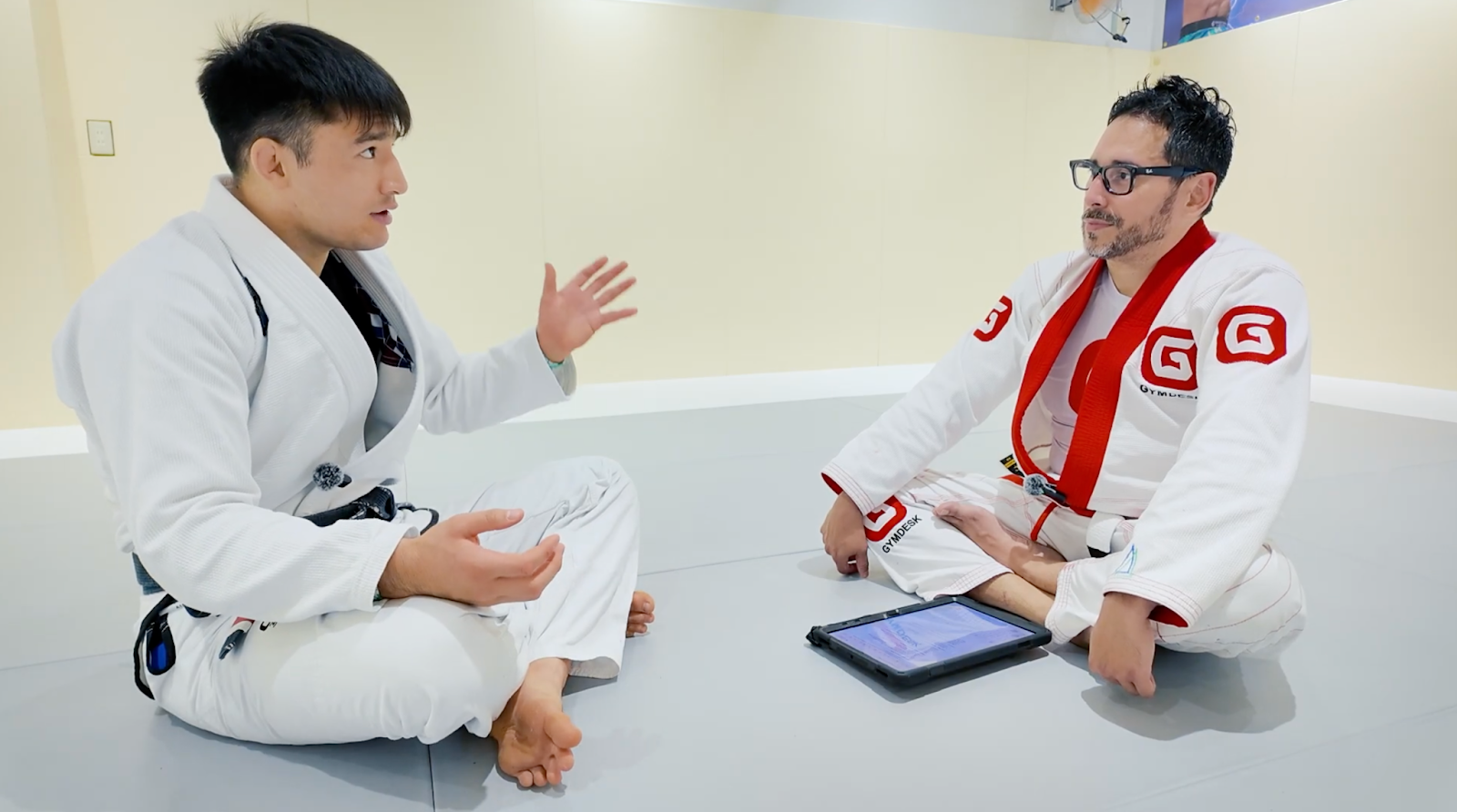
グラント・ボグダノフがオープン アルマ・ファイト・クラブ 熱意を持って東京で、できるだけ多くの時間帯にサービスを提供する予定です。毎日の授業。最大限のアクセシビリティ。
「私がしたことのひとつは、毎日授業を行うことでした。それは間違いでした。」 彼は今認めている。
学生を7日間にわたって細く分散させると、部屋に2人でいると気まずい感じがします。新しいメンバーが入ってきて、空きスペースを見て、あなたのジムは故障していると思い込んでいます。彼らは戻ってこない。
解決策は簡単でした。
グラントは、週に3日だけから始めることを推奨しています。月曜日、水曜日、金曜日。または火曜日、木曜日、土曜日。毎週同じ時間帯にルーチンを作ってください。
満員のクラスは活力を生み出します。 8人で一緒にトレーニングしていると、ムーブメントのように感じます。同じ8人が4つの異なる日に散らばっていると、苦労しているスタートアップのように感じます。
"Once you get a core of about 10 super loyal, super consistent customers, then you could have 100 people that are kind of built around that core of 10."
その忠実なコアがあなたのためにマーケティングを行います。
彼らは友達を連れてきます。彼らはソーシャルメディアに投稿します。彼らはより多くの人々を引き付ける雰囲気を作り出します。
出席状況を記録しておけば、いつクリティカルマスに達したかがわかります。次に、4 日目と 5 日目を加算します。次のようなツール 出席追跡 エネルギーを弱めずにクラスがいつスプリットを処理できるかを正確に示してください。
4か月で70人のメンバーにヒットした発売前戦略
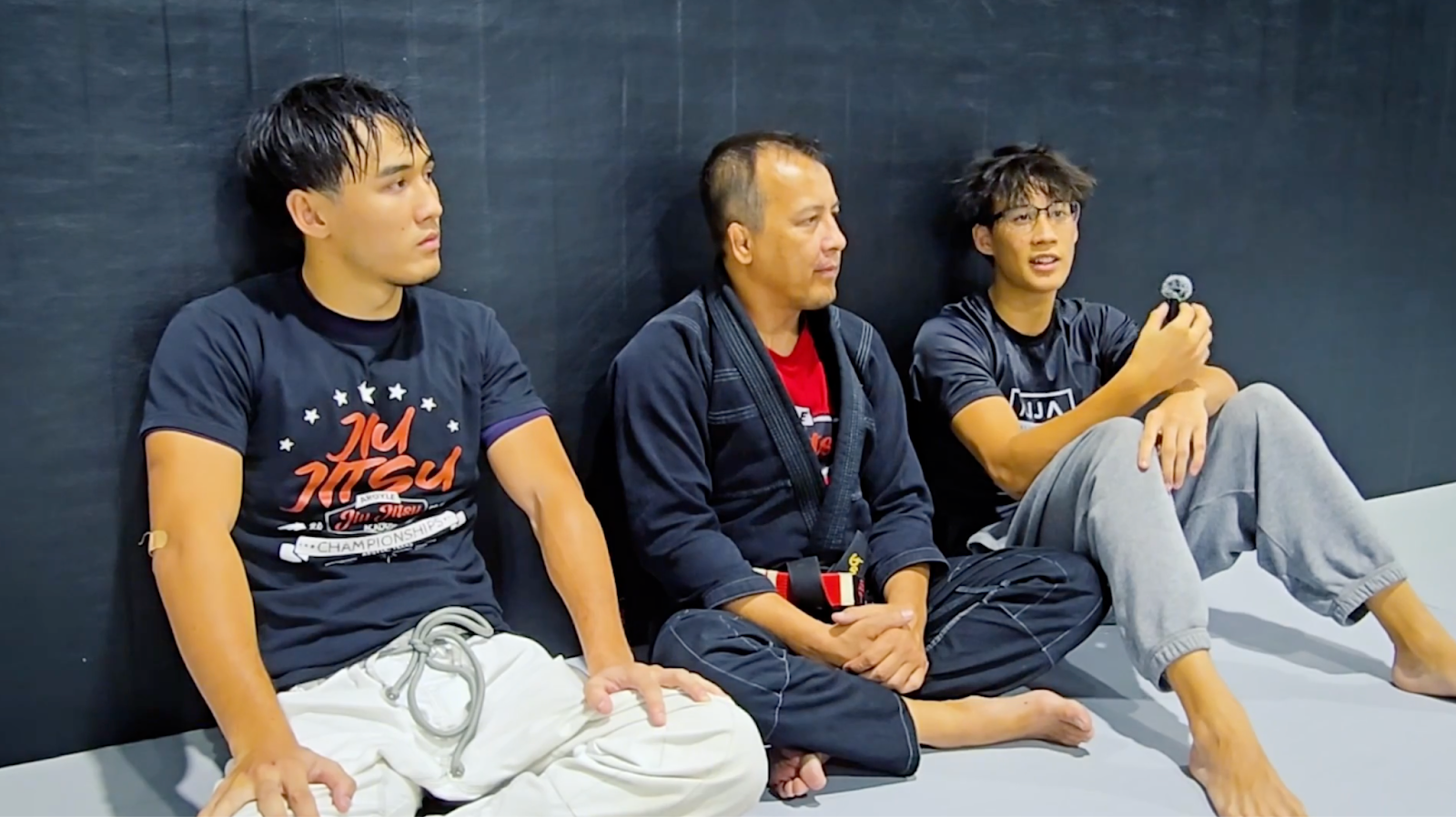
ポール・ギルマンは2020年2月のオープニングを計画していました アーガイル柔術 ダラスエリアで。
その後、COVIDがヒットしました。
ほとんどの人はそれを待っていただろう。ポールはとにかく4月に調整してオープンしました。
彼は開業予定の 2 か月前の 1 月にマーケティングを開始しました。フェイスブックの近所グループ。インスタグラム。地域の保護者コミュニティ。
メッセージはシンプルでした: 家族で柔術ジムをオープンします。アーリーアダプターには割引が適用されます。
ファウンダーズ・プログラムでは、1年間の契約が割引料金で提供されていました。ゲーム内の金融スキンは真の関心と「もしかしたらいつか」という好奇心を切り離します。
ドアが開く前に40人が署名した。
4月になると、15〜20人が実際に現れました。これは、登録から出席までのコンバージョン率が 40 ~ 50% で、正常です。そのための計画を立てましょう。
15~20人が初日に活力を生み出しました。気まずい空き部屋はありません。誰かがあなたのジムを気にかけてくれても不思議ではありません。その財団から、ポールは3〜4か月で70人の会員を獲得しました。
彼の損益分岐点は70でした。
彼はパンデミックの最中にたどり着きました。
THE FORMULA:
- Announce two to three months early
- Offer 20-30% off the first year for founders
- Require a commitment (six to twelve months)
- Expect about half of signups to actually walk through the door
イーストオースティン柔術パーラー 創業者の価格設定は永遠に固定され、戦略的なコミュニティで話題になったという同じプレイブックを使用し、最初の1年以内にオースティンクロニクルからオースティンのベストジムに選ばれました。
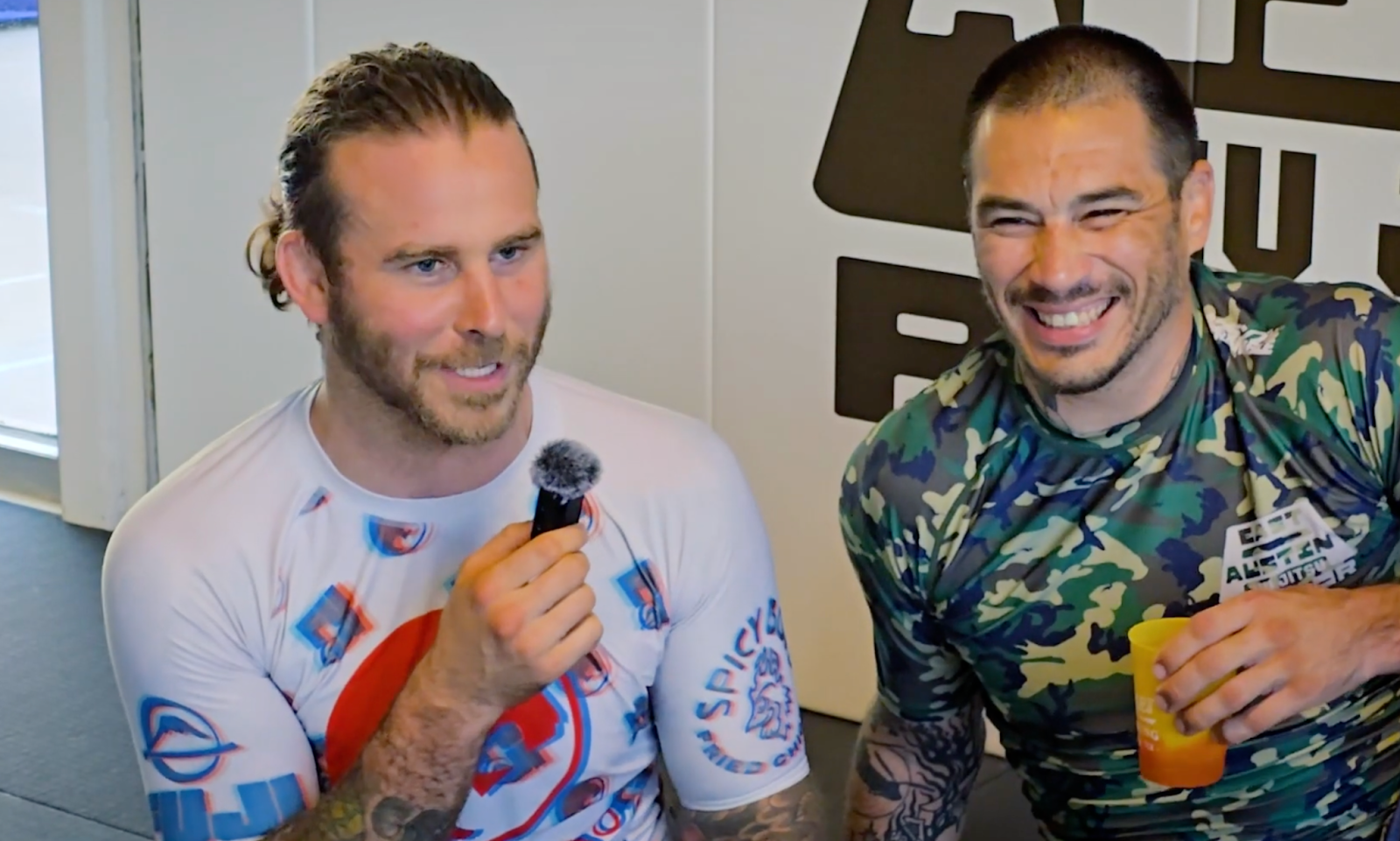
さらにアグレッシブな発売前の例としては、 レンゾ・グレイシー・イーストサイド 冬の間ずっとマンハッタンの街角に立って、未建設の空間の3DレンダリングをiPadで見せて、350件以上の事前登録を集めました。
開設から9か月以内に会員数が300人に達しました。
ローンチ前のマーケティングが効果的なのは、家賃を払う前にコミュニティを構築できるからです。これらの初期メンバーがあなたの文化を形成しました。彼らはアンバサダーになります。彼らはあなたの成功に投資しているので、オープニングウィークで避けられない問題を許してくれます。
スペースの鍵が手に入る前でも、ウェブサイトを使って早期登録を獲得しましょう。自動化されたウェルカムシーケンスにより、遅延や工事期間中もエンゲージメントを維持できます。
実際に有効なリテンション戦略
業界統計が語る ジム会員の半数が辞める 最初の6ヶ月で貴社のメンバーは、解決可能な特定の理由で退会します。あなたのジムが十分ではないからではありません。物理学、タイミング、家族のダイナミクスを扱ったことがないからです。
女性が脱落したとき:物理学の問題
ジェイソン・ランズ ノヴァ柔術 ニューヨーク州ロチェスターで。彼はこのパターンを何年も見てきました。女性たちは興奮して護身術を学ぼうとして参加します。
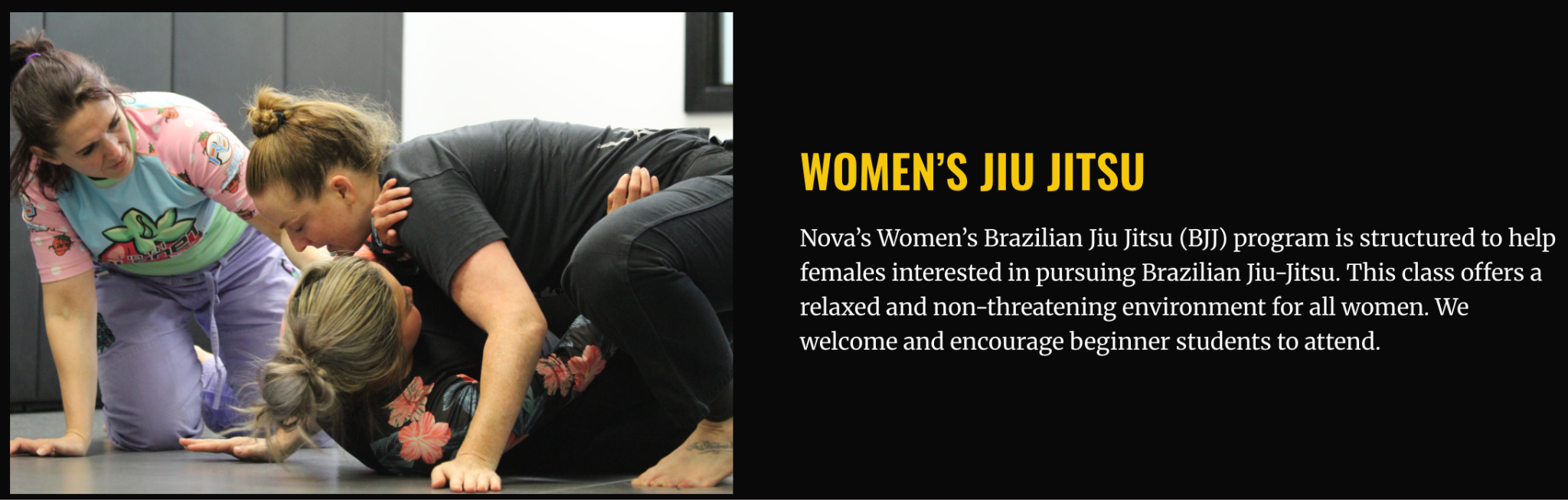
一ヶ月も経たないうちに、彼らはいなくなった。
説明は純粋な物理学です。
「115ポンドの女性と190ポンドの男性は、190ポンドの男性が240ポンドの男性と対戦するようなものです。」
物理的に圧倒されているときは、どんなにテクニックも役に立ちません。女性はそんなアーリーロールでは柔術を学んでいない。彼らは生き延びている。違いがあります。
Novaのソリューション: 女性専用のプログラムです。厳密に女子学生。二人の女性がお互いにテクニックを披露する。まずは基礎から。生徒が選んだときだけスパーリング。
このプログラムは7〜8年間実施されています。 3つの新しいパープルベルトが完成しました—物理学が自分に有利に働くときに女性が留まることの証明。
ジェイソンのアドバイスは直接的です:
「スケジュール通りにスペースを作り、そこから始めて、そこから成長していきましょう。」
最初に要求する必要はありません。スペースを作りましょう。部屋の中で自分の2倍の大きさの男性に押しつぶされるのは自分だけではないとわかったとき、女性はやってくるでしょう。
IMPLEMENTATION:
- One class per week
- Female instructor if possible, or at minimum two women demonstrating together
- Focus on technique, not intensity
- Let them decide when they're ready for co-ed training
これは分離の問題ではありません。大事なのは実際に学習できる環境を作ることです。
さらに詳しく 女性格闘技プログラム、安全性と進行に関しては、リテンションに大きな違いをもたらす特定の考慮事項があります。
初心者がやめるとき:スパーリングの問題
「多くの人が柔術をやめるのは、スパーリングが早すぎて、ファンダメンタルズが足りないからです。」 ジェイソンは説明します。
従来のモデルでは、初心者は2週間後に経験豊富な学生と合格します。初心者にはやられてしまう。彼らは無力だと感じる。彼らはファンダメンタルズが決まる前に辞めます。
Novaはスケジュールの 40% を純粋基礎の授業に充てています。「すべてのレベルに修正あり」というわけではありません。実際の初心者限定のトレーニングでは、白帯は最低3〜6か月間白帯で学びます。
ホセ教授は テイクオーバー柔術バッファロー 同じ問題が発生し、ビデオライブラリという別のレイヤーを追加しました。学生はログインして、授業で教えられたすべてのテクニックを復習できます。
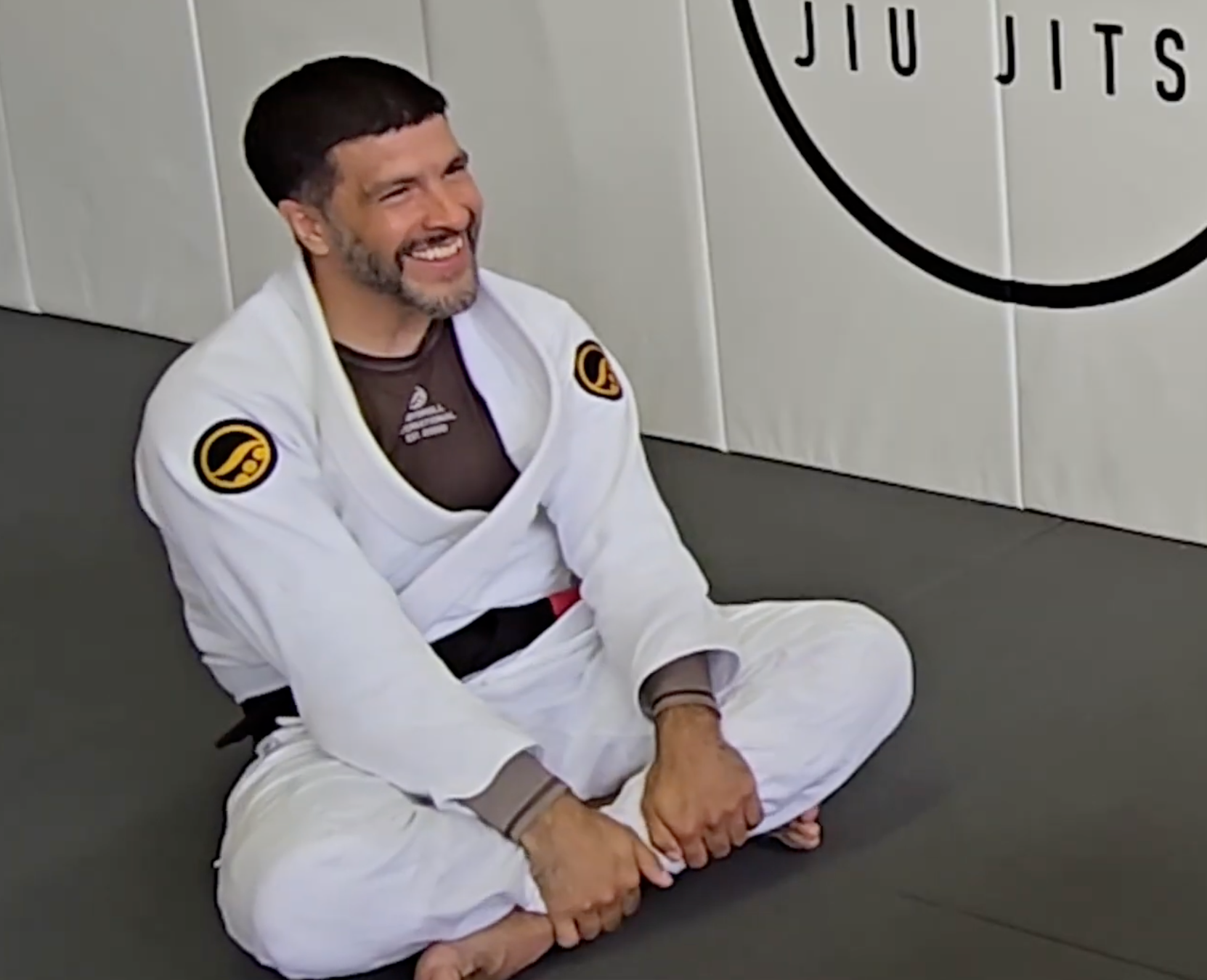
「私には従来の方法で学ぶ能力がありませんでした。」 ホセは認めます。 「巻き戻してもう一度見る必要がありました。」
彼は学習者として必要なものを作り、それを生徒たちに渡しました。初心者は自分のペースでテクニックを見ます。彼らは忘れる前に復習する。明日またその動きを参考にできるとわかれば、不安は和らぎます。
IMPLEMENTATION:
- Create a fundamentals-only track that runs parallel to advanced classes
- Limit sparring intensity for the first three months
- Match white belts with white belts initially
- Use skill tracking to gate advancement—students progress based on demonstrable ability, not time served
- Even smartphone recordings work for video libraries (upload to your platform or create unlisted YouTube links, send after every class)
子供がやめるとき:行動の問題
親が子供をジムから引き離すのには1つの理由があります: 行動上の問題。
彼らの子供は聞こうとしません。彼らは授業の邪魔をする。親は恥ずかしい思いをする。そしてキャンセルします。
ポール・ギルマンは、リトルイーグルスのプログラム(4〜7歳)で25〜30人の子供を管理していますが、行動上の問題はほとんどありません。彼の秘密は、韓国で6年間英語幼稚園を教えていたことにあります。
「6分おきに次のことに移るので、彼らにはふざける時間が足りない。」
アクティビティローテーション。 6分おきに何か新しいものがウォームアップゲームからテクニック、ドリルシフト、ポジションゲームシフト、フリープレイ、そしてまた戻る。60 分間のクラスで 8 ~ 10 のアクティビティ。
子供たちは飽きません。彼らには行動上の問題がエスカレートする時間がない。刺激は絶えず変化するので、認知的疲労は決して起こりません。
IMPLEMENTATION:
- Set a timer visible to the kids
- Plan your rotations in advance
- Keep each activity under eight minutes for the youngest age groups
- The structure does your discipline work for you
その実際の例を次に示します。
| Time | Activity | Primary Focus |
|---|---|---|
| 0–6 min | Knee tag game | Warm-up & movement |
| 6–12 min | Forward rolls | Technique drill |
| 12–18 min | Guard passing game | Positional play |
| 18–24 min | Break / water | Reset |
| 24–30 min | Escape from mount drill | Partner work |
| 30–36 min | Back take game | Live problem-solving |
| 36–42 min | Shrimping relay | Movement drill |
| 42–48 min | Free play on mats | Autonomy time |
| 48–54 min | Circle discussion | Cool down & Q&A |
| 54–60 min | Line up, bow out | Closing ritual |
テイクオーバーのホセ教授は同じ問題を別の方法で解決しました。彼にはADHDと社会的情緒的ニーズを抱え、従来の厳格な構造には対応できない子どもたちがいました。
彼の答え: 「クラスの半分はフリープレー、半分はテクニック。」
最初の30分は、体系的な柔術の指導に従います。最後の30分は、サッカー、パンチングバッグ、ムーブメント、ブロックなどのフリープレーです。子供たちはアクティビティを選びます。
その結果は彼を驚かせた。
動作が改善されました。技術の進歩が改善されました。
自律性に対する子供のニーズが満たされると、決められた時間に集中する能力が高まります。
フリープレイをインセンティブとして使用してください。フリープレイ時間を稼ぐには、学生はテクニックの部分に参加する必要があります。君は基準を下げているわけではない。君は発達上のニーズを満たしている。
家族がつながらないとき:一人暮らし問題
このパターンはキャンセルデータに表示されます。キッドが参加します。両親は降ろして出て行きます。6か月後、子供は興味を失い、家族はキャンセルします。
ノヴァのジェイソンは反対のモデルを作りました。
彼の50-60歳の子供向けプログラムでは、保護者を大人のクラスに参加させます。子供のセッションの指導を手伝ってくれる親もいます。 家族全員がトレーニングについて同じ言語を話します。
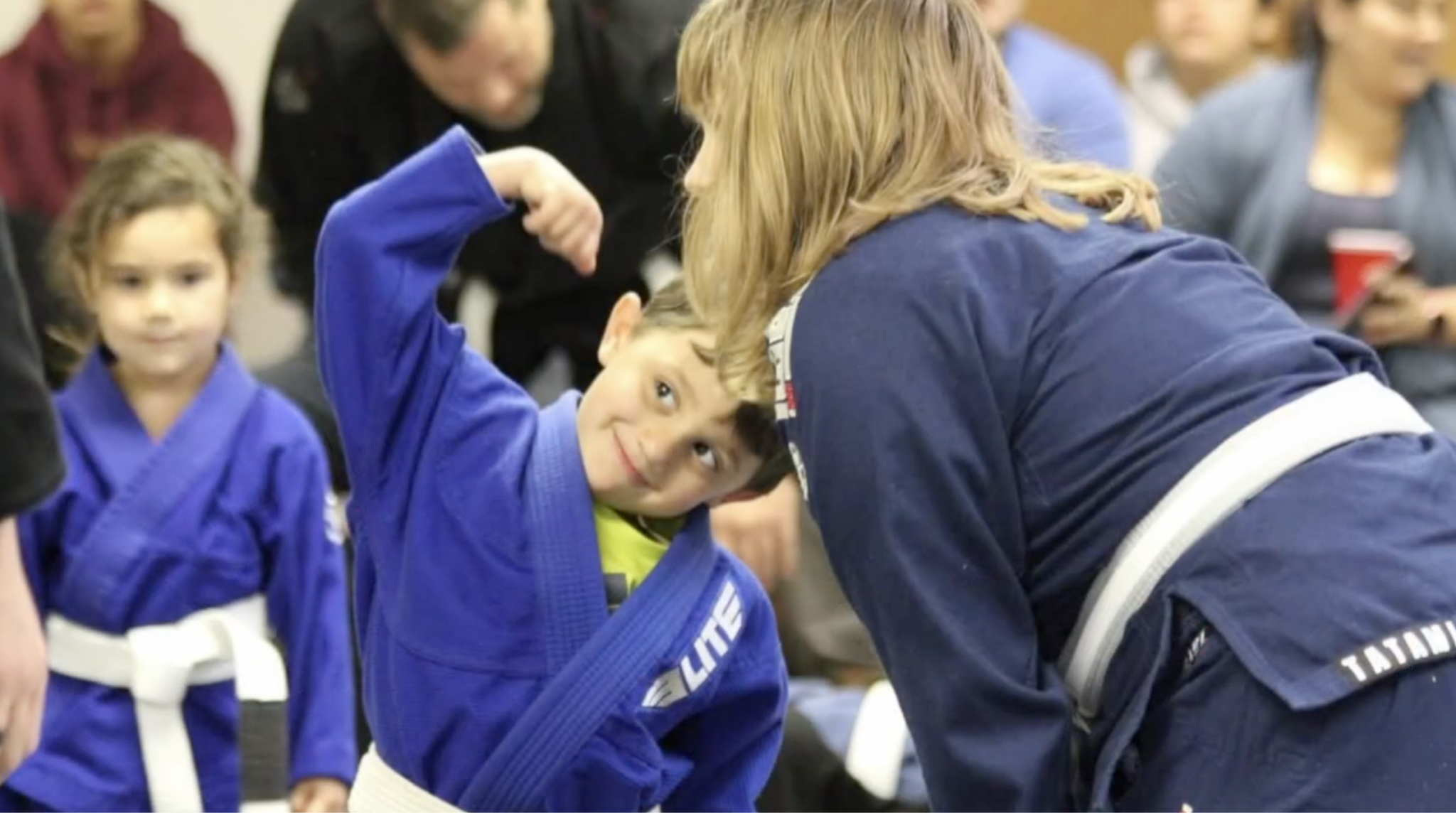
活動を分かち合うことで、家族の絆が強まります。親は子どもが何を学んでいるのか理解しています。子供がイライラすると、親も共感できます。親がキャンセルを検討すると、親も投資します。
ファミリーメンバーシップ 生涯価値が高い。価格にそれほど敏感ではありません。彼らは他の家族を招待します。
Novaはトレーニング以外のイベントでこれを強化しています。ハムリンビーチ州立公園への毎年のキャンプ旅行では、キッズプログラム全体がキャンプ場のループを引き継いでいます。夏のピクニック。スキー旅行。
これらはあればいいという以上のものです。 それらはリテンションの仕組みです。
一緒にキャンプをしていた家族は、マットの上で過ごした一週間が悪かったからといってキャンセルすることはありません。
IMPLEMENTATION:
- Actively invite parents to try an adult class
- Create family membership pricing with meaningful discounts
- Have parents demonstrate techniques occasionally in kids' classes
- Host one family event per quarter—picnic, movie night, camping trip
- Send family-specific communications, not just updates about the kids' progress
- Track family attendance patterns (when only one person is engaging, that's your at-risk signal)
初心者ドロップアウトを防ぐ教授法
従来のモデルは初心者にはテクニックを捨てます。
多くの場合、次のようになります。 インストラクターが動きを見せる。生徒たちはそれを20回ドリルします。次のクラスでは動きが違う初心者はボリュームを保てない。
彼らは圧倒されてやめました。
成功したジムは問題解決にシフトしました。学生に挑戦を与えましょう。制約の中で理解させてください。伝わらない動きではなく、伝わる原則を教えましょう。
ゲームのアプローチ
アーガイル大学のポール・ギルマンは、授業時間の 95% を位置問題解決に費やしています。最小限のテクニックのデモンストレーション。最大限の実験。
「このポジションに入って、君たちはこの目標を達成するために努力しろ」 彼は説明する。 「どちらの人も、どこに行くべきかを知っています。白帯は茶帯からの動きに圧倒されることはないでしょう。」
彼のウォームアップは明確な目標を持ったゲームです:
- ニータグ: 自分がタグ付けされずに相手の膝に触れます。
- ダブルアンダー: 両方のフックを後ろの位置から取り付けます。
- バックテイク: 立ったまま後ろを回ってください。
生徒は自分で動きのパターンを発見します。原則は立場を越えて伝わります。50のテクニックを覚えるのではなく、1つの問題を解決するほうが精神的な過負荷が減ります。
これは、運動学習における制約主導型アプローチに関する研究に由来しています。ポールは東海岸のSaers教授からそれを学び、柔術に適応させました。
IMPLEMENTATION:
- Design three to four positional games per class
- Set clear winning conditions—points for successful back takes, escapes, or submissions
- Give two to three-minute time limits per round
- Let students solve the problem before teaching technique
- Show one principle afterward that applies to the game they just played
独自の洞察: ポールの幼稚園での教育経験は、このアプローチに直接影響しました。遊びに基づく学習に関する幼児教育の原則は、大人にとっても有効です。
コンセプトシステム
パトリック(コーチP)ハット ネオ・マーシャル・アーツ カナダのブランプトンで、COVIDの問題に直面しました。ポッドトレーニング時間が限られている。従来の週単位のカリキュラムには余裕がない。
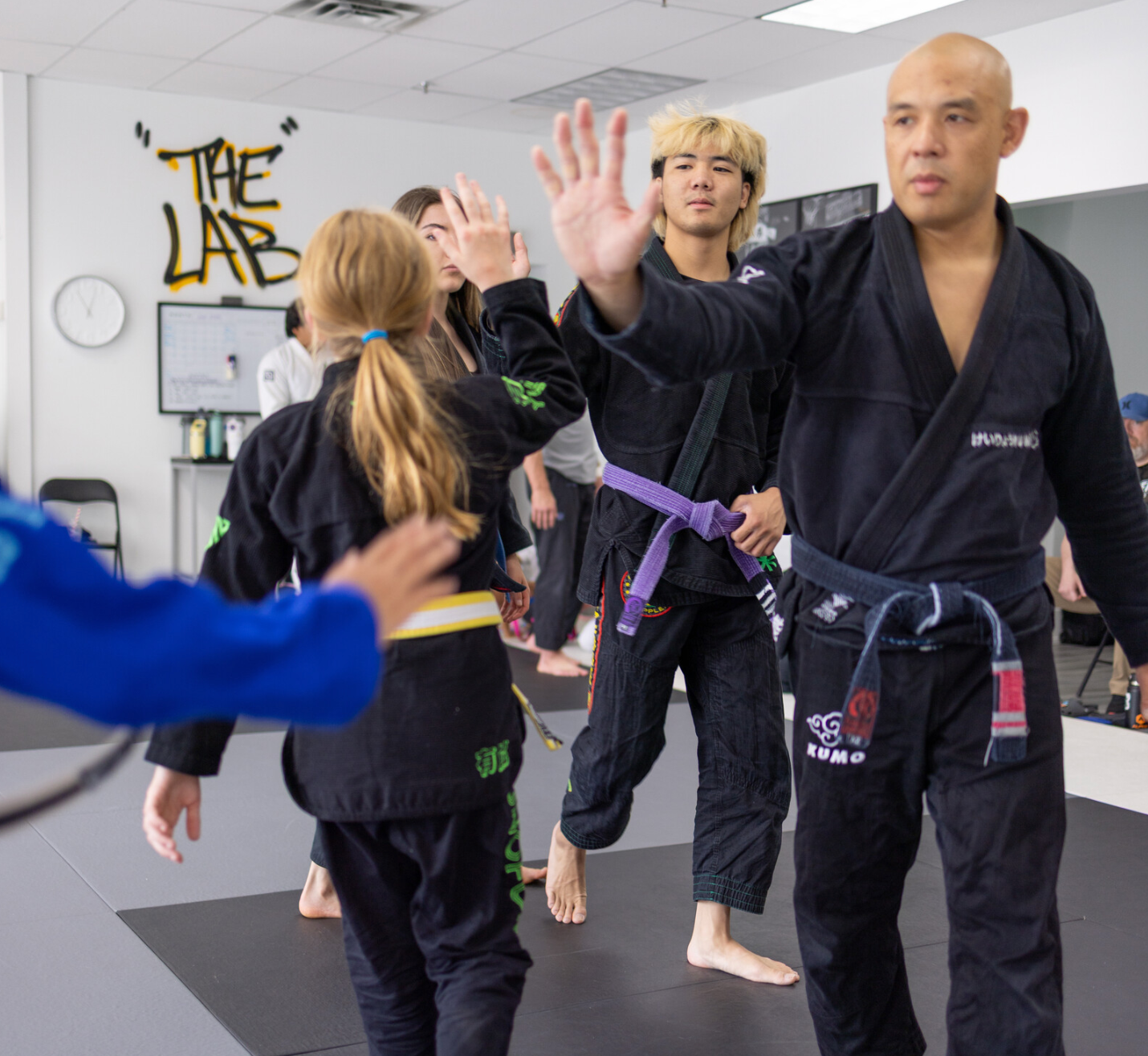
彼のソリューションは学習を圧縮しました: 「このエスケープを見せて、このパスと合わせて、このテイクダウンと組み合わせてやろう。」
個々のテクニックではなく、動きのシステム。
「3、4週間の教材が詰まった1時間半の授業。」
フレームワークは共有言語を作成します。 「私たちは皆同じ動きのシステムを適用しています。私たちは同じレキシコンを使っています。」
結果: ブルーベルトはトーナメントでブラックベルトのコーチをすることができます 同じ概念の枠組みを共有しているからですこの原則はベルトレベル全体に及びます。
IMPLEMENTATION:
- Identify five to seven core movement principles (frames, leverage points, angles, connection, weight distribution)
- Teach these across different positions every class
- Use the same terminology consistently
- Show connections explicitly—this escape uses the same frame as that pass
- Test understanding by having students teach the principle back to you
リファレンスライブラリ
TakeoverのJose教授がビデオライブラリを構築したのは、彼自身が学習に苦労したからです。
「私には従来の方法で学ぶ能力がありませんでした。巻き戻してもう一度見る必要がありました。」
彼は自分のために作ったものを、今では学生に提供しています。授業で教えられたテクニックはすべて記録されます。学生は自宅でログインして復習します。
自分のペースで一時停止、巻き戻し、視聴できます。
学習速度は人によって異なります。ビデオライブラリは、速い学習者を遠ざけたり、遅い学習者を急いだりすることなく、それに対応します。学生は忘れる前に復習します。忘れることは永続的ではないとわかっていると、不安は減ります。
IMPLEMENTATION:
- Record techniques with your smartphone
- Upload to your video content library or create unlisted YouTube videos
- Send the link after class
- Reference the videos when students ask "what was that move again?"
- Attach videos to specific skills in your progression system so students know what to review next
自分より長続きする文化の構築
ノヴァのジェイソンは4回引っ越しました。ある場所には床が土でした。すべてのメンバーが滞在しました。
「人々はただ良いトレーニングをしたいだけなので、私たちにこだわりました。それが私たちが彼らに与えたものです。」
他のジムを試すために去った学生が戻ってきました。「これをどこか別の場所で見つけようとしましたが、見つかりませんでした。」
文化は施設よりも優先されます。 コミュニティが強ければ、メンバーは悪いマットを許します。文化が弱ければ良いマットも許さない。
競争上の優位性は、場所や設備ではありません。それは、マットの上で人々が築く人間関係です。
の全文 Novaがコミュニティを築いた経緯 それぞれの動きの中で彼らが取った具体的なステップを示しています。
サークル練習
テイクオーバーのホセ教授は、毎回の授業の前に学生と輪になって座っています。
「何かニュースはありますか?何か分かち合いたいことはある?誰かと再会したいですか?」
ネイティブアメリカンの慣習を取り入れています。みんなの声が聞こえます。サークルはお祝いやサポートの場をつくります。
「みんなの声が重要です。文化と風土は人間関係によって動かされます。」 ホセは説明します。 「私たちは一緒に嘆き、一緒に祝います。たとえ負けても、あなたはよくやった。あなたには私たちのサポートがあります。」
学生はお互いの人生を知っている。
プロモーションは祝われます。競争での敗北は支援されます。ジムの外での個人的な葛藤は認められます。帰属意識はテクニックだけにとどまりません。
IMPLEMENTATION:
- Start classes five minutes early
- Sit in a circle with everyone included
- Ask if anyone has news to share
- Celebrate wins—promotions, competition results, personal achievements
- Support losses—injuries, bad performances, life struggles
- Make this routine, not occasional
買収のアプローチ コミュニティ構築 典型的なジムの運営を超えた文化的慣習を統合しています。
リーダーシップパイプライン
NEOのパトリックは、多層的なリーダーシップシステムを構築しました。年齢層が異なれば、その発達上のニーズに合わせて講師のプロフィールも異なります。
構造:
- 4歳から6歳のお子様: 子供たちのエネルギーに共感する16歳から17歳のユースリーダーが率いる
- 7歳から9歳のお子様: 彼らには懲戒段階が必要なため、パトリックと直接トレーニングしてください。
- 10歳から12歳のお子様: 長男のマルコム(19歳)と一緒に働く。なぜなら彼らは一緒にトレーニングをして育ったからだ
「多くの指導者と1人の最高指導者」 パトリックは強調します。 「間違いありません。私たちはリーダーのエンパワーメントを分かち合っています。」
学生はインストラクターになります。文化は、オーナーに頼るのではなく、学生のリーダーシップを通じて永続します。
NEOのサマープログラムはこれをさらに発展させます。中核となる10代の学生は、見込み客への対応、電話の発信、セールスケイデンスの練習を学びます。模擬電話トレーニング。彼らはジムのリーダーシップ・トラックを通じて起業家としてのスキルを学んでいます。
IMPLEMENTATION:
- Identify advanced students willing to help (blue belts and above)
- Assign beginner mentorship roles
- Have them run warm-ups for kids' classes
- Teach them how to teach, not just demonstrate
- Create formal leadership positions with titles and responsibilities
- Make progression visible, so students see a path from member to leader
さらに詳しく ポジティブな文化の構築、さまざまな武道の分野で機能する実証済みのフレームワークがあります。
オーガニック・インクルージョン
アルマファイトクラブ東京のグラントは違うパターンを見ています。彼は学生に新人を助けるように言っていません。
彼はそうする必要はない。
「メンバーは自然と新しい人に教えに行きます。誰かが気まずく傍観していると、私が言わなくても人々はその人をつかんで一緒に働きます。」
インクルージョンの文化は、オーナーによってモデル化され、上級生によって採用されます。新しい人はすぐに夢中になります。気まずいことに一人で座っている人はいない。
実装は一見シンプルです。決して一人ぼっちで居心地が悪くなるようなことは絶対にしないでください。
IMPLEMENTATION:
- Pair new students with friendly regulars—not necessarily your best technicians, your friendliest members
- Acknowledge students who help others
- Model welcoming behavior in every single class
これは自立的になります。新しいメンバーにはすぐに参加してもらえるので、次の新しいメンバーも参加できます。文化は根強く残ります。
これらのジムの共通点
これらのジムはまったく似ていません。東京 vs テキサス vs ニューヨーク。家族経営 vs 個人経営者 vs パートナーシップ公式対非公式。従来の教育法と最先端のアプローチ
ただし、共通するパターンは4つあります。
- まず、特定の問題を解決します。
一般的な「より良くなる」目標ではありません。女性向けプログラムは、物理学のミスマッチに対処します。ファンダメンタルズ・トラックは初心者の悩みを解決します。アクティビティローテーションは子供の行動を固定します。ファミリーイベントは世帯をつなぎます。
- 第二に、彼らは空間を完成させる前に文化を築きました。
ノヴァは4つの動きで活躍しました。アーガイルはCOVID中に発売されました。イーストオースティンは、発売前の基盤がすでに強固だったため、すぐに成功を収めました。
- 第三に、彼らは技術よりも原則を教えます。
アーガイルでの制約主導型アプローチ.NEOにおけるマトリックス哲学Takeoverでのさまざまな学習速度に対応したビデオライブラリ学生は伝わらない動きではなく、伝わるフレームワークを学びます。
- 4つ目は、所有者が常に関与しなくても機能するシステムを作成したことです。
NEOのリーダーシップ開発プログラム。複数のジムでの学生主導の指導。アルマでの地域社会のセルフポリシング文化。
今週実装できること
最も苦労している分野を1つ選択してください。
事業を立ち上げたり成長させたりする場合:
- 週7日ではなく、週3日から始めましょう—生徒を集中させて、満員のクラスを作る
- 拡張や新しい場所を計画している場合は、 ファウンダーズプログラムを立ち上げる 2か月後
- フォーカス 10人の超忠実なコアメンバーを育成 100 にスケーリングする前
リテンションが難しい場合:
- 1 つ追加 女性専用ファンダメンタルズクラス 今週
- 真のものを作る ファンダメンタルズ・オンリー・トラック 「変更のあるすべてのレベル」とは別
- プランワン ファミリーイベント 今四半期—ピクニック、キャンプ旅行、ムービーナイト
- 1 人しか参加していない家族を追跡する
教育の有効性が問題になる場合:
- 導入する 1 ポジションゲーム 今週のクラスあたり
- [開始] レコーディングテクニック 携帯電話で学生と共有する
- 教える 3つの異なる立場にわたる1つの原則 コンセプトがどのように伝わるかを示すために
文化を強化する必要がある場合:
- [開始] サークルチェックイン 明日の授業前
- 1 つ特定してください 上級生からメンターへ 正式初心者向け
- ホスト トレーニング以外のコミュニティイベント1回 今後 30 日間—コーヒーミートアップ、ハイキング、一緒に食事を
ここで紹介するジムのオーナーは、特定の戦術で実際の問題を解決することで、成功したプログラムを構築しました。すべてを実装する必要はありません。最大の課題に合ったものを選んでください。
そして、今週から始めましょう。必要なものがすべて揃った優れたジム用ソフトウェアを使いましょう。
- きみの 出席追跡 クラスがいつ拡張を処理できるかを正確に示します。
- スキルアップツールは、適切なトレーニングパートナーを見つけるのに役立ちます。
- 家族会員管理は財務構造を簡素化します。
- ビデオライブラリは、学生に自宅でのテクニックの参考資料を提供します。
- 自動招待によるイベント管理により、コミュニティ構築の管理負担が軽減されます。
これらのジムは問題解決に焦点を当てていました。
あなたもできます。
Gym management software that frees up your time and helps you grow.
Simplified billing, enrollment, student management, and marketing features that help you grow your gym or martial arts school.