
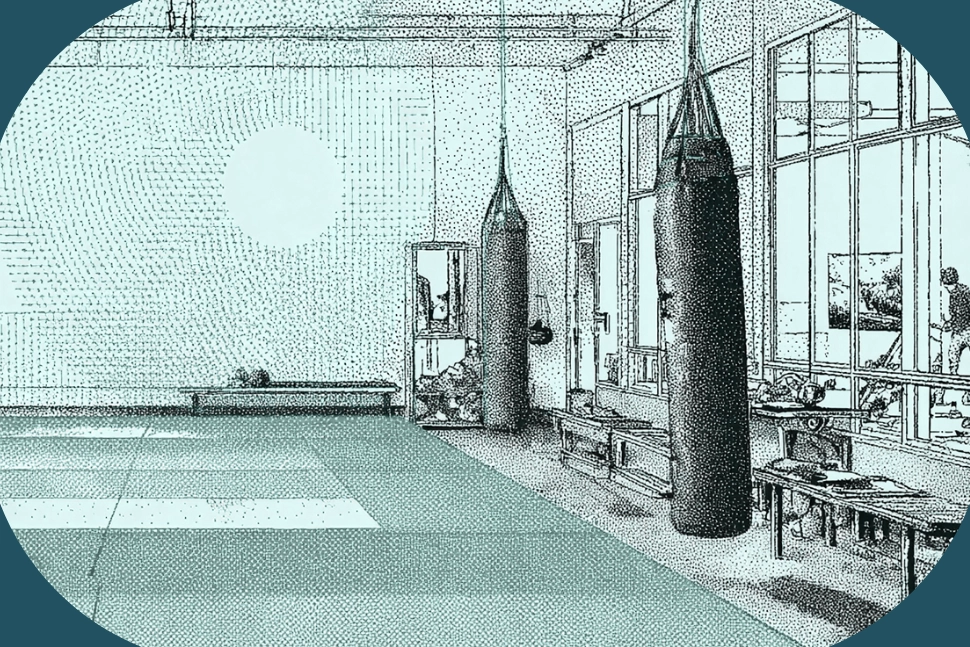
ほとんどの記事では、ジムを開くのにかかる費用について説明しています。245,000ドルから400,000ドルの間です。この数字は間違っていませんが、全体像ではありません。
家の値段が35万ドルだと言っているようなものです。ワンルームマンションと5ベッドルームのコロニアルは、購入内容が大きく異なります。
本当の答えは、オープンするジムの種類、オープンする場所、スタートアップフェーズにどれだけクリエイティブに取り組むかによって異なります。
40,000ドルでサブリースされたスペースに武道学校を開くことができます。カーディオフロア、ウェイトルーム、グループフィットネススタジオを備えたフルサービスのジムは、500,000ドルをはるかに超える金額で運営できます。
クイックアンサー: ジムの開設にかかる費用は、2026年に50,000ドルから500,000ドル以上になります。これは、ジムの種類、場所、およびどれだけブートストラップしたいかにもよりますが。
小規模な専門ジム(ヨガ、格闘技)は約3万ドルから15万ドルで、中規模の施設は15万ドルから30万ドル、大規模な伝統的ジムは30万ドルを超えます。
以下は、実際に見ているものの完全な内訳であり、実際の数字、実際の創設者の話、そして他の場所で見られるような漠然とした手を振ることはありません。
クイックリファレンス:ジムの種類別のスタートアップ費用
初期費用は、ジムのモデルによって大きく異なります。これらの範囲には、リース保証金、建設、設備、ライセンス、初期マーケティング、および3~6か月の運転資金が含まれます。
Gym Type | Startup Cost Range | Key Cost Driver |
Yoga studio | $30,000–$150,000 | Build-out finish and location |
Martial arts school | $40,000–$200,000 | Mat coverage and space size |
CrossFit box | $50,000–$250,000 | Specialty equipment (rigs, rowers) |
Boutique fitness studio | $75,000–$300,000 | Aesthetics and branded equipment |
Mid-size gym (2,500–5,000 sq ft) | $150,000–$300,000 | Equipment variety and buildout |
Large gym (5,000–10,000+ sq ft) | $300,000–$500,000+ | Everything scales up |
これらの数値は2026年の市況を反映しており、以下を考慮すると、2023年の数値よりも約8〜12%高くなっています 商業用不動産 そして 設備費 インフレーション。
WARNING:
You need cash to cover 3 to 6 months of operating expenses while you build membership. If your monthly operating costs will be $15,000, you need $45,000 to $90,000 in reserve on top of everything else. That's not optional. It's survival money.
Most gyms take 6 to 12 months to break even. Some take 18. If you burn through your reserves in month four, you start making desperate decisions: cutting quality, slashing prices, taking on debt at terrible terms. That spiral is hard to recover from.
では、お金は実際にどこに行くのでしょうか?
1回限りのスタートアップ費用:お金の行き先
すべてのジムの開設には、1回限りの費用が山積みになります。明らかなもの(装備)もあります。中には不意を突かれるものもあります(運転資本)。
スペースをリースまたは購入する
リースは予算全体の中で最大の変動要因です。
小さな都市にある3,000平方フィートのスペースは、月額3,000ドルかかる場合があります。オースティンのダウンタウンやブルックリンに同じスペースを置くと、1 か月あたり 10,000 ドルから 15,000 ドルの費用がかかる可能性があります。
初めてのジムオーナーのほとんどは、購入するのではなくリースします。これにより、初期費用を低く抑え、後で引っ越したり拡張したりする必要が生じた場合に柔軟に対応できます。
予算:
- 最初の月+先月+保証金: 市場によって異なりますが、10,000ドルから5万ドル
- リースレート: 1平方フィートあたり年間15〜40ドル ジムに適した小売/商業スペースの一般的な範囲です
- 交渉: 多くの家主は、特にリース期間が長い場合、1〜2か月間の無料家賃またはテナント改善手当を提供します。質問してください。彼らが言う最悪の言葉は「いいえ」です。
PRO TIP:
Find a space that used to be a gym or studio. The flooring, mirrors, and sometimes HVAC are already there — you just move in. That alone can save you $30,000 or more in buildout costs.
建設と改修
ターンキースペースに足を踏み入れない限り、ジムのような外観と機能にお金を費やすことになります。その範囲は膨大です。
Buildout Scenario | Estimated Cost |
Cosmetic refresh (paint, signage, minor fixes) | $10,000–$30,000 |
Moderate renovation (flooring, mirrors, front desk, lighting) | $30,000–$75,000 |
Major buildout (HVAC, plumbing, bathrooms, structural changes) | $75,000–$150,000+ |
バスルームもコンクリートの床もない未加工の商業スペースは、塗りたてのペンキとブランディングだけで済む以前のフィットネススタジオよりも、建設費が大幅に高くなります。
建設経験がある場合は、一部の作業を自分で行うことで大幅に節約できます。
ジムのオーナー1名(当社から) Gymdeskオリジナルシリーズ電気工事の請負業歴40年で、自ら工事を手がけた。そのおかげで彼は莫大な費用を節約できました。ほとんどの人はそれを再現することはできませんが、あなたがそのスキルを持っているかどうかを知っておく価値はあります。
装備
設備費は、ジムのモデルによって大きく異なります。
ヨガスタジオには小道具、マット、そしておそらくボルスターが必要です。クロスフィットボックスには、リグ、バーベル、バンパープレート、ローヤー、アサルトバイクが必要です。従来のジムには、有酸素運動マシン、ケーブルスタック、フリーウェイト、ベンチが必要です。
Equipment Category | Buy | Lease |
Strength training (racks, barbells, dumbbells) | $15,000–$50,000 | $1,000–$3,000/mo |
Cardio (treadmills, bikes, rowers) | $20,000–$75,000 | $1,500–$4,000/mo |
Specialty (martial arts mats, reformers, rigs) | $10,000–$40,000 | Varies |
Accessories (bands, kettlebells, foam rollers) | $2,000–$10,000 | Usually purchased |
Non-training (front desk, sound system, TVs) | $3,000–$10,000 | Usually purchased |
購入とリース
機器の購入には初期費用がかかりますが、3〜5年でコストを節約できます。
リースにより初期投資額は低く抑えられますが、毎月の運用コストが増加します。ほとんどのジムオーナーは、コア機器を購入し、高価な有酸素運動マシンをリースしています。
予算に関するヒント: 中古商用機器 小売店の40〜60%で売る。ジムは閉まり、企業施設は清算され、機器ディーラーには常に在庫があります。新品を購入する前に、地元のリスティングや商業用フィットネス清算業者をチェックしてください。
多くの新しいジムオーナーを驚かせることの1つ: 重機の輸送費は高額になる可能性があります。
ルーク・ボストン・オブ フォルテ柔術 フェニックスでは、開店時の最大の出費は、予算を上回る金額で、ニュージャージーから出荷されたマットだけだったと言います。主要な機器を購入する前に、配送の見積もりを入手してください。
ライセンス、法律、保険
交渉の余地のない書類。これはどれもわくわくするようなものではない。すべて必要なことだ。
- ビジネスフォーメーション(LLC): 州によって異なりますが、100ドルから800ドル
- ビジネスライセンスと許可: 200ドルから2,000ドル(自治体によって異なります)
- ゾーニングの承認: 一部の商業スペースはジム用に区画されていません。リースに署名する前に確認してください。
- 弁護士費用 (リースレビュー、契約): 1,000ドル~3,000ドル
- 賠償責任保険: 年間2,000ドル~6,000ドル。コンタクトスポーツ (格闘技、ボクシング) の方が高額です。オプションではありません。
- 財産保険: 多くの場合、賠償責任が伴います
武道学校、ボクシングジム、または人々が身体的に接触する施設を開く場合は、保険料が高額になることを期待してください。
予算を確定する前に、ジム保険の種類を理解しておくとよいでしょう。の完全なウォークスルーについては ジムの法的要件、別のガイドがあります。
テクノロジー、ブランディング、マーケティング
- ジム管理ソフトウェア: 機能ごとに個別のツールを購入する代わりに、請求、スケジューリング、メンバー管理、コミュニケーションを処理するプラットフォームの場合、月額75ドルから200ドルで、すぐに合計できます。契約する前に、ジムのソフトウェアオプションを比較してください。
- POS システム: ハードウェアは500~2,000ドル
- ウェブサイト: 500〜5,000ドル(ビルダーによるDIYとプロのデザイン)
- ブランディング(ロゴ、看板、素材): 1,000ドル—10,000ドル
- グランドオープンマーケティング: 3,000ドルから15,000ドル
開業前のマーケティング予算には特に注意が必要です。
ジムのオーナーは、開業前に必ず本格的なプレセールキャンペーンに投資していました。詳細については、以下の創設者ストーリーをご覧ください。
運転資本:新しいジムをつくりだす経費
これは人を惹きつけるものです。メンバーシップを構築するには、3〜6か月分の運営費を賄うために現金が必要です。プレセールが好調だったとしても、1 か月目に損益分岐点に達する可能性はほとんどありません。
毎月の運用コストが15,000ドルになる場合は、他のすべてに加えて45,000ドルから90,000ドルの準備金が必要です。
これはオプションではありません。それはサバイバルマネーです。
ほとんどのジムは、損益分岐点に達するまでに6〜12か月かかります。18歳かかるものもあります。4か月目に準備金を使い果たすと、質の低下、価格の引き下げ、ひどい条件での借金の引き受けなど、絶望的な決断を下すことになります。このスパイラルから立ち直るのは難しい。
ジムを開くのにかかる費用の全体像:
Category | Low End | High End |
Lease deposit | $10,000 | $50,000 |
Buildout / renovation | $10,000 | $150,000 |
Equipment | $10,000 | $100,000+ |
Licensing, legal, insurance | $3,000 | $12,000 |
Technology, branding, marketing | $5,000 | $30,000 |
Working capital (3–6 months) | $15,000 | $90,000 |
Total startup investment | $53,000 | $432,000+ |
その広い範囲が本物です。どこに着地するかは、ジムの種類、市場、アプローチによって異なります。
オープン後の毎月の運用コスト
オープンすると、メンバーが10人でも300人でも、毎月メーターが表示されます。これらの継続的なジム運営費の予算。
Category | Small Gym | Mid-Size Gym | Large Gym |
Rent | $2,000–$5,000 | $5,000–$10,000 | $10,000–$20,000+ |
Payroll | $0–$5,000 | $5,000–$15,000 | $15,000–$40,000+ |
Utilities | $500–$1,000 | $1,000–$2,000 | $2,000–$4,000 |
Insurance | $200–$400 | $300–$500 | $500–$1,000 |
Marketing | $500–$1,500 | $1,500–$3,000 | $3,000–$5,000+ |
Software & technology | $100–$250 | $200–$400 | $300–$500 |
Maintenance & supplies | $200–$500 | $500–$1,000 | $1,000–$2,000 |
Total monthly | $3,500–$13,650 | $12,500–$31,900 | $31,800–$72,500+ |

給与は継続的な最大の経費です
初期の頃は、授業を教えたり、トイレを掃除したり、電話に出たり、ソーシャルメディアを運営したりと、何でも自分でやっていました。これは長期的な計画ではありませんが、ほとんどの人が1年目を乗り切る方法です。
成長に合わせて、講師への支払いを計画してください (1 時間あたり 25 ~ 50 ドル 資格のあるトレーナー向け)、フロントデスクスタッフ(1時間あたり15〜20ドル)、およびクリーニング。給与計算は、最終的には毎月の経費の30~ 45% を占めることになります。
家賃を収入の 25% 未満に抑える
覚えておくべき経験則が1つあります。家賃が毎月の収入の25%を超えると、マージンは非常に低くなります。
スペースを評価する際は、予想されるメンバーシップ収益から逆算してください。
月額150ドルを請求する予定で、健康を維持するために200人のメンバーが必要な場合は、月額30,000ドルの収益になります。家賃は7,500ドル未満に抑えるのが理想的です。
マーケティング支出をおろそかにしないでください
継続的なマーケティングに月間収益の 7 ~ 10% の予算を組む。
「マーケティングを必要としない」ジムは、最終的にメンバー全員がどこに行ったのか疑問に思うジムです。口コミは素晴らしいですが、自分でコントロールできる戦略ではありません。
さまざまなタイプのジムを開くにはどれくらいの費用がかかりますか?
ジムのモデルによって費用の状況が完全に変わります。最も一般的なタイプに期待できることは次のとおりです。
クロスフィットボックス
CrossFitは、年間アフィリエイト手数料があるため、独自のコスト構造になっています。
Item | Cost |
CrossFit affiliate fee | $4,500/year |
Equipment (rigs, barbells, plates, rowers, bikes) | $30,000–$75,000 |
Space (2,000–4,000 sq ft, often warehouse/industrial) | Lower rent than retail |
Buildout | Minimal — exposed ceilings and concrete floors are on-brand |
Total startup | $50,000–$250,000 |
CrossFitボックスは、必要な完成スペースが少なくて済むというメリットがあります。倉庫のような見た目は実際にうまくいきます。
アフィリエイト手数料は控えめです。機器は大きなラインアイテムです。より詳細な内訳については、当社の「」を参照してください。 クロスフィットジム費用ガイド。
ヨガまたはピラティススタジオ
Item | Yoga Studio | Reformer Pilates Studio |
Equipment | $3,000–$10,000 (props, mats) | $50,000–$150,000 (reformers at $3K–$8K each) |
Space | 1,000–2,500 sq ft | 1,500–3,000 sq ft |
Buildout | Higher finish (wood floors, ambient lighting) | High finish + equipment spacing requirements |
Total startup | $30,000–$150,000 | $75,000–$250,000 |
ヨガスタジオは設備費が業界で最も低いものの、空間も体験の一部であるため、多くの場合、より洗練された構築が必要になります。
リフォーマーピラティスは、各マシンが3,000ドルから8,000ドルで動作し、10〜15台必要になるため、はるかに高価です。詳細については、当社をご覧ください ヨガスタジオコストガイド そして ピラティススタジオ費用ガイド。
武道学校
Item | Cost |
Mats (quality puzzle or roll-out) | $8,000–$20,000 |
Bags, pads, training equipment | $3,000–$10,000 |
Space (2,000–4,000 sq ft) | Moderate rent — doesn't need retail foot traffic |
Buildout | Low to moderate — open floor plan, mirrors |
Total startup | $40,000–$200,000 |
格闘技学校は、予算内で開校するのに最もアクセスしやすいジムの1つです。
装備のニーズは他のほとんどのモデルよりも低く、多くの武道インストラクターは既存の施設のスペースをサブリースすることから始めます。以下の創設者のストーリーは、それがどのように機能するかを正確に示しています。
ブティックフィットネススタジオ
ブティックスタジオ(サイクリング、バレ、ボクシング、HIIT)には、洗練されたインスタ映えするスペースが必要です。その美学にはお金がかかります。
- 装備: 20,000~80,000ドル(有名ブランドのサイクリングバイク、ボクシング用品など)
- ビルドアウト: 4万ドルから100,000ドル以上(スペースがブランド)
- スタートアップ総数: 75,000ドル~30万ドル
トラディショナル/ビッグボックスジム
列をなすトレッドミル、フルサイズのフリーウェイトエリア、ケーブルマシン、グループフィットネスルーム、シャワー付きのロッカールーム、そしてプールを思い浮かべるなら、ハイエンドと言っても過言ではありません。
- 機器のみ: 10万ドル~30万ドル以上
- スペース: 5,000〜15,000平方フィート以上
- ビルドアウト: 10万ドル~20万ドル以上
- スタートアップ総数: 30万ドル~50万ドル以上
これが初めてのオーナープレイになることはめったにありません。ほとんどの人は小規模から始めて、自分の市場を理解すると成長します。
ジムオーナーからのリアルナンバー
業界平均から分かるのは 1 つのことです。Gymdesk Originalsを通じてインタビューしたジムのオーナーは、別の話をしています。
現れ続けるパターンは、成功しているジムのほとんどが、業界平均が示唆するよりもはるかにスリムにスタートしたことです。
月額500ドルから始めることができます
ルーク・ボストンはそれを証明しました。彼はフェニックスにForte Jiu-Jitsuをオープンし、テコンドースクール内のスペースを月額500ドルで転貸しました。
彼はターゲットを絞ったオンラインキャンペーンを実施し、初日に25人を集め、月額100ドルの創設者レートで10人と契約しました。その月間収益は 1,000 ドルで、家賃をまかなう余裕がありました。
彼の最大のサプライズ費用は? マット。
ニュージャージー州から出荷された競技グレードのマットは、彼が予算していたよりも高価でした。しかし、2か月も経たないうちに、彼は自分の専用スペースに移動するのに十分なキャッシュフローを手に入れました。
レッスン: 始めるのに完璧な施設は必要ありません。メンバーとマット、そして勢いが必要です。
プリセールスは投資家に取って代わることができる
外部資本は必ずしも必要ではありません。
A レンゾ・グレイシー・デュオ ドアが開く前に何か月もかけて草の根への働きかけを行い、3Dレンダリングを見せたり、順番待ちリストを一から作成したりしました。開幕日までに、何百人もの人々が登録していました。
その売却前の収益は、投資家や銀行融資なしで建設資金を調達しました。
政府の助成金は検討する価値がある
マシュー・ポリーノは、新型コロナウイルスのロックダウンの最盛期にベンチュラ郡を自転車で走っていたときに、空っぽのテコンドースタジオを見つけました。
彼はEIDLローンを申請し、返済する必要のない最初の助成金を受け取りました。彼は開設しました。 トリプル 7 柔術 2022年9月に設立され、3年間で300人以上のメンバーに成長しました。
政府の資金調達機会は時間とともに変化しますが、SBAローン、マイクロローン、州レベルの中小企業向け助成金は常に利用できます。
6桁の節約が必要だと考える前に調べてみる価値があります。
価格設定はしごが機能する
ルイス・コスタはトロント近郊でオクタ柔術を「パイオニア」料金で立ち上げました。最初の50人のメンバーは月額約80ドルでした。
需要が高まるにつれ、彼はすべてのマイルストーンで価格を引き上げました。
100人のメンバーによる料金は約140ドルでした。本部の会員数が420人に達する頃には、新会員は月額約180ドルを支払っていました。
その最初の店舗は、ほとんどすべてが事前広告と口コミによって賄われていました。
Octaは現在、7つの拠点を運営しています。これらはすべて、初期の信者に報い、需要に応じて収益を増加させる価格戦略に基づいています。
パターンからわかること
何十ものジムオーナーへのインタビューの中で、共通しているのは「30万ドルを調達してジムを開いた」ということではありません。それは以下のとおりです。
- リーンを始めましょう。 サブリース、スペースの共有、または市場機会の発見。
- 積極的に事前販売を行います。 あなたの将来のメンバーはあなたの最高の投資家です。
- 戦略的に価格を設定します。 創立者と同じ料金で初期メンバーを固定し、需要が高まるにつれて価格を引き上げることができます。
- 早めにオーバーヘッドを低く抑えてください。 あなたは1年目のインストラクター、管理人、マーケティング担当者です。
- スペースとコストに合わせて拡張できます。 メンバーが20人いるのに、500人のメンバー向けにビルドしないでください。
ジムの資金調達方法
ジムを開くのにどれだけ必要なかは一つの問題です。どこでお金を稼ぐかは別の問題です。
SBAと政府ローン
中小企業庁は、ジムのオーナーに関連するいくつかの融資プログラムを提供しています。
- SBA 7 (a) ローン: 一般的な事業目的では最大500万ドル。従来のローンよりも返済期間が長く、金利が低い。
- SBA マイクロローン: 最大5万ドル。資格取得が容易で、スタートアップの予算が少ない場合に適しています。
- 州および地方の助成金: 場所によって異なります。現在のプログラムについては、州の中小企業開発センター (SBDC) を確認してください。
個人貯蓄とブートストラッピング
創業者のインタビューによると、ジムのオーナーにとって最も一般的な資金源です。利点はトータルコントロールです。リスクは個人的な金銭的リスクです。
自社で事業を立ち上げる場合は、上記の創業者が提案した無駄のないアプローチが戦略です。小規模から始めて、需要を証明し、収益を伴う成長に投資します。
資金調達ラウンドとしてのプレセールス
プレセールキャンペーンは、将来のメンバーを投資家とするシード資金調達ラウンドと考えてください。
決して上昇しない、ロックイン・ファウンダーズ・レートを提供しましょう。真の希少性を生み出す(創設者会員の数に上限を設ける)。その収益を初期費用に充てましょう。
プレセールが好調であれば、必要な資本が減り、貯金を使う前に人々が実際に建設中のものを欲しがっていることが証明されます。
パートナーシップモデル
私たちが話をしたジムのオーナーの何人かは、パートナーシップ構造を採用しています。1人はビジネス側(リース交渉、書籍、マーケティング、運営)を担当し、もう1人は指導とプログラミングを行います。
これにより、経済的負担と作業負荷の両方が分散されます。
ビジネスパートナーや外部投資家を引き受ける場合は、弁護士に明確な運営契約書を作成してもらってください。ジムのパートナーシップが失敗する一番の理由は、金銭や方向性についての意見の相違です。
手抜きをせずにジムのスタートアップ費用を削減する方法
予算が限られている場合は、メンバー体験に影響しないことにコスト削減を集中させてください。
- かつてのジムやスタジオスペースを見つけましょう。 既存のフローリング、鏡、HVACを再利用することで、建設費を数万円節約できます。
- 中古の商用機器を購入する。 寿命が何年も残っている機器を40~ 60% 節約できます。
- 小さなスペースから始めましょう。 自分のエゴが求めているときではなく、収益が必要とするときに拡大しましょう。
- ブランディングとウェブサイトをDIYしましょう。 CanvaやSquarespaceなどのツールを使えば、プロ並みの費用に比べて 80% の道のりを達成できます。Gymdeskにはウェブサイトビルダーも付属しているので、すぐに使い始めることができます。
- リースを交渉してください。 フリーレント月数、テナント改善手当、段階的賃料(1年目は低く、後で増やす)はすべて標準的な質問です。
- プレセールキャンペーンを実施します。 開会前にサインしたメンバーは全員、借りる必要のない現金です。
- オールインワンの管理ソフトウェアを使用してください。 1 つのプラットフォームで処理可能 課金、スケジューリング、 メンバー管理 費用は月額75ドルから200ドルで、機能ごとに別々のツールをつなぎ合わせるよりもはるかに安くなります。また、コーチングに費やしたい管理業務の時間を毎週節約することもできます。
ジムのオーナーが稼ぐもの
これらすべての費用をかけた後、実際に何を持ち帰るのか疑問に思われるでしょう。
それはそれなりに内訳に値する。簡単に言うと、ジムオーナーの収入は、1年目の最低賃金未満から、200人以上の会員を抱え、堅実な価格設定で運営されているジムの6桁まで、大きく異なります。
私たちの記事で全体像を掘り下げます ジムオーナー給与ガイド。
KEY TAKEAWAY:
Across dozens of gym owner interviews, the common thread isn't "I raised $300,000 and opened a gym." The pattern is: start lean, pre-sell aggressively, price strategically, keep overhead low in year one, and grow into your space and costs as revenue supports it.
ジムのスタートアップ費用の要点
2026年にジムを開くには、5万ドルから50万ドル以上の費用がかかります。
それは幅広く、どこに着地するかは、オープンするジムのタイプ、オープンする場所、そしてリーンを始めて成長したいかどうかという3つの要素によって決まります。
それを作るジムのオーナーは、前もって最も多くの資金を調達する人ではありません。支出を実際の需要に合わせるのは彼らです。彼らは5年間のリース契約を結ぶ前に転貸します。彼らはビルドアウトする前に事前販売します。
会員数に応じて収益が増えるように、戦略的に価格を設定しています。
ジムを開くことを真剣に考えているなら、このガイドの数字から始めてください。現実的な予算を立てましょう。それをやったジムのオーナーに相談してください。そして、このレンジのハイエンドに惑わされないでください。多くの活気あるジムは、予想よりも安い費用で始めました。
Gym management software that frees up your time and helps you grow.
Simplified billing, enrollment, student management, and marketing features that help you grow your gym or martial arts school.


FAQ
ジムの費用に関するよくある質問
初めてのジムを計画している人から最もよく聞かれる質問は次のとおりです。