From the CEO's Mat: What My Kids Taught Me About Teaching Kids

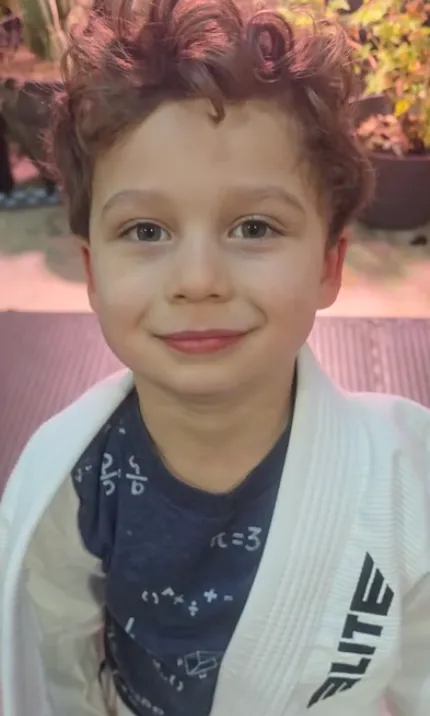
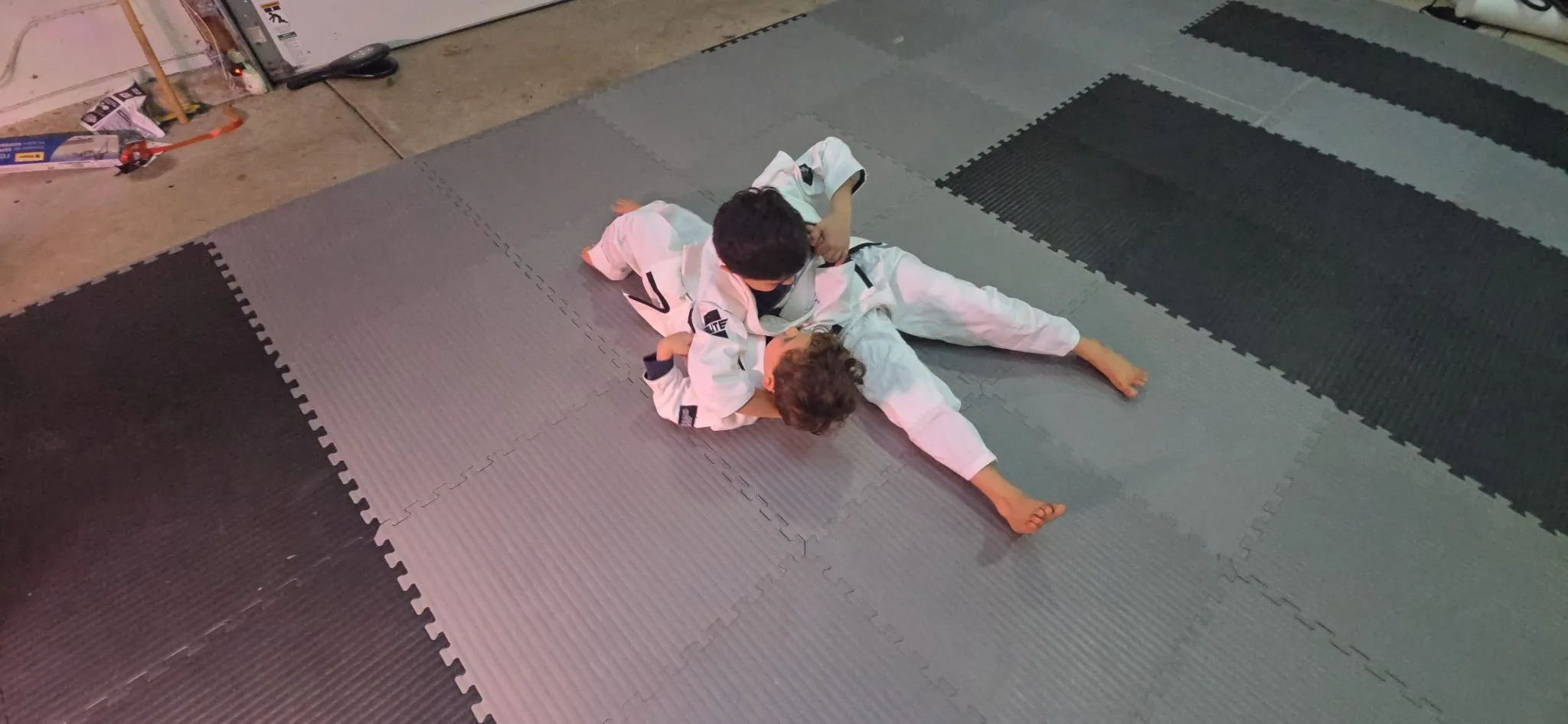
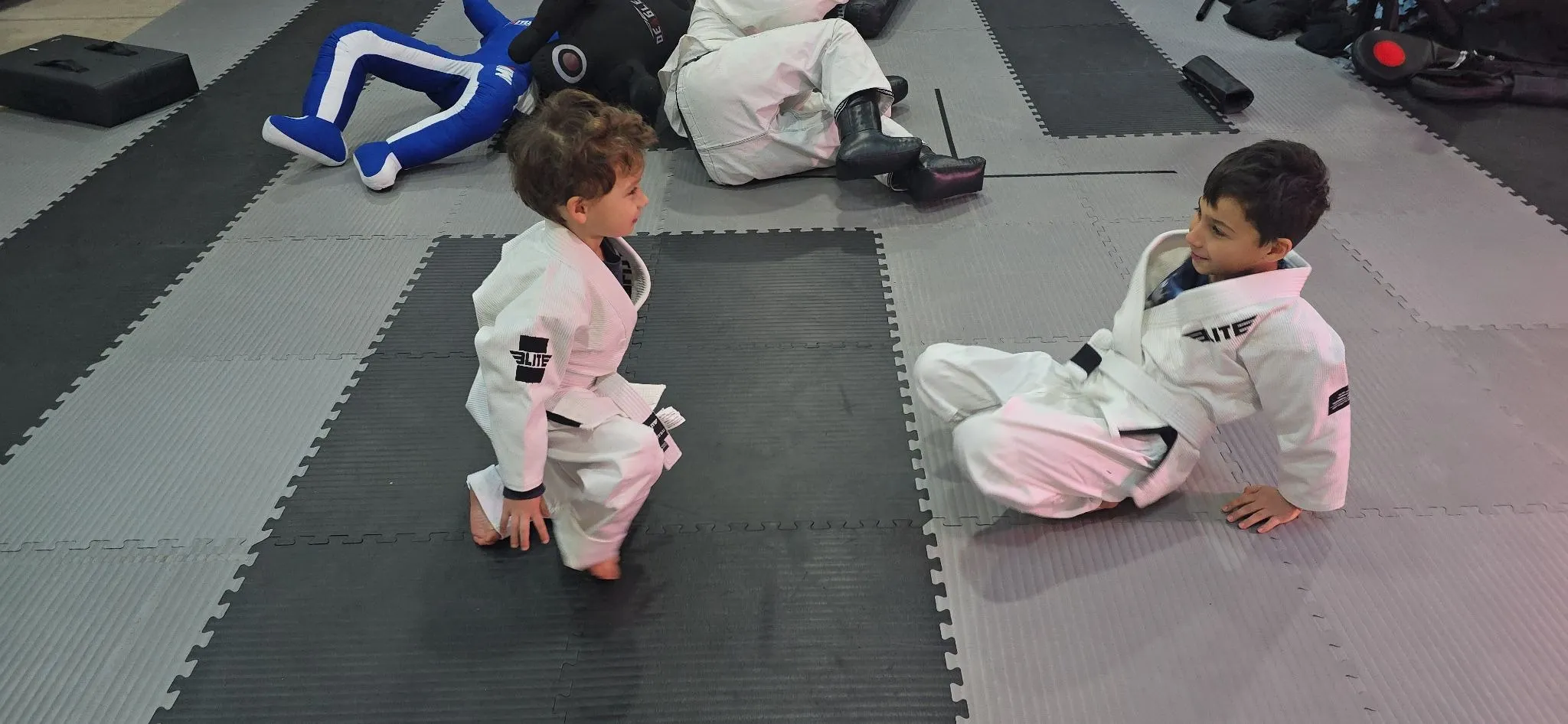
My youngest son, Ren, had his first jiu-jitsu class here at home today. He's three, turns four this month, and he's been watching his older brother, Neo, do classes and a few competitions for a while now.
Today, he got to put on his gi, and I could just see the happiness and the joy in him.

As a father, I want to make sure my sons can take care of themselves. I'm not trying to get these kids to compete in UFC. That's not what this is about. I want them to be able to defend themselves, not get bullied, especially later in life.
And to be protectors of the innocent; friends, family, loved ones, whoever.
When my son steps into that training space, it's kind of a sacred moment for me. When you stop to think about it, generation by generation, that's what we want as parents: to make sure our kids do well in life.
And martial arts, especially jiu-jitsu, grappling, judo, and striking arts, all build confidence, which is a really important part of just functioning in society. Everyone deserves to have space on this planet we share. Confidence helps you carve out your space in the world.
I don't want to get too metaphysical. But there's that piece of it.
The Year I Stopped
There's a story behind why this moment hit me the way it did.
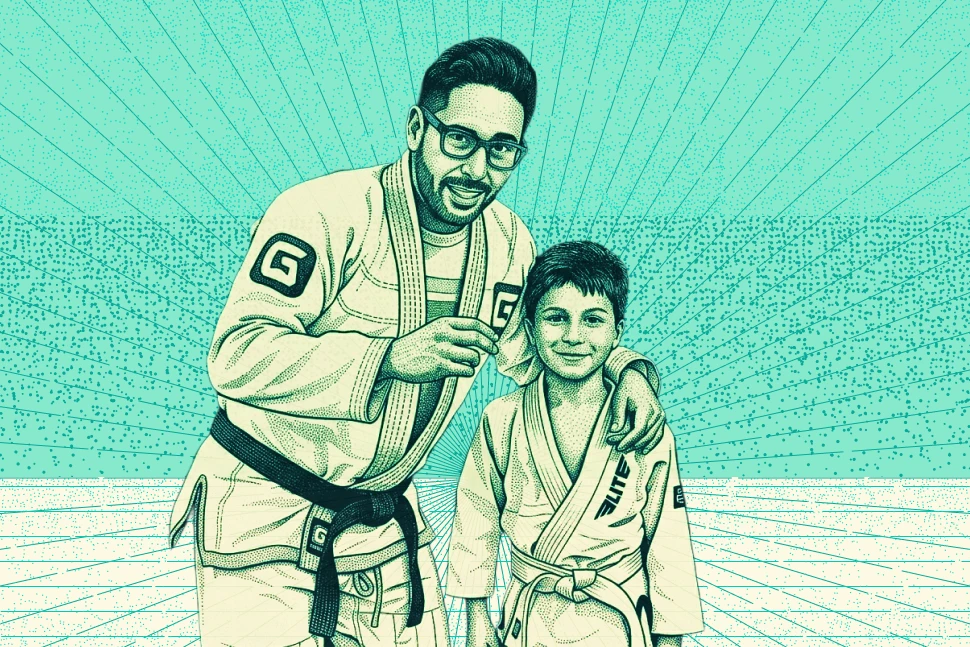
When I first started teaching Neo, my oldest, he was about four and a half. I got him in his gi.
To be honest, it did not go very well.
In my martial arts journey, I was brought up in a very militant-style martial arts school. I did Taekwondo back in the late 80s, early 90s, growing up in the Bay Area, San Jose.
When I eventually ranked up and got my black belt, that's how I used to teach class, too: very disciplined, very structured, sort of like a drill instructor.
What would drive me nuts was seeing the kids in the corner messing around instead of paying attention or doing the moves properly.
So when Neo was four and a half, I came into it with that same mentality. I tried to teach him a block and a kick. And this little 4-year-old struggled to pay attention to his father, I mean i was doing him a favor by teaching him right?
He would be doing the high block completely wrong with no real effort, and I'm thinking, dude, what are you doing, man? Take this seriously!
I realize now that in my mind at that time, I'm operating in a space of fear.
I need this kid to learn how to protect himself, and he is not taking this seriously. He is going to get beaten up later in life. He is in danger. All that translated into anger in my brain. But he's four and a half! He doesn't have a whole lot of attention span to begin with.
In my head, it's hurry up, let's go, Neo. And obviously, there's a disconnect, because he just wants to have fun. He's hanging out with his dad, and all of a sudden, he's getting this completely different energy from me in ‘instructor’ mode.
I am fortunate enough to have built a little dojo at my house; full mats, the whole thing, in a separate building from the house. And I remember being so frustrated and angry that I sent him home a couple of times.
In my head: “He's messing around; he's not taking it seriously.” Then I would yell, “Go home, Neo, we’re done.” He'd go home crying. I'm angry and pacing in the empty dojo. Lose-lose situation. Don’t get me started on what my wife would tell me after receiving her firstborn at home in that state. 😅
So we stopped. Or I should say, I stopped. For almost a year.
Sneak It In
Almost a year passed, and my wife kept nudging me. When are you going to teach him? When are you going to teach him?
After hearing this for months, a light bulb moment happened. He's not having fun. I'm not having fun. Why don't I try to make it more fun? I know! I will invite his friends, so it will be a bigger class, maybe they'll all level each other up and I’ll try to make it more fun.


That's what I did.
I brought his friends over and started teaching out of my garage dojo. Teaching basic TKD kicks and blocks, and I'll say I have no belt in judo or jiu-jitsu, but I've had several years in both.
So, I was teaching basics. Kesa gatame, Kami Shiho Gatame, the positions on the ground, shrimping, mat pulls, Ogoshi throw, etc but I would do it in a more ‘fun’ way.
I would teach them a move, then have them perform it for the others.
I would teach them a pin, and then we would race on their knees from one end of the mat to the other before the other person could catch them and put them in that pin.
And it worked.
All the kids are having fun, being competitive with each other. And that was the realization: when kids are younger, you don't try to teach them martial arts. You sneak it in around fun games… And, the failed 45-minute classes with just Neo and me turned into a 3-hour class with 7 - 8 kids, and adults started joining. It was a lot of fun.
Pretty soon, the actual arts were the focus, still having fun, but we got kids really learning the arts.
Fast forward now to my time at Gymdesk as CEO.
Traveling and shaking hands with our customers for a year and a half, I've heard this confirmed over and over, talking to coaches all over the world, especially regarding kids' classes, especially young kids.
A kids' class has got to be fun! Especially the younger they are. Disguise the martial art as a fun activity. I've seen the belt circle thing work great. I have seen academies put a belt or rope on the ground, make a circle, put two kids in the middle, and have them push each other out.
They're learning balance, learning kuzushi, and they don't even know it. As they get older, the pushes become throws or evasions, and the game becomes training for grappling tournaments. And training and tournaments are real-life confidence builders.
What I Keep Seeing
That realization changed how I approach teaching. And I've seen it firsthand at schools I've visited in San Diego for Gymdesk Originals.
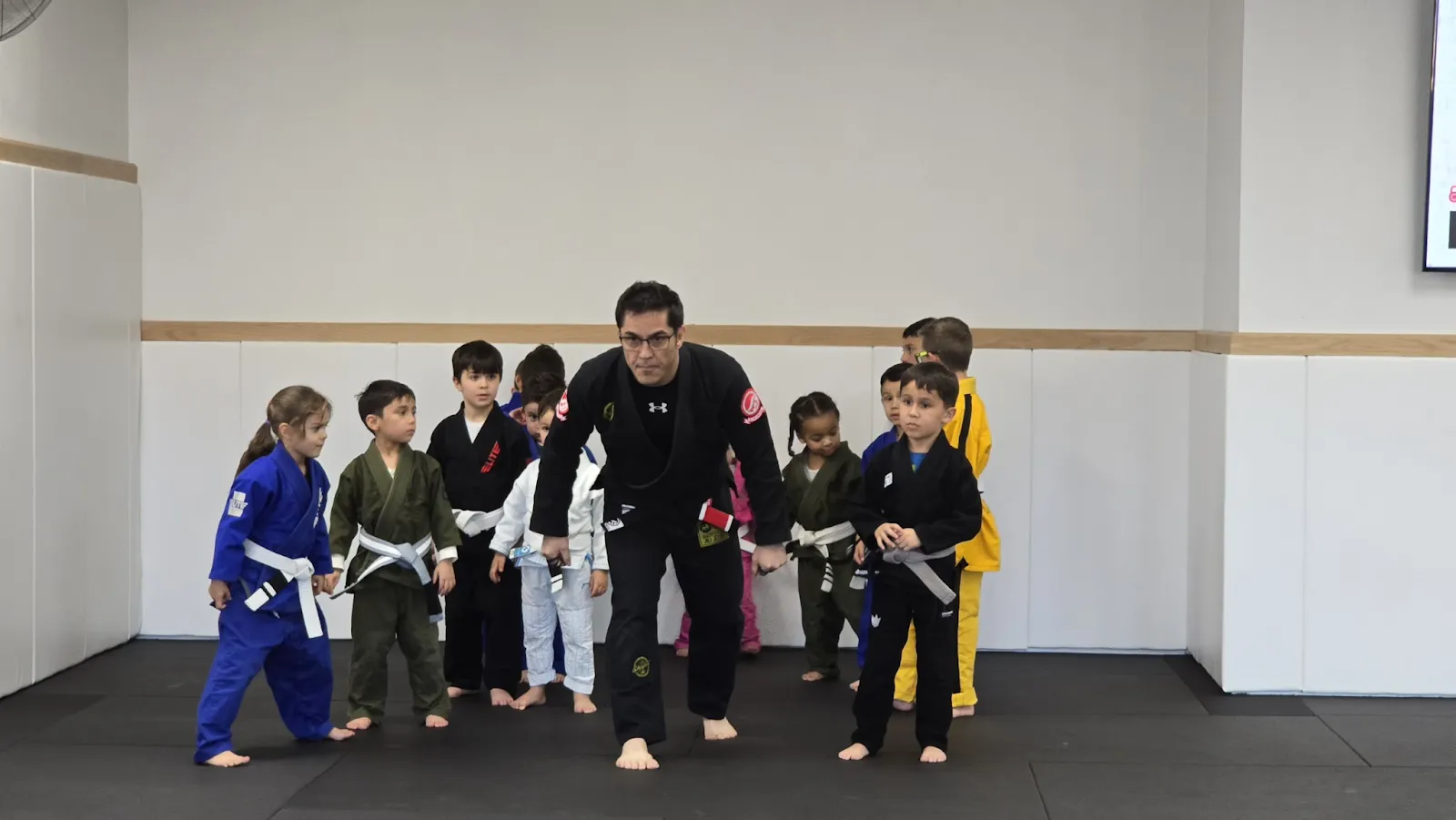
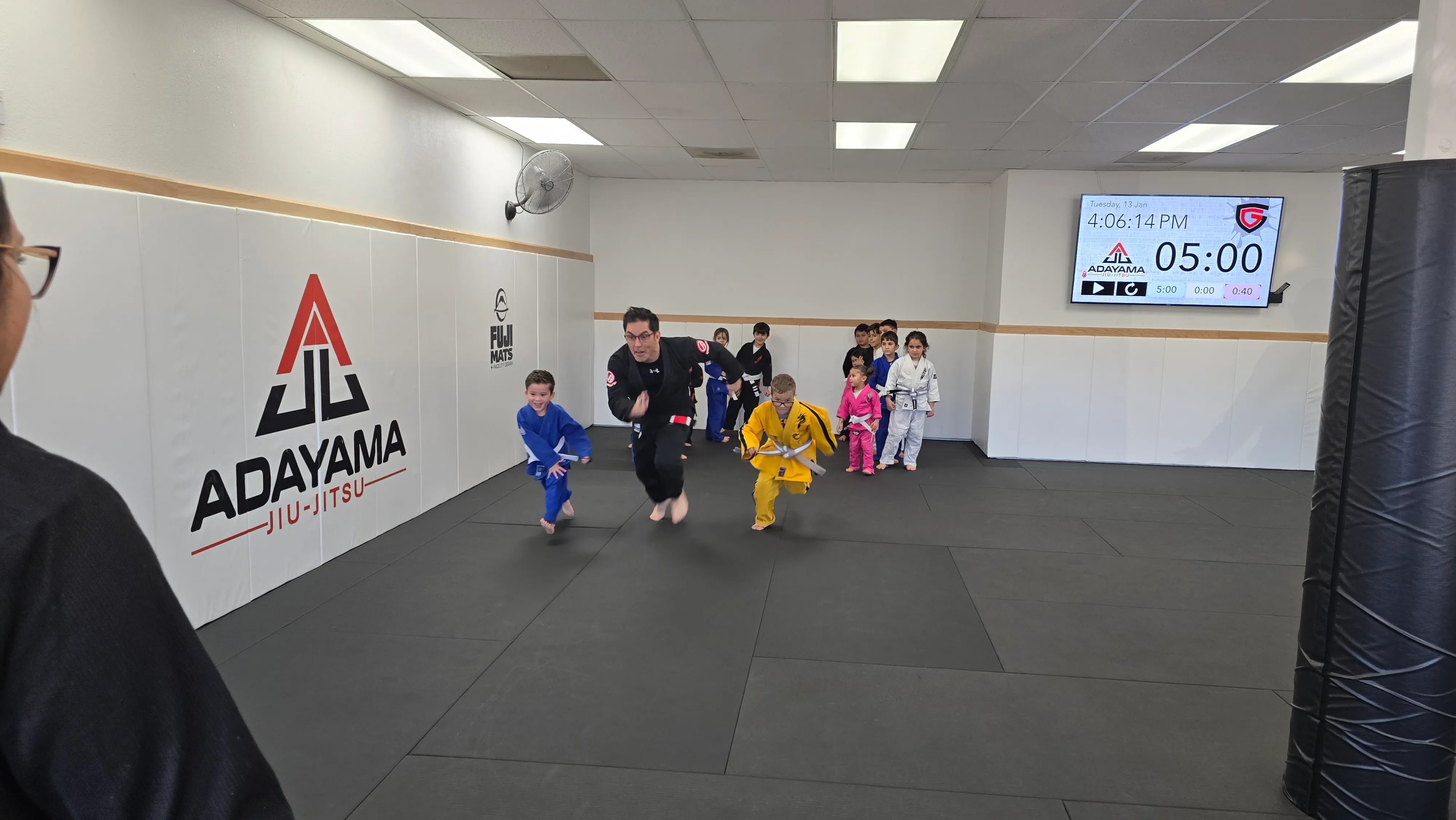
There was Adayama BJJ in San Diego. Professor Marty and his wife, Ellen, opened this academy less than a year ago, and the kids' program is already a centerpiece.
When we visited, Neo got to jump into their Kids 8 & Up class, and I could see it right away. The kids were engaged, the energy was right, and they were learning techniques along the way. Correcting things, keeping discipline, but the fun was always there.


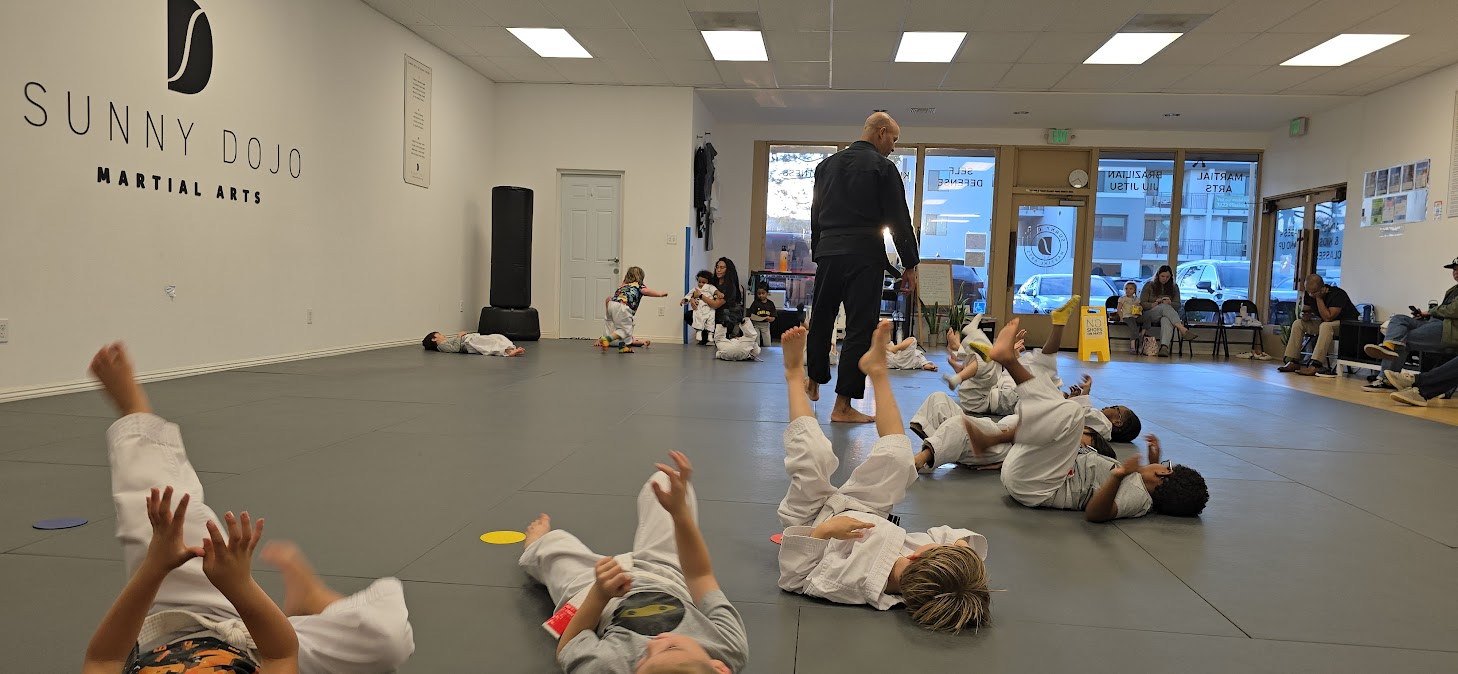
Sunny Dojo, also in San Diego, does something similar with its Little Ninjas program and Saturday-morning Mommy and Me classes, where parents and kids train together.

The kids don't think they're training. They think they're playing.
That pattern comes up everywhere. The gyms doing kids’ programs really well have figured out that fun comes first, and technique follows.
From a business perspective, this matters too. A lot of the gym owners I talk to have their kids' program as the backbone of the business, not a side offering.
At Fit and Fight in Chicago, the owner started with 10 kids, all friends' children, and it has grown to over 40.
At Nova Jiu-Jitsu, their kids program hit 50 to 60 students within a few years. That's the engine.
And here's the thing I keep seeing: a kids' program can encourage adults to join. A parent brings their kid, sits on the bench for a few weeks, watches, and eventually they're asking about the adult schedule.
The kid is the entry point for the whole family.
The Long Game
That family connection is something I think about a lot.
Parents who share a combat sport with their kid, jiu-jitsu, Muay Thai, whatever; they'll have something in common to talk about and do, when those kids are 16, 17, 18, while their teen friends who are not in a mutual ‘sport’ might be drifting away from their parents.
I think about that for my own family’s joint martial arts journey.
I can teach them something and coach them. Eventually, they can teach me something too, since they will be learning from other coaches in their classes. For years, we will be able to roll on the mat and share those moments of vulnerability.
I’m sure that, when they're 14, 15, 16, they're going to catch me in a submission for real. And I'm looking forward to that kind of relationship for the long haul.
Understanding why kids disengage from martial arts is something I wish I'd thought about earlier, when I was trying the militant approach with Neo.
The answer was right there the whole time; it has to be fun first. The technique follows.
The last thing I'll say: as a teacher, coach, and father, there's nothing cooler than when you practice something at home, you drill it over and over, and then your kid uses it in practice, and it works. That's my reward for all the drive time, all the back and forth. That moment.
This month, I am welcoming my youngest into the world of martial arts. We'll see how it goes from here.
Gym management software that frees up your time and helps you grow.
Simplified billing, enrollment, student management, and marketing features that help you grow your gym or martial arts school.