
ブラジリアン柔術はなぜ高価なのか?実際にお金を払っているのは何か (そしてアカデミーを比較する方法)
.webp)
ブラジリアン柔術はなぜそんなに高いのですか?
ほとんどの地域で、毎月 ブラジリアン柔術のメンバーシップは100ドルから300ドルの範囲です。入学希望者がその理由を疑問に思うのは当然です。
健康・フィットネス協会によると、ジムの平均会員費用は 1 か月あたり 65 ドル。 オタクウォレット には、月額10ドルから100ドルのフィットネス会員費用が記載されています。
今日は、コストを分析し、人々の心の奥底にあるしつこい質問に答えます。
入学希望者が知りたいのは、 」ブラジリアン柔術トレーニングは価値がありますか?トレーニングの費用は投資すべきものですか?ブラジリアン柔術は私に合っているの?」
このガイドは、ブラジリアン柔術を検討している人に費用を説明するのに役立ちます。そうすれば、ブラジリアン柔術が自分に適しているのか、それとも子供に適しているのかを判断できます。
ブラジリアン柔術クラス:実際にお金を払っているもの
人々がジムのメンバーシップをブラジリアン柔術のメンバーシップと比較しても、それは正解ではありません。ゴールドジムやプラネットフィットネスのような大きなボックスフィットネスジムに入会すると、入場料を支払うことになります。
お金を渡せば施設を使わせてくれるそれでおしまいです。
ブラジリアン柔術アカデミーに参加すると、次の特典が得られます。
- 施設へのアクセス
- 構造化クラス
- ライブコーチング
- プログレッシブスキル開発
- 安全監視
- ランク付けされたカリキュラム
- コンペティションサポート
- ビルトインコミュニティ
ブラジリアン柔術アカデミーでは、オープンジムへのアクセスにお金を払う必要はありません。コーチング、サポート、ガイド付きスキル開発を受けることができます。
通行料ではなく、授業料を考えてください。
KEY TAKEAWAY:
When you join a BJJ academy, you're not paying for open gym access—you're getting coaching, support, and guided skill development. Think tuition, not toll.
When you look at all of the extras you receive, including the ones you don't pay for (e.g., after-class Q&A, coaches traveling and cornering you at competition), your tuition is actually a bargain.
これはすべてを変えます。
さて、疑問は「柔術はなぜそんなに高いのか」から移ります。「ブラジリアン柔術は他のコーチ付きアクティビティと比較して価値があるのか?」
ブラジリアン柔術を代替案と公平に比較する方法
ブラジリアン柔術とフィットネスのメンバーシップを比較するときは、合理的な比較をしたいと思うでしょう。「なぜブラジリアン柔術はこんなに高いのか?」と尋ねる代わりに、よく見てみましょう。
- 1 か月あたりのコーチ時間の合計
- 明確な進行システム
- アカウンタビリティとコミュニティ
- インストラクターサポートのレベル
- 譲渡可能なライフスキル
これを以下と比較してください。
- パーソナルトレーニング: 時給40~150ドル、マンツーマン、限定ソーシャルエレメント
- 治療: セッションあたり100~200ドル
- クロスフィット: 多くの場合、月額150ドルから250ドル
- ユーススポーツ: プロジェクトプレイによると、家族 年間平均1,016ドルを使う 子供の主なスポーツについて
Activity | Monthly Cost | Coached Hours | Progression System | Community |
Personal training | $640–$2,400 | 4–16 hrs | None | None |
Therapy | $400–$800 | 4 hrs | None | None |
CrossFit | $150–$250 | 12–20 hrs | None (benchmarks only) | Yes |
Youth sports | ~$85 | 8–12 hrs (seasonal) | Seasonal tryouts | Team-based |
BJJ | $100–$300 | 8–16 hrs | Belt ranks (IBJJF) | Year-round |
これらすべての要素を比較すると、ブラジリアン柔術とフィットネスメンバーシップは比較対象になりますか?
近くもない。
と比較すると コーチ付き代替案、ブラジリアン柔術とクロスフィットのコストが最も比較しやすいオプションです。しかし、季節限定のスポーツとは異なり、ブラジリアン柔術は、IBJJFのような独立組織と連携した測定可能なランクアップで一年中運営されています。
関連: このガイド 料金に関する会話を自信を持って進める方法を示し、多くの市場でメンバーシップの価格を月額200ドルに設定するのが適切である理由を説明しています。
コーチングの質が価格を変える理由
ブラジリアン柔術の専門知識の構築には時間がかかります。
フォローしている場合 国際柔術連盟ガイドライン、成人の最低タイム・イン・ランクは次のとおりです。
- ブルーベルト:2年
- パープルベルト:1.5 年
- ブラウンベルト:1年
繰り返しになりますが、これは生徒がランクを上げるために必要な最低ランク時間であり、習得には時間がかかります。
学生は、次のようなことができる講師にお金を払っています。
- 安全基準の施行
- トレーニング中に保護しましょう
- メンバーシップをプルーン、悪いリンゴを取り除く
- 高レベルの指導を提供する
- 悪い習慣を早期に修正する
- 学生の学習時間を短縮
- 学生の知識、経験、スキルを磨く
- 一貫したランク進行
- コンテストで学生をサポート
ハイレベルな指導により、生徒はより安全に転がることができ、より早く上達し、怪我も減ります。これこそが、質の高いアカデミーが他とは一線を画すところです。
どういうことだ?
他のインストラクターは同じようには感じません。、他のアカデミーではそうではありません。質の低いアカデミーでは、次のような雰囲気になります。
- ハイパーアグレッシブ
- 危険、殺すか殺されるか、みんな自分のために
- 毒性があり乱暴性がある
- 大規模なトレーニングミルに近く、個別の対応は最小限で済みます
- 衛生面にあまり重点を置いていない(例:清潔なマット、清潔な浴室)
ご想像のとおり、これらのアカデミーは多くの場合、学生を引き付けるために使用される低コストの選択肢です。これらの問題を抱えている有名なジムもありますが、時間が経つにつれて明らかになる傾向があります。
ブラジリアン柔術アカデミーの運営にかかる費用
価格設定は、アカデミーのオーナーがジムを立ち上げるために費やさなければならない時間と金融投資の産物です。
費用について言えば、ブラジリアン柔術アカデミーには大きく分けて4つの経費があります。
Cost Category | Annual Range | What Drives It |
Facility lease | $60K–$150K+ | Location, square footage, urban vs suburban |
Mats & equipment | $30K–$50K+ (upfront) | Mat quality, coverage area, subflooring |
Cleaning & maintenance | $5K–$15K | Daily sanitizing, laundry, supplies |
Insurance | $6K–$20K+ | Combat sport classification, class sizes |
Instructor payroll | $50K–$74K per instructor | Rank, experience, full-time vs part-time |
これらの費用を詳しく見てみましょう。
1。施設費用
クレキシーによると、3,000平方フィートの小売スペースをリースする平均費用は、通常、次の範囲です。 60,000ドル に 15万ドル以上 毎年 (1平方フィートあたり年間20~50ドル以上)、またはおおよそ 5,000ドル に 1 か月あたり 12,500 ドル以上。
地方や郊外の地域は、多くの場合、以下から始めると安くなります 年間 13 ~ 50 ドル/平方フィート。都会の主要スポットは? 価格は1平方フィートあたり100ドルを超える場合があります。 (年間30万ドル)!
つまり、あなたのアカデミーは、10セント硬貨を受け取る前に年間6桁の家賃債務に直面している可能性があるということです。
2。マット、クリーニング、機器
ブラジリアン柔術マットは安全上の懸念事項です。
高品質のマットは怪我が少なく、 学生の定着率が高い。これが難しいように思える場合は、転がすと分離する低品質のパズルマットでトレーニングするのがどんな感じか考えてみてください。
高品質マットの特徴は次のとおりです。 安くはありません。
もしあなたのアカデミーが、このスポーツのゴールドスタンダードであるフジマットを使っているなら、3,000平方フィートのプログレードのマットが設置できるでしょう。 フジマットは高価です 送料、税金、または特別なサブフローリングを差し引く前に、39,000ドルから45,000ドル以上かかります。
次に、クリーニングがあります。
ジムのオーナーは、毎日の消毒、洗濯、設備のメンテナンスの費用を支払う必要があります。レンタルジムの洗濯、マットの掃除と消毒、掃除機、モップ、バスルームの掃除など。
これには、洗浄剤に関連する費用は含まれていません。
ジムを経営している人なら、衛生管理はオプションではなく、リスク管理に欠かせないものであることをご存知でしょう。
3。保険とリスク管理
格闘技では保険料が高くなります。
これは理にかなっていますよね?誰かが怪我をした場合の経済的負担を保険会社に依頼しているのに、けがをすることを目標とするスポーツをしているわけですね。
保険会社にとってはリスクが高く、アカデミーのオーナーにとっては高価です。学生は、安全で管理され、監督された環境にお金を払っています。
4。インストラクターの時間と給与
アカデミーは生き残るために人々を必要としています。
どのアカデミーにも、授業計画とカリキュラムを作成するインストラクターが必要です。学生に教え、指導し、指導する必要があります。安全を管理し、自分たちと競い合ってスキルを磨きましょう。
講師には報酬が必要 そのために。
これは、小売スペースで運営されている、少人数のグループで労働集約的なコーチング事業です。ジムをうまく運営するには、かなりの時間、エネルギー、財源が必要です。
バリュー・カンバセーション・フレームワーク (オーナー向け)
多くのアカデミーオーナーはすぐに割引を提供します。売上の見込みを失っていると感じた途端に、彼らは退会します。もっと良い選択肢は?
この2段階のバリュー・カンバセーション・フレームワークを使用してください。
PRO TIP:
Step 1: Start with the outcome. Ask prospective students the why question—confidence, self-defense, fitness, bullyproofing, or a positive peer group. Clarify their goal before discussing price.
Step 2: Make the bundle visible. Outline what's included—structured coaching, safe environment, instructor support, flexible schedule, progress tracking, and community. Then present a low-risk next step like a free trial or intro program.
ステップ 1: 結果から始める
入学希望者にその理由を尋ねてください。なぜトレーニングをしているの?
- 自信が欲しいですか?
- 護身術?
- フィットネス?
- お子様のいじめ対策?
- ポジティブな仲間グループ?
価格について話し合う前に、学生にこれを明確にし、目標を確認することが不可欠です。
ステップ 2: バンドルを可視化する
トレーニングの内容を概説します。
- 体系的なコーチング
- 安全な授業環境
- インストラクターサポート
- フレキシブルなスケジュール
- 進捗状況の追跡
- コミュニティ
次に、入学希望者に次のステップを提示します。リスクの低いものなど 無料トライアル またはイントロプログラム。使用 適切なリテンション戦略 お試し生を留めておくために
保護者向け:費用、安全性、そして「私の子供は辞めますか?」
親が子供のためにブラジリアン柔術を評価するとき、彼らは次の3つの分野に注意を向けます。
- 手ごろな価格
- 安全性
- コミットメントリスク
価格だけでなく、保護者が探すべき点は次のとおりです。
- インストラクターは電話をスクロールするのではなく、積極的に指導していますか?
- 子供はサイズや成熟度で分類されていますか?
- 規律はやりがいがあり、前向きですか?
- クラスは組織化され、成長に重点を置いていますか?
辞める子供たちのほとんどは、授業料ではなく、文化や環境の問題が原因です。
最高のアカデミーは利益よりも文化を優先します。 強固な文化を築く方法は次のとおりです 自分のアカデミーで。
アカデミーの文化がしっかりしていれば、各学生の生涯的価値は、今後6〜12か月でさらに高まります。
価格を説明するときに所有者が犯すよくある間違い
ジムのオーナーが恐怖や希少性を感じて運営していると、これらの間違いに陥りがちです。
- 授業料のお詫び
- 割引でリード
- 大規模なジムやフランチャイズとの比較
- 結果のないフィーチャを一覧表示する
- トライアルオファーの回避
- 一貫性のない価格設定
- フォローアップを怠る
これらはすべて自信の欠如を示しています。
ソースは何ですか?この自信の欠如は、通常、独自性の欠如から生じます。
ブラジリアン柔術アカデミーについて、お客様にはこのような態度があります。1つ見たことがあれば、すべてを見たことになります。それらはすべて基本的には同じですよね。ただ、それらは同じではありません。
アカデミーのオーナーは、ジムの運営方法には大きな違いがあることを知っています。
一部のジムは打撃に重点を置いていますが、グラップリングは余分なものとして取り入れています。一部のジムは愛好家向けに作られています。その他は競技に重点を置いています。一部のジムはノーギのみとなっています。
これらはすべて違いですよね?違いますが、ユニークではありません。
真の独自性は、次の4つの基準に基づいています。
- アピール(欲しい)。 あなたのアカデミーには学生が望むものがあります。学生は、自分が大切にしているもの(競技準備、護身術訓練、ハイレベルな指導、トップランクの競争相手へのアクセスなど)を求めています。
- 独占権(私はあなたからしか得られません)。 これはあなたのアプローチ、使用するカリキュラム、チームのトレーニングとサポートの方法などですが、それが何であれ、学生はあなたからしか理解できません。
- 信頼性(私はあなたを信じています)。 生徒たちは、あなたが約束した成果を達成できると信じています。これは、自分が高レベルの競争相手としてこれらの成果を達成したからかもしれませんし、他の学生が同じことを達成するのを助けたからかもしれません。
- クラリティ(私はあなたの言うことを理解しています)。 あなたは自分のユニークさを最も単純な部分に要約しました。君は全てを理解しやすくした。君の説明は明確で筋が通っている。
これら4つの基準に対する答えを見つけるには時間がかかりますが、それだけの価値はあります。
ユニークで需要の高いアカデミーを作る準備はできていますか? 次の 3 つの手順に従ってください。
- あなたのビジネスをユニークにするもののリストを作成してください。 ここでは過去ではなく未来に焦点を当てていることを忘れないでください。自分のビジネスをユニークなものにするためにやりたいことに集中しましょう(例えば、私たちのカリキュラムは他のどのジムよりも多くの世界チャンピオンを輩出しています)。
- 加重ランキングシステムを使用する どの基準が最も重要かを判断します。加重ランキングシステムでは、好みを特定します。あれとこれじゃなくて。時間が経つにつれて、みんなの好みがどこにあるのかが明らかになるので、これは不可欠です。
- 勝者を明確化し、研ぎ澄まし、簡略化しましょう。 何があなたの個性を際立たせているかを特定したら、さらに詳細とドラマを提供する必要があります。(例えば、私たちのカリキュラムは、他のどのジムよりも多くの世界チャンピオンを輩出しています)。
これはどんな感じですか?
昔ながらのドミノ・ピザの広告を覚えていますか?彼らはかつて、熱くて焼きたてのピザを店内で届けると約束していました。 30分、または配送料は無料でした。
彼らのマーケティングキャンペーンは非常に効果的でした。
このキャンペーンは長い間うまくいきました。このようにして彼らの会社は急速に成長し、2件の重大な自動車事故とそれに続く訴訟によって脱線してしまいました。
これは今でも素晴らしい例です。
そうだった:
- 魅力的で空腹な人は、食べ物を早く食べたいと思っています。
- 独占:ドミノ・ピザ以外にこの主張ができる人はいない。
- 信頼でき、他の人が彼らの申し出を受け入れてくれて、実際にうまくいきました!
- 明らかに、ドミノの提案はシンプルで理解しやすいと人々は感じました。
これがブラジリアン柔術アカデミーに必要なものです。
彼らのジムが特別な理由を明確にしています。これらの要素が整っていれば、新しい学生を引き付けやすくなります。このアプローチは能力を示し、能力は自信を生みます。
ブラジリアン柔術は私に合っていますか?(大きな疑問にどう対処するか)
BJJは万人向けではありません。
学生候補者にいくつかの鋭い質問をすることは重要な第一歩です。学生が期待されていることを明確に理解している(そしてそれで問題ない)場合、学生は良い状態になります。
以下の項目を確認して、自分の快適さを判断する必要があります。
彼らは:
- 密接な身体的接触でも大丈夫? 知らない人が自分の上に登るという考えにうんざりする人もいます。見知らぬ人と格闘しているときに汗をかくという考えは、彼らにとって恐ろしいものです。これがあなたのように聞こえるなら、ブラジリアン柔術はあなたには向いていません。自分を抑えようとする人に自分を抑え込もうという考えに活力があるなら、間違いなくぴったりです。
- 実用的な護身術をお探しですか? 最小限の労力で自分の意志に反して他の人間をコントロールする方法を学ぶことは、特定のタイプの人々にとって魅力的です。
- 3~6ヶ月間、何かをしゃぶっても構わないと思っていますか? 多くの人が飲み込むのは苦い錠剤です。このシナリオは、全国のジムで毎日繰り広げられています。身長220ポンドの男性が、無料トライアルのためにアカデミーにやって来ます。彼は体重130ポンドの小さな女性に抑えられ、コントロールされ、(優しく)服従させられます。これは多くの男性が苦労していることです。
- 短期的および長期的な成長と進歩に興味がありますか? 信じようと信じまいと、トレーニングが完了し、物事を終えて、次の準備が整うところまで到達したいと思う人がいます。 良くなれ。絶え間ない、終わりのない成長や発展に対処する必要も、ヒエラルキーのトップに立つために戦う必要もありません。
- 不快感があっても大丈夫。 相手が長期的にやるべきこと(減量、ボディービル、トレーニング、有酸素運動、運動能力など)に慣れていれば、柔術で家にいるような感覚でいられるでしょう。柔術は複雑な武道です。成長には終わりがなく、フラストレーションもそのプロセスの一部です。
すぐに候補者にこれらの質問を投げつけないでください。ただ彼らと会話してください。彼らが探しているものを見つけて、そこから始めましょう。
ブラジリアン柔術は、効率的で便利でパワフルな実用的な武道を探している人に最適です。
ほとんどの人は、ブラジリアン柔術は次のようなものだと考えているようです。
- 「タフガイ」
- エリートアスリート
- 若い競争相手
- UFCファイター候補選手
現実は大きく異なります。 ほとんどの学生は 仕事、家族、責任のある普通の人々。これは最高レベルでも当てはまります。
ポール・アーディラはADCCのベテランであり、CJIのライバルでもあります。
彼の本業は?
Ardilaは人身傷害弁護士です.彼は1日1回トレーニングをする。彼はものすごく危険だが、タフガイでもエリートアスリートでも、UFCのプロスペクトでもない。彼は日雇いの仕事をしている普通の人で、たまたまハイレベルな競争相手でもあります。
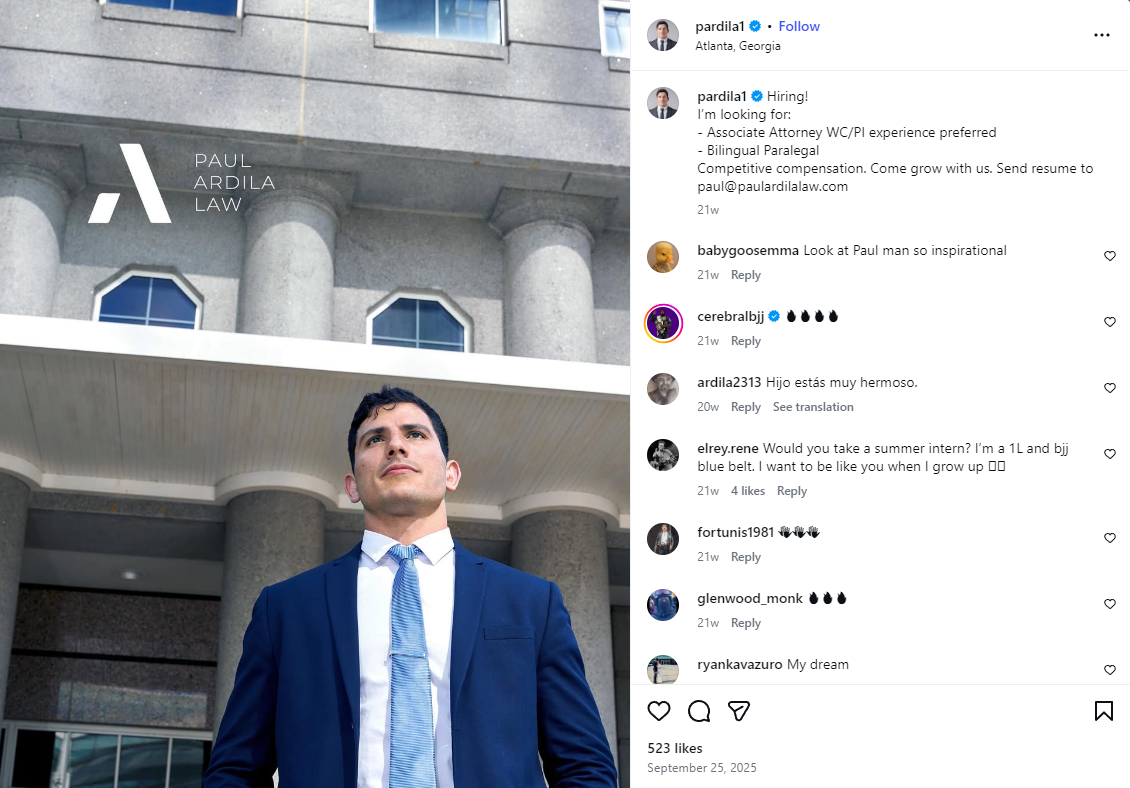
ほとんどの人にとって同じです。
ほとんどの人が次のことを開発するためのトレーニングを行っています。
- 信頼
- フィットネス
- セルフディフェンス
- ストレス解消
- 精神的な鋭さ
- 彼らにとってやりがいのある趣味
多くの学生が求めているのは、生活に大きな支障をきたさないハイレベルなスキルです。質の高いジムに入会する場合、これにお金を払うことになります。たとえそれが単なる趣味だと決めたとしても、高いレベルのスキルを身に付けるために必要な指導、トレーニング、サポートを受けることができます。
ブラジリアン柔術が高価な理由:学生は授業料を支払うが、アクセスはしない
ブラジリアン柔術アカデミーはレンタルしているサービスではありません。
指導を受けた成長、真のスキル、長期的な能力開発のための学費です。ゴールド・ジムやプラネット・フィットネスのような大きなボックス・フィットネス・ジムに入会すると、入場料がかかります。
お金を渡せば施設を使わせてくれる
ガイダンス、トレーニング、サポートはありません。
ブラジリアン柔術アカデミーに参加すると、次の特典が得られます。
- 施設へのアクセス
- 構造化クラス
- ライブコーチング
- プログレッシブスキル開発
- 安全監視
- A ランク付けされたカリキュラム
- コンペティションサポート
- コミュニティへの接続
オープンアクセスにお金を払っているわけではなく、コーチやチームメイトから一対一のサポートを受けることができます。自分の成長に力を注いでくれるチーム、つまりチームにアクセスできるようになったのです。
通行料ではなく、授業料を考えてください。
授業後の質疑応答、大会でのコーナリングやコーナリングをするコーチ、サポートしてくれるチームメイトなど、支払わないものを含め、受け取るすべての特典を見ると、授業料がお買い得であることがわかります。
これはすべてを変えます。
「」から焦点が移ります柔術はなぜそんなに高いの?」から」ブラジリアン柔術は他のコーチ付きアクティビティと比較して価値がありますか?」質問は一般的なものから個人的なものへと移ります。まさに、ブラジリアン柔術があなたに適しているかどうかを判断するために必要なものです。
Gym management software that frees up your time and helps you grow.
Simplified billing, enrollment, student management, and marketing features that help you grow your gym or martial arts school.