ハイウェイ401付近のどこかで雪が降り始めた。アレックス(Gymdeskの大胆不敵なCEO)がトロントの東端に車を停める頃には、雨が降っていたが、再び雪に戻っていた。
道路から少し離れたところにドア、階段、体育館など、あまり期待せずに街を一周していた。
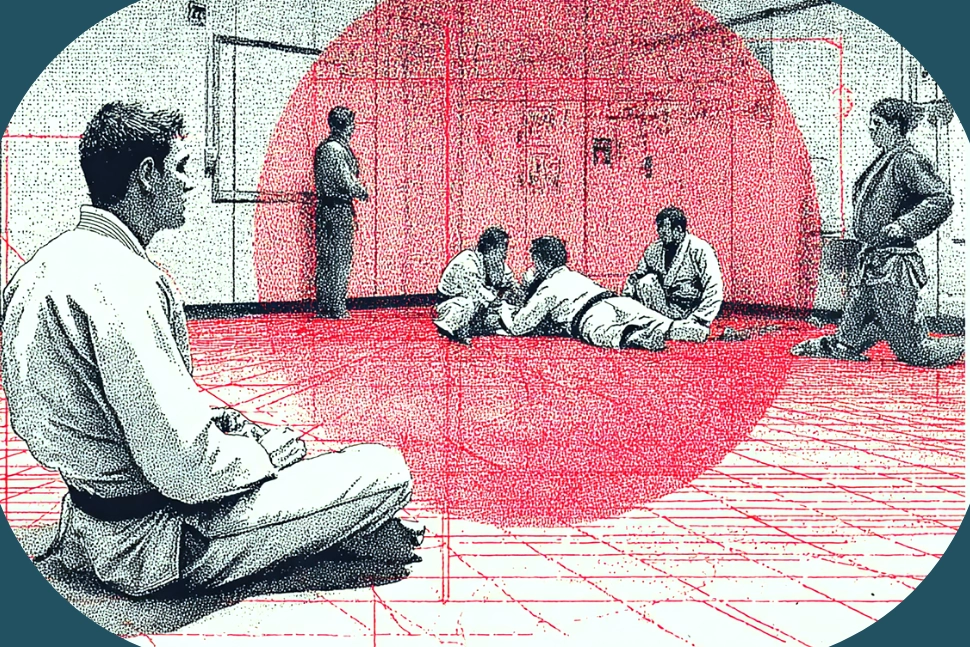
中で見つけたのは、ベビーカーから音を立てる生後15か月の子供、終わりのキッズクラス、大人たちと戯れるティーンエイジャー、そしてパンズで金メダルを獲得したばかりの4人の母親でした。
誰も資格を身に着けていなかった。壁にはこの場所が何だったか、あなたに何を期待しているのかなど何も書かれていなかった。
それから彼は転がり、息子のネオが提出されている間、彼にビデオを見せました。
それがたぬき武道です。それがセイジ・スギマン・マランゴスとマリアンナ・ザフィルーディスだ。彼らは同じ東端の近所で育ち、柔術で同じマットの上に置かれるまで会ったことがなかった。
こちらのエピソードをご覧ください。
同じマットへの2つの異なる道
セイジの格闘技の話は、まるで東端を巡るかのようだ。
通りを行く松東館空手。同じインストラクターが80代になり、今も通っています。別の地元のジムでのテコンドー。ウィング・チュン。武術。カポエイラ。ママ。
近所が柔術よりも先に彼を形作った。
彼はトロントのアップタウンにあるジムで学部生のときにブラジリアン柔術を見つけました。オンタリオ州の初期の(そしてまだ合法ではない)総合格闘技シーンで活躍していた人々でいっぱいでした。典型的なファーストクラス:ティーンエイジャーも含め、部屋にいた全員に殴られた。
彼は戻って来続けた。
それから彼は変わったことをしました。彼はハミルトンに移り、大学院では生化学の博士号を取得しました。そこでジムを探す代わりに、キャンパスで自分のクラブを始めました。白帯みたいに。
「私たちは誰にも何も請求しませんでした。」 と彼は言います。 「少人数のグループで、8人から10人で一緒に一生懸命トレーニングします。」
彼はそのクラブを7年間経営しました。白帯から茶帯まで、ずっとコーチをしていました。
彼は週3日、ハミルトンからトロントまで片道1時間半通勤し、部下たちと一緒にトレーニングを続けました。
マリアンナの道はボクシングから始まりました。国際試合。それからコーチは彼女に休憩してリセットするように言った。
彼女はほとんど偶然に柔術を見つけ、二度と戻らなかった。彼女はヨーロッパ選手権に出場し、紫帯と青帯で金メダルを獲得し、パンズ・アット・ブラウンで銀メダルを獲得しました。
それから彼女には娘がいました。生後15か月の娘が後ろで音を立てていました。彼女は帝王切開の数か月後にトレーニングに戻り、10か月後に全国大会に出場しました。
タヌキが出る前の数年間、彼女はスカボローで自閉症スペクトラムのニーズの高い子供たちと一緒に子供や青少年の仕事をしていました。その背景は、タヌキの子供たちのどのクラスにも表れています。
彼らは両方とも同じ近所で育ちました。彼らは柔術まで決して道を渡らなかった。
キャリアを終わらせた戦い
大学院時代、セイジは総合格闘技を戦った。合計で約7試合、年に1、2試合。
タイミングは珍しくなかった。彼はすでに博士号と格闘技の勉強をしていたが、ロジスティクスはそうだった。
MMAはオンタリオ州では合法ではありませんでした。彼のキャリアのほとんどでそうではありませんでした。それで、戦いは州外や保留地で行われ、知らない人を乗せて飛行機に乗るために誰もお金を払いたがらなかったので、急に起こったのです。
最初の戦い:ブリティッシュコロンビア州プリンスジョージ、4日前。彼は金曜日に飛行機に乗り、その日は体重を測り、土曜日に戦った。
「体重測定に現れたのは私だけでした。」 彼は、事実に基づいて言います。 「彼は言った、『ああ、他のみんなが電話してきただけだよ。彼らはみんな待っていると私に言った。」
彼は誰かがかつて経験した奇妙な仕事について話すのと同じように、これらの話をします。ロマンチックにはならないただの事実だ
彼がオンタリオで合法的に戦ったのは彼の最後の試合だけだったザ・スコアでテレビ中継された。
彼はそのことで約30分の記憶を失いました。彼がノックアウトされたからではなく、ずっと意識があったのです。どれも詰まらなかった。彼の肋骨は戦いの最中に裂けた。
その後の彼の最初の記憶は、コーチがすでに次の試合、つまり翌月のモントリオールのライアン・ホールという試合のことを話していたときに、テープが両手を切られたことです。
「脳に損傷がなかったら、おそらくまだやっていただろう。」
彼はドラマなしでそれを言う。それがまさにそのとおりだった。
彼は戦ったことを後悔していない。彼は引退し、博士号を取得し、SickKids病院に就職しました。そして、彼の心の奥底で、ジムを開くというアイデアは決して消えませんでした。
COVID中のランダムメッセージ
マリアンナはロックダウン中にセイジにメッセージを送った。チェックインしただけです。それから彼女は自分について考えていたことを彼に尋ねました。
彼はジムを開くことを考えたことがありますか?
「私はいつもそれについて考えています。」
彼らはそれについて話し始めました。ある会話が別の会話につながった。最終的に、彼らはただ見るためだけにいくつかのスペースを見に行くことにしました。一人が古い通りにやって来た。ふたりとも育った同じ近所だ。
彼らは2022年3月にリース契約を結びました。その後、もう1回ロックダウンが発生しました。
彼らはそれを階下のスペースの改修に費やしました。彼らが終わる頃には、ロックダウンは終わっていました。2022年4月、ファーストクラス。リースからフロアマットを敷くまで約1か月。
この名前は、お互いのアイデアを出し合ったブレーンストーミングセッションに由来しています。
ある友人が、地理的な名前を使わないようにアドバイスしていました。引っ越したとしても、グリークタウン柔術にはなりたくありません。そこで、彼らは選択肢を検討していたのです。セイジは言った。 「タヌキ。」 マリアンナは立ち止まった。
「私は、『ああ、知ってるでしょ、ちょっと好きだよ。まるでトリックスターの動物みたいだ。」
日本の民間伝承では、タヌキは控えめです。アライグマのようだ。明らかに危険ではない。それが要点だ。
ファイトジムのはずだったジム
タヌキの企画を練るとき、セイジはひとつだけはっきりしていた。
「ここをファイトジムにしたくなかった。私たちはずっとコミュニティ志向です。」
総合格闘技の試合を7回行い、共同創設者がパンズ・アンド・ヨーロピアンズで優勝したことがあるとき、これは注目すべきことです。しかし、誰が参加し、誰が残るか、火曜日の夜のマットの雰囲気など、下流のすべてを形作るのは、このような呼びかけです。
タヌキの会員平均年齢は40代です。彼らには14歳で、60代の人がいます。子供も親も一緒にトレーニングする家族。
初日、新入生は2人だけでした。他のみんなはすでにトレーニングの仕方を知っていました。それがセイジとマリアンナがやる前に調子を整えた。
「それを補強する必要はまったくありません。」 と誠二は言う。 「壁にはルールが書かれていません。人に話す必要は絶対にないんだ。みんなが理解しているように、僕らはハードにトレーニングし、楽しむためにここにいるんだ。でも怪我をせず、お互いの面倒を見るためだ。」
それに基づいて誰も邪魔にならないから ベルトカラー。ランクを使って新入生にプレッシャーをかけている人はいません。タヌキではベルト制が認められ、尊敬されている。しかし、これは武器ではありません。
みんな教えます。 「誰もが教える代理人だ。質問があっても、私に任せる必要はありません。」
それは偶然ではありません。 ジムカルチャー ポスターからは出てこないそれは人々が最初の数回のロールで経験することからきています。人々 スティック・アラウンド 彼らは戻って来ても安全だと感じているからです。
そして、彼らは実際に改善するからです。
価格について:すべてがウェブサイトにあります。相談はありません。誰かを座らせて、なぜサインアップすべきかを説明する必要はありません。
「個人的には、ジムに行って窮地に立たされ、なぜサインすべきなのか話されるのは嫌だ。」 マリアンナは言う。
それが全体の哲学です。透明 ジムの価格、株式に値するメンバーシップは、経済的支援を必要とする人なら誰でも公開されており、アップセルはありません。
管理者側としては、SeijiはGymDeskを見つけました。Gymdeskは何年も前に、以前のバージョンの「MA on Rails」として出会ったものです。
「私たちが試したすべての中で最も直感的」 と彼は言います。
博士課程の頭脳には完全なデータセットが必要なため、休暇中でも毎晩カメラを取り出して出席記録を手作業で記入しています。チェックインタブレットは、開封されてからずっとやることリストに載っています。まだアップしていません。
マーケティングのない4年間はどのようなものか
タヌキは広告を掲載しません。キャンペーンはしません。口コミ以外にプレイブックがなく、トロント東部のブラジリアン柔術ジムを検索したときに Google マップに表示される。
「積極的なマーケティングは行っていません。」 と誠二は言う。 「通常、私たちを探している人がいます。」
それでも、4人の母親がパンズのディビジョンで金メダルを獲得し、アブソリュートで銀メダルを獲得したばかりです。競争相手は、競技用に作られたものではない部屋からどんどん出てきます。
ジムは4年間ゆっくりと着実に成長してきました。セイジは、みんなの名前がわからなくなるまで何人のメンバーを作れるかわからないが、考えている。
彼らは最近、拡大し始めました キッズプログラム、既存の柔術カリキュラムに加えて一般的なフィットネスの要素を追加しました。セイジとマリアンナは今でも子供たちのクラスのほとんどを自分で教えています。彼らはまだそれを引き継いでいません。彼らはまだその準備ができていない。
考えているなら ブラジリアン柔術ジムを開く方法、セイジのアドバイスはおそらくあなたが期待したものではないでしょう。
「思っていたよりも簡単でした。」
作業が軽かったので簡単ではありませんでした。彼らは何も製造していなかったので、より簡単でした。
彼らは育った近所に、すでに知っている人たちと一緒にオープンしました。子供たちの授業、火曜日の夜の常連客、研修を受けるために別の会員を必要としていた人など、彼らは本当に気にかけていました。
文化にはエンジニアリングは必要ありませんでした。それはすでに最初にドアを通り抜けた人々の中にありました。
それでおしまい。それがすべてです。コミュニティから始めましょう。それ以外はすべてそれに続きます。
セイジとマリアンナは、同じ近所に住んでいるにもかかわらず、育ったときに出会ったことはありません。柔術は二人とも見つけた。その後、パンデミック。その後、ジム。
このようなストーリーをもっと探すには、チェックしてください Gymdeskオリジナル。マットの上で過ごす時間を増やすために作られたジム管理ソフトウェアを探すには、こちらをご覧ください。 30 日間無料トライアル。
Gym management software that frees up your time and helps you grow.
Simplified billing, enrollment, student management, and marketing features that help you grow your gym or martial arts school.