Cómo KingJiuJitsu pasó de 2 alumnos a 5 sedes en el GTA

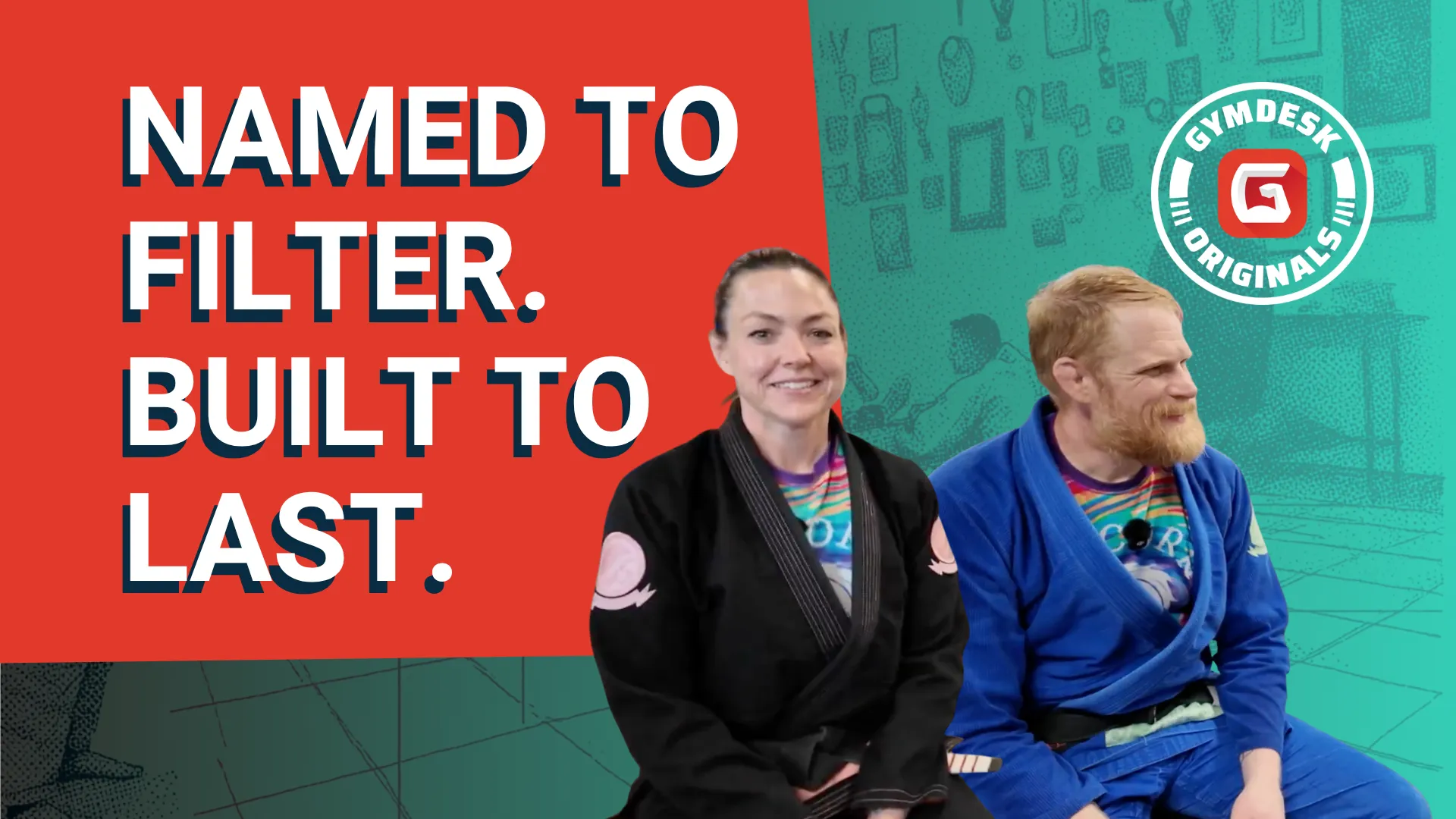
En este episodio visitamos la sede central de KingJiuJitsu en Thornhill para conocer al profesor Gregg King—el primer cinturón negro de BJJ armenio en Canadá—y escuchar cómo un fisicoculturista convertido en practicante construyó desde cero una academia competitiva con cinco sedes.
Con

Gregg King es el fundador de KingJiuJitsu y cinturón negro de 2.º grado bajo el profesor Hugo Fevrier de Tropa De Elite (Francia). Conocido como "The BJJ Professor", es reconocido como el primer cinturón negro de BJJ armenio en Canadá. Empezó a entrenar después de un pasado en el fisicoculturismo, se enganchó cuando un cinturón blanco con grados lo sometió una y otra vez, y ha entrenado y enseñado durante casi dos décadas. Empezó a enseñar como cinturón azul y convirtió KingJiuJitsu de una operación de dos alumnos en una academia competitiva con cinco sedes en el Gran Toronto. Dirige personalmente la sede central de Thornhill y gestiona la red junto con sus profesores cinturón negro.
Sobre el gimnasio
KingJiuJitsu es una academia de BJJ fundada por el profesor Gregg King, cinturón negro de 2.º grado afiliado a Tropa De Elite, de Francia. La academia opera cinco sedes en el Área Metropolitana de Toronto, con su sede central dentro de Chu's Martial Arts en Thornhill. KingJiuJitsu tiene certificación de la IBJJF y es conocida por su programa competitivo para niños y adolescentes, su sólido plan de estudios para adultos y una cultura de técnica sin rodeos. Los profesores de cada sede son cinturones negros bajo Gregg, incluido el profesor Dane en la sede de Vaughan.
📍 55 Glen Cameron Rd, Unit 2, Thornhill, ON L3T 1P2 (sede central—dentro de Chu's Martial Arts)
📞 +1-647-449-1981
Resumen
Esta es la historia de KingJiuJitsu y de su fundador, el profesor Gregg King—cinturón negro de 2.º grado bajo el profesor Hugo Fevrier de Tropa De Elite y el primer cinturón negro de BJJ armenio en Canadá. Gregg descubrió el jiu-jitsu cuando era fisicoculturista, después de que un cinturón blanco con grados de 130 libras lo sometiera en un Good Life Fitness de North York. Ese momento lo cambió todo.
Regresó al día siguiente y nunca paró. Tras años de entrenar y competir, empezó a enseñar en cinturón azul, creó una de las primeras marcas de equipo y grappling, llamada Veni Vidi, y con el tiempo se dedicó por completo a dirigir una academia.
Hoy KingJiuJitsu opera cinco sedes en el Área Metropolitana de Toronto: la sede central en Thornhill (dentro de Chu's Martial Arts), Vaughan (a cargo del profesor Dane, el primer alumno de Gregg y ahora cinturón negro), dos sedes en North York (Budo Canada y Toronto Striking Academy) y Woodbridge (dentro de Matador, en Hwy 7/27). La academia tiene certificación de la IBJJF y es conocida por tener uno de los programas competitivos para niños y adolescentes más fuertes de Ontario. Gregg usa Gymdesk desde los primeros días de la sede central de KingJiuJitsu.
Lo que nos contaron
Alex Cuevas llevó la cámara de Gymdesk Originals a Thornhill, en el Área Metropolitana de Toronto, para sentarse con Gregg King—el profesor King—dueño y profesor principal de King Jiu-Jitsu (Tropa d'Elite). King llegó al deporte como fisicoculturista, un hombre de la mitad de su tamaño lo bajó de su nube en el tatami, y construyó lo que hoy llama una de las tres mejores academias competitivas para niños y adolescentes de Ontario. La dirige desde un salón crudo y sin ventanas dentro de la escuela de artes marciales de un viejo amigo, y tiene muy claro por qué la mantuvo así, y por qué se quedó con el software que le ayudó a crecer.
El día en que el músculo dejó de importar
King pesaba 185 libras y, según él mismo, estaba mamado—lo bastante grande como para suponer que el grappling sería pan comido. Entonces un practicante mucho más pequeño y entrenado lo hizo nudo. Intentó salir de un triángulo a la fuerza, quiso levantar al tipo del tatami y simplemente no pudo. Algo hizo clic. La fuerza que había pasado años construyendo de pronto dejó de importar.
"Este tipo chiquito es un tipo de 130 libras. No me puede levantar. En ese tiempo yo pesaba 185, mamado. … Todo este músculo no significa nada. Significa algo cuando entrenas, pero en ese momento yo dije, eso no significa nada."
—Gregg King, dueño y profesor principal, King Jiu-Jitsu
Cómo llegó Thornhill
Antes de este salón, King tenía una escuela pequeña en Scarborough—la cosa iba difícil, no había muchos alumnos. Lo que lo cambió todo fue una oferta del maestro Chu, un viejo amigo que es dueño de la escuela de taekwondo dentro de la que ahora opera King Jiu-Jitsu. El espacio ni siquiera tenía tatami todavía. King lo miró y vio en lo que se podía convertir.
"Y entonces el maestro Chu, que es el dueño de este lugar, también es mi amigo de hace mucho, muy buena persona, me dijo, oye, ¿por qué no operas también aquí en Thornhill? Le dije, ¿por qué no?"
—Gregg King, dueño y profesor principal, King Jiu-Jitsu
Dos o tres alumnos
Puso tatami en el salón y abrió casi sin nadie en el piso. La subida a partir de ahí no fue rápida ni glamorosa—fueron años de presentarse, día tras día. King cuenta todo el origen de la operación en una sola frase sencilla.
"Teníamos, como, a lo mejor dos o tres alumnos. Y luego se convirtió, con los años, en lo que es hoy."
—Gregg King, dueño y profesor principal, King Jiu-Jitsu
Conservar el calabozo
King podría haber buscado el look pulido y con ventanales que tienen muchas academias. A propósito, no lo hizo. La sede central no tiene ventanas ni lujos, y en verano se huele el trabajo en el aire. Para él, esa crudeza es justo el punto—una manera de conservar la sensación de donde empezó.
"No es elegante. No es bonito como muchas de las academias. … Queríamos conservar eso original primero … la sangre, el sudor y las lágrimas, la sensación de calabozo."
—Gregg King, dueño y profesor principal, King Jiu-Jitsu
Por qué se quedó con el software
A medida que la escuela crecía, King necesitaba un sistema para manejar las membresías, los correos y boletines, y el procesamiento de pagos. Comparó opciones antes de decidirse por Gymdesk, y aclara que la razón por la que se quedó no es un favor a nadie—es el soporte.
"Esto no es algo que me pidieron que dijera. Es algo que de verdad creo. … Cada vez que necesité ayuda, cada vez que tuve preguntas, siempre tuve personal amable que venía a ayudarme. Me encanta lo fácil que es de usar."
—Gregg King, dueño y profesor principal, King Jiu-Jitsu
Darle duro, y contento de hacerlo
Cinco sedes después, King todavía describe todo esto menos como un negocio que construyó y más como una vida en la que cayó y que no piensa dejar. Habla de darle duro todos los días, pero cuando describe cómo se siente de verdad el trabajo, el tono está más cerca de la gratitud que del esfuerzo.
"No siento que esté trabajando. Es trabajo, pero no siento que esté trabajando. Siento como, ¿sabes qué? Estoy feliz de estar aquí."
—Gregg King, dueño y profesor principal, King Jiu-Jitsu
Lee la transcripción completa
Lightly edited for readability. Speaker labels are omitted because the source recording is not diarised; quotes attributed elsewhere on this page were verified against context.
Behind every gym, there's a story, a mission, a spark of passion that started it all. This is Gymdesk Originals. Real owners, real struggles, and the communities they've built from the ground up. All right, here we are. We made it to Thornhill. It's about 45 minutes with traffic to get here from the downtown Toronto area. Here with little Neo. We're about to go in for a class and meet Mr. King Jiu-Jitsu. Hey, how are you guys doing? Good to see you. Good to have you guys. Nice to meet you, Alex.
Nice to have you, man. Come, come with me. I'm going to show you. Let's go. Let's go. Here, we're going to go to the mat. So this is, we operate inside of Chu's Martial Arts. And here is the King Jiu-Jitsu vats. This is our side of the facility. And this is where the magic happens. So this is the magic happens. So this is pretty much where it all started for King Jiu-Jitsu Tropa d'Elite. We started here, humble, small. It was right before the COVID time started.
So still, I used to operate back in Scarborough in a small place. And it was tough. Not many students. And then Master Chu, who owns this place, is my also longtime friend, very good person, said, hey, why don't you also operate here in Thornhill? I said, why not? Look, this place wasn't matted up. And I said, we could do something. Then I shifted from there to here. And being on these mats, we started small. We had like maybe two or three students. And then it became, after the years, what it is today.
And we are all proudly and proud to say, after all the hard work and dedication, and the amazing students that we have, one of the top three best kids and teens overall academies and competitive schools in Ontario. And we have a very strong adult program as well. So it all started here. So this is what we call King Jiu-Jitsu HQ. The students like this a lot. It's not fancy. It's not beautiful like a lot of the academies. It's not, it's none of that. We wanted to keep that original first, when we got here first, touch the old academy, the blood, sweat, and tears, the dungeon feel, you know?
The like, there's no windows. We can't really open it. So there is that, it doesn't smell right now. But like in summer, you smell the sweat. The heat is there. It just has that originality, that little, that charm from the humble beginnings, right? So we're still humble, but from when we were big inches. Welcome home, guys. This is the way it is. This is the way I started. And that's why I have very big emotional, sentimental value in this place, in this location. And I'm so happy to have you guys here today.
I've been working with Gymdesk for a long time, since pretty much I started here. I was looking for a software management system that could handle the new memberships and all that stuff. When I first started, when I first started, I never had that problem. I didn't have that many students. And then, as it grew, I had to have something that helped me manage my memberships, like the email, the newsletters, and all that stuff, payment processing. And that was the, I went, I looked around a few things, but that was the best place that fit my needs.
But before that, I am a very big believer in customer service. And that's what really got me to stay throughout all these years. And this is not something that I was asked to say. It is actually something that I really believe. And that's why I'm a big fan of Gymdesk is because the customer service, whenever I needed some help, whenever I had some questions, I always had polite staff always come and help me out. I love the way it's user-friendly. That's also a big step. Things are automated.
Things are very easy. I use it for my other academy as well in Vaughan. So I have two accounts for Gymdesk. I'm very focused on customer service. You can ask anybody. That's the way I am. I care a lot. I love my students. I'm very thankful for my students. And I give them everything. And so customer service is big. So I'm very happy to have this kind of relationship also, but also this kind of feel that we are important as a customer, as a client of Gymdesk.
And Alex is here with Neil. He's going to do a class with us. So Neil, welcome on the mats. I like the rash guard. I need one of those rash guards too, please. I only got it like... You didn't bring my size medium? I didn't get it like... Everybody had it and I only had it like for... Well, you know what? Here's the deal. It looks like it's big on you. I think that you and me are going to have to fight it out so the winner takes the rash guard.
I think that you and me are going to have to fight it out. I think that you and me are going to have to fight it out. I think that you and me are going to have to fight it out. I think that you and me are going to have to fight it out. I think that you and me are going to have to fight it out. I think that you and me are going to have to fight it out. I think that you and me are going to have to fight it out.
I think that you and me are going to have to fight it out. I think that you and me are going to have to fight it out. I think that you and me are going to have to fight it out. I think that you and me are going to have to fight it out. I think that you and me are going to have to fight it out. Professor. Yes. Professor King. Thank you so much for hosting us. My son. We're going to get on the mats here shortly.
We're doing a super quick interview before we get into class. We're getting in here. We're going to try and hit it one and done. Yeah. One and done. Yeah. I'd love to just get some background on you. We talked a little bit as we were walking in, but tell us about your journey, your martial arts journey. So for me, I'm going to try and make sure. Sometimes I like to talk a little bit too much because I love my story. I love it. It's just like a crazy story.
But I started like I was bodybuilding. I was big. I was, yeah, I can show you some pictures. I was huge. I was jacked. And then I, when I go get some water, I see some people rolling on the fold-out mats because back then when I started, it wasn't as popular as it is now. It's not that many people. And I see people rolling on the mats and I'm like, what is this other stuff that you see in the UFC? And then it was a very small, skinny guys, younger guys and stuff.
And I look at them and I was like, what's all this rolling on the ground and stuff? And they're like, well, come and give it a try. I was like, man, you guys are scared. I'm scared to break you. Yeah. And as soon as I, okay, I go try. And I remember arm drag, start from the knees. This guy just goes, snaps me down, whatever it is. Catch me his arm bars, triangles, guillotines. I'm like tapping left and right. I'm big. And then I try to get him out of a triangle.
I remember going there, lifting him up and I can't lift him. He hooked my leg. And I was like, this small guy is 130 pound guy. Can't lift me. At that time I was 185 jacked. And I was like, you know what? All this muscle means nothing. It means something when you train, but at that point I was like, that means nothing. And then it shifts something. And in my mind, I was like, you know what? This is the real deal. I remember walking home that day and be like, one day I want to become a jujitsu black belt.
This is the real thing. So I went back and then I never stopped from there on. I came back the next day and went back the next day. And I started a few months after the first competition on that. I was like, and then I got, yeah, I started Nogi. Then I, a year after I started because he couldn't, he was a purple belt at that time. The coach couldn't grade me. So I was looking for another academy whilst still being loyal to him. I was like, listen, I'm going to stay with you for Nogi, but I need to go and look for a gi place to get belted because I would like to get my blue belt eventually.
And I started looking at the different academies. I met my old professor at that time and, uh, did the Gi and I fell in love. My first love was Nogi. And then I fell in love with the Gi Jiu Jitsu. Interesting. And I was like, wow. And then from there, I love both, but my true passion is the Kimono. Yeah. I love it. Yeah. I love it. My, I started the other way in, you know, with Gis and, you know, Judo and Jiu Jitsu. And, um, I feel very out of my element with the Nogi, which is why I want to train in it.
Cause you know, I feel comfortable with Gis. It's just the Nogi that, um, that I want to work on. But going back to you, just, um, where, where were you? Were you here in this area? So I was here, uh, in Toronto, North York. Okay. So I first started at the youngest deals into session and said, the GoodLife Fitness. Uh, it was not even an academy. We're just, they were running classes daily. I was just one coach renting out the little studio on full-time mats. It was literally like three meters of mats.
And we would train four or five guys on that every day. Um, that's where it all started. Just humble beginnings. It wasn't like today. Even we didn't have any YouTube, no Instagram, no Facebook, nothing. It was just, I remember buying a couple books, the drill to win. And then the university of Jiu Jitsu with Saulo Ribeiro. And then, uh, the drill to win with, uh, André Galvão. And that was my only resource. And then started Jiu Jitsu Mag. That's all I have for Jiu Jitsu. And that's how we started.
And then I was, remember, I went through the chapters, which is like the bookstore. And I was like, where can I buy this book? They had to order it from the States. I got it. And I was like studying it. I was like, oh, I like this. And I was trying to apply training. Yeah. Um, yeah, it's cool to hear that you're, you read the book from Salo. That's my first Jiu Jitsu experience. Is that right? Yeah. I was in San Diego for Judo, uh, the San Diego Judo club.
And then Saulo Ribeiro shows up. I didn't know who he was, but he's like, oh, we're going to do Jiu Jitsu now. I'm like, okay. So I started training with him for like first, like six months or so. When was this? Oh my goodness. 2009 or something like that. Whoa. Okay. No, wait a minute. Was it 2011? No, my, no. Whoa. I got to go way back. I think it was like, oh, five or six or something. That's pretty much the time that he came up with that book.
Yeah. Yeah. Long time. Oh, so that's awesome. Yeah. Um, and, uh, so then you go into training. I love the, uh, the idea of you being, you know, I was Hulk and then getting submitted by someone who's 135 pounds. Right. And I, so what I have learned is that muscle versus technique will lose, but technique plus muscle will beat technique. Is that fair? A hundred percent. So when you're just big, even if you're athletic, the technique muscle or not, well, most oftentimes beat the big guy.
Like even sometimes I got big guys, uh, that do other sports, their talent, but they have no Jiu Jitsu technique, but athletic and big, put them on their back, put them out. They're done. You take their back, they're done. Um, but now you need to have somebody that's bigger, stronger and muscular, but also does Jiu Jitsu than the differences. So it's better to have both, but there are different things to go about. You know, like I'm very skinny. I'm 155 pounds. You know, I'm a small guy.
I go against big guys all the time. It's just, then it becomes a mind game, but it does play muscle does play a big role, but much less when you're not trained compared to when you're trained. So when you're trained, then it becomes a problem. That's why, you know, it's good to live. That's why you sell the competitors. They're super jacked. They train hard, but they're not as big, but they're super strong. It plays a huge difference. Yeah. Yeah. So by me, when I started and I was a Jack, I remember it being useless, powerless, weak, not weak in the sense that I didn't feel strong, but I felt that all of that mass, all of that strength, all of that muscle that I had in a working hard for would not save my life against a smaller guy that was trained.
And he wasn't like a black belt. He was like, not even a blue belt. He was a three at that time, three, two or three stripe white belt. And he, and I was like, it was like, wow. Okay. Like I got, let's stop playing around here and let's go on and do the real stuff that can actually save your life instead of just making you feel good because you can look big in a club and then people are like, well, be careful. And then a small guy comes in and is like, what?
Yeah. Like arm drags you. You're like, you know, yeah. It was not just that though. It was just, it was the, it was the reality that changed that really made the, an impact for me. It was like, you know what? All that strength means nothing if you came back in. And that was, I'm big on the self-defense and I'm big on understanding it, all the biomechanics and all that stuff that if you came back, you're dead, you die. Yeah. At least give yourself more chances. Yep.
So I was like, you know, right. Beautiful art. And then it's the competitiveness, the human chess, always finding a, an answer to a solution to a problem. It was, that's what I really liked. And really that got me addicted because even today, even though I'm a second girl, my third degree black belt, I've been doing this for like 18, nearly 19 years. Every day I'm still learning. I'm like, you know what? There's never an end game. There's never a, uh, you know it all. Yeah. I'm learning everything from everything you see on online.
You'll see it from white belts. I, sometimes I see some white belts still do stuff, even they don't know it. And I see the movements I do. I'm like, that's interesting. I want to apply that. And then I turn it into a technique and I adapt it with another technique and that didn't come something. So there's always something to learn. That's why I love jujitsu. And that's really from the very beginning. I allowed myself to let that happen. I was also in a bad breakup. So I was already shifting things around.
I was looking for what I could use. I was open to it. You know, I was like, let's do something different in life. You know, just, I think it was something that I say all the time. You don't find jujitsu. Jujitsu finds you. I thought I was doing this. I was, I thought I was big, I was getting good. I want to get jacked. I want to have nice t-shirts that when you go to Cloud the Muscle show and you're like, and your traps, I'll show you a picture so you think I'm not like BS.
But, uh, that was like, that was felt good. And then I was like, no, that's, you know? Yeah. So yeah, I love it. And jujitsu found me. It found me in a time that I needed it the most. Jujitsu finds you know, you don't find jujitsu. It comes to you in time. When you're ready, it comes. So you now have two locations and five. Oh, five locations. I have one here. This one, this is HQ. I have one in Vaughan. I have one in North York, Budo, Lawrence and Dufferin.
I have one inside Budo. I have also one that's in Woodbridge at Matador, Highway 727. And I have one at North York as well, which is Toronto Striking Academy. Oh, so you're everywhere. What's inspired you to do this? Is it, you know, sharing the passion that you've had for jujitsu and like, maybe we can get into that. What inspired me? I was doing other stuff. I always saw when I got into jujitsu, I knew I wanted to have a business in jujitsu because I loved it so much.
I wanted to make it, uh, my everything. It's my lifestyle. So I started with my first website, Grapless Planet. I had a business partner at that time, uh, who believed in my vision and everything. It was there and great partner, great person. I think about him every day. I wouldn't be where I'm at today without my old partner, but we started a website, Grapless Planet website. We were really big. It's a long story on its own, but we started that. And then it was also at the time when there was not that many, uh, gear, there wasn't many kimonos that when there was no, not that much clothing.
So I said, you know what, what about we, why, why don't we just start a grappling jujitsu kimono company, rash guards and all that stuff. It used to be called Veni, Vidi, Vici. I came, I saw it conquer. Oh yeah. Yeah. So I had that. I always liked Latin. So I was like, Veni, Vidi, Vici. I love that. Came, I saw it conquer. That's pretty much the story of my life. So I started that. I got into that business and then it didn't work out after the years, uh, me and my business partner split and I was always teaching.
I always loved teaching since I'm a very, uh, early, I just got my blue belt and I was given a program to teach in an, in another academy. It was called team UMAC at that time. So I started there and they say I was pretty much thrown into it. I was like, I like teaching. Then I had still today. I have some of the students when I first started teaching that are with me. One of them is one of my black belts now to the president who runs the, uh, Devon location.
Uh, and I have Johnny and a bunch of other guys, but, uh, I started teaching and I was like, I like this, but that was just as I wasn't getting paid. I was just kind of loved it. And then when I split with my business partner, I was like, you know what, I'm going to focus on teaching. And I focused and I put all my eggs in this basket and running an academy. So it started here and then we just grew from there. So again, it's the direction that things went.
It was not something that from the beginning, I was like, I'm going to run academy. It's just something that I kind of fell into. And then I was like, I'm going to make this my business. And then before COVID I was like, this is what I'm going to turn my life into. I'm going to focus on this. I'm going to go and I'm going to make this one of the best academies in Ontario in Canada. Yeah, that's awesome. So I'm grinding every day for that. And I have great people behind me for that.
Great students, the great black belts, people that believe and trust in me, parents, kids, teens. And I, that's how I try to make a positive impact. And I want, you know, to give back to the community and be one of the best competitive schools. And also one of the places that we teach real Jiu Jitsu. No, no BS, no, is it, you'll see in the class, real technique that you can use in a role. Like we love rolling. We do a lot of stuff. So I just want to be the best at this, because I really love this.
This is my lifestyle. This is everything. And I'm thankful and grateful that I get to live well from what I do. I don't feel like I'm working. It is work, but I don't feel like I'm working. I feel like, you know what? I'm happy to be here. That's awesome. Well, thank you so much for having us here today. We're, uh, you're about to teach the class. Let's have Nio jump in on the class. Let's go. And, uh, Nio, you ready to jump in the class? Yeah. Nio, good to have you, man. Can I tell everybody that we, that they can get in? Yeah. I think we can let people in. Yeah, yeah, yeah. All right, Nio. Thank you. Was that okay? Yes. Perfect. Thank you, sir.