No te equivoques como el Coach Joe: cómo Midgard enseña a los niños a esforzarse
Joe Tussing ya había ganado títulos estatales de lucha a los 11 años. Ganar le resultaba fácil, así que no se esforzó tanto como pudo. Alex Cuevas visita Midgard Submission Grappling & Self-Defense en North Las Vegas, donde Joe les enseña a los niños sus propios errores.
Con
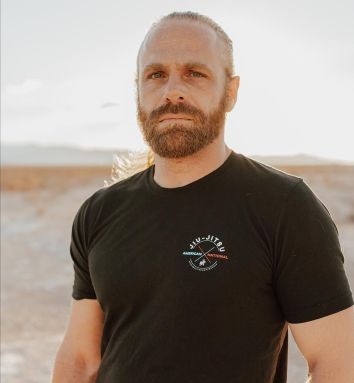
Joe empezó a luchar en Las Vegas a los ocho o nueve años, ganó títulos estatales de niño y lleva casi 20 años como entrenador de lucha. Es cinturón morado de BJJ con tres franjas, ganó el IBJJF American Nationals en cinturón azul y morado, y fundó Midgard Cares, una organización sin fines de lucro para niños y adultos neurodivergentes.
Sobre el gimnasio
Midgard Submission Grappling & Self-Defense está en North Las Vegas. Enseña jiu-jitsu con gi y sin gi, lucha y kickboxing a niños y adultos. El dueño, Joe Tussing, lo abrió para dirigir un programa de lucha juvenil, y las clases para niños siguen siendo el centro del gimnasio.
Las reglas de Joe son cortas: sé amable, trabaja duro. Los alumnos nuevos tienen un compañero de práctica, y los niños se presentan a los recién llegados. Hay juegos y viernes divertidos, pero los alumnos primero se los ganan. En los torneos, nadie de Midgard le grita a sus hijos.
A través de su organización sin fines de lucro, Midgard Cares, Joe da clases en grupos pequeños para niños y adultos neurodivergentes. Algunos de esos alumnos ya pasaron a las clases regulares de kickboxing y jiu-jitsu. Cuando termine el contrato de alquiler, planea mudarse a un espacio más grande.
📍 Dirección: 6380 N Decatur Blvd, Ste 225, North Las Vegas, NV 89084
📞 Teléfono: (725) 304-5291
🌐 Sitio web: midgardbjj.com
📸 Instagram: @midgardgrappling
Resumen
Alex Cuevas visita Midgard Submission Grappling & Self-Defense en North Las Vegas. El dueño, Joe Tussing, ya había ganado títulos estatales de lucha a los 11 años, y abrió Midgard para dirigir un programa de lucha juvenil. Les enseña a los niños a partir de sus propios errores.
Joe habla del niño que no quería bajarse del auto, de por qué los niños le hacen caso a un coach y de Midgard Cares, el programa gratuito que quiere crear para niños y adultos neurodivergentes y sus familias. Dos padres y tres alumnos también hablan del gimnasio.
What Joe Tussing Told Us
Joe Tussing owns Midgard Submission Grappling & Self-Defense in North Las Vegas, where he teaches jiu-jitsu, wrestling, and kickboxing to kids and adults. Alex Cuevas visited and rolled with his members. Here's what Joe said about winning too easily as a kid, the students who changed, the parents, and the free program he wants to build next.
Winning came too easy
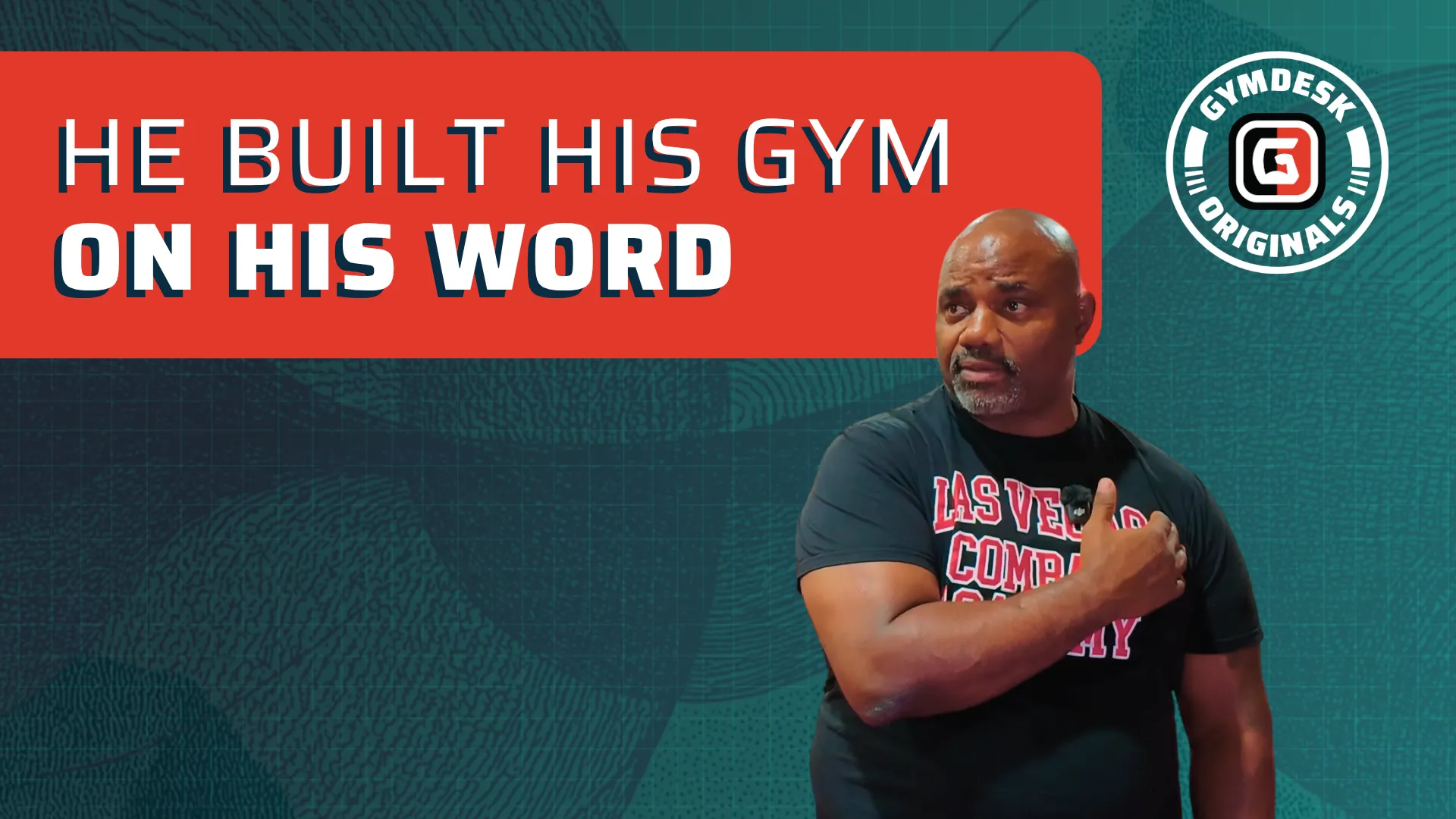
Joe started wrestling in Las Vegas at eight or nine and had won state titles by 10 or 11.
"Wrestling was easy, winning was easy. And so you kind of can find yourself in this place where it's like, oh, I don't have to work hard because I can already win. And that's a trap that I try to keep my kids out of."
—Joe Tussing, owner
Teaching his own mistakes
He opened Midgard to run a youth wrestling program, and he tells his students where he went wrong.
"I explained to them the pitfalls of my own career … I didn't make it to where I wanted to be. I could have been so much better. And these are the reasons why."
—Joe Tussing
"Don't mess up like coach Joe messed up, right?"
—Joe Tussing
No medals required
"I don't care anything about medals. I don't care about first place. … winning in life is controlling yourself, being confident, being kind."
—Joe Tussing
No glory in the gym
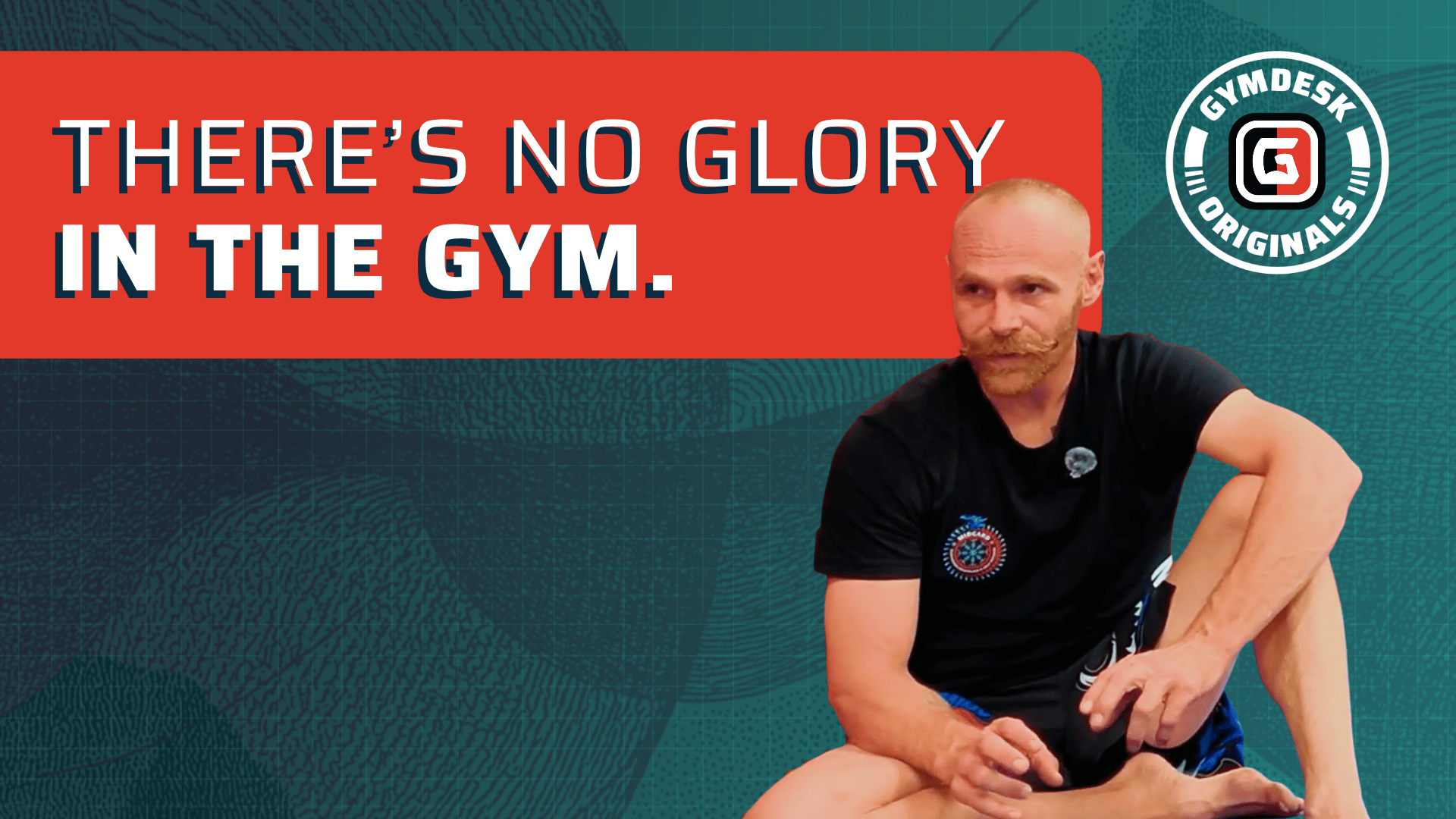
Alex cramped up mid-roll with a member named Davis. Davis let go, got up, and massaged the cramp out of Alex's calf. When Alex brought it up, Joe told him what he tells everyone before they roll.
"It's like, we're not here to win. There is no glory in the gym, none at all. We are here to practice this cool thing that we're doing and take care of each other."
—Joe Tussing
The kid who wouldn't get out of the car
Joe says he can point to 10 or 15 kids in the program right now who came in scared.
"I have one that I had to walk outside and go have a conversation with him because he wouldn't get out of the car."
—Joe Tussing
Some of the change shows up on report cards.
"Cs and Ds change in one school year to a straight A student who's going out for the football team when he didn't even want to play football, but he felt so confident now that he could just go do it."
—Joe Tussing
Why the coach gets through
Joe also works with the kids doing the bullying. A coach, he says, can repeat what their parents have been saying and finally get heard.
"So when I'm telling them the same things that their parents have been telling them, then it starts to click."
—Joe Tussing
"You don't need to find confidence in taking confidence away from someone else."
—Joe Tussing
What the parents see
Mario's two boys have trained at Midgard for a year and a half, in kickboxing, no-gi, and gi.
"I have to get them here, but once they're here, they're good to go."
—Mario, Midgard parent
Miguel, a veteran, found Midgard while looking for a place for his daughter to train. She's about to turn nine.
"She's got an arm bar I can't get out of, so that lets you know a lot."
—Miguel, Midgard member
Strict and still fun
His advice for anyone opening a gym:
"Don't take it too serious. … You can be strict and still be fun."
—Joe Tussing
The notebook years
When he opened, Joe tracked records, belt promotions, and payments himself.
"There's so many kids and there are so many things to keep track of and trying to do it in a notebook or on my notes and my phone was just impossible."
—Joe Tussing
Check-ins, belt-promotion reminders, and payments now run through Gymdesk.
"I like that I can just get it all set up and then it just sort of works for me."
—Joe Tussing
What's next
When the lease runs out, Joe wants a bigger space, mostly for Midgard Cares, his nonprofit for neurodivergent kids and adults. He has done one-on-one neurodivergent training for about 10 years and now runs small-group classes. A few of those students have moved into the regular kickboxing and jiu-jitsu classes.
"There's very few resources in the city for the neurodivergent community"
—Joe Tussing
"I really think that that's like the next big thing for us is having a full service sort of free for everyone neurodivergent program to where the parents of these kids can get a bit of a break, right? And know that they're not alone."
—Joe Tussing
Lee la transcripción completa
Episode Transcript
Midgard Submission Grappling & Self-Defense, North Las Vegas, NV. Speaker labels are added from context; the host is Alex Cuevas, Gymdesk's CEO, and the guest is Joe Tussing, the gym's owner. Students' names are withheld.
Opening
Narrator: Behind every gym, there's a story, a mission, a spark of passion that started it all. For a lot of these owners, it started on a mat, a weigh-in, a bracket with their name on it. This is Gymdesk Originals, real owners, real struggles, and the communities they've built from the ground up.
On the mats
Joe Tussing: ready for your first no-gi?
Alex Cuevas: Yeah, this is gonna be, this is gonna be fun.
Joe Tussing: Yeah. Let's try. And, jumping into it, then the sharks, let's go.
Alex Cuevas: Coach, thank you so much for inviting us over here today. We had, we had Brian, who's our VP of Marketing on the mats today, and we're both learning some cool new things. I learned a brand new move, several actually.
Joe Tussing: Yeah, you didn't have to sign an NDA.
Alex Cuevas: Yeah, hope you don't mind me showing it to the planet here, but.
Joe Tussing: That's what we're here for, is to share knowledge. I really think that there's so much to learn that I can't keep my little secrets for myself. I wanna, I want to spread them to everyone and see the techniques that I enjoy used by other people as opposed to me trying to gate-keep this cool little thing that I know how to do.
Alex Cuevas: Yeah, and, you know, we talked a little bit earlier about how you came upon these moves, almost like you had discovered them. Like, they're just, oh, it's right there. And, you know, the legs being scooped under and you just lock in and just drain the energy down. And then you also mentioned you had like an unorthodox style when you were wrestling. Maybe let's talk about your, your history of like, anything combat sports related. Like, how, where'd you start?
Wrestling in Las Vegas
Joe Tussing: So, when I was about eight or nine years old, I started wrestling here in Las Vegas. And I kind of fell in love with wrestling. I was a three sport athlete, played baseball, football, and wrestling all through high school, but wrestling was really the thing that I excelled at. And like a lot of people, you kind of kind of, you gotta kind of find your own game, find the moves and techniques that work for your athleticism, your body type. And I just, we call it workshop, a bunch of different things that worked for me. And they've translated really well into my martial arts career as in like fighting MMA and doing jiu-jitsu. Wrestling is a fantastic base for all the grappling arts. So it was, it was really kind of a easy transition from, from wrestling right into jiu-jitsu. And then having an awkward style just makes it that much more fun.
Alex Cuevas: Yeah. So I've, I've wrestled for like one semester or something in high school. So I've certainly have no good experience there, but you know, the main thing there is your, you know, you're doing a lot of takedowns, I think, right? And then you're pinning people. And then to transition jiu-jitsu is like, oh, now I have to submit you, but you still have that base, which is real painful for me to deal with as a, you know, I don't have a wrestling, you know, real good wrestling background, but like how's that transition work? You unpack that a little bit.
Joe Tussing: So what, what I tell the parents that come into the gym and they want to get their kids into the sport, that there really is no difference between wrestling and jiu-jitsu except the end goal. The beginning is all the same. We're all going to start on our feet, jiu-jitsu, wrestling, you start on the feet, controlling your opponent. Folkstyle wrestling is all about control and jiu-jitsu top position is all about control. So they kind of just melt into each other. The more wrestling that you know, the easier it is to kind of pick up the jiu-jitsu techniques because your positioning is already kind of worked out. You understand how to stay on top, how to right yourself when you fall to a hip or get to your knees when it's necessary. So it really is like a symbiotic thing. The way that I think about it is jiu-jitsu and wrestling are the same thing. The only difference is the end goal. Am I going to pin you or am I going to submit you? But everything up until that is all the same to me.
Alex Cuevas: You have a very diverse program here or, you know, the collective, you have a number of arts. What are all the things that you do here today?
Why he opened Midgard
Joe Tussing: I originally wanted to open this school so I could have a youth wrestling program. I grew up here in Las Vegas. I went through the youth wrestling and it made a big difference in who I was as a kid. And unfortunately it took me until I was an adult to really see what it could have done for me, right? If I could have worked harder, that's what I tell the kids is we're here to learn how to work hard, how to do hard things, right? And I didn't understand that as a child. Wrestling was easy, winning was easy. And so you kind of can find yourself in this place where it's like, oh, I don't have to work hard because I can already win. And that's a trap that I try to keep my kids out of. It's like winning now isn't the goal. Winning later, winning in life, winning worlds, winning in college is the goal. Like for all my kids now, I just want growth. I want them to learn how to be resilient and to work hard. So no matter what they choose to do in life, school, job, whatever it is, they're already prepared to like nose to the grindstone, get the work done before it's time to play. And that's one of the things we do here. We play a lot of games, a lot of fun stuff, fun Fridays and things like that. But it's something that you have to earn. Everything in life is something that you have to earn. And that's really why I opened this place is my goal is to build as many effective adults as possible. I love teaching adult jiu-jitsu. I love doing jiu-jitsu and competing. But my real passion is teaching kids wrestling, teaching kids jiu-jitsu, kids kickboxing. And those are all things that we do here. I try to take everything that I've learned over the last, what am I 43 now? So over the last 35 years and give them the best pieces of all of it, right? And let them make the decision if they want to pursue this through high school and into college, or if it's just something that they do as an after-school activity, either way they get something valuable out of it in the understanding that all of the good things in life come from hard work.
Alex Cuevas: And how long have you been teaching now?
Joe Tussing: Oh, I started my first job as a wrestling coach at a local gym was 2007, maybe 2008. So I'm almost at 20 years of teaching kids wrestling and adult wrestling. When I first started doing MMA, I was teaching wrestling at the gym that I was competing with. And it just kind of snowballed from there. I didn't really have this as a plan. When I was younger, I didn't plan to be 20 years into teaching wrestling and jiu-jitsu, but it's kind of like, do the thing that you're the best at and do the thing that you enjoy the most. And I love teaching martial arts. I love teaching wrestling. It's one of the most fulfilling things that I think I can find to do. And because it allows me to be able to be able to, teach these kids how to sort of learn from my mistakes. I'm a very open person. I explained to them the pitfalls of my own career and the things that made it, I didn't make it to where I wanted to be. I could have been so much better. And these are the reasons why. I didn't understand how much harder I could have worked when I was in the middle of it. And that's something that I really try to focus on with these guys. It's like, you are gonna get out of this what you put into it. It's like so easy to say as an adult, but it's hard to make a child understand those things. But if you make it a part of your core curriculum, then you can see that kind of carry over into their schooling and behavioral changes. That's one of my favorite things is, is taking a kid that's having trouble in school, bullying or even them being a bully and acting out and having them come in here and like modify their personality to where they want to be as kind and as helpful and as good a human being as possible. That's like my core philosophy is like, we are here to be good people. We are here to work hard and do our best and wrestling, jiu-jitsu and kickboxing are all fantastic ways to impart that because it's not very easy to control yourself when you're getting smashed into the mat by some kid that's bigger and stronger and better than you. It's easy to want to fall apart and cry. And then you see that in competitions, when you go to the local jiu-jitsu or wrestling tournaments, kids falling apart on the mat. And that's expected, especially with young boys. It's so hard to control your emotions and the changes of life and testosterone and things you start to deal with when you become 10, 12, 14 years old and that it's very difficult. And it's like, if you don't have somebody that's kind of guiding you in the right direction, that frustration and that angst can lead you down the wrong path. And like, I know that I made a ton of mistakes when I was a kid because I didn't listen. Maybe I did have coaches that were trying to impart that on me, but I didn't listen apparently. And so that's like my whole goal. If a parent gives me the ability to share these things with their kid, then I'm gonna treat them like they were my own child. I'm gonna teach them just like I taught my son, right? And all the lessons because the old adage, like you have to make the mistakes for yourself, right? Like you have to, the kids have, you have to give them a chance to, no, you don't. You can tell them about the mistakes that you made and make them understand the consequences of their actions and things like this and set them up for success right from the beginning. And that's like one of the most important things to me is I really want these kids to win and not win at tournaments or win in jiu-jitsu match. I don't care. I don't care anything about medals. I don't care about first place. I don't care about any of the, winning in life is controlling yourself, being confident, being kind. And that's like really the philosophy of the gym that I'm creating in the family. Because this, the way that I look at this, like these people spend more time with me than I spend with anybody else in my life, right? Like this is my family and all of these kids and all of these, the parents as well as the adults that train with me, like they're not just like members or acquaintances, like these are friends. These are people that like I want to give my best for they can in turn take what they've learned and then spread that out to the rest of the people in their life and hopefully have this butterfly effect of positivity and like passion. I want people to enjoy the things that they do and also have a place to escape and come here and not think about the difficulties of life and the ups and downs and all those things. You walk on the mat and you shake hands with your buddy and you guys just start rolling and everything kind of evaporates. But the kids, they go to school, they've got so much going on and there's a kid that is messing with them or they don't like their teacher, this and that, but they can come in here and separate themselves from all of that and really focus inward and try to give their best for the 60 minutes that we're on the mat. And if they do that over and over and over, how can it not create a good habit and a good personality inside of them, right? Like I truly believe that all of these things are just an avenue to make our friends, our members, but my friends and family better. And that's what I want. I want everybody to be better, right? Don't mess up like coach Joe messed up, right? And so, yeah, like we have jiu-jitsu, we have no-gi, gi. We do wrestling season is about to start, kickboxing. And like we were talking, my style is very awkward, right? So they get to learn all of these different things that a lot of gyms, I don't think teach as much as I do, but it kind of translates well when we go out and compete. But the thing that translates the most is a sportsmanship. That's something that we're really known for here is when we go to tournaments, everybody knows how my children are gonna act, how the parents are gonna act. Nobody's screaming, no one's yelling at their children. None of those things, like we're all here to uplift each other. And like, that is the core philosophy of this place is like, be kind, work hard.
No glory in the gym
Alex Cuevas: There was, all the things that you're talking about right now, they, for me, it's like, oh, you've built this really amazing community. Everyone's trying to help each other out. You're at the core of it, trying to create better humans. And I experienced that today, because I was rolling earlier, I think his name is Davis.
Joe Tussing: Davis. Davis, yeah.
Alex Cuevas: Yeah, this is done. So we were going at it, right? I was like trying to get a arm, you know, arm triangle choke. And then, you know, we're going back and forth and, you know, I rolled over and then I ended up bridging out of something and my leg locked up and I'm like, ah, he immediately released, got up, he starts massaging my calf. And I'm like, is this for real? Like, this guy is like amazing. Like, he's taking care of me. Like, you know, I inadvertently like, you know, kind of Charlie horse of mine, he's over there massaging it out. I didn't ask him to do it. He just took care of me. It was really cool to see that. The camaraderie you get in, it's not the same as basketball or football or baseball. There's some, it's intimate maybe isn't the right word, but it's so much more like... Like a sacred trust or...
Joe Tussing: Yeah, you have to be able to know that the person that you're working out with isn't there to do you harm. Like, when we roll, that's all I say. It's like, we're not here to win. There is no glory in the gym, none at all. We are here to practice this cool thing that we're doing and take care of each other. We are all adults that have to go back out into the world and make money and all these things. And I really don't think that going white belt crazy on the mat is very beneficial for anybody. And so I don't think it's great for like first, second day people that roll. I really want people to be comfortable and go into it, like knowing that the person that they're about to roll with has nothing but like respect for their partner, right? Anything that goes wrong, it's immediately like, I'm gonna come to your aid as opposed to like, I'm gonna smash you through the floor now.
The kids who change
Alex Cuevas: So another question I have for you, since you've been doing this for so long and you've had so many kids, you have any like really cool stories that stand out of like change, you know, things that...
Joe Tussing: Dude, I have this, it's almost the same story over and over and over. Kids that come in here, we've got a couple now and there are some kids that come in that are ultra confident already. They don't need that part, but there are so many that are scared. They're scared to go to school. I know when I was a kid, I was terrified to go to school. I knew how to wrestle. I was a state champion by the time I was like 11, 10 or 11, I had already won state a couple of times. I was terrified to go to school. I was scared of the unknown, scared of the big bad kid that does this. And there's so many kids that come in here that way and the confidence that they get from being in the martial arts, from doing jiu-jitsu, from wrestling, I think wrestling especially, they go from having zero confidence to making the varsity wrestling team and becoming like an integral part of like the school that they're at and like having more friends and being outspoken and extroverted as opposed to being the introverted kid that I saw walking in. I mean, I could name just in the program that we have now, I have 10 or 15 different kids that started. I have one that I had to walk outside and go have a conversation with him because he wouldn't get out of the car. He was so scared because most kids don't understand what this is. They think, oh, we're gonna go do kickboxing. They're like, oh, I have to go fight somebody, right? That's what every kid think. Oh, I have to go fight now? And it's like, no, you have to kind of like put them at ease so they can come in here and give it their all. It's happened a thousand times. So many kids, I've had kids that came to me just to wrestle, just to do private wrestling and by their third year of wrestling had made the varsity team here at their high school that they were at and were winning matches and a completely different person. Grades go up super high praise from all their teachers. And then they end up getting a scholarship to their college. And I used my son as the blueprint. Like I've been a dad since I was 18 and everything that I did with my son who graduated high school with like a [unclear] GPA, captain of the wrestling team, everything that I did with my son is the things that I do with all of these kids. There's nothing different. I teach them the same. I have the little small heart to heart talks and the little little noogies and side hugs and the things that make them feel like they're important. Because like, that's all anybody really wants is to know that other people care, right? And watching a kid that had zero confidence, doing anything, wouldn't do any extracurriculars at school, like Cs and Ds change in one school year to a straight A student who's going out for the football team when he didn't even want to play football, but he felt so confident now that he could just go do it. That's a sort of repeating cycle that I want to keep going. It really is the same.
Alex Cuevas: So the idea of a kid not having confidence because they don't have the skill or whatever, they get past it, they learn how to do things and then they get the confidence and then they can function better. You also said something else though. You mentioned sometimes there's bullies who are doing the bullying that get reformed by coming here. What's that like? What's that journey look?
Bullies, and why a coach gets through
Joe Tussing: A lot of the time the kids that are bullying aren't, they aren't even doing it to be rude or mean. They just don't understand how to conduct themselves with other kids. And it's like the more that they understand that there's not this hierarchy, right? They think that they've got to be the biggest and the scariest and the baddest to keep themselves safe. And I don't think that's necessary. I think that it's the more friends that you can make, right? The more that you're able to connect with the people around you, the more special you feel, the more confident you can feel. You don't need to find confidence in taking confidence away from someone else. And that's like one of the things that, because I've had a bunch, not a bunch, but I've had quite a few kids that come in and that are behavioral problems and putting their hands on people in school and things like that. And it's one thing when mom and dad tell you something, right? But you see your parents, I don't like to say this, but you see your parents be hypocrites all the time, right? You see your parents do things that they tell you not to all the time. But there's this special thing that a coach has that they don't see you as an outside person. They don't know you have your own life, right? They just see you as this thing. This is all I do. Coach Joe just does jiu-jitsu and wrestling and kickboxing, right? So when I'm telling them the same things that their parents have been telling them, then it starts to click. They're like, oh, maybe mom and dad do have some kind of point or some insight into what I should be doing because coach Joe just said the same thing. And when they start to understand that everybody, everybody isn't not against them, but we're all just trying to make you better, then it's like so much easier to not feel confrontational with people when the smallest little thing happens, when something goes wrong a little bit wrong. You don't have to be angry or try to win or any of those things. Because I think that's where a lot of bullying comes from. It's just, I want to be accepted. And if you're not going to accept me, I'm going to make you, right? And so I make my kids introduce themselves when we have new students come in. I give them a little practice buddy and they know to come up and introduce themselves. And it's like, how do you make friends? Go introduce yourselves. And the more that you teach kids those things, the easier it is for them to just go do it at school. It's like, you don't know what you don't know, right? And kids don't know anything. They have to be shown the world. They only know what they've seen so far. And so my goal is to like to show them all of the good parts. So you can be this way. You can do these things and life will be so much more fun. Yeah, it's going to be hard. There's going to be times that you cry, you get hurt, right? But if you just give it your best, that even if you don't win, you still got better. You still gave it your all and that's winning. And once kids start to understand that, everything in their life just gets so much better.
A parent: Mario
Alex Cuevas: So we just had an awesome class today. How long have you been training here? Actually, let's start with your name.
Mario: My name is Mario.
Alex Cuevas: Mario, all right. And so how long have you been training here?
Mario: My kids have been training here for a little over a year and a half. So I come every day, I participate sometimes, but they train. Yeah.
Alex Cuevas: Have you noticed a change in their behavior or anything like that?
Mario: Yeah, huge change, more discipline. It's definitely good for the kids to keep them, not entertained, but to keep them busy with something, right? It teaches them a lot of discipline. So I definitely recommend it.
Alex Cuevas: And did you pick it up as well, your training now?
Mario: Trying to start a little bit. Yeah. But it's definitely their thing, for sure.
Alex Cuevas: Yeah. Awesome. And they've been coming for, you said a year and a half?
Mario: Year and a half, yes, sir.
Alex Cuevas: And what is their main thing or they're doing? Is it just a jiu-jitsu, no-gi or?
Mario: They do everything. They do kickboxing, they do jiu-jitsu, no-gi, they do gi, so every day. They're in here every day, two hours a day.
Alex Cuevas: And do you feel like you have to like drag them in here or are they just like eager to go or?
Mario: I have to get them here, but once they're here, they're good to go. They're happy, they're good, and it's because we bring them so much, you know what I mean? So it's, but they do love it. Their coach is amazing with them and they taught him, they taught both boys a lot. They came a long way, for sure.
Alex Cuevas: Oh, that's awesome, man. Thanks for sharing your story. Appreciate you very much.
Mario: Thank you.
Two young students
Alex Cuevas: All right. Hi, what's your name?
Student: [Name withheld.]
Alex Cuevas: Hi. How long have you been training?
Student: Two, I don't know. Two, I don't know.
Alex Cuevas: Two years, you've been training for two years? So what's your name?
Second student: [Name withheld.]
Alex Cuevas: And you've been training for two years as well?
Second student: Yes, sir.
Alex Cuevas: Yes, sir, yes. Yeah? Well, what do you like the best about training here?
Student: The best about training is like wrestling.
Alex Cuevas: Huh?
Student: I like wrestling.
Alex Cuevas: Wrestling. Wrestling, yeah. And do you like doing wrestling and no-gi jiu-jitsu?
Student: Yeah.
Alex Cuevas: Yeah. But you also do some of the striking, yeah? Yeah? And how about yourself?
Second student: Yes, I do hard work and I show my mom and dad I can do this.
Alex Cuevas: Nice. Do you feel by doing jiu-jitsu or doing martial arts, you can do other things like for school and all that. You feel a little bit more disciplined?
Student: Yeah.
Alex Cuevas: Yeah. It's helped you a lot then, huh?
Student: Yeah.
Alex Cuevas: Okay, that's awesome. All right, well, high five. Oh, I got one more question for you guys.
Student: What?
Alex Cuevas: If, what is your message to maybe other kids who might be watching and they like want to try it, but maybe they're afraid. What would you tell them?
Student: I would say if you come to jiu-jitsu, just work hard, keep going, whatever you want, you can just keep going.
Alex Cuevas: All right. Yeah.
Second student: For jiu-jitsu, you can work hard. I do, yeah, you shy to do it. Should I ask people for help?
A teen student
Alex Cuevas: Yeah. I'm here with the prodigy I'm told. Your name is [name withheld]?
Teen student: Yes.
Alex Cuevas: Awesome. How long have you been training?
Teen student: Roughly two years.
Alex Cuevas: Two years. And what is your game? Are you a judo or jiu-jitsu or a wrestler or all of it?
Teen student: I'm a striker. I'm not good at grappling.
Alex Cuevas: Oh, you're a striker. So what program are you like most fond of here?
Teen student: It's kickboxing for sure. Yeah. But I like jiu-jitsu too. It's good. Coach knows what he's doing, what he's talking about. Same with all the coaches here. They have their own skillsets, very diverse.
Alex Cuevas: And so when you first started training here, you had like zero background or?
Teen student: I had some, I wrestled for about a season, but then I got injured.
Alex Cuevas: So how did you feel when you were like gonna come? Were you nervous about starting up? And tell me about how that felt in the beginning.
Teen student: Oh, I was definitely afraid of doing this. I was like, "Oh, I don't know if I'll be good enough. "I don't know if I have the drive to do it." But I just stuck with it for a few weeks and I fell in love with it. I started doing it every single day. So, yeah.
Alex Cuevas: And do you feel like you made a different kind of friend from the guys that you train with here? Like a different bond you have?
Teen student: Absolutely. I mean, some of the best people I've met have been through this. And I definitely think that the brotherhood that a lot of people who do jitsu and MMA, like create is just, it's different. It's not like any other sport.
Alex Cuevas: It's cool to hear, because you hear a lot of people, or there's a lot of people I think that need that. And they don't understand that they can be a part of it. And sometimes it might feel intimidating for people. So if you think of like someone who might be watching, like, "Oh, I wanna try it, but I'm scared," whatever, like, what's your message to them?
Teen student: Just do it. Just jump in and do it. Yeah, you don't lose anything from trying. I feel like trying to do it is worse than not trying it at all. Not worse, but it's better to try at least than to not do it at all.
Alex Cuevas: Yeah, all right. I'll go for a little bit high level question. Like, what's your message to the world, 2026?
Teen student: Just love one another, I guess. Just be united in times of hardship. Yeah, that's my message.
Alex Cuevas: Hey, man. I love it. Thank you, man. Appreciate you.
A member and parent: Miguel
Alex Cuevas: Miguel, nice to meet you, sir.
Miguel: Nice to meet you.
Alex Cuevas: And where are you from, Miguel?
Miguel: I'm a vet, so I've been to a lot of places. So I don't really have a home.
Alex Cuevas: Did you, you've been in Vegas for a while?
Miguel: A few years, yeah.
Alex Cuevas: Okay, and then how'd you find this place?
Miguel: I'm looking around for [gyms for my daughter to train]. And we came upon this place and checked it out.
Alex Cuevas: So your daughter was training here. I think I just interviewed her, yeah?
Miguel: Yeah.
Alex Cuevas: Yeah, and were you trying to train yourself or you got her into it and then you're like, "Oh, that's interesting."
Miguel: No, it's like a family heritage thing. So we tried to start young and then work our way up. Yeah. She did good, so, and she caught on to the sport.
Alex Cuevas: Yeah, so did she start first or you started first?
Miguel: I started a long time ago, but...
Alex Cuevas: So you've been training for a while, yeah?
Miguel: Yeah, on and off, yeah.
Alex Cuevas: Cool, you know, like one of the things that I love about training is my son's nine. And I've talked to guys who have kids and the kids like 17 or 18, and they have this thing in common with the jiu-jitsu. And so while the other friends that don't have that, they're all like not talking to the parents anymore, you have that bond. So if you guys both keep training, that'd be pretty cool, right?
Miguel: Man, she's gonna beat me up. She's about to be nine. She's got an arm bar I can't get out of, so that lets you know a lot.
Alex Cuevas: Yeah, what better can you ask for, right?
Miguel: Yeah, so, I'm sending her up for future.
Advice for new gym owners
Alex Cuevas: Yeah, awesome, man. Thank you, Miguel, appreciate it. And for the aspiring coach, sensei, professor, whatever, who hears you speak, what advice do you have for them if they wanna open their own gym? Like all the learnings that you've had, you know, what's their words of wisdom there for them?
Joe Tussing: Don't take it too serious. Like there are places that are competition gyms and like we're, they're super competition focused and it's like, we're here to win. And there is a place for that, most kids don't need that. Most kids just need a little bit of, a little bit of encouragement, right? It's like, don't take two things too serious. You can be strict and still be fun. You can be strict and instill good values in kids and not be scary and not scream and yell. I don't scream and yell. I might, my voice might go up a couple decibels, but I'm not that kind of coach. I don't scream on the mat. I don't yell at my kids when they lose and stuff. And it's very rare to see that. Most of the coaches that I've grown up with and a lot of the coaches here, I know just cause we've all been doing the same thing for so long. And I feel like the approach that I take of like, I'm your coach, but I'm also your friend. I want you to be able to talk to me and be comfortable to tell me the thing that made you sad or that makes you scared because as a coach, I need to understand what they're feeling and how they're going to interpret the things that happened to them at school so we can modify behaviors and make them see the positive side of even the most negative situations. And the more that you are friendly and you, I do this a lot, I call the kids, sir, excuse me, sir. You want them to say that to the people around you. So you want them to say, yes, sir, no, sir. Yes, ma'am, no, ma'am. But how can you expect them to do it if you won't do it? And it's the same thing with competing. How could I expect the kid to go out and compete if I won't compete myself? It's like lead from the front. Do your best to practice what you preach and don't take it too serious. We're all just here to have a good time and learn some cool stuff. And if you kind of have that as like the base of your philosophy, I don't think you can go wrong.
From notebooks to Gymdesk
Alex Cuevas: Well, let me ask you how you found us.
Joe Tussing: So when I first opened the gym, I didn't really understand all of the backend stuff that went into running your own academy and the record keeping and promotions and all those things. There's so many kids and there are so many things to keep track of and trying to do it in a notebook or on my notes and my phone was just impossible. And then there's payment processing and my website and all of these things, it's like, oh, how am I ever going to do this? And so I shopped around to a few of the different martial arts softwares and some personal trainer softwares. And then I found Gymdesk and I met [name unclear], just another person that had a love for jiu-jitsu and he really believes in what Gymdesk was doing and stuff. And so I kind of went with Gymdesk and it's been really good for us. It's helped out a lot. It's made my after practice stuff and my off time a lot easier that I don't have to spend so much time doing like clerical work because I am horrible on a computer. I am the worst on a computer. I should have paid attention in computer class.
Alex Cuevas: Yeah. Yeah, and is there anything that you use in particular like all the time, your go-to?
Joe Tussing: So the thing about Gymdesk that I like is I like the check-in system a lot and like all the reminders and the alerts that you get for each student and that you can customize it and set it to remind you when kids come up on the different promotions for belts and things like that has been a big help as well as the payment processing. It's so much easier than trying to--
Alex Cuevas: Like chase people down the road.
Joe Tussing: Keep track of all this.
Alex Cuevas: Oh my gosh.
Joe Tussing: It's like, yeah, it's like I like that I can just get it all set up and then it just sort of works for me. And granted, I probably should work a little harder to get better on the computer so I could use it even more.
Alex Cuevas: Yeah.
Joe Tussing: Right? But it has made a big difference in how well I can keep things sort of organized here.
What's next: a bigger gym and Midgard Cares
Alex Cuevas: Yeah, that's awesome. So what's next?
Joe Tussing: Next is getting a bigger gym. Once our lease runs out here, we get a bigger gym, we get the wrestling season cracking off in the next two or three months. Wrestling season actually starts and I'm really invested in my nonprofit for neurodivergent youth and adults for fitness and coordination and things like that. I have my own nonprofit Midgard Cares and I'm really looking forward to a bigger space where we can hold classes for anybody in the neuro community that needs this sort of thing in Las Vegas. There's very few resources in the city for the neurodivergent community and I feel like I'm drawn to them, my few nieces and nephews that were at different places on the spectrum and I've done so much one-on-one work with different clients. I've been doing neurodivergent training for about 10 years.
Alex Cuevas: Wow.
Joe Tussing: And now that I have my own place, I can do group classes and then once we expand, I can have more RBTs and ABAs come in and help me with the classes and they don't get the opportunity to be around kids as much because they're not just regularly stuck into regular classes and stuff and then depending on their level of diagnosis, it's like this could be the only time they get to socialize and it helps a lot when the person that's there coaching them has the ability to redirect them but not be scared because some of the neuro kids are very strong and they can do a lot, right? They can get violent and all these things and so I feel like it's kind of my, I can't even think of the word. I feel like it's kind of my calling to like use the things that I know to help these kids that have so little in terms of community to find a place where that they can belong and I've had so many of these kids go from very little social skills into coming to class. We have a few that are just here at this gym that have gone from our small group neurodivergent classes and transitioned into doing the kickboxing classes and stuff and doing the jiu-jitsu classes and I really think that that's like the next big thing for us is having a full service sort of free for everyone neurodivergent program to where the parents of these kids can get a bit of a break, right? And know that they're not alone. I can only imagine how difficult it can be for some of these parents because it can be very difficult to just do it on your own with an autistic child and I feel like there's no need for these people to do it on their own. Like I want to be someone that they can lean on and I do a lot of research about like redirecting and different behavioral techniques and things that they can do. The parents just accept you only know what you know, right? And I want to be sort of, somebody that they can lean on to help them in this journey that for a lot of parents is going to be for their entire life. A lot of the kids that I've worked with won't ever really go out into the world and be just solo functioning adults. They're always gonna be at home with their parents but if I can make that time easier for them and give the parents an hour or two on each, every weekend they can go out and decompress and have a little me or them time. It's gonna make a big difference in their life and making a difference in their life makes a difference in everyone else's life because we're all interconnected. Like what is it? Like we're five people away from every other person on the planet, right? And so understanding that it's like, I feel like I have so much that I can give especially now that my kids are gone and it's just me doing this thing that I love to do and I wanna give all of my time to as many kids and adults and the parents of the neuro kids. I feel like that's what I'm put here to do. And so it's like, I feel grateful that I'm able to keep this place open and I have such wonderful members. It's like, I'm not doing this alone. Like I know some jiu-jitsu, I know some wrestling and everything but these people trust me. Like that's something is I really wanna do my best to, man, how do you say that? I really wanna do my best to show them that them putting their trust in me is a good decision, right? Like I want this place to be an escape from how hard life is, right? And I wouldn't be able to do that if I didn't have wonderful people that come in here and help me. It's not just me helping them. The parents come in and they make my life easier just by the smiles on their face telling me how great their kid is doing in school. That, me knowing that the thing that I'm trying to do is working makes me wanna do it so much more. And I think that's what's next is us expanding and me trying to give this sort of gift to as many people as I can. I feel like I have a way of connecting with the kids and the neuro kids more than the normal adult would. I'm a funny guy, you know what I mean? And yeah, I just, I feel like I can do this for another 20, 30 years. And hope that all this time that I'm putting in that one of these kids that I send out in the world that got confident does something amazing, right? That solves world peace or solves world hunger or something, right, it's like I'm doing my best or just goes out and is a kind person and helps everybody around them. And all of those things are gonna snowball into everyone around them. And then the world is a better place. And that's really my goal is like to atone for the things that I may have done wrong in my past and sort of pay my karmic debt and make the hour that I have or the two hours that I have with these kids or with the adults like worth it every single time that they come in here. And yeah, we all have imposter syndrome, right? It's so hard to be confident in the thing that you're doing and it's just like, that's another thing that if you're gonna start a gym, just throw yourself at it, give it your best, right? The same thing that I tell live, practice what you preach, the same thing that you tell the kids, go and do it on your own. Like go and give everything you've got to it and what's the worst that can happen, right?
Why he does it
Alex Cuevas: All the things that you're saying right now and like where your heart is and that your compass, it's very inspiring to me. And for us in what we do at Gymdesk to be a part of that, even if it's just a tiny bit to unlock that so that you can do that, it just feels amazing.
Joe Tussing: The world would be so much of a better place if we just do the best foot forward and just gave the best part of ourselves to each other. I don't want anything in life for myself. I want to give everything I have to the people around me. And martial arts is just such a great way to do that. I don't wanna get rich doing this. I don't have any like delusions of grandeur that I'm gonna be the greatest coach in the UFC history and all these crazy things, the most winning kids coach in this, I don't care about any of that. I just want the people that I'm able to interact with to go away from our interactions better than they were before we met or before we rolled or before they brought their kid in for that first day. And if I can do that day after day after day, how can things not work out? And so that's really why I do this is I love coaching, I love teaching, but I just want kids to have the thing that I didn't feel like I had when I was younger. And the more that I can, the more wisdom, the more things that I can tell these little kids about, the better that they're gonna be in the world. And who knows, maybe one of these kids will become a surgeon and fix my aortic dissection when I'm 75. You never know when things are gonna come back around. So I figure if I put as much good out into the world as I can, hopefully it'll be there for me when I need it.
Alex Cuevas: That's beautiful.
Joe Tussing: That's the plan.
Alex Cuevas: Sir, you've been amazing. Thank you so much, very inspirational. And I appreciate you hosting us today.
Joe Tussing: No, thank you guys so much for coming in and thank you at Gymdesk. I really appreciate you guys being there for me. When I have questions and issues, there's always somebody to answer and give me the direction that I need. I really appreciate it. It's made being a gym owner a lot easier than I thought it was going to be. There still are a lot of trials and tribulations, all of that, but having somebody like Gymdesk behind us makes it a lot easier than if I didn't have you guys. So no, thank you. I really do appreciate it.