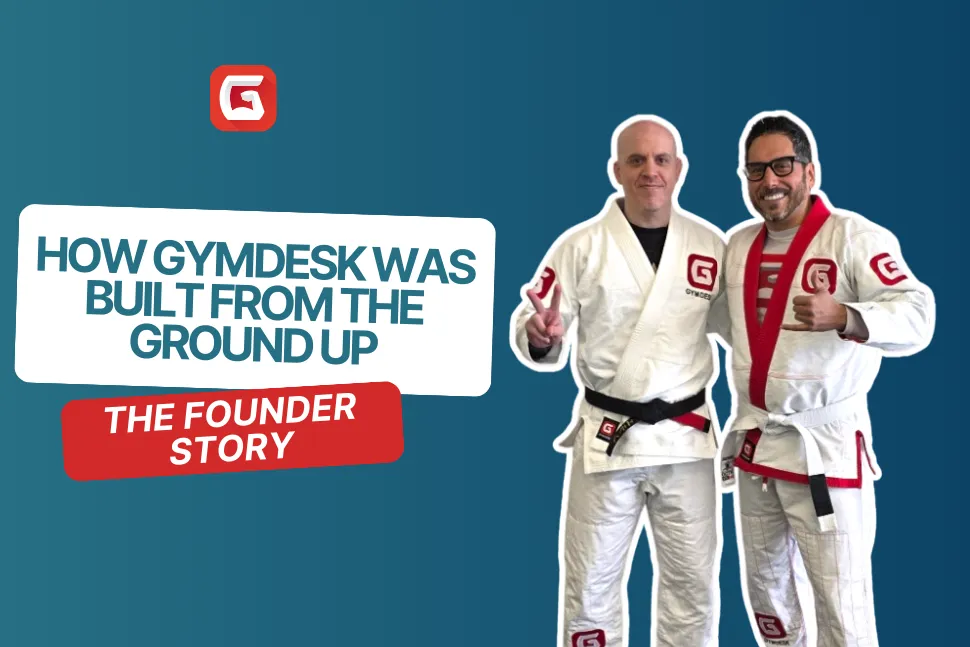
11月17日月曜日で、ラスベガスのジムにいます。Gimdeskの創設者であるエラン・ガルペリンとCEOのアレックス・クエバスが、2人がGymdeskのマットを着てマットの上に足を踏み入れた。
彼らが最後に集まったのはちょうど1年前、アレックスが入社した直後でした。当時はノーギで、アレックスのお気に入りのフォーマットではありませんでした。今回はGIで、アレックスはそれ以来上達してほしいと冗談を言っています。
エランは笑いながら答えます。 「間違いなく悪いです。3年近くGIのトレーニングをしていません。」 彼は変形性関節症と椎間板ヘルニアのため、ほとんどノーギでトレーニングしている。Giのトレーニングでは、より握ったり引っ張ったりして、体調を悪化させるので、彼は練習を適応させました。

これは単なるトレーニングセッションではありません。見送りです。
夜と週末のサイドプロジェクトから、何千もの武道学校やフィットネス企業が使用するジム管理ソフトウェアへとGymdeskを構築して10年近く経ったエランは、日常業務から離れようとしています。
「26年には10年になる」 エランは旅を振り返りながら言います。 「その辺を少しだけ探求する準備はできているよ。それが私の10年のすべてでした。」
これはその10年がどのように展開したかの物語です—すべてを終わらせることができたはずの苦闘、突破口、パンデミック。そして、エランがGymdeskのためにできる最善のことは身を引くことだと気づいた瞬間。
始まり:すべてが不確実だったとき
2015年、エランはベイエリアのベンチャーキャピタルが支援するスタートアップを解約しました。うまくいきませんでした。彼はそれを実現するためにイスラエルからサンフランシスコに移り住んだが、何年も努力した結果、その章を閉じる時が来た。
「VCトラックは好きじゃなかった」 エランは言う。 「完全にブートストラップで、そこから生み出される収益に完全に依存するように構築したいと思っています。」
彼は2006年からブラジリアン柔術のトレーニングをしてきました。当時はほぼ9年間、週に5〜6回練習しています。彼は格闘技界に深く関わっており、次のプロジェクトではソフトウェア開発と柔術という2つの情熱を融合させたいと考えていました。
明らかなアイデアはジム管理ソフトウェアでした。
しかし、エランが市場を見ると、Mindbody、ゼン・プランナー、パイク13などの定評のあるプレーヤーが見えました。混んでいるように見えました。多分混みすぎです。
それから彼はジムのオーナーの友人と話をしました。サンノゼのヒーローズ・マーシャル・アーツ出身のガンビーは、彼に必要な力を貸してくれました。
「ガンビーは文字通り私に、『あなたが何かを作ったら、私たちはあなたのものに移ります』と言いました。」 エランは回想する。 「そういうことで、私は再びその方向に押しやられました。」
みんな自分が使っているものについて文句を言っていました。市場そのものではなく、既存の製品の顧客へのサービス提供の仕方にギャップがあるように思えました。
エランはユーザーエクスペリエンスデザインのバックグラウンドを持っていました。彼は本当により良いものを提供できると信じていました。それは、そうだと主張するソフトウェアだけでなく、実際にユーザーフレンドリーなソフトウェアを提供できるということです。
振り返ってみると、エランは、競争に対する初期の躊躇は見当違いだったと言います。
「私が今信じて知っているのは、市場で競争があることは実際には良いことだということです。」 と彼は言います。 「それは市場を検証します。すでに需要があることが分かります。既存の競合他社がお客様にかわって市場教育を行います。自社の製品が何をしているのかを説明する必要はありません。」
2015 年後半、エランは建築を始めました。彼は素早く作業し、最初の製品を約 3 ~ 4 か月で構築し、2016 年の初めに「マーシャル・アーツ・オン・レイルズ」という名前でローンチしました。
次に難しいのは、顧客を獲得することです。
学習年:顧客獲得と製品の反復
エランは、以前の会社では常に技術的な創始者でした。他の誰かがマーケティング、販売、顧客獲得を担当していました。
Gymdeskでは、すべてが彼の仕事でした。
「顧客獲得の方法がまったくわかりませんでした。」 彼は認めます。 「その方法を考え出すには、長い発見のプロセスが必要でした。」
それで彼はフルタイムの仕事を得ました。
2016年にロサンゼルスに移り、eコマース企業のCTOとして働きました。 彼は安定した給料を稼ぎながら、夜や週末にGymdeskを作っていました。 華やかではありませんでしたが、明かりはついたままでした。
最初の顧客はサンディエゴのHonu BJJJのショーンでした。
エランは、生活費を抑えるためにサンディエゴに短期間住んでいたとき、彼らのジムでトレーニングをしていました。ショーンは、エランの言葉を借りれば、「本当にプライムタイムの準備が整っていなかった」製品を手に入れました。
ほぼ10年経った今でも、彼らはGymdeskの顧客です。
別の初期顧客: エランに最初のプッシュを与えた友人、ガンビー。
これらの初期の顧客は寛大なフィードバックをしてくれました。時には寛大すぎることもありました。製品で何かをする方法がわからないと誰かが言ったとき、エランが最初に思いついたのはこうでした。 「彼らはそれを間違って捉えている。彼らはもっと頑張る必要があるだけです。」
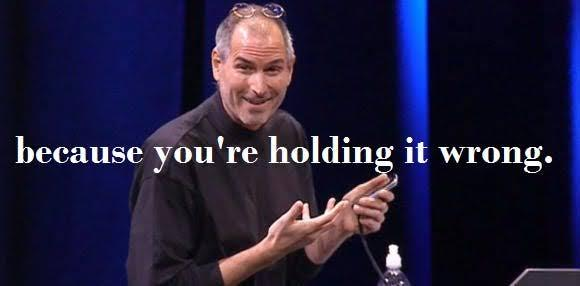
彼はより多くのヘルプドキュメントを作成し、より多くのガイドを書き、同じ質問に何度も答えていました。 それから彼は考え方が変わりました。
「最終的に、顧客から製品で何かをする方法がわからないと言われた場合、それは通常、顧客のせいではなく、製品のせいであることに気づきました。」 エランは言う。 「製品はより明確である必要があります。複雑すぎるか、隠しすぎているかのどちらかです。」
彼はこれ以上ヘルプドキュメントを書く代わりに、製品自体を通して問題を解決し始めました。彼は顧客のリクエストを額面通りに受け止めるのではなく、より深く掘り下げることを学びました。
「この会社で本当に学んだのは、製品の作り方でした。」 エランは言う。 「顧客とどのように話し、顧客が解決しようとしている中心的な問題を理解するか、それは非常に重要なことです。」
お客様は次のように言うでしょう。 「製品にXを実行させたい。」
エランはこう尋ねます。 「さて、あなたは製品ではなく、あなたのビジネスでXを使って何をしようとしているのですか?」
いったん根底にあるビジネス上の問題を理解すると、多くの場合、顧客が考えもしなかったような、はるかに優れたソリューションを提案できるようになります。
「彼らは、『ああ、すごい。そんな風に考えたことはなかった。」なぜなら、私は彼らのビジネス上の課題を実際に解決したからです。」
これがGymdeskの進化の基礎となりました。
何年にもわたって、製品はよりシンプルで直感的になりました。エランがより多くの機能を構築したからではなく、顧客が直感的に理解できるようになるまで、それらの機能の仕組みを改良し続けたからです。
彼はコンテンツの構築も始めました。Gymdeskは、ジムのオーナーに関連するビジネストピックに関するリソースを公開しました。構築には時間がかかりましたが、時間が経つにつれ、インバウンドチャンネルができました。
人々はコンテンツを見つけ、Gymdeskの内容を理解し、サインアップを始めました。
2016年から2019年の間、エランはフルタイムの仕事とGymdeskのバランスを取りました。会社には彼しかいませんでした。
顧客との会話はすべて彼を通り抜けました。すべてのサポートチケット。すべての機能決定。すべてのバグ修正。
疲れ果てました。しかし、他のすべてを可能にしたのは見習いでもありました。
全面的な取り組み:再設計と製品市場への適合
2019年8月、エランはついに飛躍を遂げました。彼はCTOの仕事を辞め、ロサンゼルスからオースティンに移り、Gymdeskでフルタイムで働きました。
「だからこそ、振り返って、「オーケー、これだけ多くのことを学んだ」と言うことができたのです。私たちの製品には、私たちが計画していなかったものがたくさんあります。今わかっていることを基に UI を再考してみましょう。」
彼はジョンというUXデザイナーを連れてきました。彼らは一緒に、製品を画面ごと、問題ごとに調べました。
何年にもわたる顧客からのフィードバックから、パターンが明らかになりました。つまり、人々が常に混乱する場所や、まとまりのある設計システムがない状態で追加されていた機能などです。
「ジョンがデザインしてくれて、そうやってスクリーンごと、問題ごとに進めていきました。そして、前に進むためのかなりしっかりした基盤ができたと感じました。」 エランは言う。
彼らは2020年の初めに再設計された製品を発売しました。
Gymdeskは、主要な競合他社にはない寛大なものも提供しました。 30 日間無料トライアル セールスコールは必要ありません。ほとんどの競合他社は、ソフトウェアを試す前に電話に出させました。
「競合他社と比較して、人々に試してもらうだけで製品が勝つと信じています。」 エランは言う。
このアプローチはうまくいきました。 Gymdeskは真の成長を遂げ始めました。彼らはいわゆるプロダクト・マーケット・フィット(PMF)にぶつかりました。製品があまりにも強く共鳴し、成長がより容易になり、より有機的になる、とらえどころのない瞬間です。
「人々は製品の使用を本当に楽しんでいるようです。」 エランは言う。 「物事はかなり良さそうだった。」
そして、2020年3月中旬、新型コロナウイルスにより世界は閉鎖されました。
パンデミックを生き延びる
2020年4月は残酷でした。
全国のジムは閉鎖を余儀なくされました。によると IHRSA データ、パンデミックの間、ジムとフィットネススタジオの25%以上が完全に閉鎖されました。
顧客はGymdeskに電話をかけ、アカウントの凍結またはキャンセルを求めるメッセージを送りました。
エランは彼らと一緒に働きました。チームはその助けとなる機能を追加しました。例えば、ジムが一度に10人しか収容できない場合の収容人数制限のサポート、そのためのツールなどです。 仮想クラスの管理、苦戦している企業向けの柔軟な支払いオプション。
「それらをサポートする機能を追加しました。」 エランは言う。 「会社にとって厳しい数か月でした。乗り切れるかどうかは明確ではありませんでした。」
しかし、彼らはそうしました。
2020年末までに、状況は安定しました。第2波と第3波がありましたが、いずれもジムのオーナーの不安は減りました。彼らは順応することを学びました。多くの人が新しい収入源を見つけました。生き残った人たちは強くなって戻ってきました。
そして、Gymdeskは成長を続けました。
スケールアップ時代:真の企業を築く
2021年から2023年の間に、Gymdeskは単独創業事業から実際の企業へと変貌を遂げました。
「私という1人のチームから、13人のチームへと大きく成長しました。」 エランは言う。 「カスタマーサクセス部門、マーケティング担当者、開発者が増えました。」
現在、何千もの企業がGymdeskを使用して ジムの運営を管理。
ほとんどの人が彼らの決定にとても満足していました。エランは顧客から直接その話を聞いていました。ソフトウェアは直感的で、価格設定はシンプルで公正で、サポートは迅速でした。
しかし、スケーリングには新たな課題が伴いました。具体的には、チームが成長しても品質を維持することでした。
「私がすべての顧客の質問に答えるとき、それはあなたが得ることができる最も正確な答えです。」 エランは説明します。 「私は製品を作りました。すべてのお客様と話をしています。実際にジムを経営していない人なら誰でもわかるように、私は彼らのビジネスを理解しています。」
彼がカスタマーサクセス担当者を雇うと、その知識を伝える必要がありました。彼らは製品知識とビジネス理解を深める必要がありました。
「それは可能です。しかし、それは挑戦です。そして、事業を拡大し続けるにつれ、あなたと最前線の人々との隔たりはますます大きくなっていきます。」
製品、エンジニアリング、マーケティングなど、すべての部門で同じ課題がありました。
創設者がすべての決定に直接関与しなくなったときに、創始者の深く根付いた直感を維持するにはどうすればよいでしょうか。
課題はあるものの、Gymdeskは強い立場にありました。Gymdeskの進歩をどう評価するか尋ねられたとき、エランは格闘技の例えを挙げた。
「製品としては、間違いなく競争力のある黒帯だと思います。あなたはいつも何か新しいことを学びます。君はいつもテクニックを磨く。それは間違いなく誰にとっても上達しているし、ほとんどの人よりも優れているかもしれない。」
彼は立ち止まった。 「ビジネスとしては、おそらく紫帯でしょう。たった今、上級レベルに入り、規模を拡大し、さまざまな事業を構築し、創業者に依存しなくなったものを構築しています。」
ブラジリアン柔術の紫帯は物事が深刻になるところです。あなたはもう初心者ではありませんが、まだマスターにはなっていません。あなたは長くて難しい中間、つまりほとんどの人が辞めたり突破したりする場所にいます。
エランはGymdeskが突破口を開くと決心しました。しかし、彼はその突破口を導くのに自分はふさわしくないかもしれないということをますます意識するようになりました。
いつ手放すべきかを知る
2024年の初めまでに、 エランは燃え尽きてしまった。
「私は会社のあらゆる面で日常業務に深く関わっていました。何年もの間、本当の休暇を取ることができませんでした。年中無休で接続しているだけです。週末、一日中、毎日、いつでもネットで私の姿が見られます。健康的ではありません。」
そこで、Gymdeskは、新興ソフトウェア企業と提携する投資会社、Five Elmsと対話を始めました。ファイブ・エルムズは、Gymdeskが築き上げてきたもの、つまり、顧客に愛される製品と、さらに大きくなるための明確な道筋を持つ、収益性の高い成長企業であることに気づきました。
彼らはエランに重要な質問をしました: 「CEOとして続けたいですか?」
「いや、みたいだ」 エランは言う。 「仕事を辞めて、もしかしたら製品に集中したいです。会社の日常業務を他の誰かに引き継がせたいです。」
彼は何年もの間精神的にこれに備えてきました。ファイブ・エルムズとのパートナーシップにより、財政的にそれが可能になりました。今、彼は適切な人物を見つける必要がありました。
彼らは数人の候補者にインタビューしました。中には、チームの構築と業務の拡大に長けた優秀なマネージャーもいました。しかし、彼らは武道やフィットネス業界とはまったく関係がありませんでした。
エランは心配していました。 「業界出身の創業者として、Gymdeskがここまで成長できた主な要因のひとつは、人々が製品を使って何をしているのか、なぜビジネスを構築しているのかを理解することです。その方向に進むと、何かを失うだろうと感じました。」
その後、アレックス・クエバスが衣装を着てインタビューに現れました。
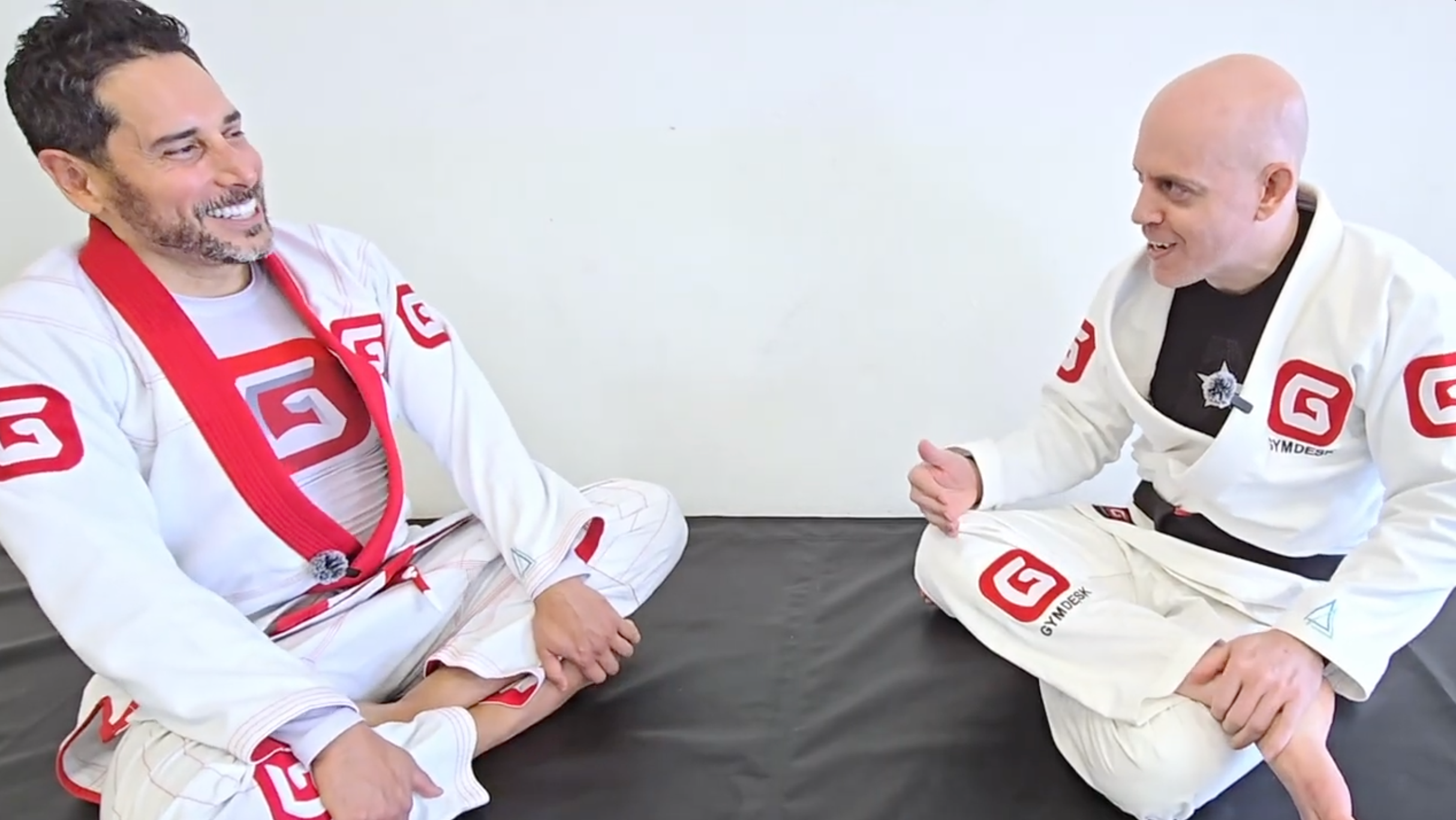
「オッケー」って感じです エランは笑う。 「ここに何かある。」
アレックスは長年柔道を訓練し、柔術を練習し、テコンドーを教えてきました。彼の最初の仕事は武道を教えることでした。彼はソフトウェアの分野で20年以上過ごしたが、ずっと格闘技コミュニティとのつながりを保っていた。
「分かるでしょ。あなたは長年柔道を練習してきたけど、今は柔術、テコンドー、いろんな面で。」 エランは言う。 「実際にこれらすべてを行い、顧客としてそれらのビジネスを経験する人は、完全に業界の外にいる人よりもはるかに多くの洞察力を持っています。」
アレックスも同じように感じました。
「これまでのキャリアでやってきたすべてのことが、私をここに導いてくれました。」 彼はエランに言った。 「若い頃、最初に就いた仕事は武道を教えることだった。そして今は、それを前もって報い、自分が気になる地域社会に奉仕できるようになった。」
フィット感は明らかでした。アレックスはCEOになり、エランは退任のプロセスを開始しました。
次は何か:紫帯事業は黒帯になる
その決断から1年後、エランは自分の現在の役割について達成感を込めてこう語る。
「私は会社でどんどん消耗品になっていて、もうすぐ日常に関わることができなくなるほどです。それが成果です。」
一部の創設者は手放すのに苦労しています。エランにとってはそれが正しいと感じています。
「創業者としてできることはすべてやったような気がする」 と彼は言います。
「この時点で、一部の人が私に頼りすぎている程度の妨げになっているかもしれません。彼らはただ、『エランが望むもので行きましょう』と言っているだけです。しかし、人は自分で過ちを犯す必要があります。私たちが期待するレベルの品質を提供できるようにするには、彼らが成長する必要があります。」
彼は完全に去るつもりはない。
今後も戦略的に関わり、製品の方向性と長期的ビジョンを導いていきます。しかし、サポートチケット、機能に関する議論、絶え間ない消火活動など、日々のことは今アレックスの手に委ねられています。
そして、Gymdeskは次に何をするかについて野心的な計画を立てています。
- 人工知能機能 小規模なジムのオーナーがより少ないリソースでより多くのことを行えるよう支援しています。Gymdeskのお客様の多くは、個人で運営されているか、スタッフが非常に少ないです。AIは彼らの対処を助けることができます。 マーケティングオートメーション、コミュニケーション、および管理タスクをより効率的に行えます。
- 主な連携 ClassPassやWhatsAppなど、ジムのオーナーが長年要望してきたツールを開発中です。Gymdeskには今、こうしたパートナーシップを構築するだけのチームキャパシティがあります。
- Gymdesk決済 ジムのオーナーが支払い処理業者と直接連携する現在のモデルよりも優れたマーチャントサポートを提供する予定です。何かがおかしくなったときに壊れた電話ゲームをする代わりに、Gymdeskが直接サポートしてくれます。
そのすべてにおいて、核となる理念は変わりません。
「競合他社の中には、お客様からこんな話を聞いたことがありますが、彼らはただ『うん、製品はそのまま』と言っています。」 エランは言う。 「私たちはそんなことは決して言いません。常に良くなっています。問題がある場合はお知らせください。少し時間がかかる場合でも、折り返し連絡して解決します。」
改善を続け、決して満足しないというコミットメントこそが、エランがGymdeskのDNAに組み込んだものです。彼が直接関わったときよりも長続きするのは、この遺産です。
最初の信者へ:ありがとう
ラスベガスでの会話の終わり近くに、エランの口調は変わりました。彼は最初にそこにいた顧客に直接何かを伝えたいと思っています。
「まず、本当にプライムタイムの準備が整っていなかったときに、製品を引き受けてくれて本当にありがとうございました。ずっと私たちと一緒にいてくれました。」 と彼は言います。
彼は、2016年に「マーシャル・アーツ・オン・レイルズ」で初めてチャンスを掴んだホヌ・ブラジリアン柔術のショーンに声をかける。今日もGymdeskで働いています。
Heroes Martial ArtsのGumbyに感謝しています。Gumbyは彼に最初のプッシュをくれ、最初の有料顧客の1人になった友人です。
「製品が、現在の形をほとんど反映していなかった頃、皆さんは私たちにこだわりました。」 エランは言う。 「あなたは私たちの最初の信者です。」
アレックスは自身の感謝の気持ちをこう語っています。 「君たちがいなかったら、私もここにいなかっただろう。」
世界は狭いです。アレックスはかつてGumbyのルームメイトだった人と仕事をしたことがあり、現在はシカゴでジムを経営していますが、最近Gymdeskのお客様になりました。
格闘技コミュニティ、ソフトウェアコミュニティ、ジムオーナーコミュニティなど、すべてを結びつけたつながりはすべて絡み合っています。
エランはサンディエゴの柔術大学でトレーニングを受け、アレックスもそこでトレーニングを受けました。
彼らは当時会ったことはありませんでしたが、同じマットの上で転がり、同じインストラクターから学びました。10年後、彼らは一緒にGymdeskの次の章を築いています。
「信じられないようなライドでした。」 エランは言う。
十年は終わりました。次の章はまだ始まったばかりです。
エピソード全体はこちらでご覧ください(音声の問題については先制的な謝罪も)。
20年近くマットを使い続けてきた人が作ったジム管理ソフトウェアを体験する準備はできていますか? 30 日間の無料トライアルを始める—セールスコールもクレジットカードも必要ありません。サインアップするだけで、何千人ものジムオーナーがGymdeskを選んだ理由がわかります。
Gym management software that frees up your time and helps you grow.
Simplified billing, enrollment, student management, and marketing features that help you grow your gym or martial arts school.